
A cramped, dark room can feel stifling, but you don’t need a sledgehammer and a renovation budget to fix it. Lighting is the ultimate “space expander.” By manipulating how light hits surfaces and where shadows fall, you can trick the eye into seeing more square footage than actually exists. Here are 26 expert lighting tips to transform your small space into a bright, welcoming sanctuary.
1. Natural Light
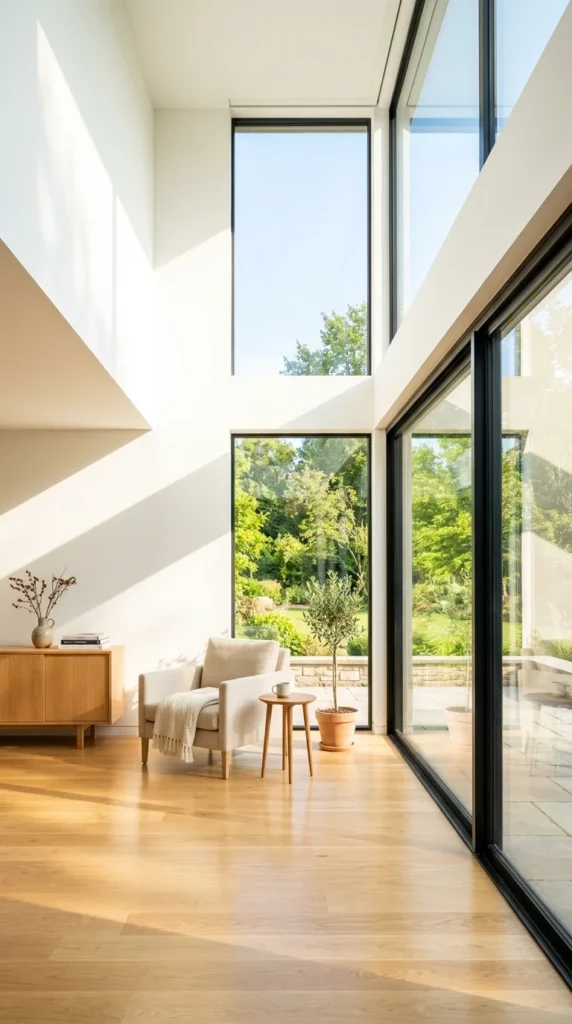
Maximizing natural light is the most effective way to make a room feel expansive. Clear away heavy drapes and keep windows unobstructed. Sunlight blurs the boundaries between the indoors and outdoors, making the walls feel further away than they are.
2. Layered Lighting
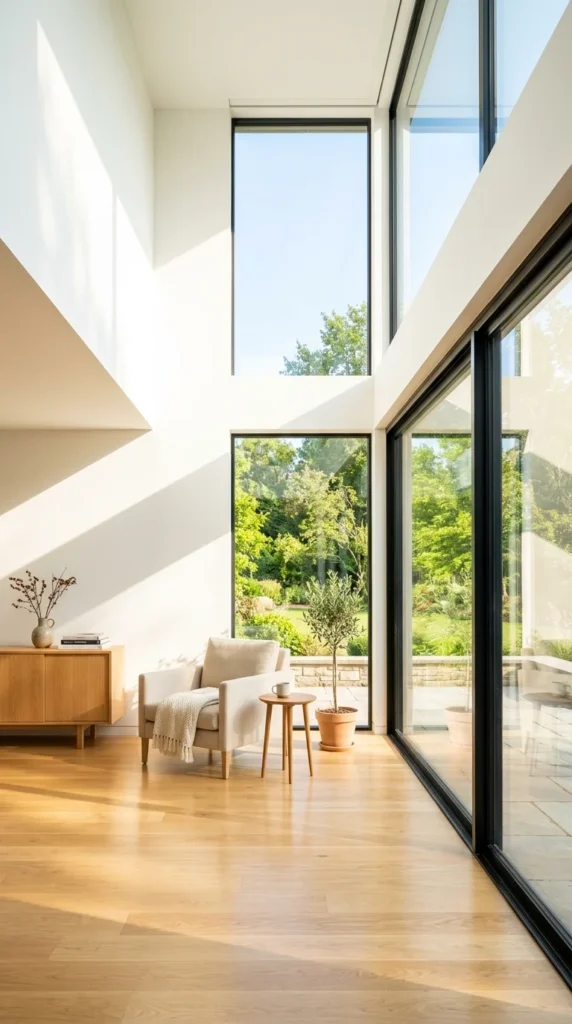
Never rely on a single overhead light. Layering—using ambient, task, and accent lighting—creates depth. When light comes from different heights and angles, it eliminates dark pockets that make a room feel “boxed in.”
3. Recessed Lights
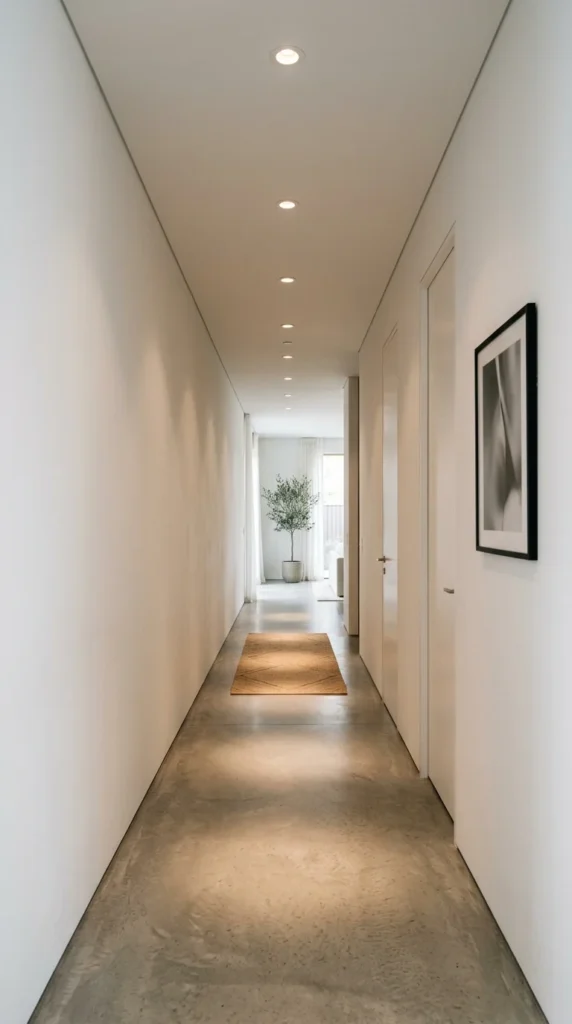
Bulky flush-mount fixtures can make a low ceiling feel even lower. Recessed “can” lights are tucked away inside the ceiling, keeping the overhead plane clean and unobstructed. This adds vertical volume to the room.
4. Floor Lamps
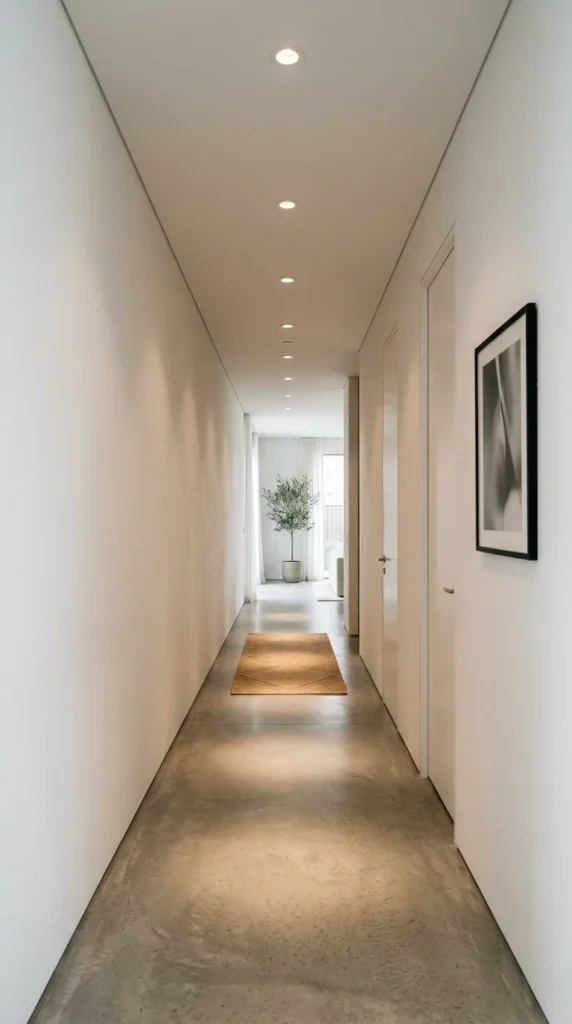
Tall, slim floor lamps draw the eye toward the ceiling. By emphasizing the vertical lines of a room, you distract from a narrow floor plan. Choose “torchere” styles that bounce light off the ceiling for an extra sense of height.
5. Wall Sconces
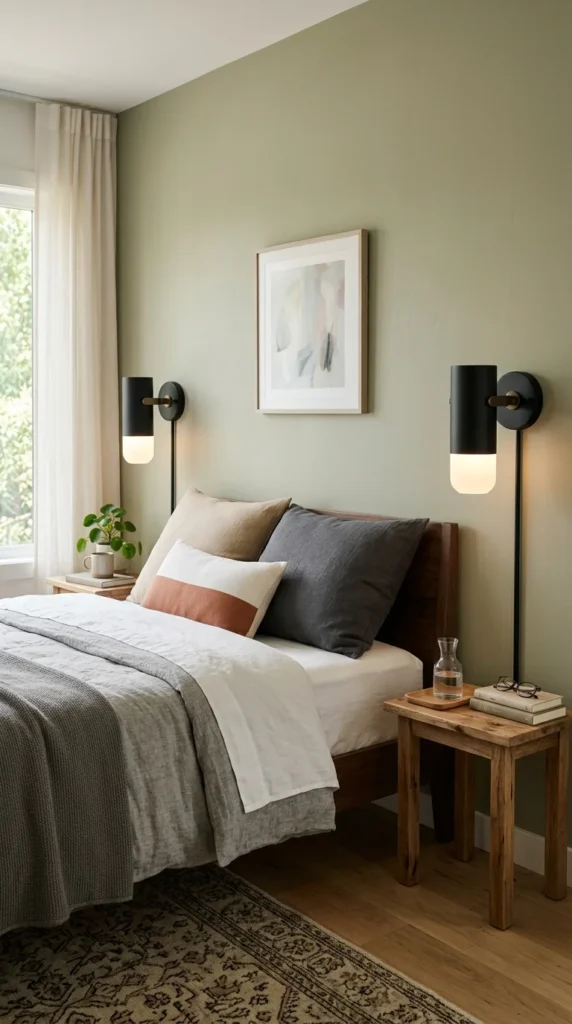
When floor space is at a premium, move your lighting to the walls. Sconces provide excellent task or accent lighting without requiring a table or floor footprint, keeping the walking paths clear and open.
6. Backlighting
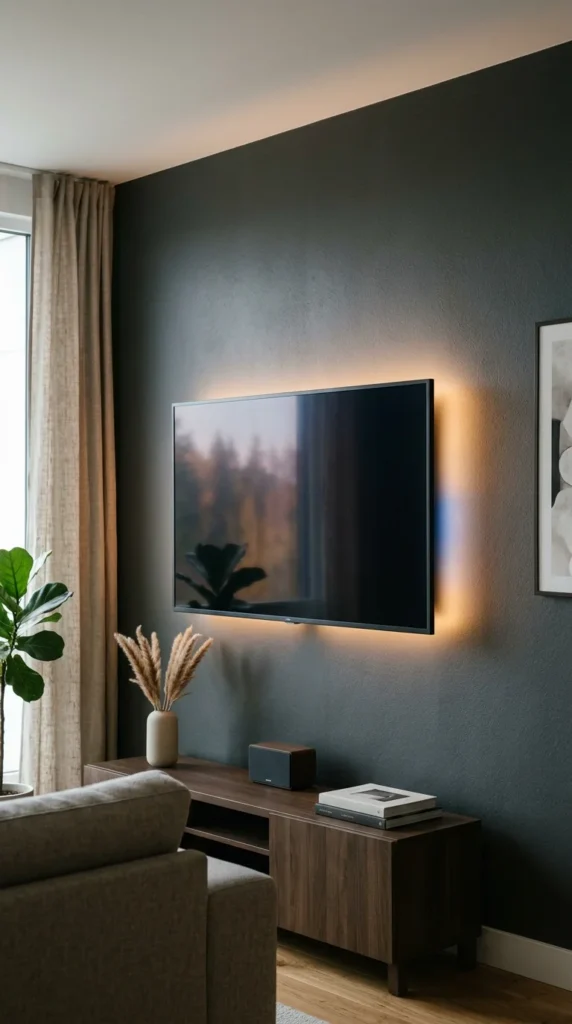
Placing light sources behind furniture, such as a headboard or a television, creates a “halo” effect. This pushes the furniture away from the wall visually, adding a layer of perceived depth to the room.
7. Strategic Mirrors
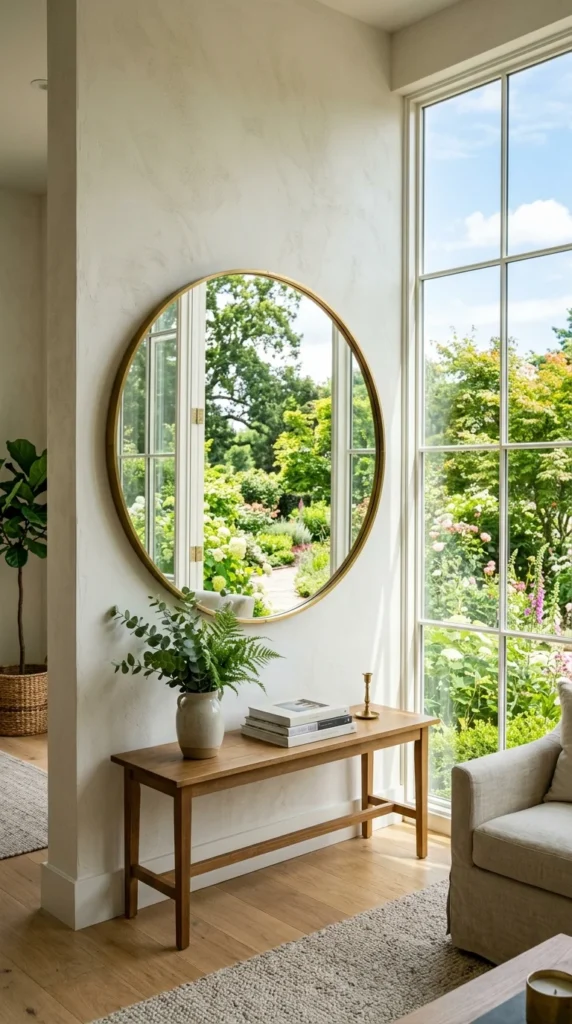
While not a light fixture itself, a mirror is a lighting tool. Placing a mirror opposite a window or near a lamp catches the light and bounces it back into the room. This effectively doubles the brightness and the visual space.
8. Sheer Curtains
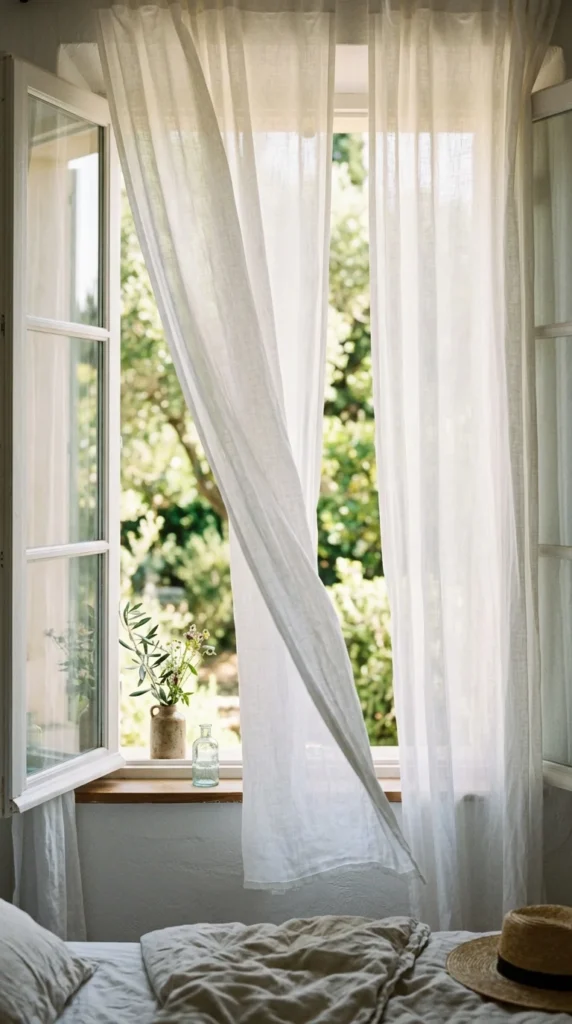
If you need privacy, opt for sheer fabrics rather than heavy blackout curtains. Sheers allow the maximum amount of “luminous flux” to enter the room while softening the glare, keeping the space bright and airy.
9. LED Strips
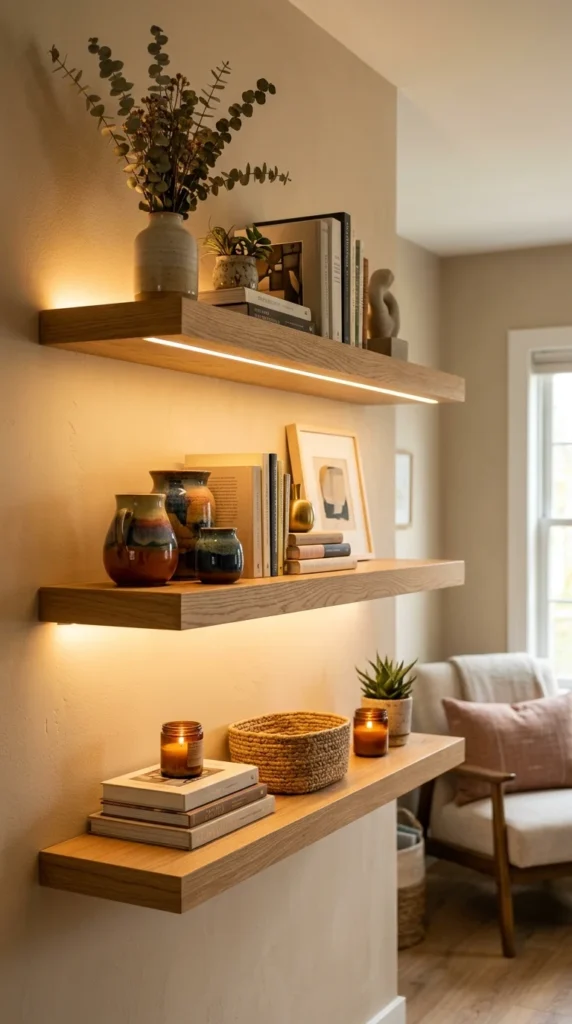
Low-profile LED strips are perfect for “dead spaces.” Install them under cabinets, inside bookshelves, or along toe-kicks. These hidden light sources illuminate shadows and make the edges of the room glow.
10. Bright Bulbs
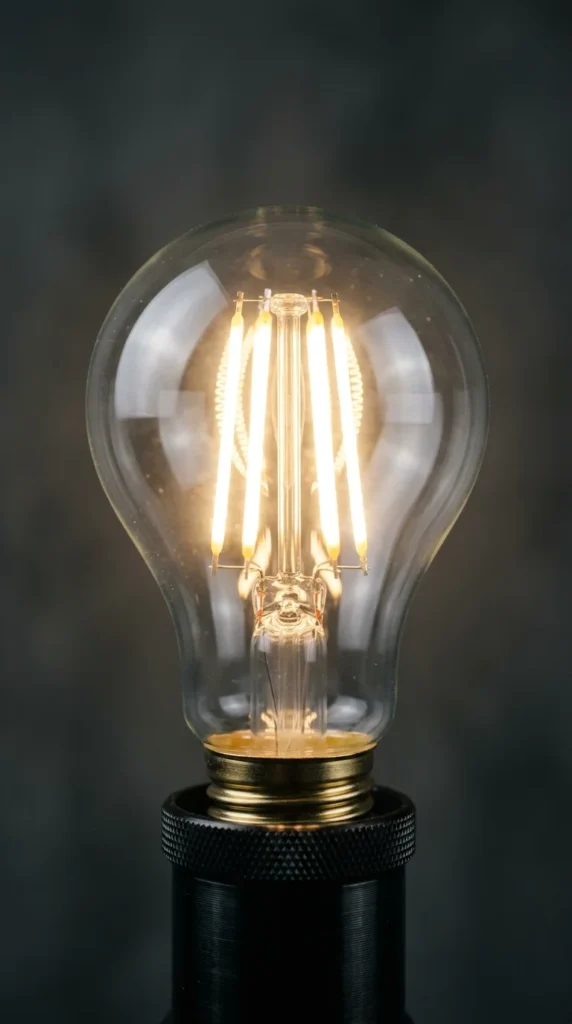
Don’t just look at wattage; look at lumens. To make a small room feel bigger, you need a high lumen count (brightness). Aim for LED bulbs that provide high output with low energy consumption to keep the room brilliantly lit.
11. Light Colors
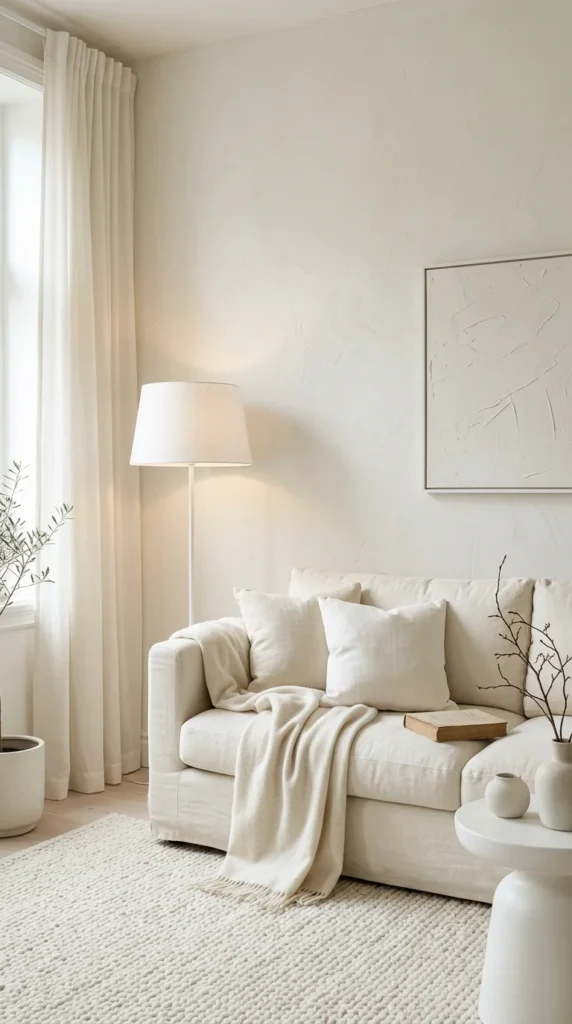
Choose light fixtures with white or pale shades. Dark lampshades absorb light and create “spots” of brightness. Light-colored shades diffuse light more evenly, helping the illumination wash over the walls.
12. Glass Fixtures
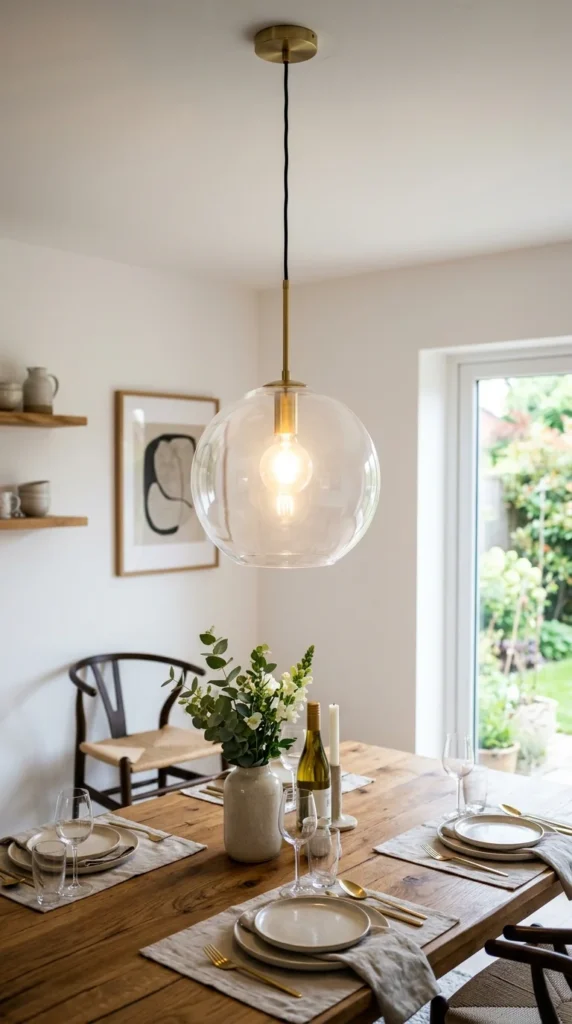
Clear glass or acrylic light fixtures are “visually light.” They provide the necessary illumination without creating a visual block. Being able to see through the fixture to the wall behind it maintains a sense of openness.
13. Track Lighting
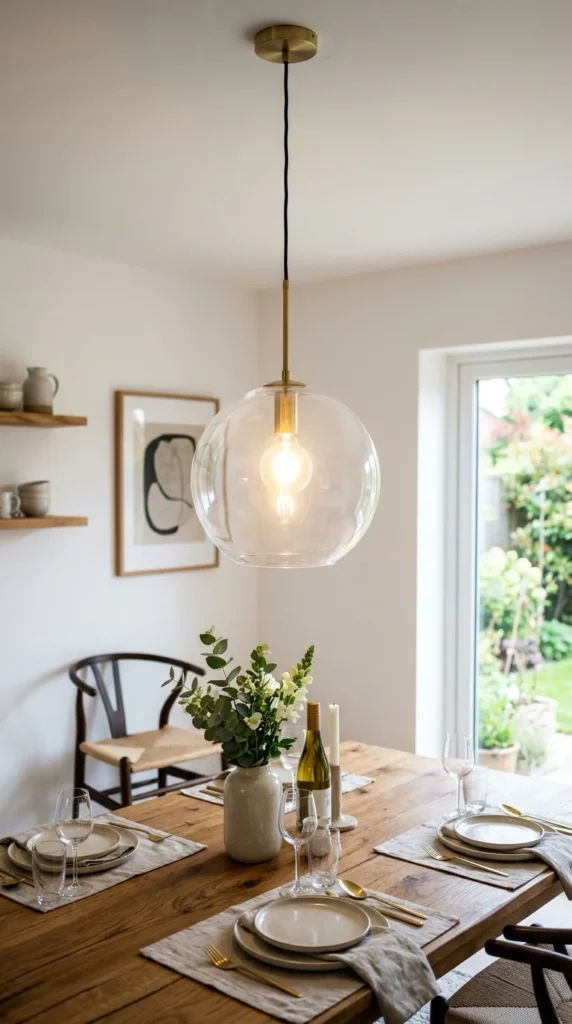
Track lighting allows you to aim light exactly where you need it. By directing light toward the four corners of a room, you eliminate shadows that “clip” the corners, making the room feel wider.
14. Up-lighting
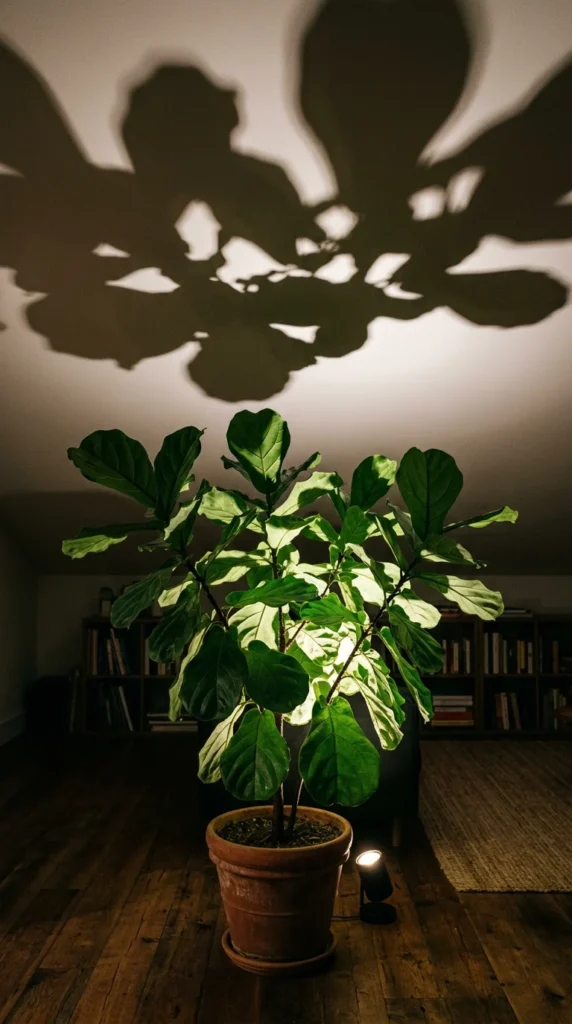
Pointing light upwards (up-lighting) is a classic designer trick for small spaces. It draws the gaze toward the highest point of the room, making a standard eight-foot ceiling feel much taller.
15. Pendant Lights
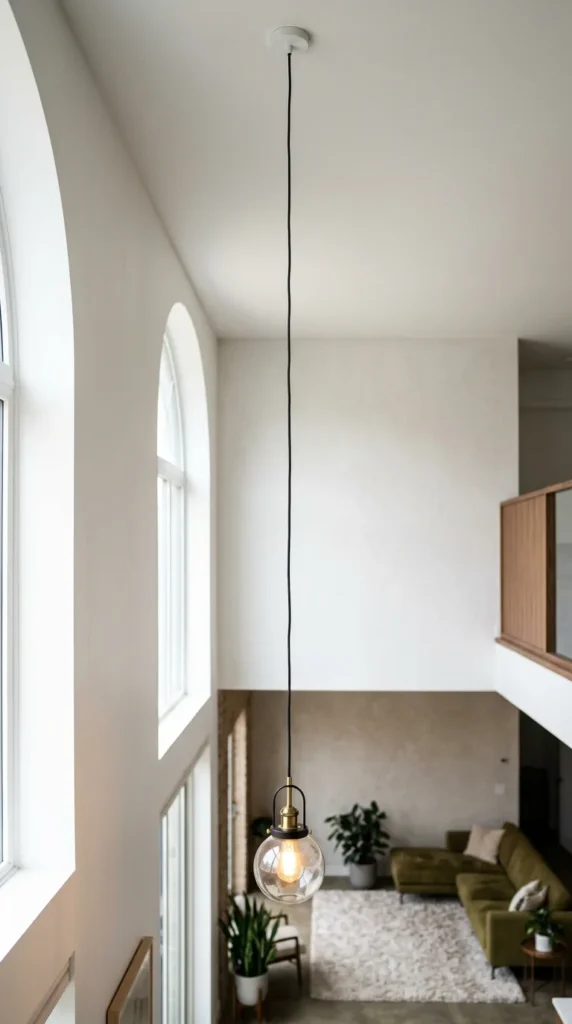
In a small room, use a pendant light to create a focal point. A long, thin cord hanging from the ceiling emphasizes the vertical axis. It guides the eye from top to bottom, highlighting the height of the space.
16. Dimmer Switches
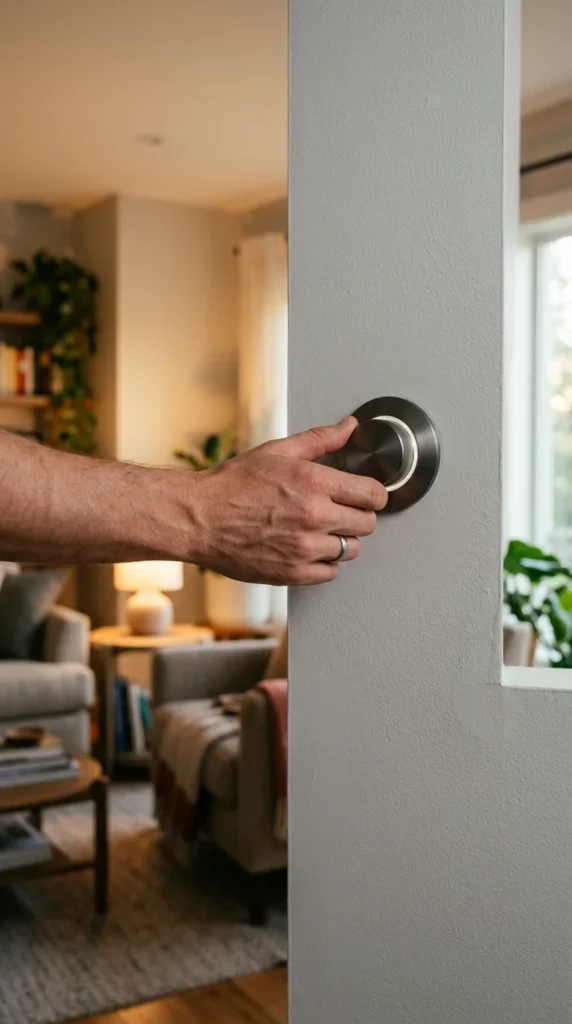
Dimmers give you total control over the atmosphere. By being able to adjust the brightness, you can prevent “glare” (which can feel claustrophobic) and create a soft, expansive glow that adjusts to the time of day.
17. Corner Lighting
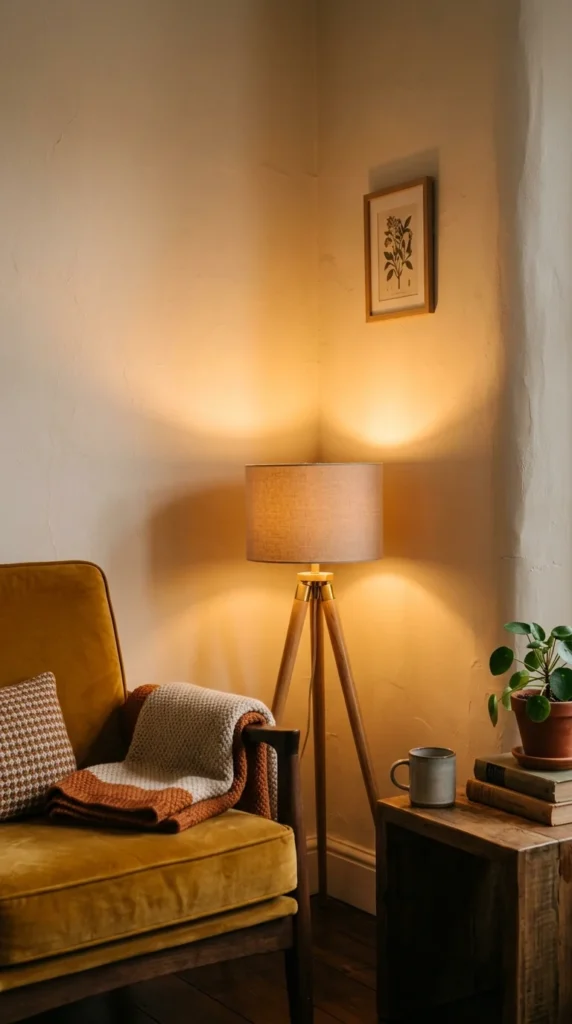
Shadows thrive in corners, and shadows shrink rooms. Placing a small lamp or a spotlight in the far corners of a room “pushes” the walls out and ensures no part of the floor plan is lost to darkness.
18. Skylights
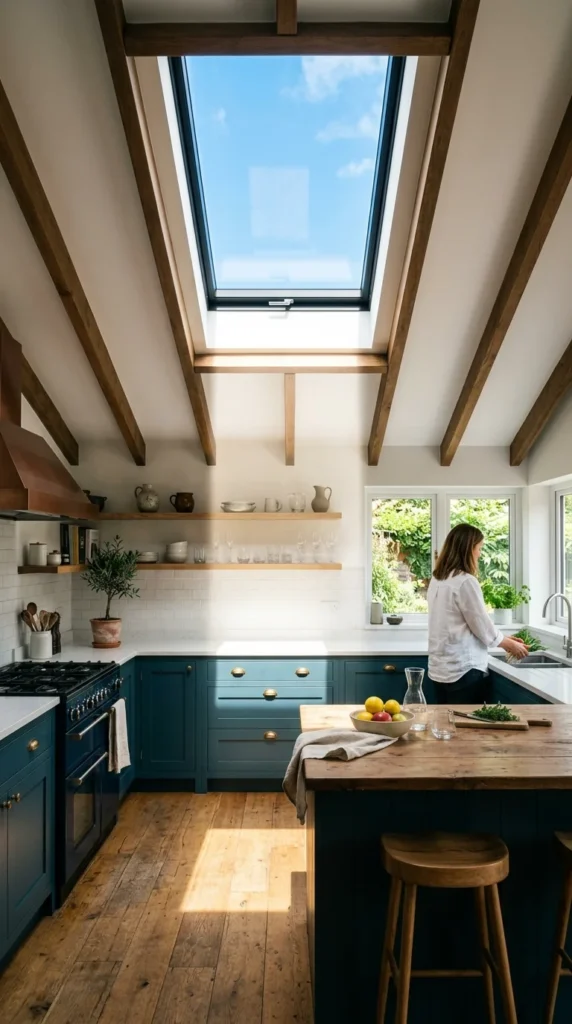
If your architecture allows, a skylight is a game-changer. It provides the most consistent and bright light source possible. Vertical light from above feels more natural and expansive than horizontal light from side windows.
19. Metallic Accents
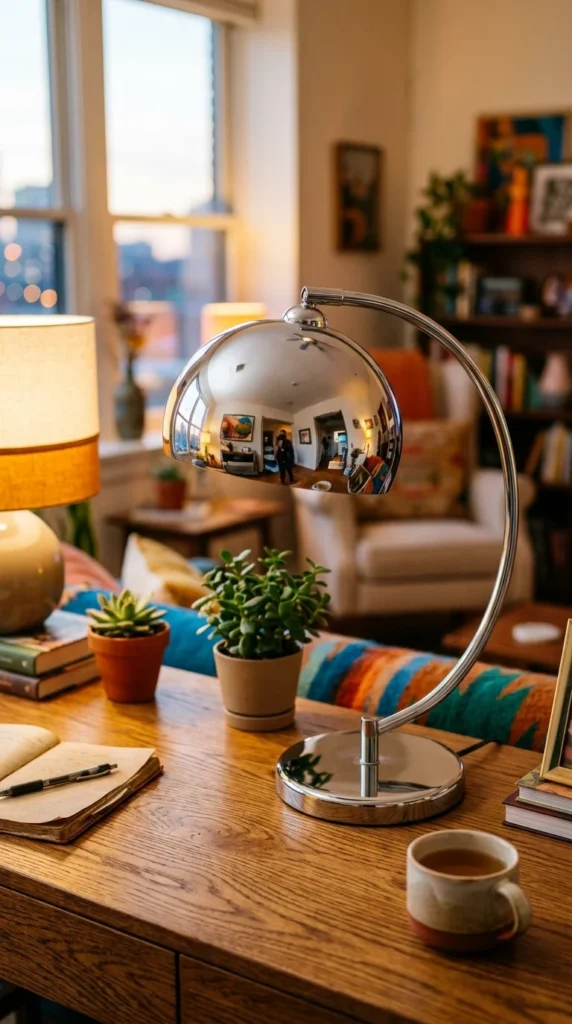
Choose light fixtures with metallic finishes like chrome, polished brass, or silver. Like mirrors, these reflective surfaces catch stray light and bounce it around, adding a shimmering quality that feels bright and expensive.
20. Clean Windows
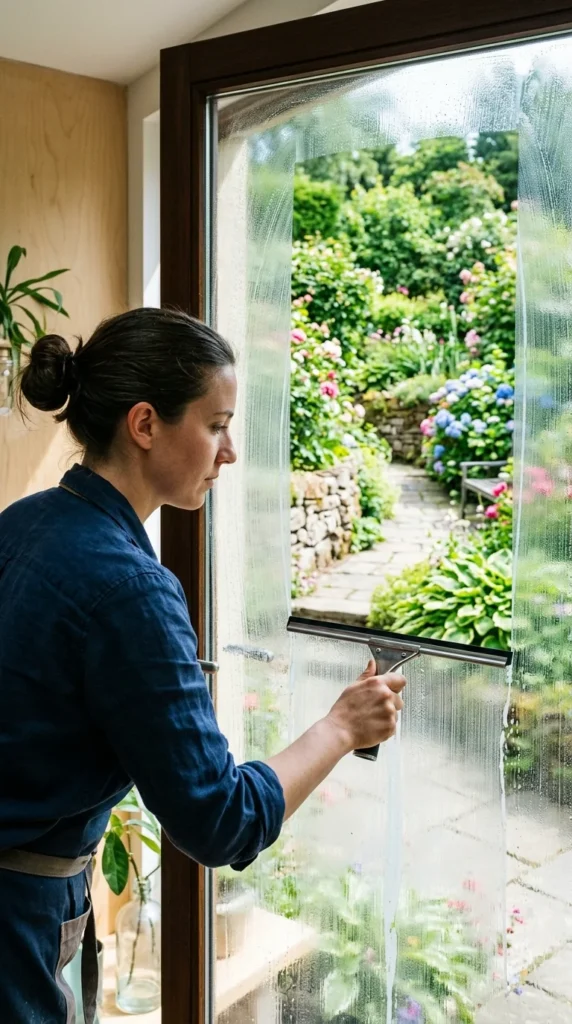
It sounds simple, but dirt and grime on window panes can block up to 20% of incoming light. Keeping your windows sparkling clean ensures that every possible ray of sunshine can enter and brighten your small space.
21. Strategic Shadows
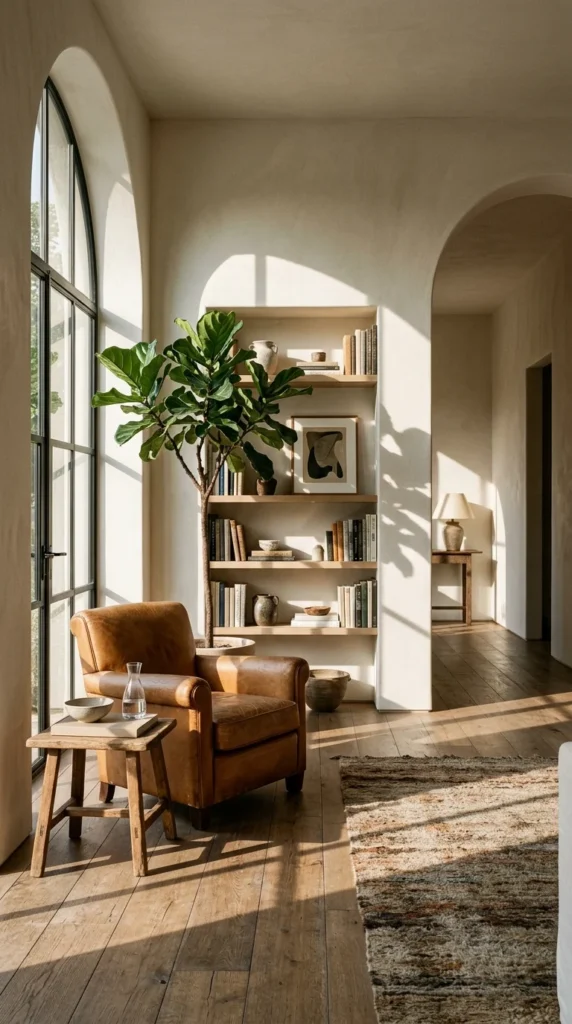
Total brightness can sometimes feel “flat.” Use accent lighting to create soft, intentional shadows. This contrast adds a 3D effect to the room, making it feel like there is more “space” between objects.
22. High Placement
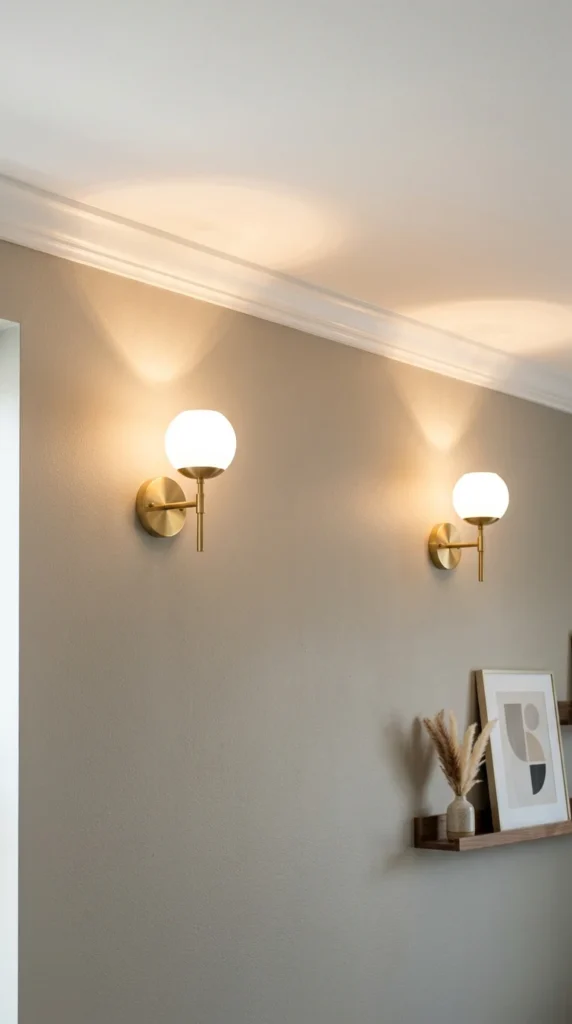
When installing sconces or hanging pictures with lights, place them slightly higher than eye level. This forces the occupant to look up, which subconsciously creates a feeling of more overhead space.
23. Cool Temperature
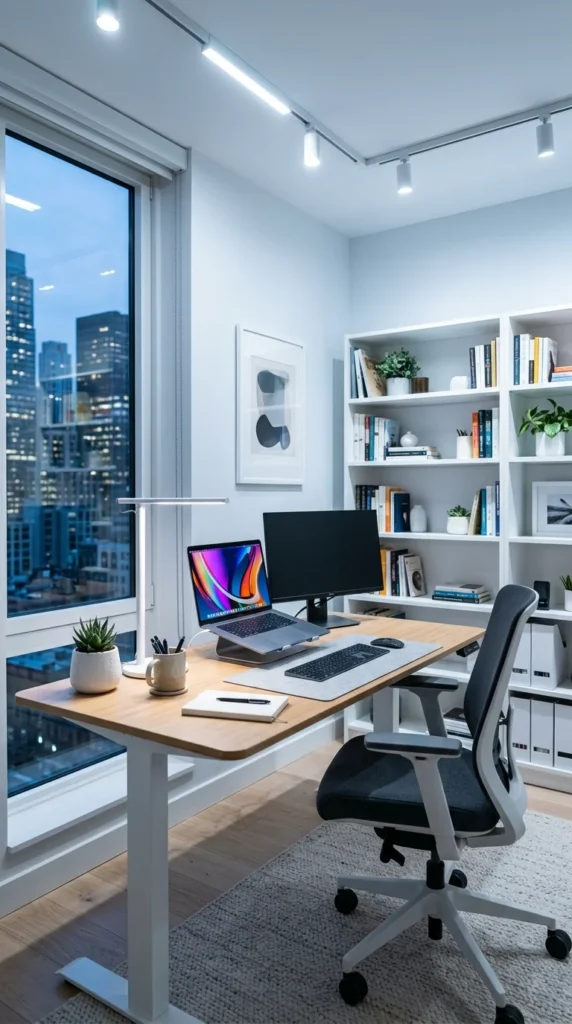
Bulbs with a “cool” color temperature (around 4000K-5000K) mimic daylight better than “warm” yellow bulbs. Cool light is more energetic and makes white walls look crisper, contributing to an open, airy feeling.
24. Integrated Lighting
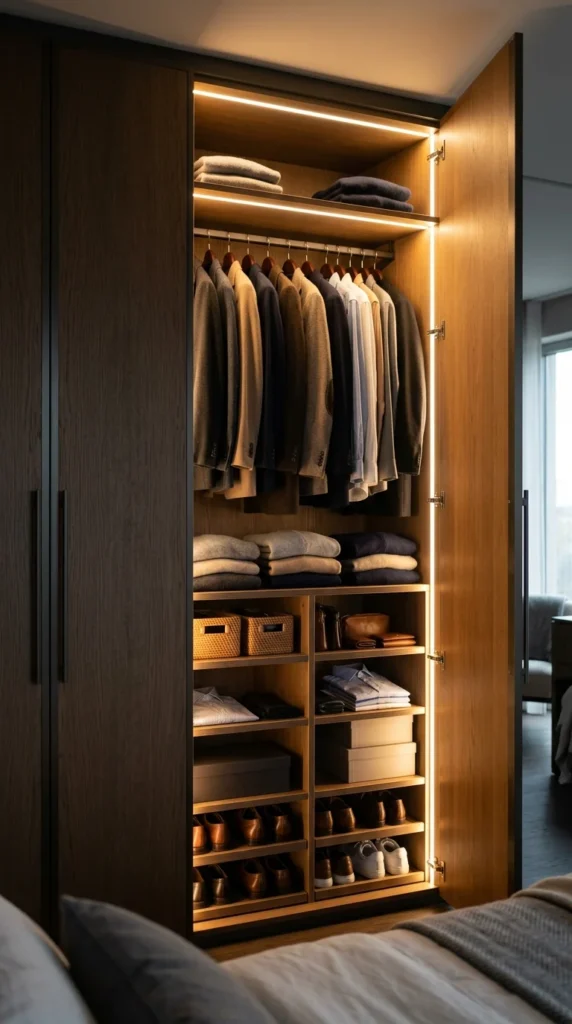
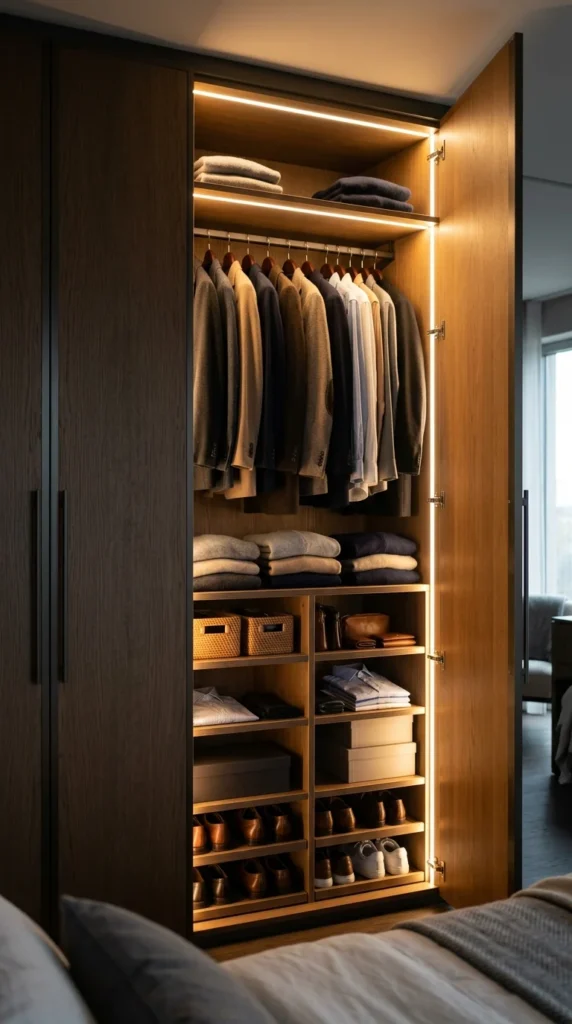
Furniture with integrated lighting—like bookshelves with built-in LEDs or wardrobes with interior lights—eliminates the need for external lamps. This keeps the room uncluttered while ensuring every “nook” is bright.
25. Large Scale
It’s a common mistake to use tiny fixtures in small rooms. Surprisingly, one large, well-chosen “statement” fixture can make a room feel bigger by providing a single, clear focal point that defines the scale of the space.
26. Symmetry
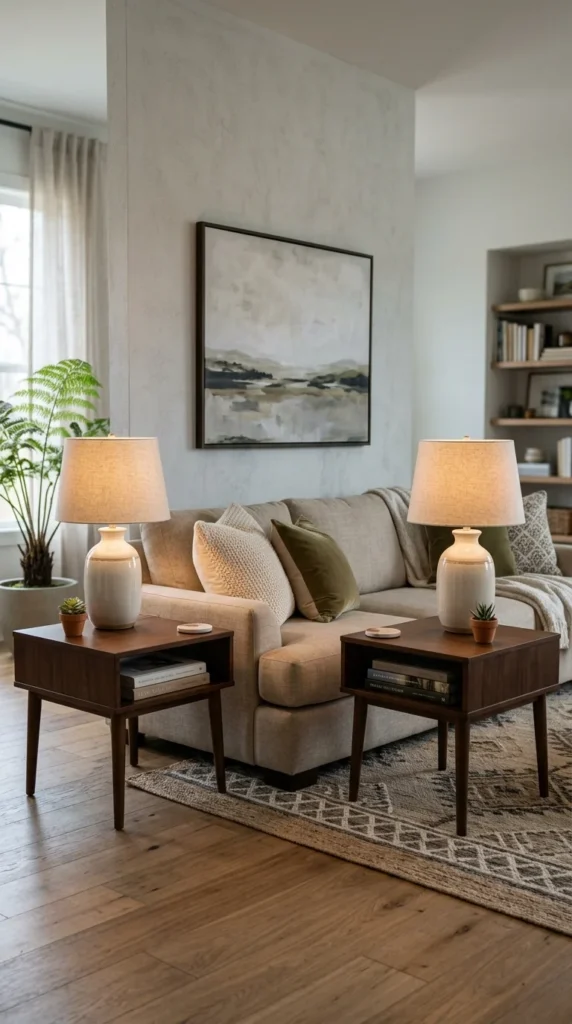
Symmetrical lighting creates a sense of order and balance. When the eye can easily process the layout of a room through balanced light, the space feels more organized and, consequently, more spacious and less chaotic.