
Moving out of or into a small apartment presents a unique set of challenges. When every square inch counts, the logistics of packing, transporting, and unpacking become a high-stakes game of Tetris. Whether you are downsizing from a larger home or simply shifting between studios, the key to a successful move lies in meticulous organization and strategic planning. To help you navigate the chaos and arrive at your new doorstep with your sanity intact, we have compiled the ultimate guide to small apartment moving.
1. Purging

The golden rule of small apartment moving is to never move what you don’t need. In a confined space, clutter is your worst enemy. Before you even buy your first roll of packing tape, go through every drawer, closet, and cupboard. Use the “one-year rule”: if you haven’t used it, worn it, or looked at it in the last year, it’s time to let it go. Sell high-value items online, donate the rest to charity, and recycle what’s left. This not only lightens your load but can also help fund your moving expenses.
2. Measuring
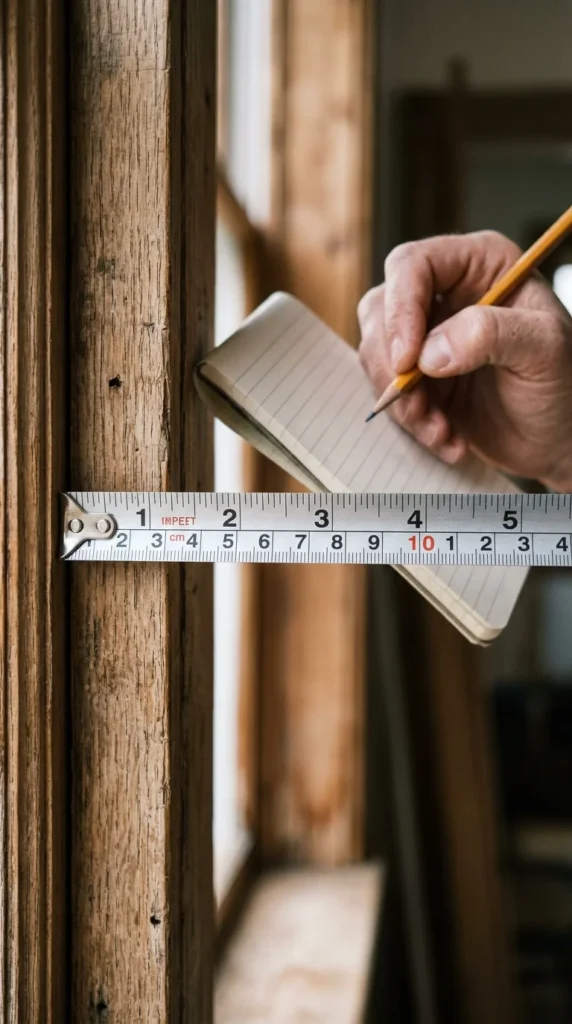
In a small apartment, half an inch can be the difference between a couch that fits and a couch that spends the night on the sidewalk. Measure the dimensions of your new rooms, but more importantly, measure the entryways, hallways, and elevator doors. There is nothing more stressful than realizing your bed frame won’t clear the corner of a tight stairwell. Knowing your measurements ahead of time allows you to sell oversized furniture before moving day.
3. Essentials
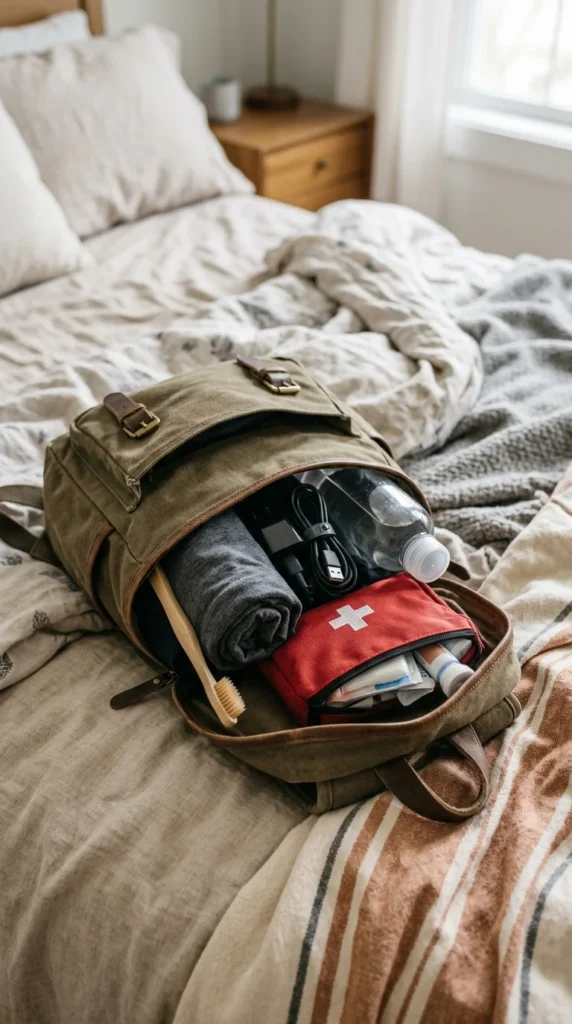
Pack a “first-night” bag. This should contain everything you need to function for 24 hours without opening a single cardboard box. Include toiletries, a change of clothes, basic medications, phone chargers, and perhaps a small tool kit. When you finally collapse into your new apartment after a long day of moving, you won’t want to hunt through ten different boxes just to find your toothbrush and pajamas.
4. Inventory
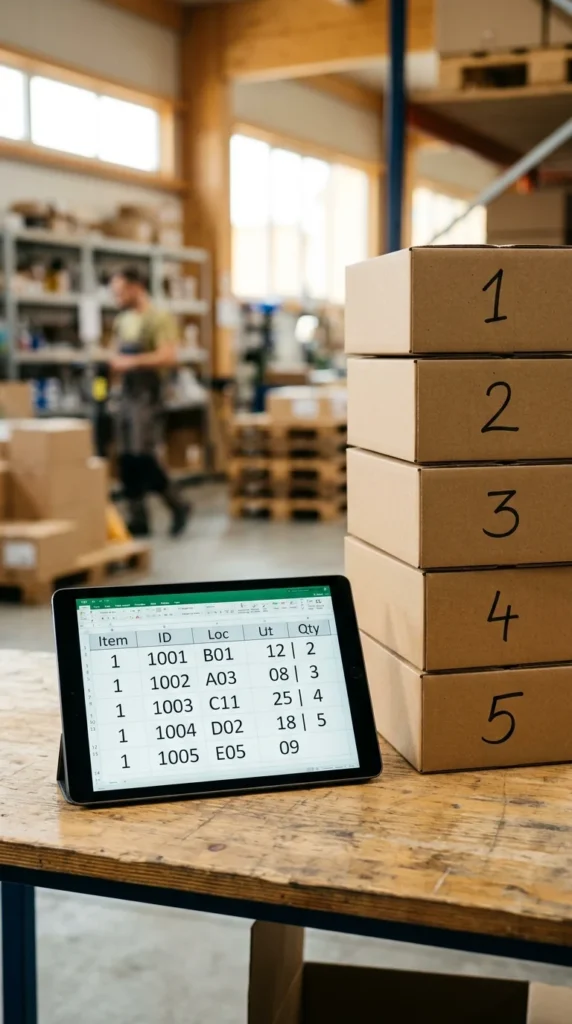
Creating a master inventory list is the best way to ensure nothing goes missing. Number your boxes and record their contents in a notebook or a dedicated moving app. If you’re looking for your coffee grinder three days after the move, you’ll know exactly which box to open instead of rummaging through a mountain of cardboard.
5. Categorizing
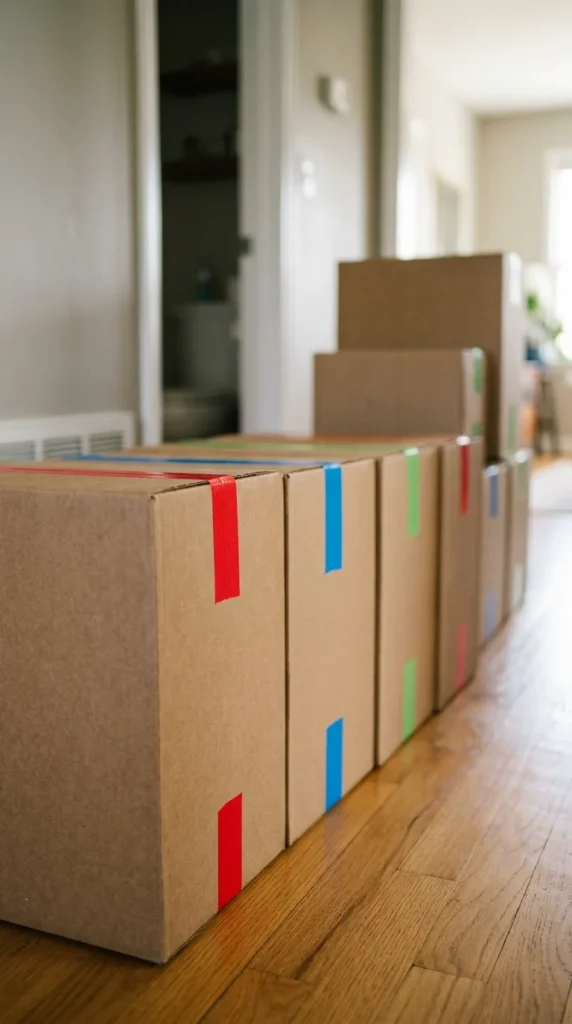
Color-coding is a visual lifesaver. Assign a specific color to each area of your new apartment (e.g., blue for the bathroom, yellow for the kitchen). Use colored tape or markers to label the sides of the boxes. This allows movers—or your helpful friends—to know exactly where to drop each box without having to ask you every thirty seconds.
6. Suitcases
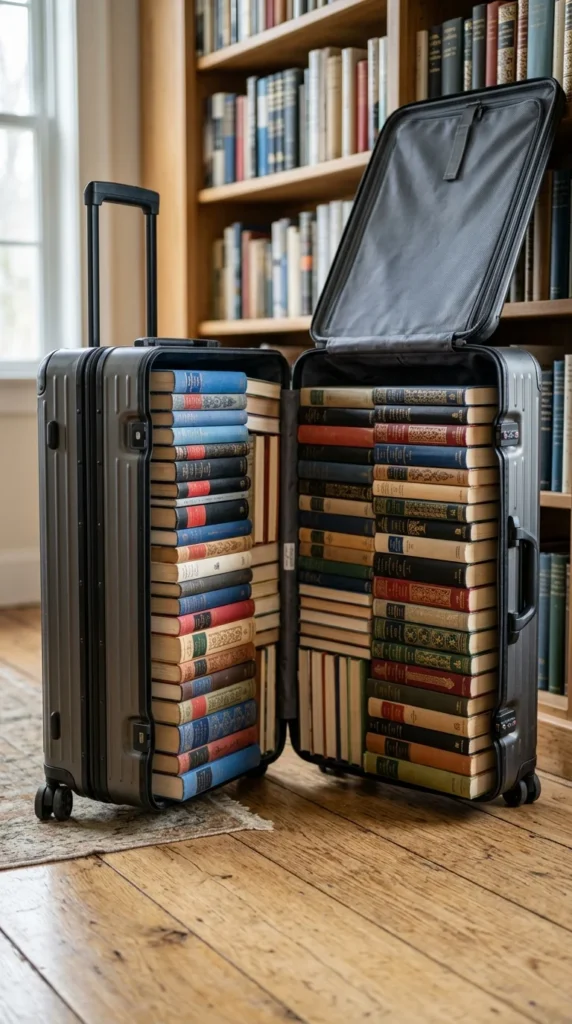
Don’t let your luggage travel empty. Suitcases are designed to hold heavy weight and have wheels, making them the perfect vessels for your heaviest items like books, hand weights, or kitchen appliances. Using suitcases for these items saves your back and utilizes space that would otherwise be wasted.
7. Electronics
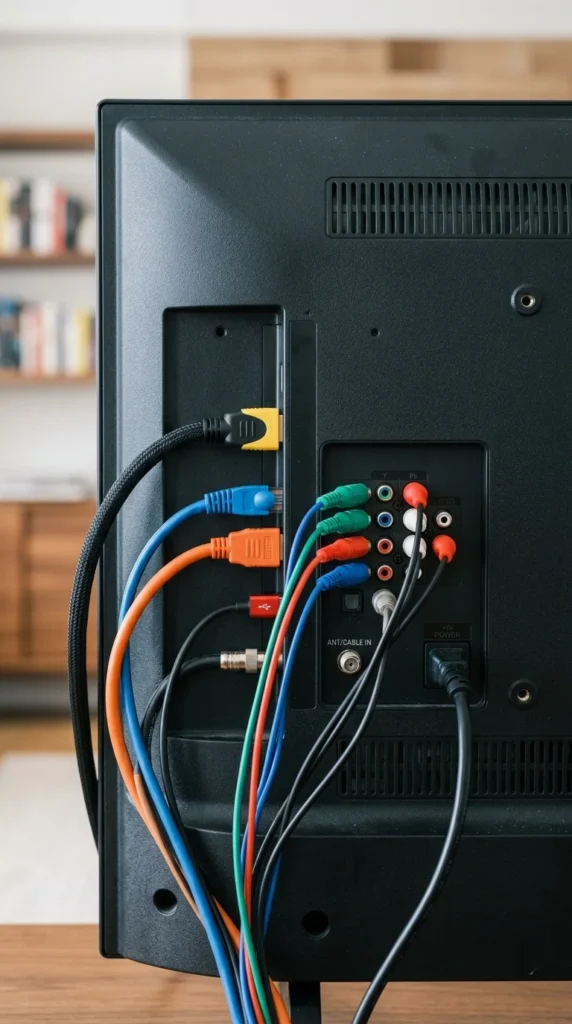
Before you unplug your TV, gaming console, or computer setup, take a clear photo of the back of the devices. Small apartments often require creative wiring solutions. Having a visual reference of where each cable goes will save you hours of frustration when you’re trying to set up your tech in the new place.
8. Hardware
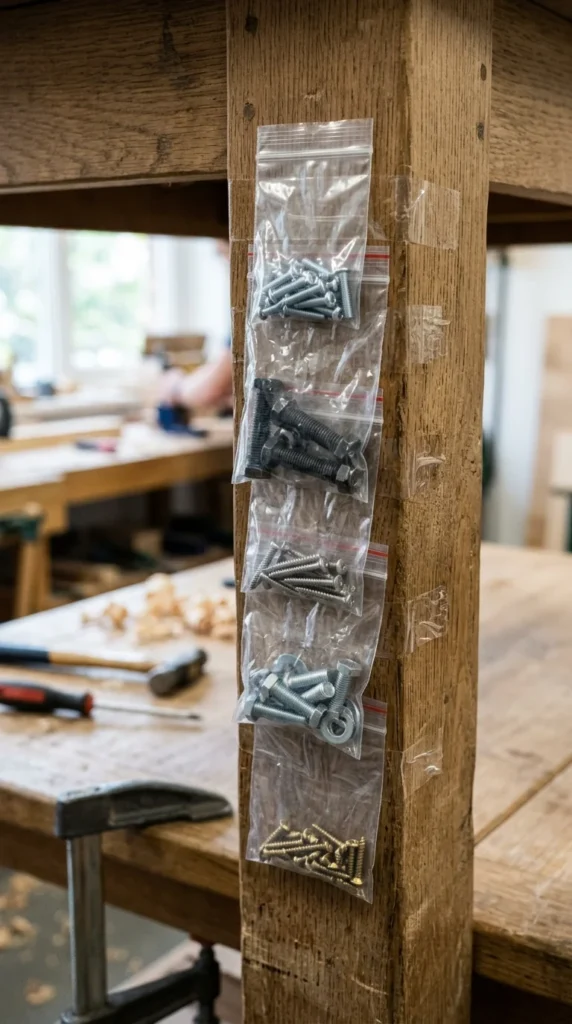
When you disassemble furniture—which is almost a requirement in small-space living—put all the screws, bolts, and Allen wrenches into a labeled plastic bag. Tape that bag directly to a large piece of the furniture it belongs to. This prevents the “mystery screw” phenomenon where you end up with a pile of hardware and no idea where it goes.
9. Protection
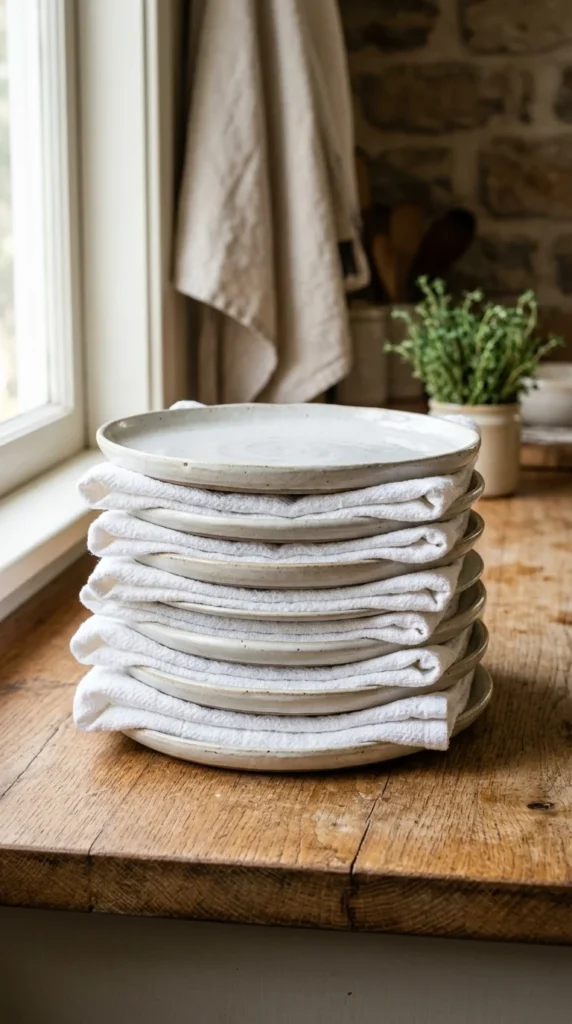
Save money on bubble wrap by using what you already own. Wrap your glassware in clean socks and use towels, blankets, and even t-shirts to cushion fragile items. Not only does this protect your breakables, but it also means you’re packing your linens and clothing at the same time.
10. Verticality
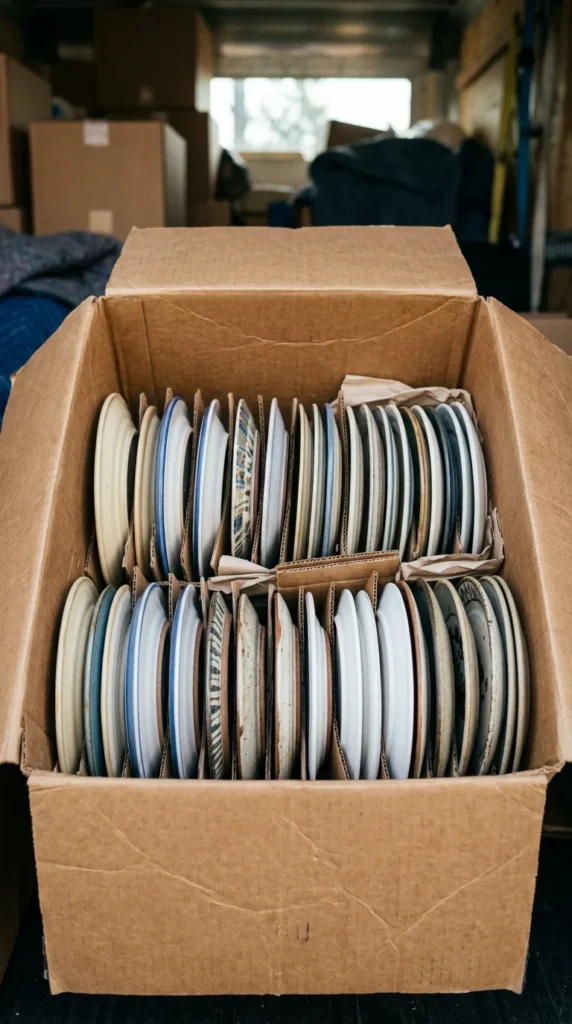
When packing plates, place them vertically (on their edges) rather than stacking them flat. Plates are much stronger when standing up and are less likely to crack under the weight of other items. Be sure to provide plenty of padding at the bottom and top of the box.
11. Layout
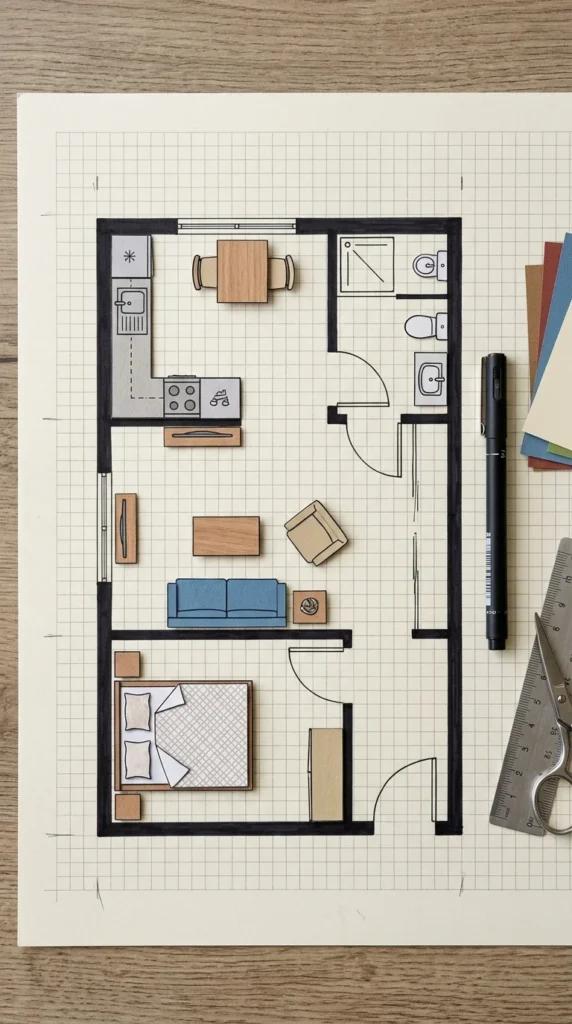
In a small apartment, placement is everything. Draw a rough floor plan of your new space and decide where the big furniture items will go before you arrive. This prevents the “shuffle,” where you move a heavy dresser three times because it blocks a closet or an outlet. Knowing the layout helps you direct the movers efficiently.
12. Utilities
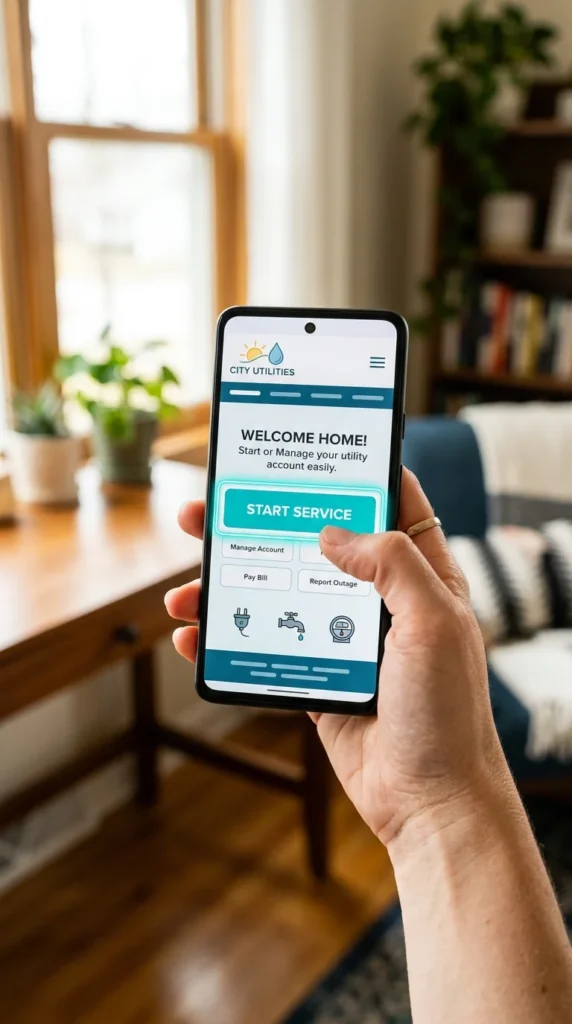
Moving into a small apartment usually means you are in close proximity to neighbors. The last thing you want is to arrive and realize you have no electricity or water. Schedule your utility transfers at least two weeks in advance. Ensure your internet is set to be installed on move-in day if possible, as working from a new home without Wi-Fi can be a logistical nightmare.
13. Cleaning

It is much easier to clean an empty apartment than one filled with boxes. If possible, get into your new place a day early to scrub the floors, wipe down the inside of cabinets, and sanitize the bathroom. Conversely, leave your old place in top condition to ensure you get your security deposit back—money that will be very useful for new decor.
14. Clear Bins
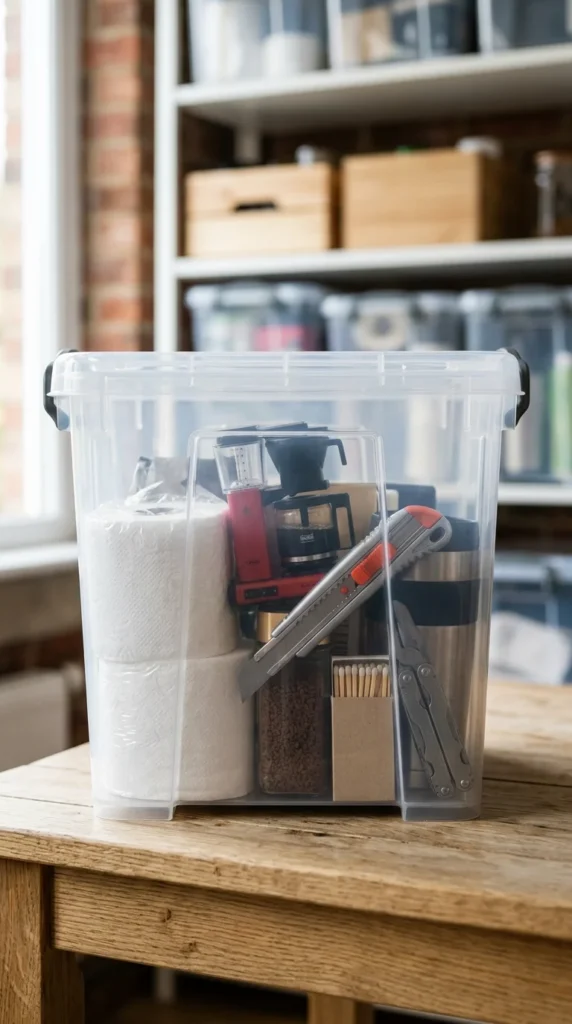
For the items you’ll need immediately upon arrival—like a box cutter, trash bags, and toilet paper—use a clear plastic bin instead of a cardboard box. The transparency allows you to see the contents instantly, and the bin stands out from the sea of brown cardboard, making it easy to find in the chaos of moving day.
15. Vacuum Bags
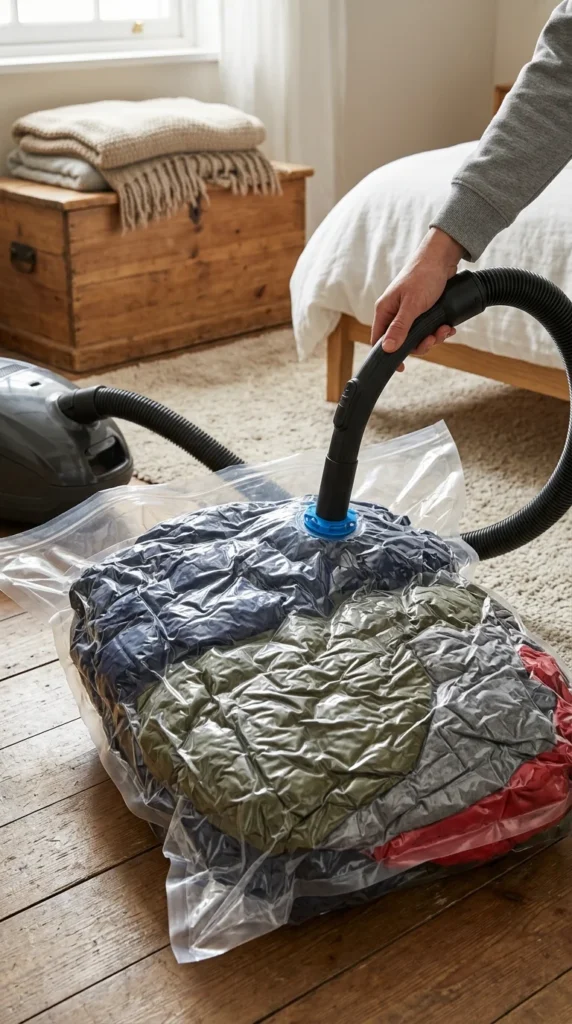
Small apartments often lack storage for bulky items like winter coats, comforters, and extra pillows. Use vacuum-seal bags to shrink these items down to a fraction of their size. This makes them much easier to transport and allows them to fit into small closet nooks or under-bed storage in your new home.
16. Scheduling
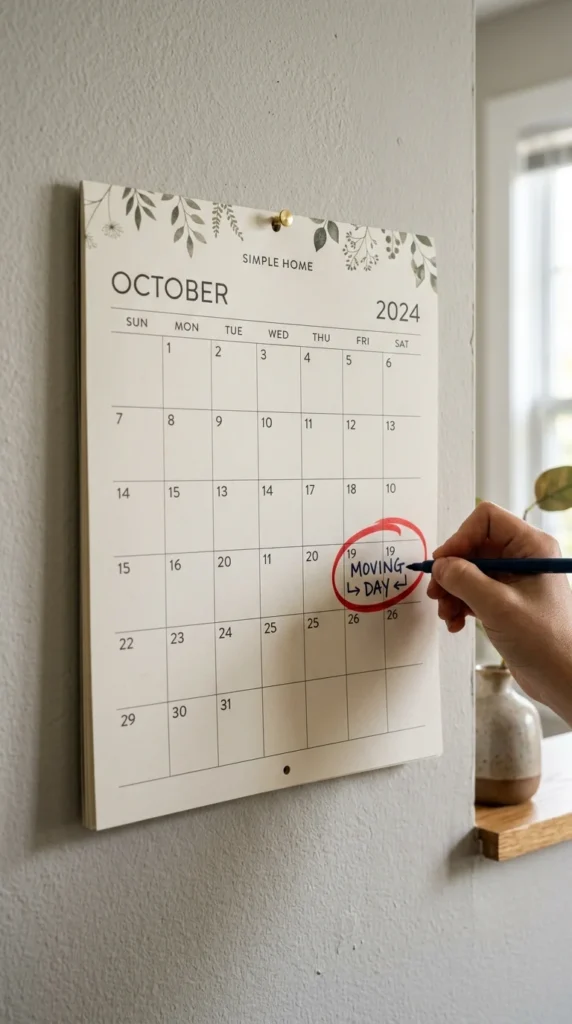
If you’re moving into a managed apartment building, you often have to “book” the elevator or a loading zone. Do this as early as possible. Small apartment buildings frequently have strict rules about when moves can occur. Don’t let a scheduling conflict leave your moving truck idling on the street with nowhere to park.
17. Logistics
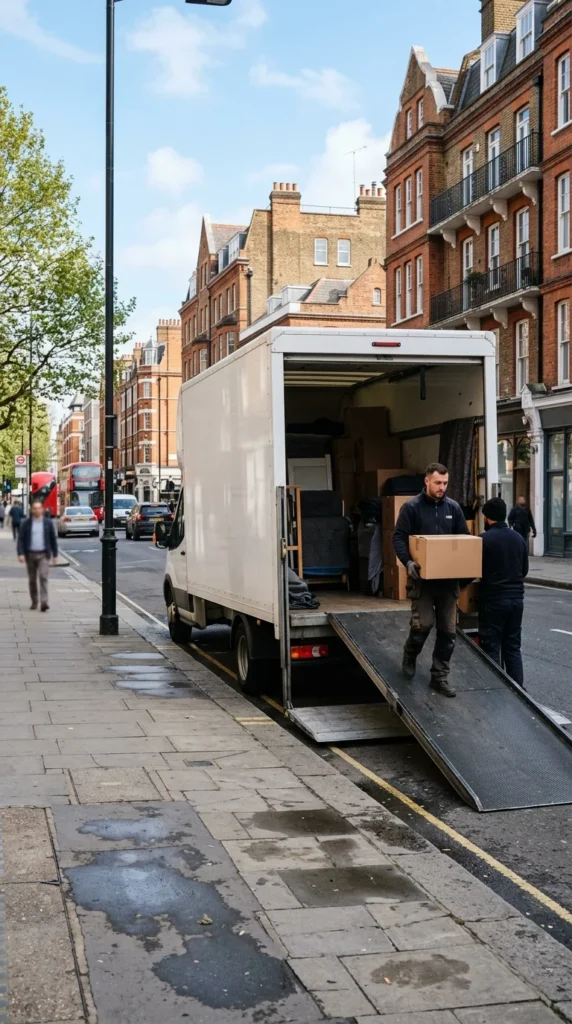
Think about the “last mile” of your move. If your new apartment is on a busy street or in a tight alley, a giant moving truck might not fit. You may need to rent two smaller vans instead of one large truck. Check for height clearances in parking garages and narrow turns in the neighborhood to avoid getting stuck.
18. Food Prep
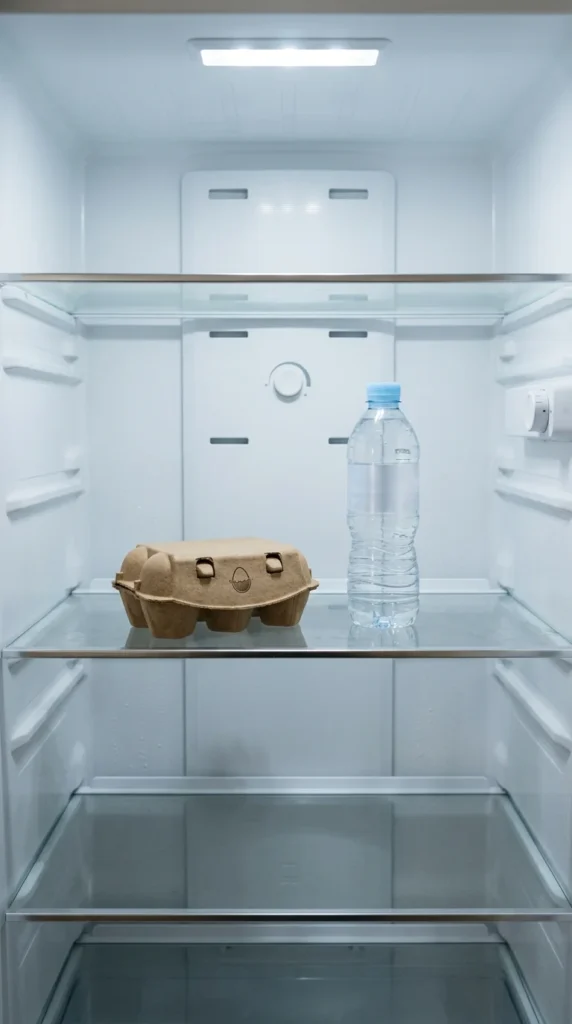
In the week leading up to your move, stop grocery shopping and start “pantry diving.” Try to eat as much of your frozen and dry food as possible. Moving heavy cans and jars is a waste of energy, and moving perishables is a recipe for a mess. Aim for an empty fridge by moving day.
19. Labeling Sides
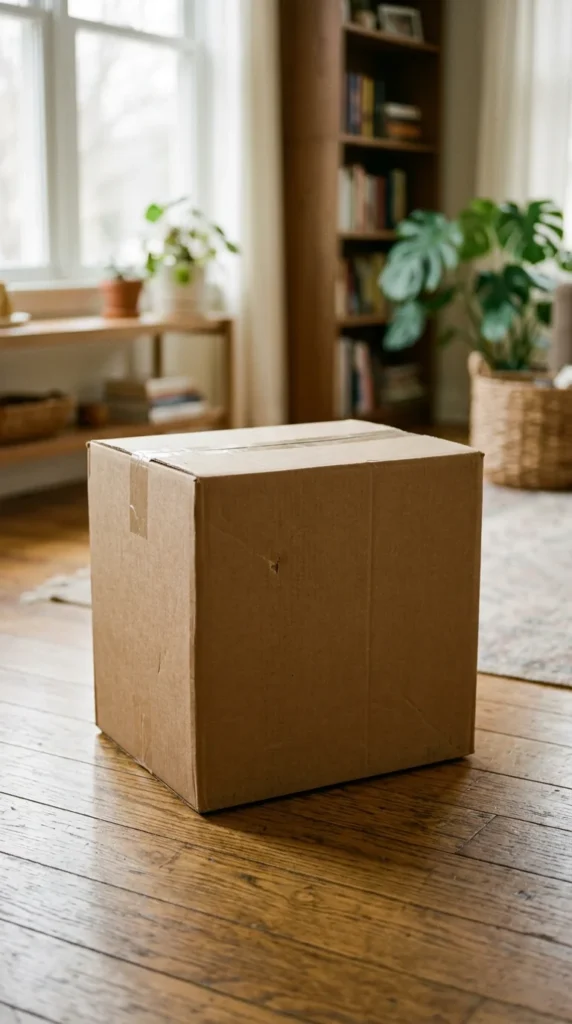
Don’t just label the top of your boxes. When boxes are stacked in a small apartment, you won’t be able to see the top labels. Write the destination room and a brief description of the contents on at least two sides of every box. This ensures the labels are visible regardless of how the boxes are piled up.
20. Wall Care
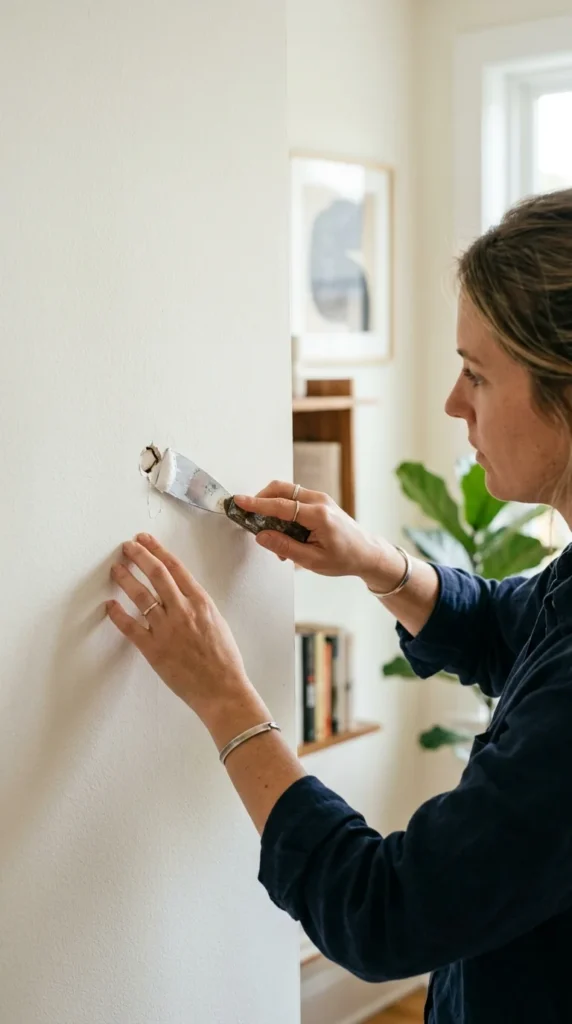
Small apartments often require hanging shelves or art to maximize space, which leaves behind nail holes. Keep a small tub of spackle and a putty knife handy during the final walkthrough of your old place. Filling in these small holes takes minutes but can prevent a landlord from deducting “repair fees” from your deposit.
21. Self-Care

Moving is physically and mentally draining. In the rush to pack every last spoon, don’t forget to hydrate and rest. Take scheduled breaks and ensure you have a plan for meals on moving day. A stress-free move isn’t just about the boxes; it’s about the person moving them. Stay patient with yourself and the process, and soon enough, you’ll be settled into your new, cozy sanctuary.