
Think you can’t fit a sectional into a small living room? Think again. While the traditional “sofa and loveseat” combo was once the gold standard for tight quarters, interior designers are increasingly turning to sectionals to maximize seating and comfort without cluttering the floor plan. A well-chosen sectional can actually make a small room feel larger by defining the space and eliminating the awkward gaps between separate furniture pieces.
From modular designs that adapt to your needs to strategic color palettes that trick the eye, there are countless ways to master the art of the small-space sectional. Here are 24 inspiring ideas to help you transform your compact living area into a cozy, stylish sanctuary.
1. Corner Placement
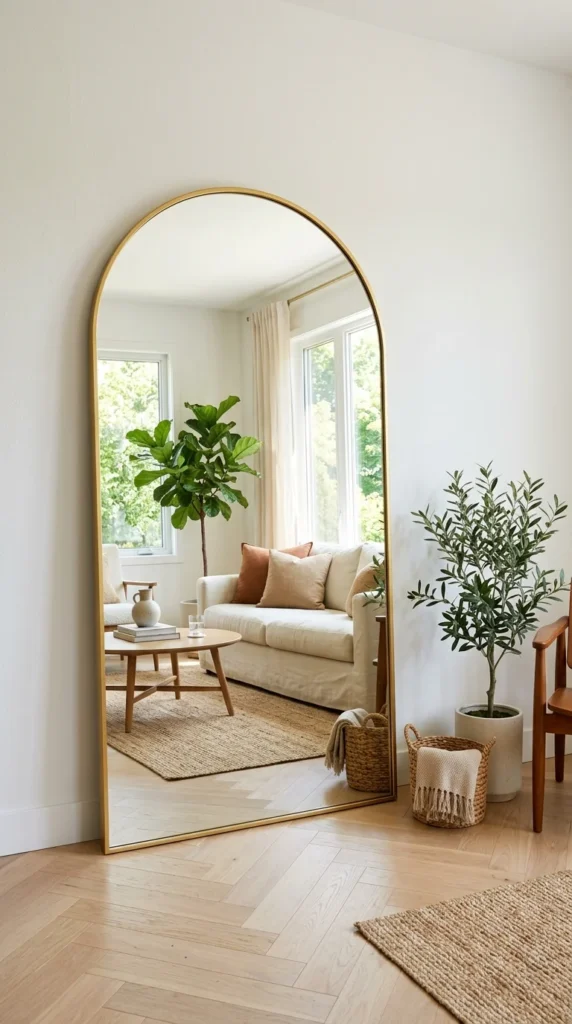
The most classic way to save space is to “hug” the walls. By placing your sectional directly into a corner, you open up the center of the room, creating a clear flow for traffic. This layout utilizes every square inch of the footprint, ensuring that no space is wasted behind the furniture.
2. Neutral Tones
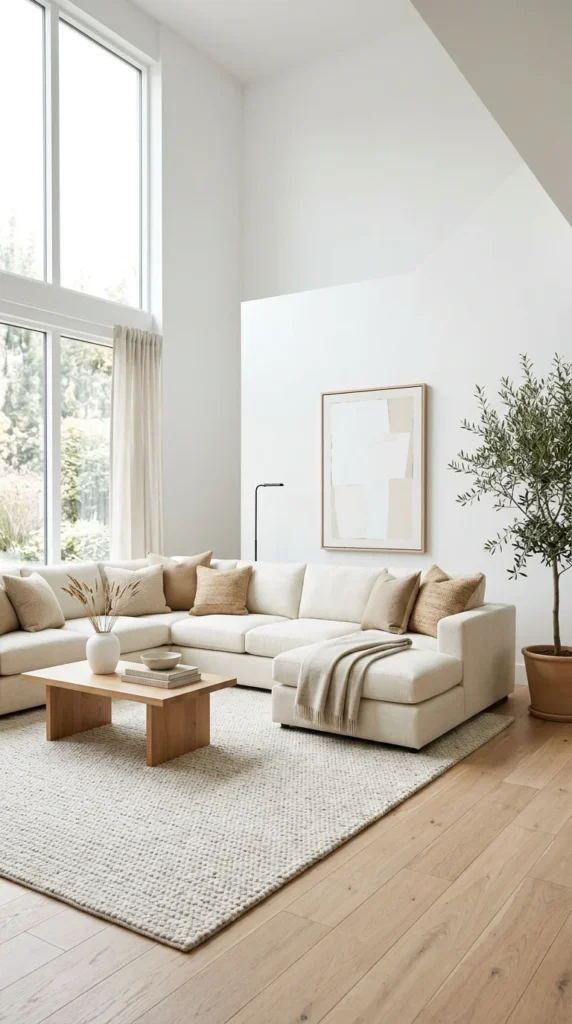
Light, neutral colors are a small space’s best friend. A sectional in ivory, oatmeal, or light gray blends into the walls, preventing the piece from feeling like a giant “block” in the middle of the room. This monochromatic approach creates an illusion of continuity and airiness.
3. Low Profile
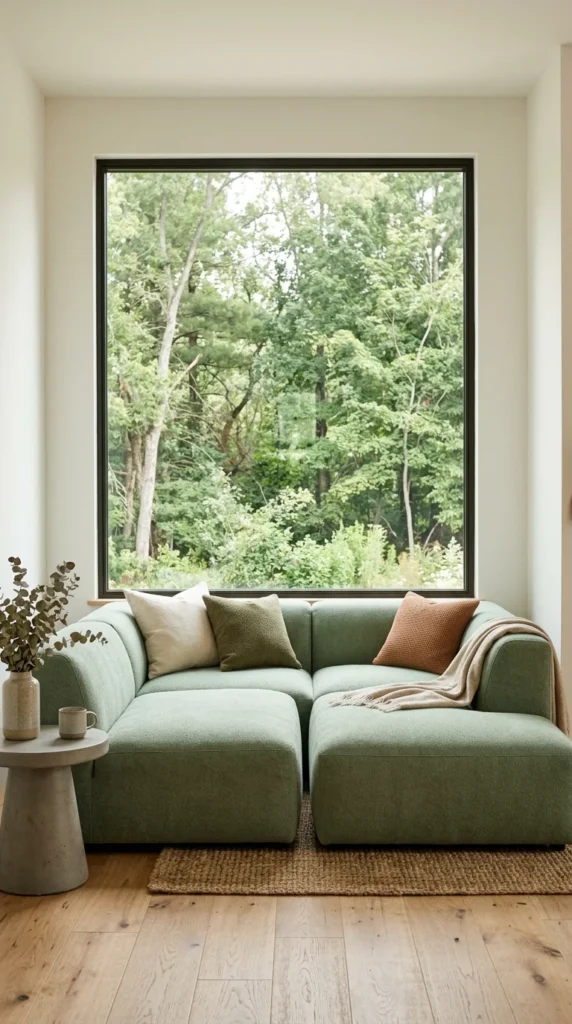
Furniture with a low profile maintains sightlines throughout the room. When the back of the sectional is lower, it doesn’t act as a visual barrier, making the ceiling feel higher and the room feel less cramped. This is especially effective when the sofa is placed in front of a window.
4. Exposed Legs
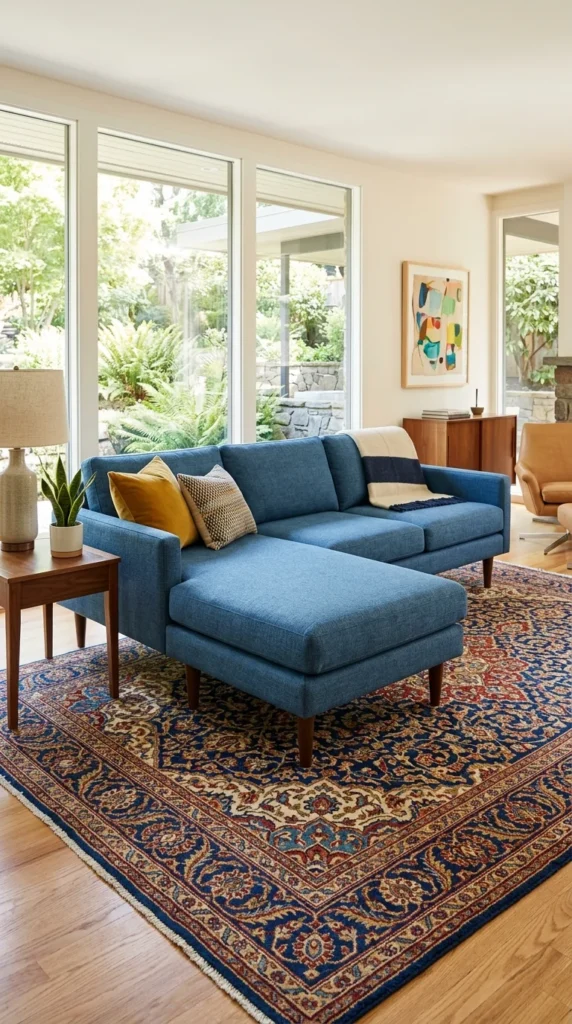
Seeing the floor underneath your furniture is a clever psychological trick. Sectionals with “leggy” designs allow light and air to pass under the piece, which keeps the room from feeling weighed down. Avoid “skirted” sofas or those that sit flush to the floor if you want to maintain a sense of openness.
5. L-Shaped Flow
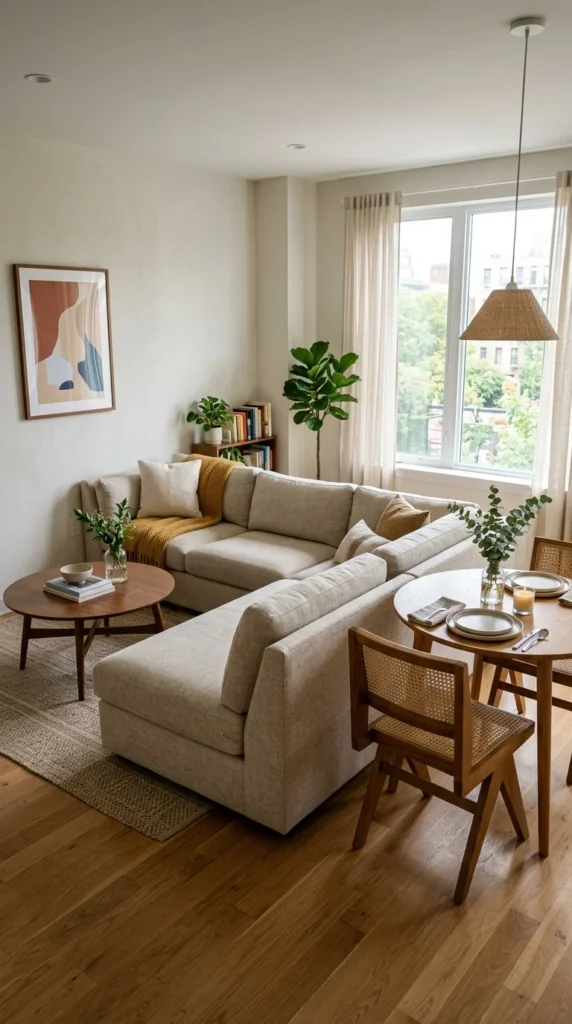
An L-shaped sectional is the perfect tool for open-concept small apartments. Use the “return” or the “chaise” end of the sofa to define the boundary of the living room. This creates a functional “zone” without the need for bulky room dividers or bookshelves.
6. Circular Accents
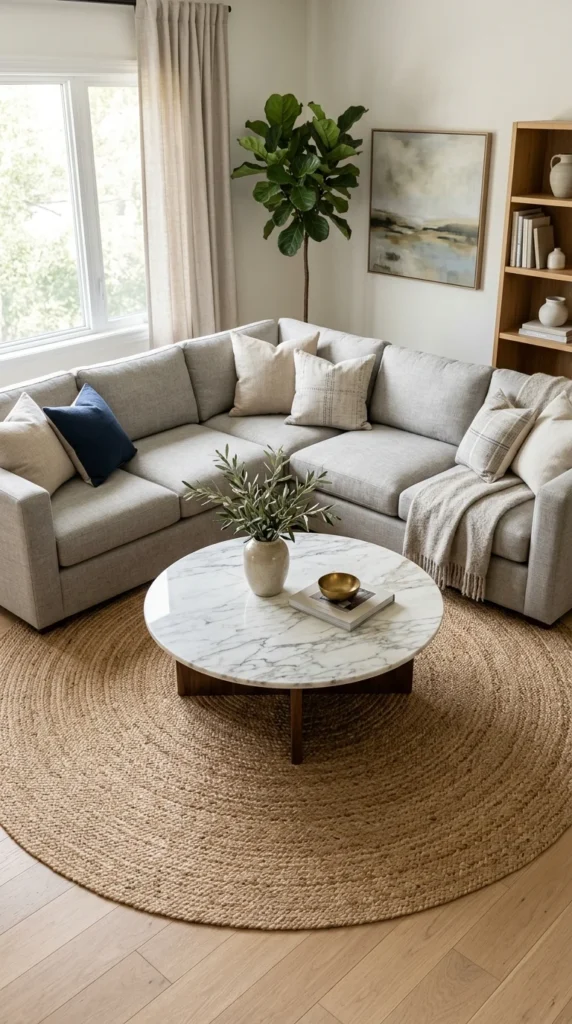
Small rooms can often feel boxy and rigid. To counteract the straight lines of a large sectional, introduce round elements. A circular coffee table, a round rug, or even spherical light fixtures provide a visual break and make it easier to navigate around the furniture without bumping into sharp corners.
7. Mirror Illusions
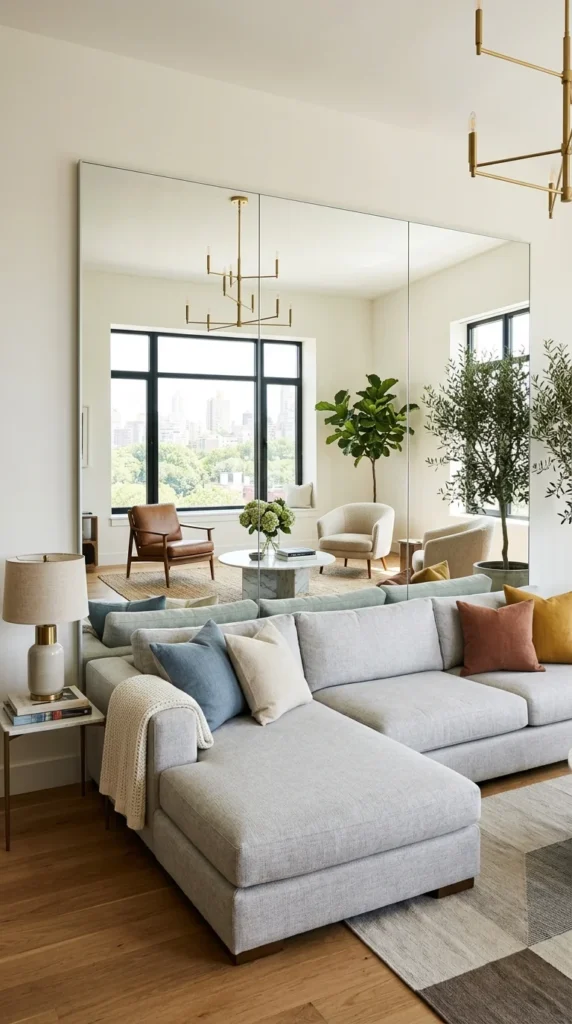
Mirrors are the oldest trick in the book for a reason. Placing a large mirror behind or opposite your sectional bounces light around the room and creates the illusion of a second space. It effectively “deletes” the wall, making the sectional feel like it’s sitting in a much larger hall.
8. Verticality
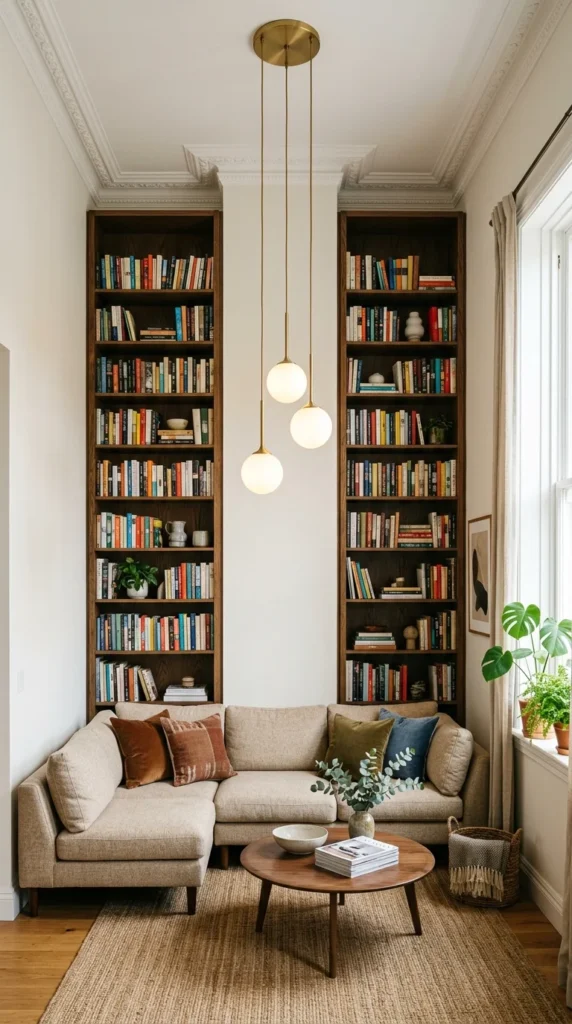
When you lack horizontal square footage, go vertical. Surround your sectional with tall elements—like slim bookshelves, high-mounted curtains, or vertical art—to draw the eye upward. This shifts the focus from the narrowness of the floor to the height of the room.
9. Armless Comfort
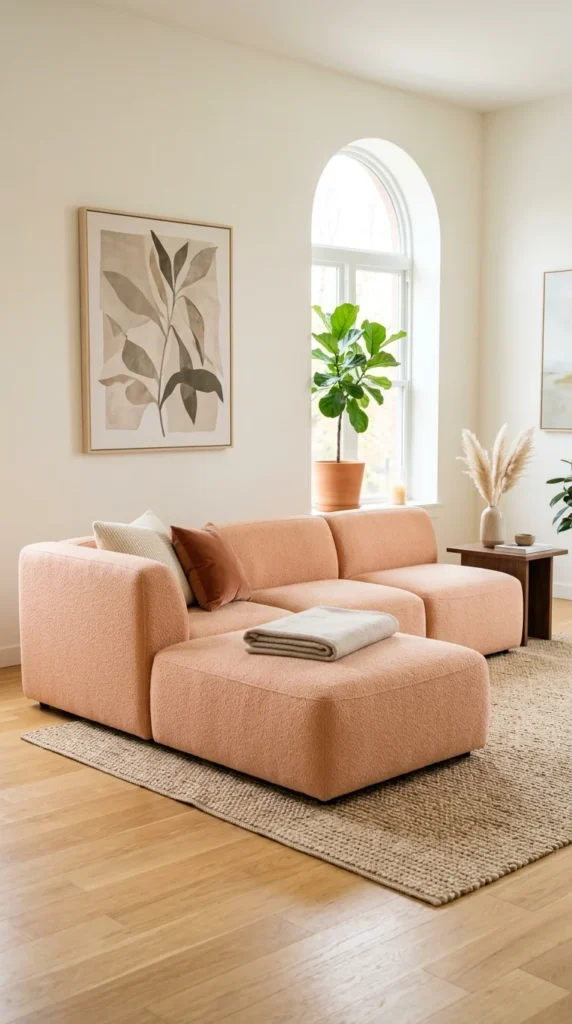
Sectionals without arms (or with only one arm) are fantastic for tight spaces. They take up less physical space and offer a cleaner silhouette. An armless design also makes it easier to slide onto the sofa from different angles, which is a major plus in a cramped layout.
10. Modular Flexibility
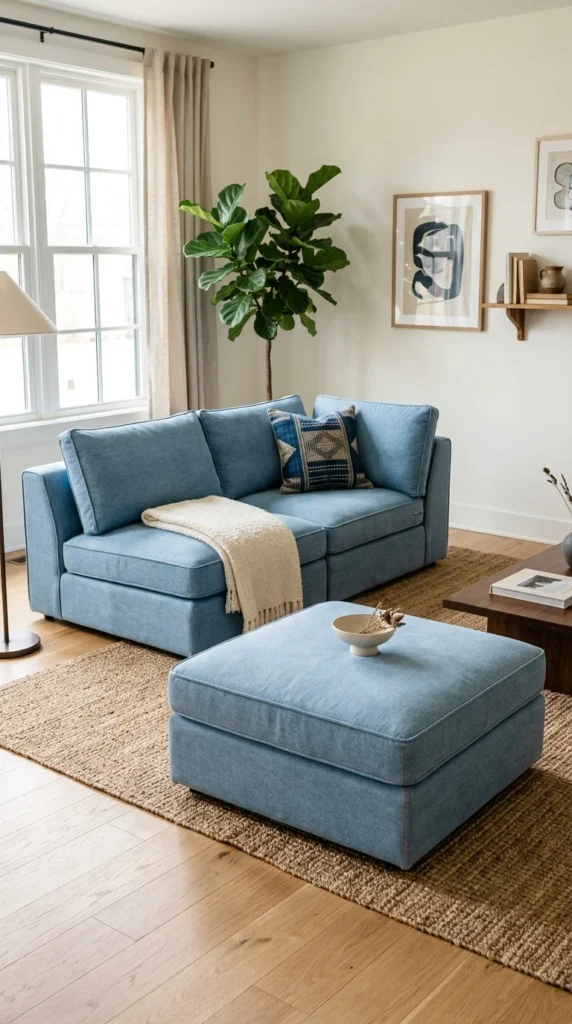
Modular sectionals are the ultimate choice for small living rooms. These pieces consist of individual chairs and ottomans that can be rearranged whenever you need. If you’re hosting a party, you can break the sectional apart to create individual seating clusters.
11. Sunlit Spaces
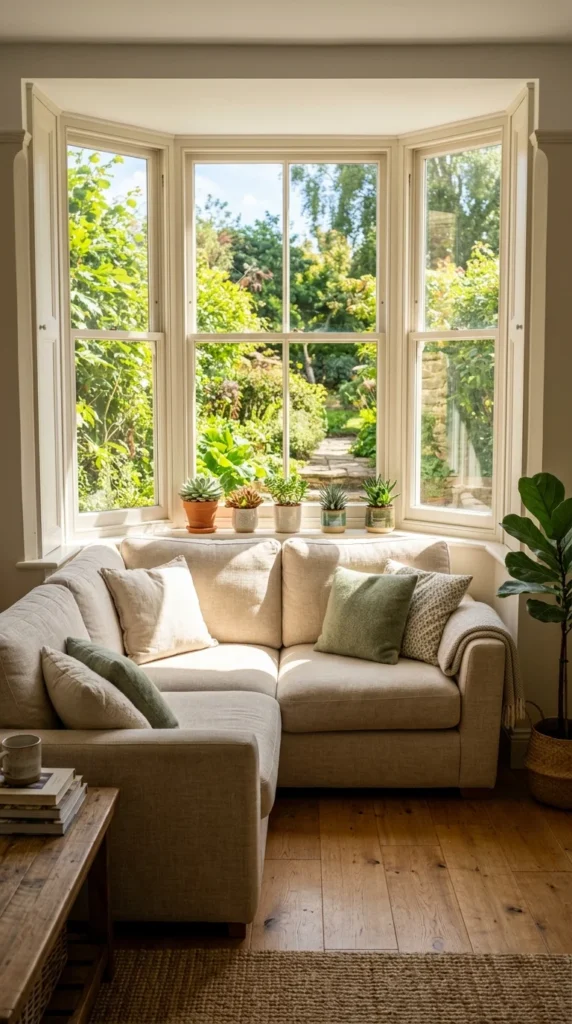
Don’t be afraid to put your sectional in front of a window. While traditional rules say not to block light, a low-backed sectional can sit perfectly under a window without obstructing the view. The natural light will make the fabric appear more vibrant and the corner more inviting.
12. Velvet Elegance
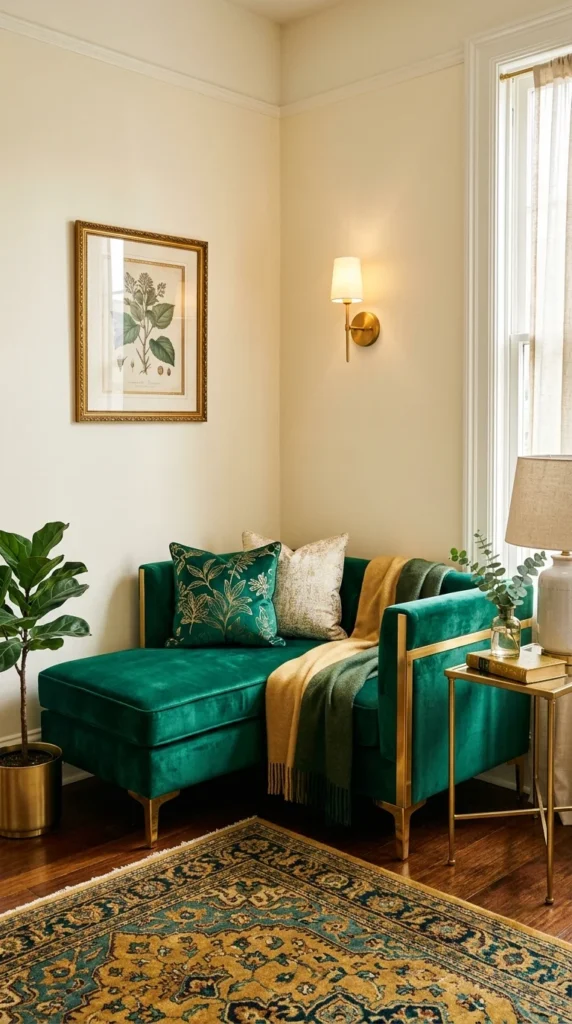
Texture can change the entire “weight” of a room. Velvet sectionals are excellent for small spaces because the fabric reflects light differently from every angle, adding depth and sophistication. A rich jewel tone like navy, forest green, or burgundy can make a small room feel intentional and high-end rather than just “small.”
13. Floating Layout
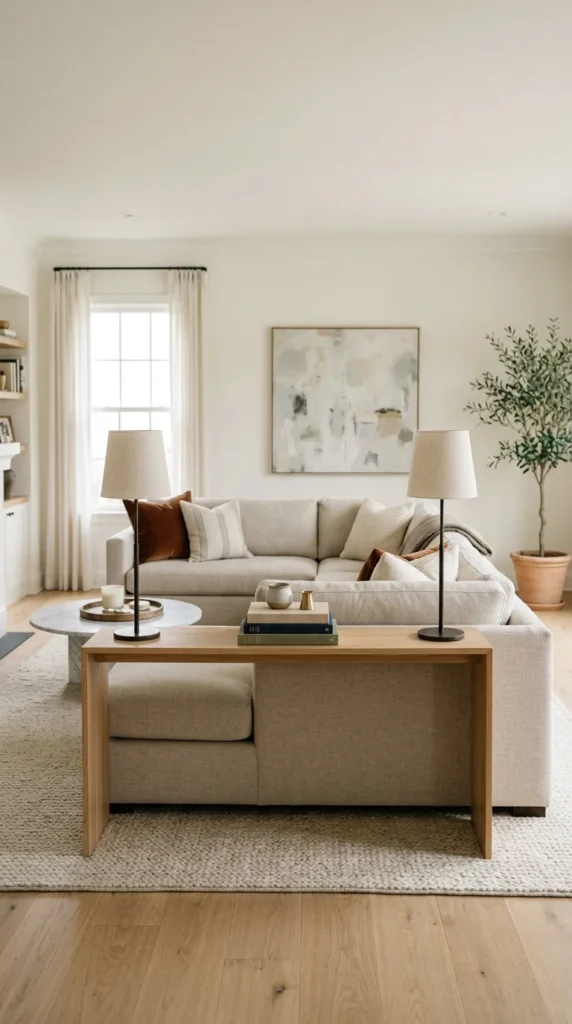
If your room isn’t a perfect square, try “floating” the sectional. By pulling the sofa a few inches or feet away from the wall, you create a sense of breathing room. It prevents the furniture from looking like it’s been “stuffed” into the space, giving the arrangement a professional, curated look.
14. Nesting Tables
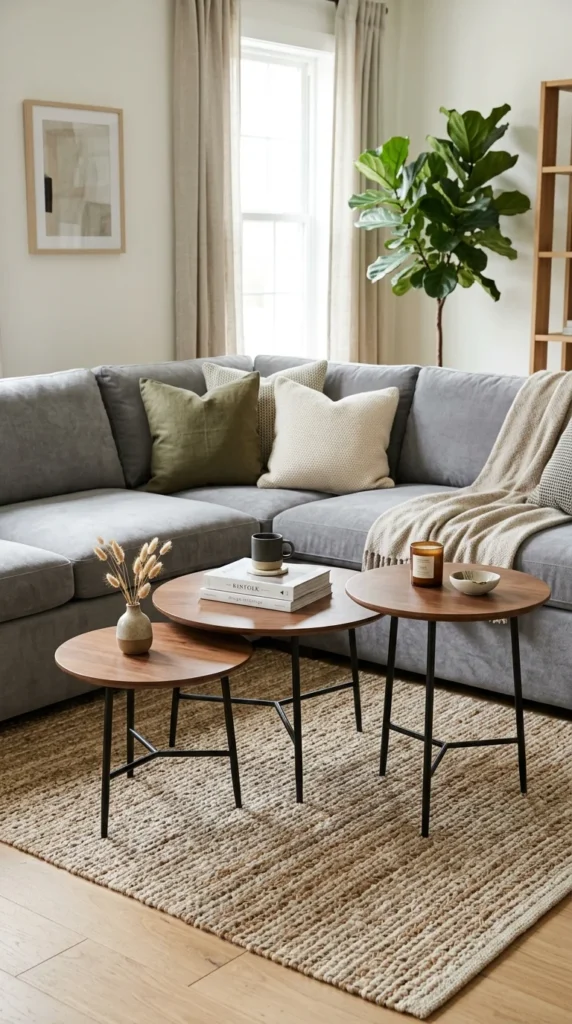
Traditional coffee tables can be too bulky for a small sectional setup. Instead, use nesting tables. They provide plenty of surface area for drinks and snacks when you have guests, but they can be stacked away into a single footprint when you’re alone, keeping the walkway clear.
15. Vibrant Hues
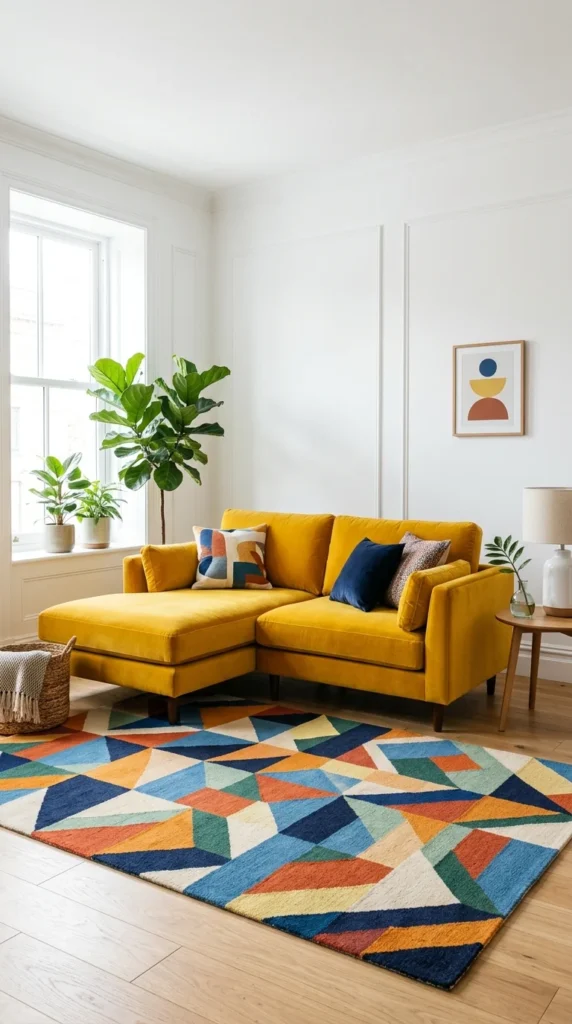
Sometimes the best strategy is to lean into the “bigness” of the sectional. By choosing a vibrant, bold color, you turn the sofa into a statement piece. This draws all the attention to the seating area and makes the rest of the room’s size feel irrelevant.
16. Gallery Walls
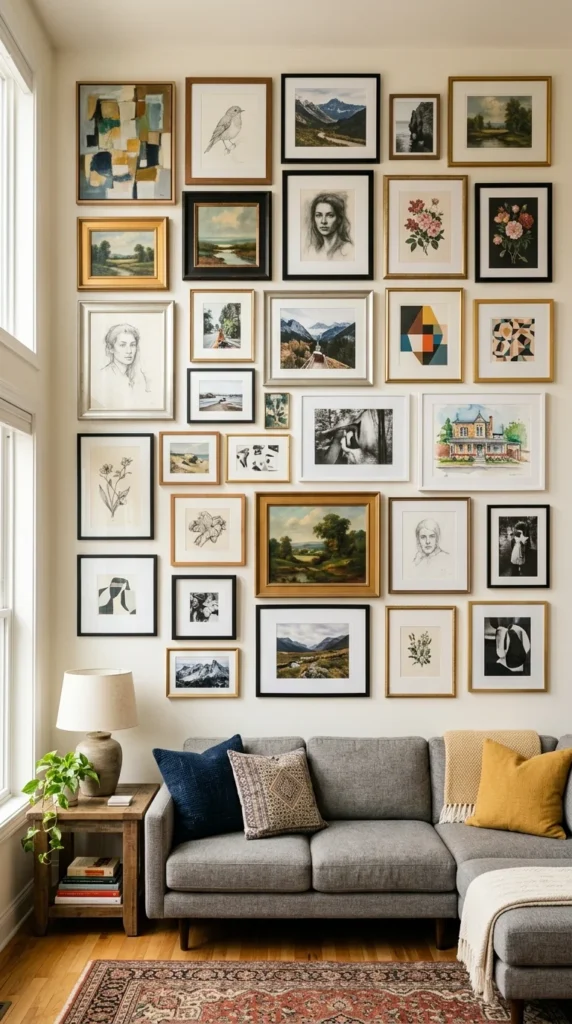
A gallery wall above your sectional adds a layer of personality without taking up any floor space. It creates a visual anchor for the seating area, making the sectional feel like it’s part of a larger design story. Use a mix of frames to keep the look organic and lived-in.
17. Transparent Pieces
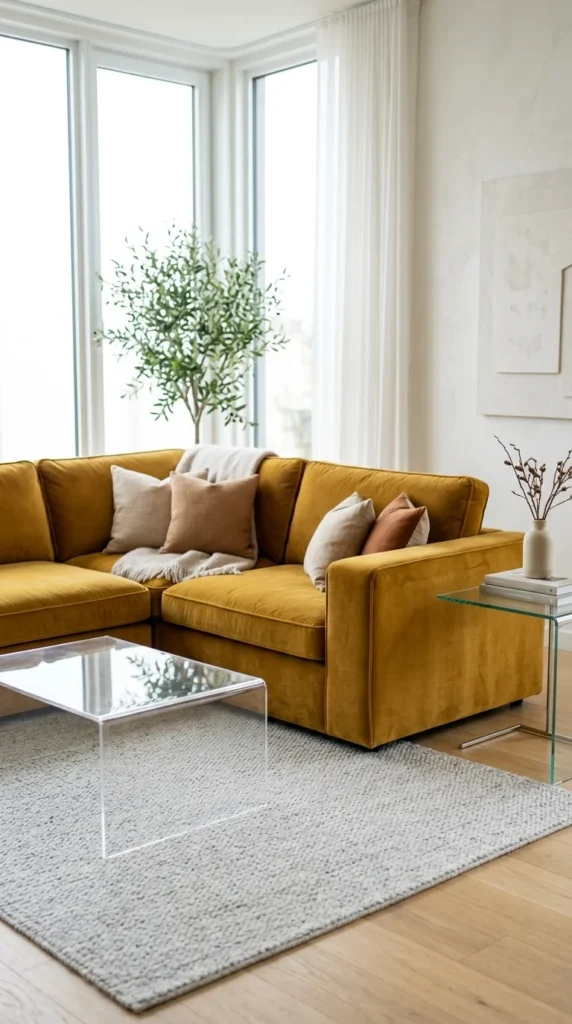
To keep your small living room from feeling cluttered, pair your sectional with “invisible” furniture. Acrylic or glass coffee tables and end tables provide functionality without adding visual weight. This allows the beauty of your sectional and rug to shine through.
18. Layered Textiles
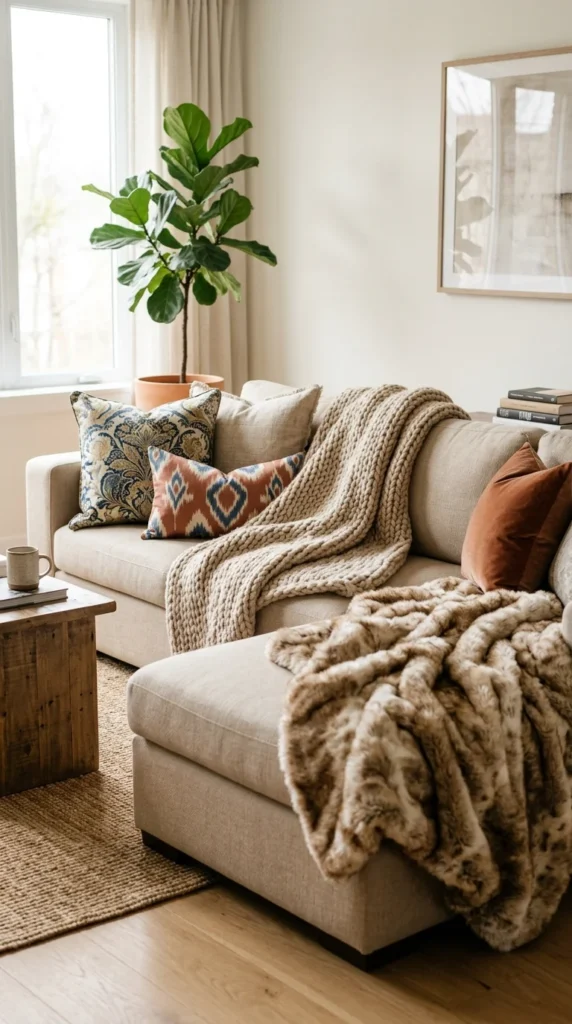
In a small space, comfort is king. Layering different textiles on your sectional makes it look incredibly cozy and inviting. This “maximalist” approach to comfort can distract from the room’s small dimensions by focusing on the tactile experience.
19. Sofa Consoles
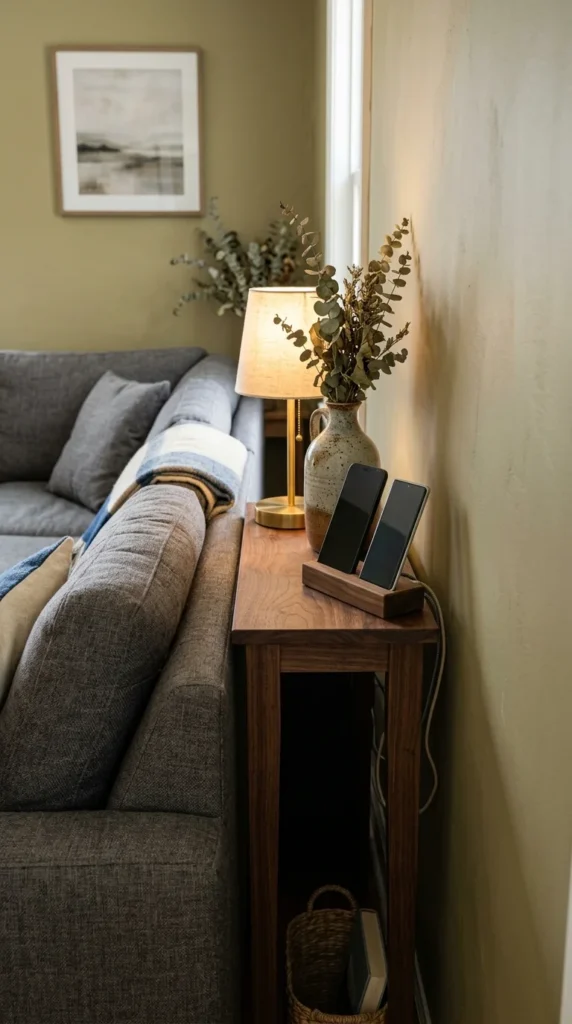
If you don’t have room for side tables, a sofa console is your secret weapon. These ultra-thin tables sit behind the sectional, providing a place for lamps, drinks, and decor. It’s a great way to add functionality to the “dead space” between the sofa and the wall.
20. Window Nooks
If your small living room has a bump-out or a nook, that is the perfect place for a sectional. A “built-in” look makes the room feel custom-designed and high-end. It maximizes every inch of the architectural layout, turning a potentially awkward corner into the best seat in the house.
21. Balanced Symmetry
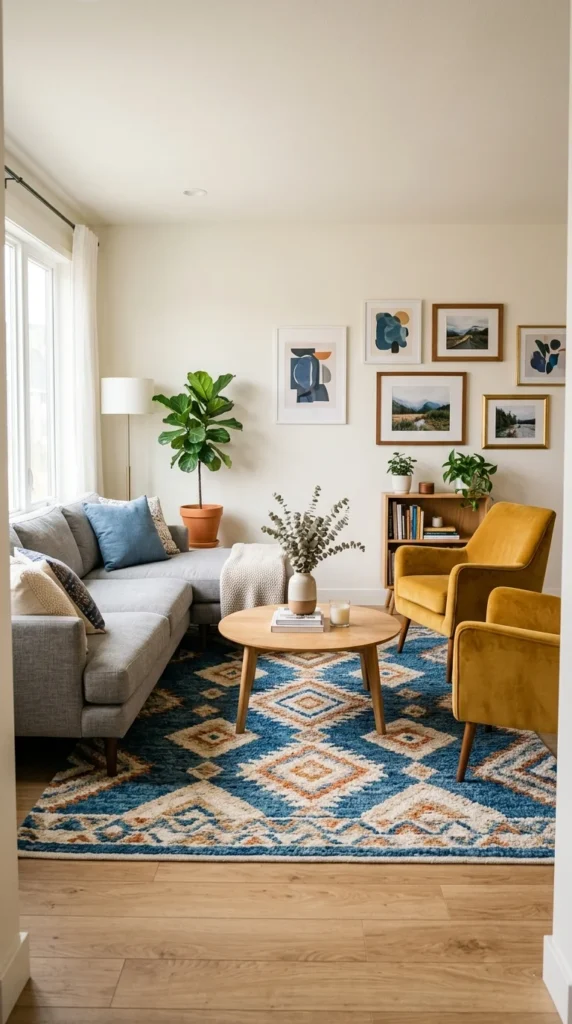
Balance is key to making a small room feel organized. If you have a sectional on one side, balance it with something of equal visual weight on the other—like a pair of small chairs or a large bookshelf. Symmetry creates a sense of order that makes small spaces feel more manageable.
22. Moody Tones
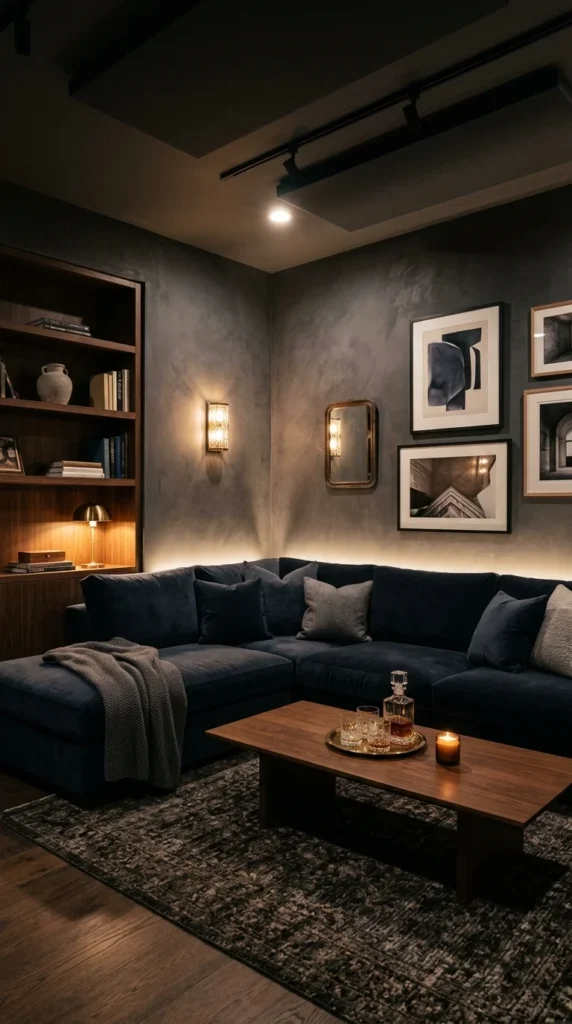
Don’t be afraid of the dark. Painting a small room a dark color and choosing a matching dark sectional can create a “cocoon” effect. This “moody” aesthetic is perfect for small dens or TV rooms where the goal is to feel cozy and tucked away from the world.
23. Indoor Greenery
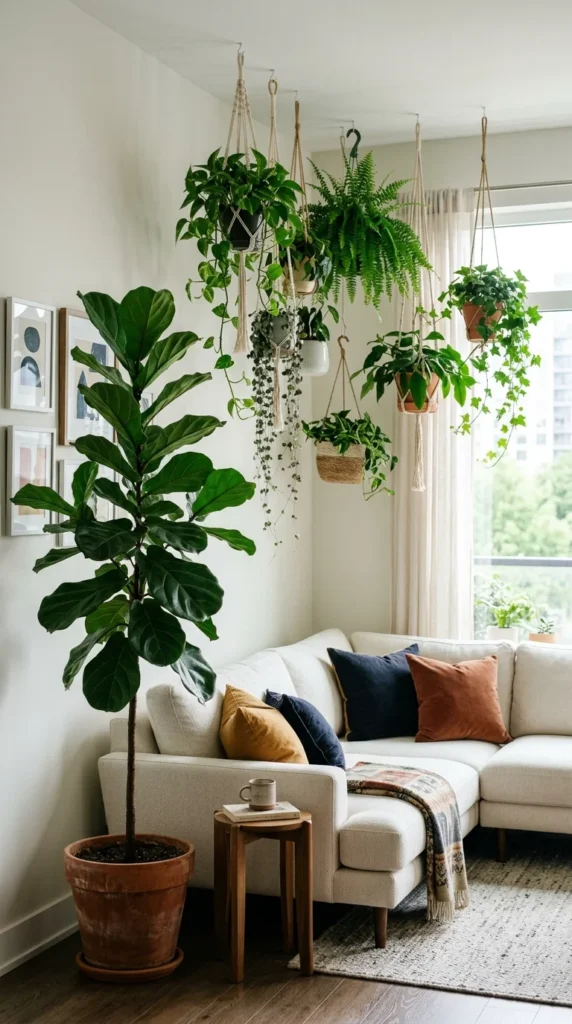
Plants bring life to any room, and they are especially effective in small spaces. A tall plant placed at the end of a sectional adds height and a splash of color. Hanging plants can also be used to fill the “air space” above the sofa, adding layers to the room without using any floor area.
24. Minimalist Lines
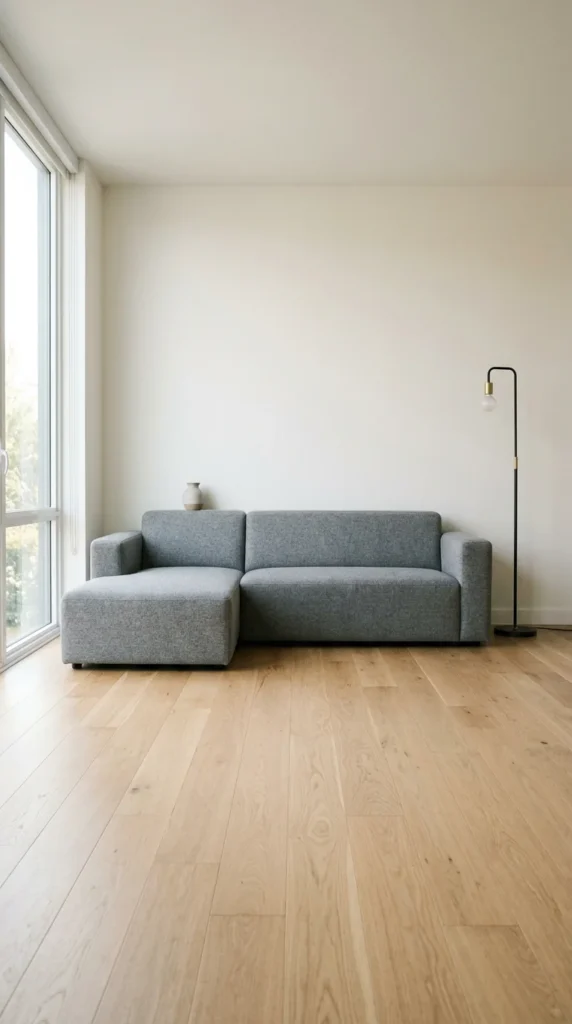
When in doubt, go minimalist. A sectional with clean lines, thin cushions, and a simple silhouette will always look better in a small room than a bulky, overstuffed model. By keeping the design simple, you allow the architecture of the room to breathe, creating a calm and tranquil environment.