
Designing a small living room often feels like a balancing act between making the space feel larger and ensuring it doesn’t feel clinical. However, the secret to a high-end, “expensive” look isn’t always about the square footage or the price tag of the furniture; it’s about the psychology and application of color. By choosing the right palette, you can manipulate light, create depth, and evoke a sense of curated opulence.
Here are 24 color ideas to transform your small living room into a masterclass in luxury.
1. Navy Blue
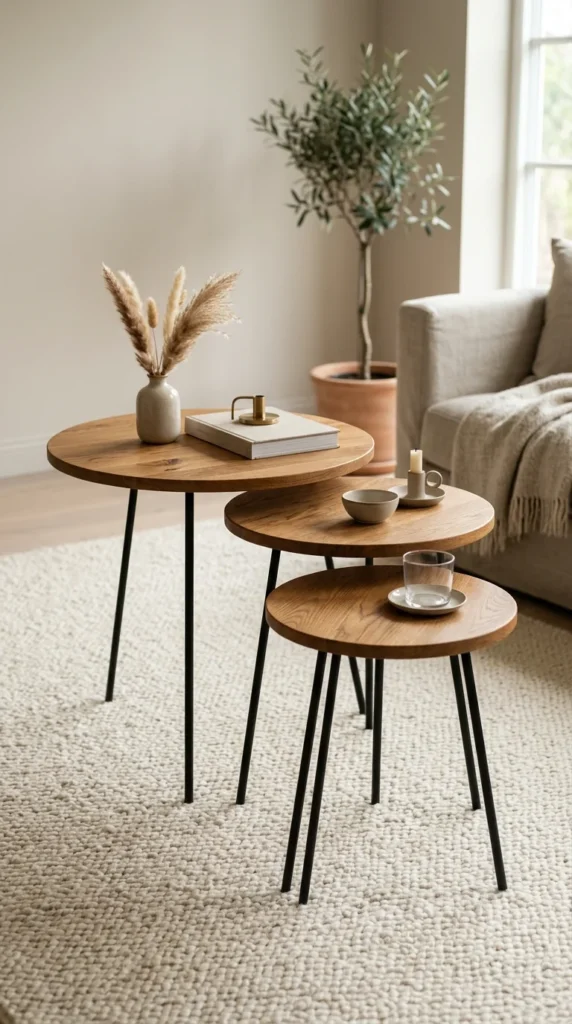
Navy blue is a perennial favorite for creating an expensive atmosphere. In a small room, a dark shade like navy can actually make the walls “recede,” creating an illusion of infinite depth. When paired with metallic accents like brass or gold, the contrast screams “high-end boutique hotel.” To keep it from feeling too dark, pair it with light-colored flooring or a cream-colored rug.
2. Soft Terracotta
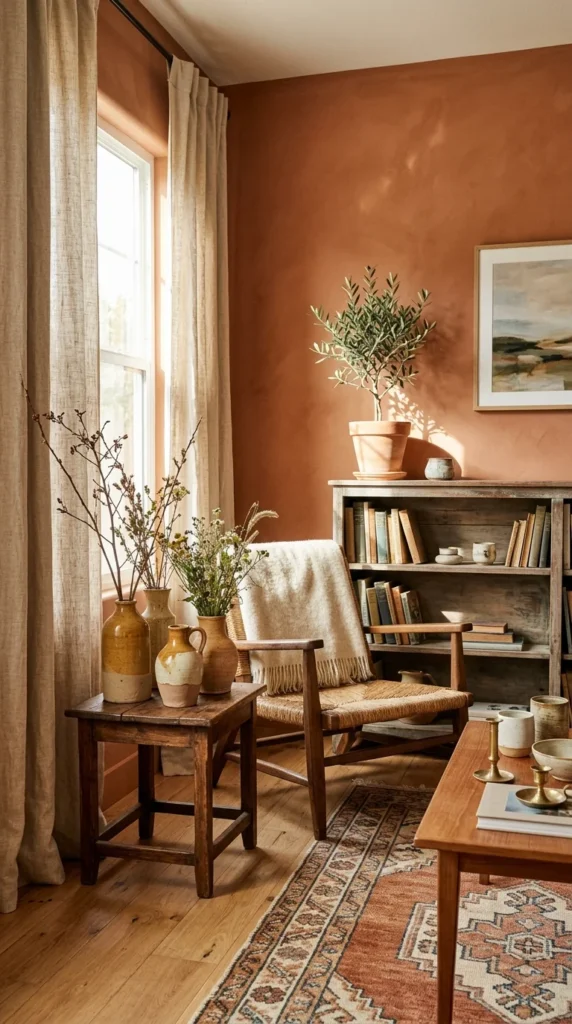
Terracotta provides an earthy, grounded luxury that feels both Mediterranean and modern. It’s a warm hue that creates an inviting, “sunset” glow in the evenings. For an expensive look, stick to a matte finish. This color works beautifully with natural materials like jute, cane, and light oak, giving the room a bespoke, architectural feel.
3. Charcoal Gray
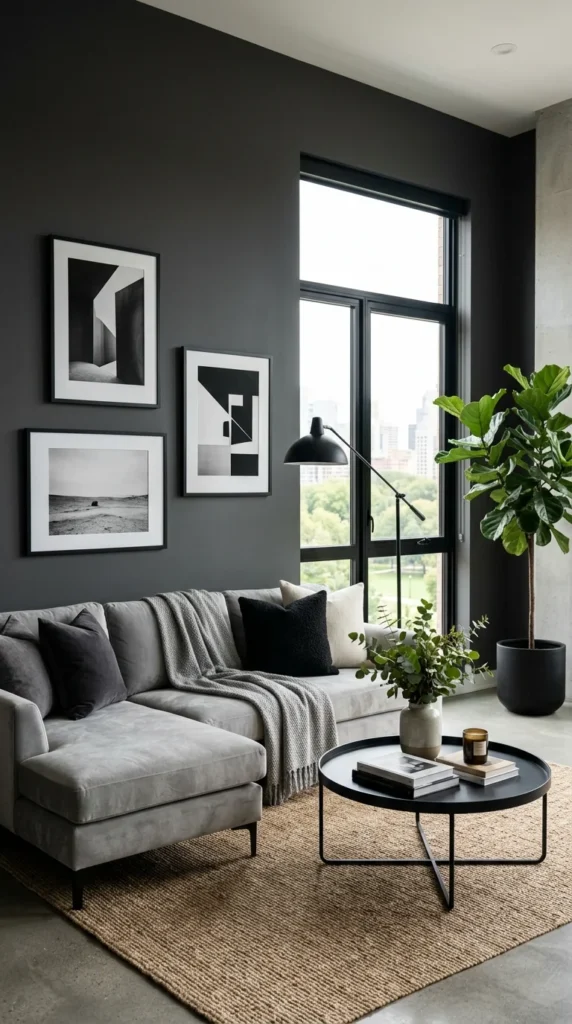
Unlike lighter grays that can sometimes feel cold or dated, charcoal gray offers a moody, sophisticated backdrop. It’s the ultimate color for “color drenching”—painting the walls, trim, and even the ceiling the same shade. This technique removes visual boundaries, making the room feel like a seamless, expensive cocoon.
4. Sage Green
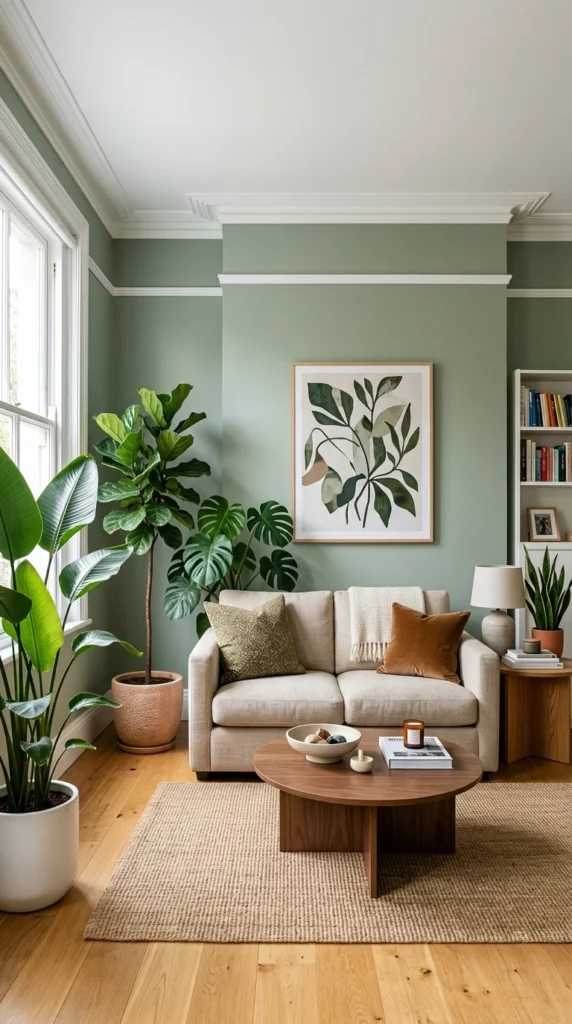
Sage green is the “new neutral” of luxury design. It’s calming, organic, and pairs perfectly with white trim for a crisp, clean look. Sage looks particularly expensive when used in a monochromatic palette, layering different shades of green through velvet pillows and indoor greenery.
5. Champagne Beige
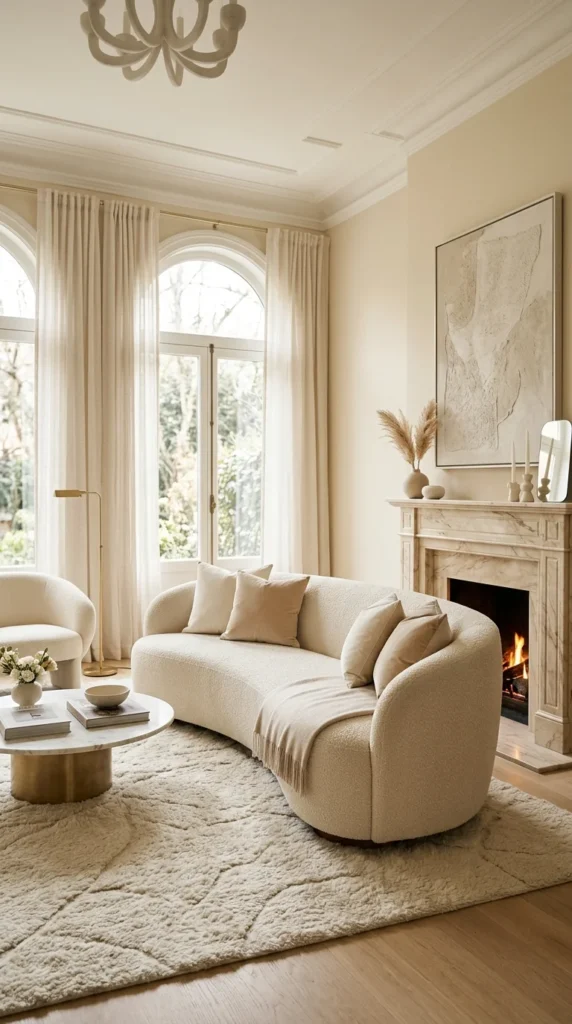
If you want your living room to look like a high-end Parisian apartment, champagne beige is your go-to. It’s warmer than white but cleaner than tan. The key to making this color look expensive is texture. Think boucle fabrics, silk curtains, and marble surfaces all within the same tonal family.
6. Emerald Green
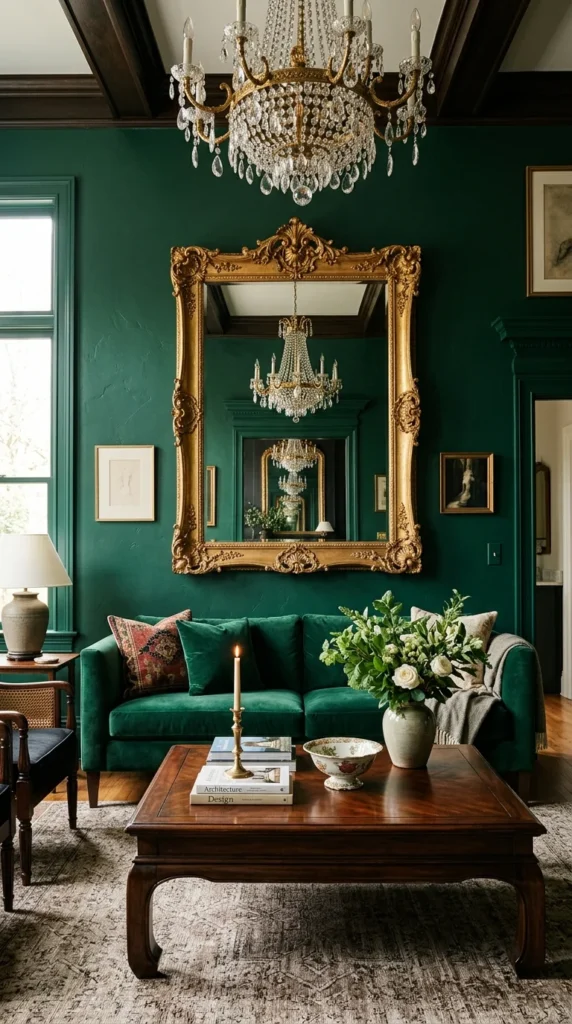
Emerald is the color of royalty and gemstones. In a small space, it creates a “jewel box” effect that is incredibly intimate and plush. Pair emerald walls with dark woods like walnut and rich textures like velvet to lean into the traditional, old-world luxury aesthetic.
7. Dusty Rose
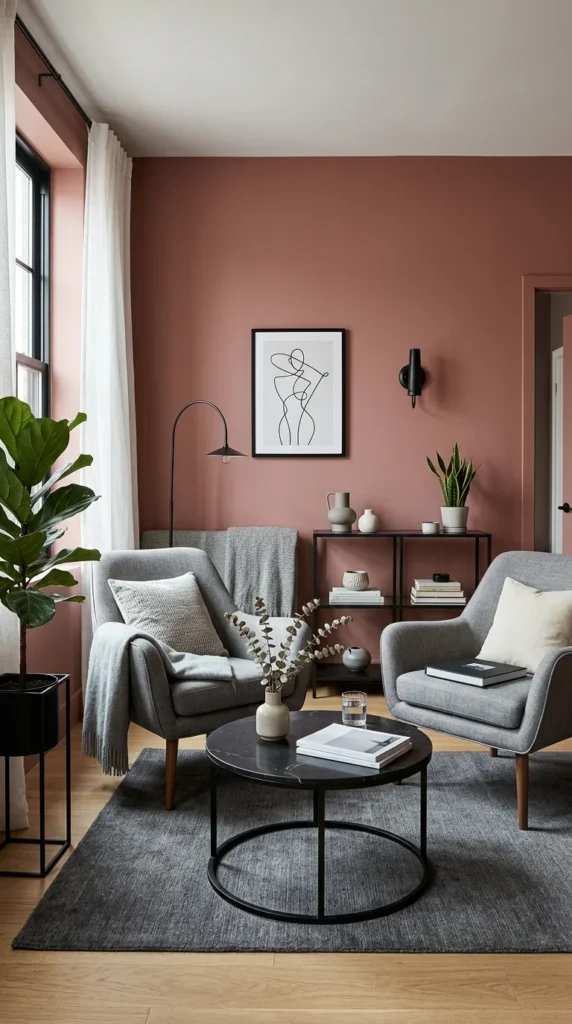
Dusty rose is a far cry from “nursery pink.” It’s a sophisticated, muted shade with gray undertones. When used in a small living room, it adds warmth without being overwhelming. To keep it looking expensive, pair it with “harder” elements like black metal, slate, or dark wood.
8. Ochre Yellow
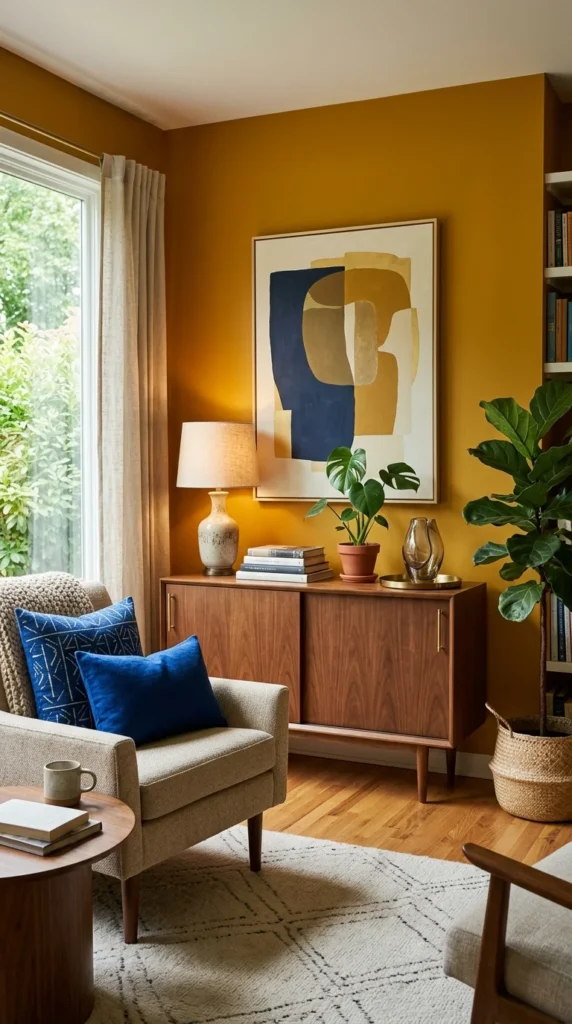
Ochre is a deep, earthy yellow that feels much more curated than a standard bright yellow. It provides a sense of history and “found” elegance. It’s a bold choice that works best in rooms with plenty of natural light, where the color can shift from a bright gold in the morning to a deep mustard in the evening.
9. Matte Black
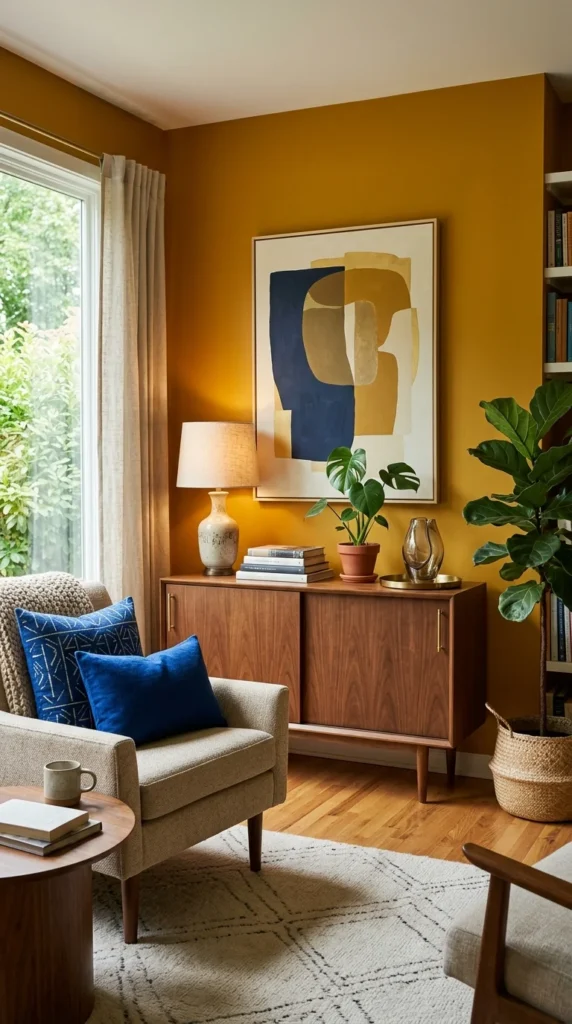
Black is the ultimate statement of confidence in interior design. In a small living room, a matte black accent wall (or all four walls) creates a dramatic backdrop that makes furniture pop. It feels like a high-end art gallery. The key is to ensure you have enough light sources—lamps, sconces, and candles—to create warmth.
10. Warm White
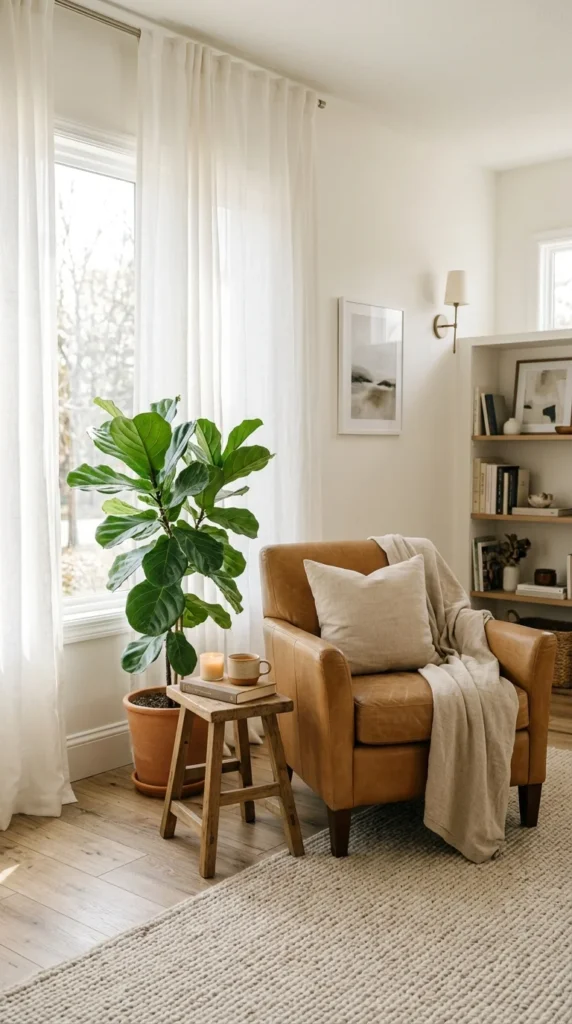
Not all whites are created equal. A “warm” white has yellow or red undertones that prevent the room from looking like a hospital. This is the hallmark of the “Quiet Luxury” trend. It makes the space feel expansive and clean, serving as a blank canvas for high-quality furniture and art.
11. Deep Plum
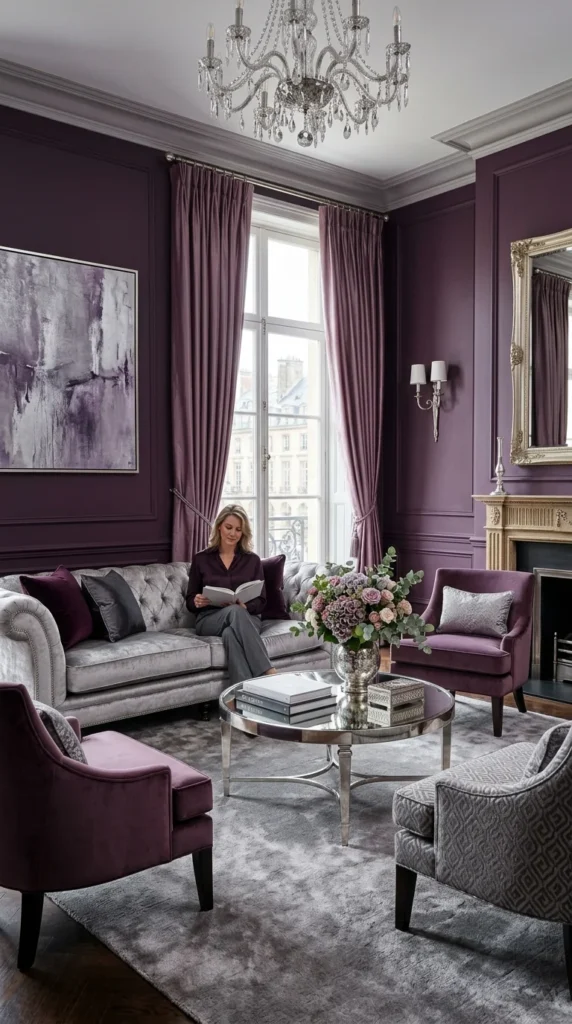
Plum is an underrated luxury color. It’s mysterious, rich, and provides a level of sophistication that few other colors can match. It pairs exceptionally well with cool-toned metals like silver or chrome, which can give a small room a modern, edgy vibe.
12. Greige
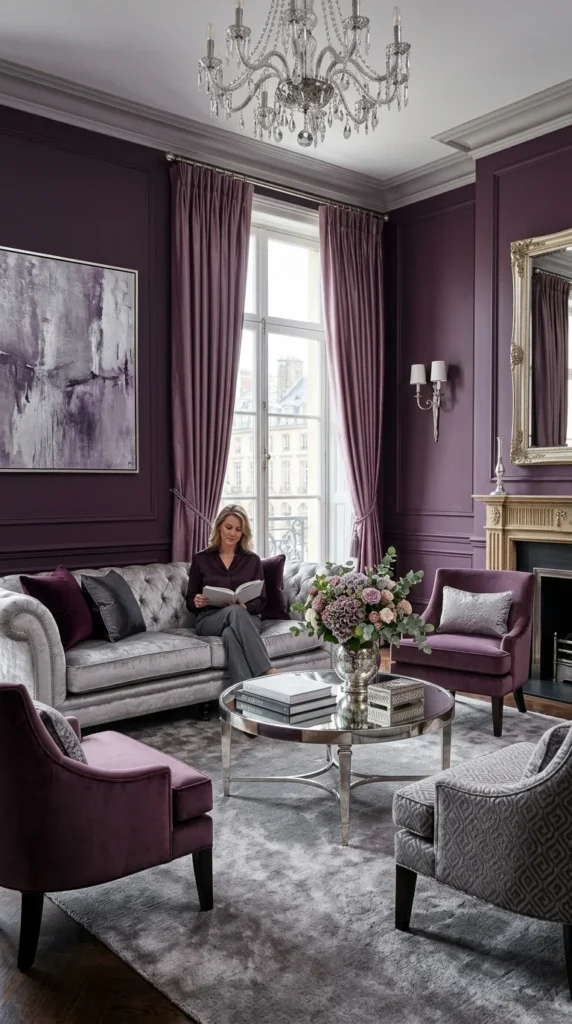
The perfect marriage of gray and beige, “greige” is the favorite of high-end interior designers. It’s versatile and timeless. It looks expensive because it’s understated; it doesn’t shout for attention, allowing the architecture and the quality of the furniture to speak for itself.
13. Teal
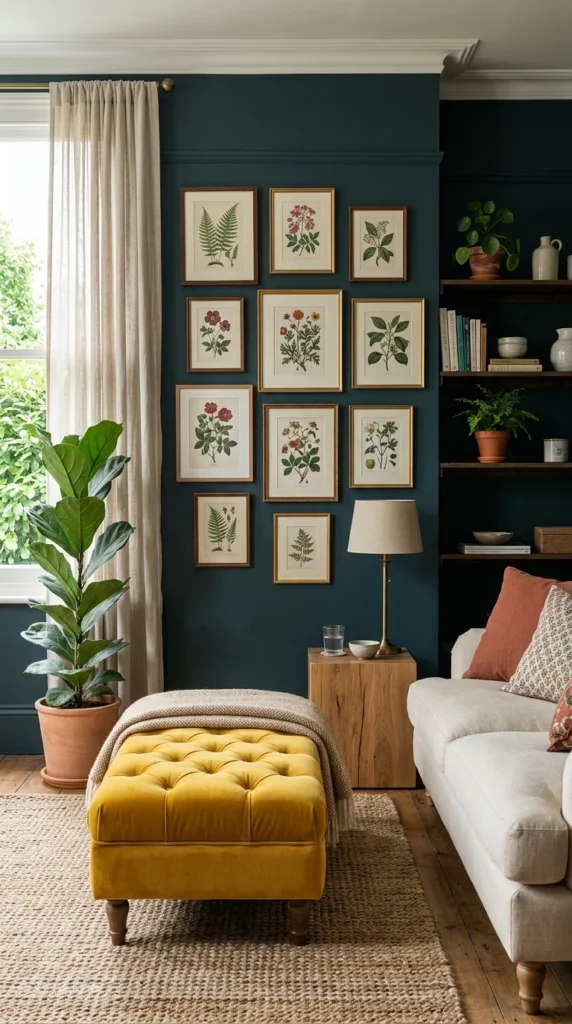
Teal is a sophisticated middle ground between blue and green. It feels more “designer” than a standard blue and adds a layer of richness to a small room. Use it on the walls and bring in accents of burnt orange or gold to create a high-contrast, expensive-looking palette.
14. Slate Blue
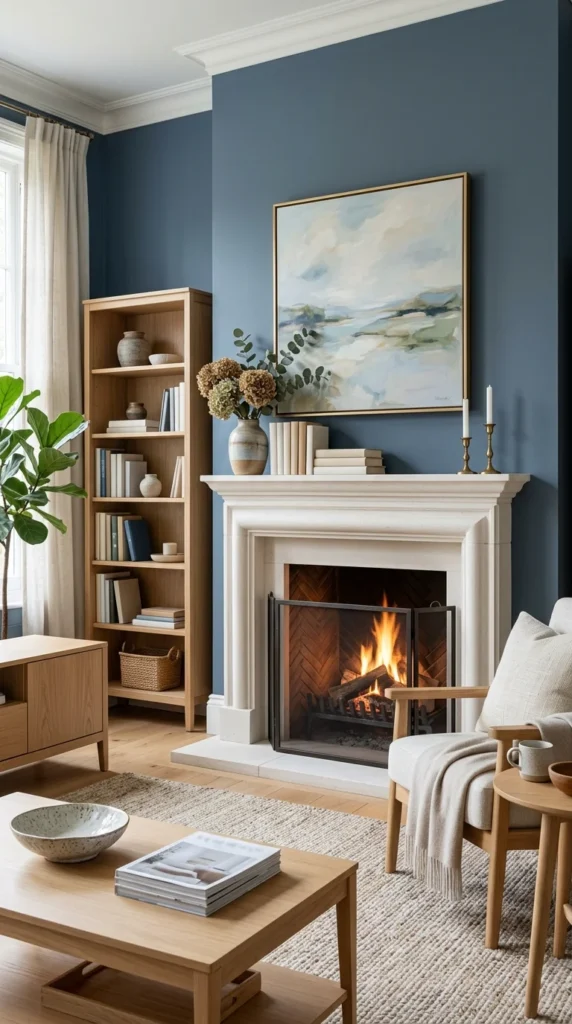
Slate blue is a cool, grayish-blue that feels very “Hamptons.” It’s a “quiet” color that suggests a sense of calm and order. It looks best when paired with crisp white trim and natural wood elements, creating a look that is both expensive and relaxed.
15. Espresso Brown
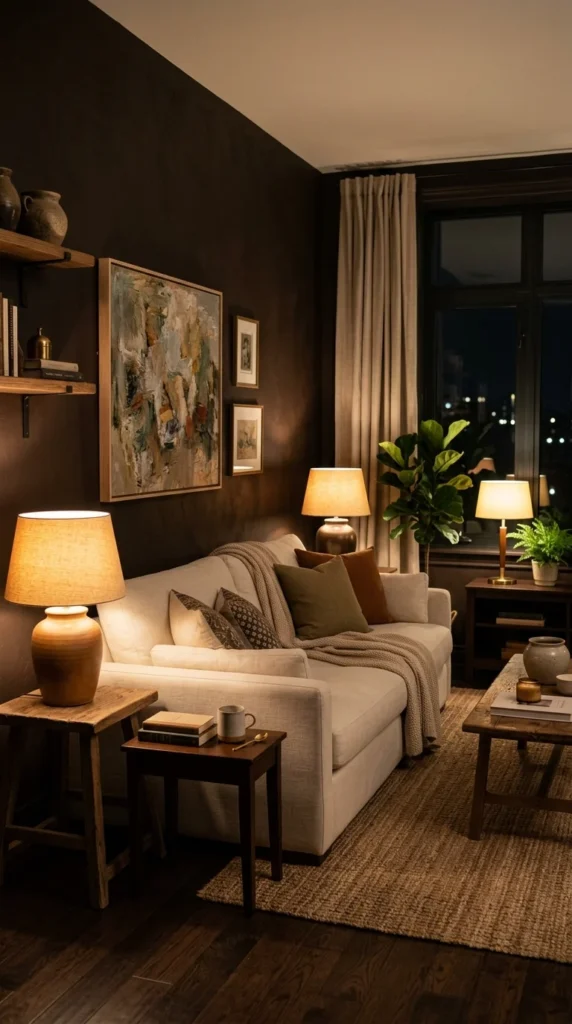
Rich, chocolatey browns are making a major comeback. In a small living room, espresso walls create a “library” feel—cozy, intelligent, and very expensive. This color works best with “warm” light bulbs to bring out the depth of the brown.
16. Pale Mint
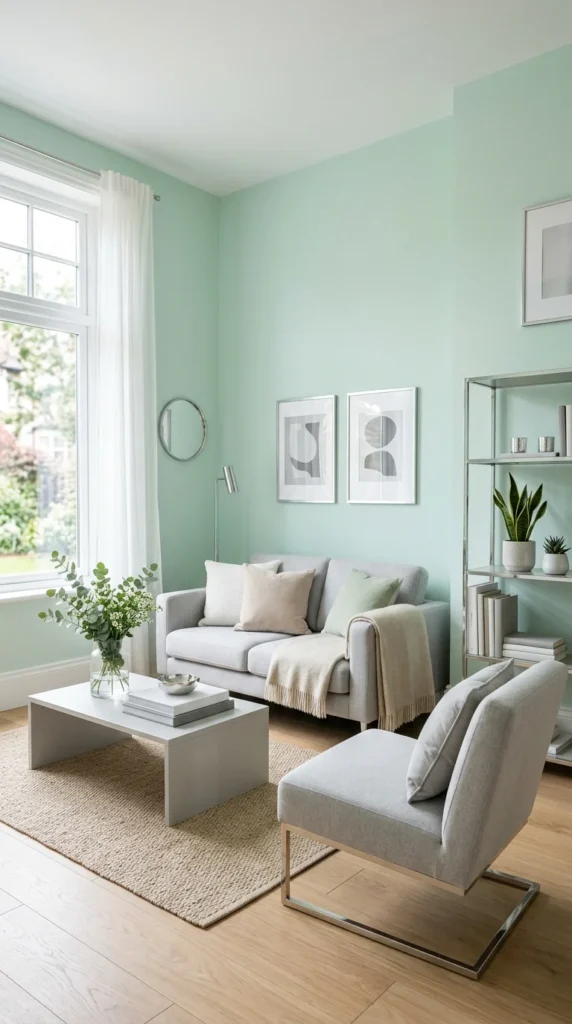
Pale mint is a refreshing, high-fashion color that can make a room feel airy and expensive if handled correctly. Avoid “mint green” that looks like candy; instead, look for a shade that has a heavy dose of gray. This creates a sophisticated, spa-like atmosphere.
17. Rust
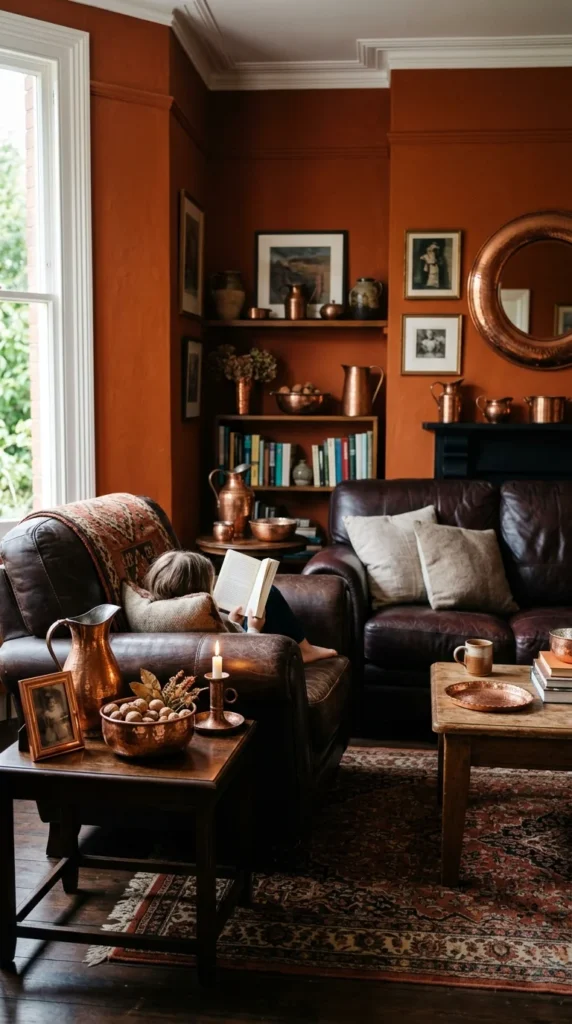
Rust is a deep, orange-brown that feels incredibly textural. It’s a color that looks expensive because it feels rare and curated. It adds an instant “warmth” to a small space and pairs beautifully with dark leathers and black ironwork.
18. Silver Fox
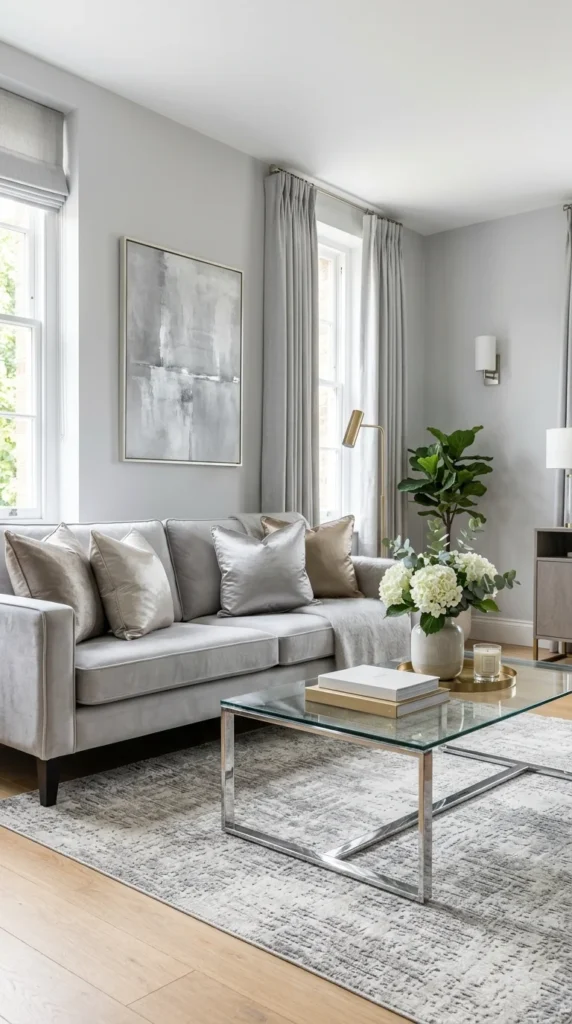
Silver Fox is a light gray with a slight metallic or cool sheen. It creates a sleek, “Manhattan penthouse” look. Use high-gloss finishes on the trim or doors to play up the reflective quality of the color, which will also help bounce light around a small room.
19. Mustard
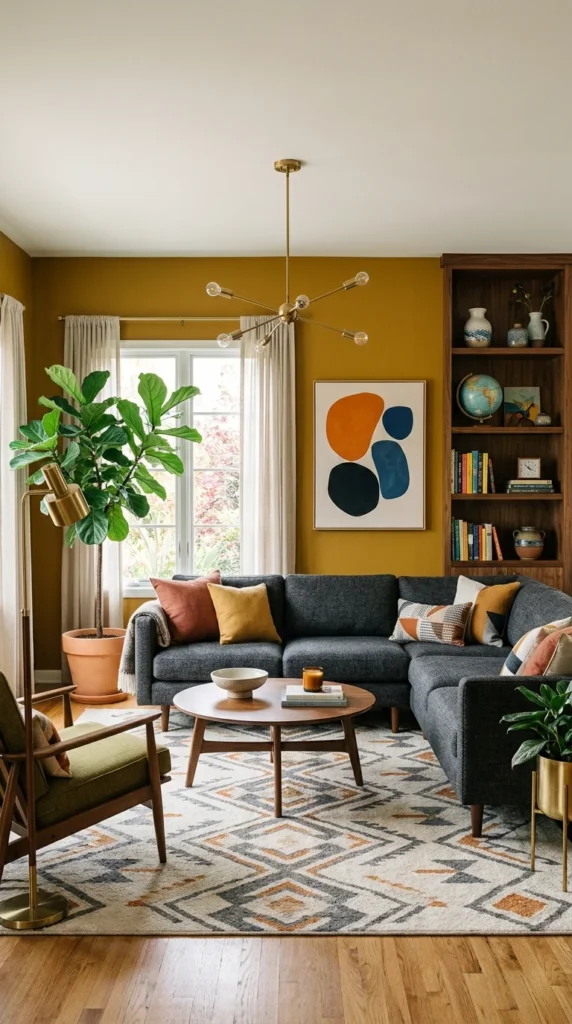
Mustard is a heritage color that feels expensive because it’s associated with high-end mid-century design. In a small living room, it adds a “punch” of personality without being neon or distracting. It pairs perfectly with “cool” tones like gray and navy.
20. Mauve
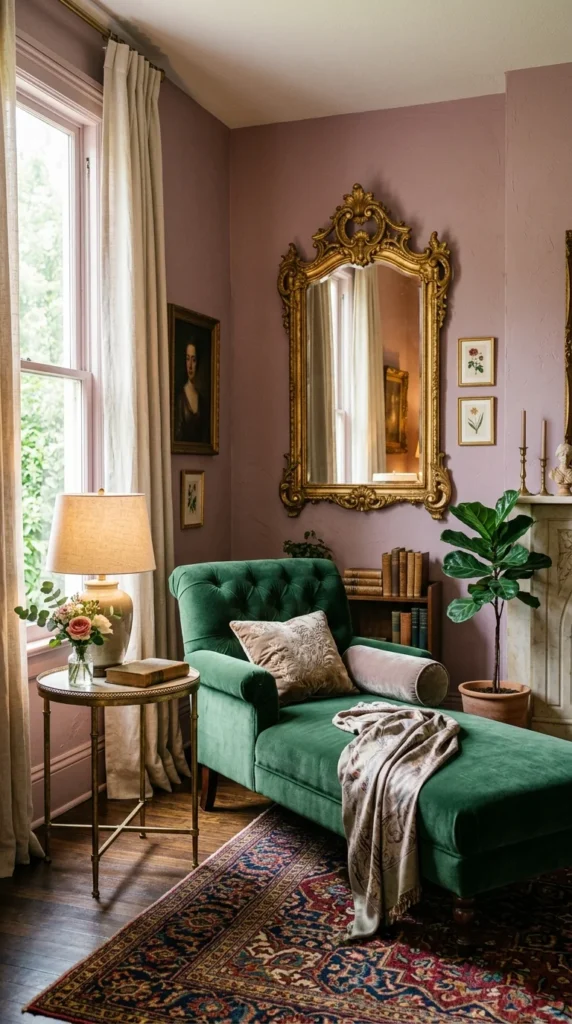
Mauve is a dusty, purple-pink that feels very “old money.” It’s an elegant, muted color that looks particularly expensive in rooms with traditional architectural details like crown molding or wainscoting.
21. Ivory
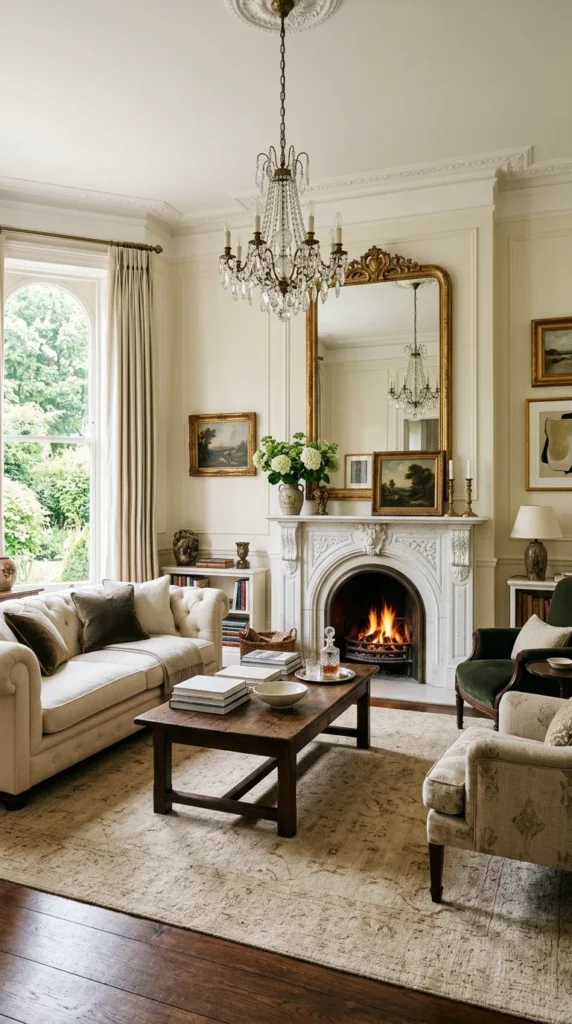
Ivory is the classic choice for a reason. It is softer than pure white and feels more substantial. To make ivory look expensive, lean into the “tonal” look—layer different shades of off-white, cream, and ivory through various fabrics and materials.
22. Forest Green
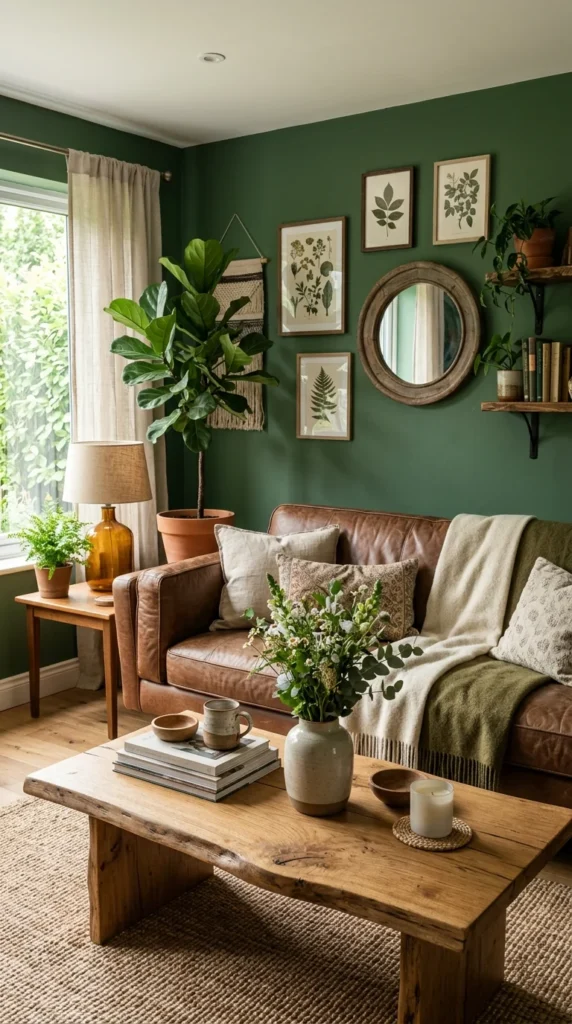
Forest green brings the luxury of the outdoors inside. It’s a deep, dark color that feels very grounded. In a small room, it can make the space feel like a private sanctuary. Pair it with brass hardware for a truly high-end finish.
23. Copper
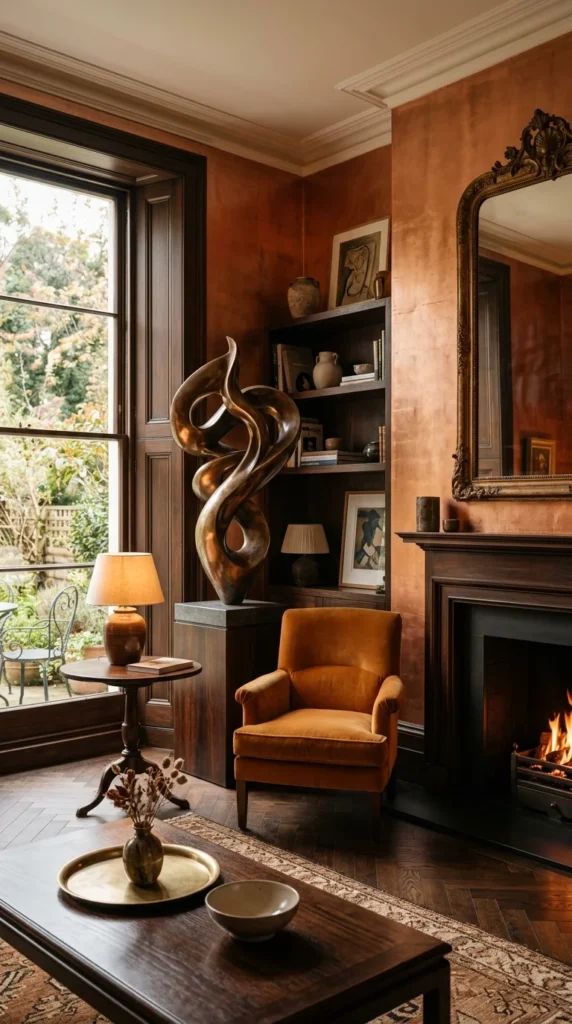
Copper isn’t just for metals; it’s a stunning wall color. A deep, metallic-tinged orange-brown creates a glow that makes any small room feel like a million dollars. It’s a bold choice that works best with minimalist furniture so the color can be the star.
24. Lavender Gray
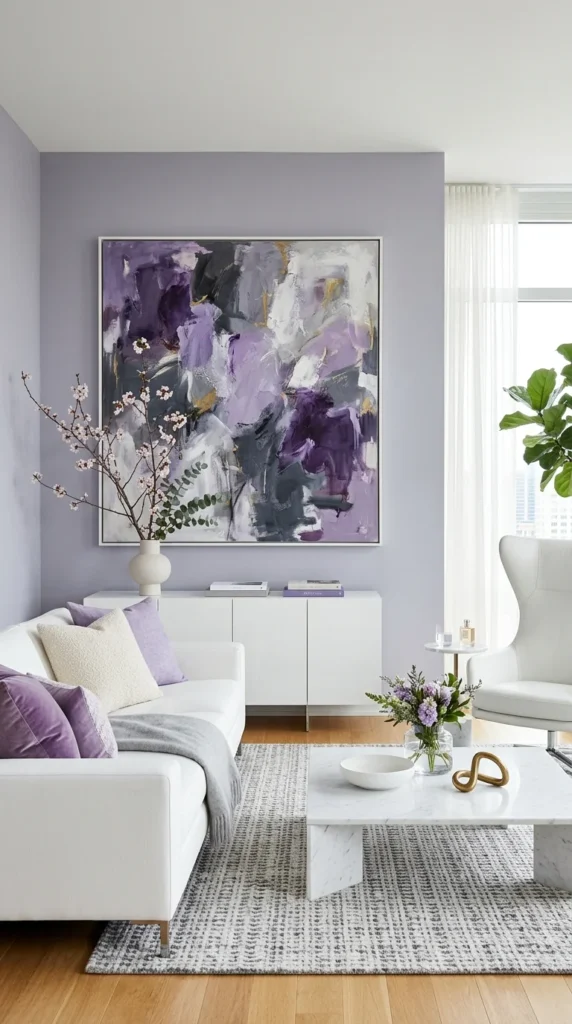
Lavender gray is a complex, shifting color that looks different depending on the light. This complexity is exactly what makes it look expensive. It’s a favorite in high-end modern design because it’s unexpected and highly sophisticated.