
Living in a compact space shouldn’t mean sacrificing style or comfort. In fact, small living rooms often offer a level of coziness that sprawling open-concept homes struggle to achieve. The secret to mastering a small floor plan lies in visual trickery, smart furniture choices, and maximizing every square inch without breaking the bank. Whether you are a renter on a budget or a homeowner looking to refresh your space, these 22 affordable ideas will help you transform your tiny living area into a functional masterpiece.
1. Mirror Magic
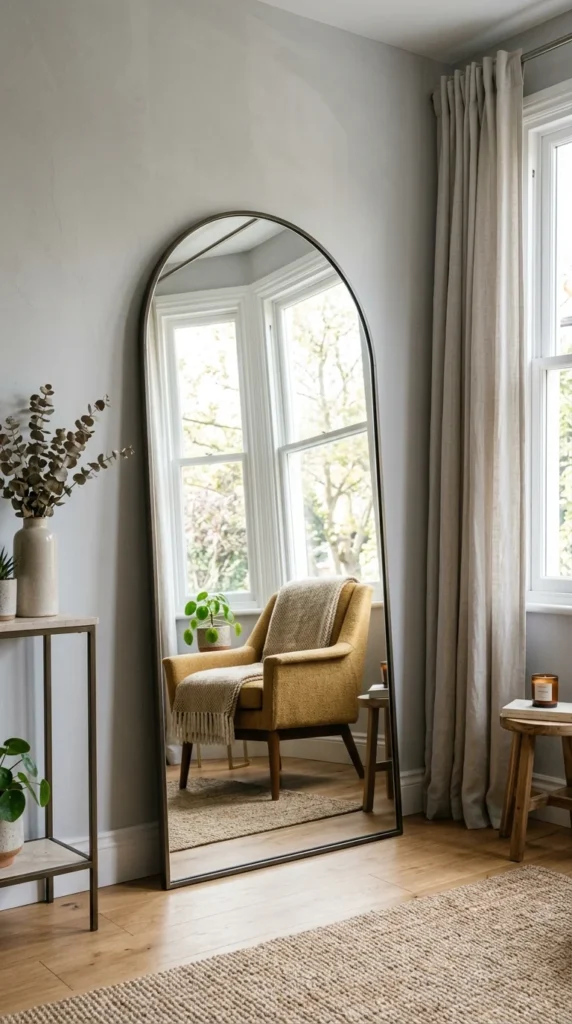
Mirrors are the oldest trick in the interior design book for a reason—they work. By reflecting both natural and artificial light, mirrors instantly make a room feel brighter and more open. Instead of a small wall hanging, opt for a large floor-length mirror leaning against a focal wall. If you’re on a tight budget, look for “over-the-door” mirrors at discount stores and group three of them together to create a window-like effect.
2. Floating Shelves
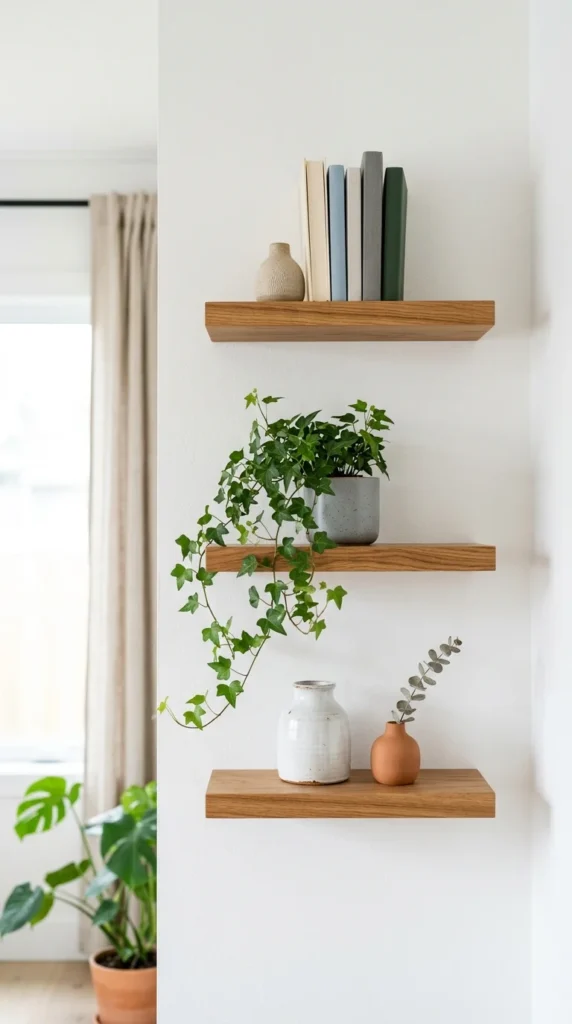
When floor space is limited, look up. Floating shelves provide storage and display space without the “heavy” look of a traditional bookshelf. By keeping the floor clear, you maintain a sense of openness. Use them to display curated art, books, or plants. To keep it affordable, you can buy raw wood brackets and planks from a hardware store and stain them yourself to match your decor.
3. Leggy Furniture
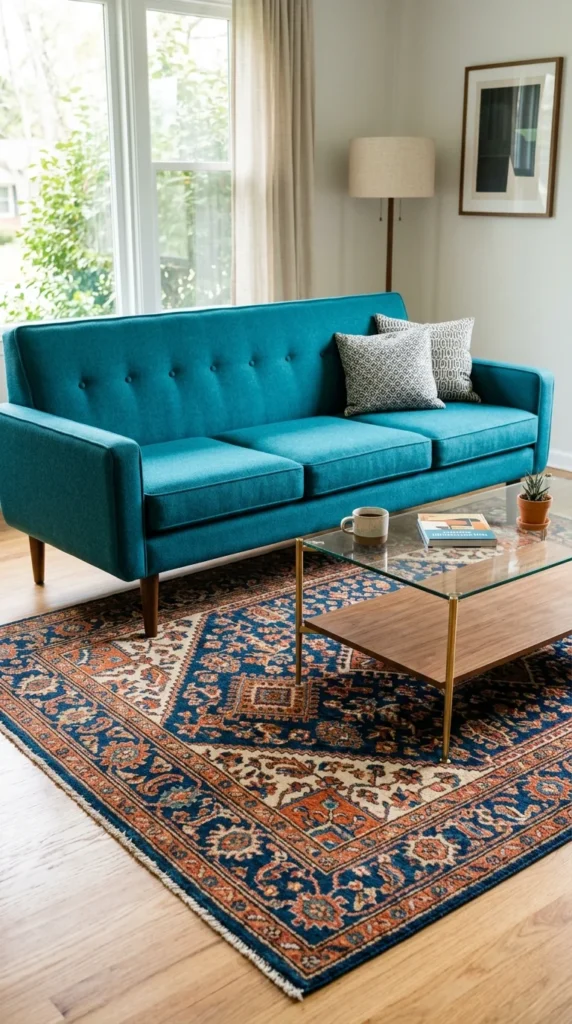
Furniture that sits flat on the floor can feel like a heavy block that “eats” space. Choosing pieces with exposed legs creates a sense of “airiness” because you can see the floor underneath. This visual continuity makes the room feel larger than it is. Look for “tapered legs” or “pencil legs” when shopping for sofas, chairs, and coffee tables.
4. Vertical Curtains
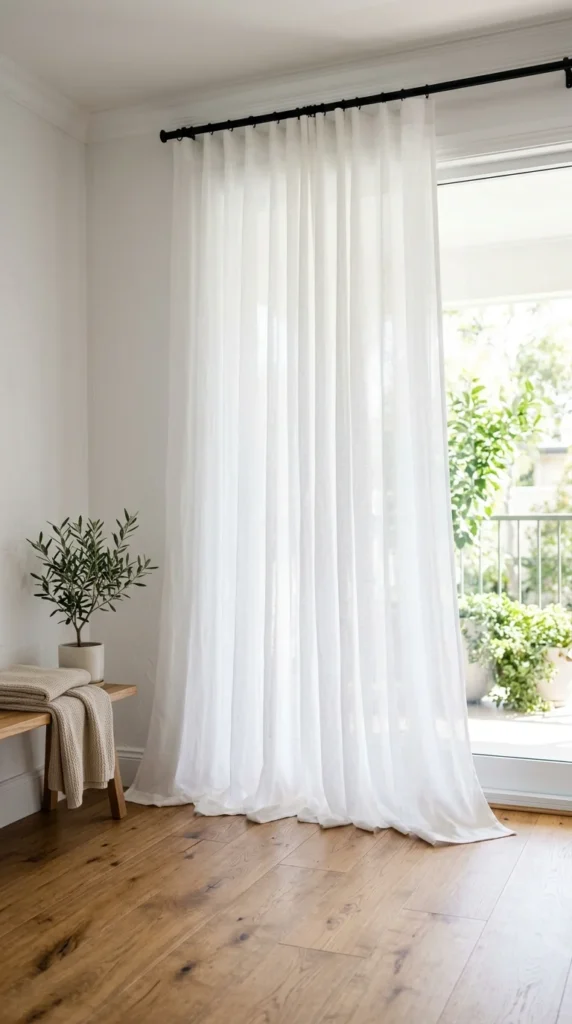
Most people hang their curtain rods right above the window frame, but this “cuts” the wall in half. For an instant height boost, hang your curtain rod as close to the ceiling as possible and let the fabric hit the floor. This draws the eye upward, creating the illusion of soaring ceilings. Stick to light, breezy fabrics like linen or sheer cotton to keep the room feeling light.
5. Multi-functional Ottomans
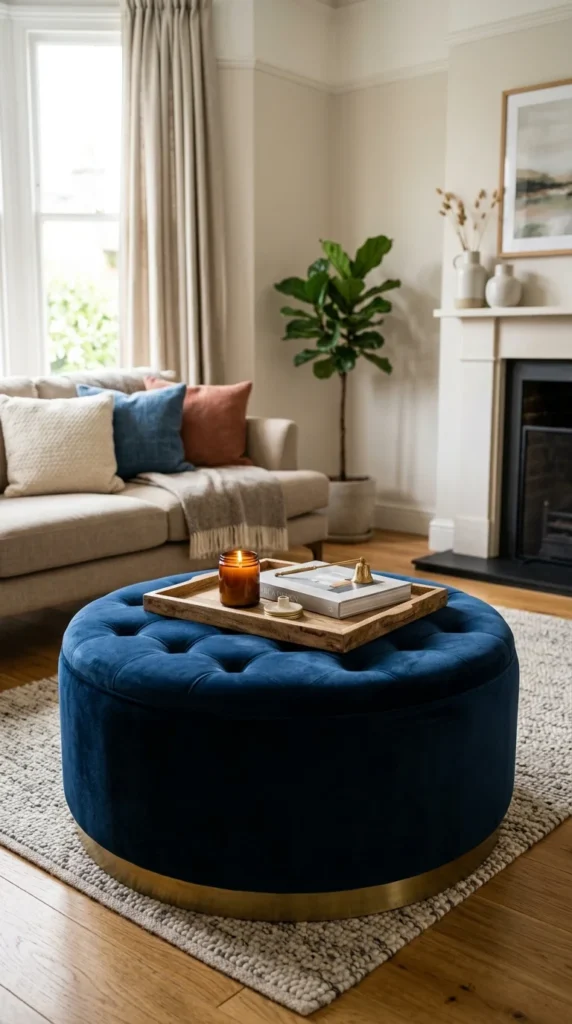
In a small room, every piece of furniture should earn its keep. A large ottoman can serve as a coffee table (with a tray on top), extra seating for guests, or a footrest. Many affordable ottomans also come with internal storage, providing a secret spot to hide blankets, remote controls, or board games.
6. Clear Acrylic
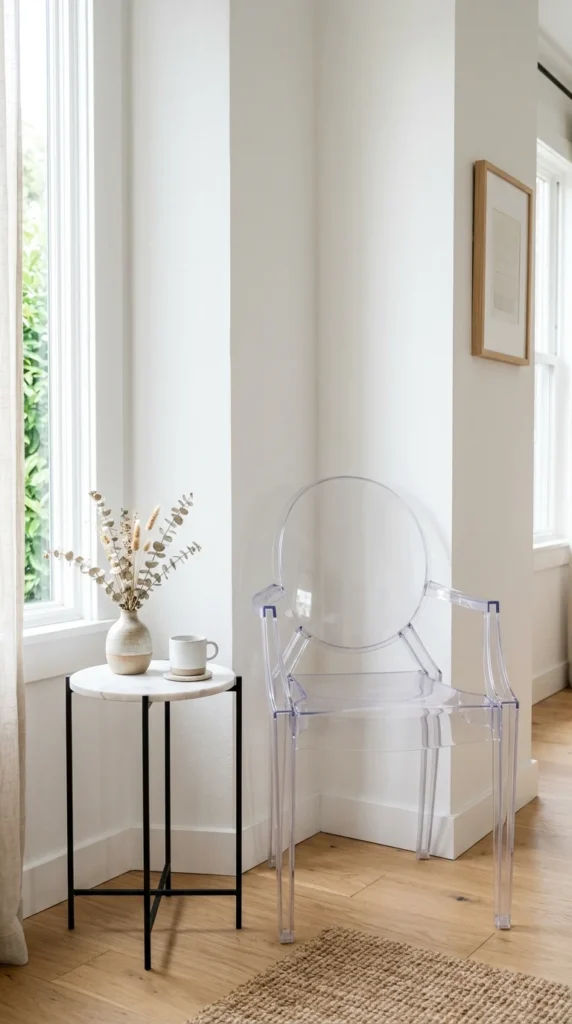
Acrylic or glass furniture is a game-changer for small spaces. Because these pieces are transparent, they don’t take up any “visual weight.” You get the functionality of a coffee table or a side chair without the room feeling cluttered. These pieces are often surprisingly affordable and add a modern, chic touch to any aesthetic.
7. Strategic Lighting
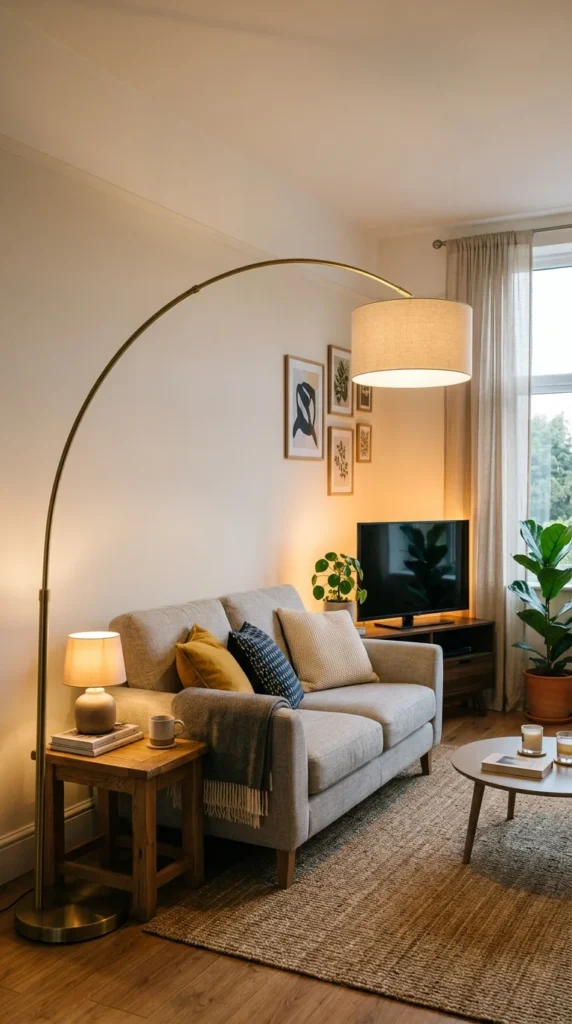
One central overhead light can make a small room feel harsh and flat. Instead, layer your lighting. Use a tall arc lamp to reach over the sofa, a small lamp for a cozy corner, and perhaps some affordable battery-powered puck lights inside bookshelves. Creating different “pools” of light adds depth and makes the space feel more sophisticated.
8. Large Rugs
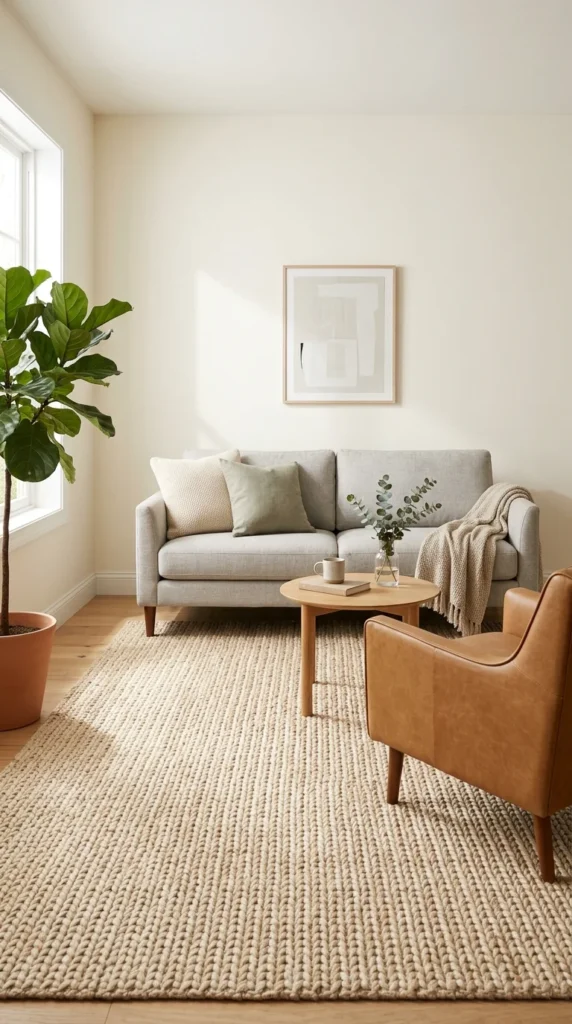
It sounds counterintuitive, but a small rug makes a room look smaller. A tiny rug creates a “postage stamp” effect that draws the eye inward. Choose a rug that is large enough so that at least the front legs of all your furniture pieces sit on it. This “anchors” the room and pushes the boundaries of the space outward.
9. Monochromatic Palette
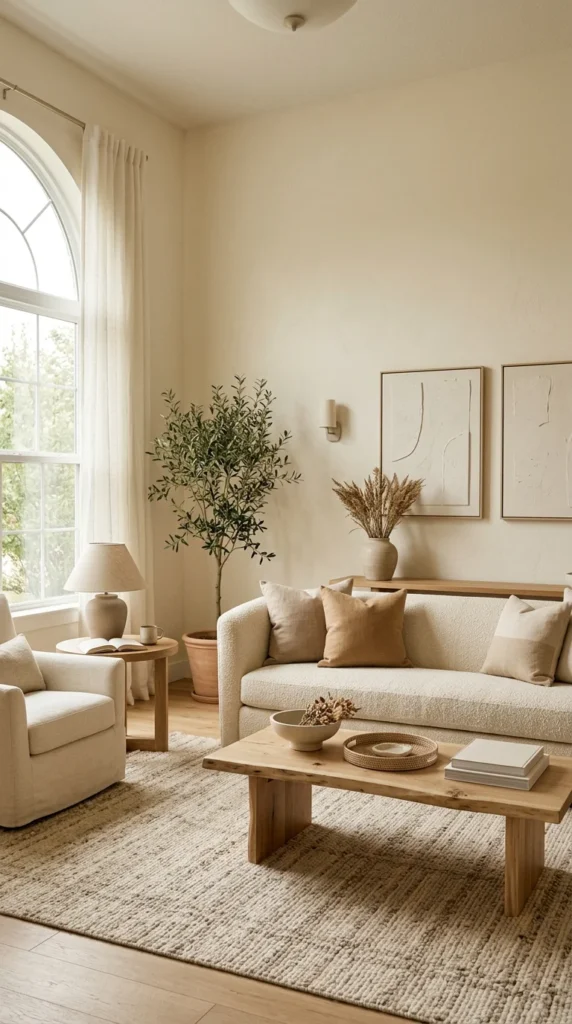
Using a single color family—especially light neutrals—helps blur the lines of where one wall ends and another begins. When the walls, furniture, and curtains are in similar tones, the eye moves seamlessly across the room. You can add interest by mixing textures, such as a chunky knit throw over a smooth linen sofa.
10. Corner Greenery
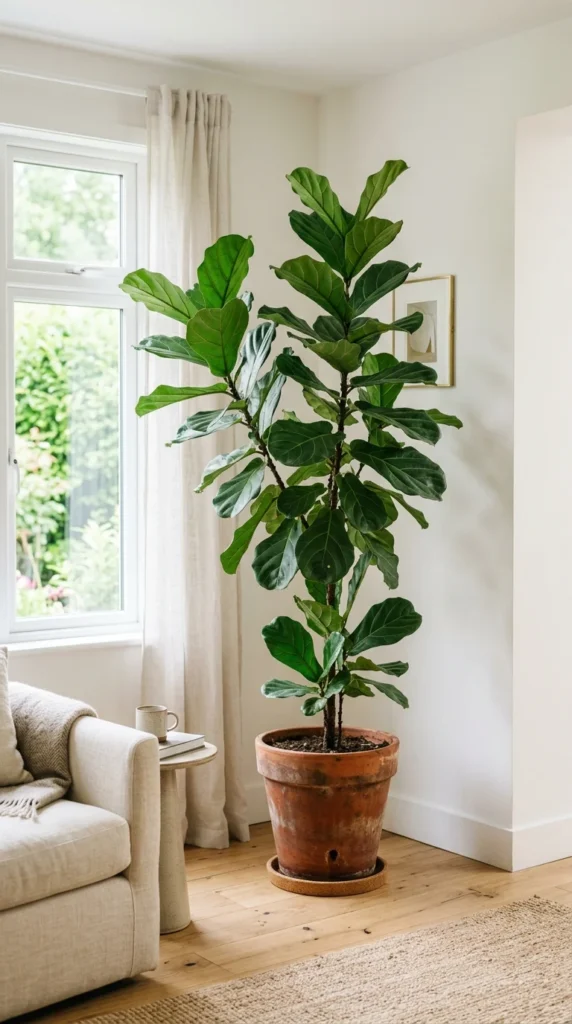
Don’t let corners go to waste. A tall, slender plant like a Fiddle Leaf Fig or a Snake Plant adds life and color without requiring much horizontal space. Plants also soften the sharp angles of a room, making it feel more organic and less “boxy.” If you don’t have a green thumb, high-quality silk plants are a great one-time investment.
11. Hidden Storage
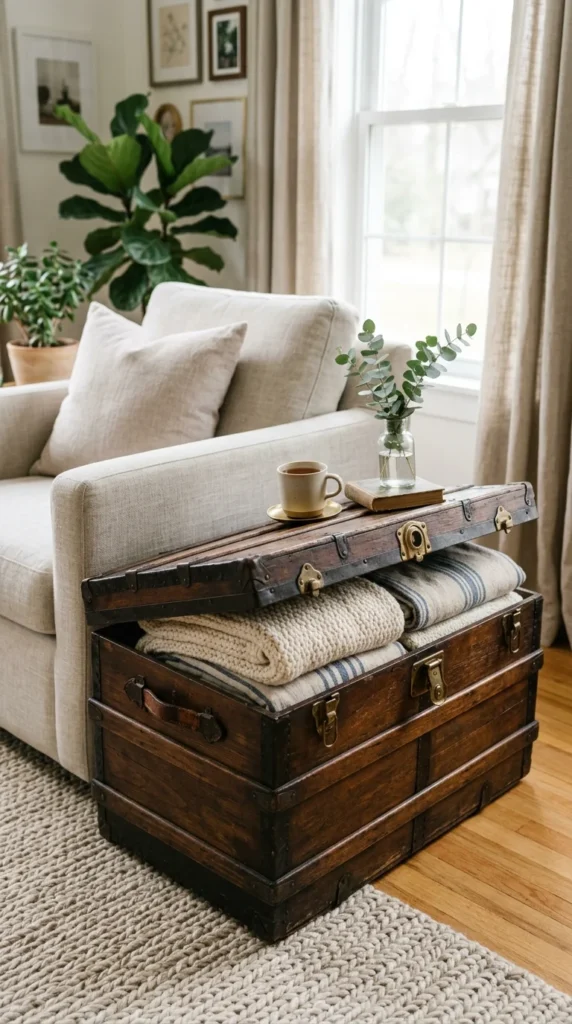
Clutter is the enemy of small spaces. Look for decor that doubles as storage. Vintage trunks, woven baskets with lids, or TV units with deep drawers allow you to stash away the everyday mess. Keeping surfaces clear will instantly make your room feel five times larger and much more relaxing.
12. Gallery Grid
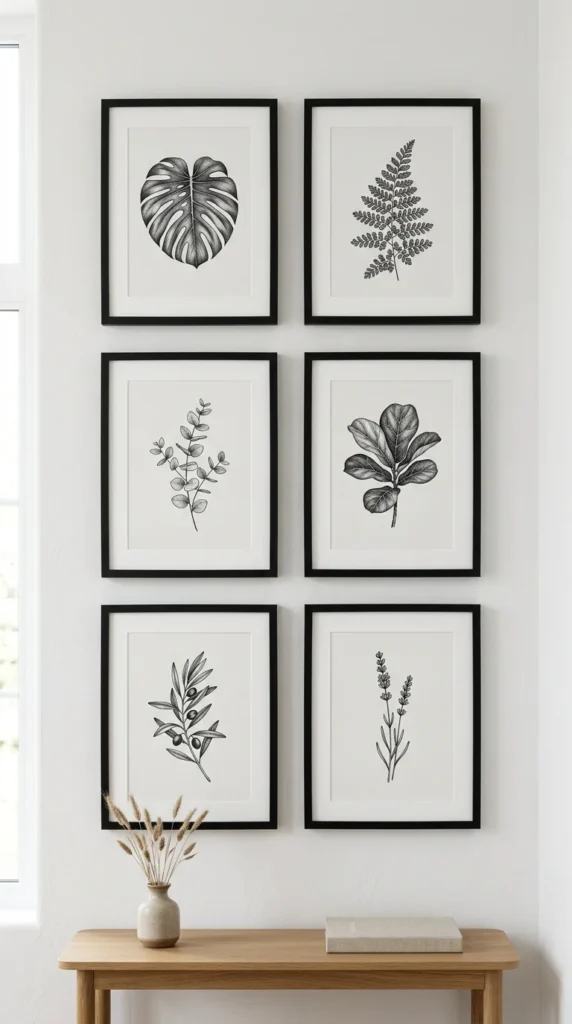
While a chaotic gallery wall can make a small space feel busy, a structured grid creates a sense of order. Using identical frames and a consistent color palette for the art provides a clean, “organized” look. This acts as a focal point that draws attention away from the room’s small footprint and toward the design aesthetic.
13. High-Hanging Art
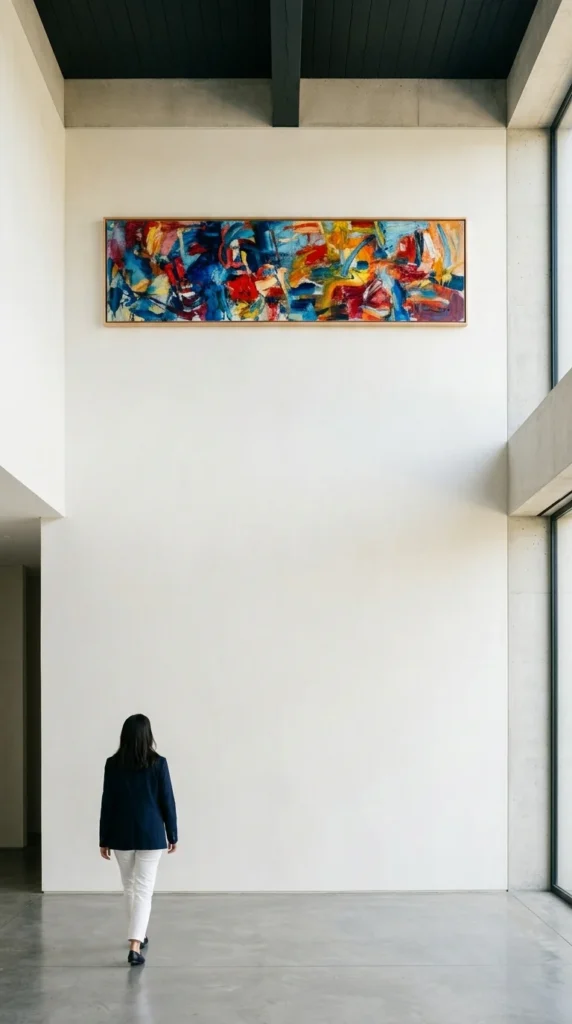
Most people hang art at eye level. In a small room, try hanging one or two pieces a bit higher. Much like the curtain trick, this encourages the eye to look up, emphasizing the vertical space. This is a great way to use those awkward bits of wall space above doorways or windows.
14. Scale Contrast
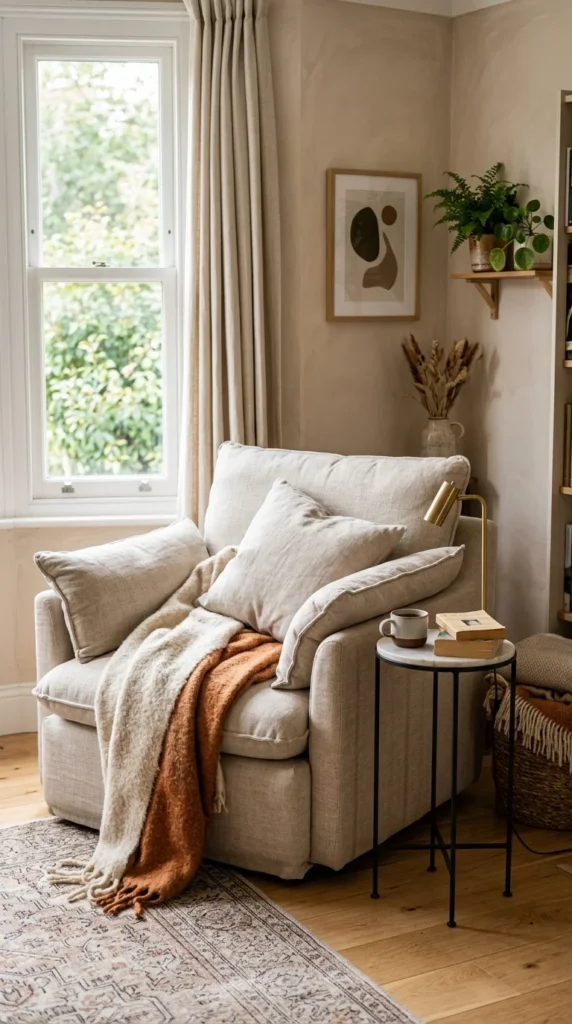
Don’t fill a small room with lots of small furniture; it will look like a dollhouse. Instead, choose one “hero” piece—like a standard-sized sofa—and pair it with smaller, more delicate accessories. Having one large-scale item makes the room feel like a “real” living room rather than a cramped waiting area.
15. Painted Ceiling
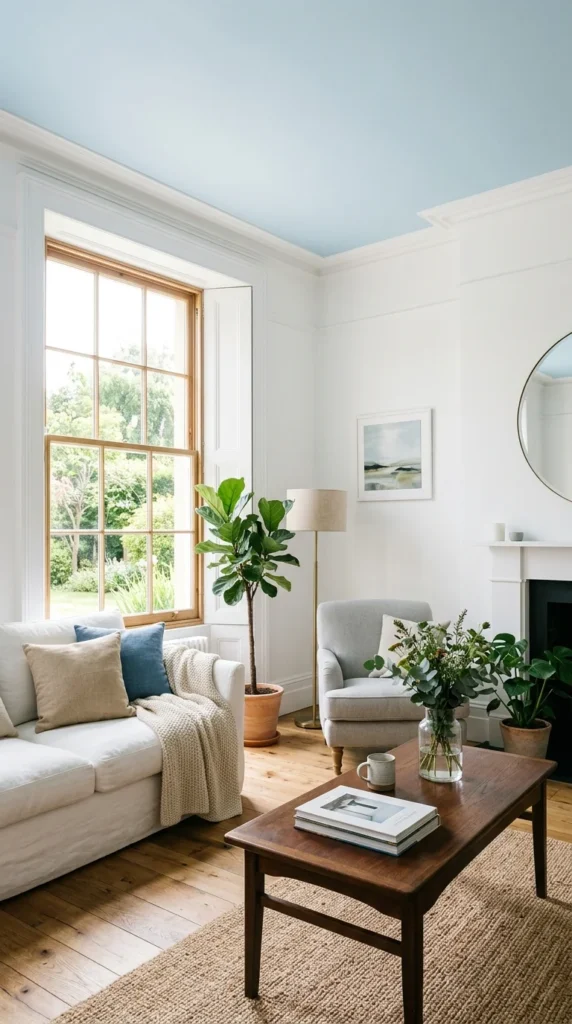
If you’re feeling bold, paint the ceiling a color that is just a shade or two lighter or darker than your walls. A light, cool color can make the ceiling feel like the sky, receding upward. A darker, moody color can make the room feel like a cozy “jewel box.” It’s an inexpensive way to add massive character to a small space.
16. Window Sills
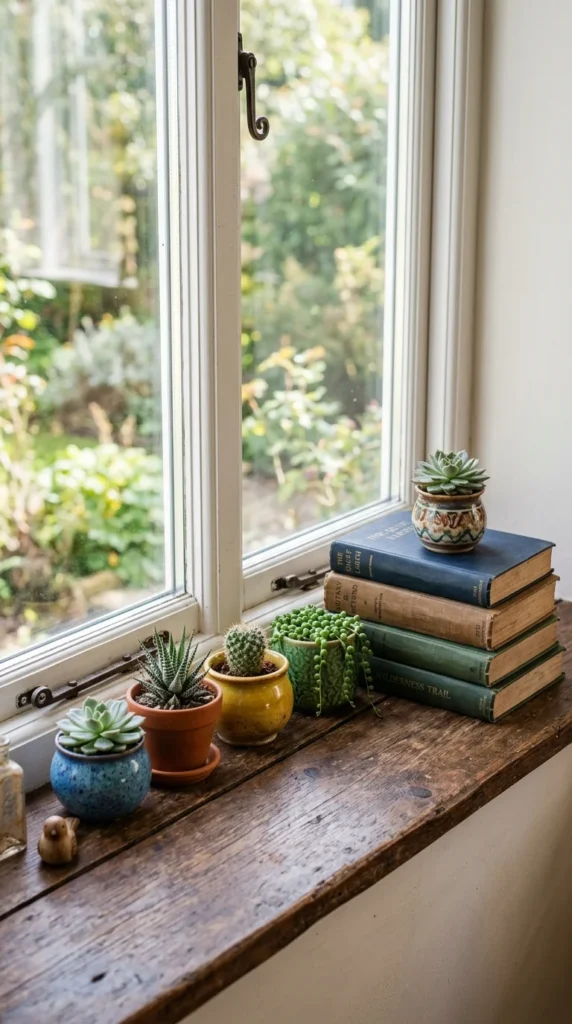
If you have deep window sills, treat them as extra shelf space. A few small plants, a candle, or a stack of books can turn a window into a decorative feature. Just be careful not to block the light, as natural brightness is essential for making small rooms feel habitable.
17. Basket Organization
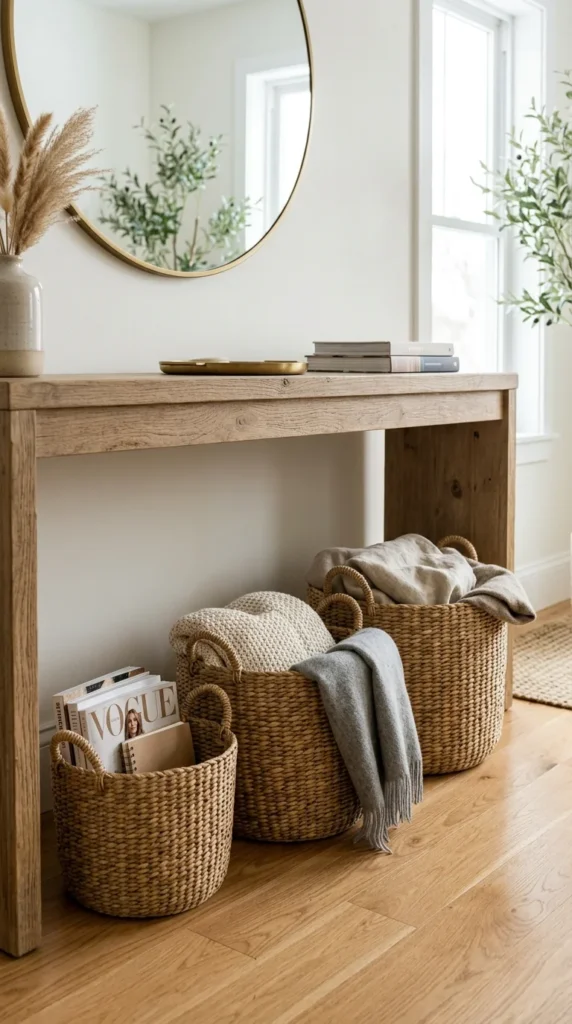
Baskets are the ultimate affordable decorating tool. They add warmth and texture while providing a “catch-all” for things like toys, shoes, or electronics. Tucking them under tables or in corners utilizes “dead space” that would otherwise go unused.
18. Removable Wallpaper
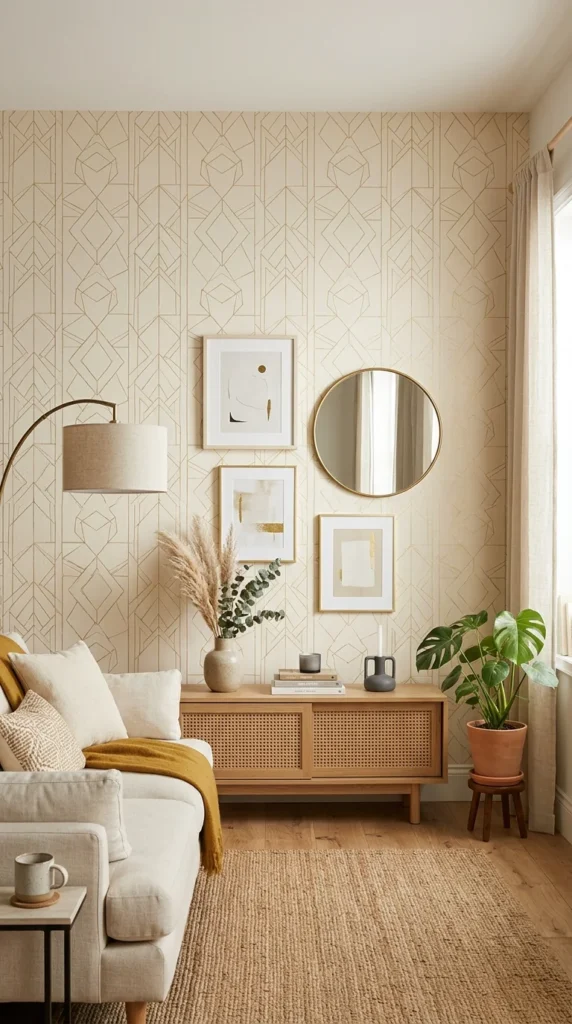
For renters or those on a budget, removable wallpaper is a miracle. Adding a pattern to just one wall—an “accent wall”—can add depth and personality without overwhelming the room. Choose a pattern with a light background to keep the space feeling open.
19. Low-Profile Furniture
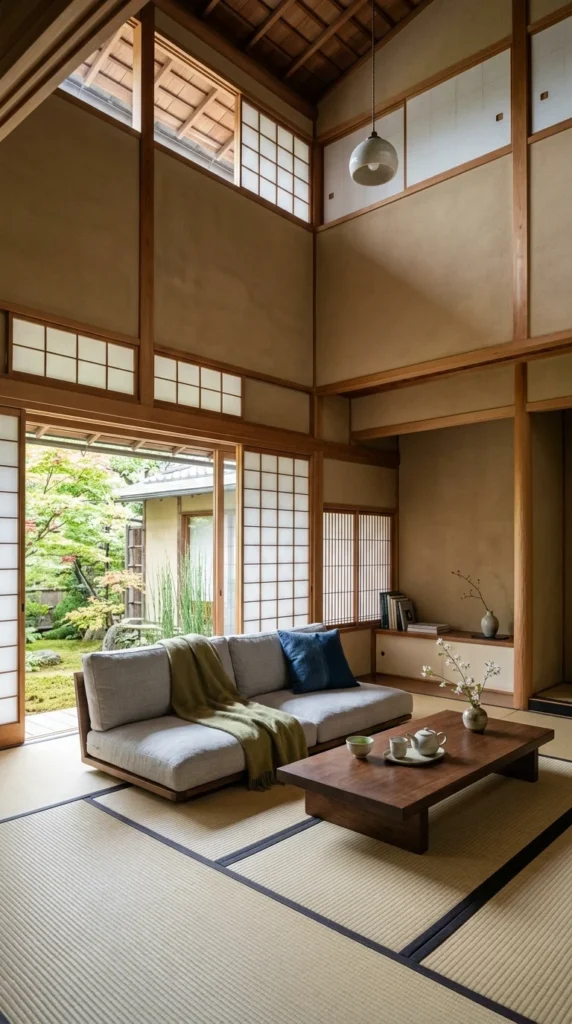
Furniture that sits low to the ground creates more “wall space” above it, which makes the ceilings feel taller. This is a classic trick used in modern and minimalist design. It creates a grounded, relaxed vibe that is perfect for small, cozy lounging areas.
20. Glass Doors
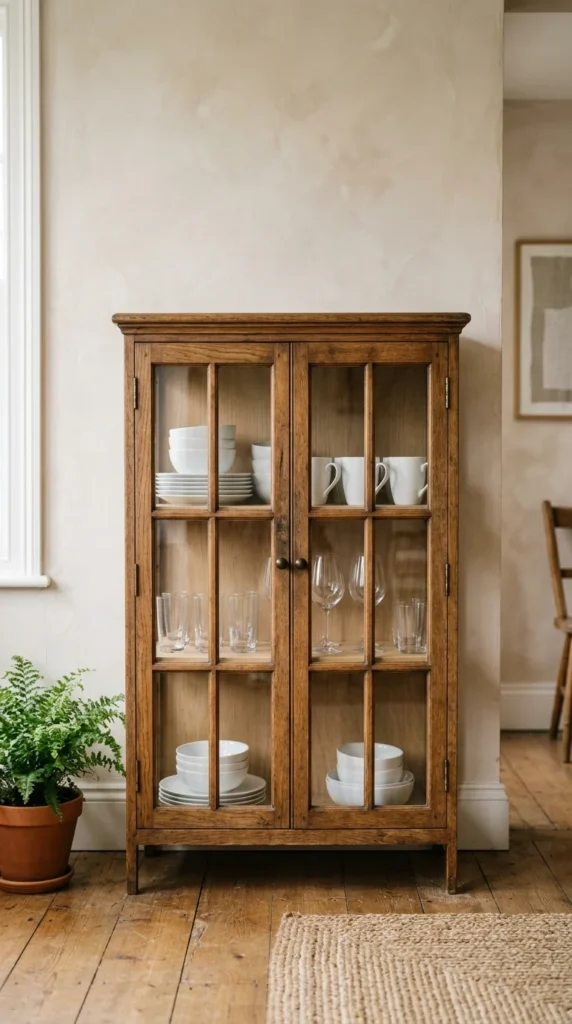
If you have a storage cabinet or a hutch, opt for glass doors rather than solid wood. Being able to see “through” the furniture into the back of the cabinet adds a layer of depth. Just be sure to keep the contents organized, as visible clutter will have the opposite effect.
21. Reflective Accents
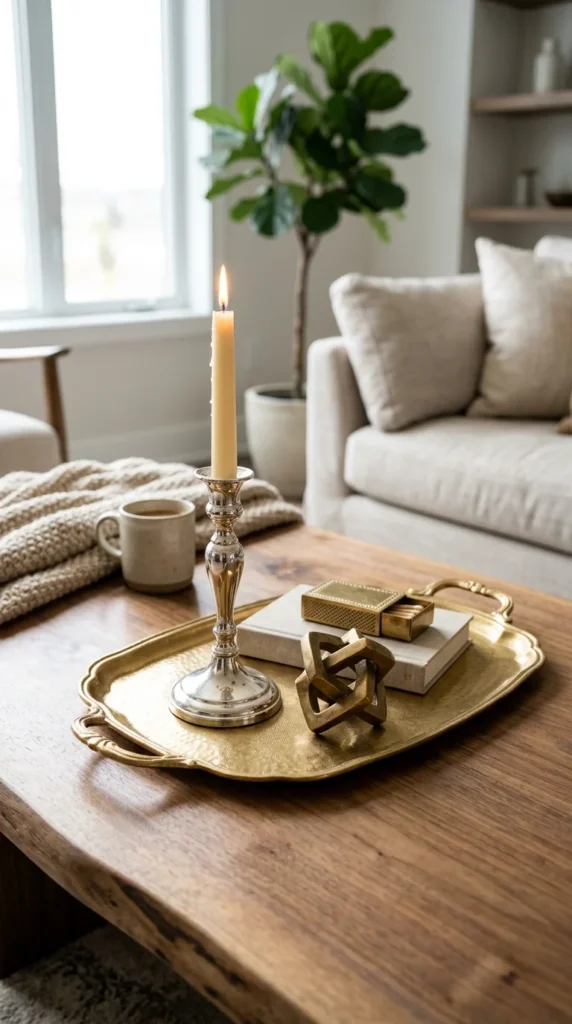
Beyond mirrors, you can use metallic accents to bounce light around. Gold, silver, and chrome finishes on lamps, picture frames, or trays act like mini-mirrors. These small “pockets” of reflection help keep the eye moving and add a touch of luxury to the room.
22. Floating Desks
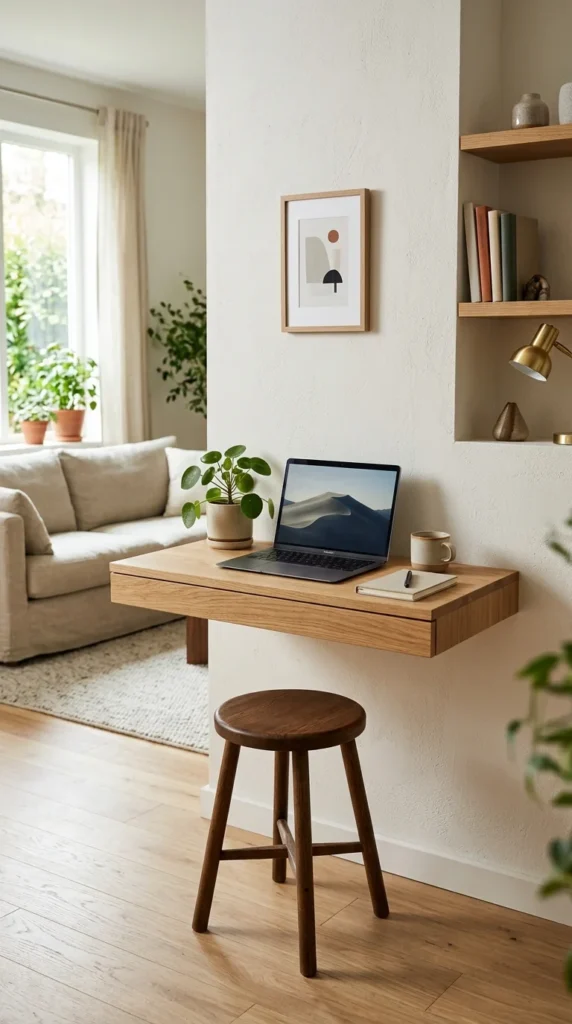
With more people working from home, the “cloffice” (closet office) or corner desk is essential. A floating desk mounted to the wall takes up zero floor space and can even double as a side table when not in use. It’s a smart, affordable way to add utility to your living room without the bulk of a traditional desk.