
Navigating the constraints of a small apartment living room can feel like a high-stakes game of Tetris. When every square inch counts, the way you position your sofa, coffee table, and accent pieces can mean the difference between a cramped storage-closet vibe and a chic, functional sanctuary. The goal is to maximize flow, enhance light, and create zones that serve multiple purposes without overwhelming the senses. Whether you are dealing with a studio apartment or a narrow urban flat, these 22 furniture arrangement ideas will help you unlock the full potential of your limited square footage.
1. Focal Point
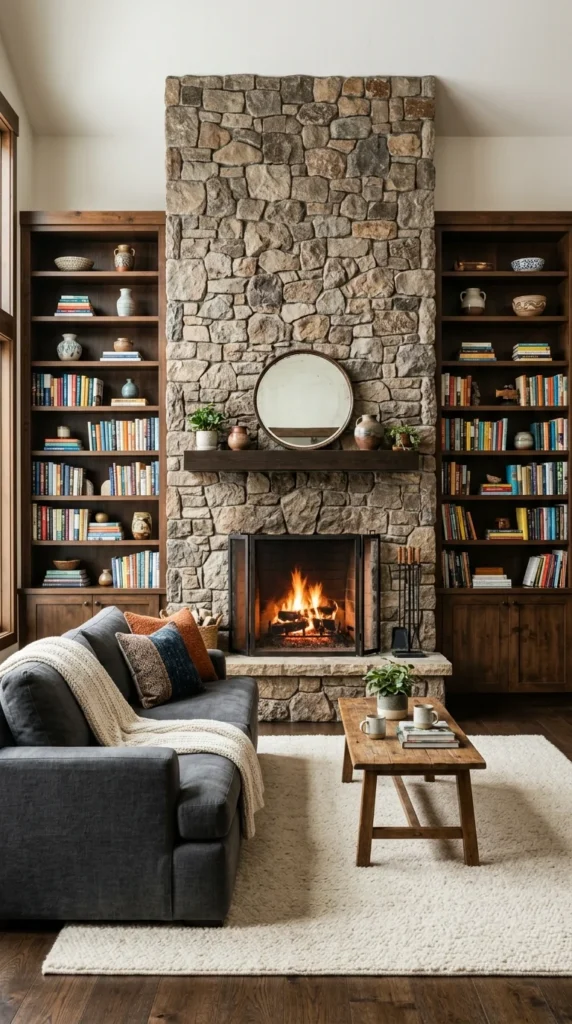
The easiest way to organize a small room is to identify a single focal point. This could be a window with a view, a fireplace, or even a wall-mounted television. By directing all furniture—such as your primary sofa and a pair of armchairs—toward this central feature, you create a natural sense of order. This arrangement prevents the room from feeling scattered and gives the eye a clear place to rest, making the space feel more intentional and less cluttered.
2. Corner Sectional
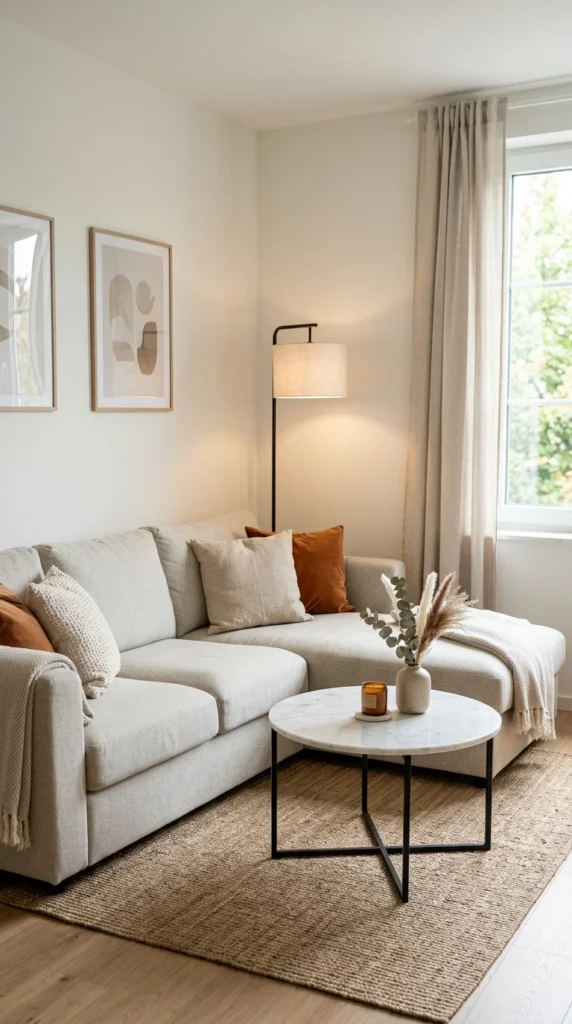
Many people shy away from sectionals in small spaces, fearing they are too bulky. However, a “right-sized” sectional tucked into a corner can actually save space by eliminating the need for multiple chairs. This arrangement opens up the center of the room, providing more floor space for movement. It creates a cozy “nook” feeling that defines the seating area clearly while providing maximum seating capacity for guests.
3. Clear Acrylic
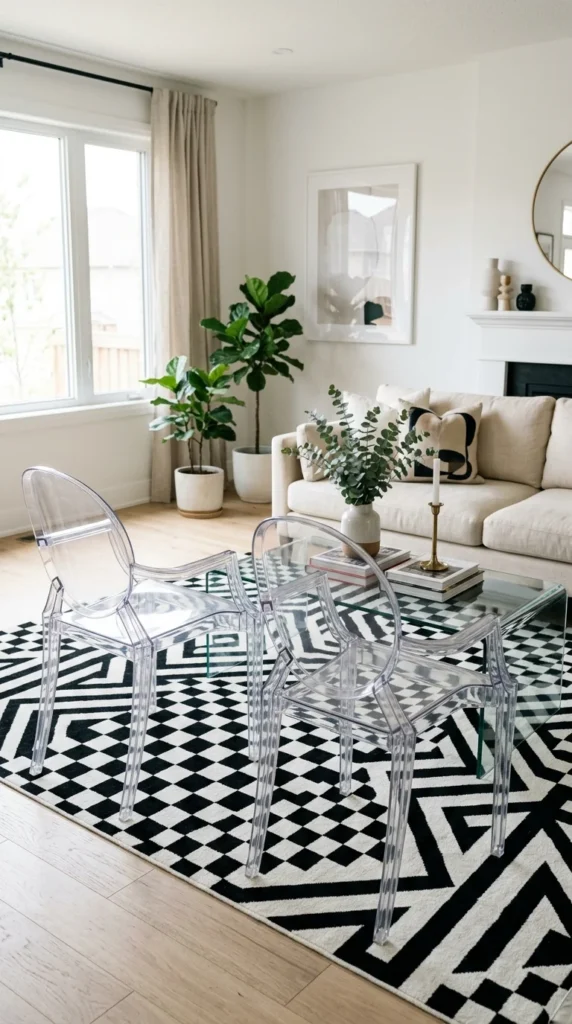
Visual weight is a crucial concept in small-space design. Using furniture made of clear acrylic or glass allows the eye to travel through the pieces to the walls and floors beyond. This “invisible” furniture provides all the functionality of traditional pieces without the visual clutter. When the floor remains visible, the room automatically feels larger and more breathable.
4. Leggy Furniture
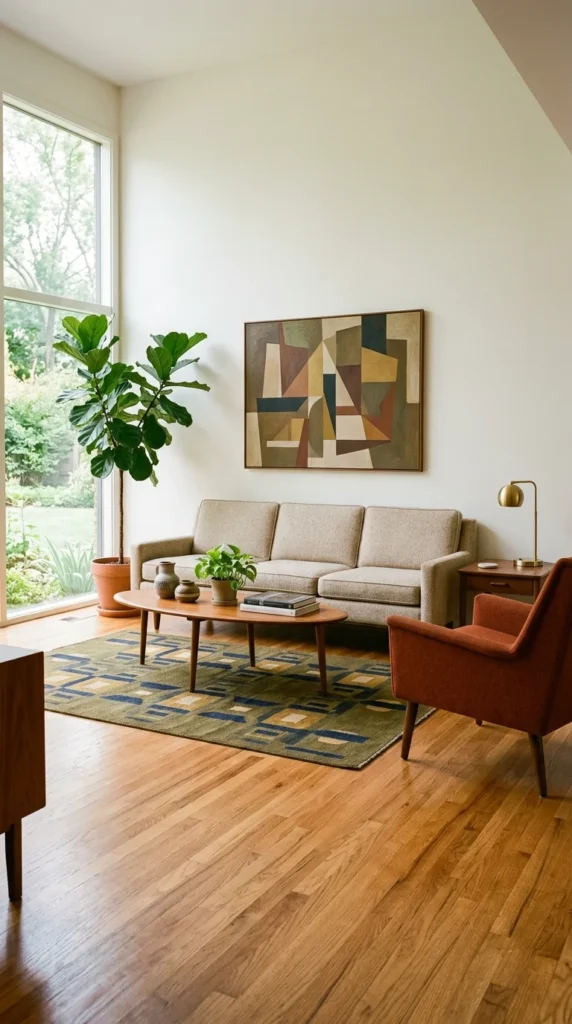
Avoid “skirted” sofas or heavy, blocky furniture that sits flush against the floor. Instead, opt for pieces with exposed legs. By elevating the furniture, you allow light and air to circulate underneath. This simple trick tricks the brain into perceiving more square footage because the floor area appears continuous rather than interrupted by solid masses of fabric and wood.
5. Multi-functional Ottomans
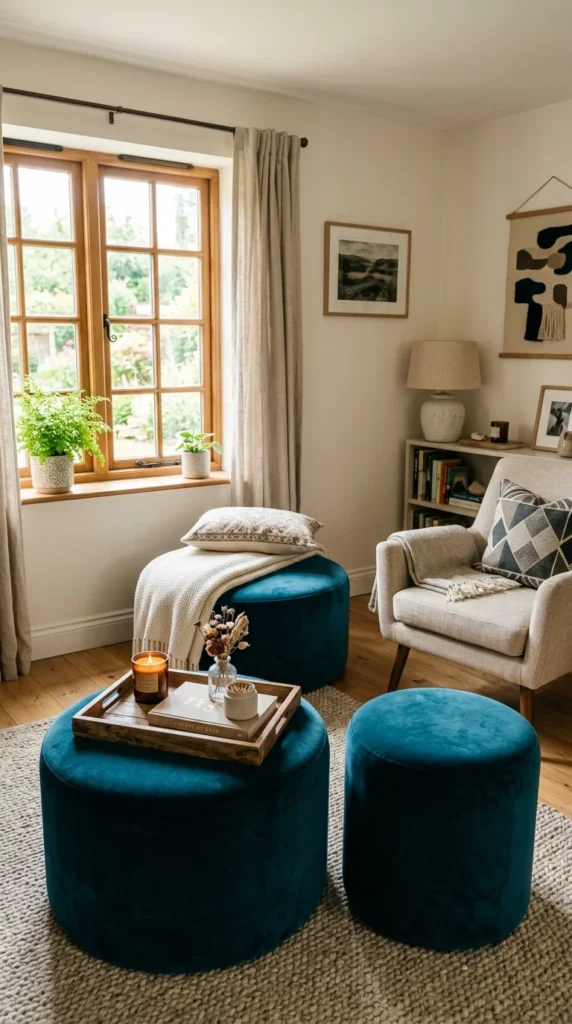
In an apartment, every piece of furniture should ideally do double duty. Replace a traditional, rigid coffee table with one or two large, firm ottomans. They can serve as a footrest, a surface for snacks (with the addition of a tray), or extra seating when you have company. Their soft edges also make it easier to navigate around them in tight quarters compared to sharp-cornered tables.
6. Mirror Magic
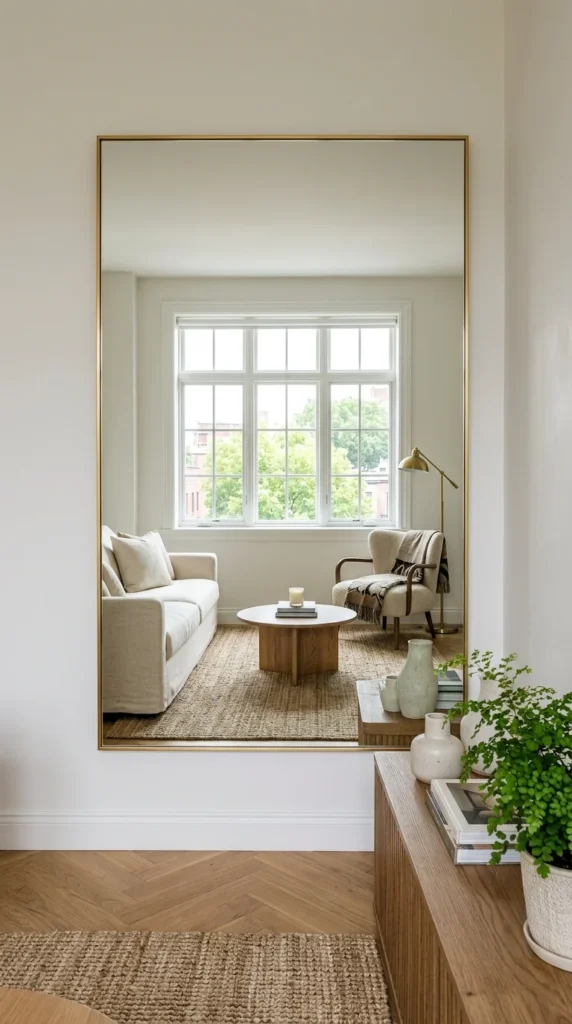
While not “furniture” in the seating sense, mirrors are vital tools in furniture arrangement. Placing a large mirror opposite a window reflects natural light and the view, effectively “doubling” the size of the room. Position your main seating area so that it faces or is adjacent to a large mirror to enhance the feeling of openness and depth.
7. Floating Layout
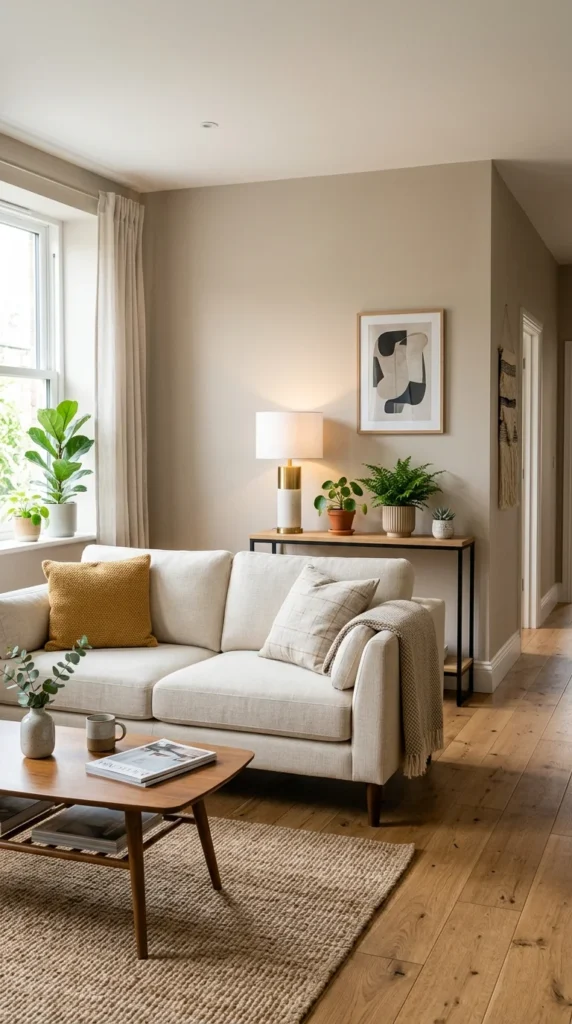
It is a common instinct to push all furniture against the walls to “open up” the floor. However, “floating” your furniture—even just a few inches away from the wall—can actually make a room feel more spacious. This creates breathing room and prevents the “waiting room” look. It also allows for better air circulation and makes the arrangement feel more curated and professional.
8. Vertical Storage
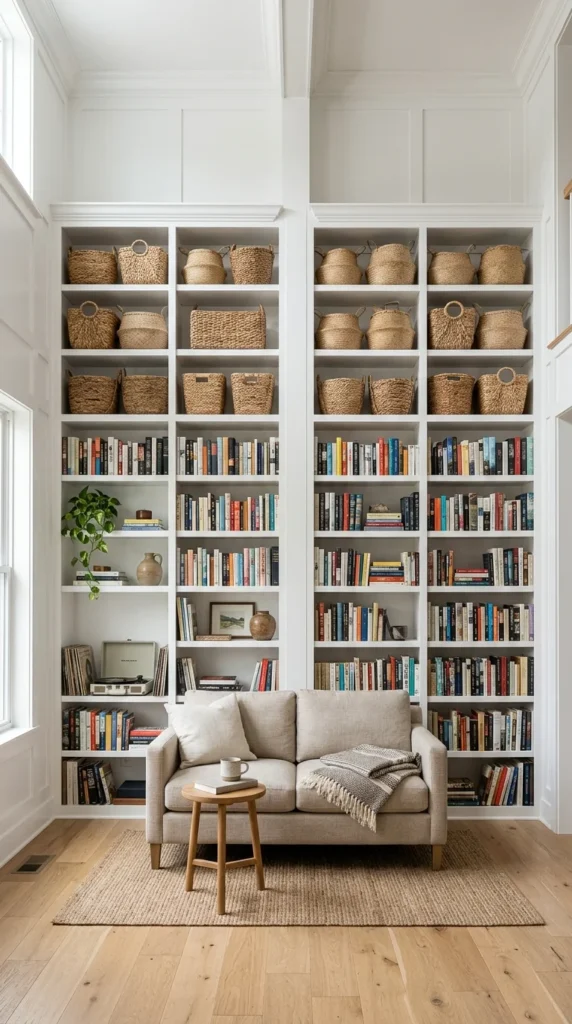
When you run out of floor space, look up. Utilizing vertical space for storage and decor keeps the floor clear of clutter. Tall bookshelves or wall-mounted shelving units provide ample space for books, electronics, and decor. By drawing the eye toward the ceiling, you emphasize the height of the room rather than its narrow width.
9. Zoning Rugs
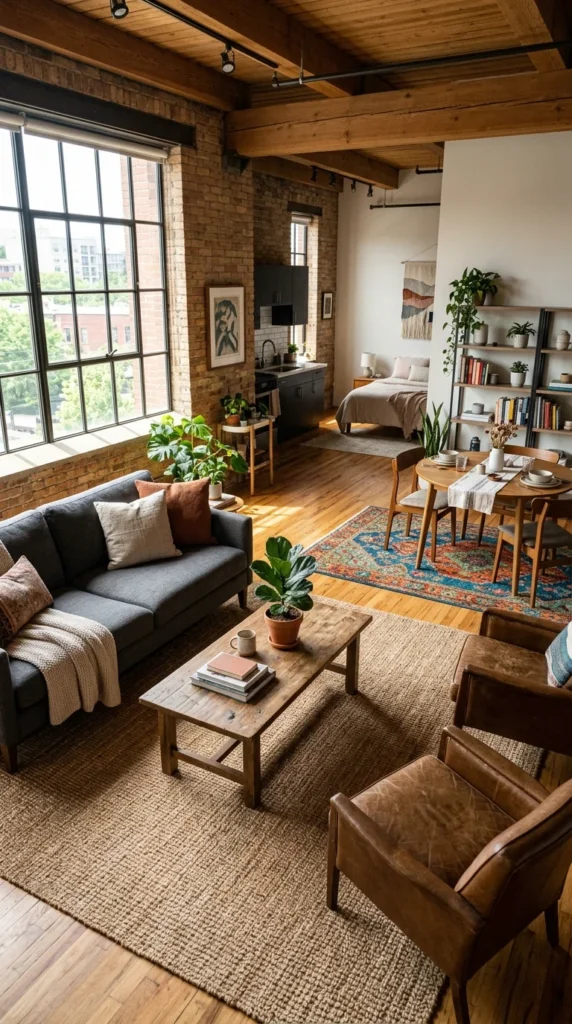
In an apartment where the living room might also be the dining room and office, use rugs to define different zones. A large area rug should anchor the main seating group. Ensure all the “feet” of your furniture are touching the rug; this creates a cohesive island of comfort that visually separates the living area from the rest of the apartment.
10. Nesting Tables
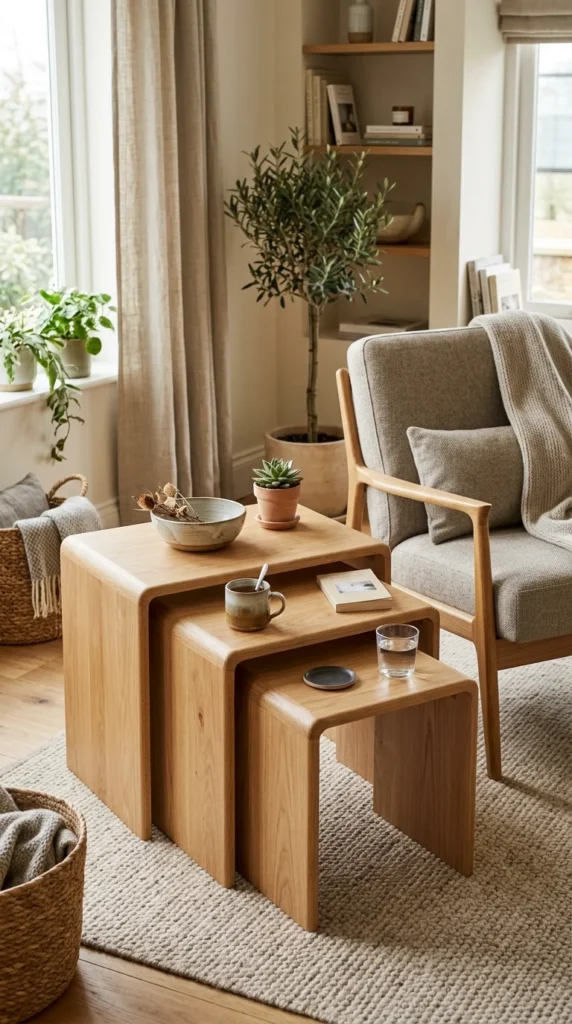
Nesting tables are the ultimate space-savers. They provide extra surface area when you need it for entertaining but can be tucked away into a single footprint when they aren’t in use. This flexibility is perfect for small apartments where the “traffic flow” needs to change depending on the time of day or the number of guests.
11. Low Profile
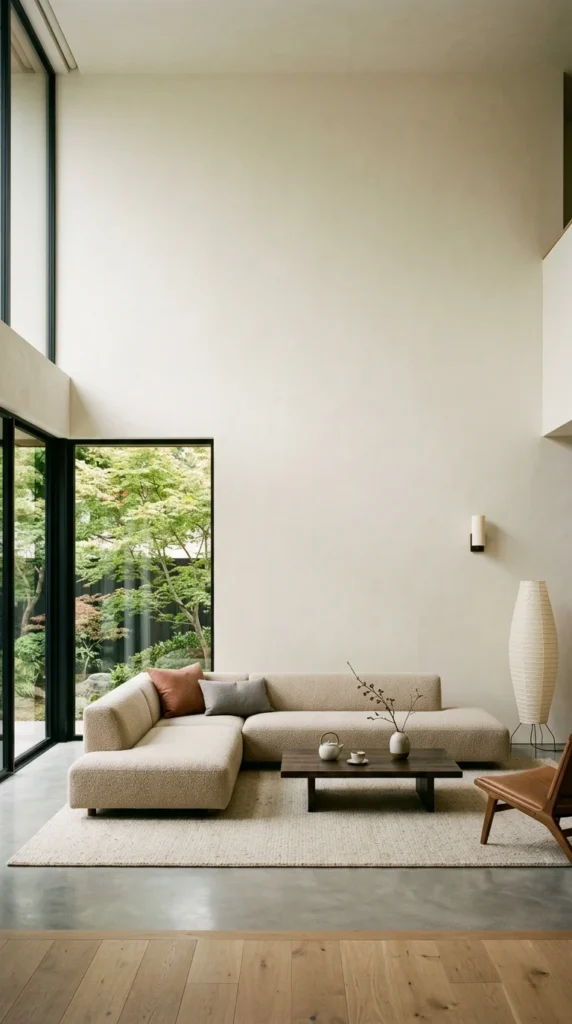
Furniture with a low profile creates a sense of height in a room. By keeping the “horizon line” of your furniture low, you leave more wall space open, which makes the ceiling feel higher. This is especially effective in apartments with standard or low ceilings, as it prevents the furniture from “dominating” the vertical volume of the room.
12. Symmetrical Balance
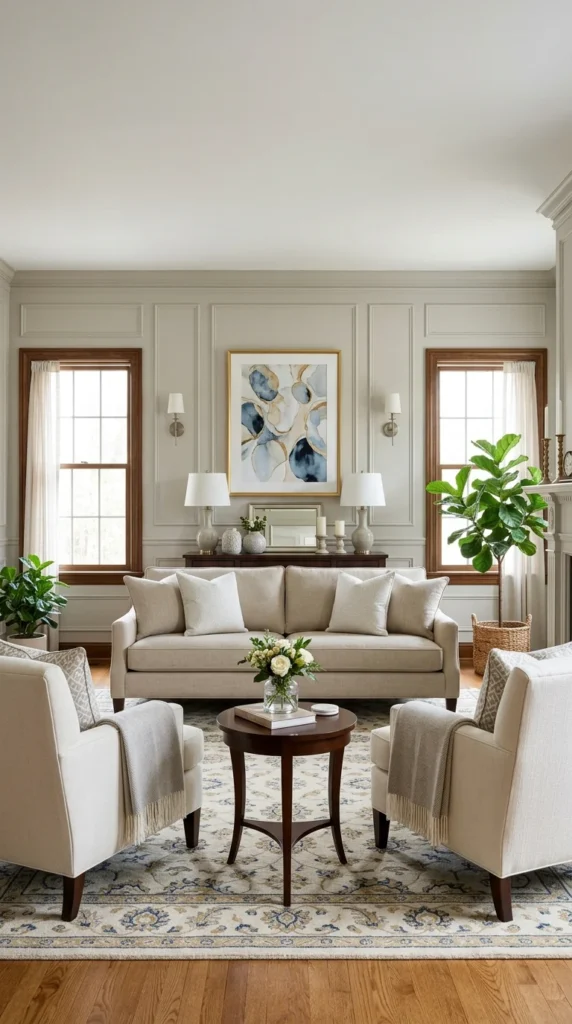
Symmetry is a powerful tool for creating a sense of calm in a small space. When things are balanced—matching lamps on either side of a sofa or two identical chairs across from each other—the room feels more organized and less chaotic. This visual order makes the small footprint feel purposeful rather than cramped.
13. Window Seating
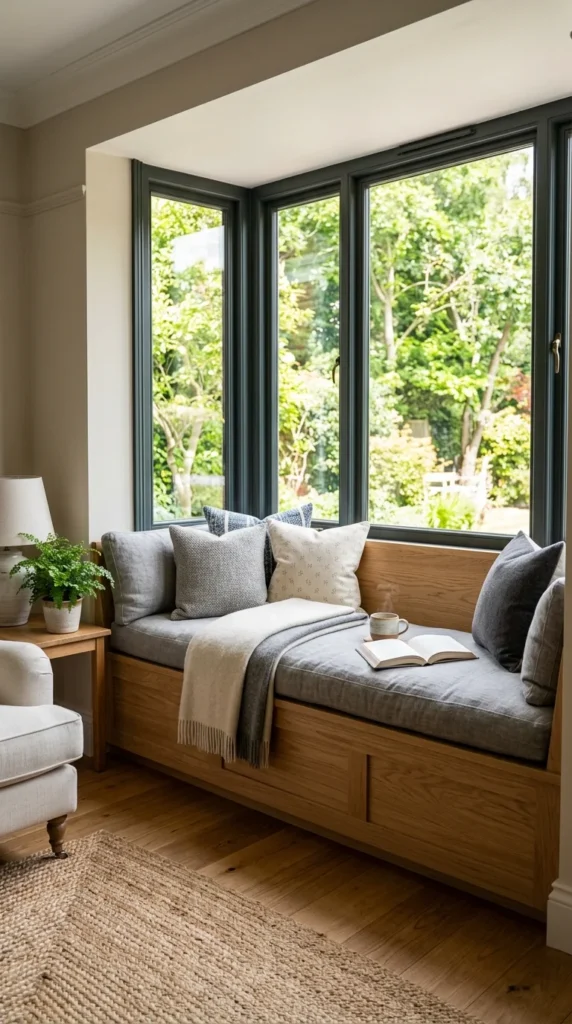
If your apartment has a deep window sill or a niche, turn it into seating. A window seat provides a cozy place to read without taking up precious floor space with a heavy armchair. You can pull a small coffee table up to the window seat to make it a functional part of your primary conversation circle.
14. Scale Down
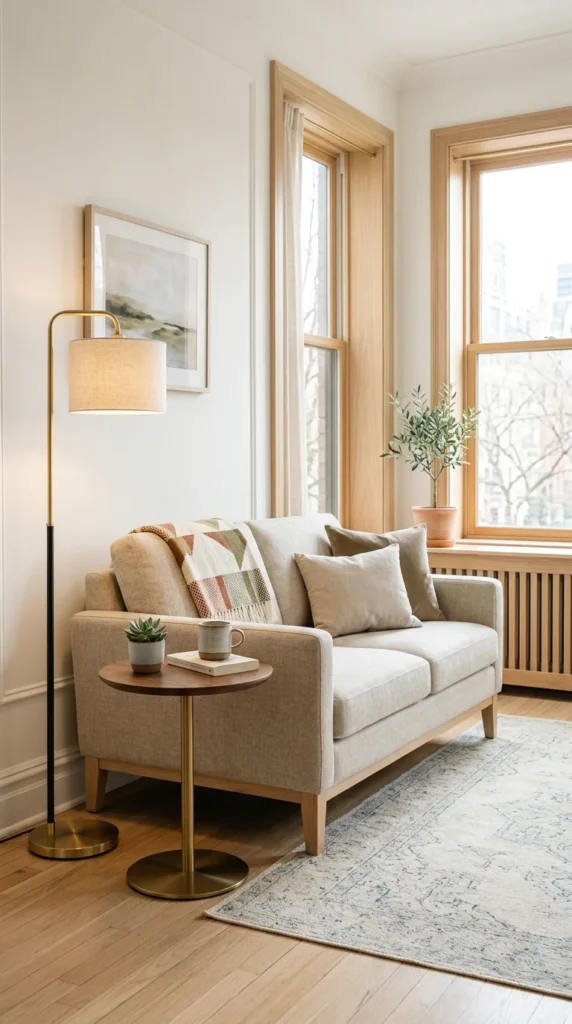
One of the biggest mistakes in small apartments is using “full-sized” furniture designed for suburban homes. Look for “apartment-scale” pieces. A loveseat instead of a three-seat sofa, or a “petite” armchair, can provide the same level of comfort while leaving more room for walkways. Always measure your space and ensure there is at least 18-24 inches of “walking path” around your furniture.
15. Wall-Mounted TV
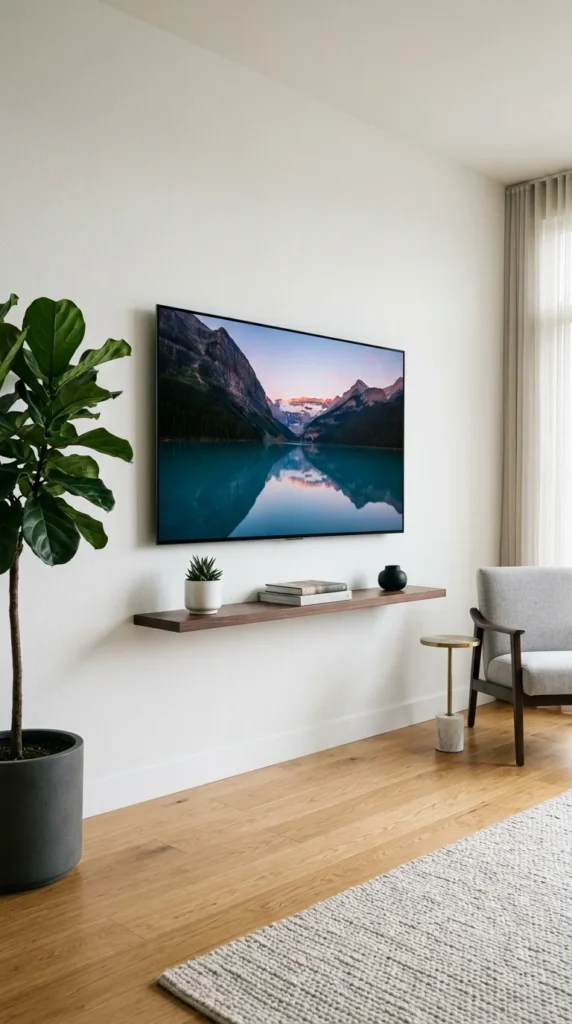
Bulky media centers can eat up a massive amount of floor space. Mount your television on the wall and use a slim floating shelf or a very narrow console table underneath for media boxes. This keeps the floor clear and makes the wall feel like a gallery rather than a storage unit.
16. Circular Flow
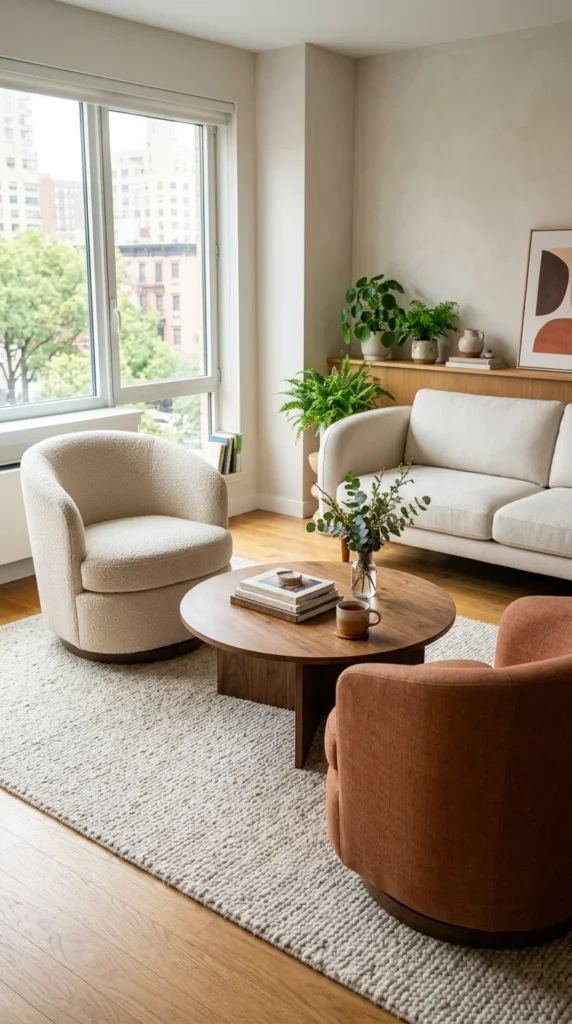
In tight quarters, sharp corners are the enemy of movement (and shins). Opt for round coffee tables and circular side tables. Curved furniture encourages a more fluid “flow” through the room, making it easier to navigate. Swivel chairs are also excellent as they allow a person to face the TV or turn around to talk to someone in the kitchen without moving the furniture itself.
17. The “Back-to-Back”
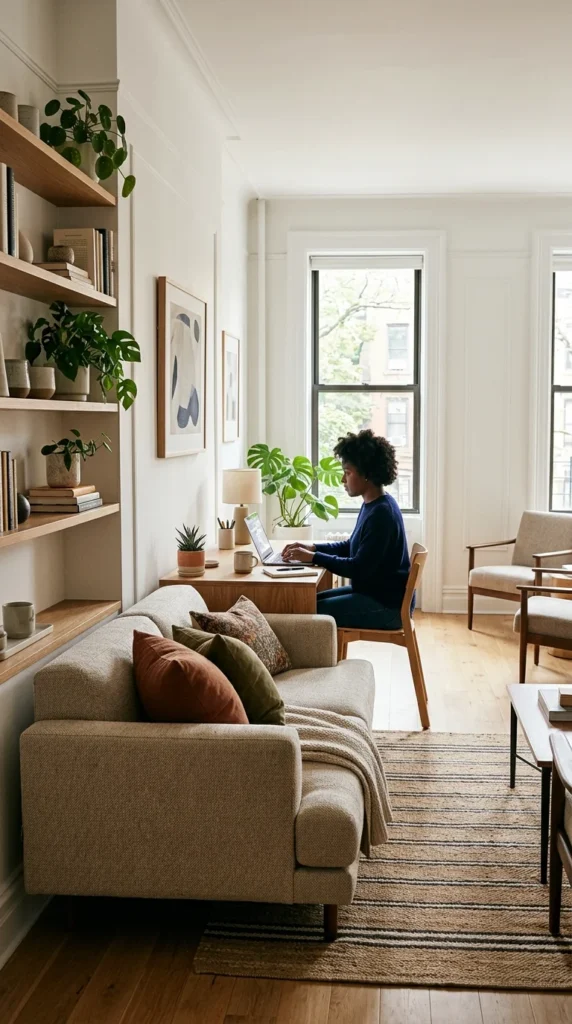
In long, narrow “railroad” style apartments, the back-to-back arrangement is a lifesaver. Use the back of your sofa as a “wall” to define the living area, then place a desk or a dining table directly against it. This uses the sofa as a divider, creating two distinct rooms in one single space without the need for a bulky room divider.
18. Armless Pieces
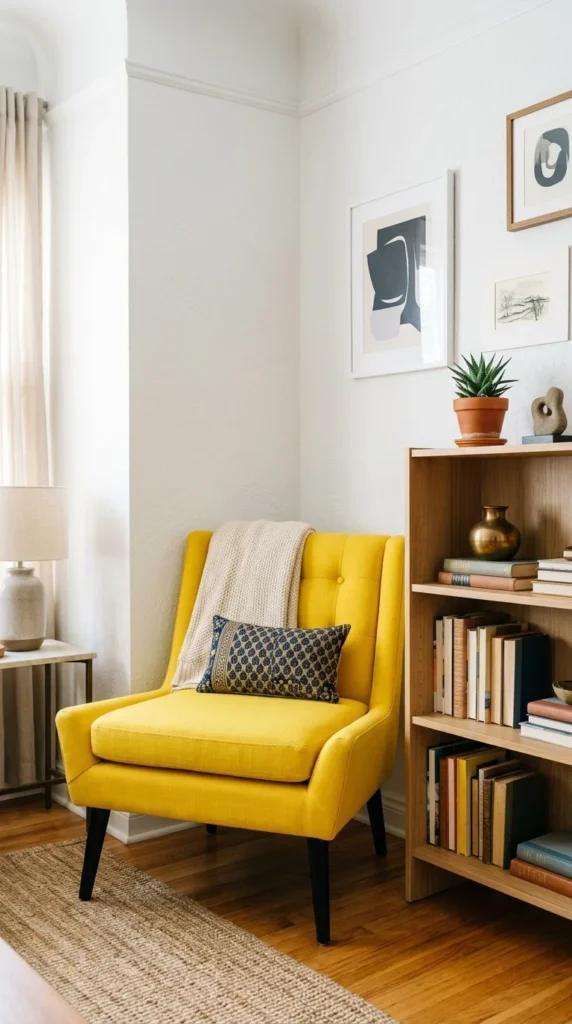
Armless chairs, often called slipper chairs, are perfect for small living rooms. They provide extra seating without the added width and visual weight of traditional upholstered arms. They can be easily tucked into corners or placed side-by-side to create a “bench” effect when needed.
19. Monochromatic Palette
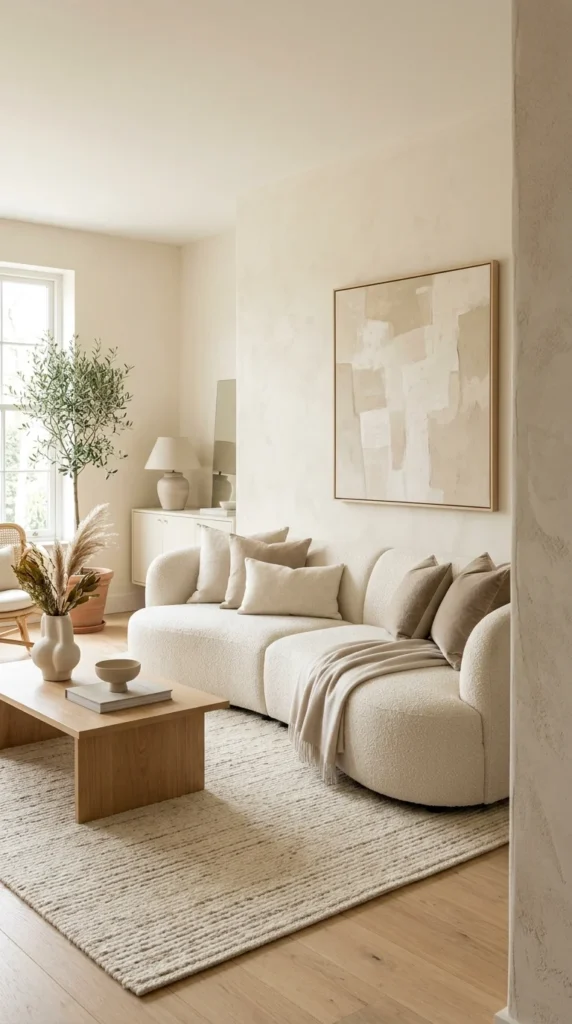
While not a physical arrangement, choosing furniture that matches the color of your walls can make the furniture “disappear” into the background. A light grey sofa against a light grey wall creates a seamless look that prevents the room from feeling broken up into small, chunky segments. Use textures like wool, linen, and wood to add interest without adding visual noise.
20. Corner TV Placement
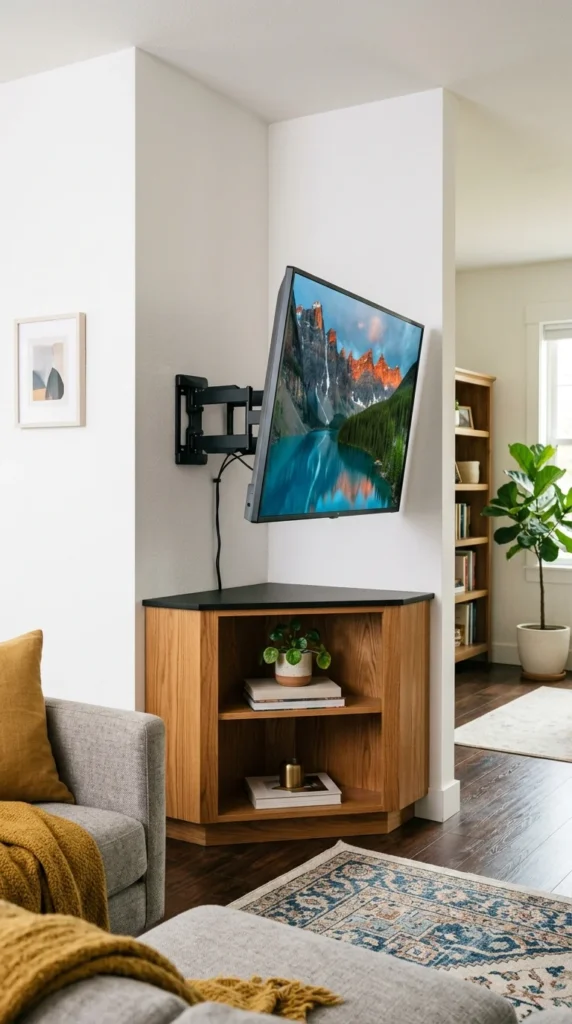
Corners are often wasted space. Placing your TV in a corner (either on a corner unit or a wall mount) allows you to position your main seating diagonally. This can often provide a longer “viewing distance” than placing the TV on a flat wall, which is particularly helpful in very narrow rooms.
21. Folding Furniture
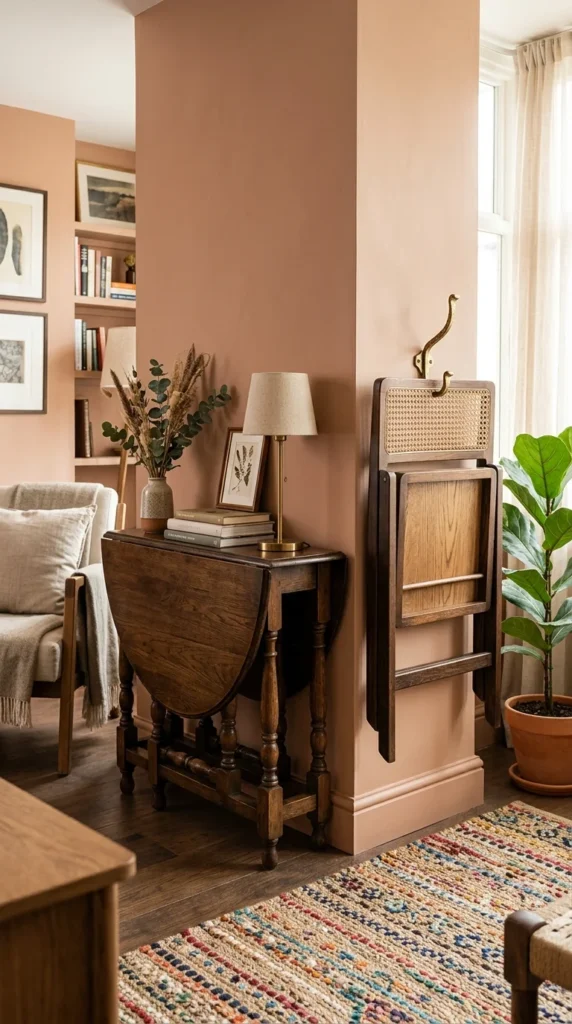
For the truly space-challenged, folding furniture is a must. A gate-leg table can stay narrow most of the time and expand only when you have dinner guests. Folding chairs can be hung on the wall as “art” or tucked behind a sofa. This allows your living room to be a spacious lounge during the day and a functional dining room at night.
22. Layered Lighting
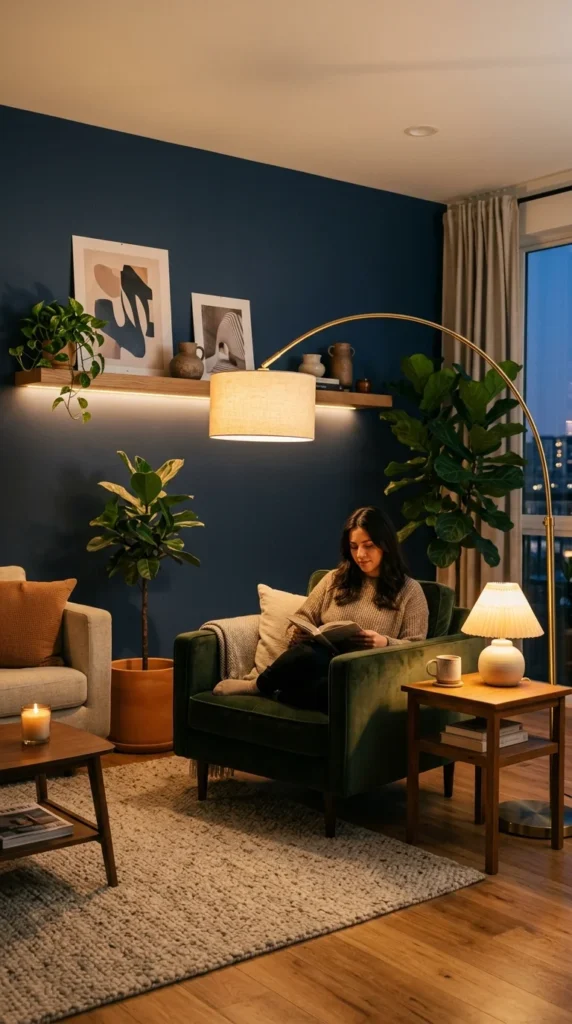
Proper furniture arrangement requires proper lighting to shine. Avoid a single, harsh overhead light which can make a small room feel flat and “boxed in.” Instead, place lamps at different heights throughout your furniture arrangement. A floor lamp behind the sofa, a table lamp on an end table, and even some “up-lighting” behind a plant will create layers of light that add depth and make the room feel much larger than its actual dimensions.