
Moving into a small apartment is an exercise in strategy, editing, and sheer willpower. Unlike moving into a sprawling suburban home, every square inch in an urban flat counts. You aren’t just moving your life; you are Tetris-ing your existence into a compact new reality. To avoid the breakdown that often comes with lost keys, shattered glassware, or a sofa that won’t fit through the door, you need a specialized plan. This comprehensive checklist covers the 27 essentials you need to ensure your transition is seamless, organized, and—most importantly—stress-free.
1. Decluttering

The golden rule of small apartment moving is: if you haven’t used it in a year, it doesn’t get an invite to the new place. Small spaces cannot handle “maybe” items. Before you buy a single roll of tape, go through every closet, drawer, and under-bed storage bin. Donate, sell, or recycle anything that doesn’t serve a functional or deeply aesthetic purpose. Starting fresh with only the essentials makes the actual packing process 50% faster.
2. Measurements
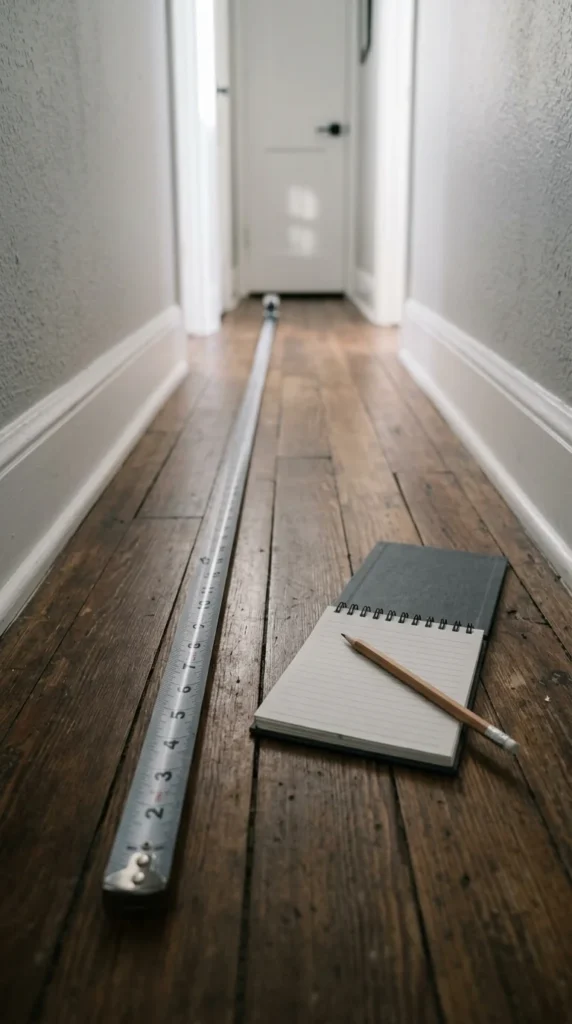
In a small apartment, an inch is the difference between a functional living room and a doorway you have to shimmy through. Measure your new floor plan, but more importantly, measure the “pinch points.” This includes the elevator door, the stairwell turns, and the apartment front door. There is nothing more heartbreaking than hauling a gorgeous velvet sofa up four flights of stairs only to realize it physically cannot turn the corner into your unit.
3. Sturdy Boxes
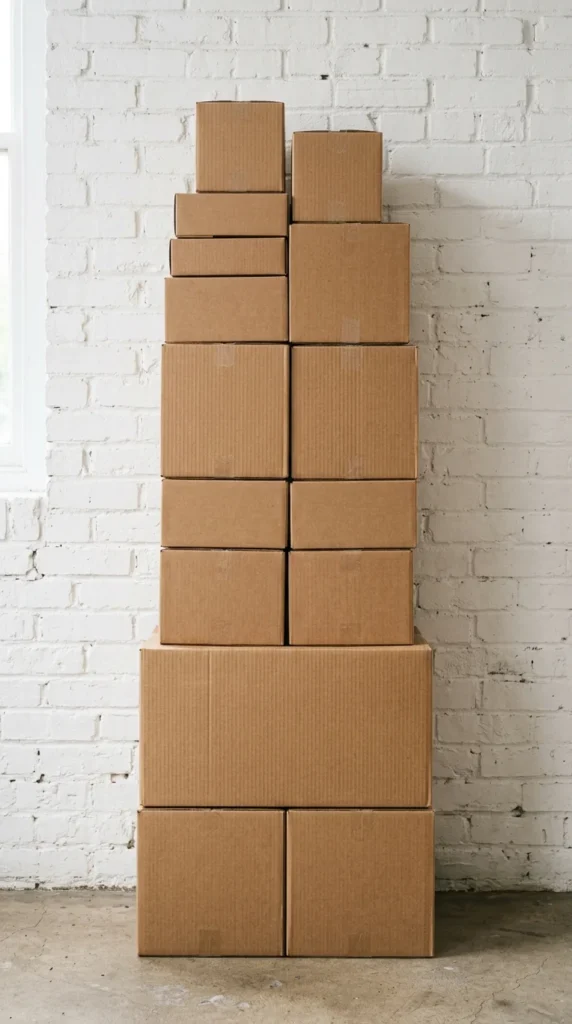
Resist the urge to scavenge soggy boxes from behind the grocery store. For a small move, consistency is key. Using uniform, heavy-duty boxes allows you to stack them higher and more safely, maximizing the vertical space in your moving truck or van. Opt for “small” and “medium” sizes; they are easier to maneuver through tight apartment hallways and won’t become too heavy to lift.
4. Packing Tape
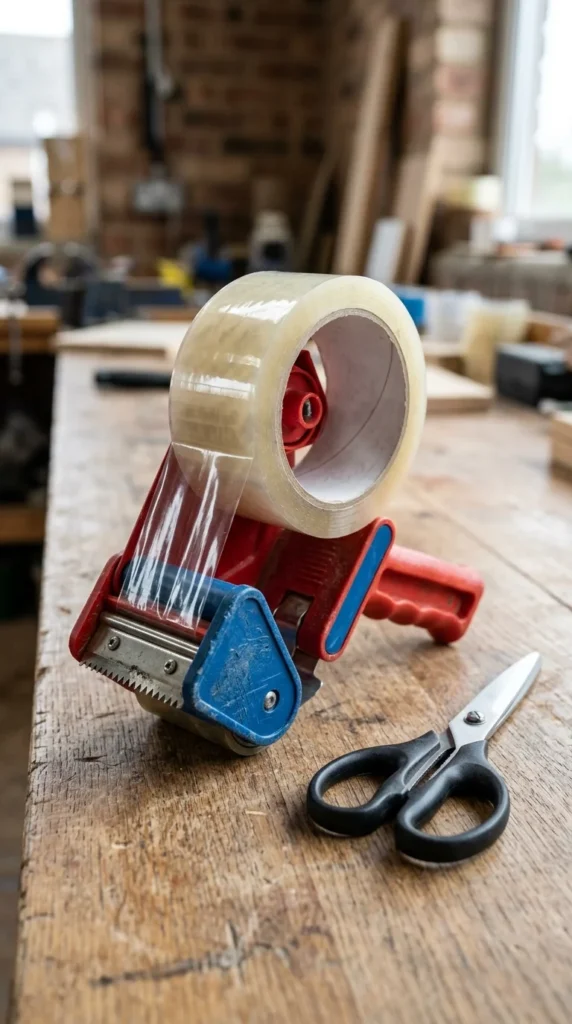
Never underestimate how much tape you will use. Cheap tape splits, peels, and fails under pressure. Invest in high-quality, professional-grade shipping tape and a sturdy dispenser gun. This ensures your boxes stay sealed during the inevitable bumps and jostles of city moving.
5. Bubble Wrap
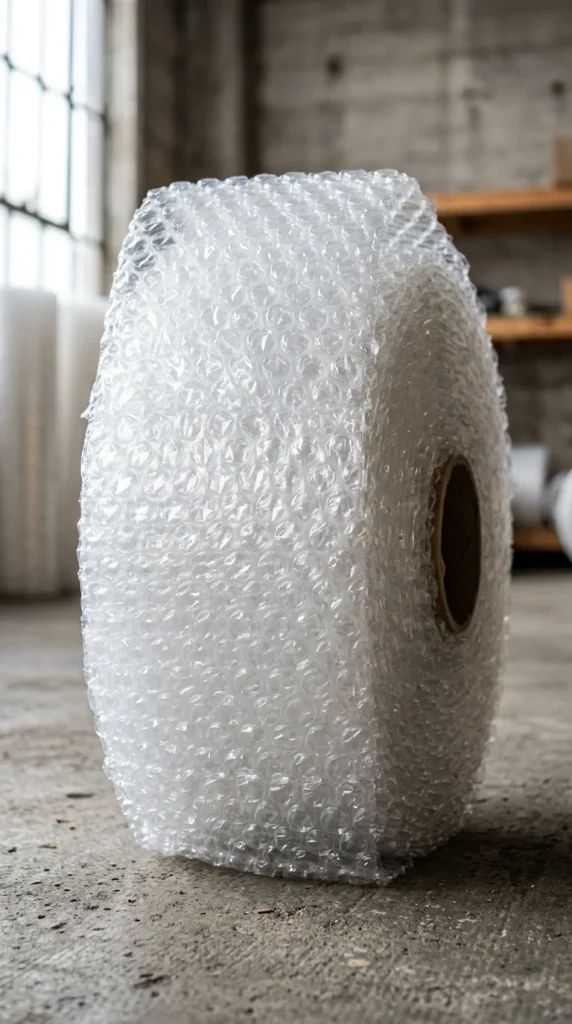
Small apartments often mean delicate items like mirrors, glass coffee tables, and framed art. High-quality bubble wrap is non-negotiable. For the eco-conscious mover, look for perforated green wrap or honeycomb paper padding, which provides excellent shock absorption without the plastic footprint.
6. Labeling Markers
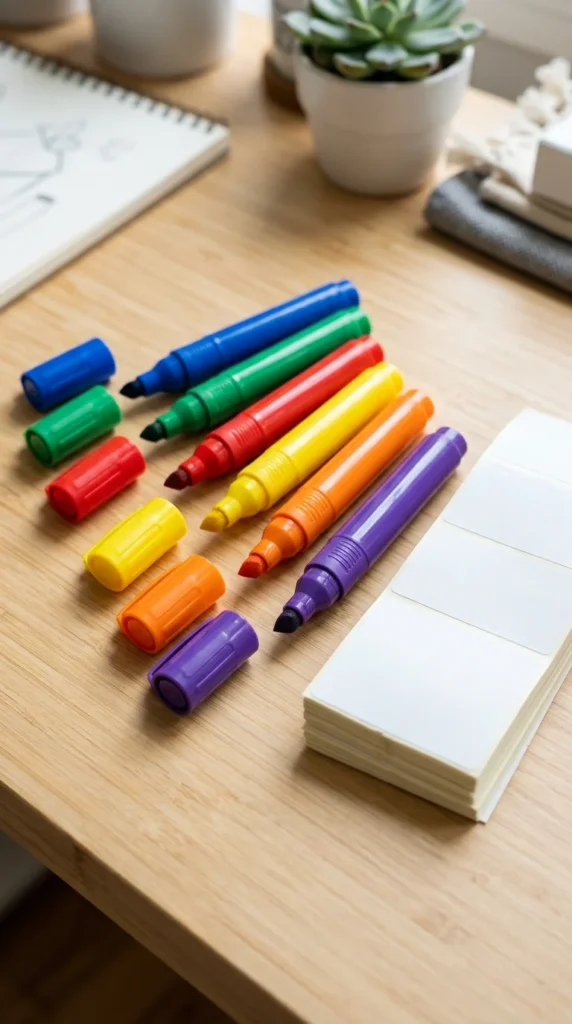
Labeling isn’t just about writing “Kitchen” on a box. In a small apartment, you need to be specific because you likely won’t have the floor space to open every box at once. Label by room and priority (e.g., “Kitchen – Coffee Maker – OPEN FIRST”). Use bold, thick permanent markers that won’t smudge if they get damp.
7. Suitcase Essentials
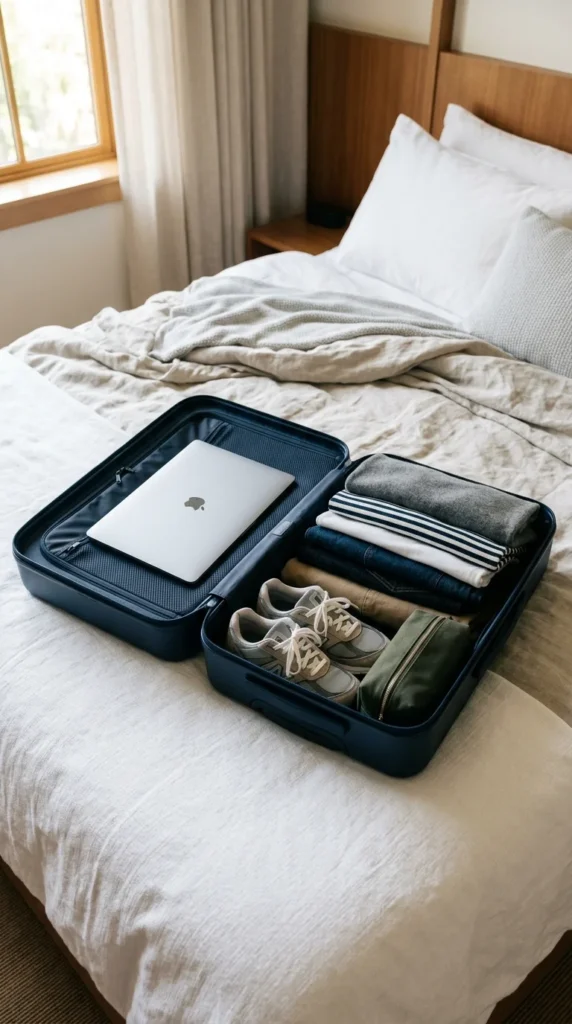
Pack as if you are going on a four-day trip. This “first-night” suitcase should contain your toiletries, a few changes of clothes, chargers, and basic medications. After a long day of moving, the last thing you want to do is hunt through twenty identical boxes just to find your toothbrush and a clean pair of socks.
8. Tool Kit
Whether it’s taking apart your bed frame or putting up a new bookshelf, a basic tool kit is vital. Ensure it includes a hammer, multi-head screwdriver, Allen keys (crucial for flat-pack furniture), and a level. Keep this in your “open first” box or in your car so it’s accessible the moment you cross the threshold.
9. Cleaning Kit
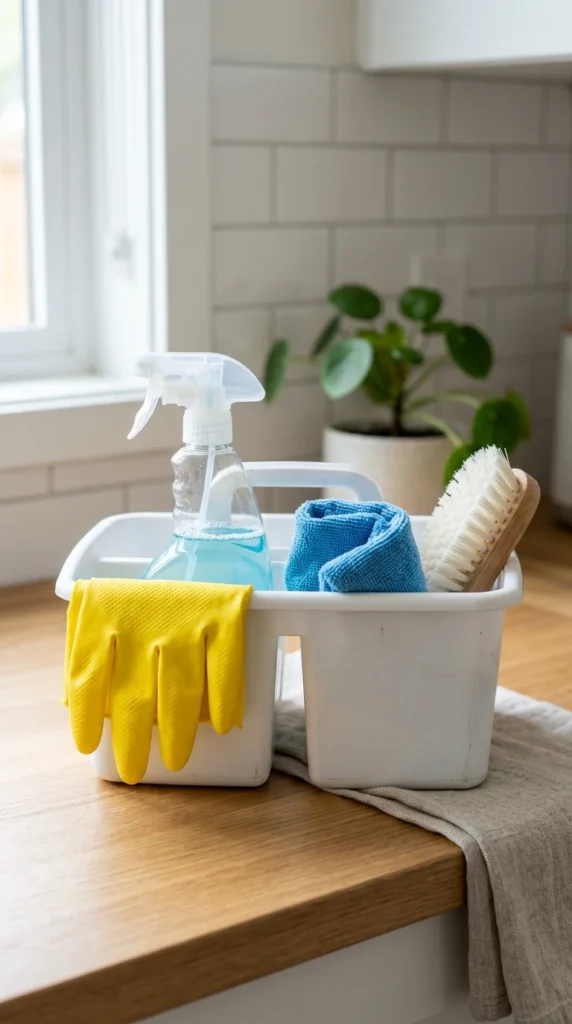
Never trust that the previous tenant left the place “move-in ready.” Before you bring in your furniture, give the apartment a deep clean. Pack a dedicated caddy with all-purpose cleaner, glass cleaner, paper towels, a vacuum, and a mop. It is much easier to scrub the floors and baseboards when the rooms are completely empty.
10. Vacuum Bags
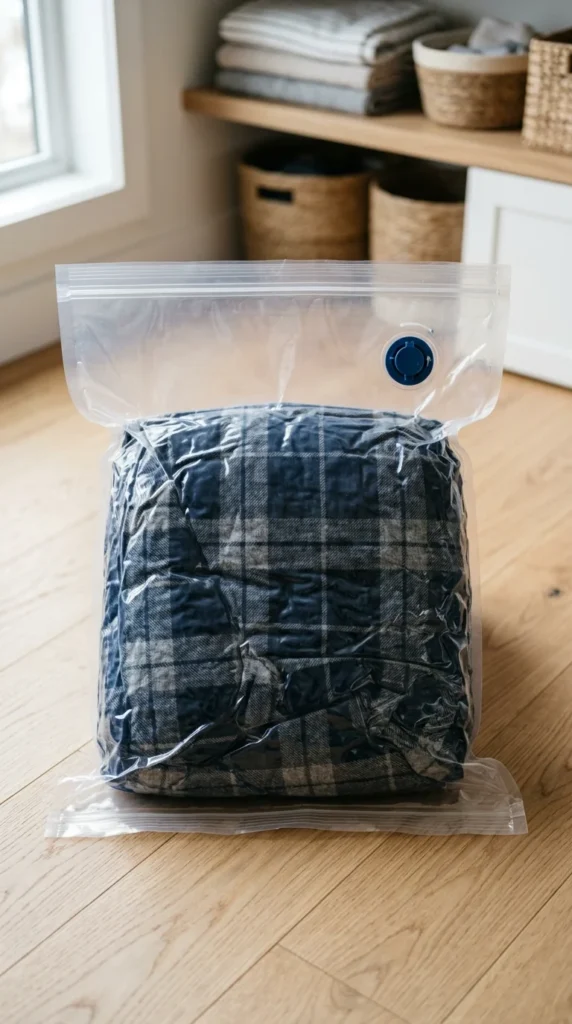
Space-saving starts during the move. Use vacuum-seal bags for bulky items like winter coats, extra pillows, and heavy duvets. This reduces their volume by up to 75%, making them much easier to pack into boxes or the trunk of a car, and provides a head start on organized storage in your new, smaller closets.
11. Furniture Pads
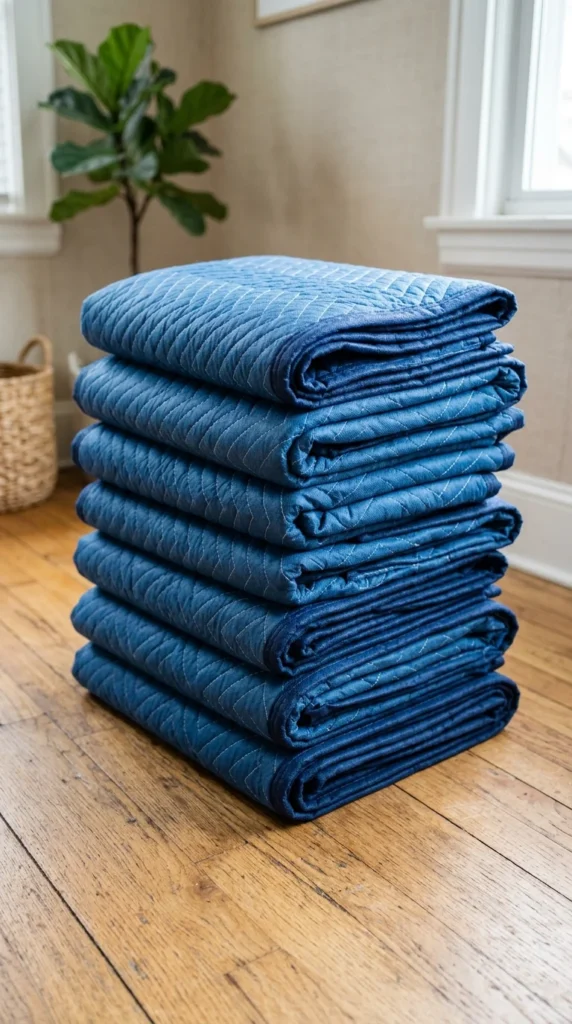
Apartment hallways are notoriously narrow and unforgiving. Furniture pads or moving blankets protect your prized possessions—and the apartment’s walls—from scuffs, dents, and scratches. If you’re on a budget, old towels and thick blankets can serve as DIY alternatives for wrapping table legs and headboards.
12. Stretch Wrap
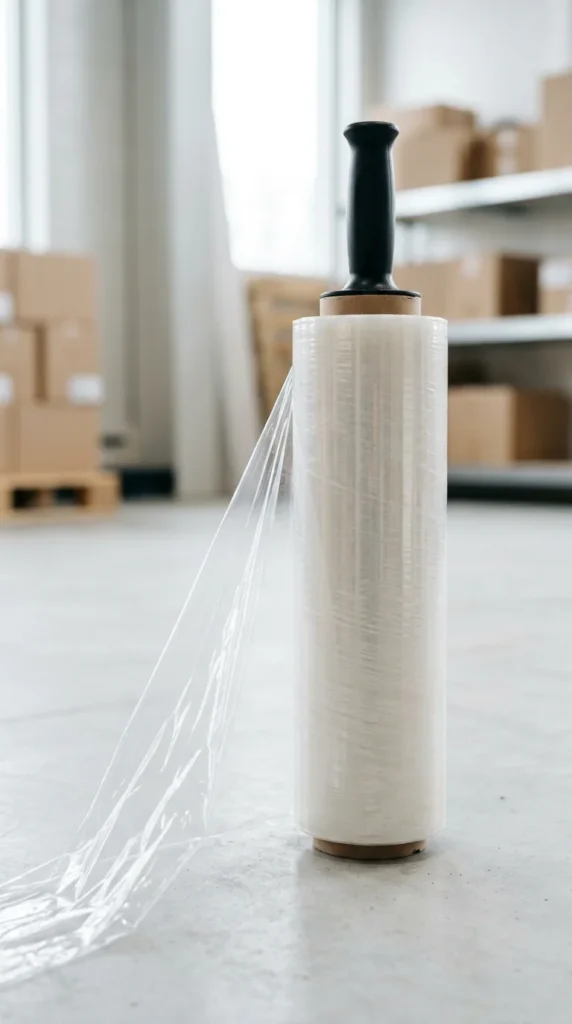
Industrial-sized plastic stretch wrap is the secret weapon of professional movers. Use it to keep dresser drawers from sliding open, to bundle loose items like curtain rods or bed slats together, and to protect upholstered furniture from dust and grime during the transition.
13. Dolly Rental
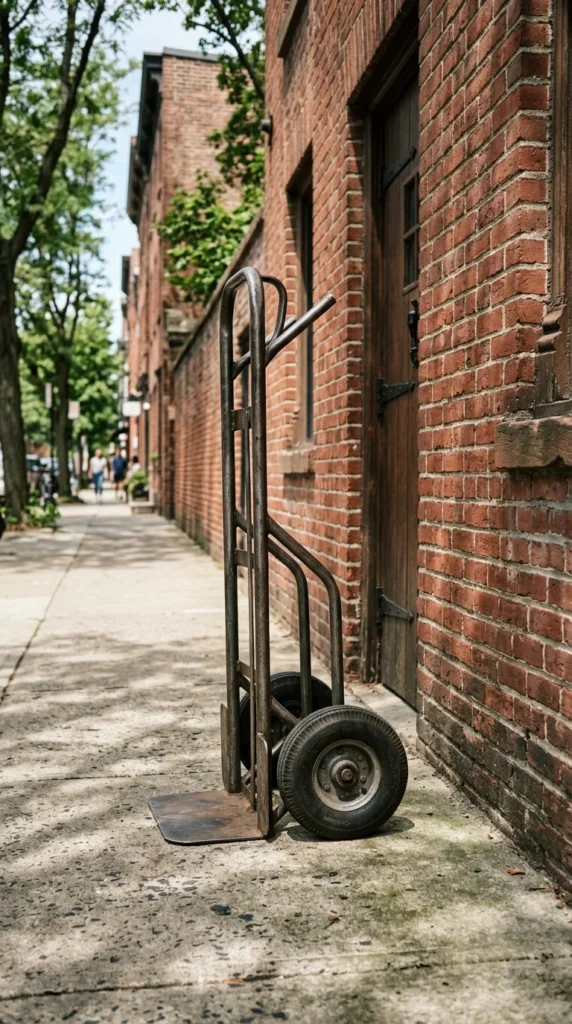
Save your back. Even if you are only moving a few blocks, a collapsible dolly or a flatbed hand truck is a lifesaver. It allows you to move three or four boxes at once and makes transporting heavy appliances or awkward furniture pieces through long apartment corridors significantly faster.
14. Utility Updates
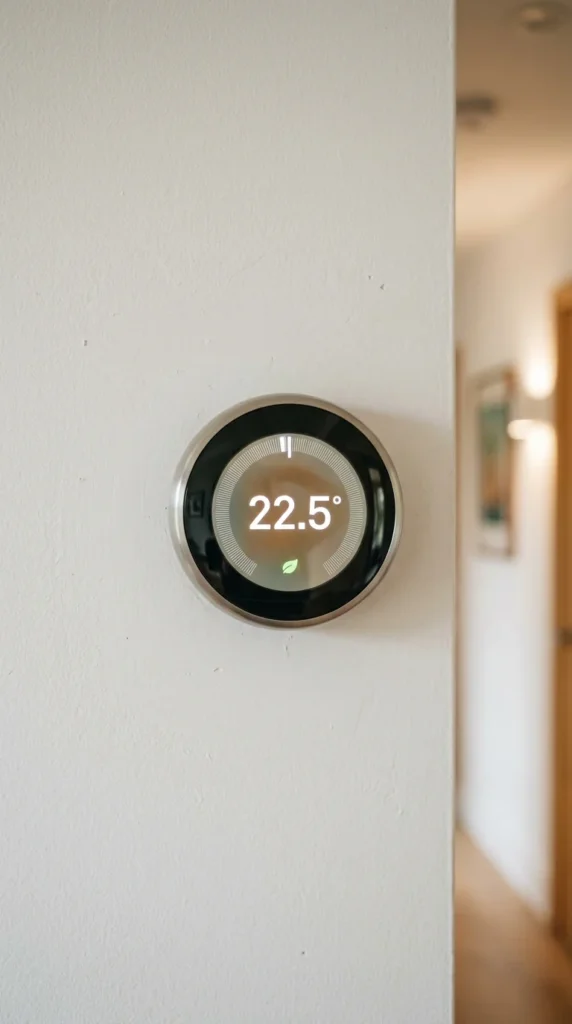
There is nothing worse than moving into a dark, cold apartment. Call your electric, gas, and water providers at least two weeks in advance to schedule the transfer. Confirm the “shut-off” date for your old place and the “start” date for the new one to ensure a seamless overlap.
15. Change of Address
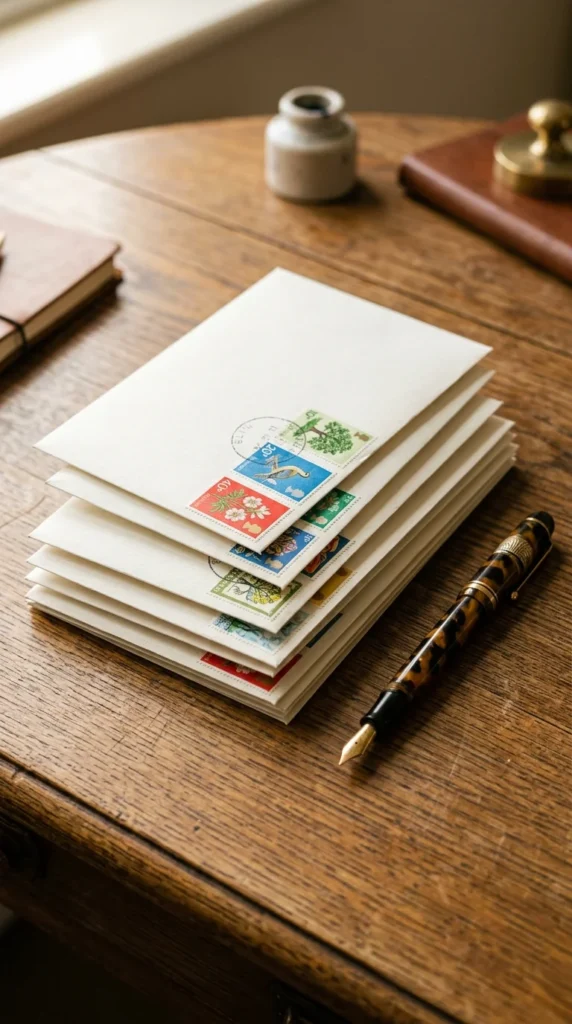
Update your address with the postal service, your bank, your employer, and any subscription services. For small apartment dwellers who rely on frequent deliveries, failing to update your Amazon or grocery delivery address can lead to your packages ending up at your old doorstep miles away.
16. Renter’s Insurance

Many apartment buildings now require proof of renter’s insurance before they hand over the keys. Even if it’s not required, it’s essential. It protects your belongings against theft, fire, or water damage—incidents that can be more common in multi-unit buildings where you are at the mercy of your neighbors’ plumbing.
17. First-Aid Kit
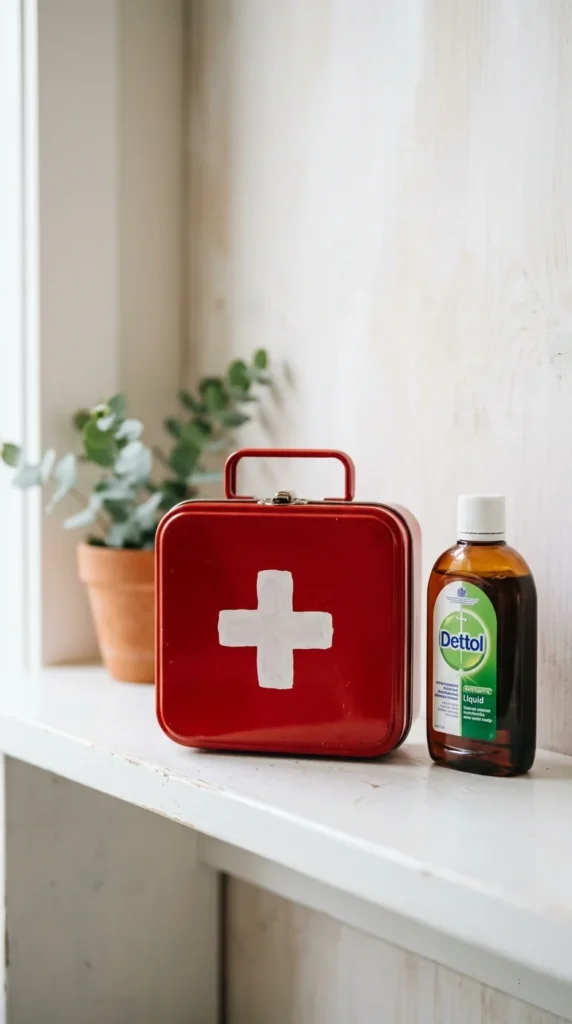
Small injuries are common during moves—scraped knuckles, paper cuts, or a splinter from a wooden pallet. Keep a small first-aid kit handy with bandages, antiseptic wipes, ibuprofen, and athletic tape for unexpected mishaps.
18. Power Strips
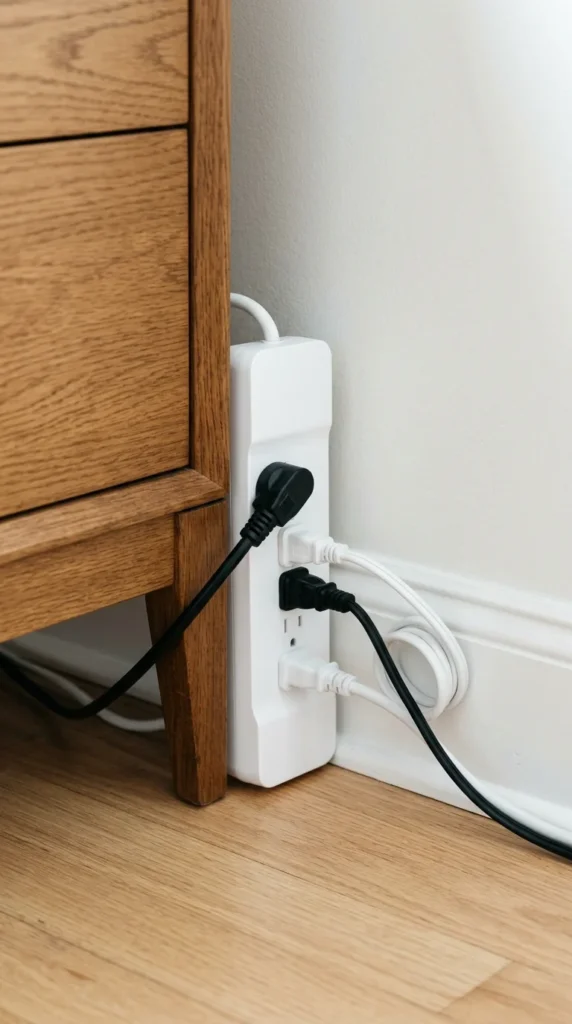
Older apartments often have outlets in the most inconvenient places. You may find that your entire entertainment center needs to plug into a single outlet behind the sofa. Bring several high-quality surge protectors to ensure you can power your tech without creating a “spaghetti” of wires across the floor.
19. Command Hooks
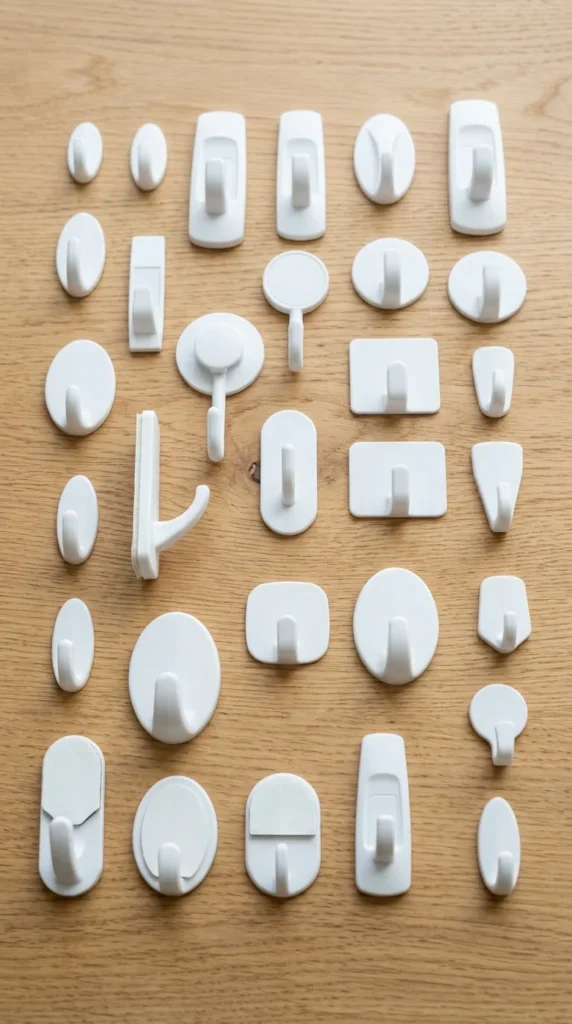
In a small rental, you want to maximize vertical space without losing your security deposit. Damage-free adhesive hooks and strips are essential for hanging coats, bags, and art. They allow you to utilize the backs of doors and empty wall space for storage without drilling holes.
20. Doorstoppers
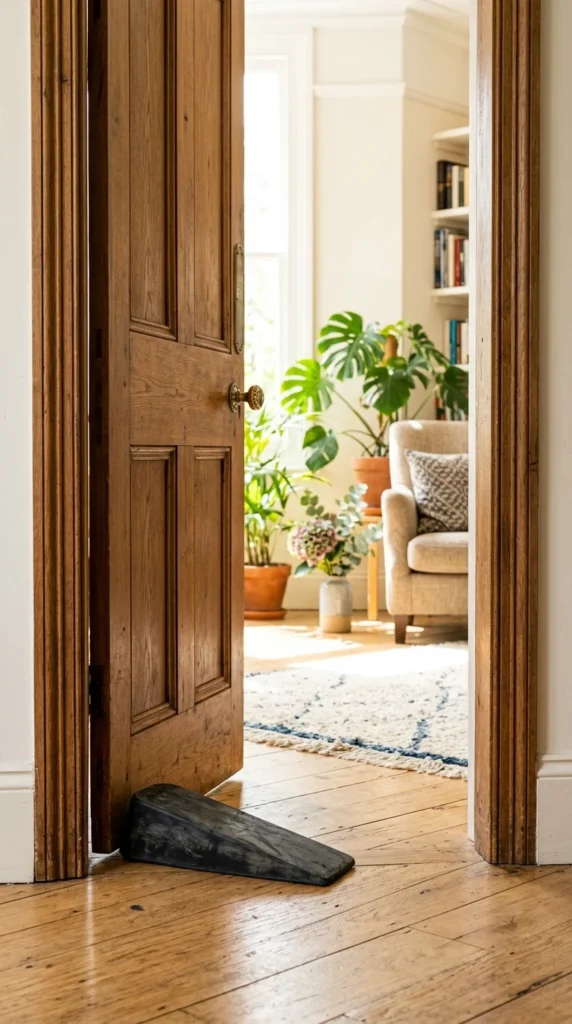
When you are carrying heavy boxes, the last thing you want is the self-closing apartment door slamming shut on your fingers or locking you out. A couple of heavy-duty rubber doorstoppers will keep the path clear and save you from a constant struggle with the hardware.
21. Over-the-Door Organizers
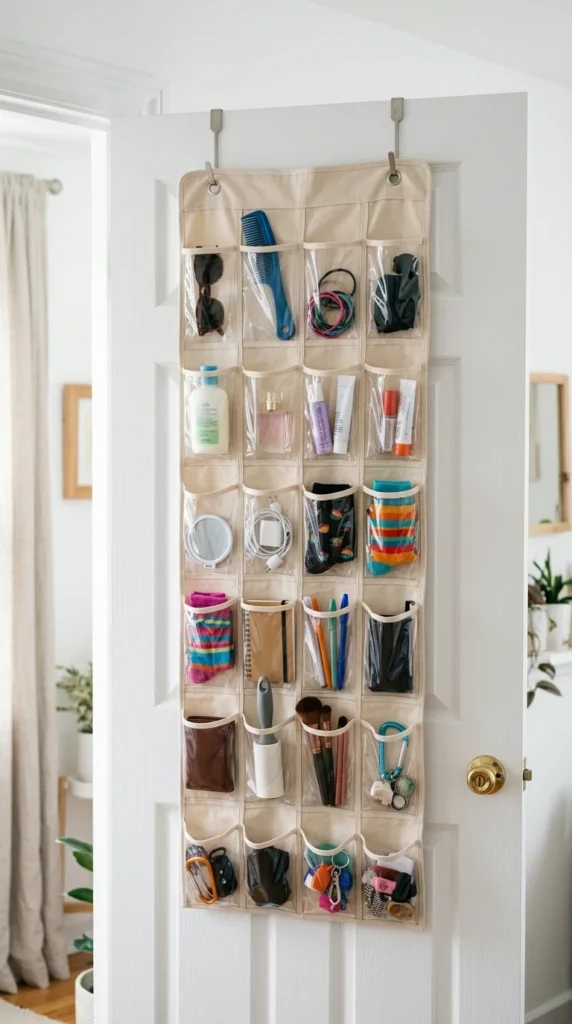
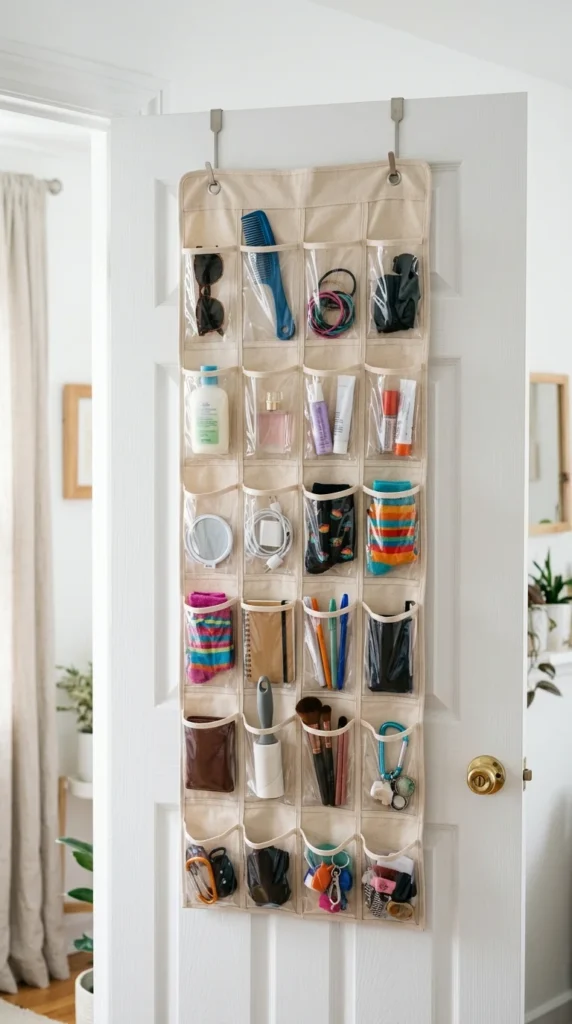
Small apartments lack pantry and closet space. Over-the-door organizers are the ultimate “hidden” storage hack. Use them for shoes in the bedroom, cleaning supplies in the hall closet, or spices and snacks in the kitchen. Having these ready to hang on day one will instantly clear up floor clutter.
22. Curtains/Blinds
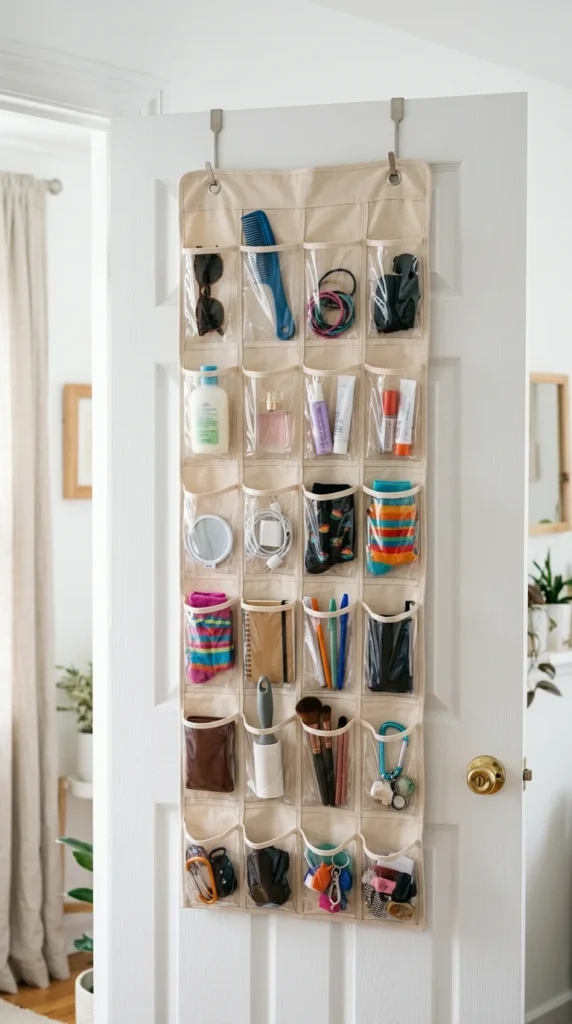
Privacy is a major concern in high-density apartment living. Don’t spend your first night in a “fishbowl.” If your new place doesn’t come with window treatments, have a set of temporary paper blinds or a rod and curtains ready to install immediately.
23. Shower Liner
You will definitely want a hot shower at the end of moving day. Often, apartments are stripped of shower curtains and liners before a new tenant moves in. Packing a fresh liner and some rings ensures you don’t flood the bathroom during your first night’s soak.
24. Bedding Set

Do yourself a favor and make the bed first. Before you tackle the kitchen boxes or the bookshelf, get your sleeping arrangements settled. When you finally hit the wall of exhaustion at 11:00 PM, you’ll be incredibly grateful to have a made bed waiting for you rather than a pile of linens at the bottom of a box.
25. Basic Groceries
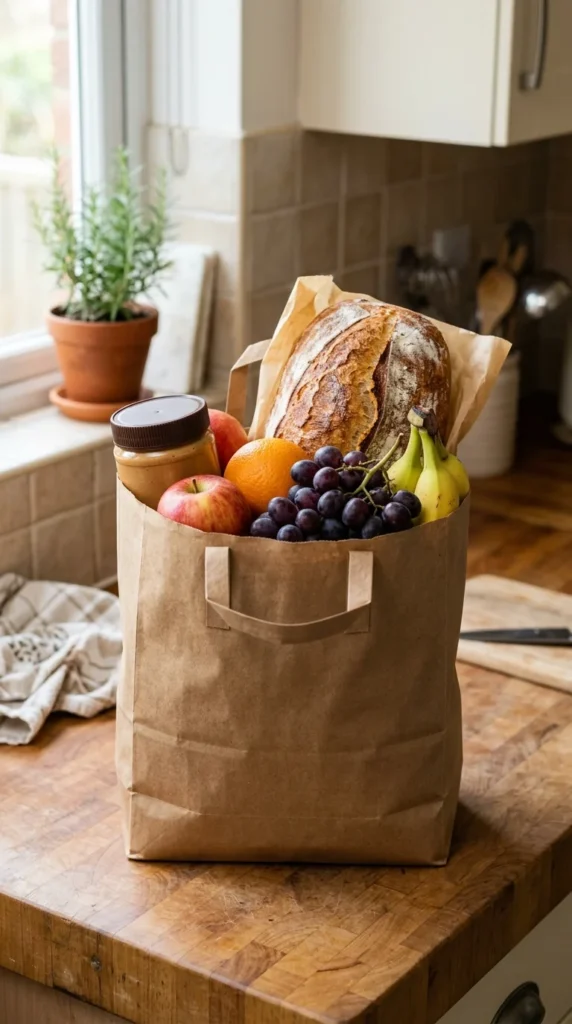
You won’t want to cook a full meal, but you shouldn’t rely solely on expensive takeout. Pack a small “pantry box” with water, coffee (and a way to make it), protein bars, and easy snacks. Staying hydrated and fed is the best way to maintain your energy levels throughout the move.
26. Tool Rental
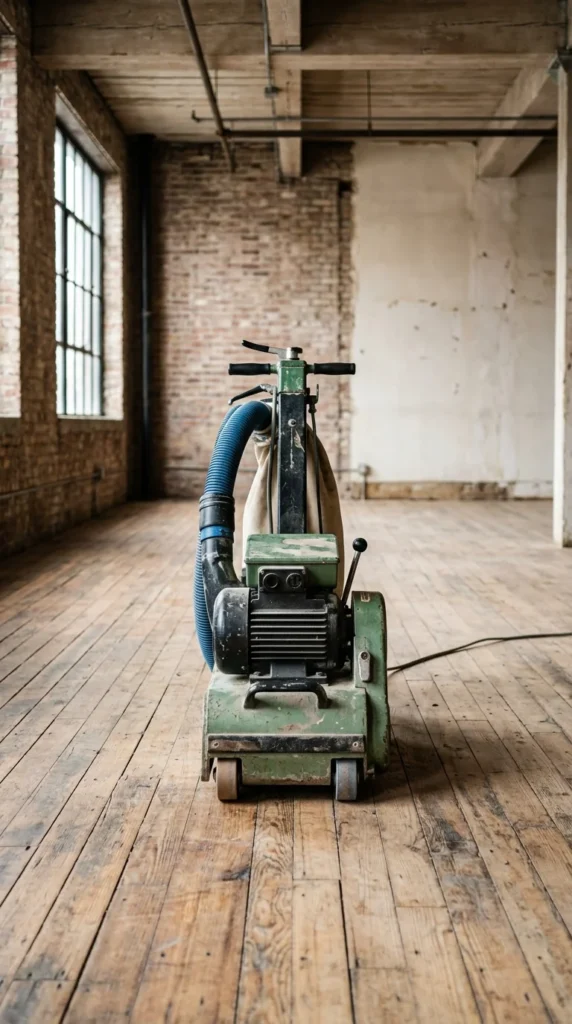
If your small apartment has carpets that look a bit dingy or hardwood that needs a specific polish, consider renting a professional cleaner for a few hours before the furniture arrives. It’s a small investment that makes the space feel truly yours.
27. WiFi Router
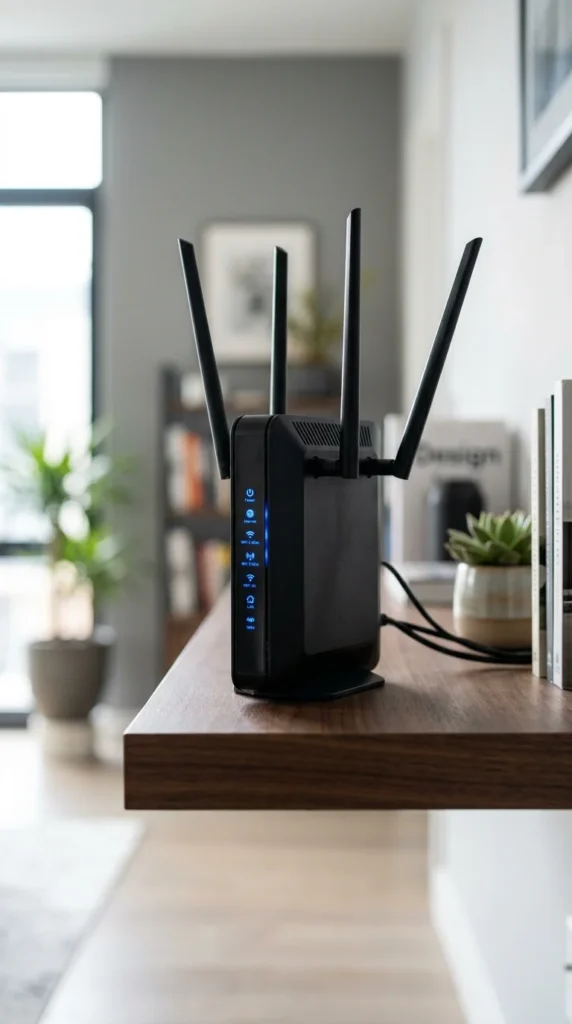
In the modern world, a house isn’t a home until the WiFi is up. Coordinate with your ISP to have your modem and router ready to go. Being able to look up assembly instructions, stream music while you unpack, or simply relax with a movie at the end of the day makes the transition feel much more civilized.