
Creating a beautiful living room doesn’t require a massive floor plan or a bottomless bank account. In fact, small spaces often provide the perfect canvas for high-impact, low-cost design. By focusing on light, scale, and multi-functional pieces, you can transform a cramped quarters into a stylish sanctuary. Whether you are a renter looking for non-permanent fixes or a homeowner on a strict budget, these 20 ideas will help you maximize every square inch without breaking the bank.
1. Multi-functional Furniture
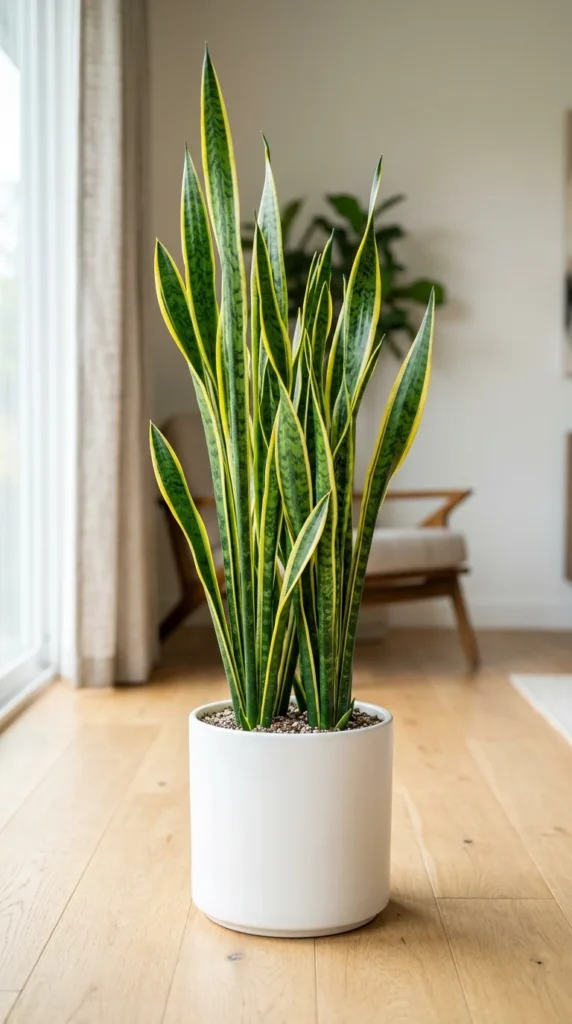
When space is at a premium, every piece of furniture must earn its keep. Look for coffee tables that double as desks or ottomans that provide extra seating and hidden storage. These “double-duty” items eliminate the need for extra furniture, keeping your floor plan clear and your wallet full. Thrift stores and online marketplaces are goldmines for sturdy pieces that can be easily refurbished with a coat of paint or new hardware.
2. Vertical Storage
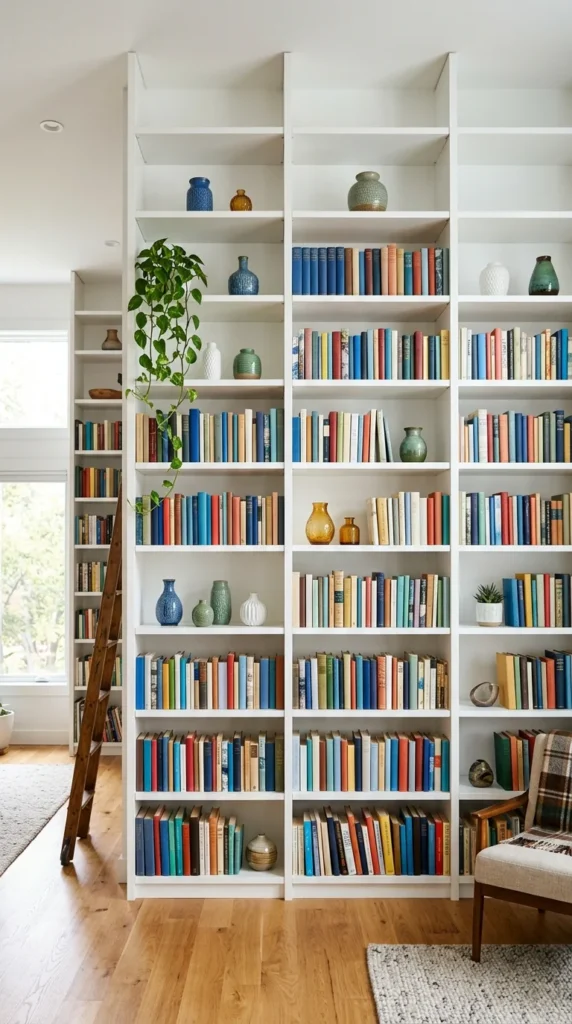
When you can’t expand outward, expand upward. Floor-to-ceiling shelving draws the eye toward the ceiling, making the room feel taller while providing ample space for books, decor, and essentials. Using vertical space keeps clutter off the floor, which is the fastest way to make a small room feel larger. Affordable laminate shelves can be “hacked” with crown molding to look like custom built-ins.
3. Mirror Magic
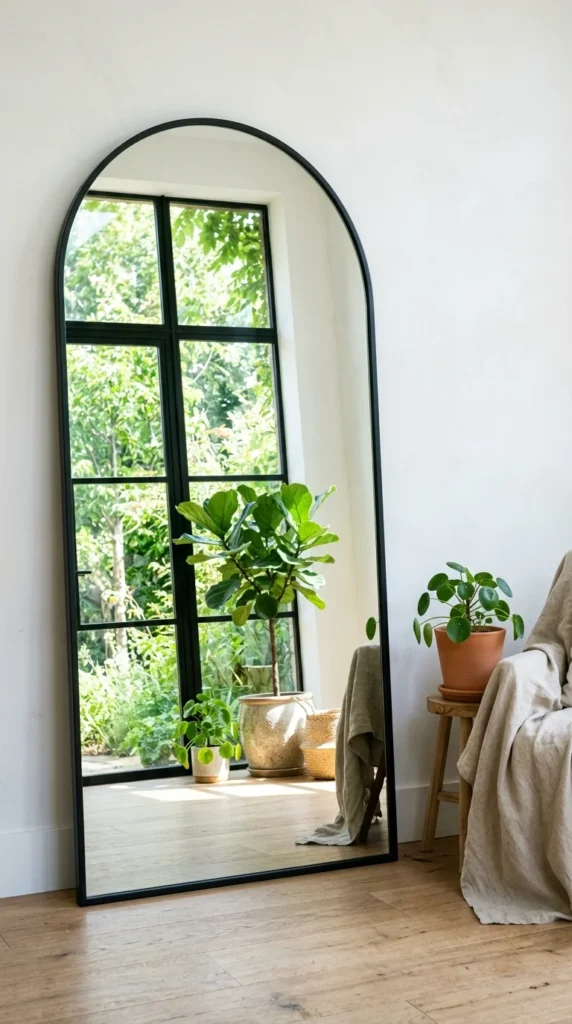
Mirrors are the oldest trick in the interior design book for a reason. They reflect light and create the illusion of depth, effectively doubling the visual size of your living room. A large floor mirror leaning against a wall or a gallery wall of smaller, thrifted mirrors can transform a dark corner into a bright, expansive area for very little money.
4. Light Colors
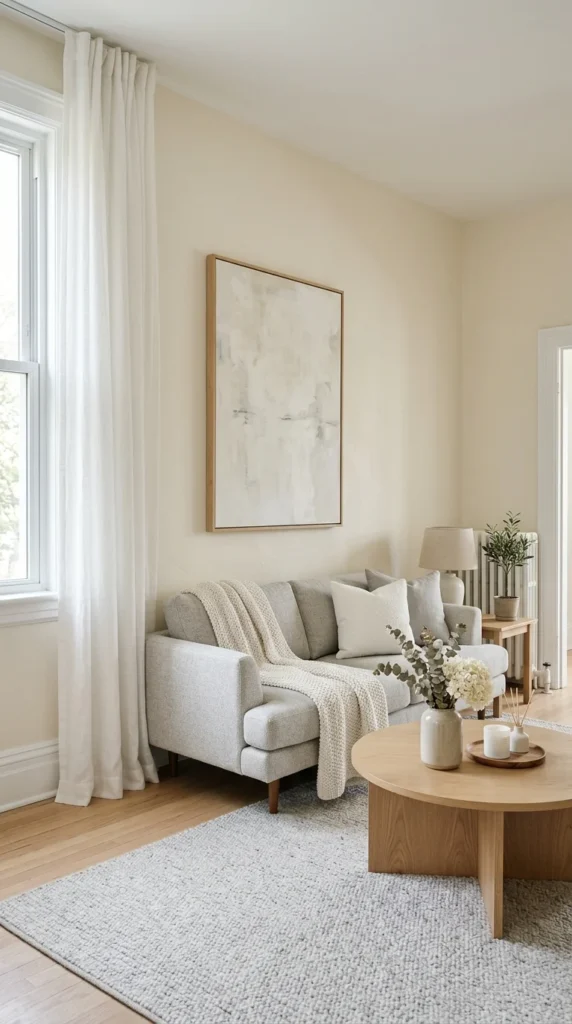
Dark colors tend to absorb light, making walls feel like they are closing in. To open up your living room on a budget, stick to a palette of whites, creams, soft grays, or pastels. Paint is one of the most cost-effective ways to change a space. A fresh coat of “off-white” can instantly make a dingy, small room feel like a high-end boutique hotel suite.
5. Area Rugs
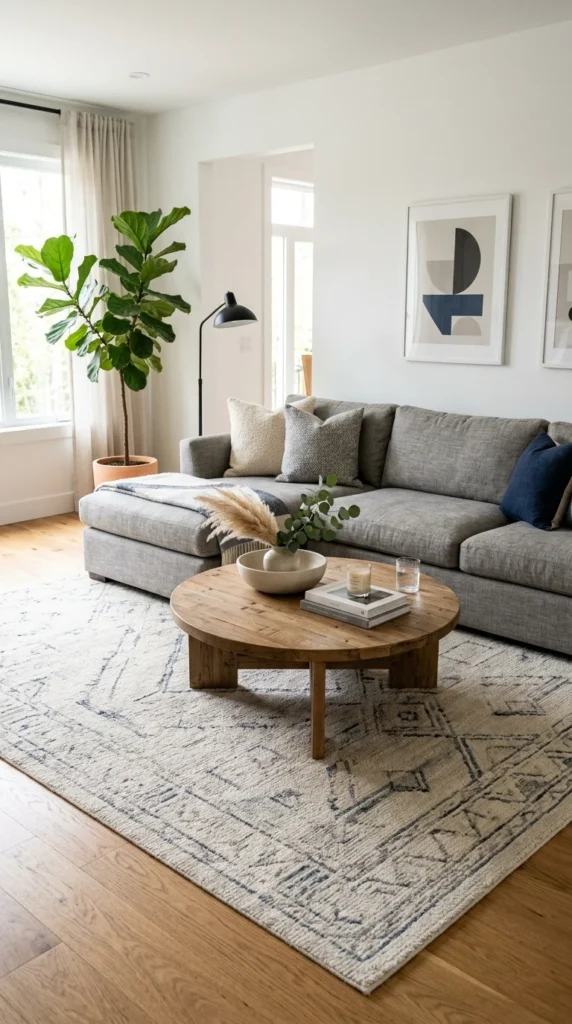
A rug acts as an anchor for your furniture, defining the “living zone” in an open or small floor plan. To make a room feel bigger, go for a larger rug that sits under the front legs of all your furniture pieces. Buying a large rug can be expensive, so look for natural fibers like jute or sisal, which are durable, stylish, and significantly cheaper than wool or silk.
6. Indoor Plants
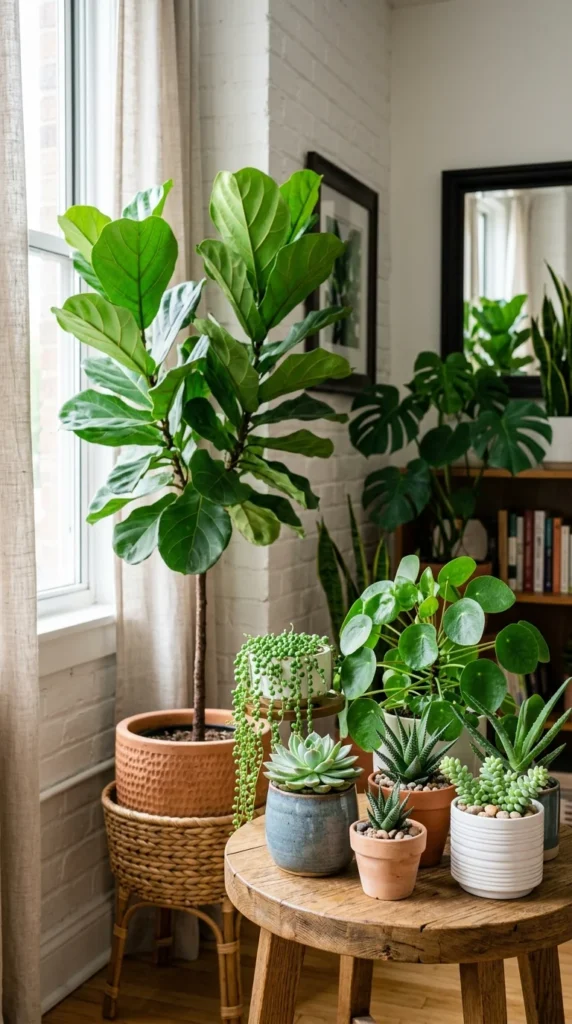
Nature is a budget decorator’s best friend. Plants add life, color, and texture to a room without the need for expensive art. Use a mix of tall floor plants to fill empty corners and trailing plants like Pothos on high shelves to draw the eye upward. Inexpensive terracotta pots can be painted to match your decor for a cohesive look.
7. Minimalist Layout
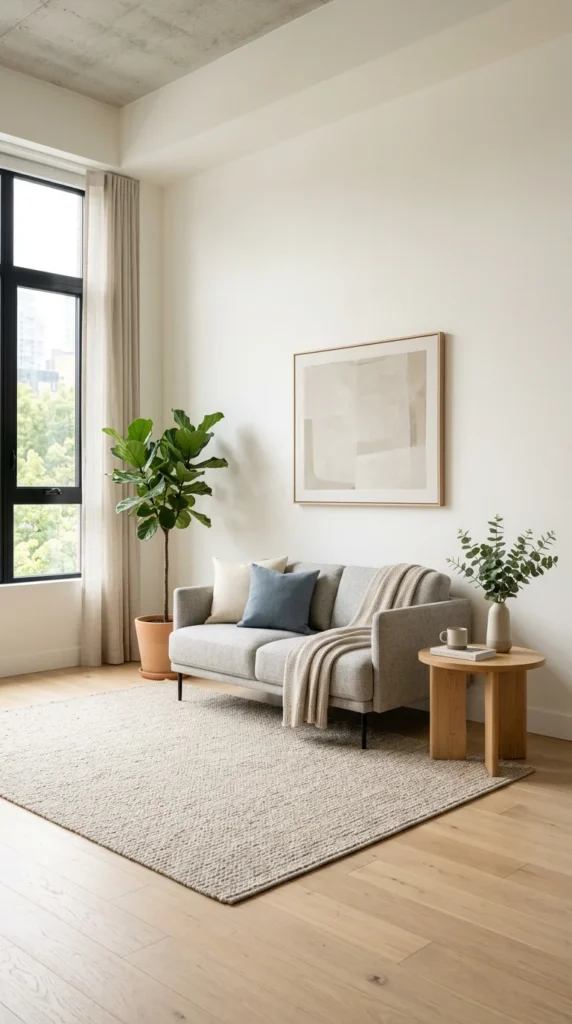
Sometimes, the best budget move is to take things away. A “less is more” approach prevents a small room from feeling claustrophobic. Evaluate your furniture and remove anything that isn’t essential. By leaving “white space” on the floor and walls, you allow the room to breathe, which creates a sense of luxury and calm that costs zero dollars.
8. Floating Shelves
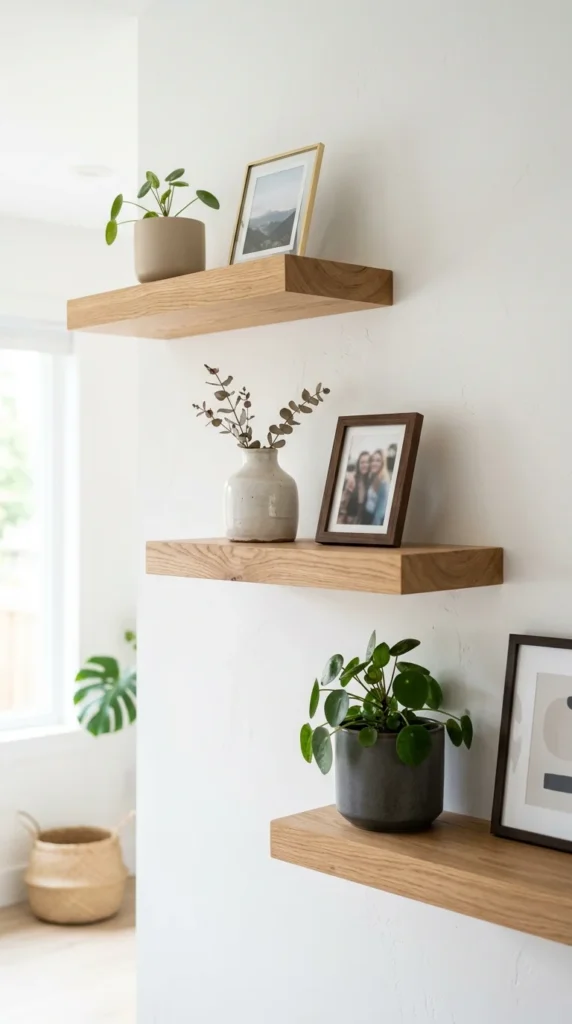
Bulky bookcases can overwhelm a small room. Floating shelves provide the same storage and display opportunities but with a much lighter visual footprint. They keep the floor clear, which maintains the sightlines of the room. You can find affordable floating shelf kits at most hardware stores or even DIY them using reclaimed wood and simple brackets.
9. DIY Art
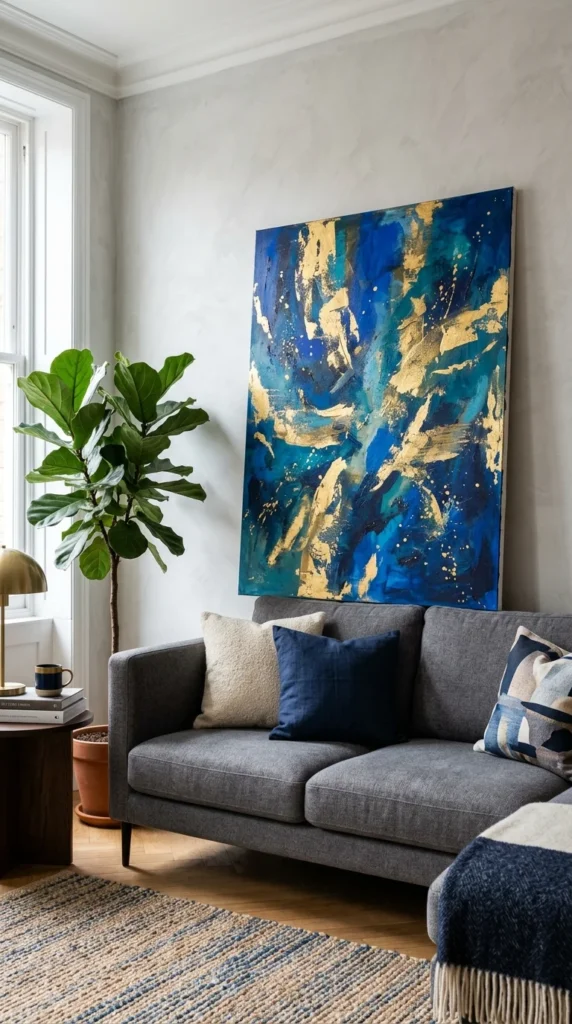
Don’t spend hundreds on gallery prints. Large-scale art can be created at home for the price of a canvas and some acrylic paint. Abstract designs are beginner-friendly and can be customized to match your room’s color palette perfectly. Alternatively, framing beautiful fabric, wallpaper scraps, or even vintage maps can create a high-end look for pennies.
10. Strategic Lighting
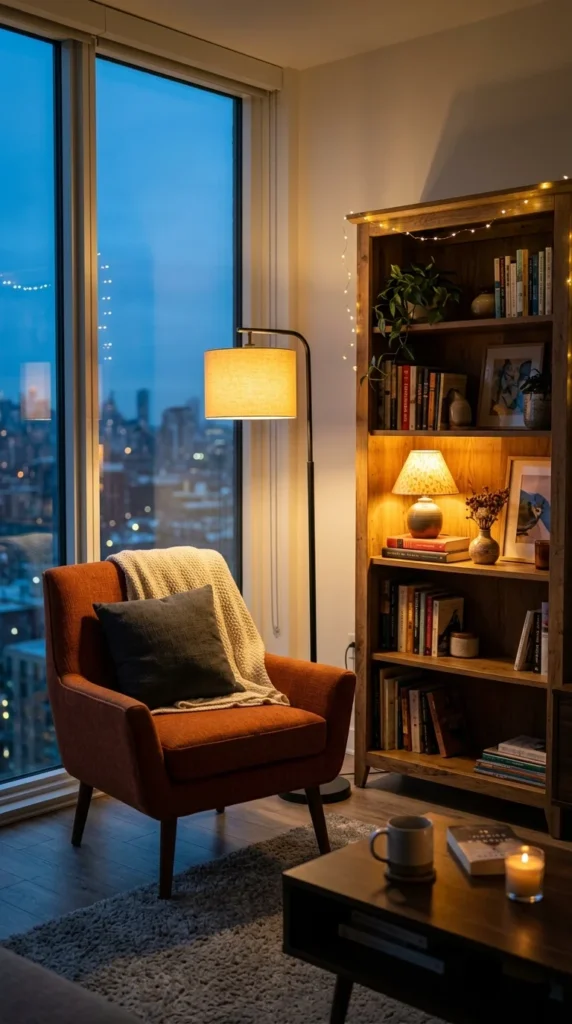
Harsh overhead lighting can make a small room feel flat and clinical. Instead, use “layered lighting” to create depth. A tall floor lamp in a corner, a small lamp on a side table, and perhaps some LED strip lighting behind a TV or under a shelf will create shadows and highlights that make the space feel cozy and sophisticated.
11. Sheer Curtains
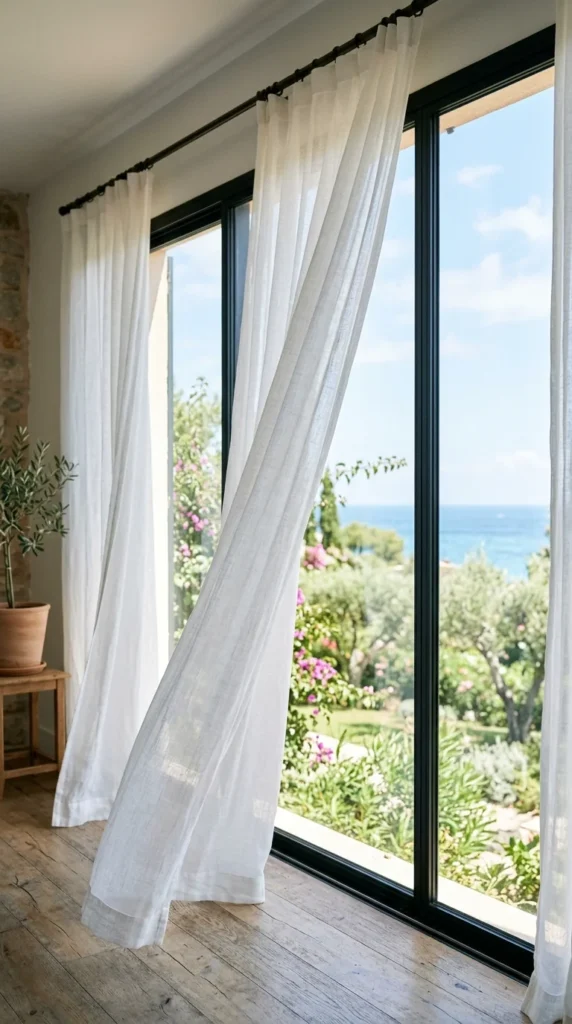
Heavy, dark drapes can block out precious natural light and make walls feel heavy. Switch to sheer white curtains to maintain privacy while letting in as much sunlight as possible. Hanging the curtain rod higher and wider than the actual window frame will also trick the eye into thinking the windows—and the room—are much larger than they are.
12. Hidden Storage
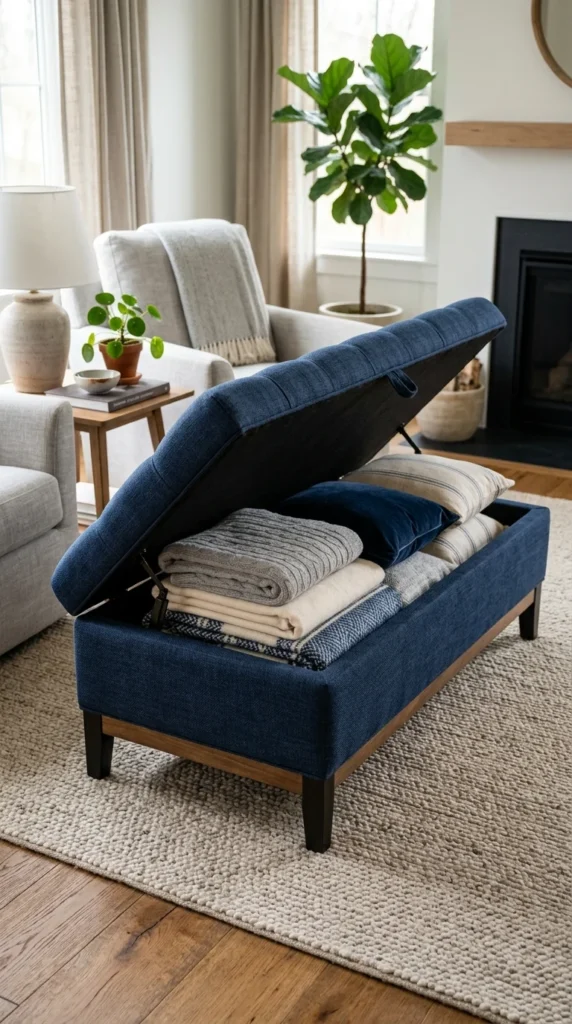
Clutter is the enemy of the small living room. Invest in pieces that hide the mess. An ottoman with a removable lid, a TV stand with closed cabinets, or decorative woven baskets tucked under a coffee table can hide remote controls, blankets, and toys. This keeps the visual landscape clean and organized, which is essential for a small-budget transformation.
13. Thrifted Finds
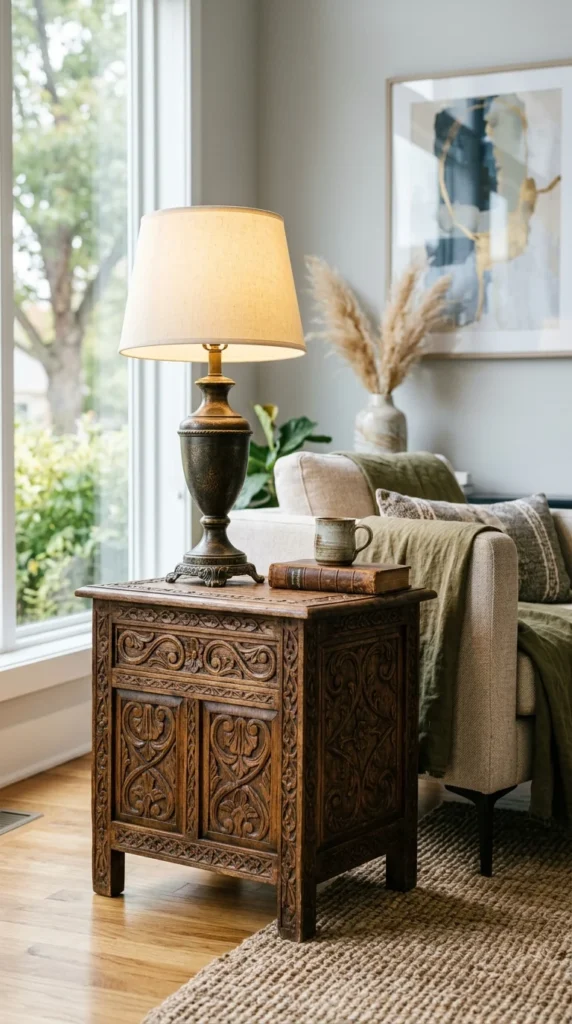
Character doesn’t have to be expensive. Second-hand stores, estate sales, and flea markets are excellent places to find unique, high-quality furniture that just needs a little love. A vintage mid-century modern chair or an antique side table adds a sense of history and personality to a room that “big box” furniture simply can’t replicate.
14. Accent Walls
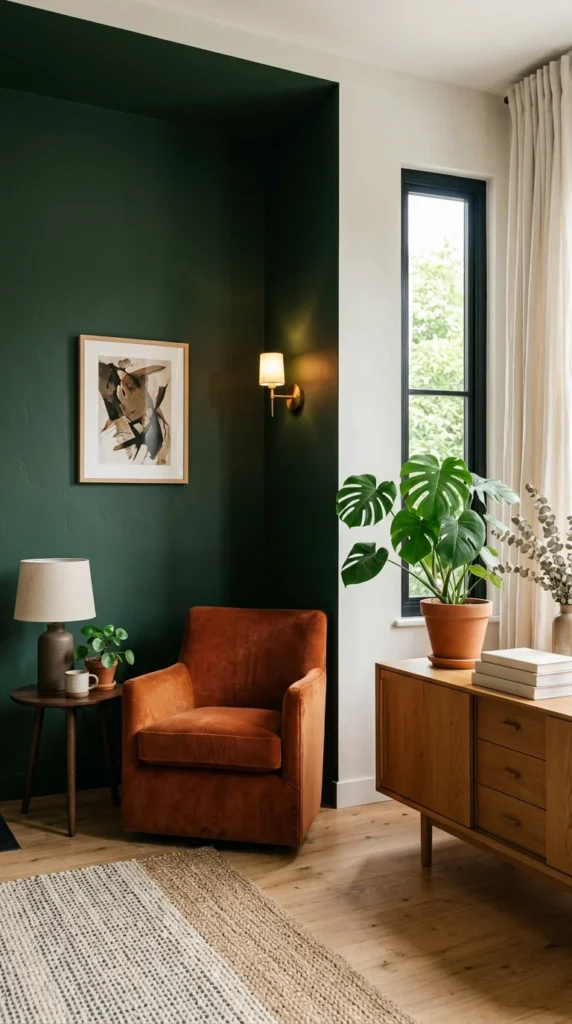
If painting the whole room feels daunting or too expensive, focus on one wall. A bold accent wall can create a focal point and add depth to a small space. Use a dark, moody color to make the wall “recede” visually, or use a subtle patterned stencil to add texture. This uses very little paint but provides a massive visual payout.
15. Clear Acrylic
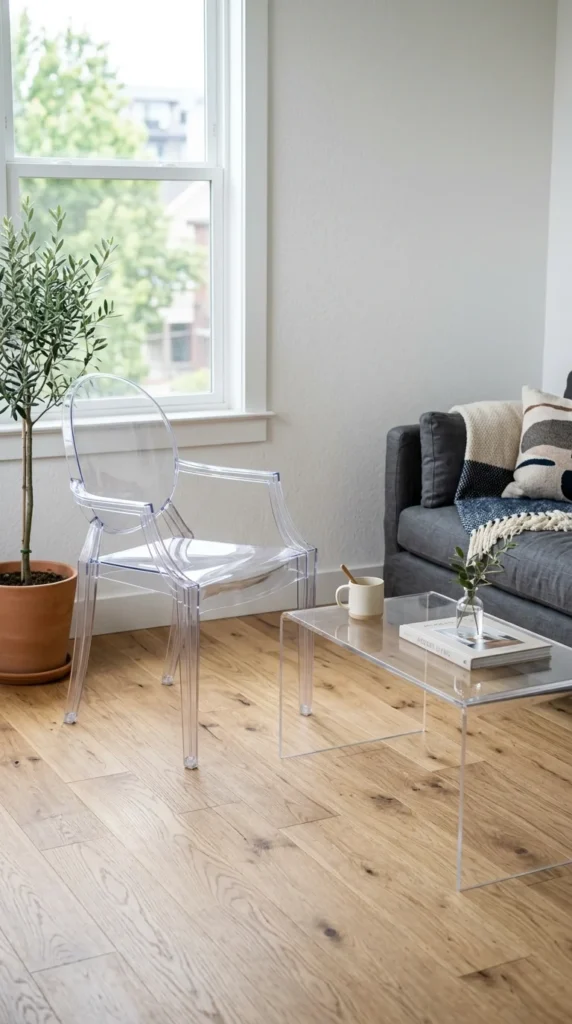
Acrylic or “ghost” furniture is a miracle worker for small spaces. Because these pieces are transparent, they occupy zero visual space. You get the functionality of a coffee table or an extra chair without the visual “weight” that might make the room feel crowded. While high-end versions exist, many affordable retailers offer budget-friendly acrylic options.
16. Furniture Legs
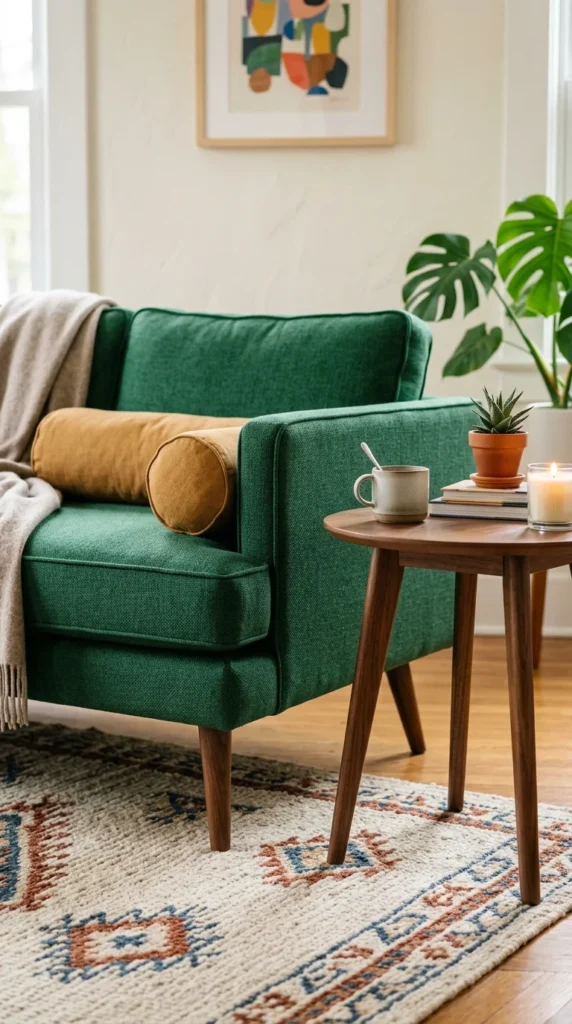
Furniture that sits directly on the floor can look heavy and blocky in a small room. Opt for sofas, chairs, and cabinets that are “leggy.” Being able to see the floor underneath your furniture creates a sense of openness and allows light to flow through the space, making the entire room feel more expansive and less cluttered.
17. Corner Nooks
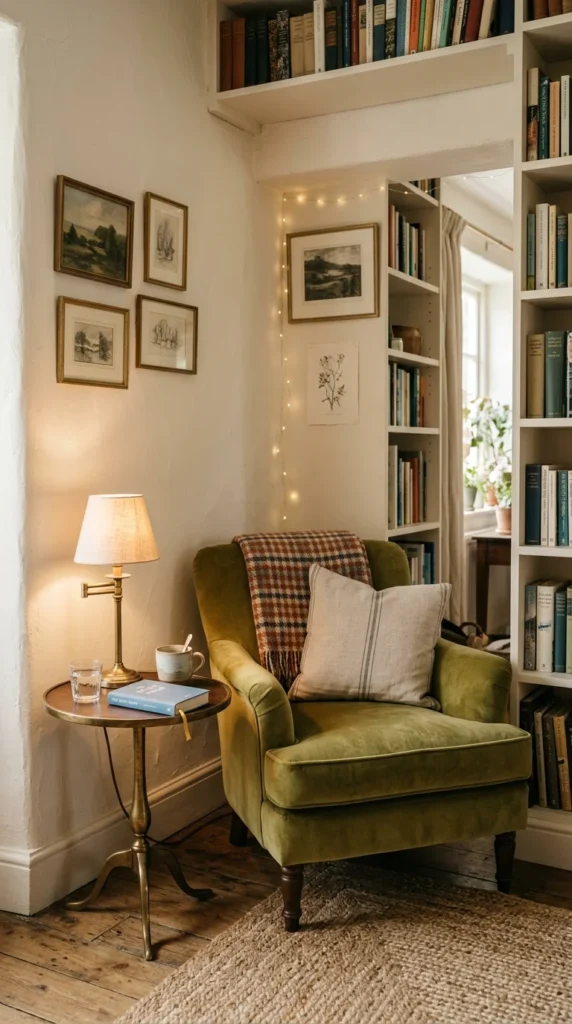
Don’t let corners go to waste. A small armchair and a tiny table can turn a dead corner into a functional reading nook. By utilizing the corners of the room, you free up the center area, which makes the main traffic flow feel much more spacious. This “zoning” technique makes a small room feel like it has multiple purposes.
18. Oversized Art
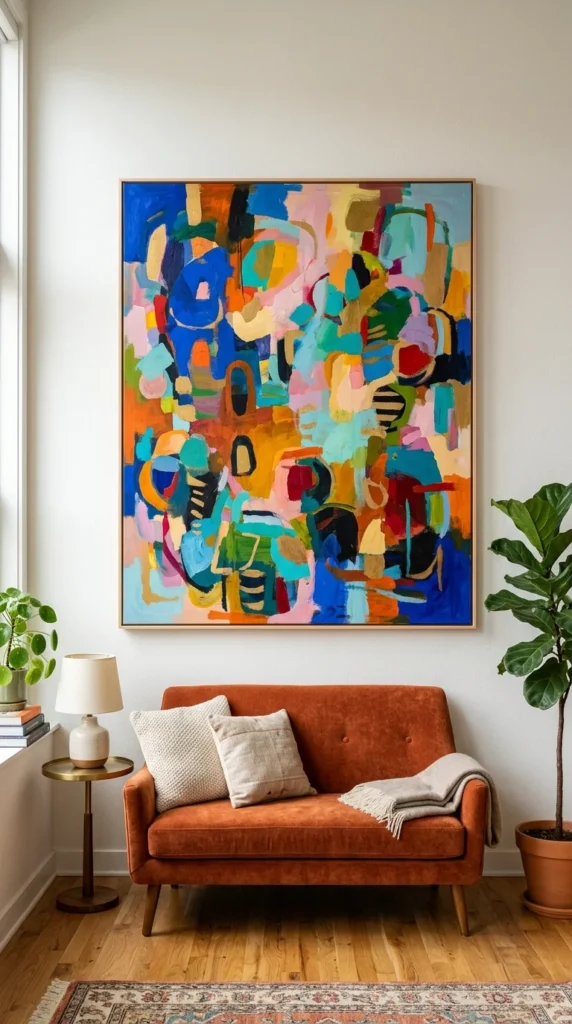
It sounds counterintuitive, but one large piece of art is often better for a small room than a collection of small pieces. A gallery wall can sometimes look cluttered, whereas one oversized statement piece creates a clean focal point that draws the eye and gives the room a sense of grandeur. You can make your own by framing a large piece of interesting fabric or a budget-friendly tapestry.
19. Layered Textures
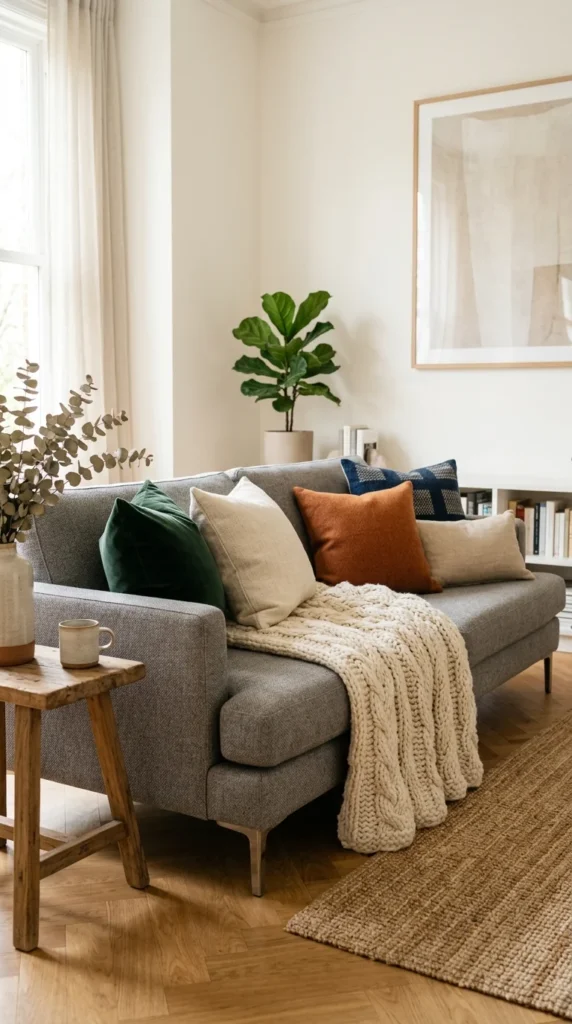
When you are working with a limited color palette to keep the room feeling large, texture is how you add interest. Mix materials like a jute rug, velvet pillows, a knit throw, and a wooden coffee table. This “layering” makes the room feel expensive and curated rather than flat, and most of these items can be picked up cheaply at discount home stores.
20. Removable Wallpaper
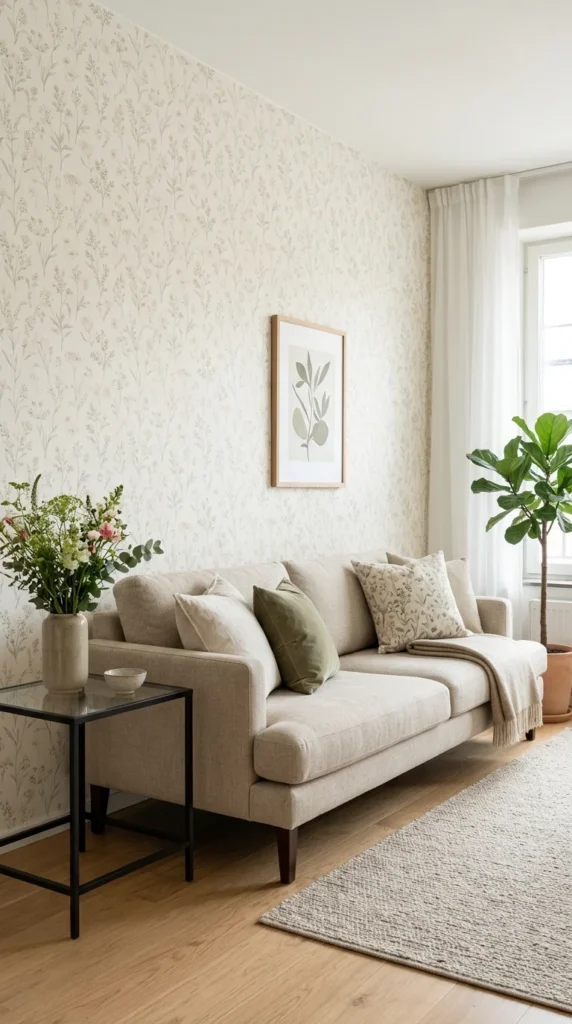
For renters or those who fear commitment, peel-and-stick wallpaper is a game-changer. You can add a sophisticated pattern or a faux-brick texture to a small area (like the back of a bookshelf or a single wall) for a fraction of the cost of traditional wallpaper. It adds instant personality and can be removed without a trace when you’re ready for a change.