
Living in a compact space doesn’t mean you have to sacrifice style or comfort. The secret to transforming a cramped apartment into a palatial sanctuary lies not in the square footage, but in the strategic arrangement of your belongings. By mastering the art of furniture layout, you can trick the eye into seeing more depth, height, and breathing room than actually exists. Whether you’re dealing with a tiny studio or a cozy bedroom, these 26 furniture layout tips will help you maximize every inch of your home.
1. Leggy Furniture
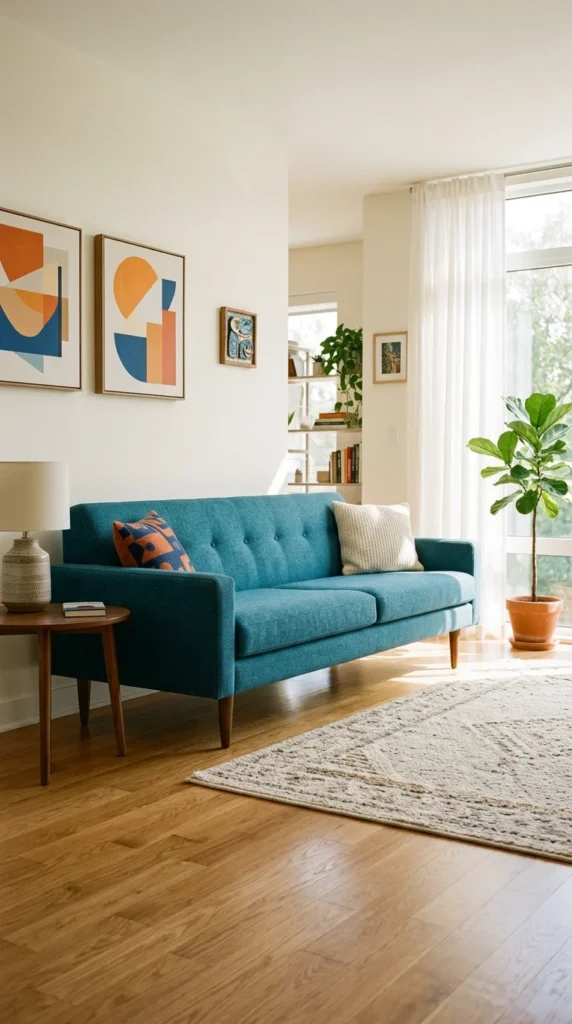
When furniture sits directly on the floor, it acts as a visual block, making the room feel heavy. Choosing “leggy” pieces—sofas, chairs, and dressers with exposed, slender legs—creates a sense of openness. Being able to see the floor extend beneath the furniture gives the illusion of more surface area, making the entire room feel significantly lighter and more spacious.
2. Acrylic Materials
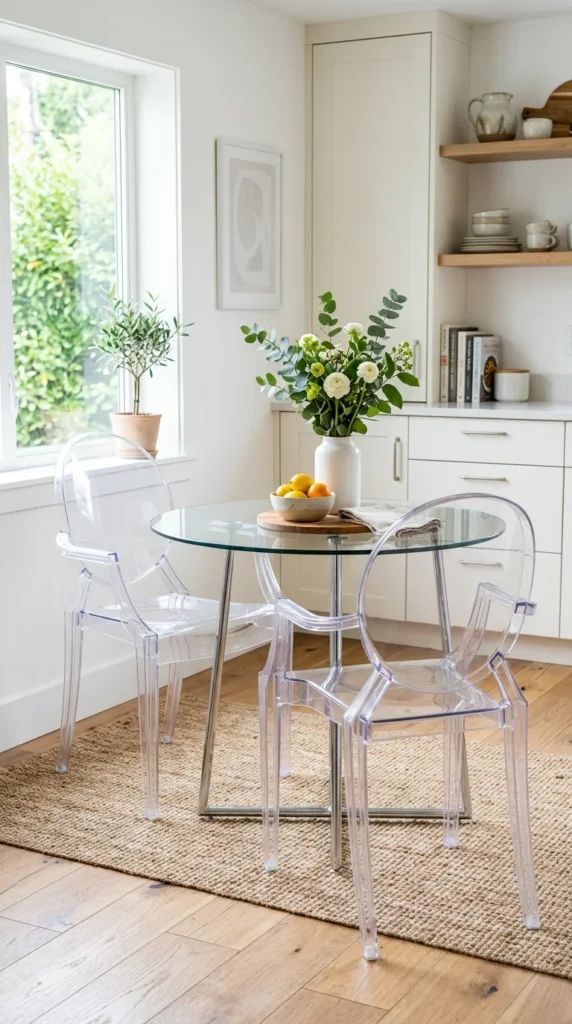
Transparent furniture is a small-space miracle. Pieces made from acrylic, Lucite, or glass take up zero “visual weight.” Because your eyes can see right through them, the brain doesn’t register them as obstacles. An acrylic coffee table or “ghost” chairs provide all the functionality you need without cluttering the landscape of the room.
3. Scale Selection
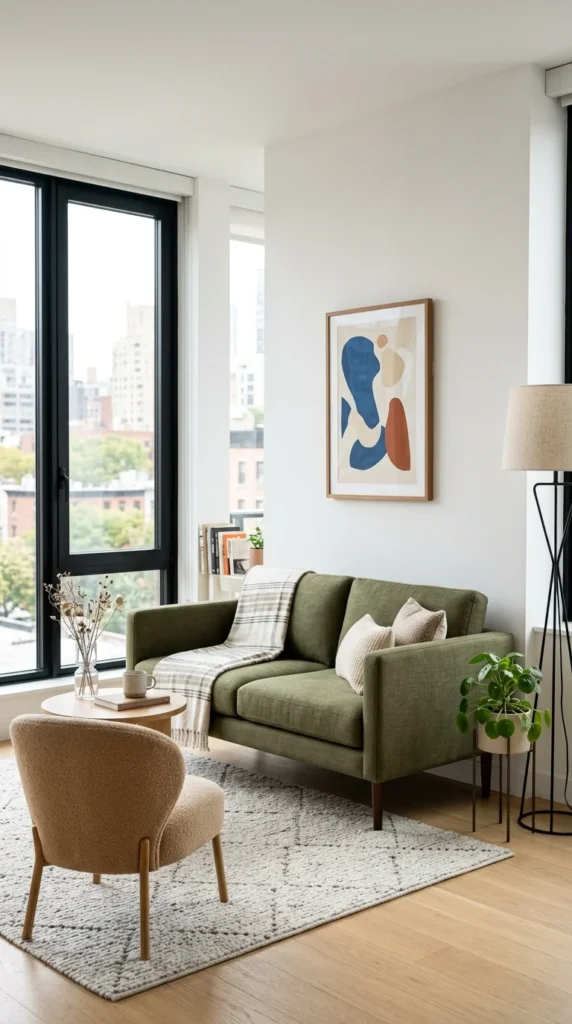
In a small room, scale is everything. Avoid overstuffed, heavy-set sofas that swallow up the floor plan. Instead, opt for “apartment-sized” furniture. Look for pieces with narrow arms and low backs. By matching the scale of your furniture to the scale of the room, you maintain a sense of proportion that prevents the space from feeling overwhelmed.
4. Wall Mounting
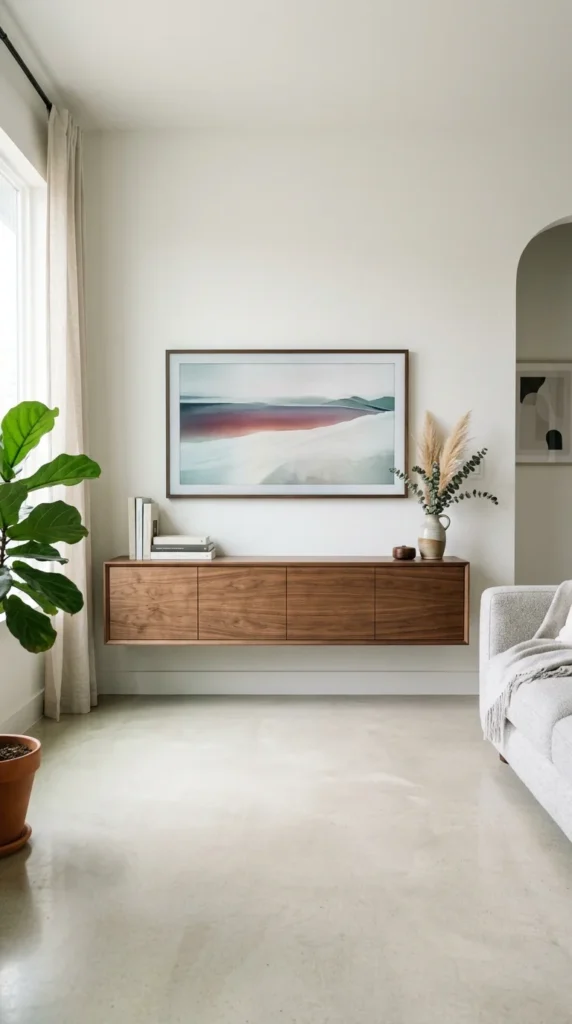
The more floor you can see, the bigger the room feels. Wall-mounting your furniture is a brilliant way to reclaim floor real estate. From floating nightstands and desks to wall-mounted TV consoles, lifting these items off the ground creates an uninterrupted flow of flooring that expands the room’s perceived boundaries.
5. Corner Utilization
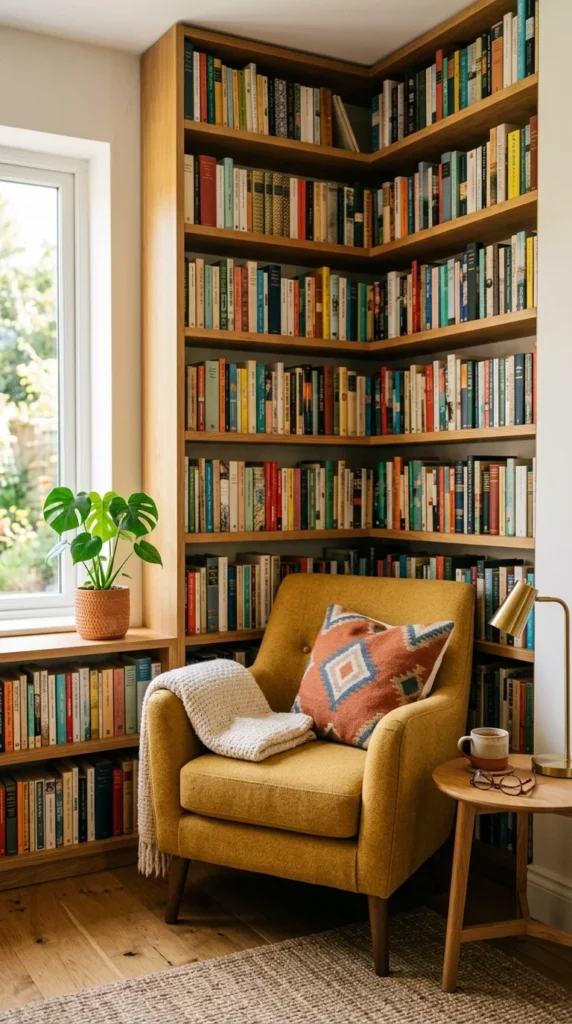
Corners are often wasted space in small rooms. To make a room feel larger, utilize these nooks with purpose-built furniture. A corner desk, a tall corner shelving unit, or even a small L-shaped sectional can turn a “dead zone” into a functional focal point, drawing the eye into the furthest reaches of the room.
6. Mirror Placement
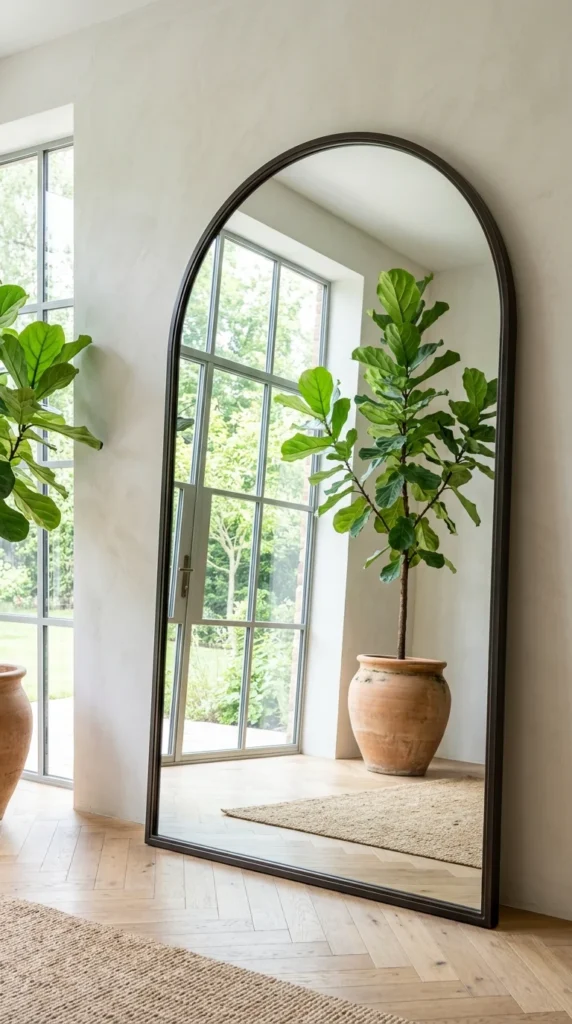
Mirrors are the oldest trick in the book for a reason: they work. By placing a large mirror across from a window, you reflect natural light and the view outside, essentially “doubling” the depth of the room. A floor-to-ceiling mirror can act as a second window, tricking the mind into thinking there is another room beyond the wall.
7. Floating Layouts
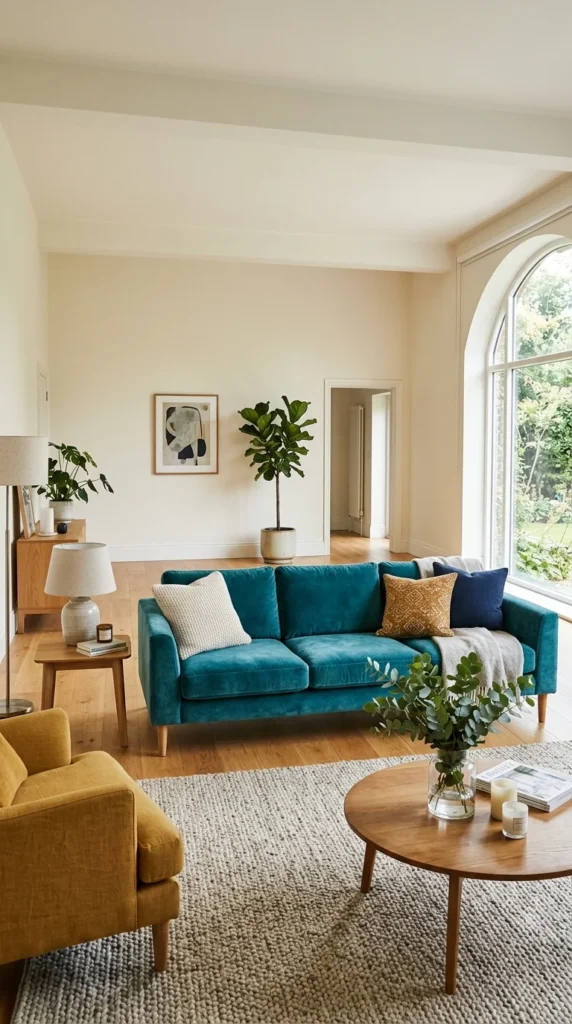
It may seem counterintuitive, but pushing all your furniture against the walls can actually make a room feel smaller and more “boxed in.” By “floating” your sofa even just a few inches away from the wall, you create a sense of breathing room. In larger small spaces, placing the sofa in the center allows for better traffic flow and a more dynamic feel.
8. Multifunctional Pieces

In a small room, every piece of furniture must earn its keep. Look for items that serve double duty. An ottoman that doubles as a coffee table and storage chest, or a guest bed that folds into a sofa, reduces the total number of items needed in the room. Fewer pieces of furniture mean less visual noise and more physical space.
9. Vertical Storage
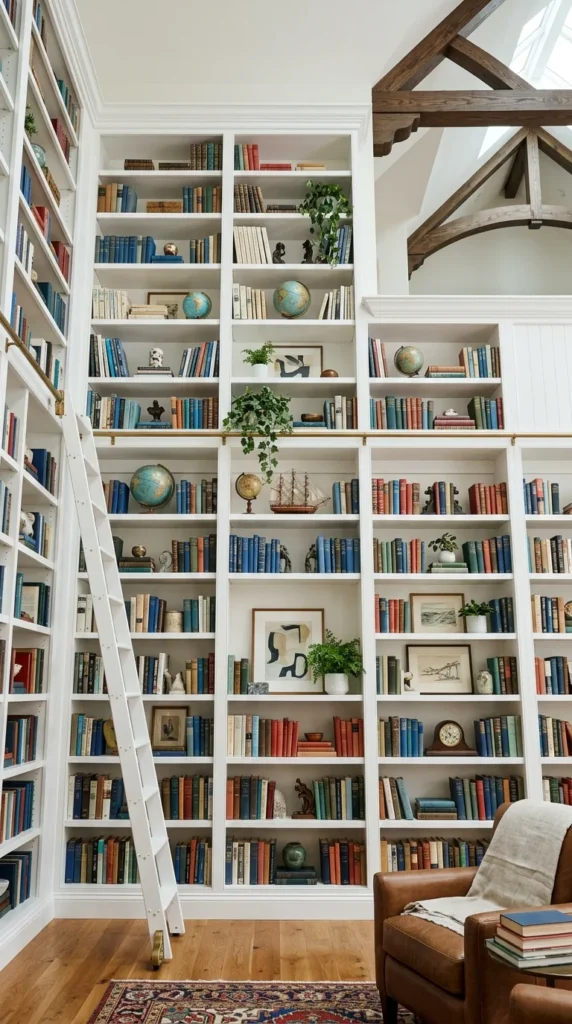
When you run out of floor space, look up. Utilizing vertical space is essential for small-room layouts. Tall, narrow shelving units or cabinets that reach all the way to the ceiling draw the eye upward, highlighting the height of the room rather than the narrowness of the floor. This “vertical draw” makes the ceiling feel higher and the room more expansive.
10. Neutral Palettes
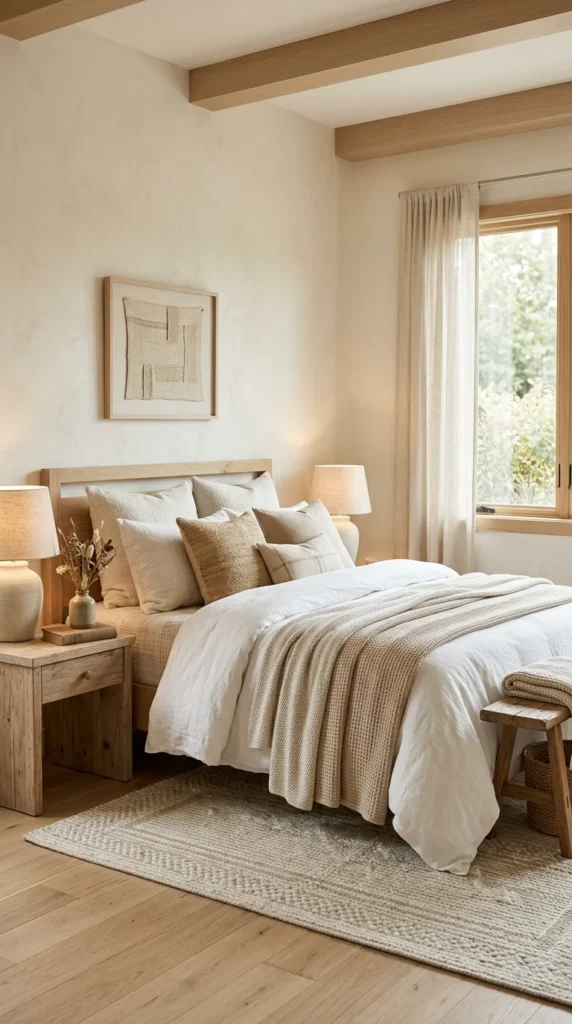
While bold colors are fun, they can often make a small room feel like it’s closing in. A monochromatic, neutral color palette—think whites, creams, soft grays, and light woods—creates a seamless look. When the furniture blends into the walls, the hard edges of the room disappear, resulting in a cohesive, airy environment.
11. Natural Light
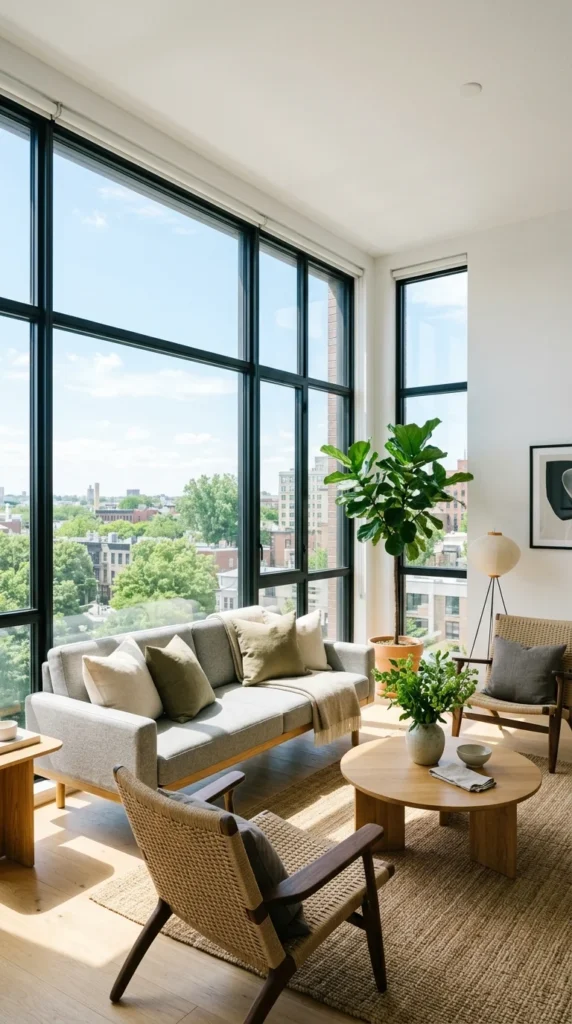
Light is the ultimate space-expander. Ensure your furniture layout doesn’t block any natural light sources. Keep window areas clear and use sheer window treatments that allow light to filter through. A well-lit room always feels larger and more inviting than a dark, shadowy one.
12. Low Profiles
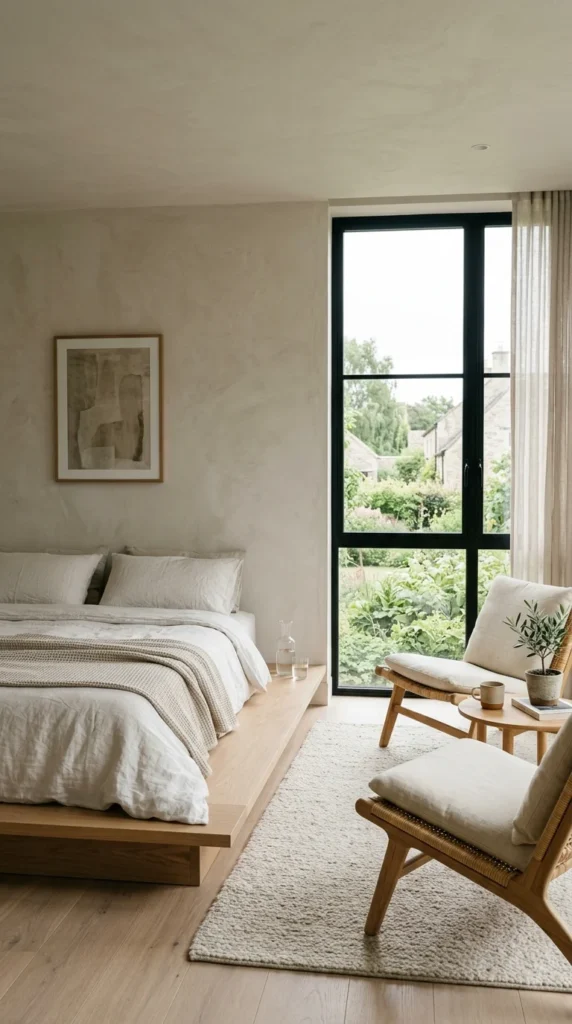
Furniture with a low profile keeps the sightlines of the room open. If you choose a bed, sofa, or coffee table that sits low to the ground, there is more “air” above the furniture. This creates a feeling of vastness in the upper half of the room, preventing the space from feeling cramped or crowded.
13. Rug Sizing
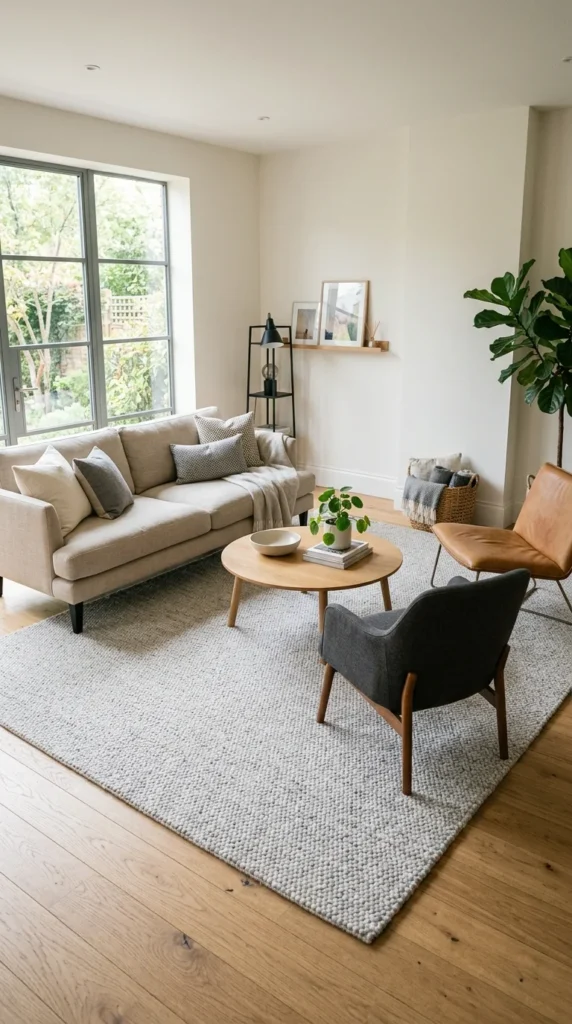
A common mistake in small rooms is using a rug that is too small. A tiny rug creates a “postage stamp” effect that chops up the floor. Instead, choose a rug large enough so that at least the front legs of all furniture pieces sit on it. This unifies the space and makes the floor area appear much larger than it is.
14. Path Clearance
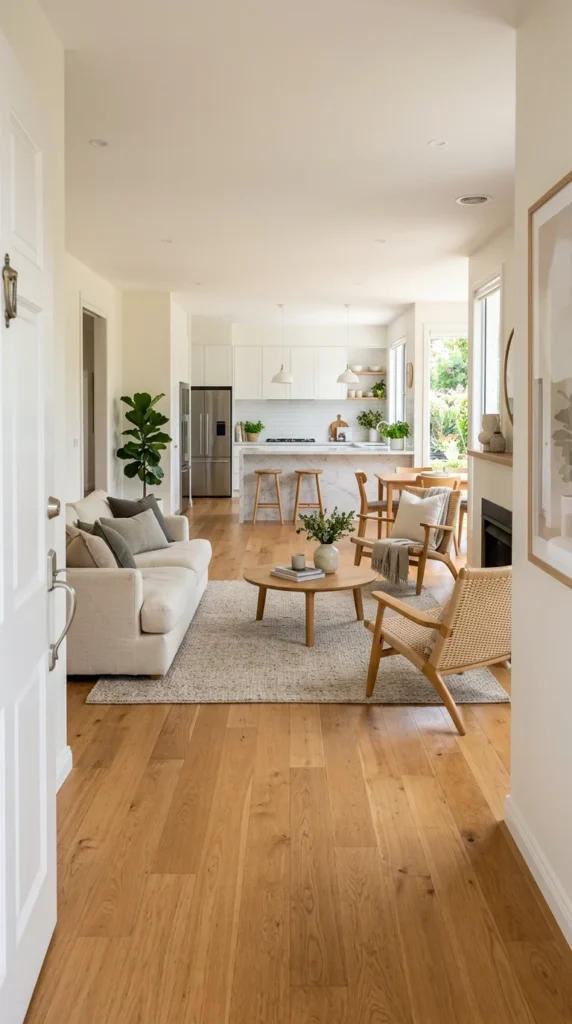
Nothing makes a room feel smaller than having to navigate an obstacle course to get through it. When planning your layout, prioritize clear pathways. Ensure there is enough space to walk comfortably between pieces of furniture. A clear “flow” through the room makes it feel organized and spacious.
15. Hidden Storage
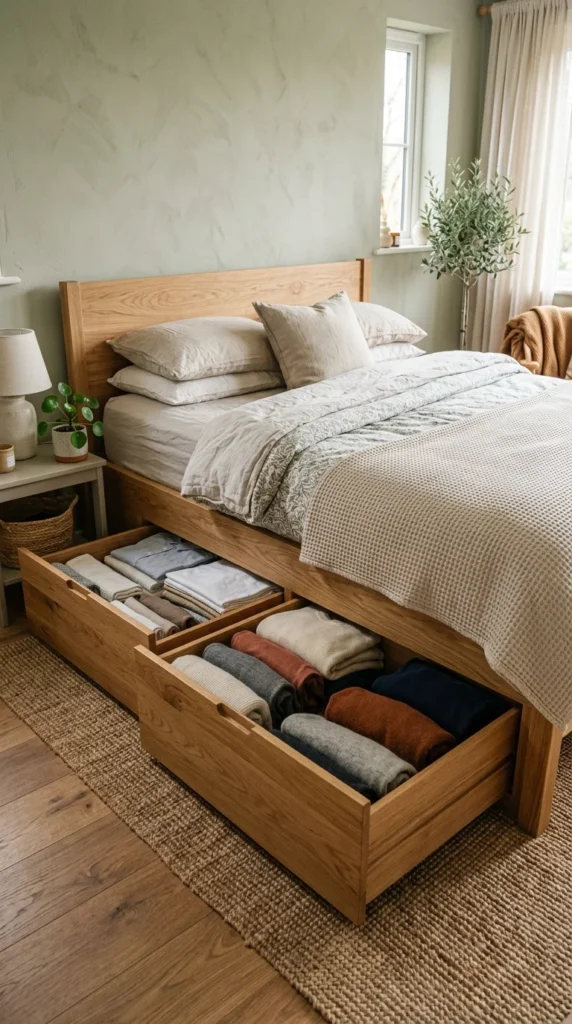
Clutter is the enemy of small spaces. Use furniture that hides your belongings out of sight. Beds with built-in drawers, coffee tables with hidden compartments, and benches with storage under the seat allow you to keep the room tidy. A clean, clutter-free surface instantly makes a room feel larger.
16. Glass Surfaces
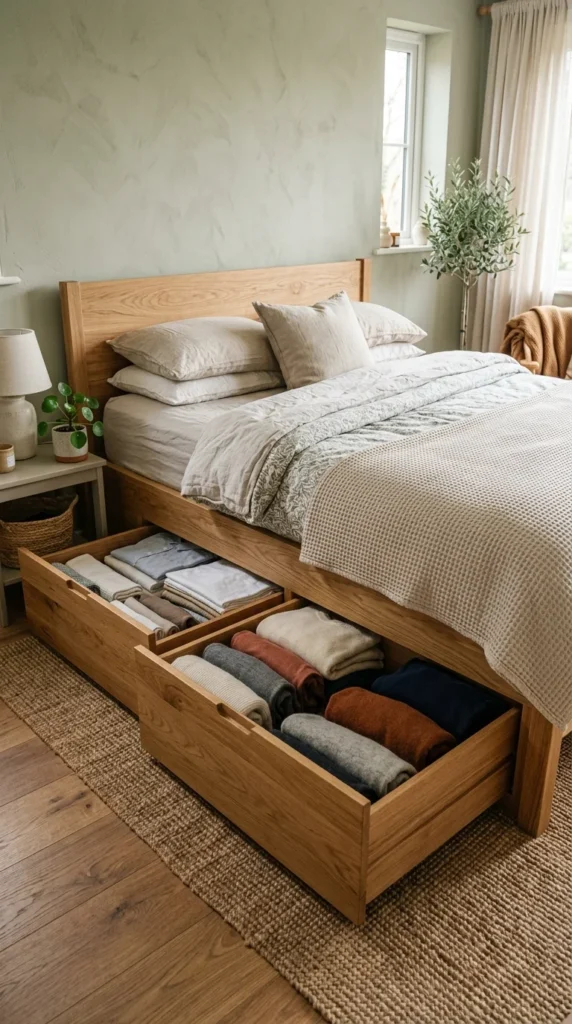
Similar to acrylic, glass surfaces are excellent for small rooms. A glass-top dining or coffee table provides the necessary surface area without the visual weight of solid wood or metal. It allows you to see the rug and floor beneath it, maintaining an open and airy aesthetic.
17. Symmetry
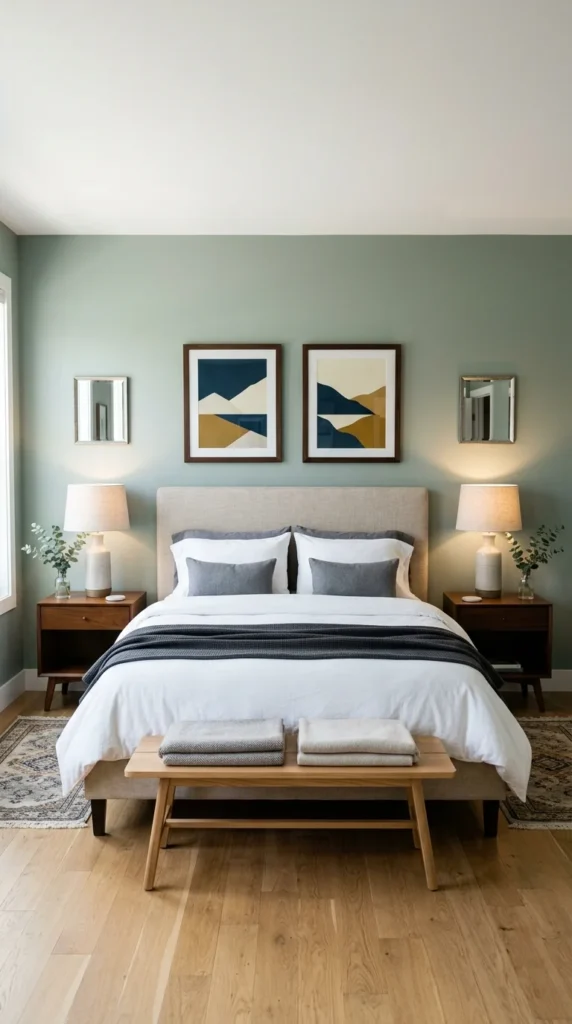
Symmetry creates a sense of order and balance, which is very calming in a small space. By arranging your furniture in a symmetrical fashion, you create a structured look that feels intentional rather than cluttered. This visual harmony makes the room feel more “put together” and spacious.
18. Round Edges
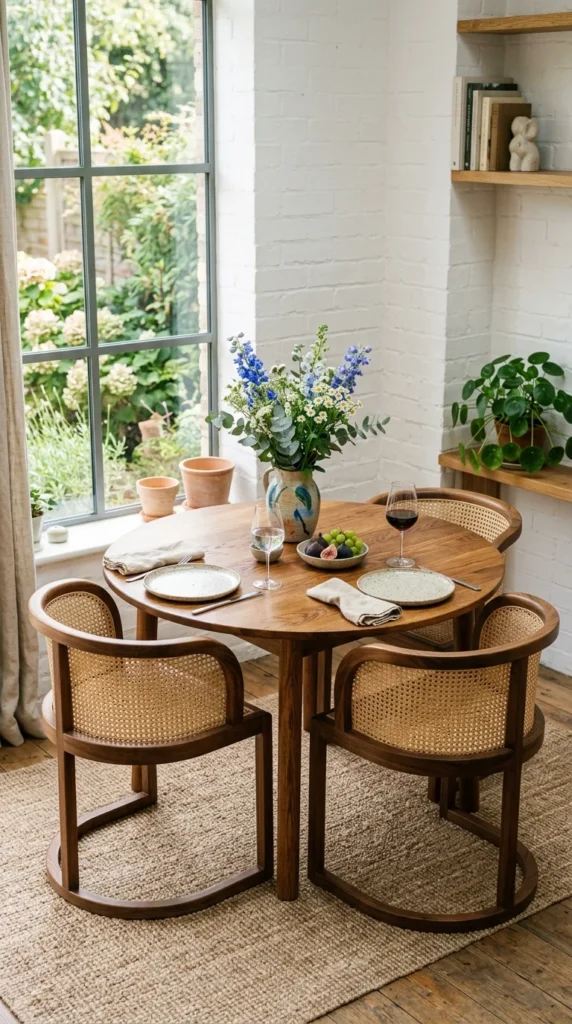
In a tight space, sharp corners can be hazardous and visually jarring. Round tables and curved furniture help to soften the room’s edges. Because circular pieces have a smaller footprint and no “corners” to bump into, they allow for better movement and make the room feel less rigid.
19. Statement Pieces
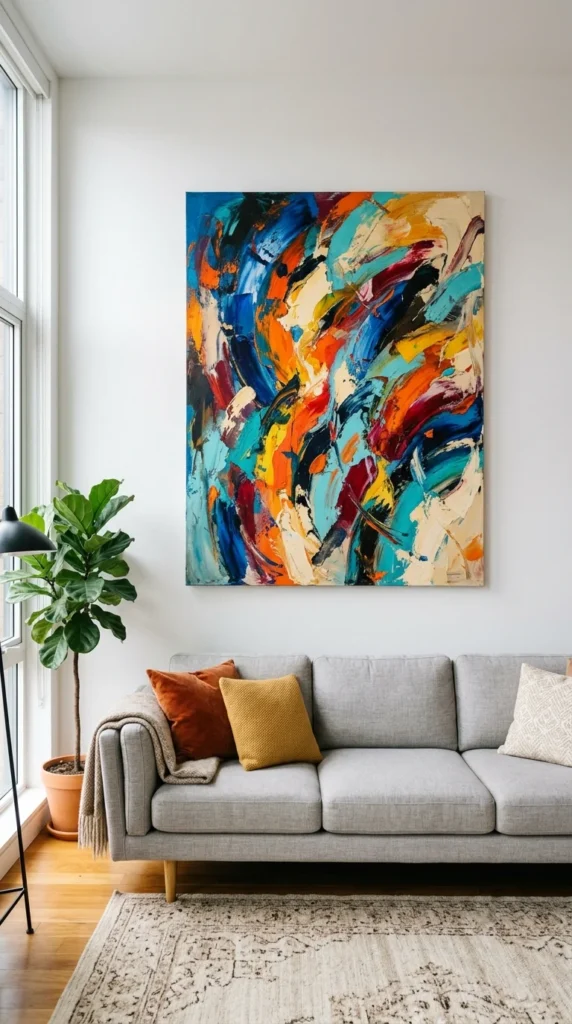
Rather than filling a small room with many small pieces of decor, choose one or two “statement” pieces. A single large piece of art or one bold designer chair provides a focal point without creating clutter. This approach simplifies the room’s visual information, making it feel more expansive.
20. Window Treatments
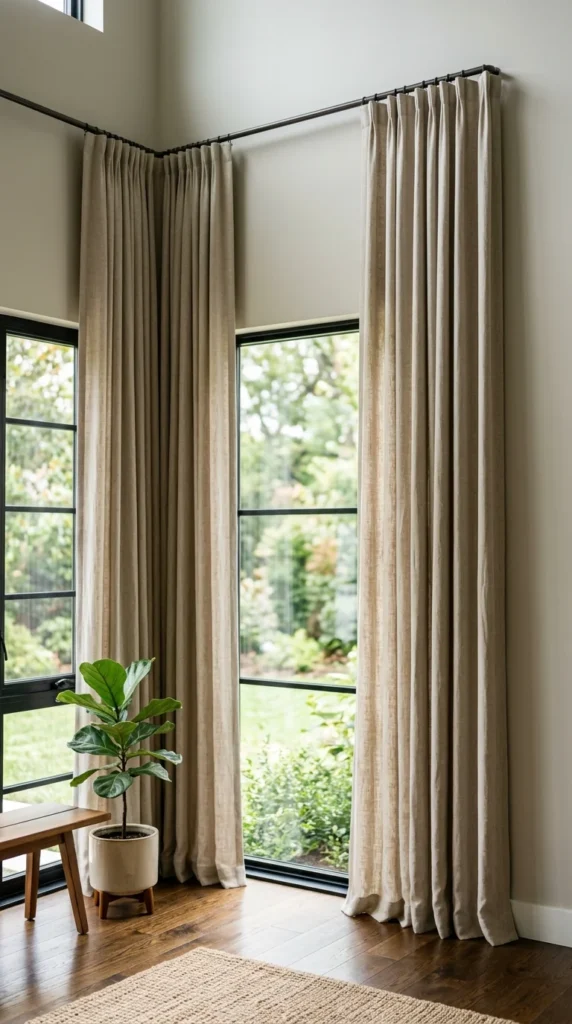
To make your ceilings feel miles high, hang your curtain rods close to the ceiling rather than right at the top of the window frame. Extending the fabric all the way to the floor creates long vertical lines that draw the eye up, making the entire room feel taller and more grand.
21. Layered Lighting
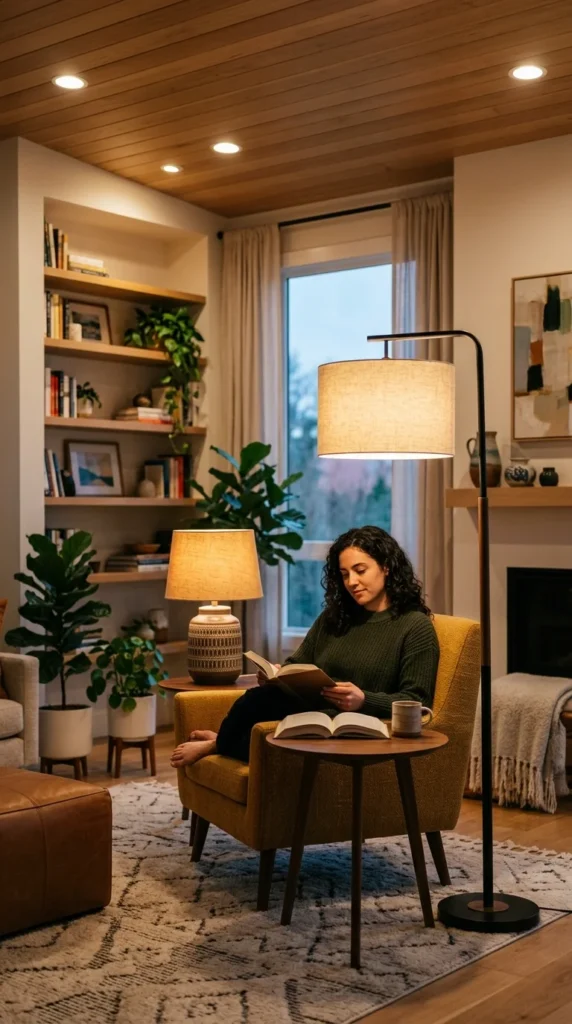
A single overhead light can flatten a room and make it feel small. Instead, layer your lighting with floor lamps, table lamps, and wall sconces. By lighting different corners and levels of the room, you add depth and dimension, which helps to expand the perceived boundaries of the space.
22. Exposed Floors
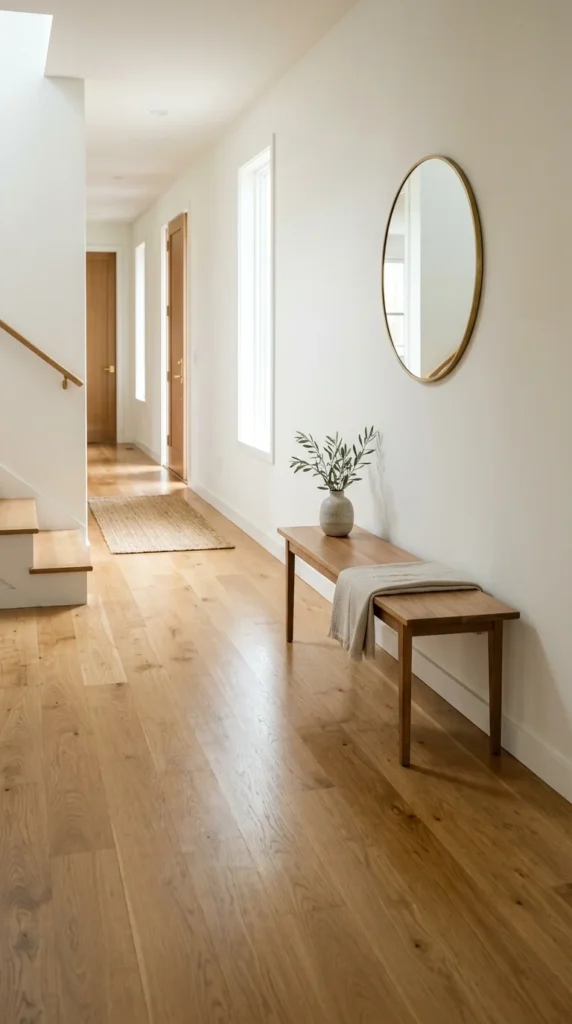
Avoid the temptation to cover every inch of your floor with furniture or decor. Leaving some areas of the floor completely empty—especially near entrances and transitions—creates a sense of “negative space.” This emptiness is crucial for making a room feel breathable and large.
23. Fold-Down Desks
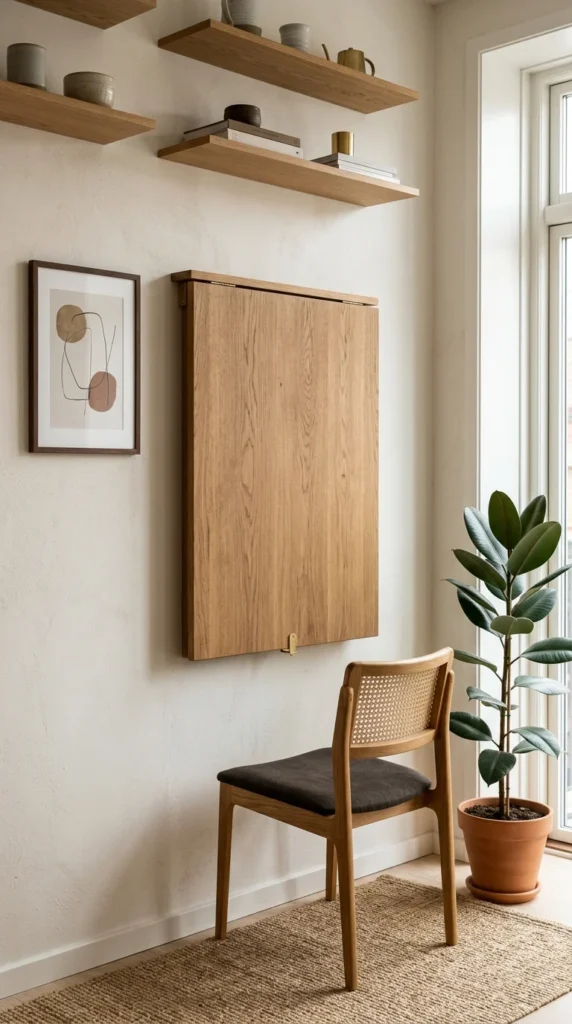
For those working from home in small spaces, a permanent desk can be a space-hog. A fold-down or “Murphy” desk is the perfect solution. It provides a sturdy workspace when you need it and disappears flat against the wall when you don’t, instantly reclaiming the floor space for other activities.
24. Nesting Tables
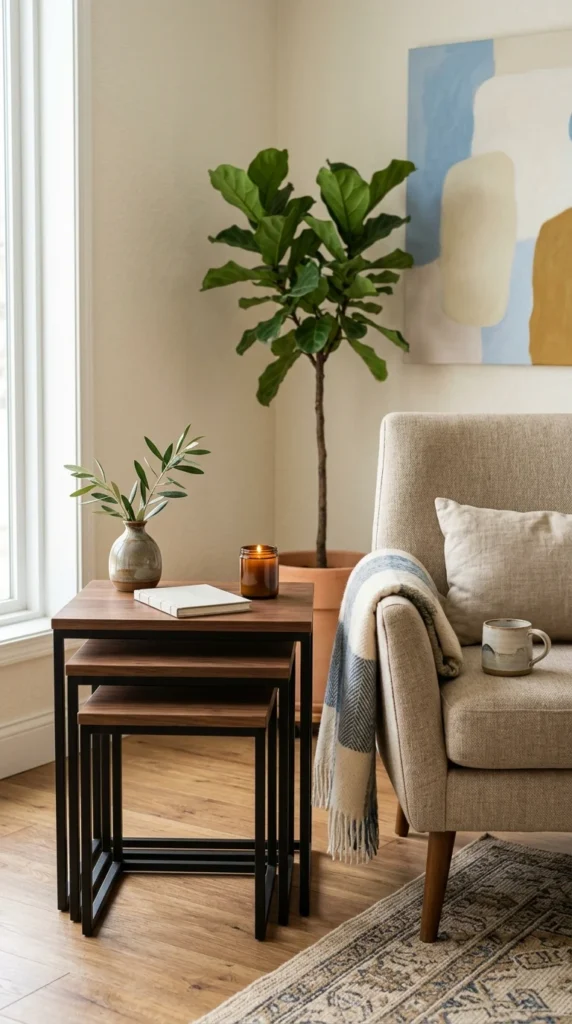
Nesting tables are the ultimate flexible furniture. They provide extra surface area for guests or projects but can be tucked away into a single footprint when not in use. This “stowaway” capability is perfect for keeping a small room versatile and uncluttered.
25. Monochromatic Schemes
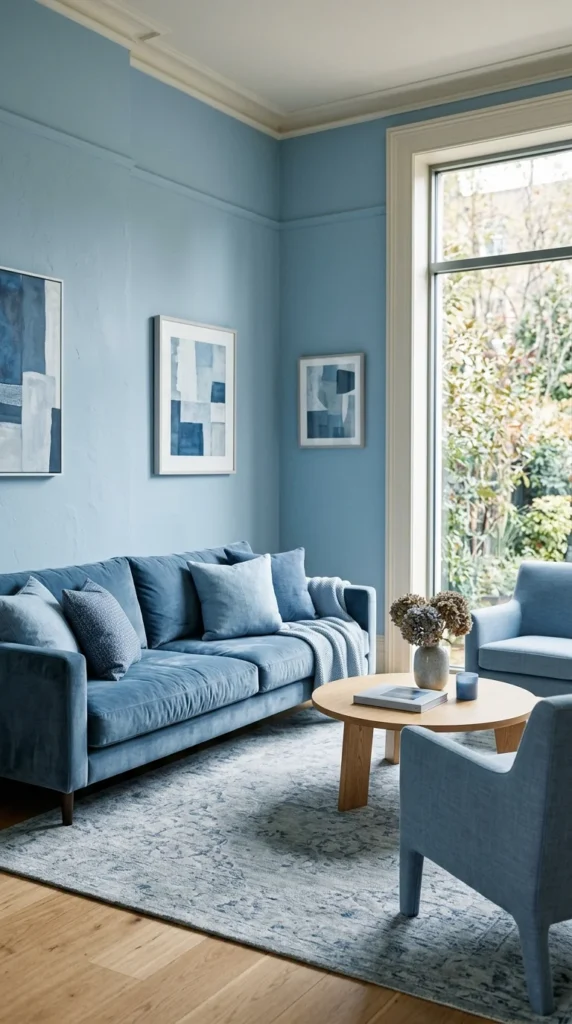
Using different shades of the same color for your walls and furniture creates a seamless environment. When there is little contrast between the furniture and the background, the eye travels effortlessly across the room without being stopped by sharp color changes. This continuity makes the space feel much larger.
26. Minimalist Decor
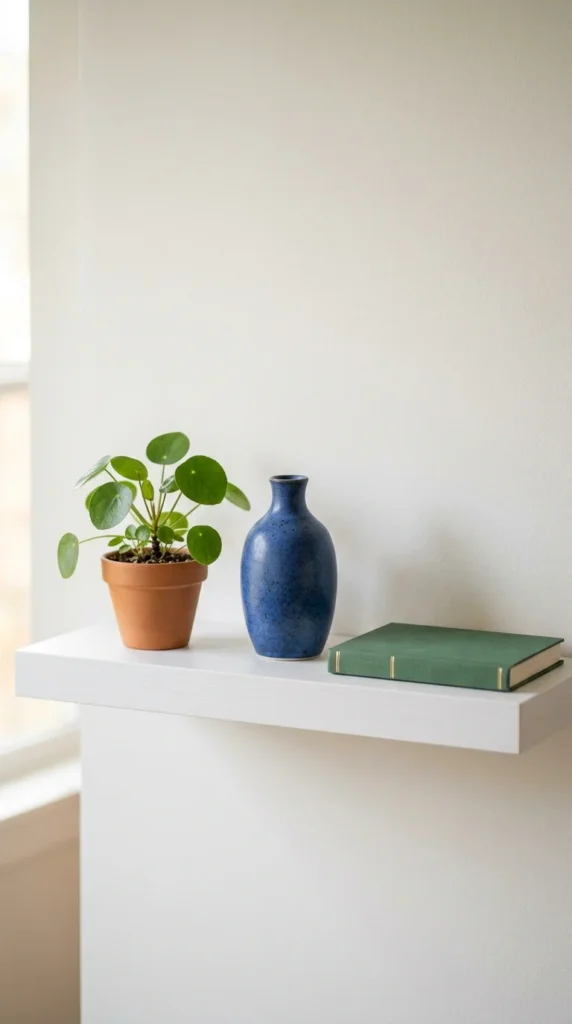
Finally, remember that “less is more.” A minimalist approach to decor is the most effective way to keep a small room feeling big. Choose a few meaningful items to display and keep the rest stored away. Clear surfaces and open spaces are the hallmarks of a room that feels twice its actual size.