
Living in a small apartment can often feel like a high-stakes game of Tetris. When your square footage is limited, even a few misplaced items can make your entire home feel chaotic and cramped. However, the secret to mastering small-space living isn’t about having less stuff—it’s about having the right systems in place. To help you reclaim your space and your sanity, we’ve compiled 21 high-impact decluttering tips that are specifically designed for the unique challenges of apartment living.
1. Vertical Space
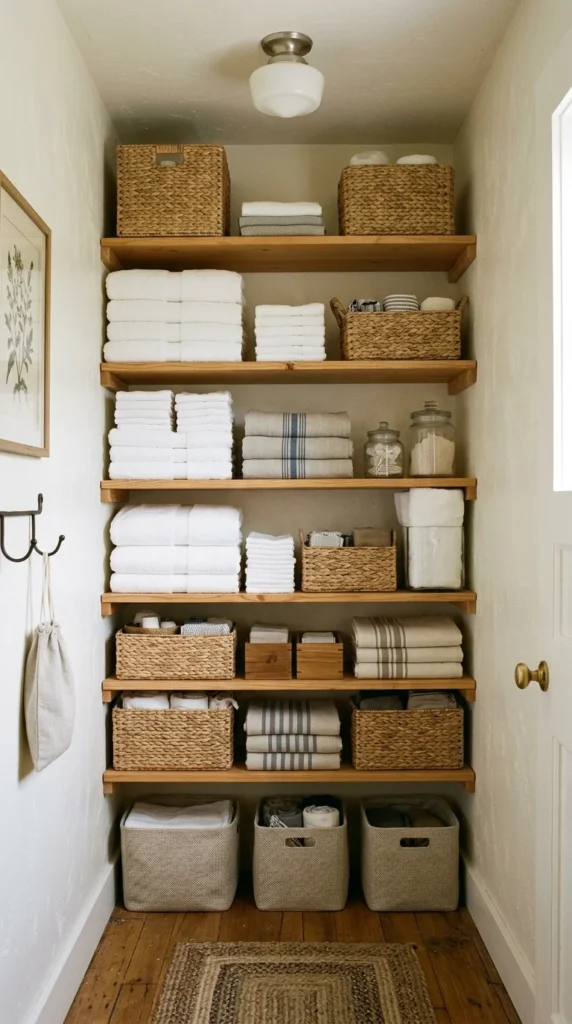
When you run out of floor space, the only way to go is up. Most apartment dwellers overlook the vast amount of storage available on their walls. By installing floor-to-ceiling shelving or tall bookcases, you draw the eye upward, making the room feel larger while providing a home for books, decor, and storage bins. Use the highest shelves for items you rarely need, like holiday decorations or out-of-season gear, keeping the lower shelves for daily essentials.
2. Multi-functional Furniture
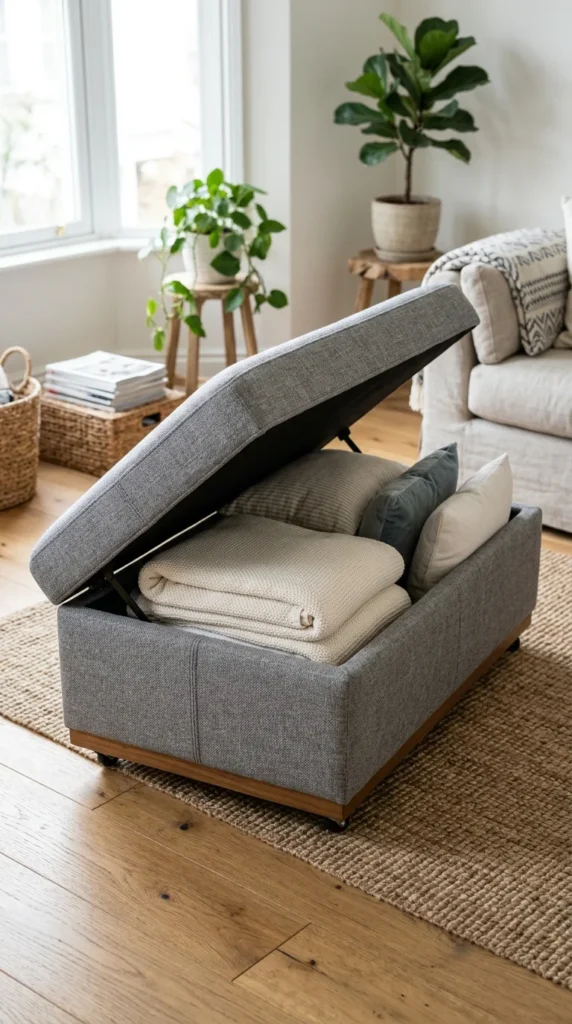
In a small apartment, every piece of furniture must earn its keep by serving more than one purpose. Look for coffee tables with hidden compartments, bed frames with built-in drawers, or ottomans that double as storage chests. This allows you to hide away clutter in plain sight. Instead of a standard desk, consider a “cloffice” (closet-office) or a fold-down secretary desk that can be tucked away when the workday is over.
3. Under-bed Storage
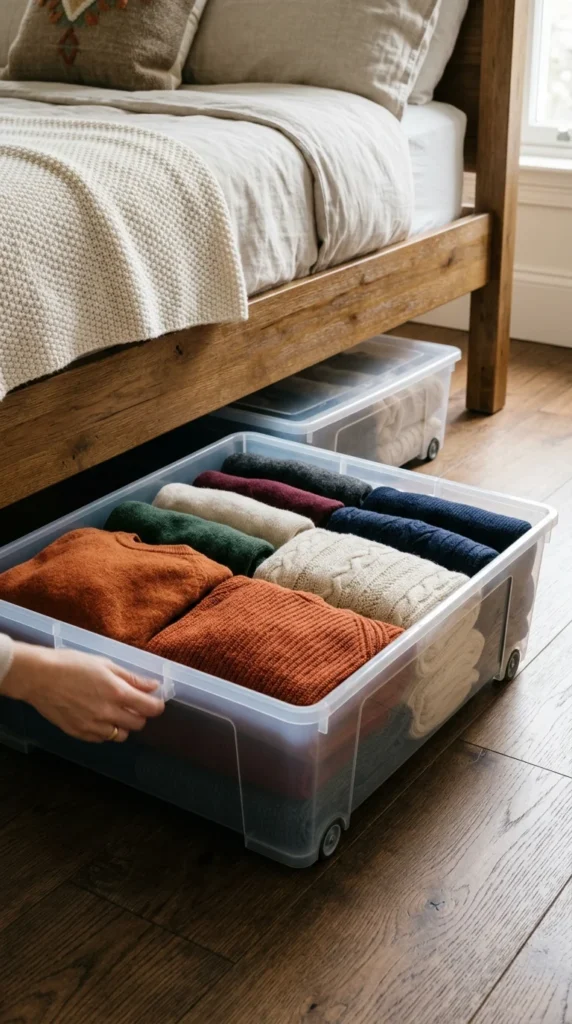
The space under your bed is a prime real estate goldmine. Instead of letting dust bunnies take over, invest in long, low-profile storage bins. These are perfect for storing off-season clothing, extra linens, or shoes. If your bed is too low to the ground, consider using bed risers to create an extra few inches of clearance. Opt for bins with wheels for easy access and lids to keep your belongings dust-free.
4. Door Organizers

The backs of your doors are often wasted space. Over-the-door organizers are not just for shoes; they are incredibly versatile tools for decluttering. Use them in the pantry for snacks and spices, in the bathroom for hair tools and toiletries, or in the cleaning closet for sprays and cloths. By moving these small items to the door, you free up valuable shelf and counter space.
5. Drawer Dividers
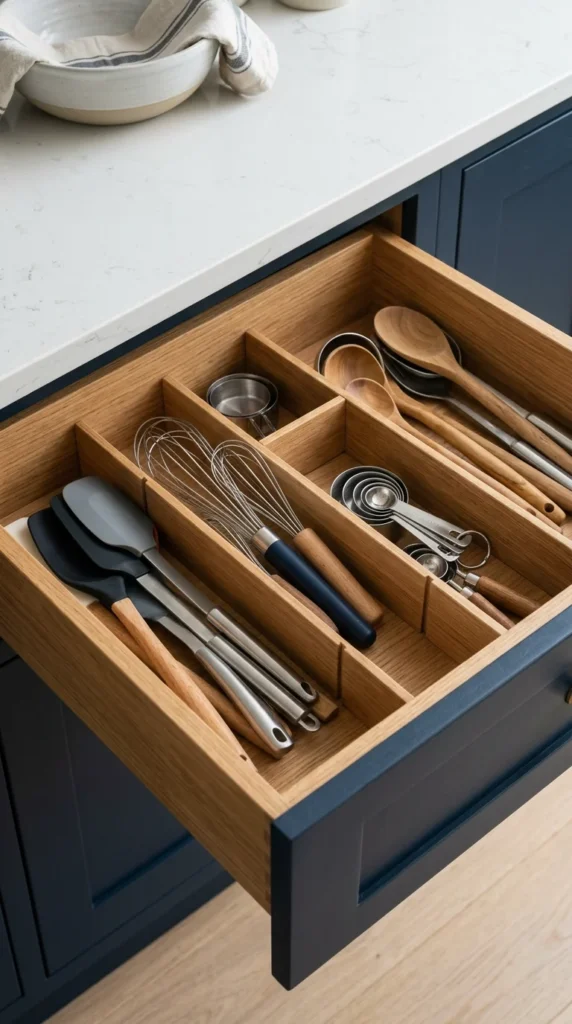
Small items have a habit of creating “junk drawers.” Drawer dividers are the antidote to this chaos. Whether in the kitchen, the bedroom, or the bathroom, dividers force you to assign a specific spot for every item. When everything has a designated home, it’s much harder for clutter to accumulate. For a budget-friendly option, you can even use small sturdy boxes or Tupperware containers to create sections.
6. Magnetic Strips
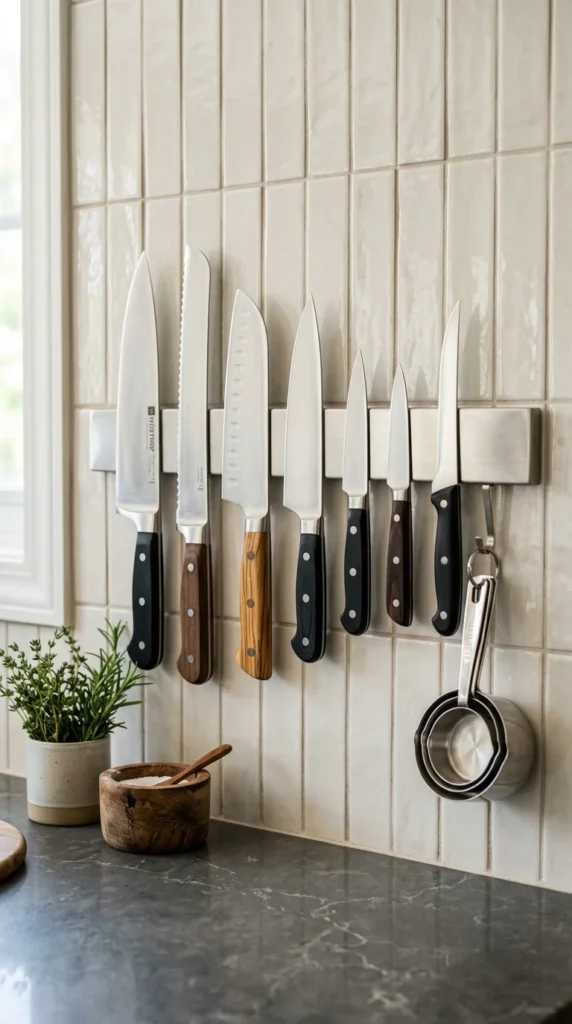
Magnetic strips are a minimalist’s best friend. In the kitchen, they can hold knives and metal utensils, freeing up drawer space. In the bathroom, a small magnetic strip inside a cabinet door can hold bobby pins, tweezers, and nail clippers. In a craft area or home office, they can keep scissors and paperclips within reach but off the desktop. It’s a simple, sleek way to keep frequently used tools accessible.
7. Clear Containers
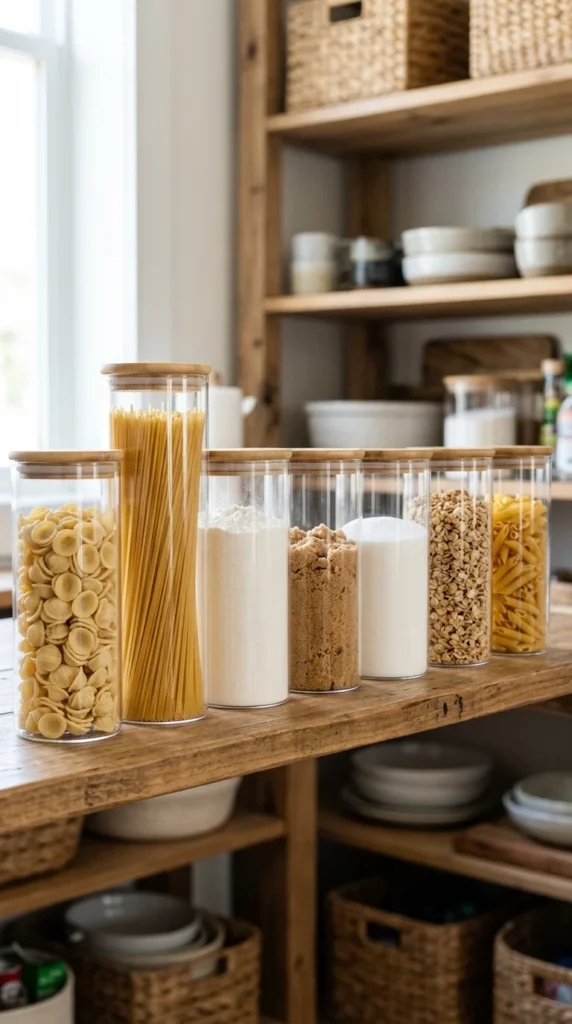
Visual clutter can be just as stressful as physical clutter. Transferring dry goods from mismatched, bulky cardboard boxes into uniform clear containers instantly makes a pantry look organized and serene. Not only does this look better, but it also allows you to see exactly how much of an item you have left, preventing you from overbuying and creating more clutter in the future.
8. Pegboards
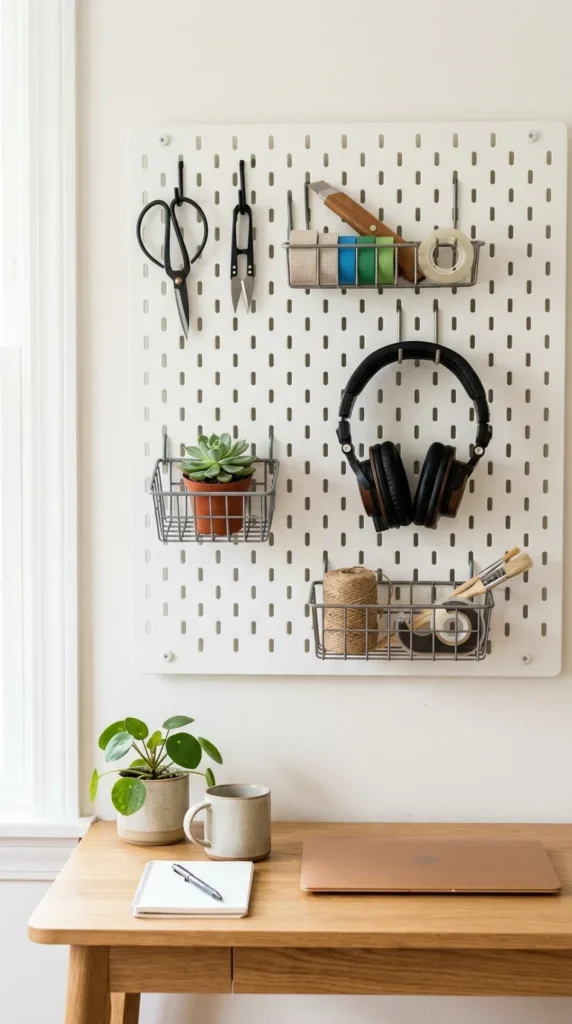
Pegboards are the ultimate customizable storage solution. They work beautifully in a home office, a kitchen, or even an entryway. By using various hooks, shelves, and baskets, you can create a storage system that evolves with your needs. The best part? Everything is visible and within arm’s reach, which encourages you to put things back where they belong.
9. Floating Shelves
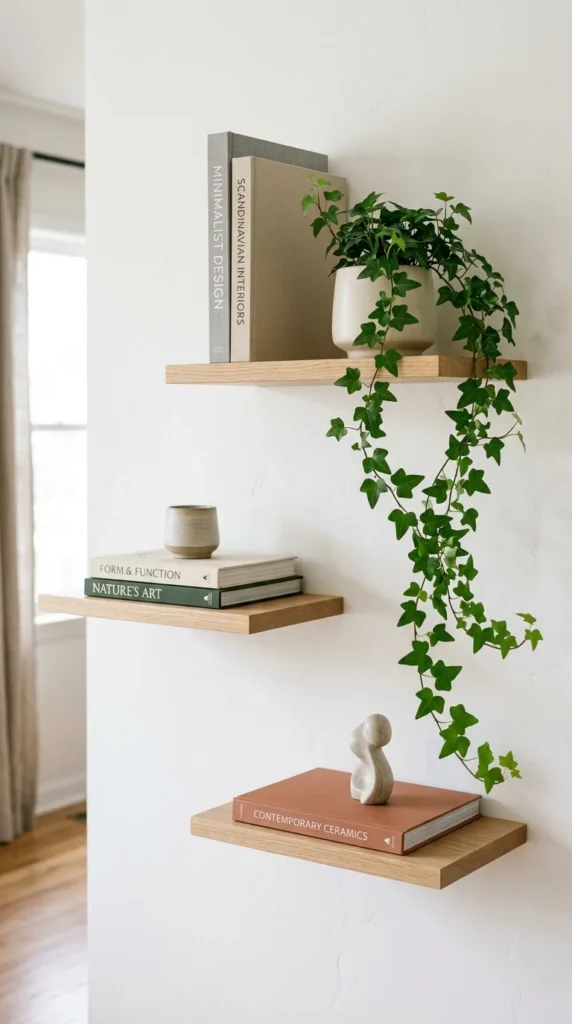
Bulky bookcases can sometimes overwhelm a small room. Floating shelves provide the storage you need without the visual weight of a heavy piece of furniture. They are perfect for narrow hallways, above the toilet in the bathroom, or in the small gap between a window and a corner. They keep the floor clear, which is a key trick for making a small apartment feel more expansive.
10. Corner Shelving
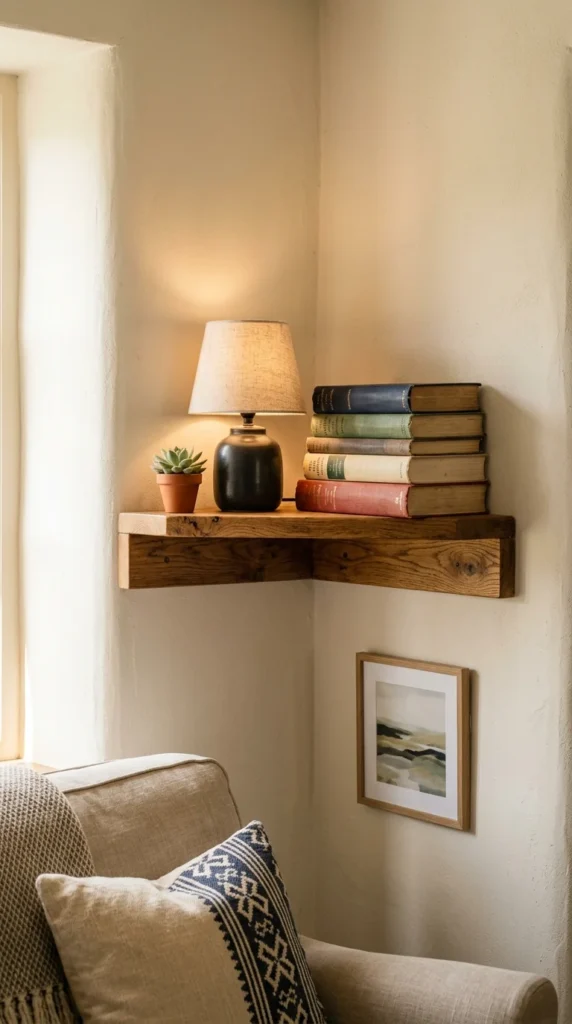
Corners are frequently underutilized in small apartments. Instead of leaving them empty, install corner shelves or a corner cabinet. This is a great way to display decorative items or store books without taking up precious wall space in the center of the room. It turns an “awkward” architectural feature into a functional storage highlight.
11. Cable Management
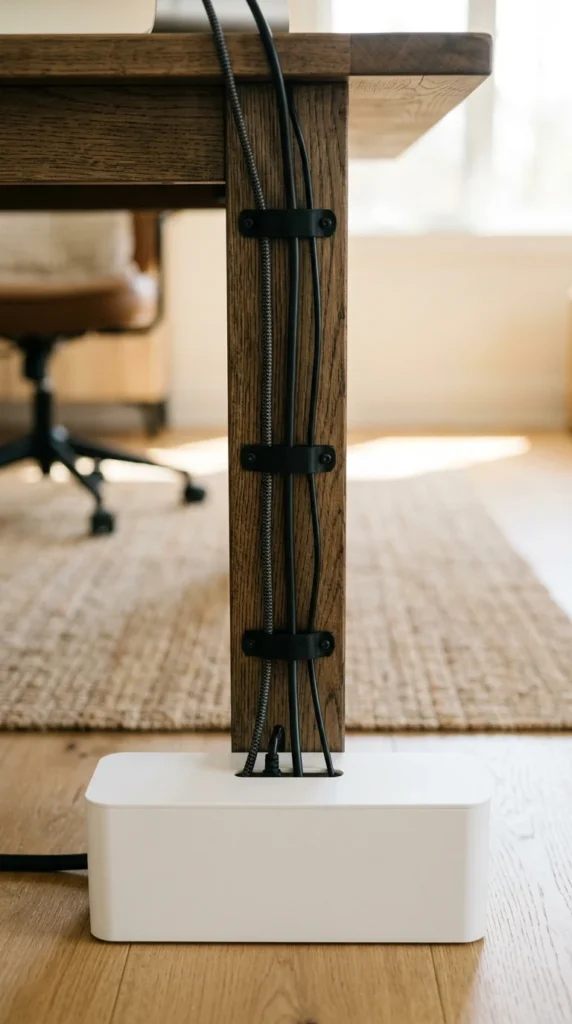
In our digital age, a “cable nest” under a desk or behind a TV can make a room look incredibly messy. Use cable sleeves, clips, or dedicated cable management boxes to hide the tangle of wires. When the lines of your furniture are clean and unobstructed by cords, the entire room feels more intentional and organized.
12. Floating Desks
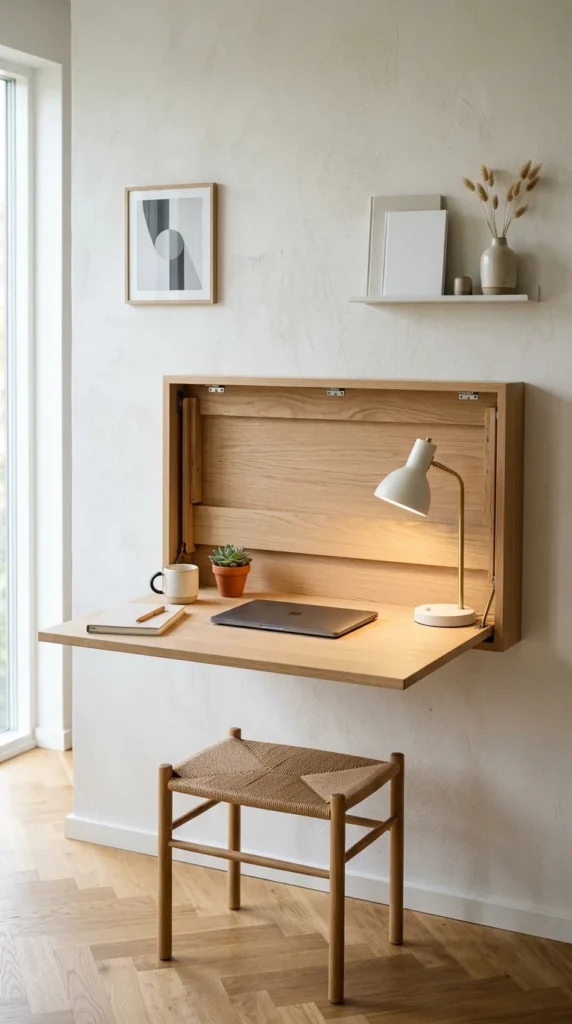
If you work from home but don’t have room for a dedicated office, a floating or “wall-mounted” desk is a lifesaver. Some models even fold completely flat against the wall when not in use. By eliminating the legs of a traditional desk, you maintain the flow of the room and keep the floor area looking open and airy.
13. Uniform Hangers
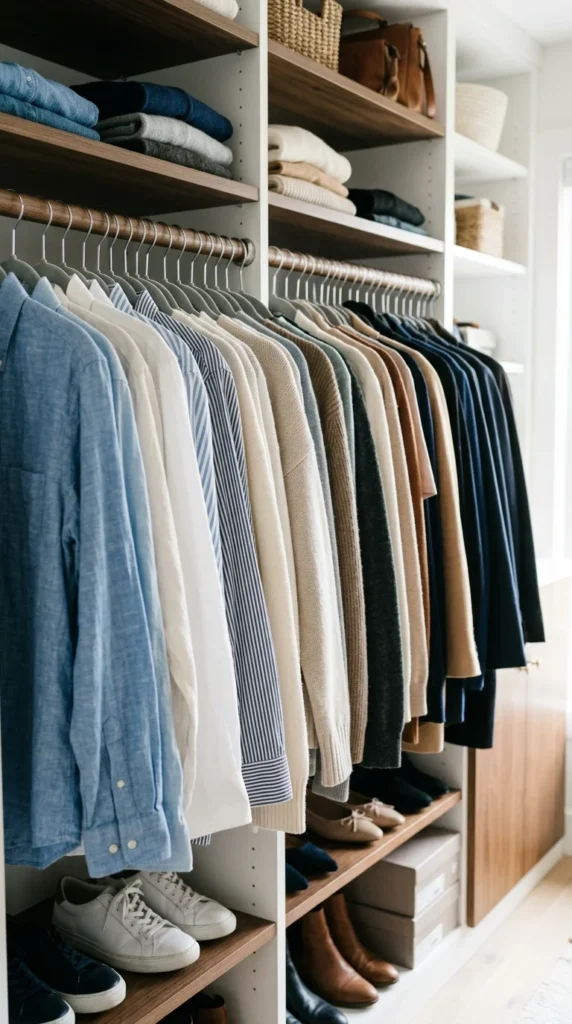
It sounds simple, but switching to uniform hangers (especially the slim velvet variety) can transform a cramped closet. Not only do they look more aesthetically pleasing, but their thin profile allows you to fit significantly more clothing on the same rod. The velvet texture also prevents clothes from slipping off and creating a heap on the closet floor.
14. Kitchen Risers
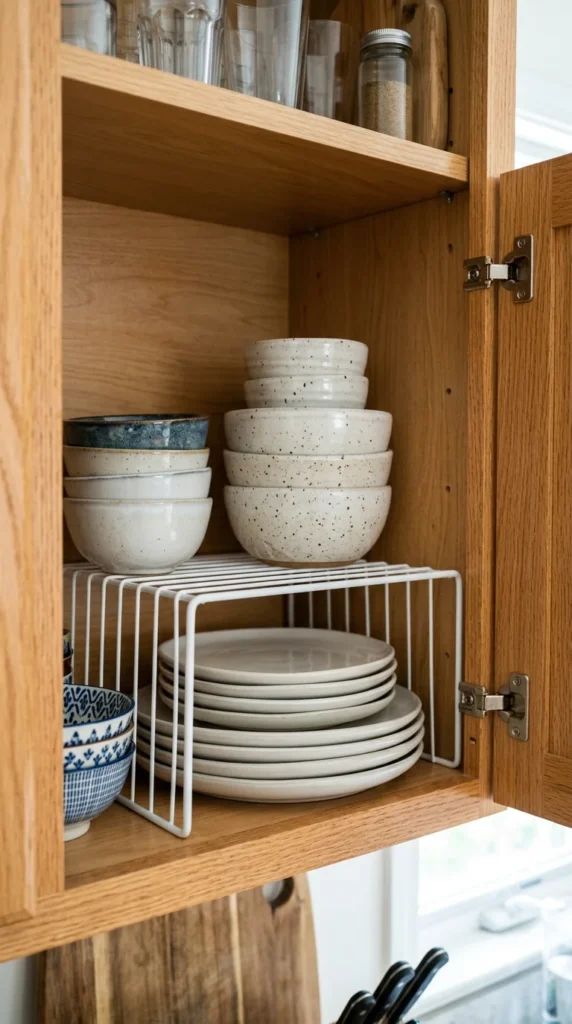
Kitchen cabinets in apartments are often tall but lack enough shelves, leading to wasted vertical space. Shelf risers (essentially mini-shelves that sit inside your cabinets) allow you to stack plates, bowls, and mugs more efficiently. Instead of one giant, precarious stack of dishes, you have two manageable layers that are much easier to access.
15. Mirror Magic
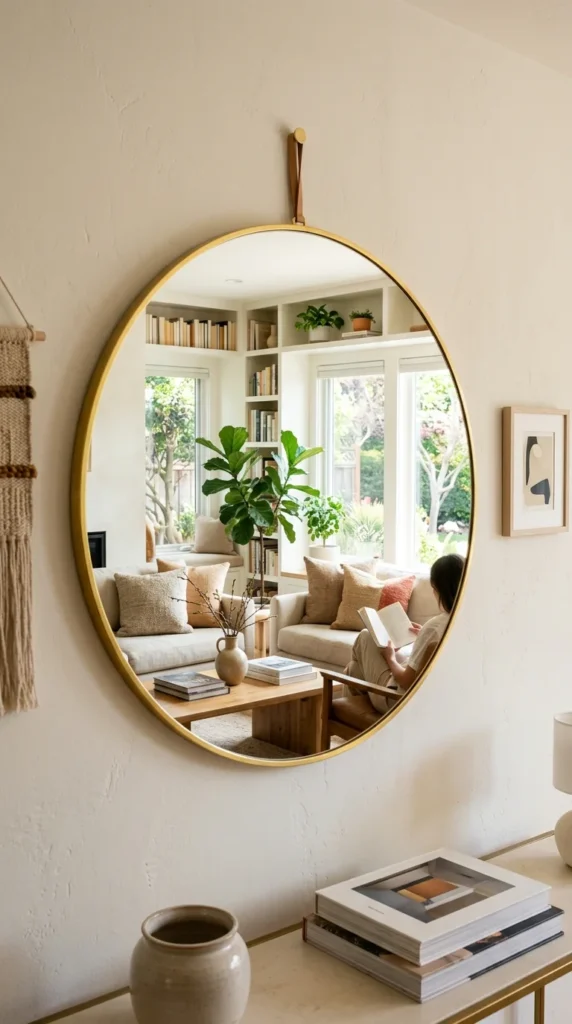
While not a “storage” tip per se, mirrors are essential for decluttering the feeling of a small space. A large mirror reflects light and the room itself, creating the illusion of more depth. When a space feels larger, you are more motivated to keep it tidy. Placing a mirror opposite a window is the most effective way to brighten a cramped apartment.
16. Paperless System
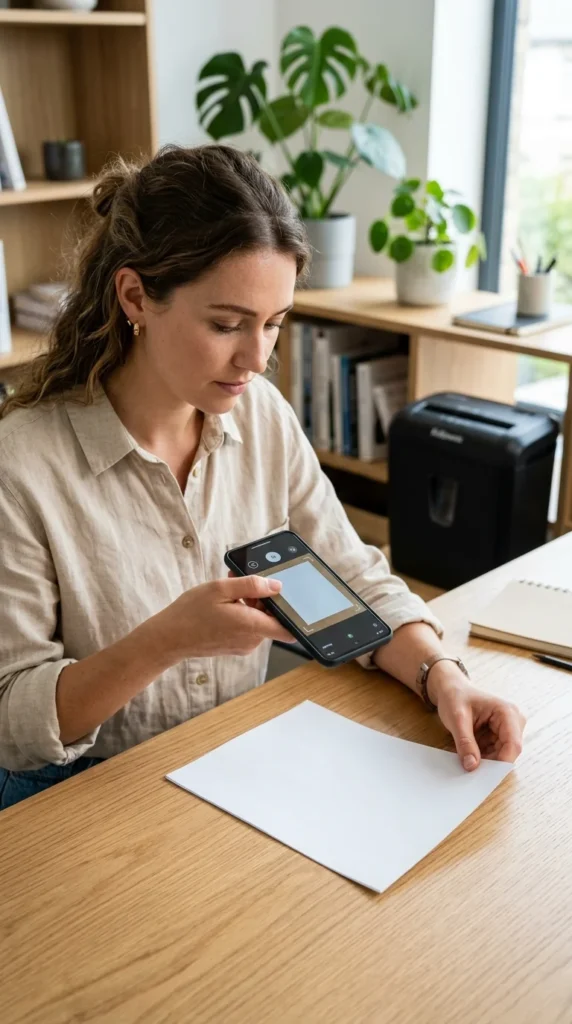
Paper clutter is the silent killer of small apartments. Mail, receipts, and documents can quickly take over counters and tables. Go paperless whenever possible for bills and bank statements. For existing papers, use a mobile scanning app to create digital copies and then shred the originals. Digital files take up zero physical space and are much easier to search through later.
17. Basket Systems
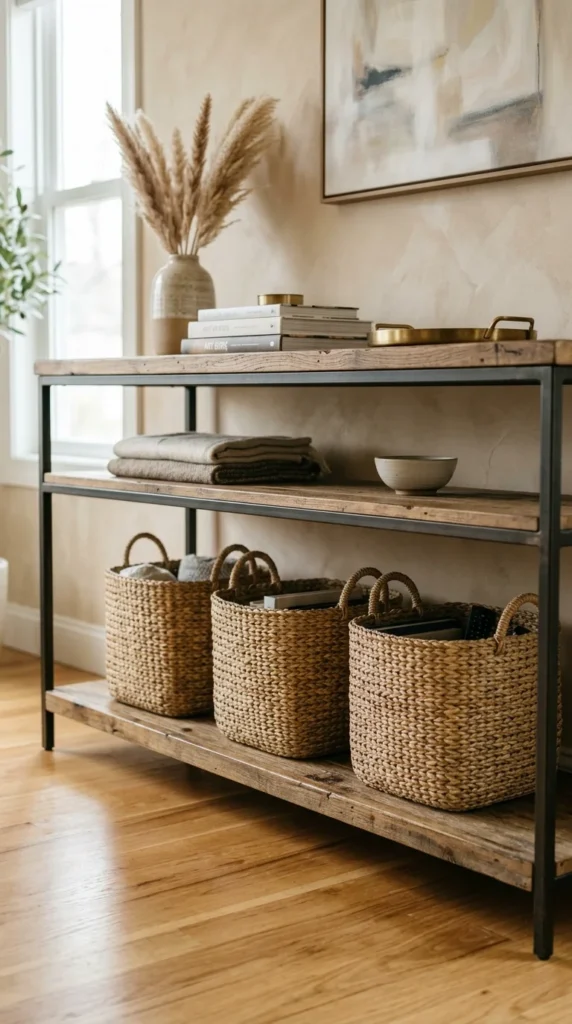
Baskets are the “magic wands” of decluttering. They allow you to “corral” related items—like remote controls, magazines, or kids’ toys—into one visually cohesive container. If you have open shelving, using a series of matching baskets can hide the varied shapes and colors of your belongings, creating a much cleaner look.
18. Seasonal Rotation
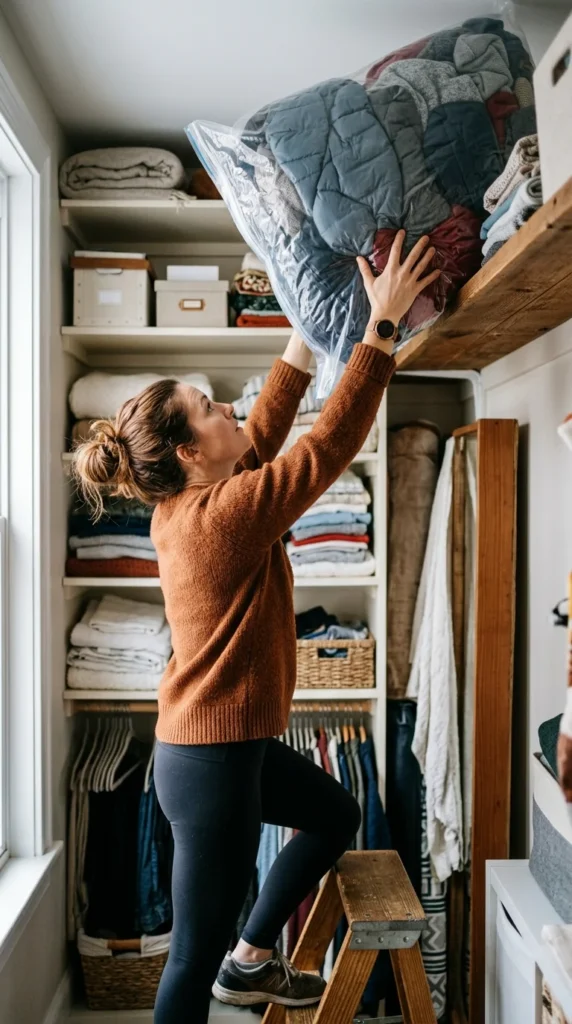
If you live in a climate with changing seasons, don’t keep your entire wardrobe in your closet year-round. Use vacuum-sealed bags to compress out-of-season clothing and store them in high cabinets or under the bed. Rotating your wardrobe twice a year ensures that your closet only contains what you actually need right now, making it much easier to stay organized.
19. Shower Caddies
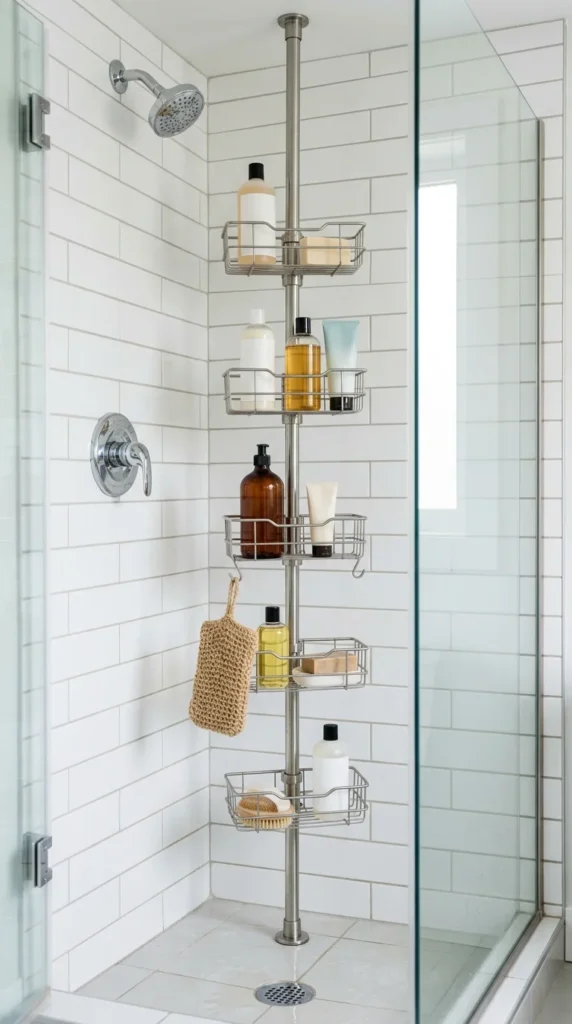
Small apartment bathrooms rarely have enough ledge space for all your products. A tension-pole shower caddy that extends from the tub to the ceiling can hold everything from shampoo to razors without cluttering the corners of the tub. By keeping bottles off the floor and ledges, you also prevent soap scum buildup, making the bathroom easier to clean.
20. The “One In, One Out” Rule
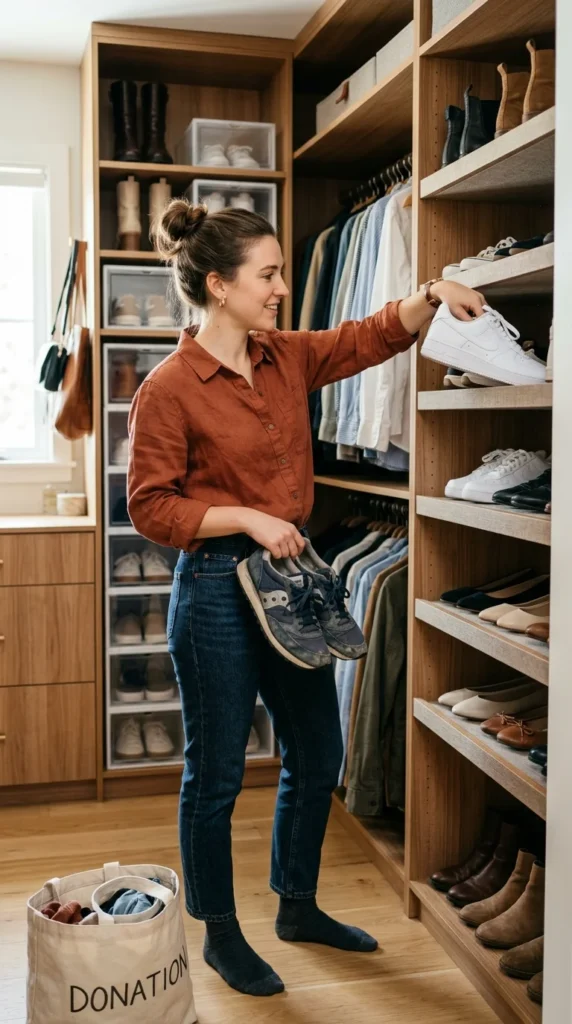
This is a lifestyle habit rather than a storage solution. For every new item you bring into your apartment—whether it’s a new shirt, a kitchen gadget, or a book—one old item must leave. This prevents the “slow creep” of clutter and forces you to be more intentional about your purchases. It’s the most effective way to maintain a decluttered space over the long term.
21. Daily Reset
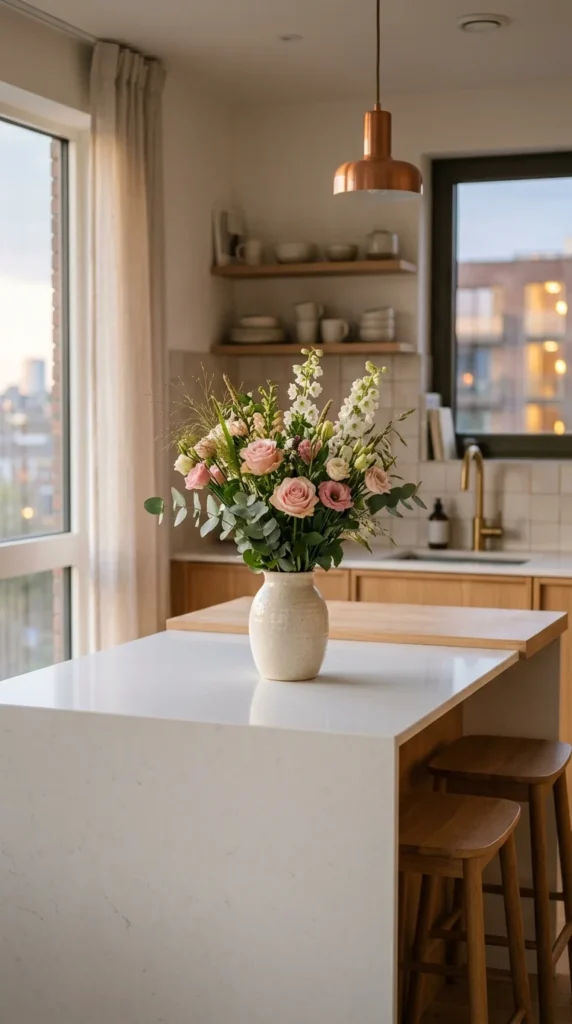
In a small space, a 10-minute mess in a large house looks like a total disaster. Incorporate a “daily reset” into your routine. Every evening, spend 10 to 15 minutes putting things back in their designated spots, clearing the kitchen counters, and fluffing the sofa pillows. Starting the next day with a clean slate prevents clutter from piling up to an overwhelming degree.