
Living in a small space doesn’t have to feel cramped or chaotic. In fact, some of the most beautiful homes in the world are modest in square footage but grand in intentionality. Minimalist decor is the secret weapon for small-space dwellers, focusing on the philosophy of “less is more” to create an environment that feels expansive, airy, and deeply restorative. By prioritizing function, light, and curated aesthetics, you can transform even the tiniest studio into a sanctuary of calm.
Here are 20 minimalist decor ideas designed to maximize your small space while maintaining a clutter-free, peaceful atmosphere.
1. Monochromatic Palettes
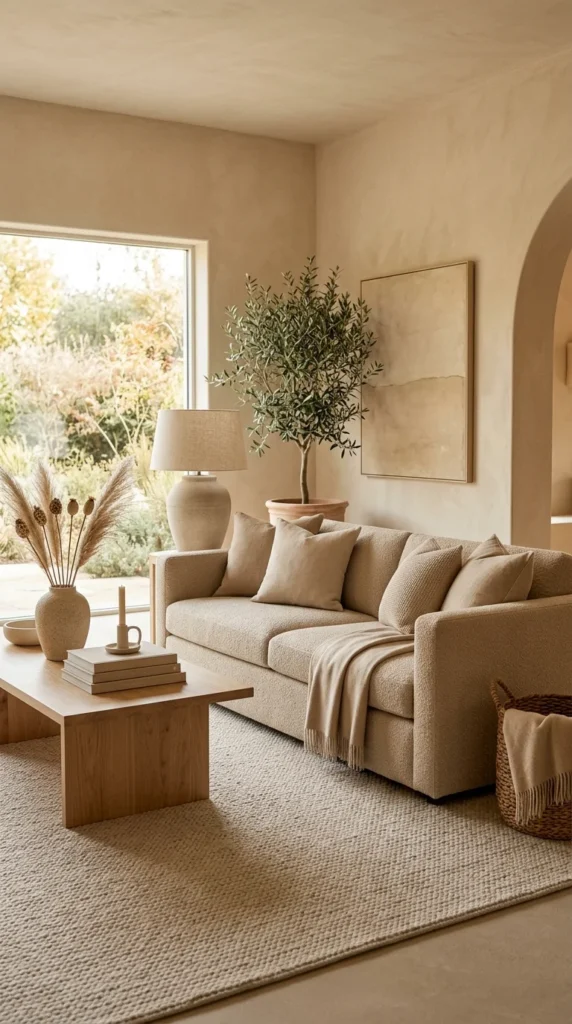
When you limit your color palette to varying shades of a single hue—typically whites, creams, or soft greys—the visual “noise” of the room drops significantly. Without harsh contrasts to break up the eye’s journey, the walls seem to recede, making the room feel much larger than its physical dimensions. This monochromatic approach creates a sense of rhythm and harmony that is inherently soothing.
2. Floating Shelves
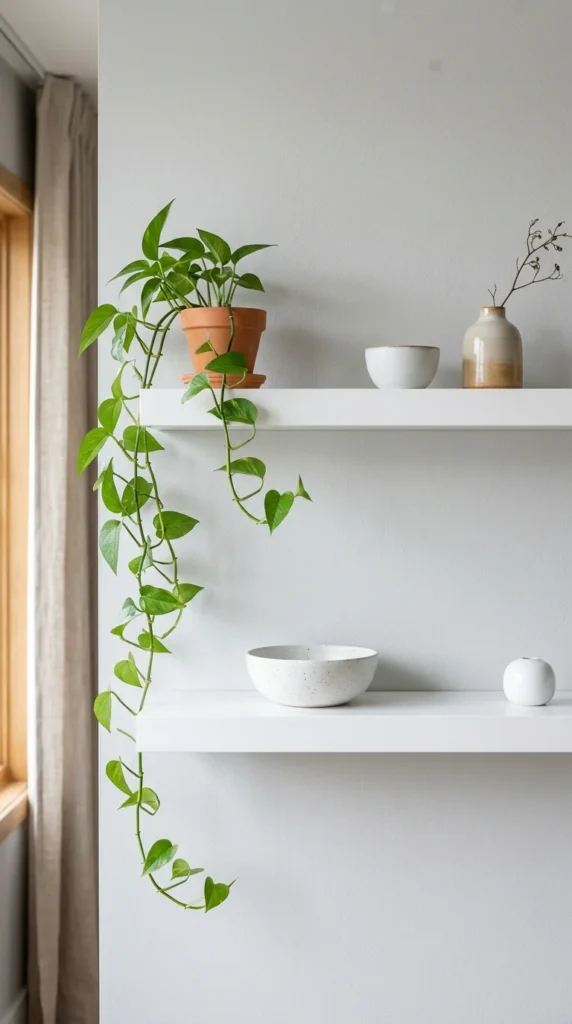
Floor space is the most precious commodity in a small home. By opting for floating shelves instead of bulky bookcases, you keep the floor clear, which instantly makes a room feel less congested. Use these shelves sparingly; the minimalist look thrives on “negative space.” Instead of packing them with books, place a few meaningful objects to create a curated, gallery-like feel.
3. Oversized Mirrors
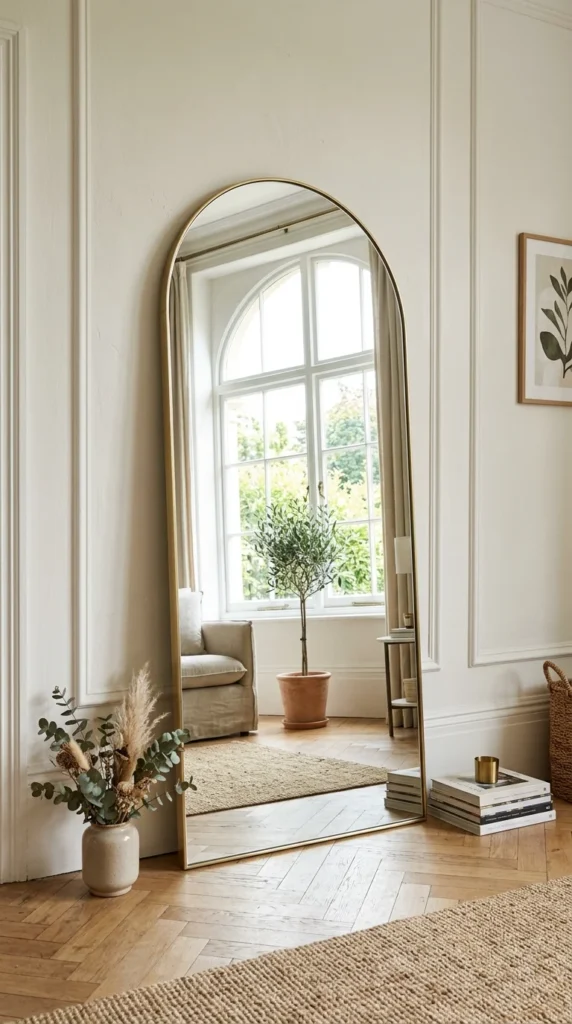
The oldest trick in the interior design book remains the most effective. A large mirror doesn’t just reflect light; it creates the illusion of a whole second room. Placing a mirror opposite a window captures the natural light and bounces it into the darker corners of the apartment, significantly boosting the “airy” factor that is essential for a calm environment.
4. Lucite Furniture
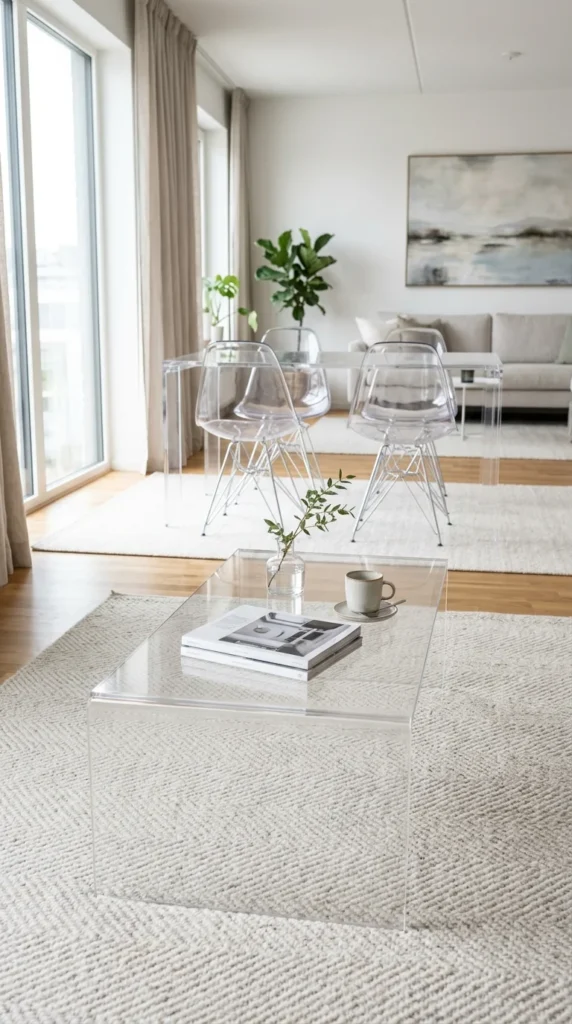
Acrylic or “ghost” furniture is a minimalist’s dream for small spaces. Because these pieces are transparent, they have zero “visual weight.” You get the functionality of a coffee table or a desk without the visual clutter of a solid block of wood or metal. This allows the eye to travel through the piece, preserving the sense of open space.
5. Multi-Functional Pieces
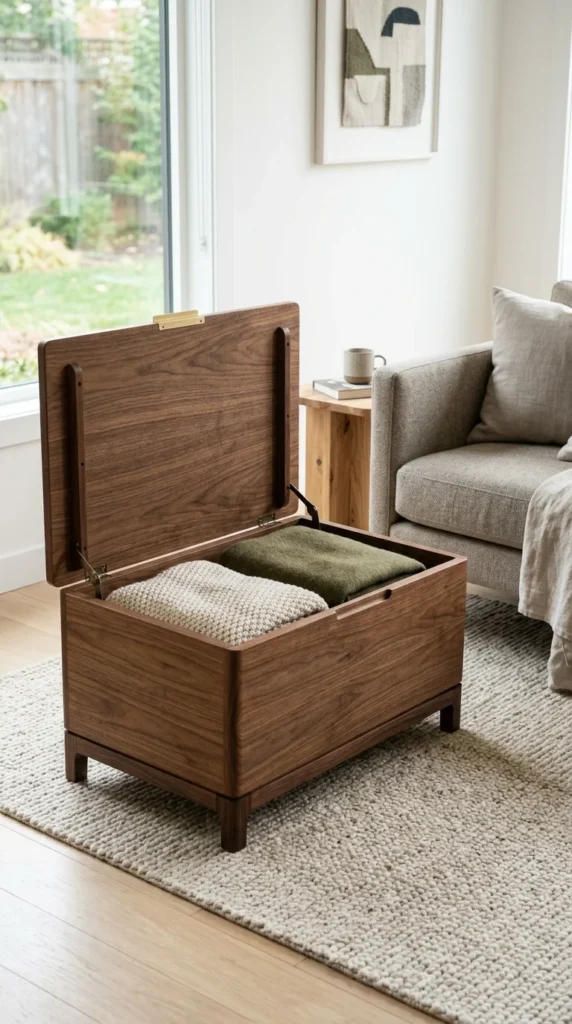
Minimalism is as much about what you hide as what you show. Furniture that serves two purposes—like a bed with built-in drawers or an ottoman that doubles as a storage chest—is vital. By tucking away seasonal items, extra linens, or electronics, you keep your visible surfaces clear and your mind at ease.
6. Neutral Textiles
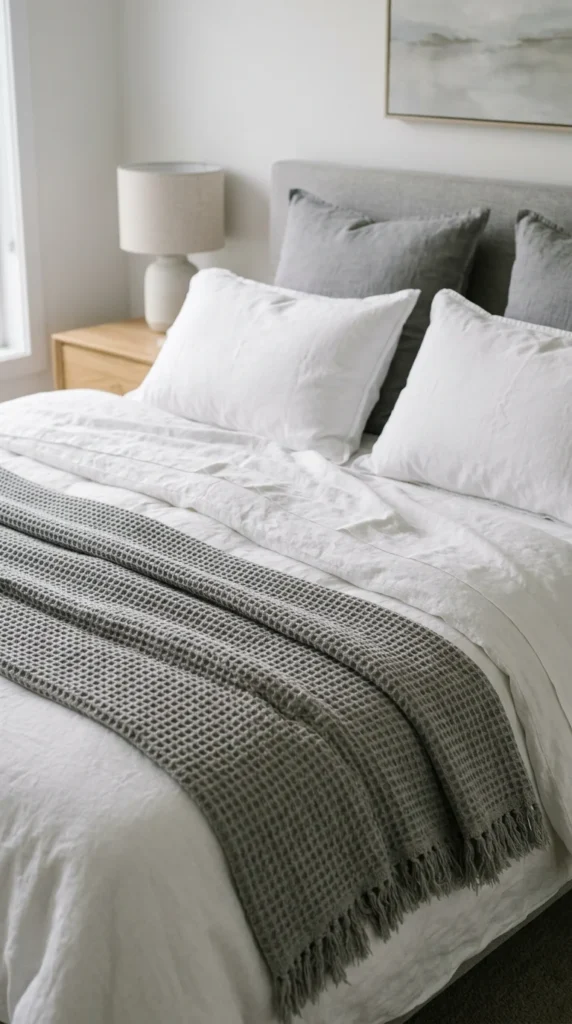
Texture is the minimalist’s way of adding warmth without adding clutter. Instead of bright patterns that can feel overwhelming in a small space, use natural textiles like linen, wool, and organic cotton in neutral tones. These materials add a tactile richness to the room, making it feel cozy and lived-in rather than sterile, all while keeping the visual landscape quiet.
7. Wall-Mounted Desks
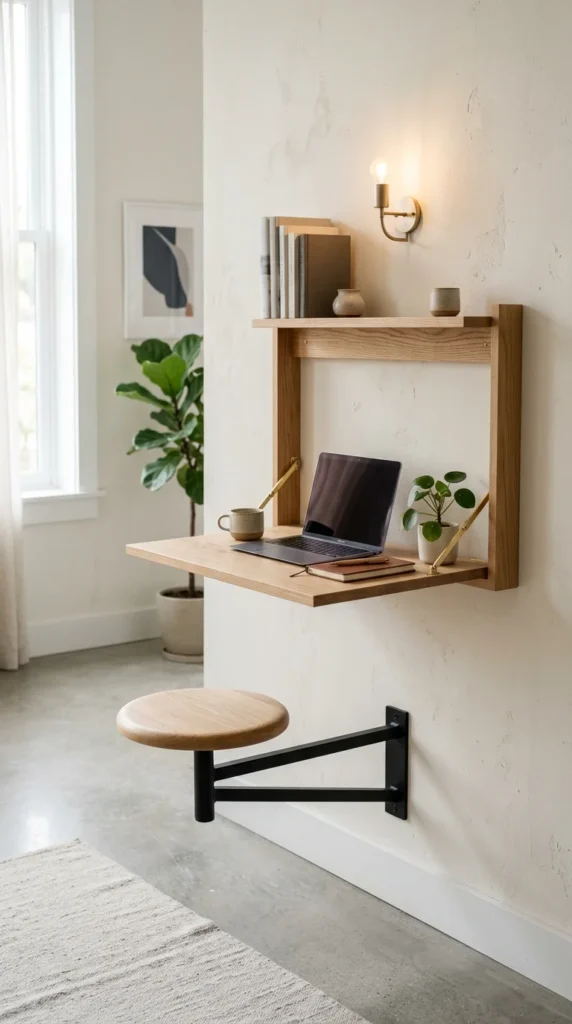
For those working from home in a small space, a traditional desk can dominate a room. A wall-mounted or “floating” desk provides a dedicated workspace that can often be folded away or simply takes up less visual real estate. Keeping the area under the desk clear allows the floor to continue to the wall, maintaining the illusion of a larger room.
8. Statement Lighting
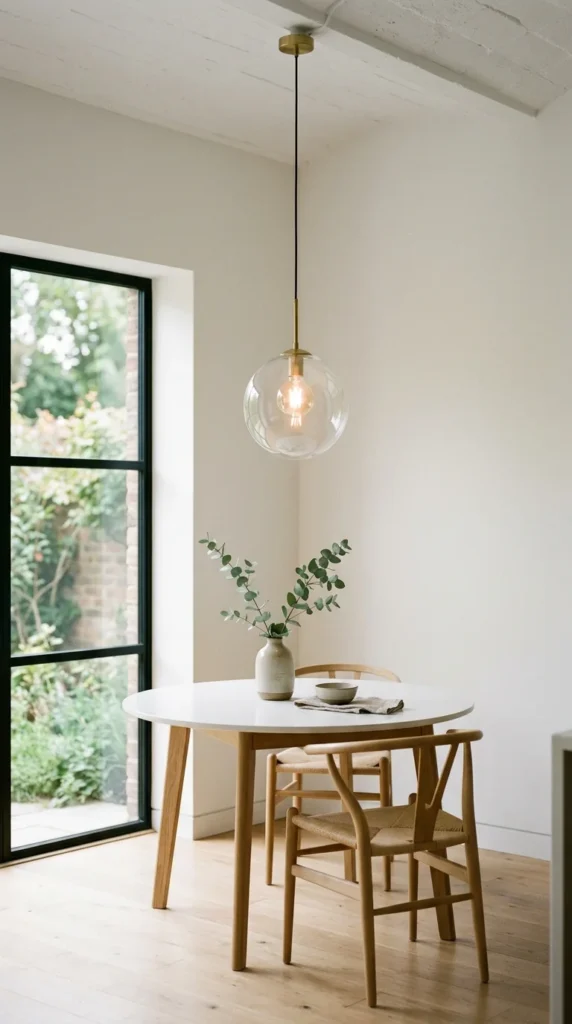
Instead of several small lamps that clutter surfaces, opt for one or two striking light fixtures. A well-placed pendant light or a sleek floor lamp can act as a piece of art while providing necessary illumination. In small spaces, lighting should be warm and diffused to avoid harsh shadows that can make a room feel “closed in.”
9. Hidden Storage
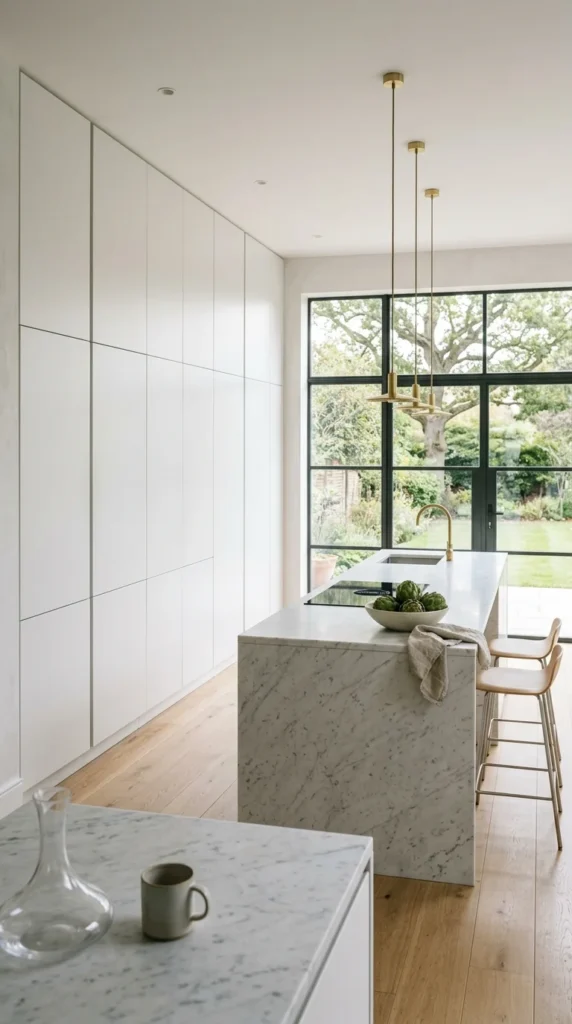
The hallmark of a calm home is the absence of visual clutter. Floor-to-ceiling cabinetry that matches the wall color can “disappear” into the architecture of the room. This provides massive amounts of storage for everything from vacuum cleaners to kitchen gadgets, ensuring that the only things on display are the items you truly love.
10. Low-Profile Furniture
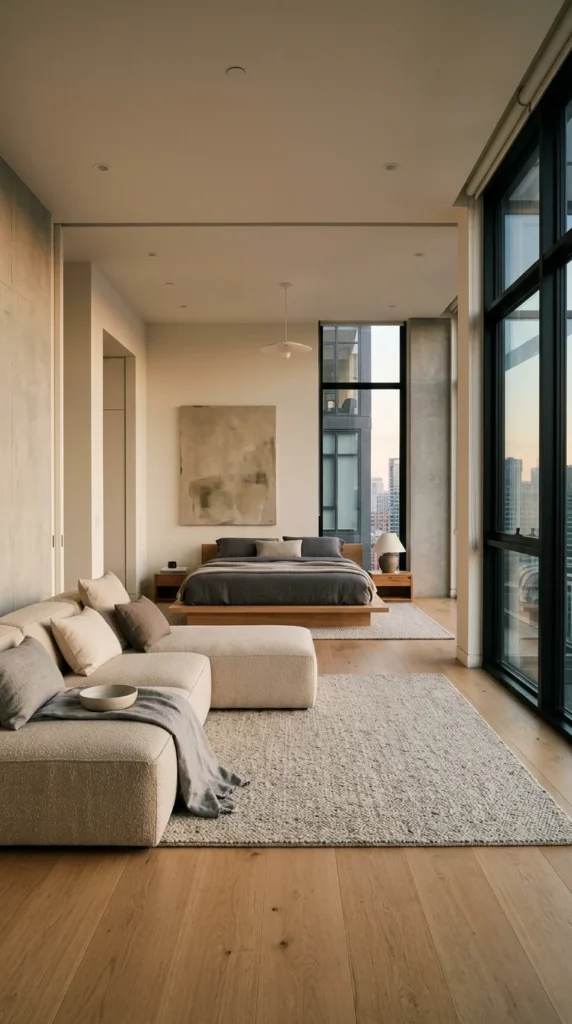
Furniture that sits low to the ground leaves more space between the top of the piece and the ceiling. This creates a vertical openness that makes the ceiling feel higher. A platform bed or a low-slung sofa keeps the line of sight clear across the room, preventing the furniture from feeling like a series of obstacles.
11. Natural Materials
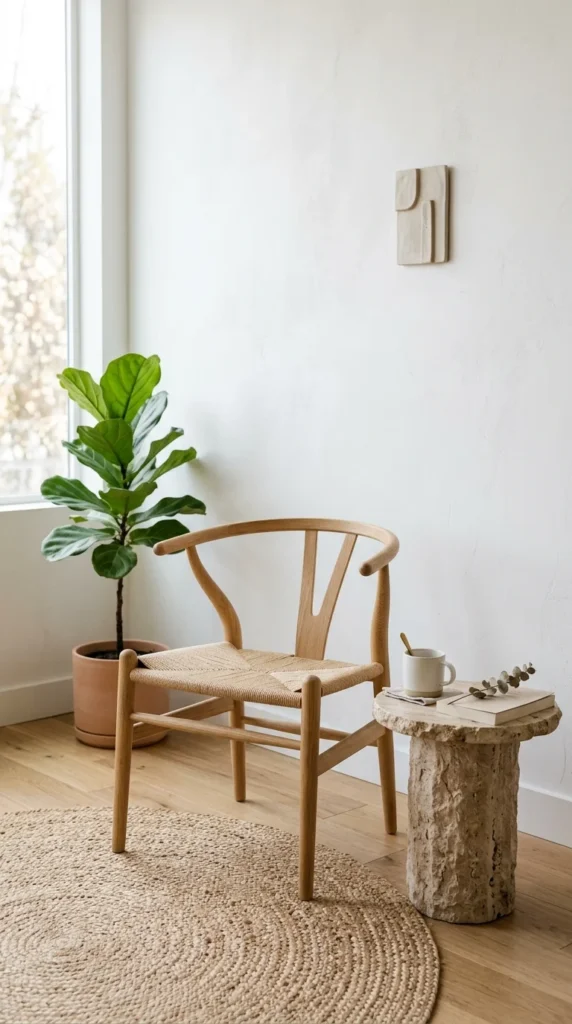
Minimalism can sometimes feel cold. To counter this, introduce natural elements like raw wood, stone, and woven fibers. These materials ground the space and bring a sense of the outdoors in. The organic textures provide enough visual interest that you don’t need excessive decor or knick-knacks to make the room feel “finished.”
12. Vertical Gardens
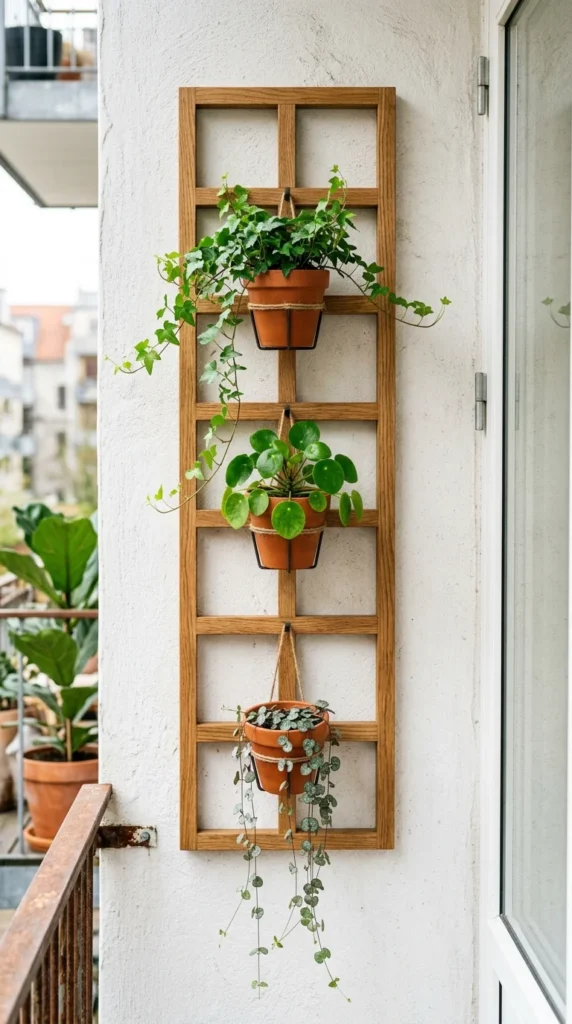
Plants are essential for a calm home, but pots scattered on every surface can quickly feel like clutter. By moving your greenery to the walls or hanging them from the ceiling, you add life and color without sacrificing your surfaces. One large, healthy plant often looks more minimalist and intentional than five small, mismatched ones.
13. Curated Art
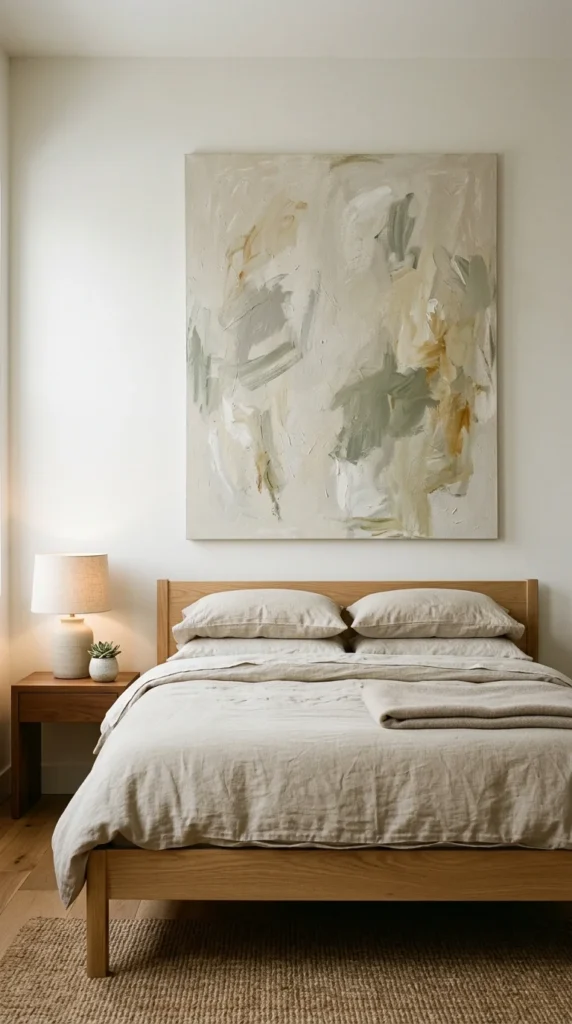
Rather than a “gallery wall” with dozens of small frames—which can look busy in a tight space—choose one large-scale piece of art. A single, meaningful work creates a sophisticated focal point and gives the eye a place to rest. It makes a bold statement while keeping the rest of the walls clean and “breathable.”
14. Sheer Curtains
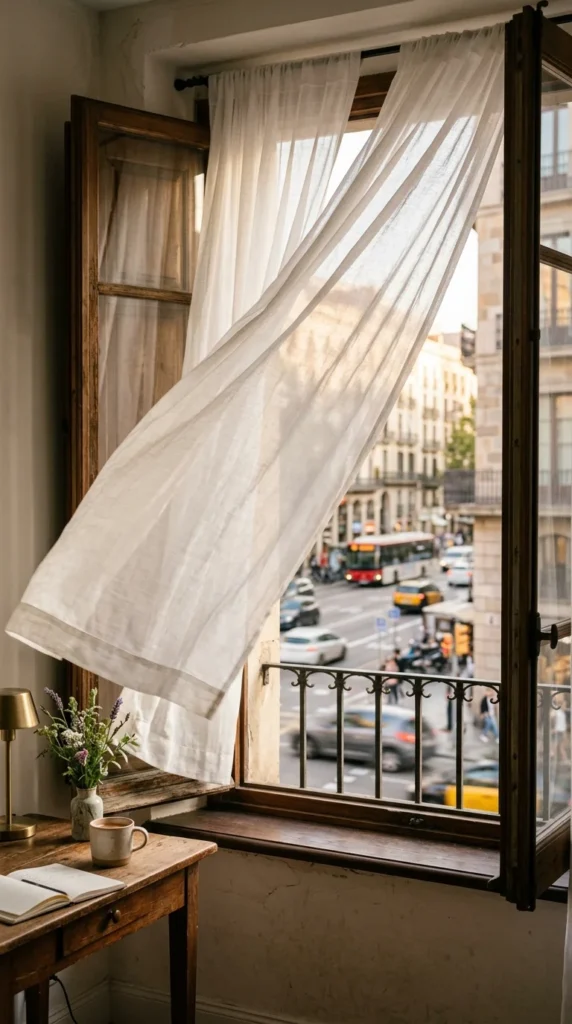
Heavy drapes can swallow a small room. Sheer curtains, on the other hand, provide privacy while allowing the maximum amount of natural light to filter in. They add a soft, ethereal quality to the space, blurring the boundaries between the indoors and the outdoors and making the room feel much more expansive.
15. Unified Flooring
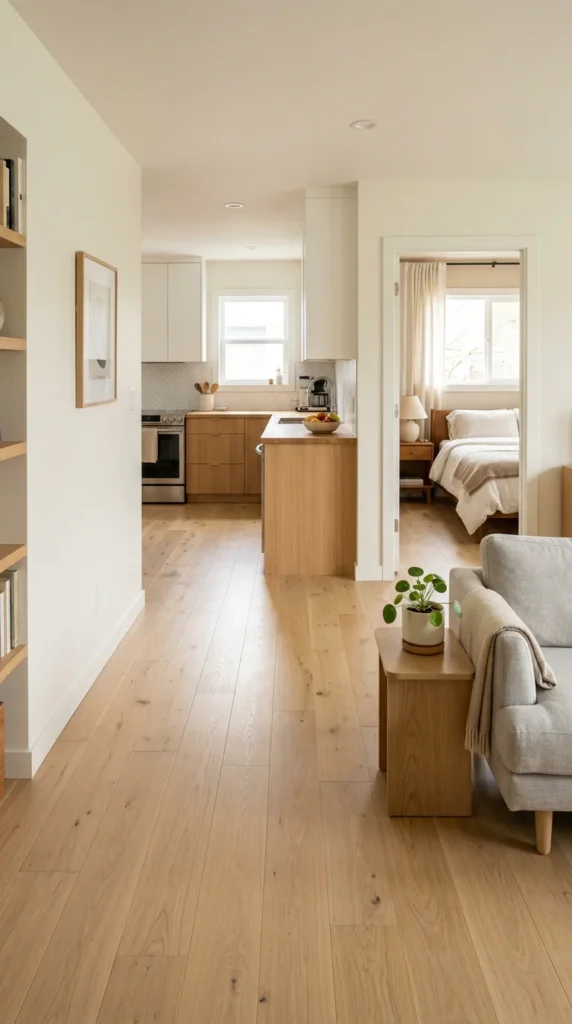
If you have a small apartment with multiple “zones,” try to keep the flooring consistent throughout. Using the same material and color from the kitchen to the living area prevents the space from being visually chopped up. If you must use rugs, choose large ones that fit the entire seating area rather than small “postage stamp” rugs that break up the floor.
16. Negative Space
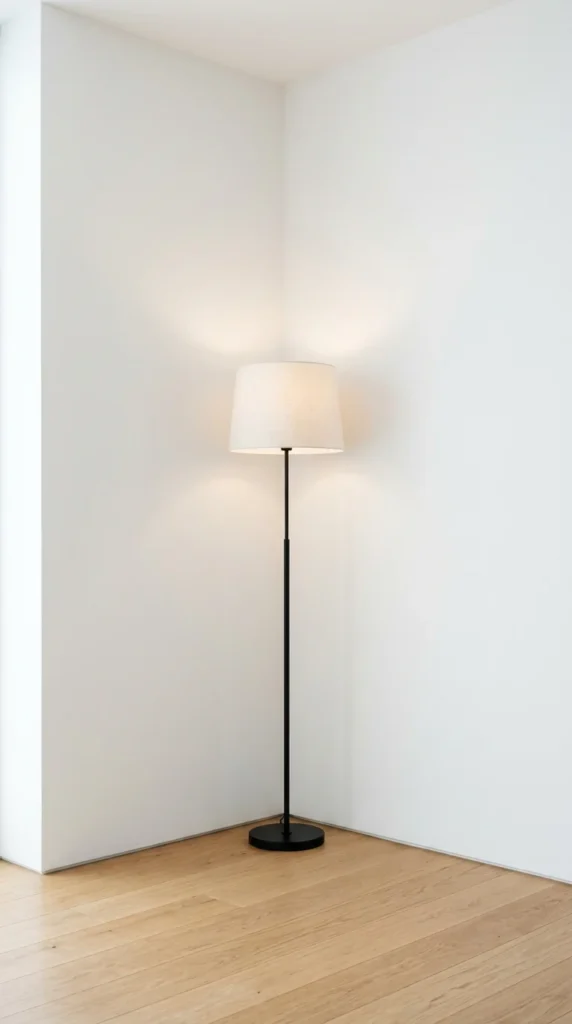
In minimalist design, the empty space is just as important as the furniture. Don’t feel the need to fill every corner. Leaving a wall blank or a corner empty allows the room to “breathe.” This openness is the key to creating a home that feels calm and restorative rather than packed and overwhelming.
17. Uniform Containers
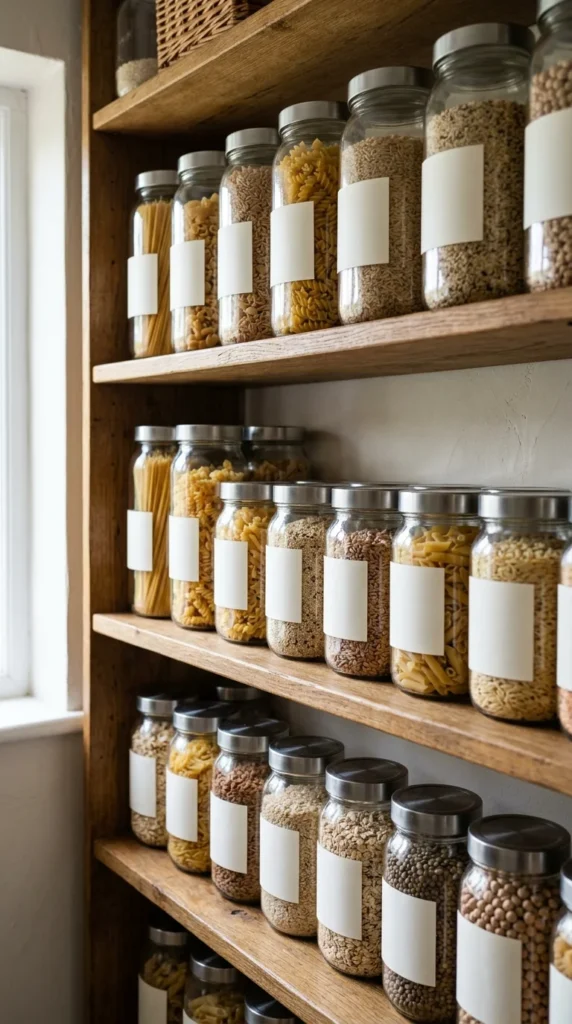
Visual clutter often comes from the “noise” of retail packaging. By decanting your kitchen staples, bathroom supplies, or office goods into uniform glass or ceramic containers, you create a sense of order. This small step reduces the amount of text and color your brain has to process every time you open a cupboard.
18. Sliding Doors
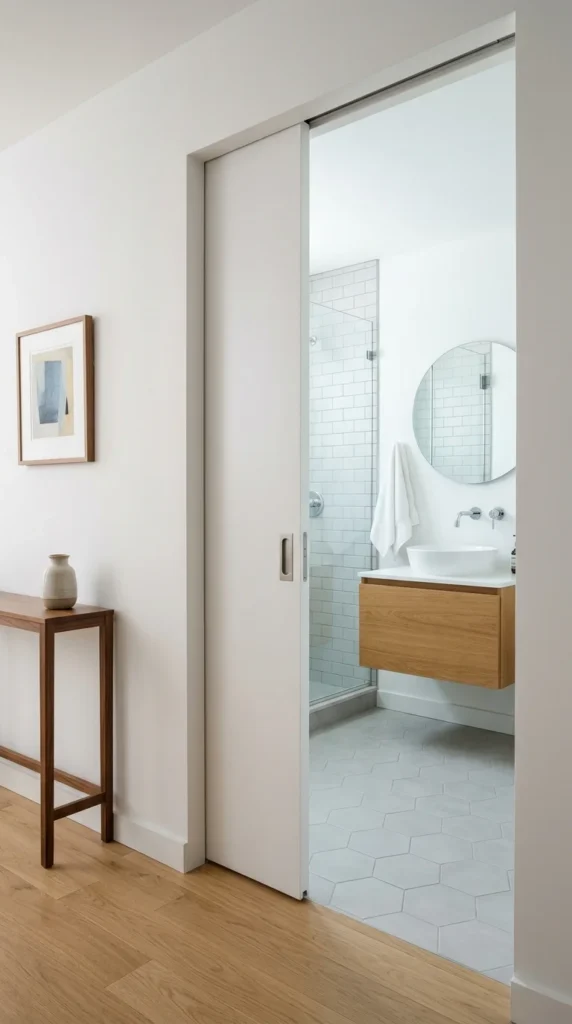
Standard doors require a “swing zone” that can render several square feet of a room unusable. Sliding doors or pocket doors are excellent minimalist solutions. They provide a clean, architectural look and allow you to place furniture closer to the doorway without obstruction.
19. Under-Bed Storage
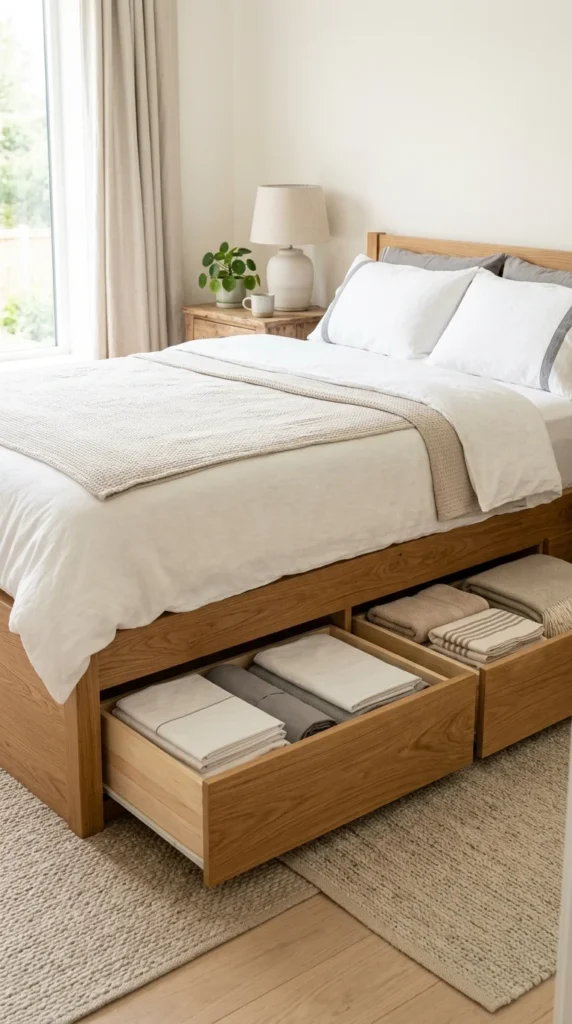
The area under the bed is often wasted space. Using streamlined, built-in drawers or low-profile bins that match the bed frame allows you to store items out of sight. This is the perfect place for off-season clothing or extra pillows, ensuring that your closet stays organized and your room remains peaceful.
20. Intentional Surfaces
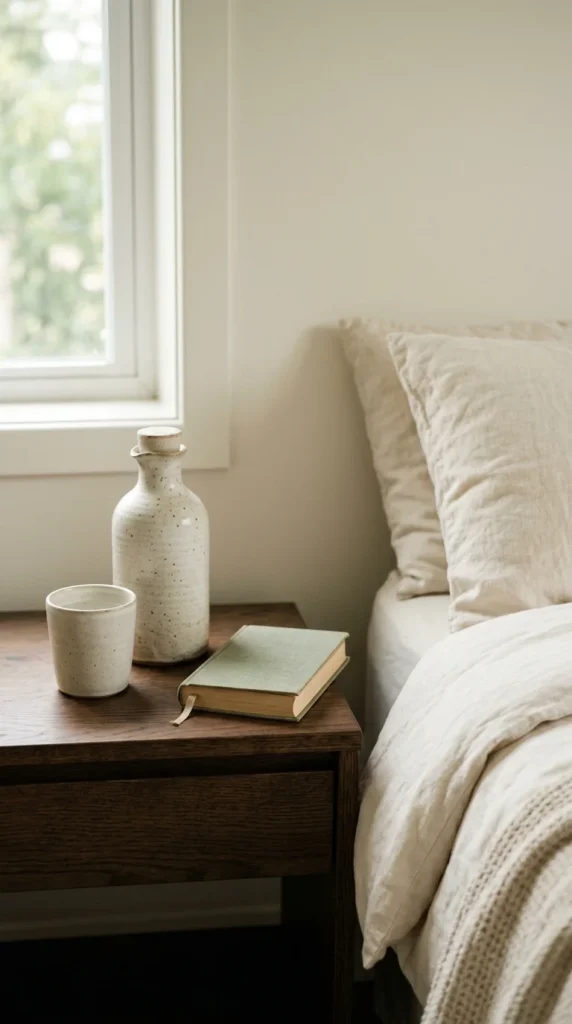
Finally, practice the “flat surface rule.” Keep your tables, countertops, and desks as clear as possible. Only place items on them that are either used daily or bring you immense joy. By keeping your surfaces clear, you create an environment that is always ready for use and perpetually free of the “pile-up” that causes stress in small living quarters.