
Living in a compact space doesn’t mean you have to compromise on elegance or functionality. In fact, small-scale living often inspires the most creative design solutions. The secret lies in “editing” your environment—choosing pieces that serve dual purposes, play with light, and utilize every square inch of vertical and horizontal real estate. Whether you’re in a studio apartment or a cozy cottage, these 23 modern decor ideas will help you transform your home into a stylish sanctuary that feels twice its actual size.
1. Acrylic Furniture
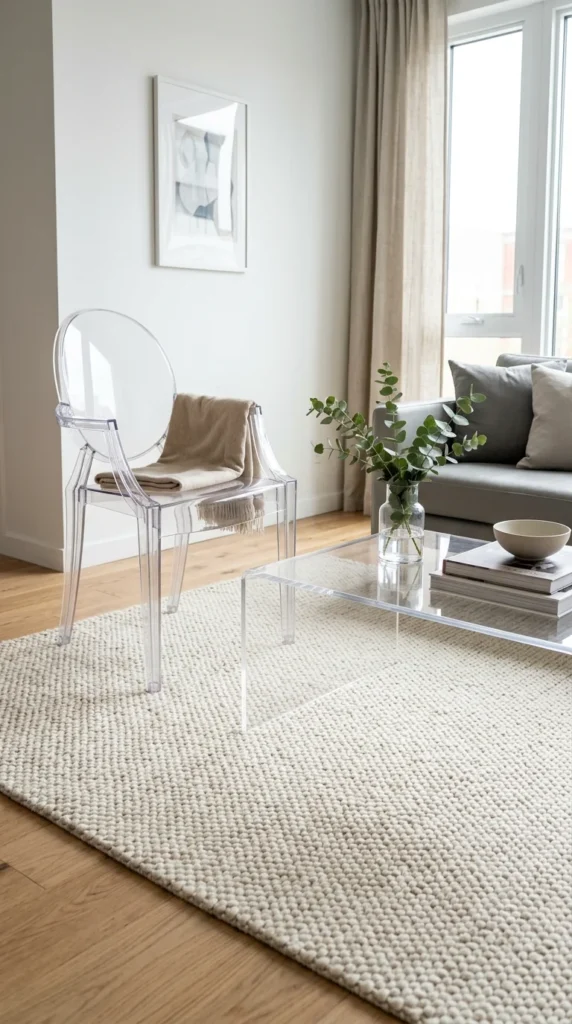
Transparent furniture, often referred to as “ghost” furniture, is a game-changer for small interiors. Because pieces made of acrylic or lucite are see-through, they don’t take up any “visual weight.” You get the functionality of a coffee table or a dining chair without the clutter that a solid wooden piece would create. It’s a sleek, mid-century modern trick that keeps the sightlines of your room completely open.
2. Vertical Shelving
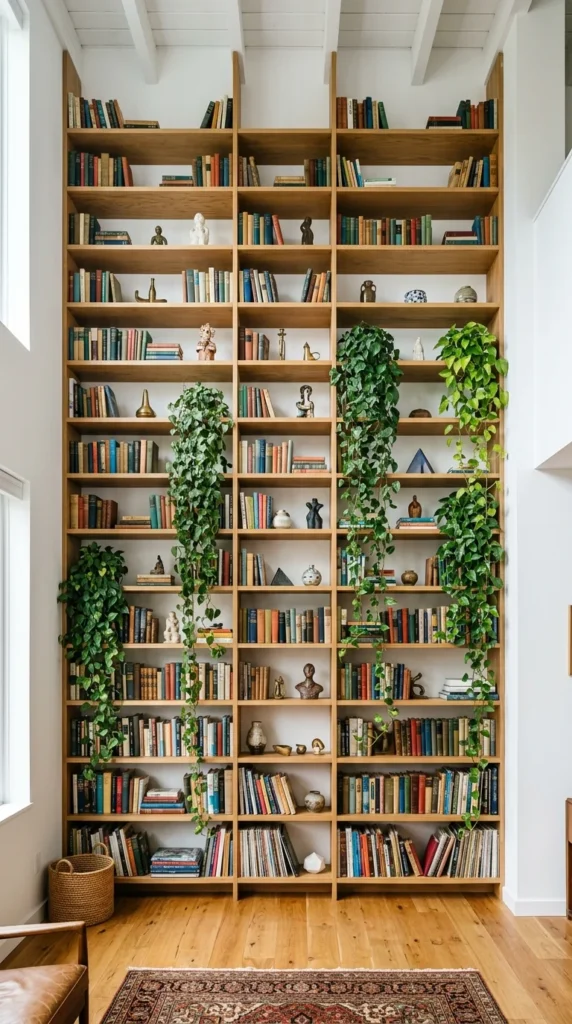
When you run out of floor space, look up. Vertical shelving units allow you to store books, decor, and essentials while drawing the eye toward the ceiling. This vertical movement makes a room feel taller than it actually is. Opt for “ladder” style shelves or thin metal frames to maintain a modern, airy aesthetic while maximizing your storage potential.
3. Oversized Mirrors
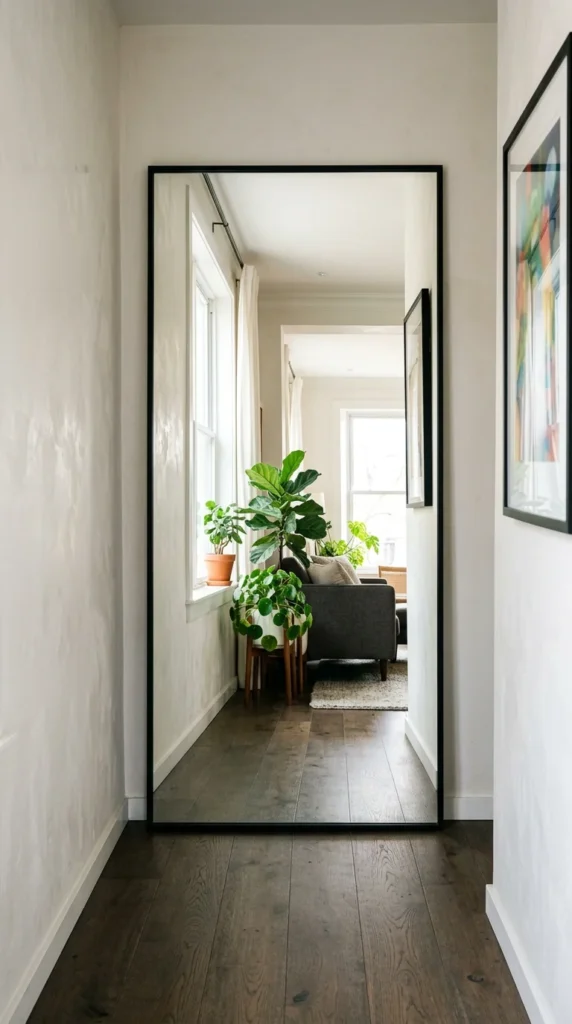
Mirrors are the oldest trick in the interior design book for a reason: they work. A large floor-to-ceiling mirror or a strategically placed wall mirror reflects both natural and artificial light, instantly brightening a dark corner. More importantly, it creates an optical illusion of depth, making it feel as though there is another room beyond the wall.
4. Multi-functional Ottomans
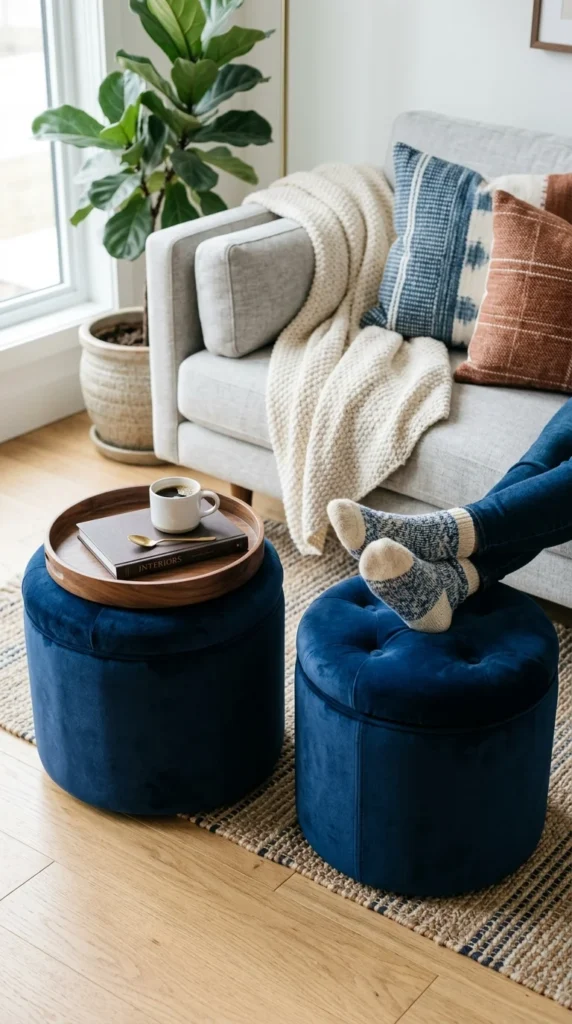
In a small home, every piece of furniture must earn its keep. A storage ottoman can serve as a footrest, extra seating for guests, and a coffee table when topped with a sturdy tray. Inside, you can tuck away blankets, remote controls, or board games, keeping your living area free of surface-level clutter.
5. Neutral Palettes
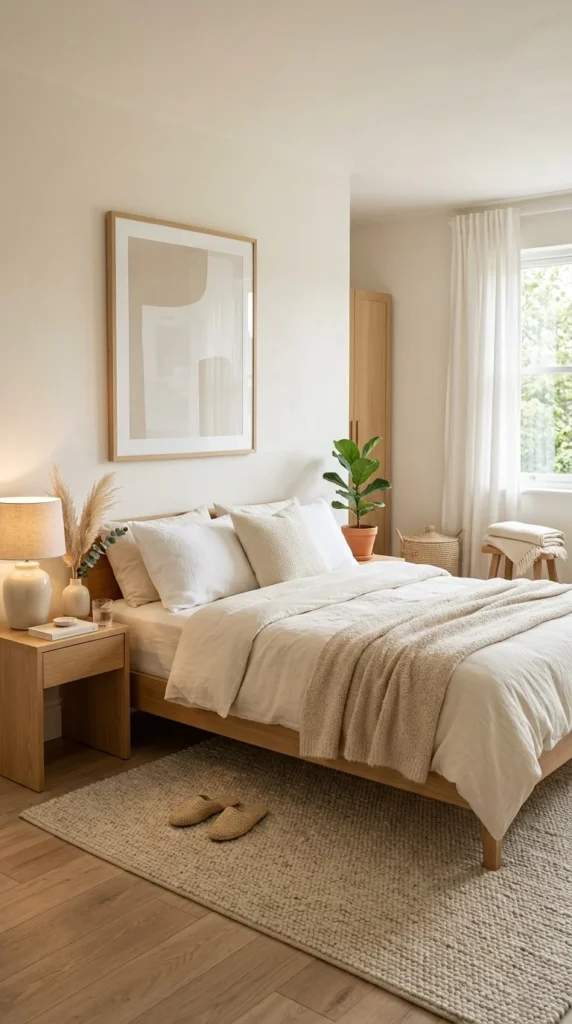
Light colors reflect light, while dark colors absorb it. To make a small home feel expansive, stick to a palette of whites, creams, soft grays, and pale wood tones. This doesn’t mean your home has to be boring; you can introduce texture through linens, wool rugs, and stone accents to add depth without the “closing-in” effect of dark paint.
6. Floating Desks
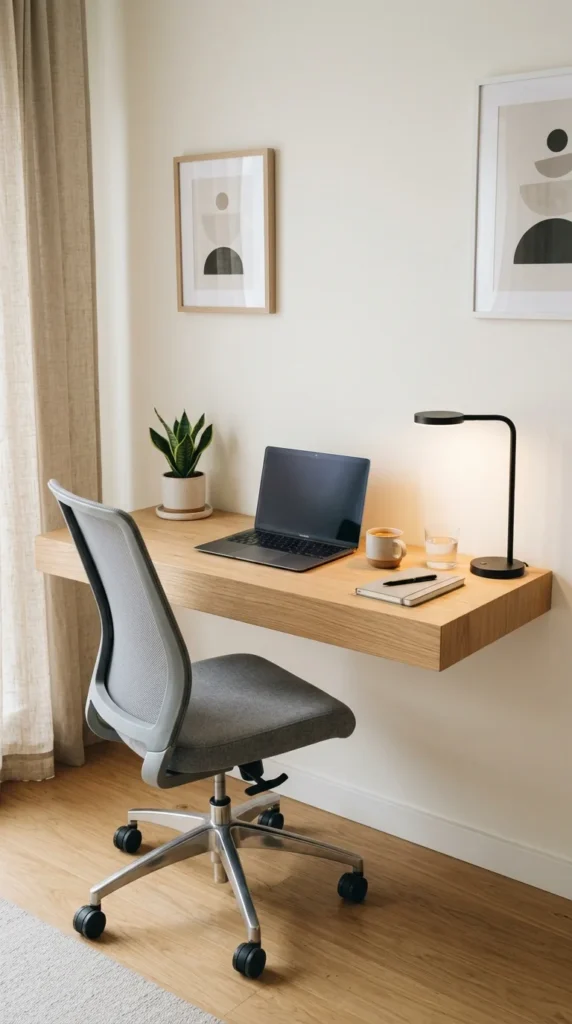
With the rise of remote work, a home office is a must, but a bulky desk can dominate a small room. A wall-mounted floating desk eliminates the need for bulky legs, leaving the floor space underneath clear. This creates a “breathable” look and allows you to slide a chair or a small storage bin completely out of the way when you’re finished working.
7. Statement Lighting
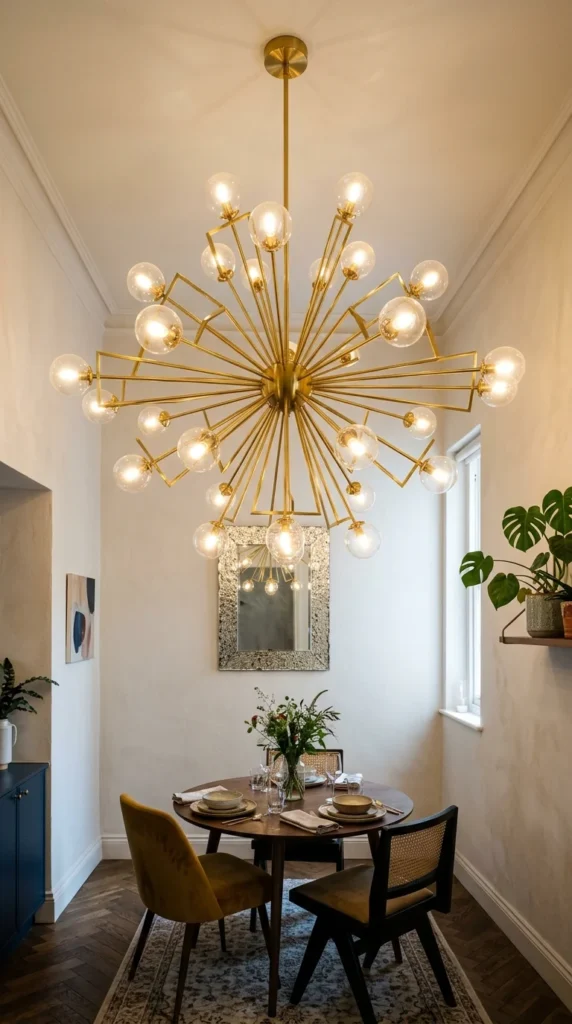
Instead of cluttering your surfaces with many small lamps, opt for one bold, sculptural ceiling fixture. High-impact lighting acts as a piece of art. By drawing the eye upward to a beautiful chandelier or a modern pendant, you emphasize the height of the room and create a sophisticated focal point that defines the space.
8. Under-Bed Storage
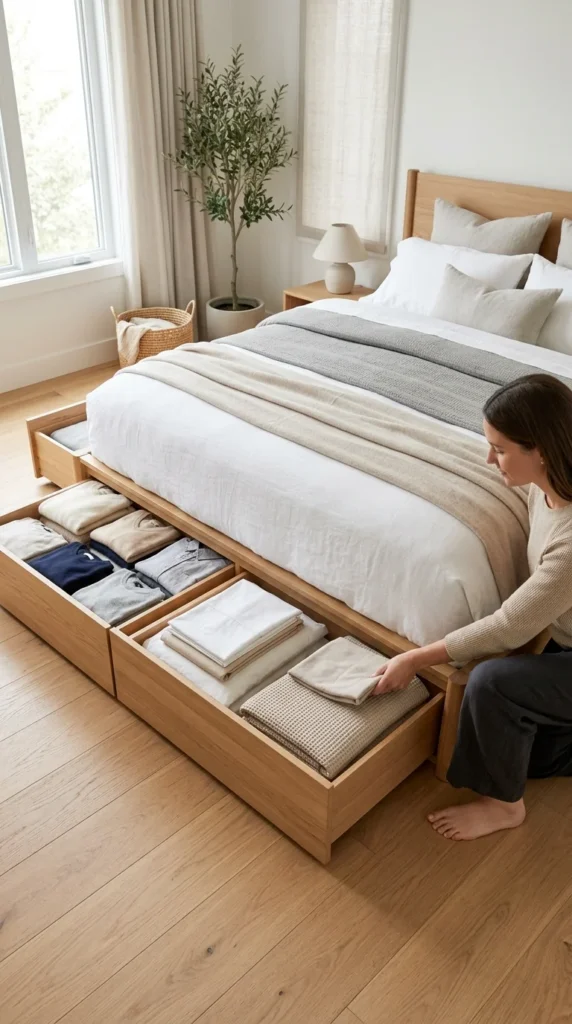
The space under your bed is prime real estate. Instead of letting dust bunnies collect, use it for seasonal clothing, extra linens, or shoes. Look for bed frames with built-in drawers for a seamless look, or use sleek, matching bins that slide easily underneath. This keeps your closet from overflowing and maintains a clean, minimalist bedroom.
9. Large Rugs
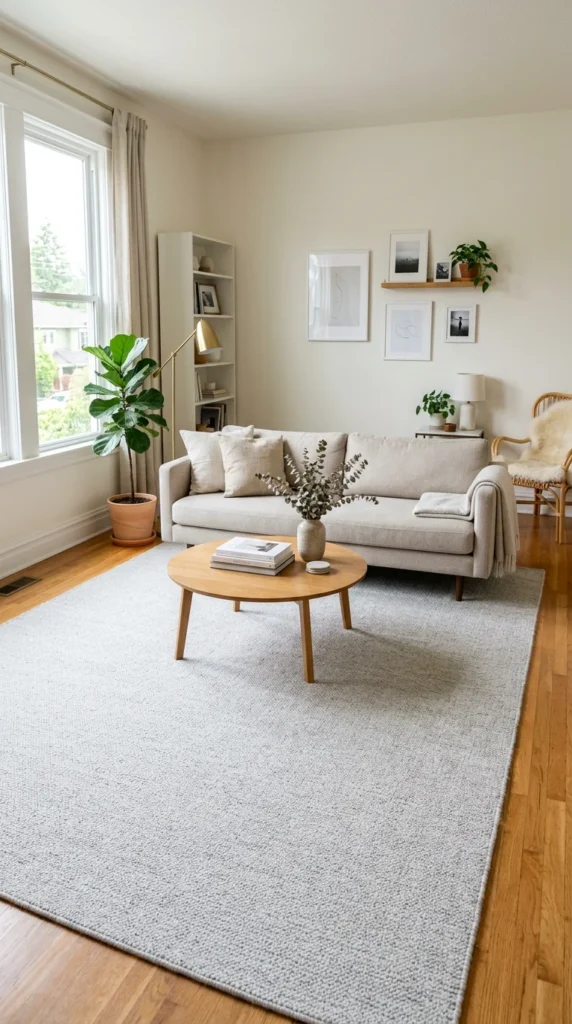
It might seem counterintuitive, but a small rug makes a small room look even smaller by “chopping up” the floor. A large area rug that extends under all your furniture pieces creates a sense of continuity. It defines the “zone” of the room and makes the floor space feel expansive and unified rather than fragmented.
10. Indoor Greenery
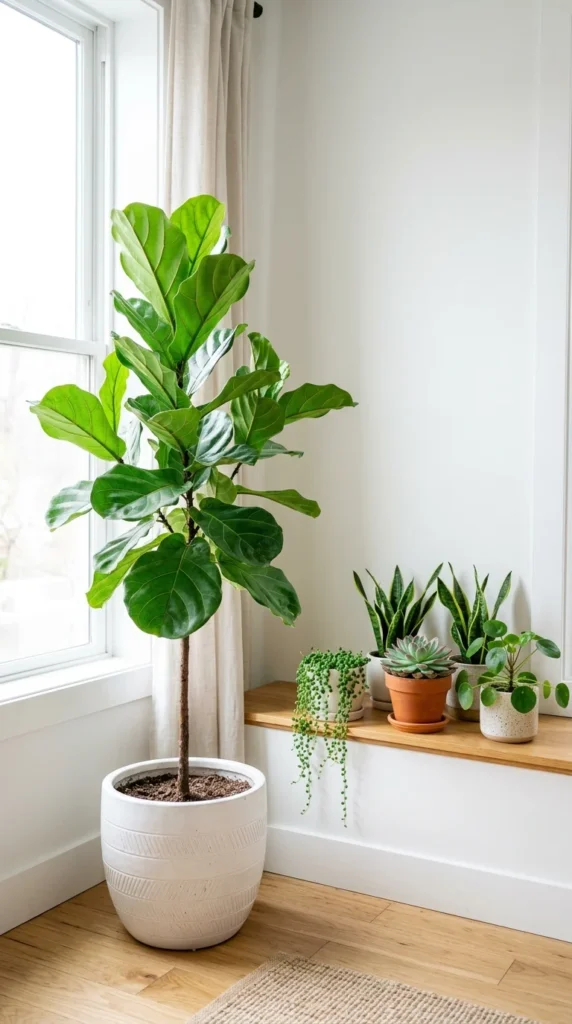
Plants bring life and texture to a room without requiring a lot of square footage. Use tall, slender plants like a Snake Plant or a Fiddle Leaf Fig to fill empty corners. Hanging planters or wall-mounted pots are also excellent ways to add greenery without taking up any precious table or floor space.
11. High-Hung Curtains
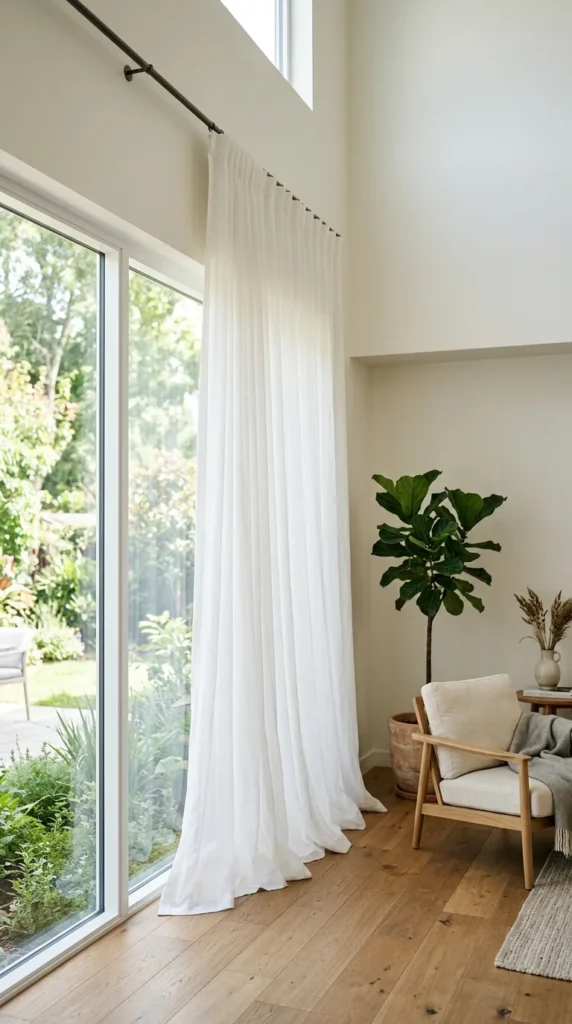
To make your windows look larger and your ceilings higher, hang your curtain rods close to the ceiling rather than right above the window frame. Let the fabric flow all the way to the floor. This vertical line draws the eye upward and creates a grand, airy feel that mimics the look of a high-end loft.
12. Nested Tables
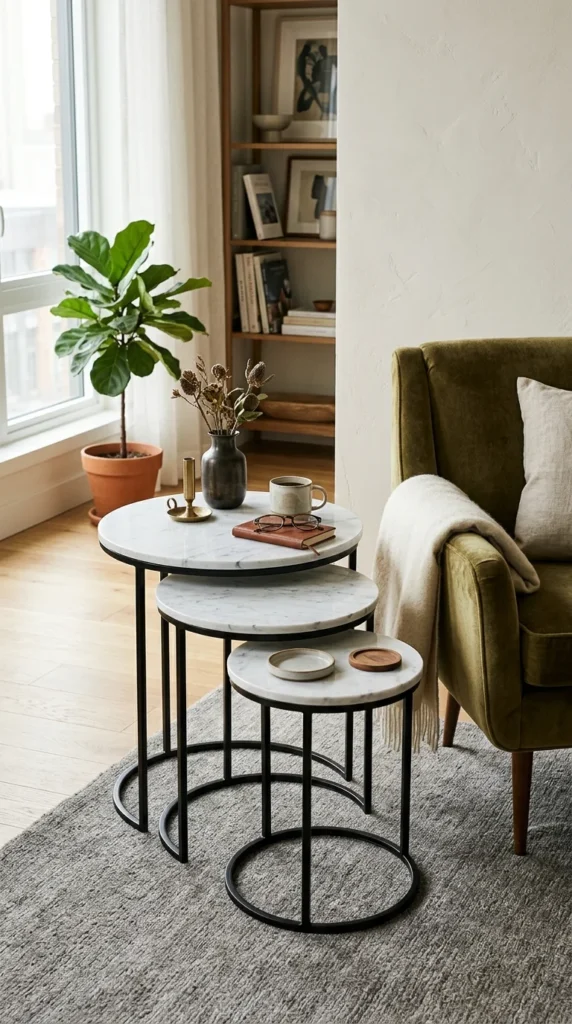
Nesting tables are the ultimate space-saving furniture. They provide multiple surfaces when you have guests over for drinks or snacks, but they can be tucked away into a single footprint when not in use. This flexibility is essential for narrow living rooms where permanent side tables would block traffic flow.
13. Sliding Doors
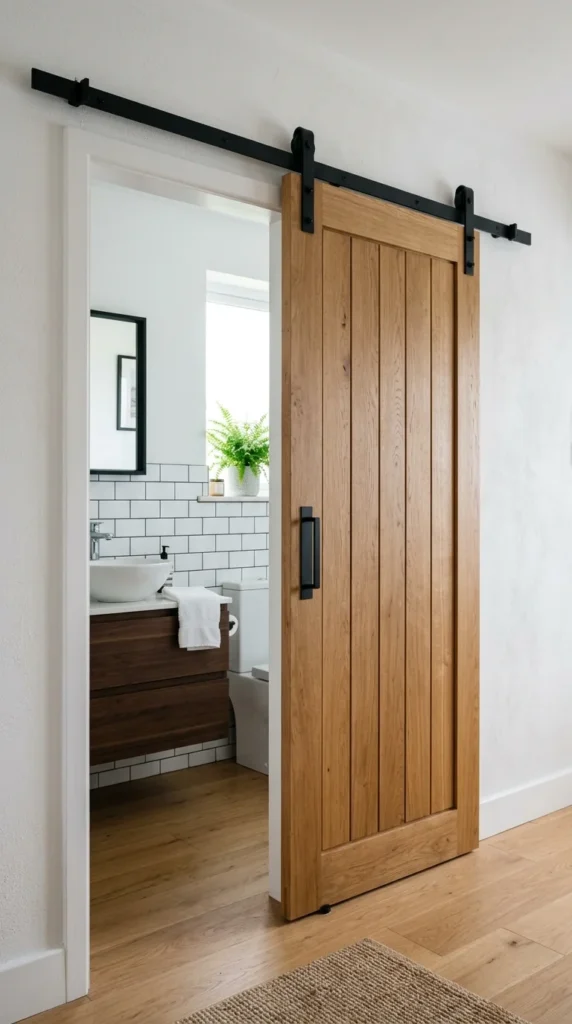
Standard swinging doors require a “clearance zone” that often goes to waste. Replacing traditional doors with sliding barn doors or pocket doors saves significant floor space. This allows you to place furniture closer to the doorway and gives the home a modern, architectural edge.
14. Gallery Walls
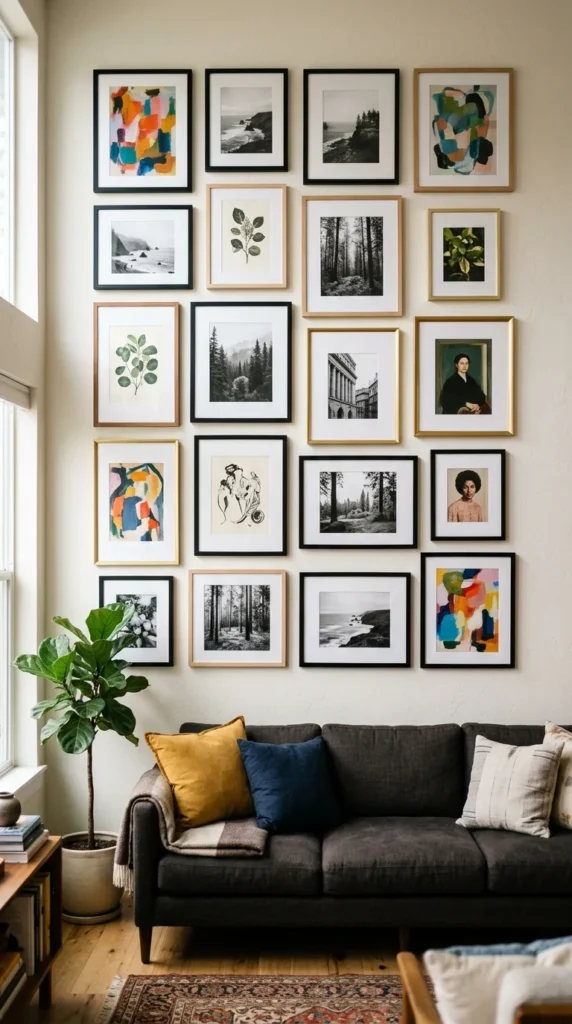
Decorating a small space is all about personality. A gallery wall allows you to display art and memories without taking up any floor space. By extending the gallery wall high up toward the ceiling, you emphasize the verticality of the room. Keep the frames consistent in color for a modern, cohesive look.
15. Glass Dividers
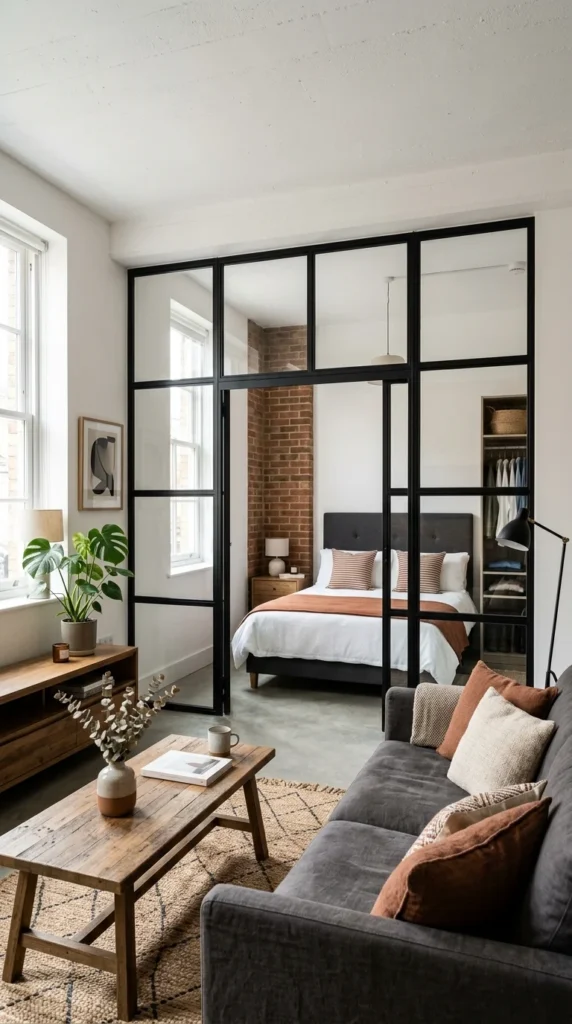
If you need to divide a studio or a large room into sections, avoid solid walls or heavy screens. Glass partitions or “Crittall” style steel-framed glass walls provide a physical barrier while allowing light to pass through. This keeps the entire home feeling like one continuous, bright space while offering a sense of privacy.
16. Murphy Beds
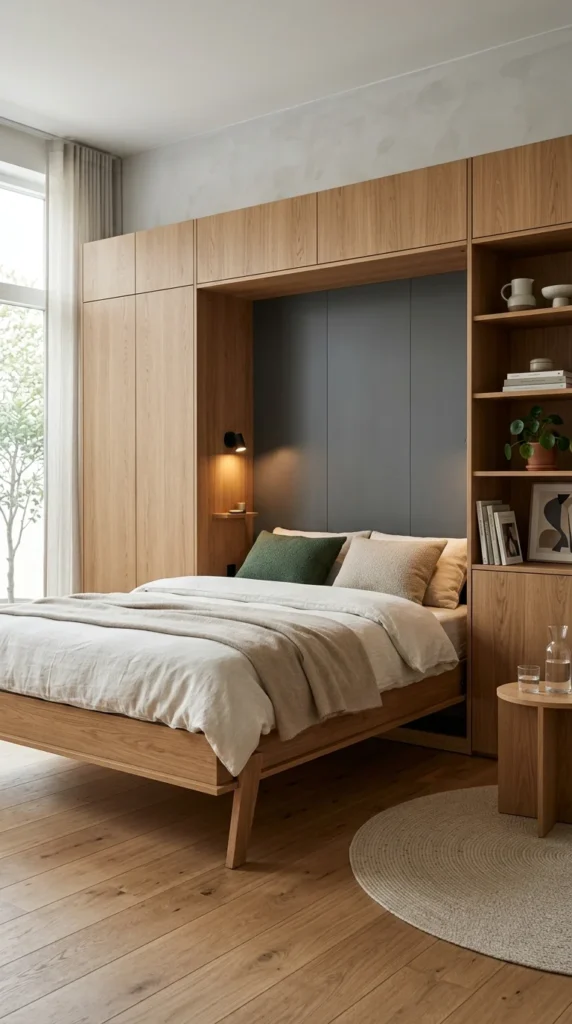
The modern Murphy bed has come a long way. Today’s designs are sleek and often integrated into beautiful cabinetry or shelving units. This is the ultimate solution for a multi-purpose guest room or a studio apartment, allowing you to transform a bedroom into a spacious living area or home office in seconds.
17. Corner Nooks
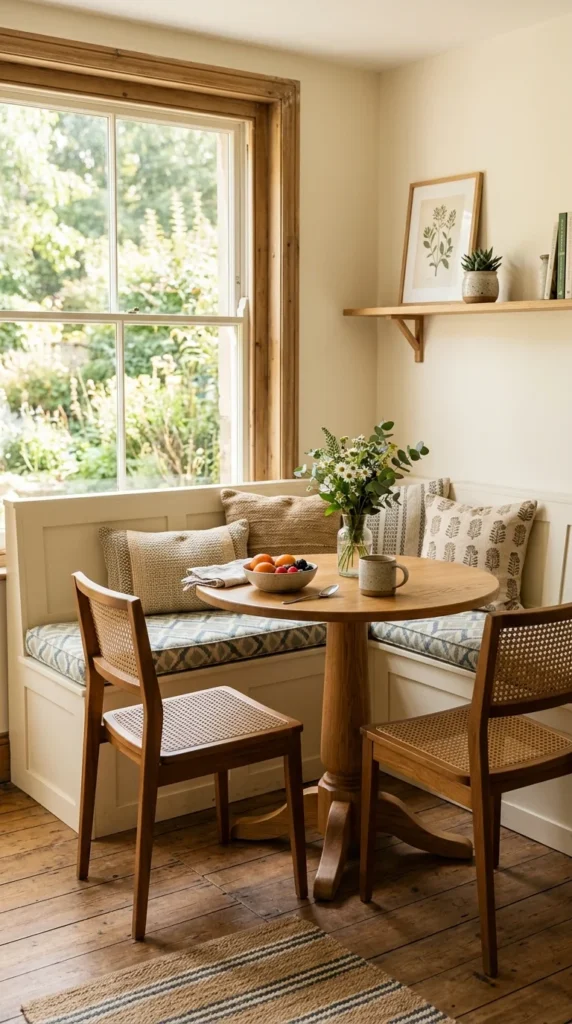
Corners are often overlooked in small homes. Transform a dead corner into a functional “nook.” A small round table and two chairs can become a dining area, or a built-in bench can provide extra seating and hidden storage. Using corners effectively ensures that no part of your floor plan is wasted.
18. Uniform Flooring
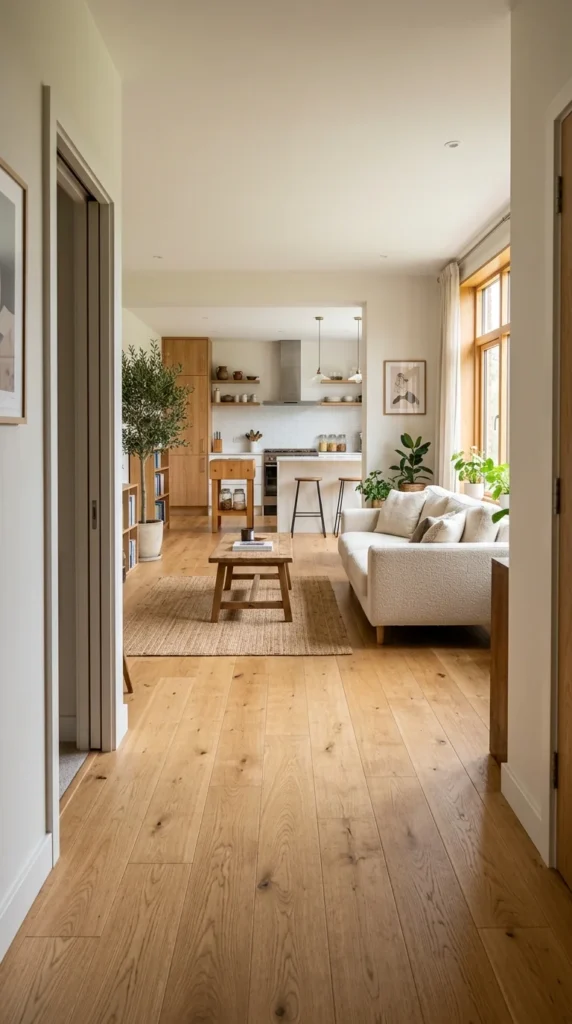
Changing flooring materials between rooms creates visual “stops” that make a home feel small and choppy. By using the same flooring throughout—whether it’s hardwood, laminate, or tile—you create a seamless flow. This continuity tricks the eye into seeing the entire home as one large, connected space.
19. Wall-Mounted Lamps
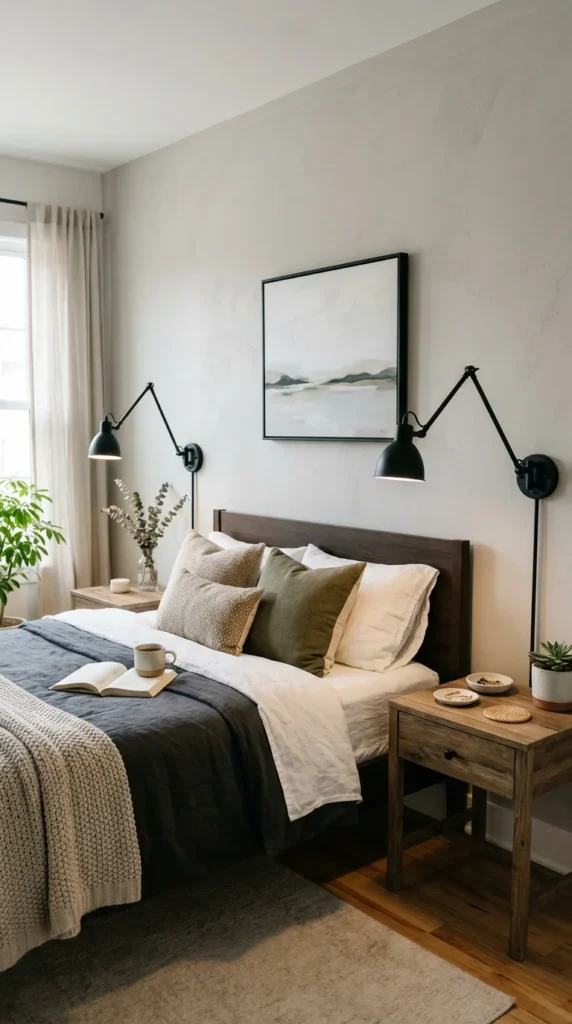
Clear off your nightstands and end tables by opting for wall-mounted sconces. Modern swing-arm lamps provide excellent task lighting for reading and add a sophisticated, hotel-like feel to your bedroom or living area. Plus, it leaves more room for your morning coffee or a favorite book on the table surface.
20. Built-in Cabinetry
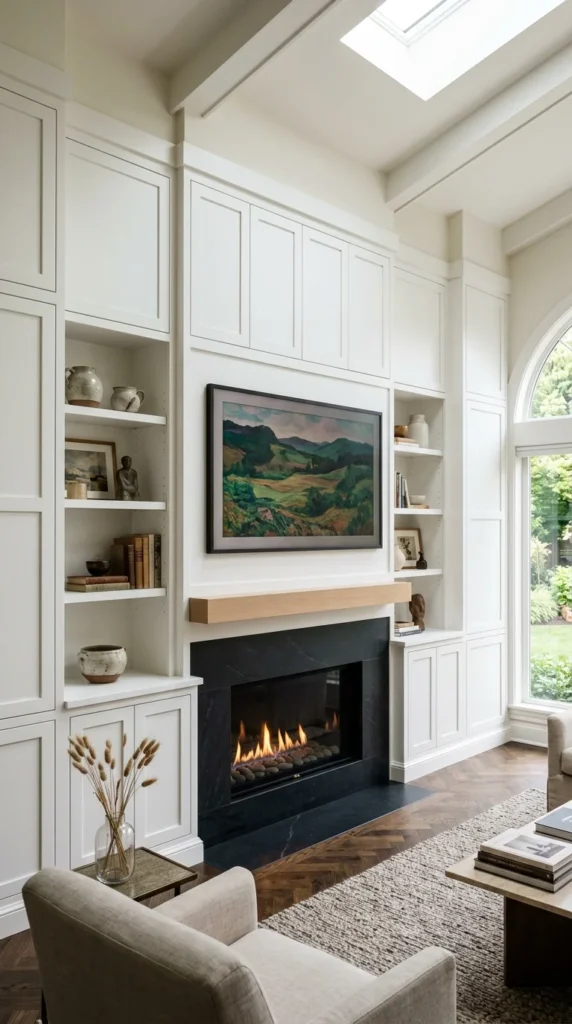
Freestanding wardrobes and cabinets can look bulky and out of place. Custom built-ins, however, become part of the architecture. By painting them the same color as the walls, they “disappear” into the room while providing massive amounts of storage for everything from clothes to media equipment.
21. Open Leg Furniture
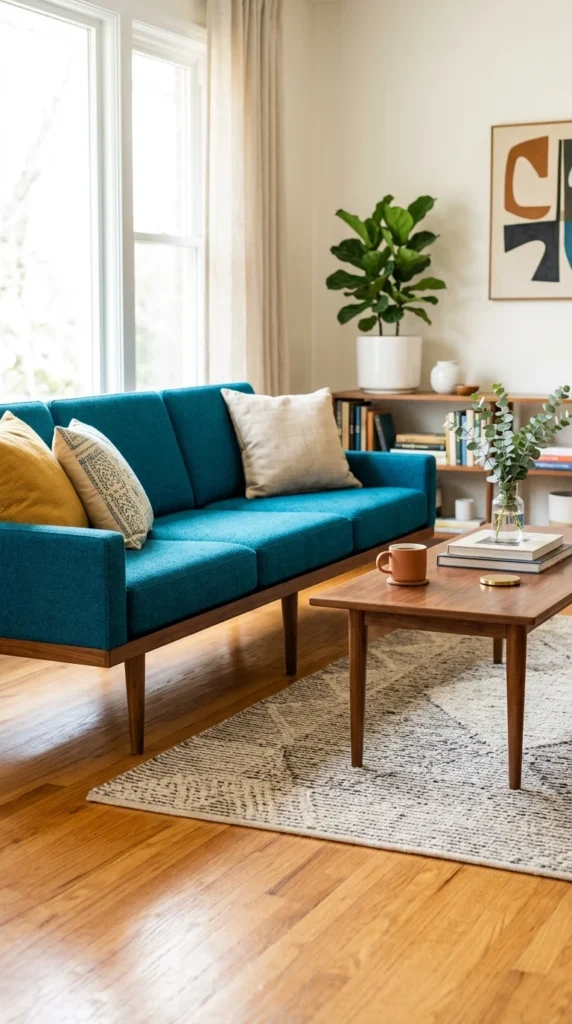
Furniture that sits directly on the floor can feel heavy and blocky. Choosing pieces with “open legs”—sofas, beds, and cabinets that are raised off the ground—allows you to see the floor underneath. Seeing more floor space makes the room feel much airier and less crowded.
22. Oversized Art
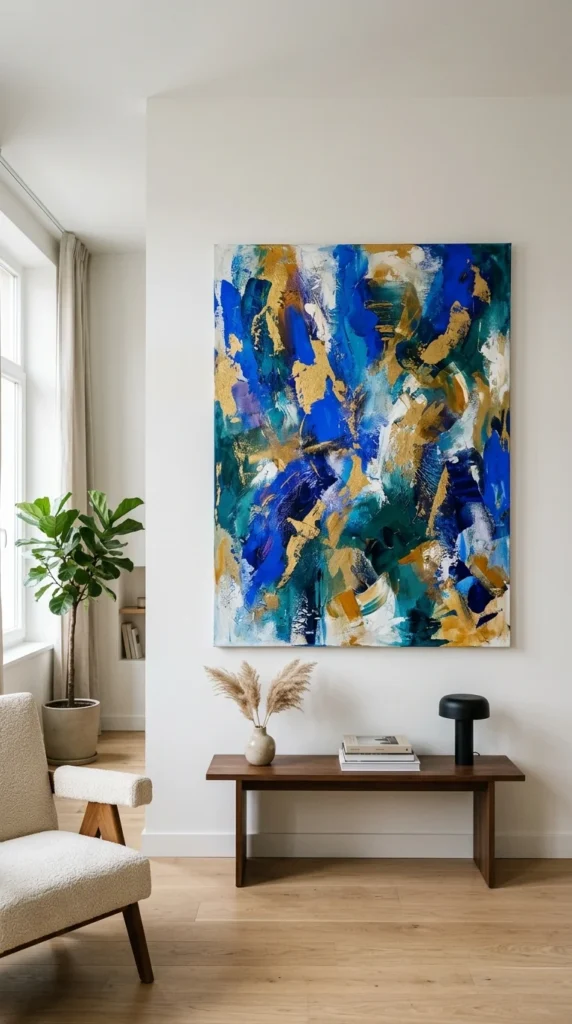
Instead of many small decorations that can look like clutter, go big with one piece of art. A singular, oversized canvas creates a bold focal point and gives a small room a sense of “grandeur.” It simplifies the visual landscape and makes the space feel more curated and intentional.
23. Pegboards
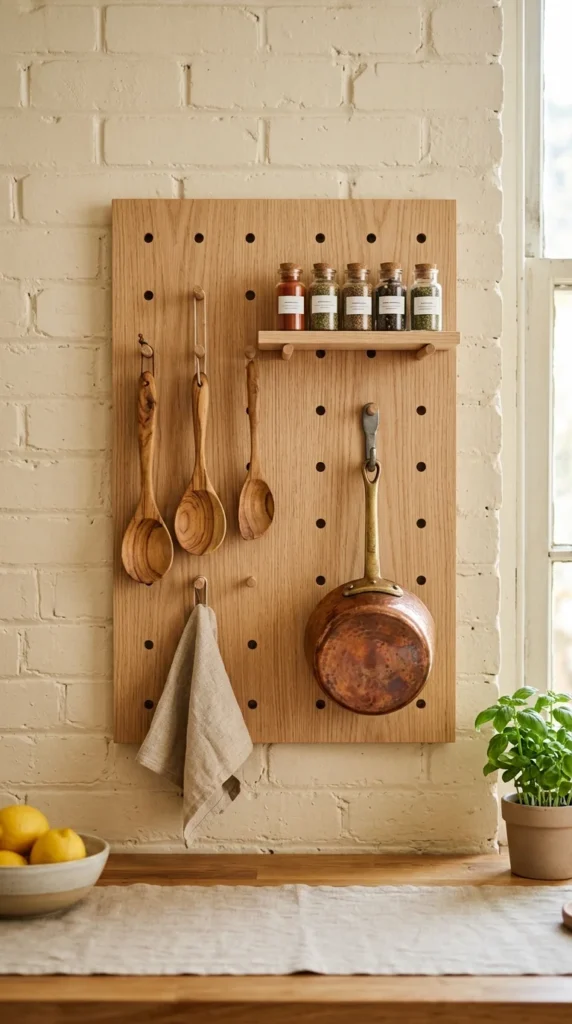
Pegboards are a versatile and trendy way to organize small spaces like kitchens, home offices, or entryways. They utilize wall space and can be reconfigured as your needs change. By keeping your most-used items visible and off the counters, you maintain a clean, organized, and modern environment.