A cluttered drawer is more than just an eyesore; it is a time-sink. Whether you are hunting for a specific whisk in a sea of kitchen gadgets or searching for a matching pair of socks in a tangled mess of fabric, disorganization breeds frustration. The secret to a high-functioning home lies in the details—specifically, the systems we put in place behind closed drawer fronts. By implementing strategic organization techniques, you can transform chaotic spaces into streamlined hubs of efficiency. Here are 25 expert-approved drawer organization ideas to help you reclaim your space.
1. Custom Dividers
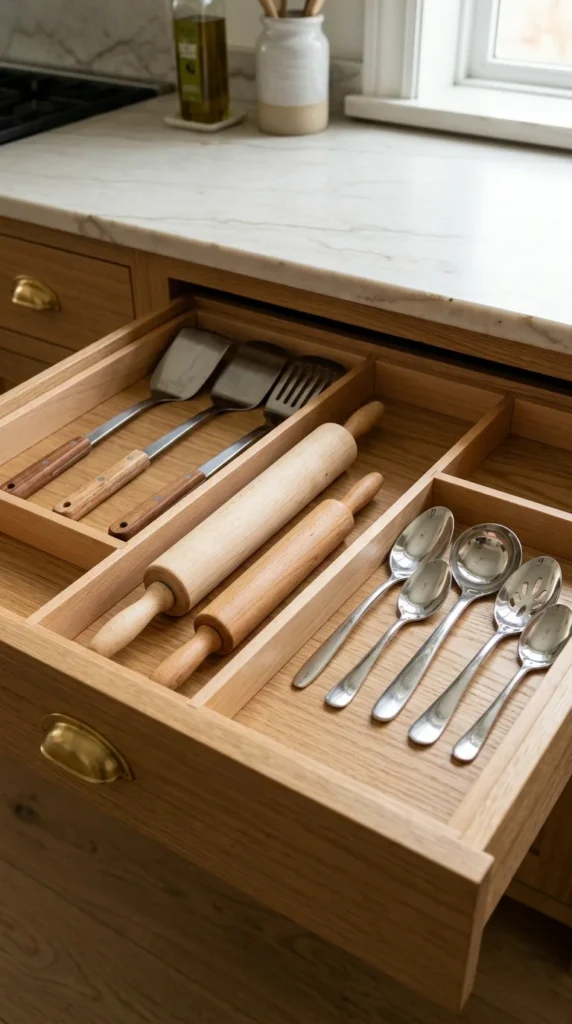
Custom dividers are the gold standard of drawer organization. Unlike “one size fits all” solutions, custom inserts are tailored to the exact dimensions of your drawer and the specific items you store within it. This eliminates the “shifting” problem where organizers slide around every time you open or close the drawer. You can purchase DIY kits made of wood or plastic that allow you to snap pieces together to create a grid that fits your needs perfectly.
2. Clear Acrylics
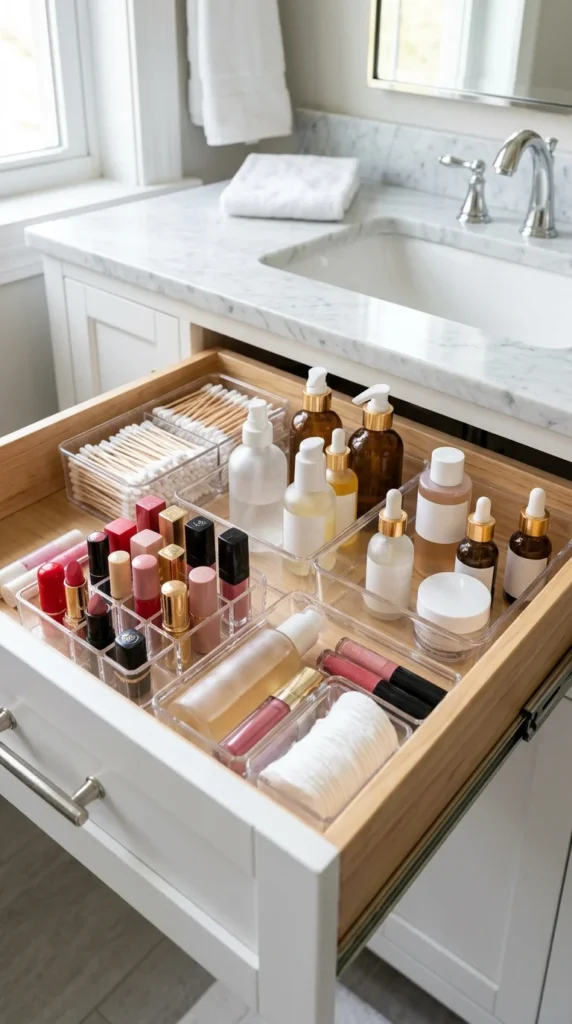
In the bathroom, visibility is key. Clear acrylic bins allow you to see exactly what is inside each compartment at a glance. This is particularly useful for small items like makeup, hair ties, or medicine bottles. Because they are transparent, they maintain a clean, airy aesthetic that doesn’t feel cluttered even when the bins are full. Plus, they are incredibly easy to wipe down if a product leaks.
3. Bamboo Trays
Bamboo is a sustainable, durable, and aesthetically pleasing material that works wonders in office or kitchen drawers. Bamboo trays provide a warm, organic feel compared to plastic and are sturdy enough to hold heavier items. They are naturally antimicrobial, making them an excellent choice for silverware or kitchen tools. Using multiple trays of the same style creates a cohesive look that feels like a high-end custom installation.
4. Honeycomb Inserts
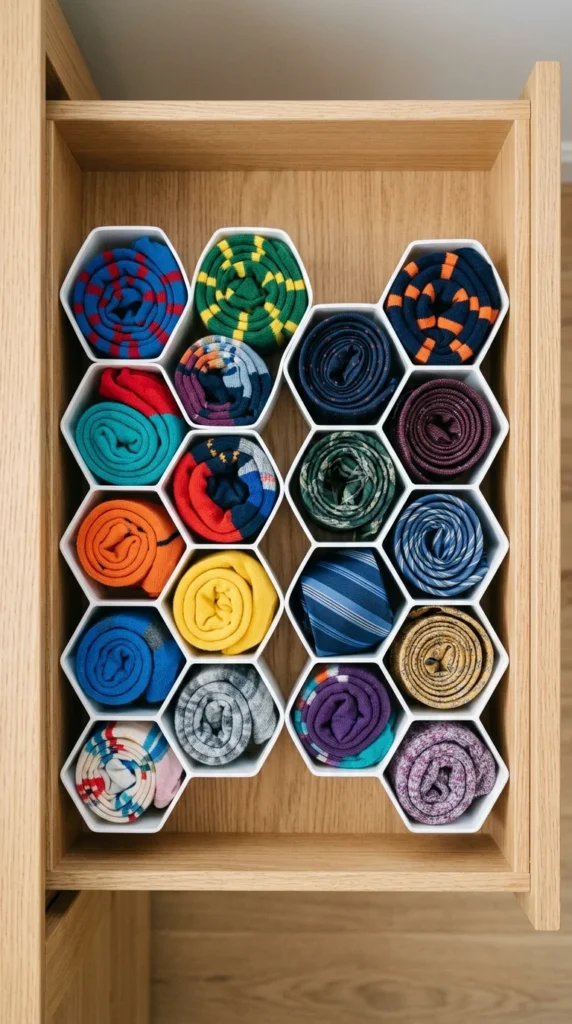
For smaller soft goods like socks, underwear, or belts, honeycomb inserts are a game-changer. These flexible, interlocking plastic strips create a series of small, hexagonal cells. Each cell is designed to hold one individual item. This prevents your socks from becoming a giant “mountain” and ensures that every pair is visible and accessible without disturbing the rest of the drawer.
5. Pegboard Systems
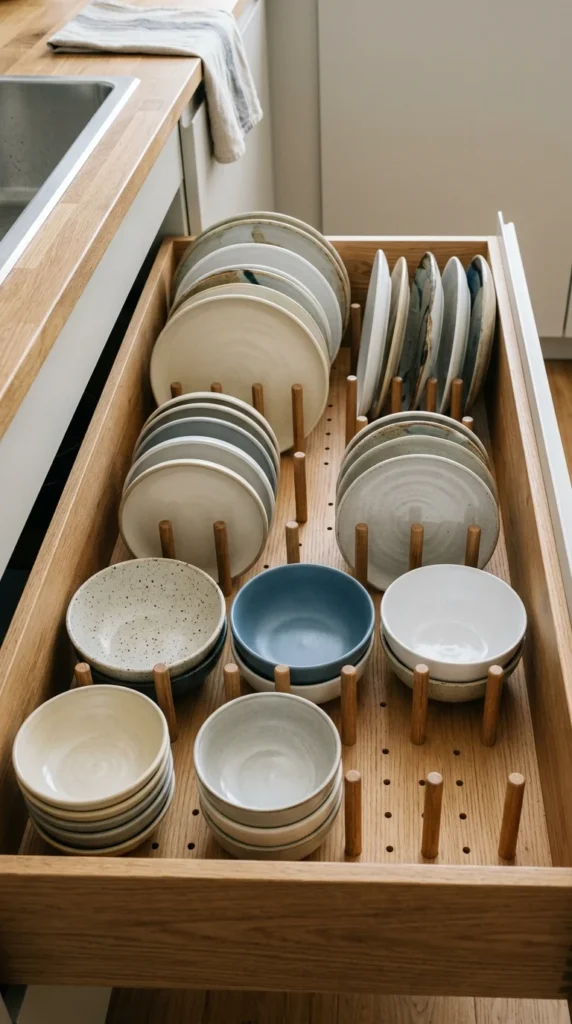
Deep drawers are often the hardest to organize because items tend to get stacked and buried. A pegboard system solves this by using adjustable vertical pegs to create “parking spots” for heavy items like plates, bowls, or even pots and pans. This prevents items from sliding around and banging into each other, which protects your fragile dinnerware from chipping.
6. Expandable Organizers
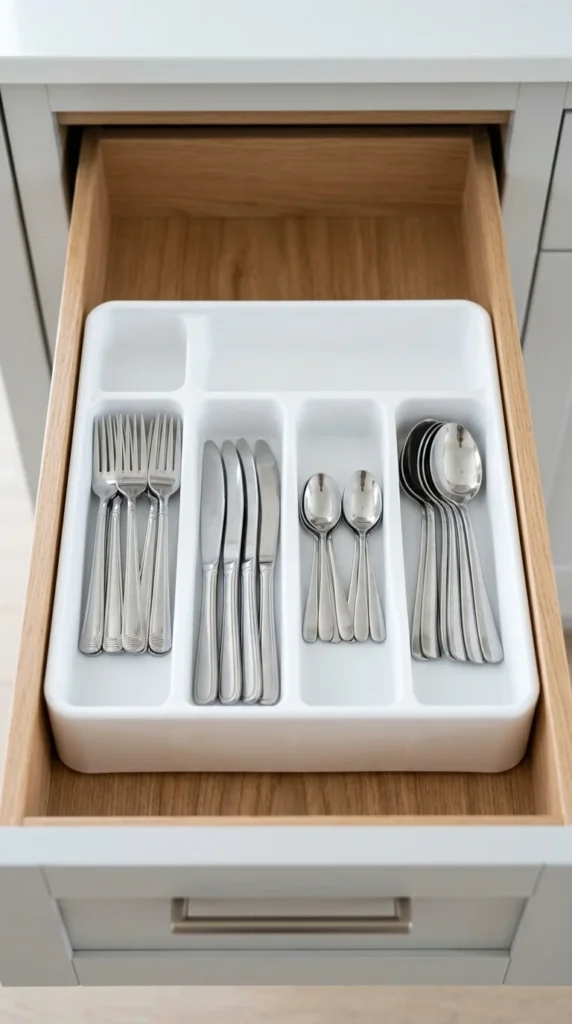
If you move frequently or don’t want to commit to custom cabinetry, expandable organizers are the perfect middle ground. These units feature a sliding mechanism that allows them to stretch to the exact width of your drawer. They are ideal for cutlery drawers where you want to maximize every inch of space without leaving awkward gaps on the sides where crumbs and small items can fall.
7. Decorative Liners
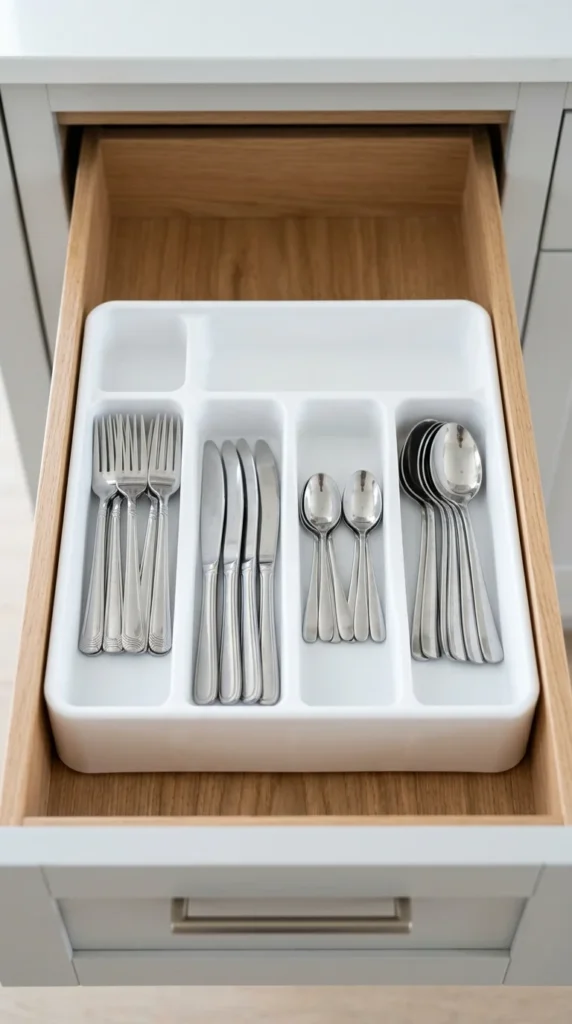
Organization isn’t just about utility; it’s about the experience. Adding a high-quality decorative liner to your drawers provides a pop of color and protects the drawer surface from scratches or spills. Non-adhesive liners are easy to swap out and can even be scented with lavender or cedar to keep clothes smelling fresh. A beautiful liner makes the act of opening a drawer feel like a small luxury.
8. Tiered Trays
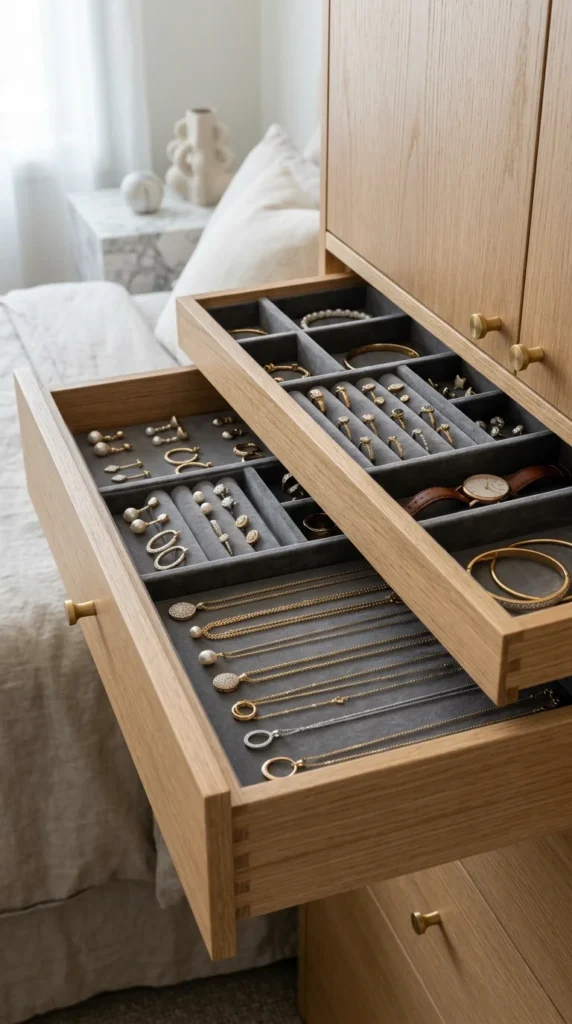
When you have a shallow drawer but a lot of small items to store, tiered trays are the answer. These systems use a “sliding” upper level that sits on a track above the bottom level. In a jewelry drawer, this allows you to keep frequently worn items on top while storing heirlooms or seasonal pieces below. This effectively doubles your storage capacity without requiring a deeper drawer.
9. Spice Inserts
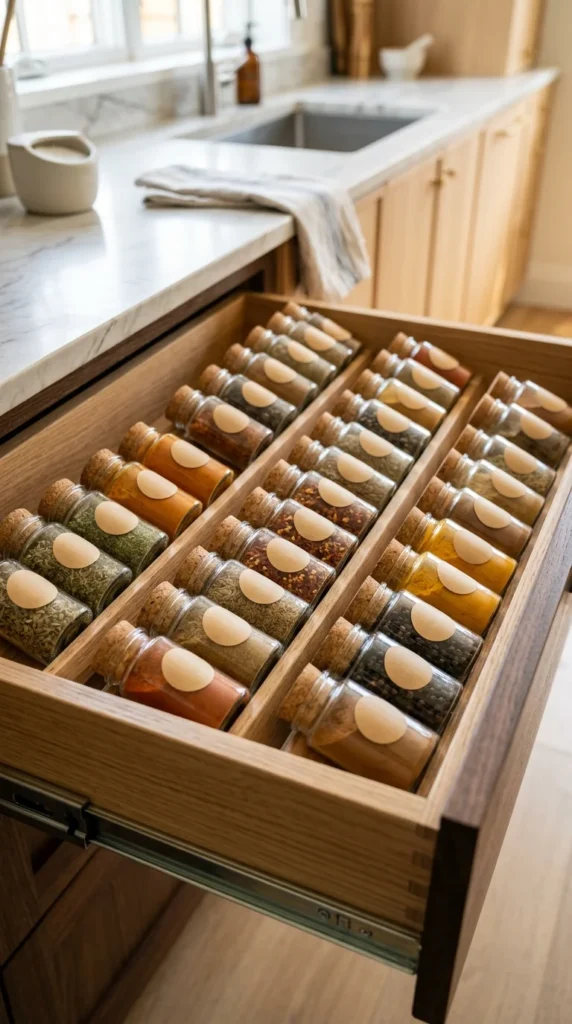
Storing spices in a wall cabinet can lead to “hidden” jars that expire before you find them. A tiered spice insert for a drawer turns your seasonings into an easy-to-read library. By laying the jars at an angle, you can see every label simultaneously. This makes cooking more efficient and prevents you from buying duplicate spices you already own.
10. Silicone Trays
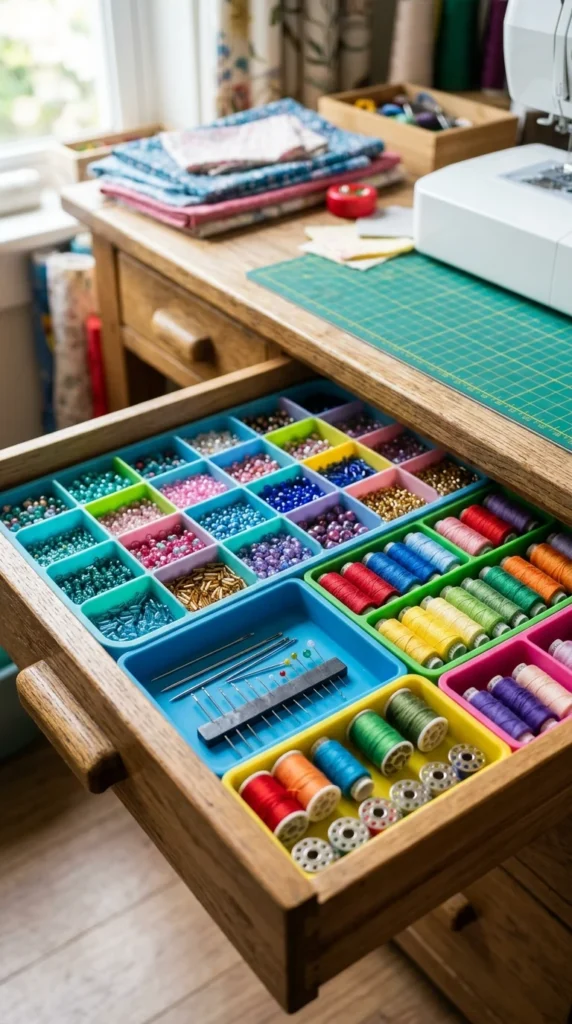
Silicone trays are excellent for junk drawers or craft stations. Unlike hard plastic, silicone is “grippy,” meaning items won’t slide around as much when the drawer moves. They are also flexible, so they can be squeezed into slightly tight spaces. Because silicone is heat-resistant and washable, these are also great for holding small kitchen gadgets or even hot hair tools in the bathroom.
11. Tension Rods
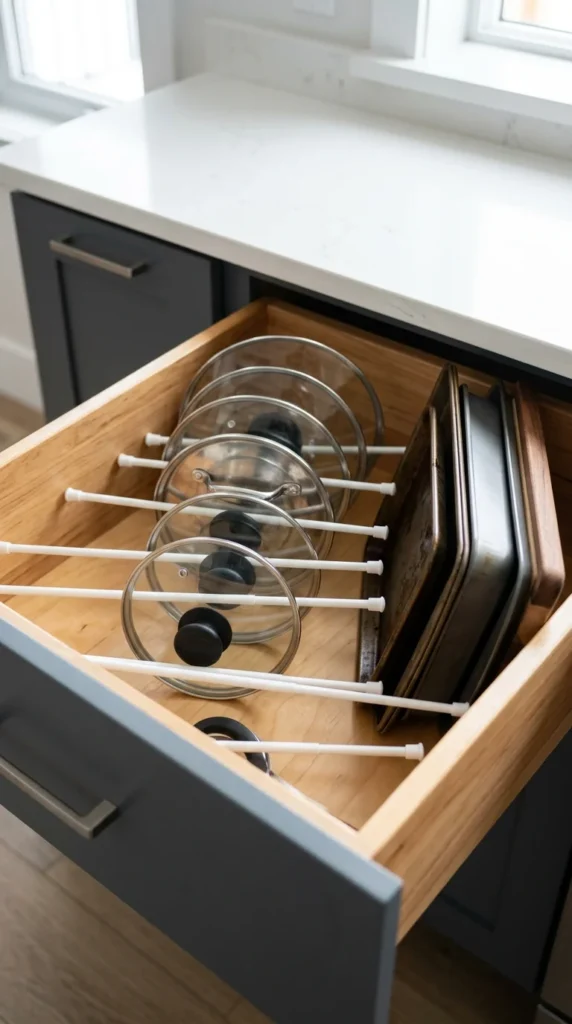
Tension rods are a DIYer’s best friend for drawer organization. By installing them vertically or horizontally within a deep drawer, you can create dividers for thin items like pot lids, cutting boards, or cookie sheets. Storing these items “on end” instead of stacking them makes it much easier to grab exactly what you need without unstacking a heavy pile.
12. Individual Bins
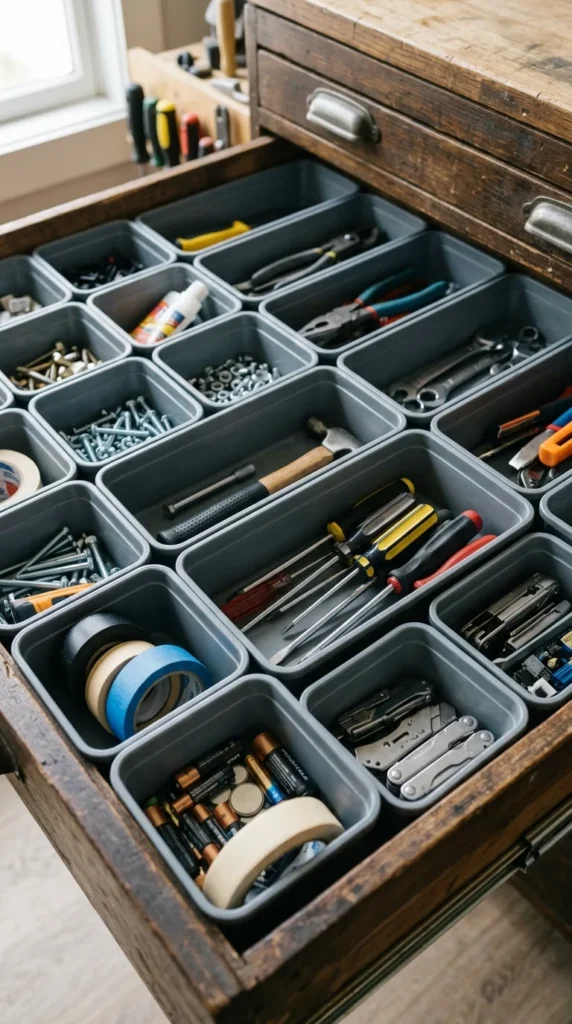
Instead of one large tray, consider using individual bins of varying sizes. This “modular” approach allows you to play Tetris with your storage. If your needs change, you can simply move the bins around or swap them for different sizes. This is particularly effective for utility drawers or hobby drawers where the contents might change over time.
13. Color Coding
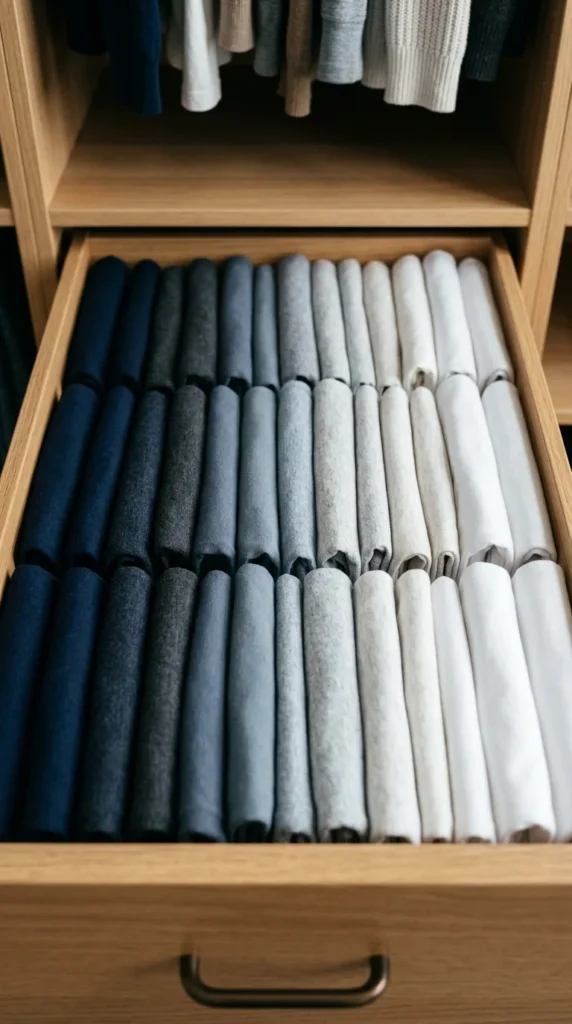
Organization can be visual art. Color coding your items—especially clothing and office supplies—not only looks stunning but also helps your brain find things faster. When your t-shirts are organized by color, you don’t have to look through every shirt to find your favorite red one; you simply go to the red section. It also makes putting laundry away more intuitive.
14. Vertical Folding
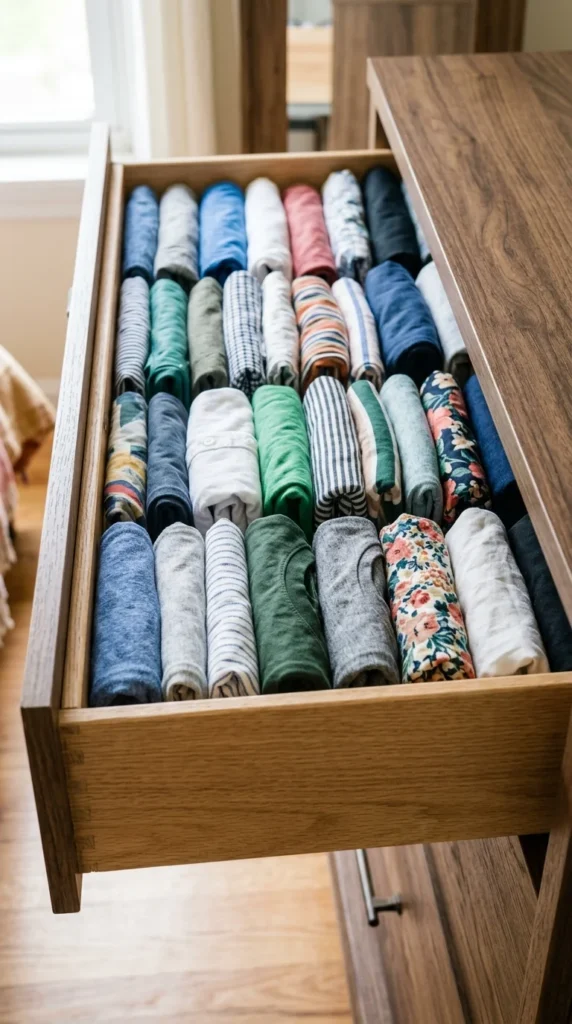
Traditional stacking is the enemy of drawer organization. When you stack items, you can only see the top one, and the ones at the bottom are forgotten. Vertical folding (or “file folding”) involves folding clothes into small rectangles that stand upright. This allows you to see every single item in the drawer at once, and you can pull one out without disturbing the rest of the “files.”
15. Labeling Systems
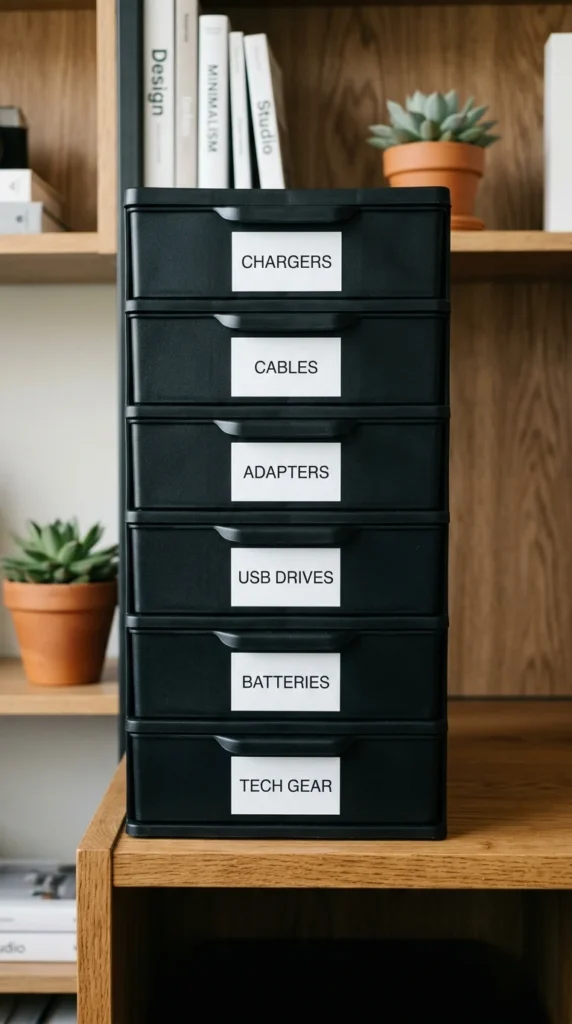
If you share a home with others, labels are essential for maintaining the systems you’ve built. Labeling the edge of the drawer or the individual bins inside ensures that everyone knows exactly where things belong. Use a sleek label maker or hand-written chalkboard tags for a professional, organized look that discourages the “just toss it anywhere” habit.
16. Knife Blocks
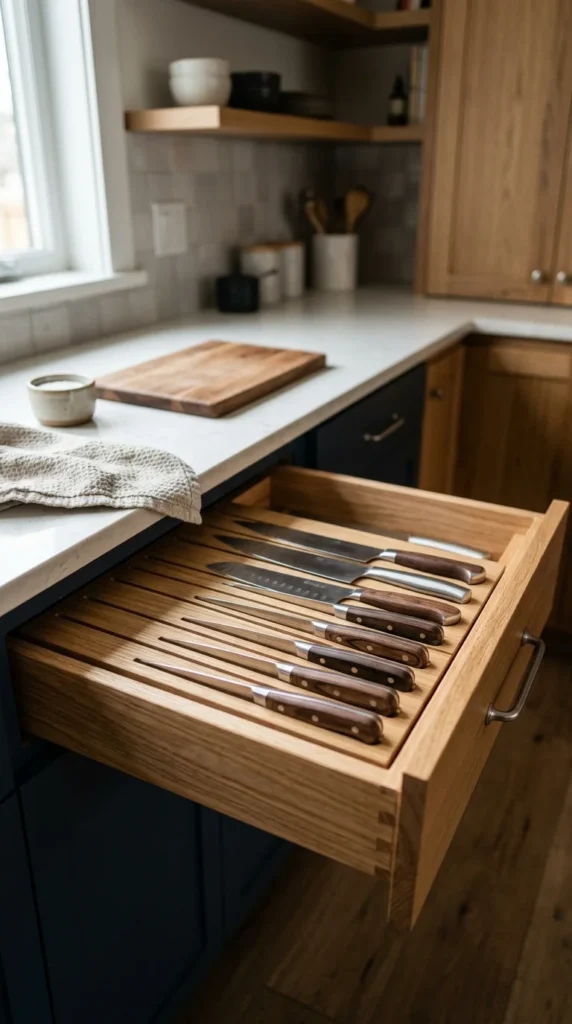
Countertop knife blocks take up valuable real estate and can look cluttered. An in-drawer knife block keeps your blades sharp, protected, and out of sight. Most importantly, it keeps your fingers safe when reaching into a drawer. These blocks are designed with slots that keep the sharp edges facing down and the handles accessible.
17. Tech Pouches
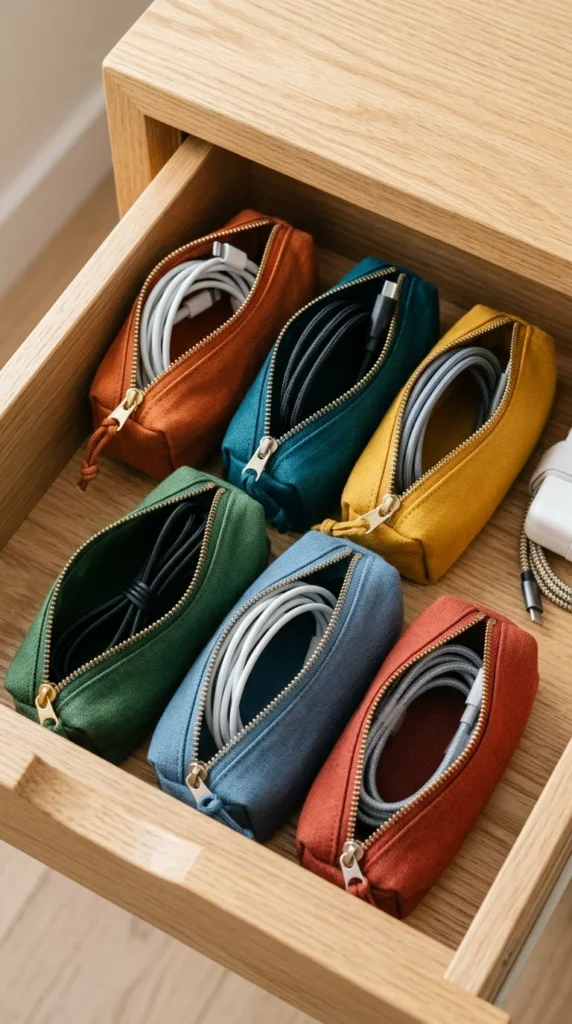
Cables are the bane of drawer organization; they tangle the moment you look away. Instead of letting them roam free, use small tech pouches or cord wraps. Dedicate one drawer to electronics and give every cable its own small bag or elastic loop. This prevents the “spaghetti” effect and makes it easy to grab a charger when you’re headed out the door.
18. Stationery Caddys
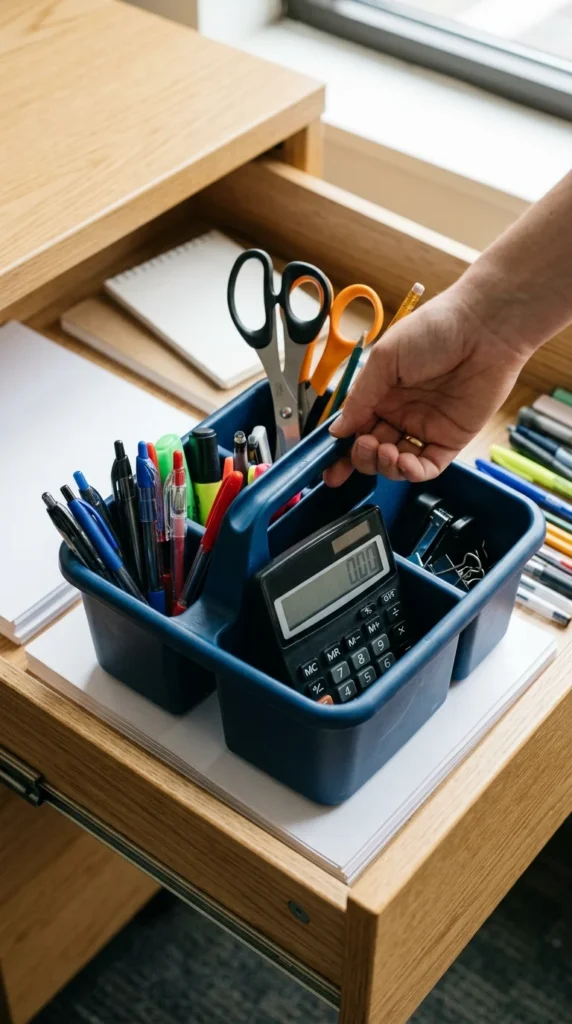
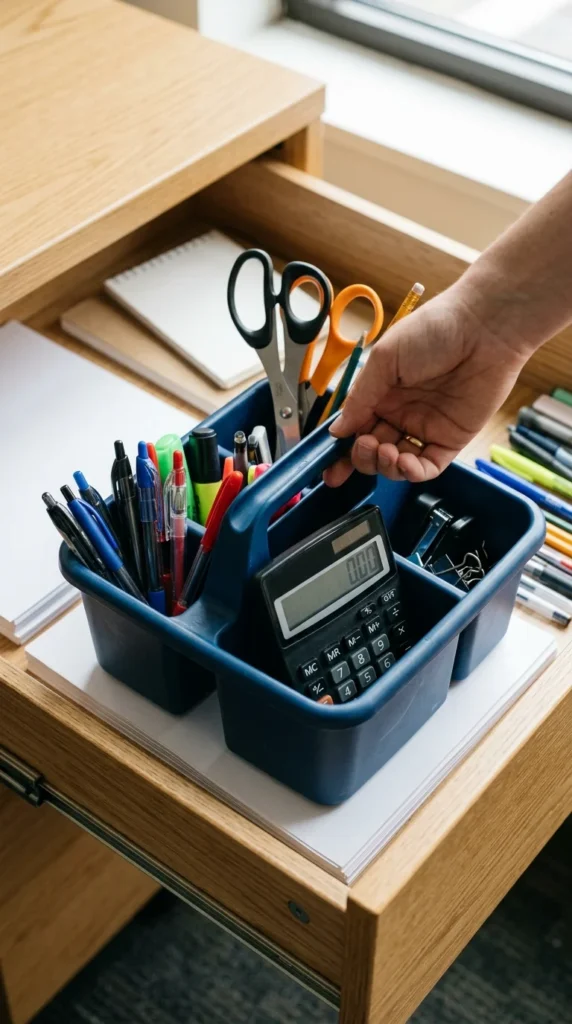
For those who move from a desk to a kitchen table to work, a removable caddy inside a drawer is a lifesaver. You can keep all your essential stationery in the caddy, and when you need to work elsewhere, you just lift the whole unit out and take it with you. When you’re done, it slots right back into its designated spot in the drawer.
19. Makeup Sliders
Standard bins are often too deep for flat makeup items like eyeshadow palettes. Makeup sliders or palette organizers allow you to stand these items up like books on a shelf. This prevents palettes from getting scratched at the bottom of a pile and allows you to flip through your collection easily to find the perfect shade for the day.
20. Tea Organizers
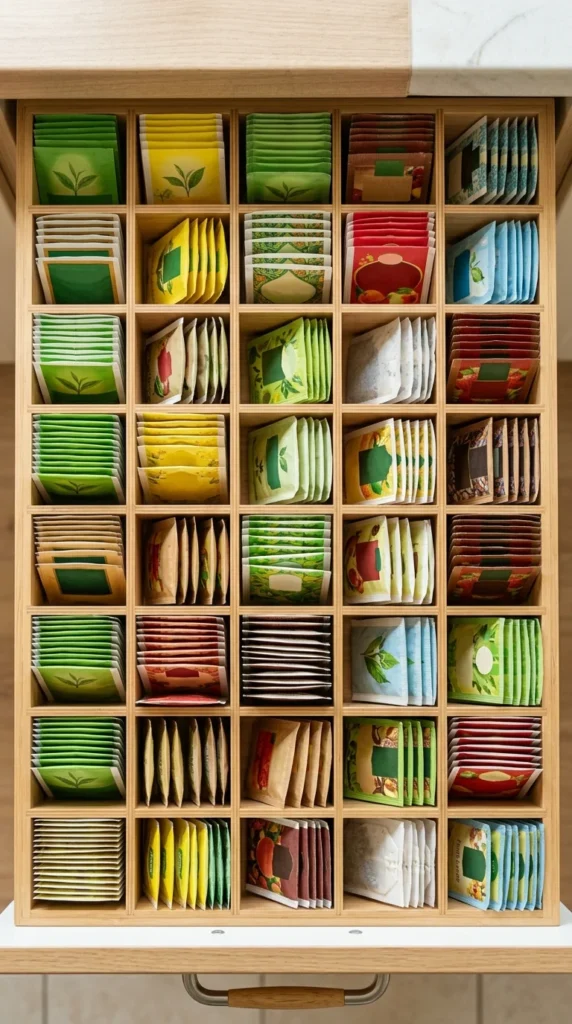
If you are a tea lover, cardboard boxes can quickly overwhelm your pantry. A dedicated tea drawer with small dividers allows you to decant your tea bags into neat rows. Not only does this look beautiful, but it also allows you to see your inventory at a glance so you know exactly when you’re running low on Earl Grey or Chamomile.
21. Battery Cases
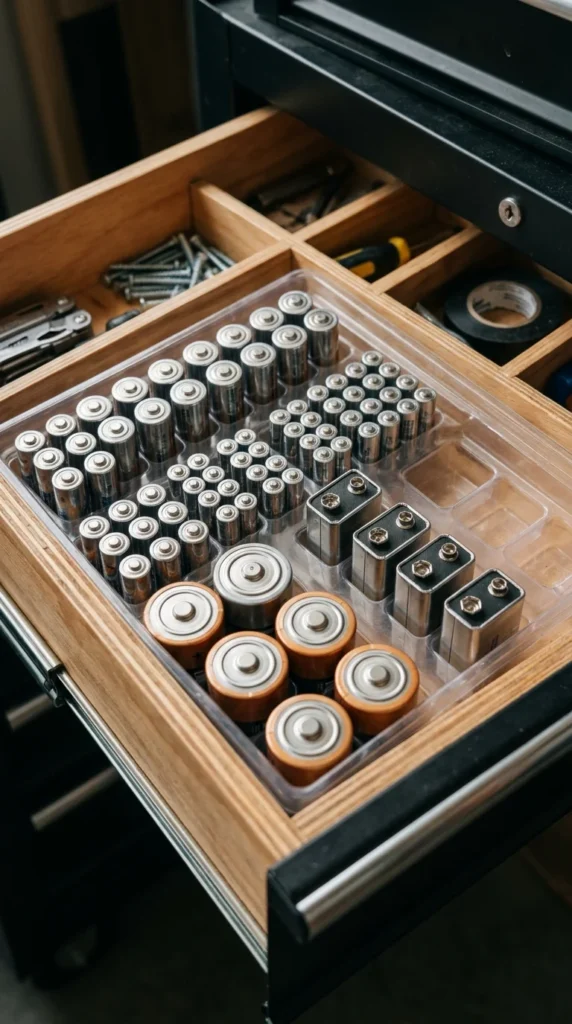
Loose batteries rolling around in a drawer are a safety hazard and a mess. A dedicated battery organizer case fits perfectly inside a drawer and provides specific slots for every battery size. Many of these cases also come with a small battery tester, so you never have to guess if a battery is still good before you try to use it.
22. Undergarment Slots
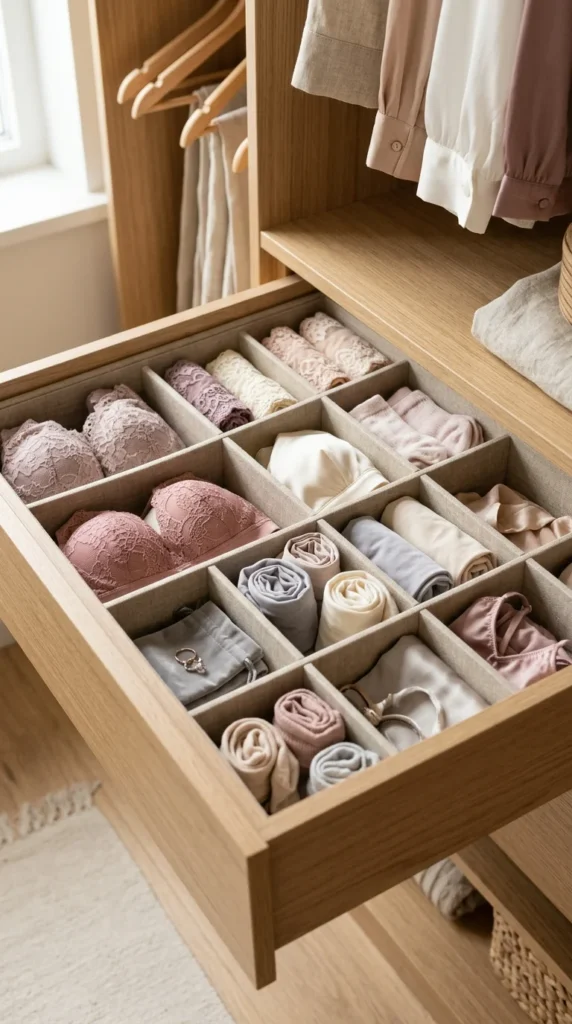
Delicate items like bras and lingerie require gentle storage to maintain their shape. Soft fabric dividers provide the structure needed to keep these items organized without the harsh edges of plastic or wood. By giving each item its own “home,” you prevent snagging and stretching, extending the life of your wardrobe.
23. Adjustable Partitions
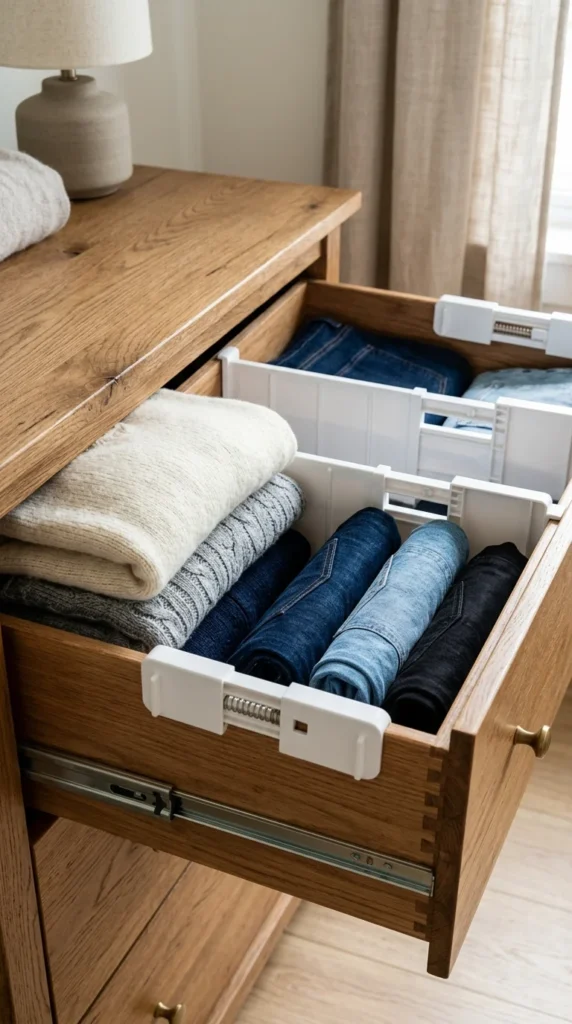

For high-end items like watches, sunglasses, or fountain pens, a velvet liner provides an extra layer of protection and sophistication. Velvet prevents items from sliding and protects them from micro-scratches. It also provides a high-contrast background that makes your items stand out, making it easier to choose which accessory to wear.
25. Hidden Compartments
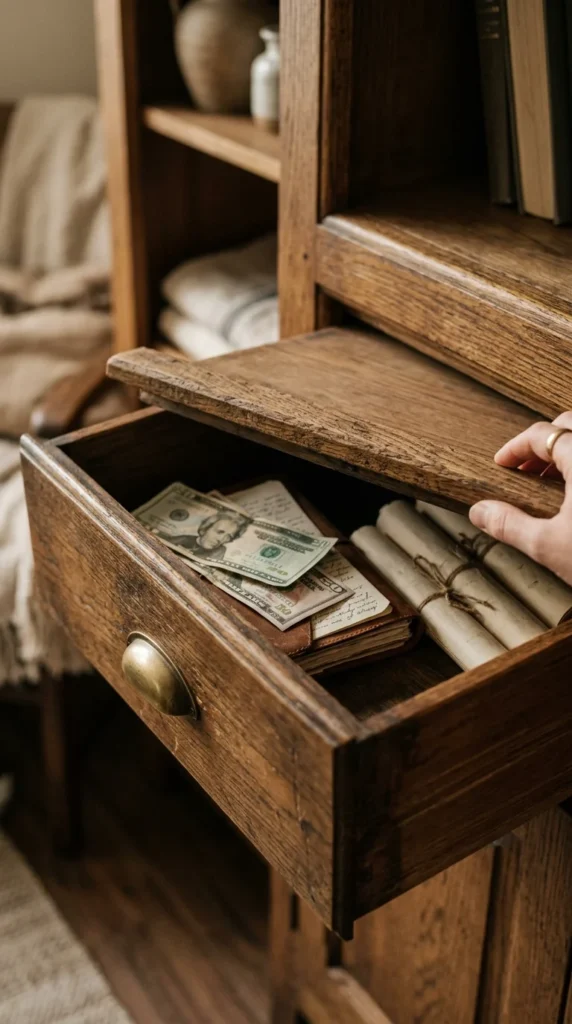
In a home office or bedroom, a “drawer within a drawer” or a false-bottom insert can provide a sense of security for important documents, spare keys, or emergency cash. These hidden compartments are built to look like the floor of the drawer, but they lift up to reveal a shallow storage area beneath. It’s a clever way to keep your most sensitive items organized and out of plain sight.