
Living in a studio apartment is often viewed as a compromise in size, but in the world of interior design, it is an invitation to master the art of curation. A small footprint doesn’t have to mean a small lifestyle. By focusing on high-quality materials, intentional layouts, and clever visual tricks, you can transform a single-room dwelling into a sophisticated sanctuary that rivals a penthouse suite. Luxury is not about square footage; it is about the sensory experience of your environment.
1. Vertical Storage
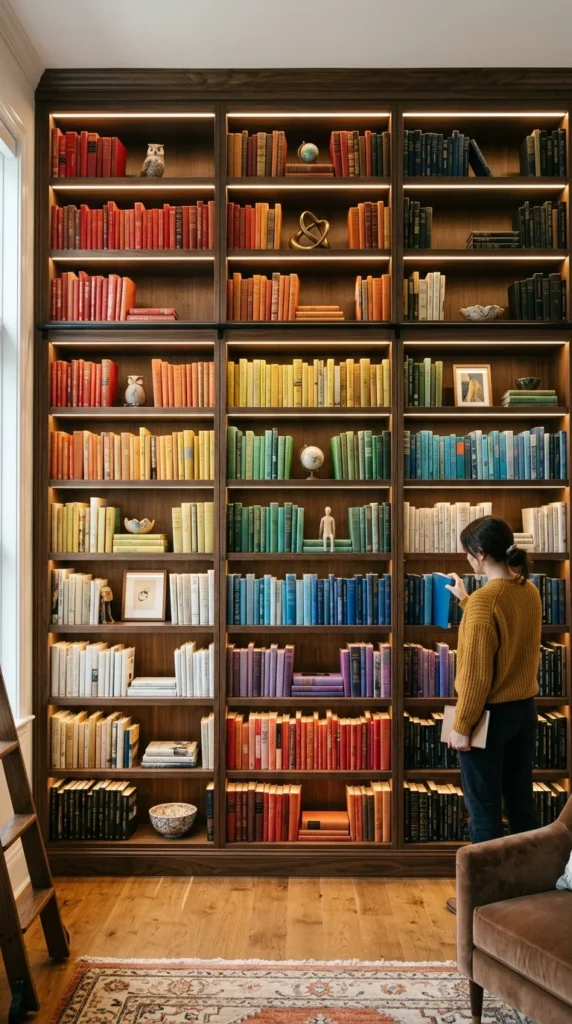
When floor space is at a premium, the only way to go is up. Custom built-ins or tall, slender shelving units draw the eye upward, making the ceilings feel higher than they actually are. To achieve a luxury look, avoid cluttered cubbies. Instead, use “white space” between objects and incorporate integrated lighting to highlight your most beautiful possessions.
2. Statement Lighting
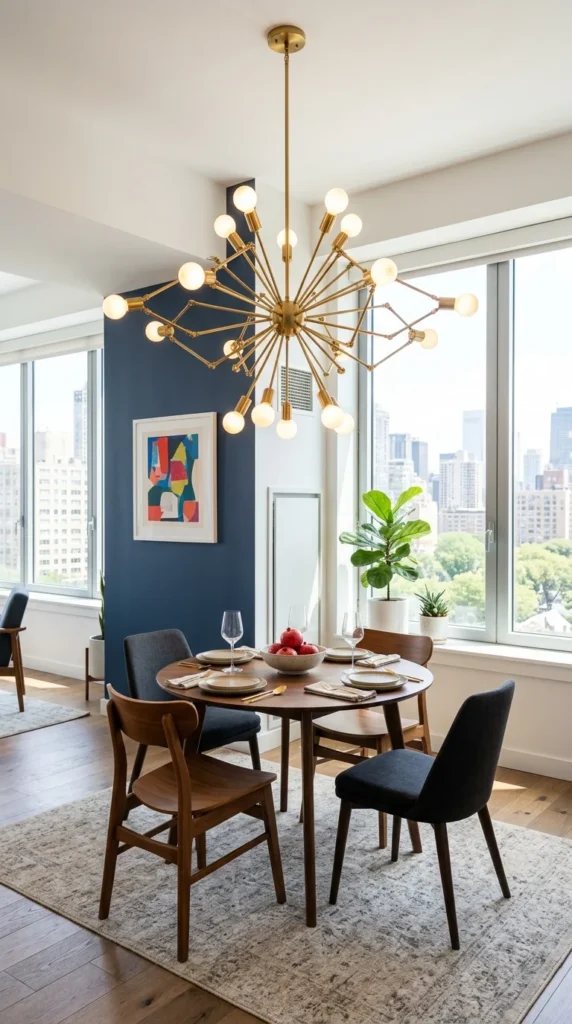
Nothing screams “basic rental” like a standard flush-mount “boob” light. Replace dated fixtures with a bold statement piece. A sculptural chandelier or a mid-century modern pendant acts as the “jewelry” of the room. It creates a focal point that anchors the space and signals that every design choice was intentional.
3. Mirror Walls
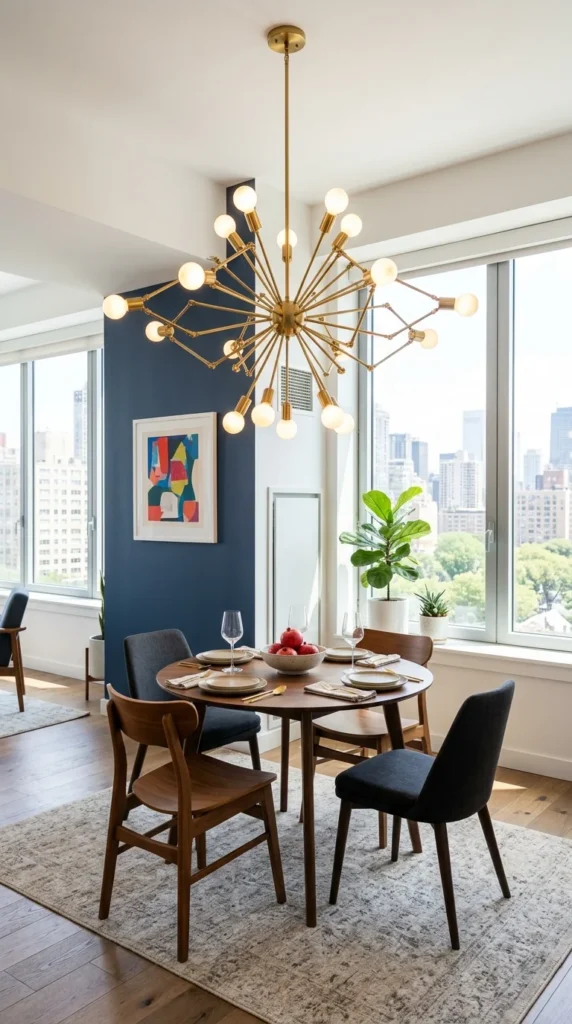
The oldest trick in the designer’s handbook is also the most effective. Large mirrors bounce light around the room and create the illusion of a second space beyond the wall. For a luxurious feel, opt for an oversized floor mirror with a heavy, metallic frame or a series of arched mirrors that mimic the look of French windows.
4. Velvet Textures
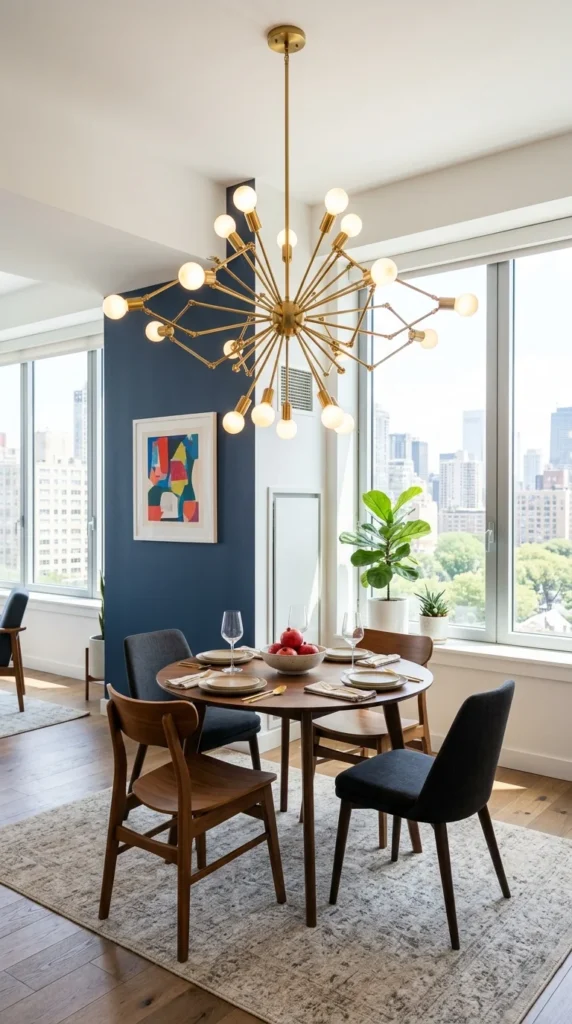
Luxury is a tactile experience. Incorporating rich fabrics like velvet adds instant depth and opulence to a studio. A velvet sofa or even a pair of velvet ottomans provides a visual weight that feels expensive. The way the fabric catches the light adds a layer of sophistication that flat cotton or polyester simply cannot match.
5. Transparent Furniture
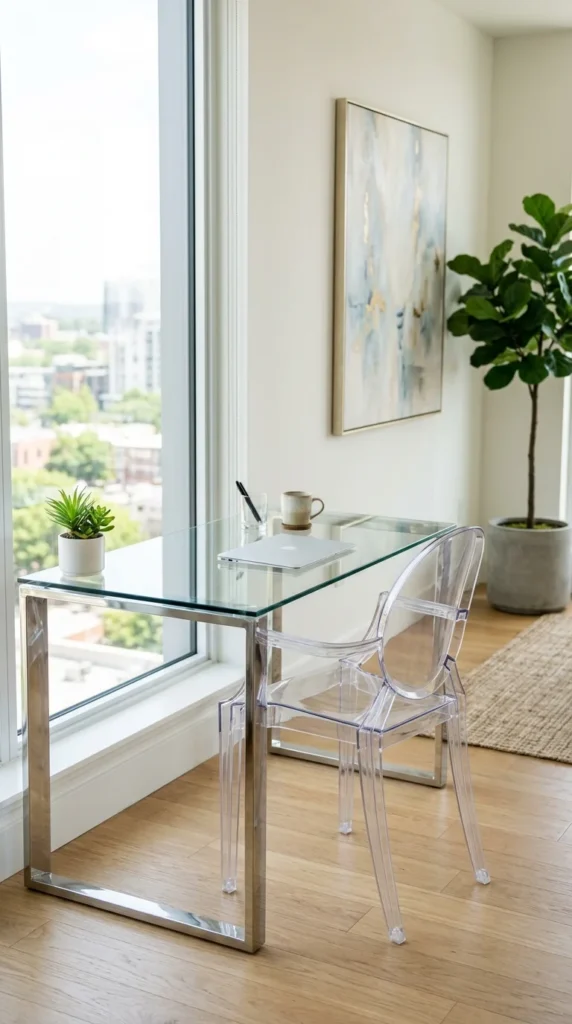
Visual clutter is the enemy of the small apartment. Acrylic or glass furniture—often called “ghost” furniture—provides the utility of a table or chair without taking up any visual space. This allows the eye to travel through the piece to the walls, making the room feel open and airy while maintaining a high-fashion, contemporary aesthetic.
6. Neutral Palettes
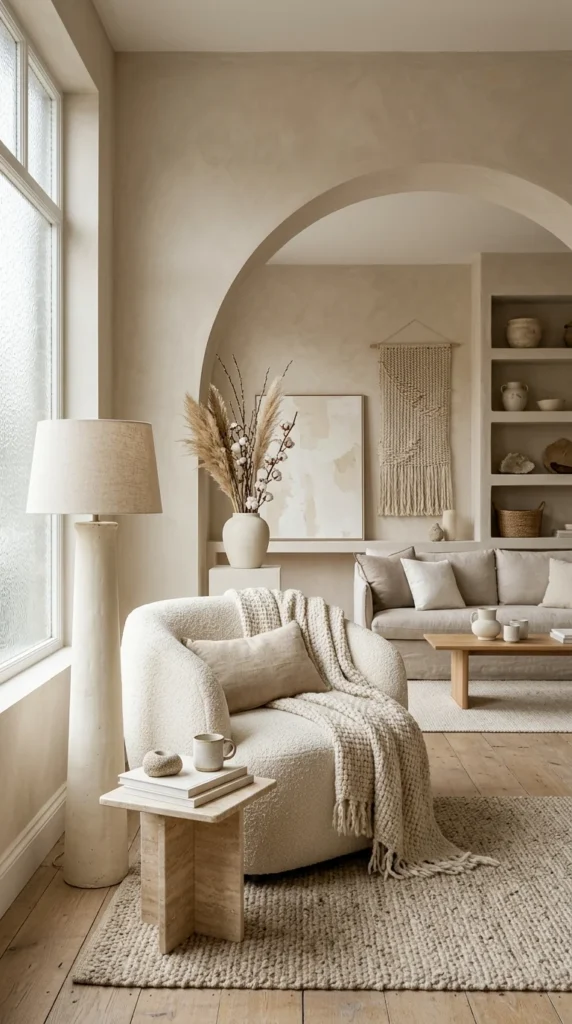
A monochromatic or neutral color palette is a hallmark of high-end design. By sticking to shades of white, cream, and greige, you eliminate the visual “noise” that can make a small space feel chaotic. To prevent the room from feeling flat, layer different textures—a chunky wool rug, linen curtains, and a smooth marble side table.
7. Floor-to-Ceiling Drapes
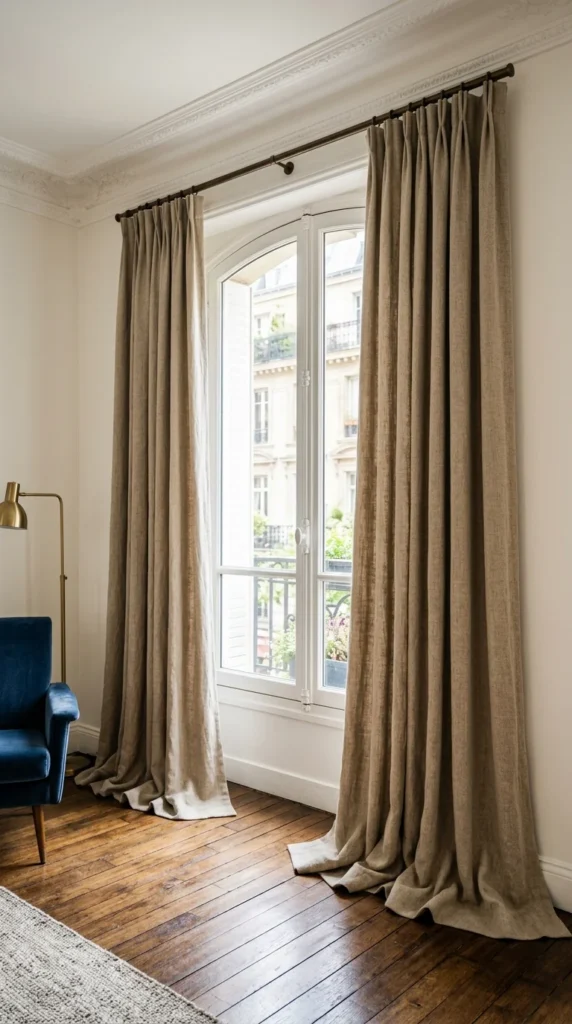
Standard-height curtains can “cut” a room in half visually. To make your studio feel like a grand hotel suite, hang your curtain rods as close to the ceiling as possible and let the fabric hit the floor. This vertical line elongates the walls. Choose heavy, high-quality fabrics like linen or velvet for a truly bespoke look.
8. Zoning Rugs
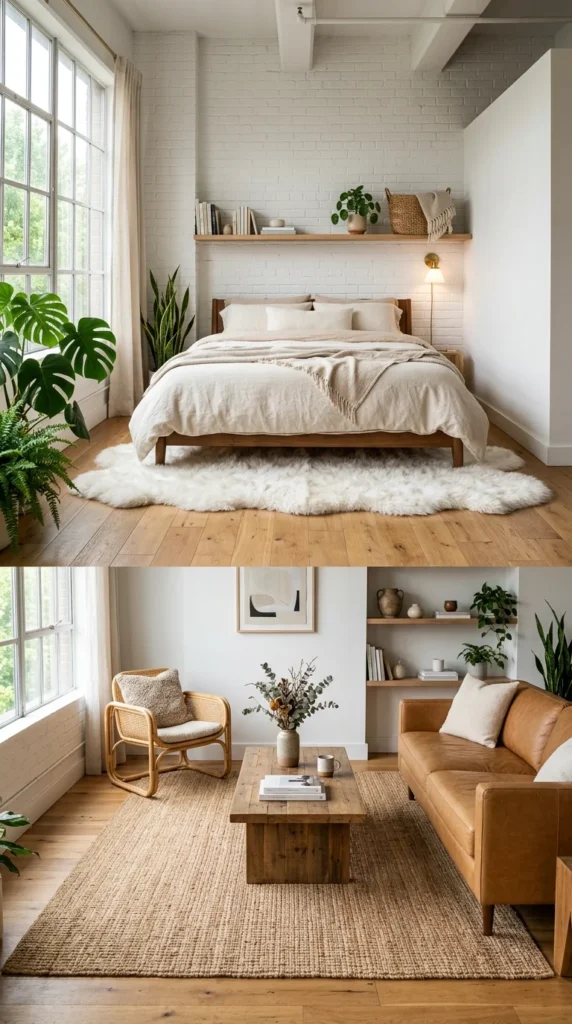
In a studio, your “rooms” are defined by how you group furniture. Using different rugs to “zone” the space is a sophisticated way to create boundaries without using physical walls. Ensure the rugs are large enough that all furniture legs sit on them; a rug that is too small will make the space look fragmented and cheap.
9. Metallic Accents
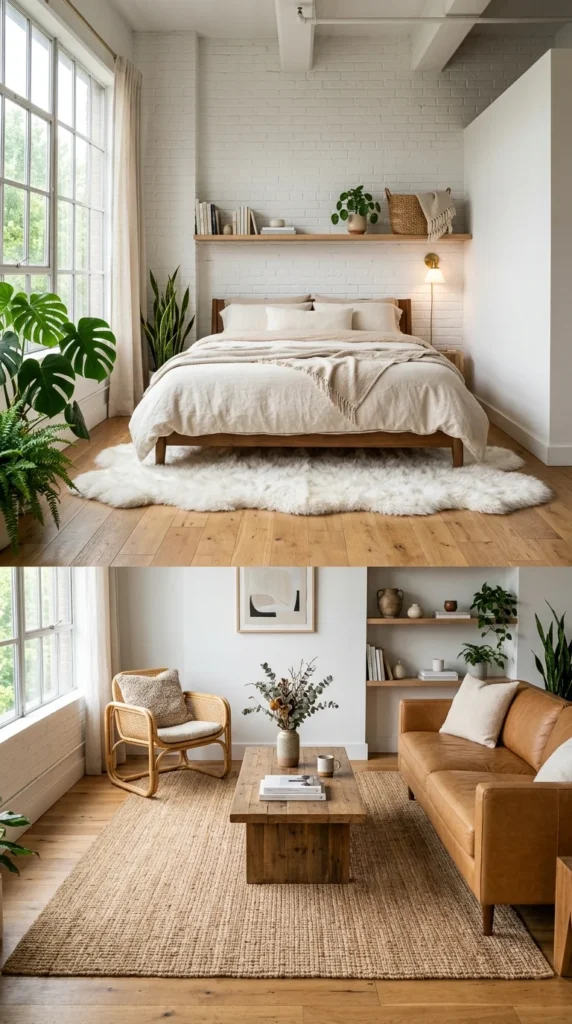
Gold, silver, and bronze finishes reflect light and add a “jewelry” effect to your decor. Swap out standard cabinet knobs for brushed brass pulls, or add a gold-framed coffee table. The key to luxury is consistency—pick one or two metal finishes and repeat them throughout the apartment to create a cohesive, high-end narrative.
10. Hidden Desks
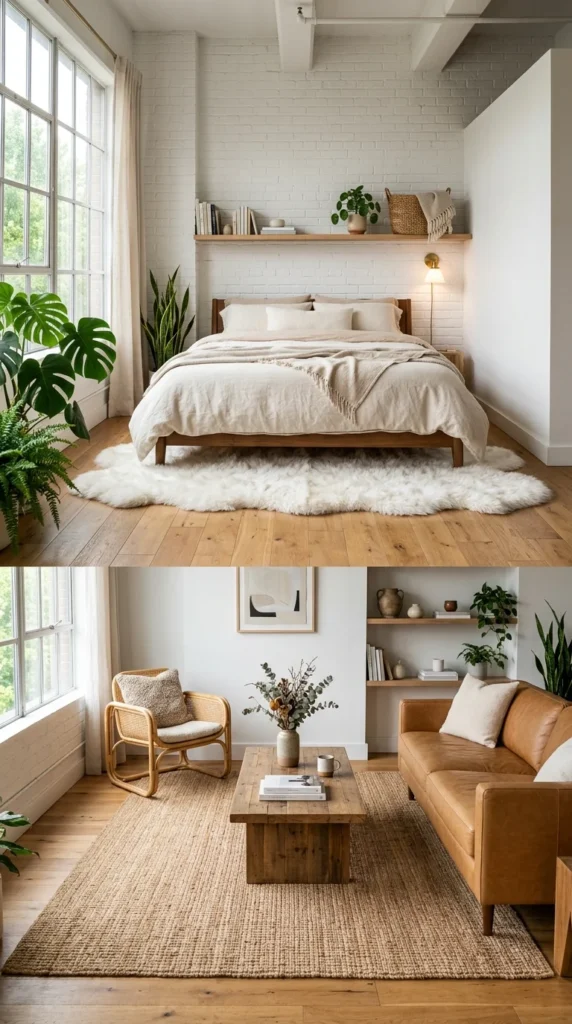
Working from home in a studio can often lead to “office creep,” where your workspace takes over your living space. A “cloffice” or a secretary desk that can be closed at the end of the day preserves the luxury of your relaxation space. If you can’t see your laptop and papers, you can truly disconnect and enjoy your home.
11. Large-Scale Art
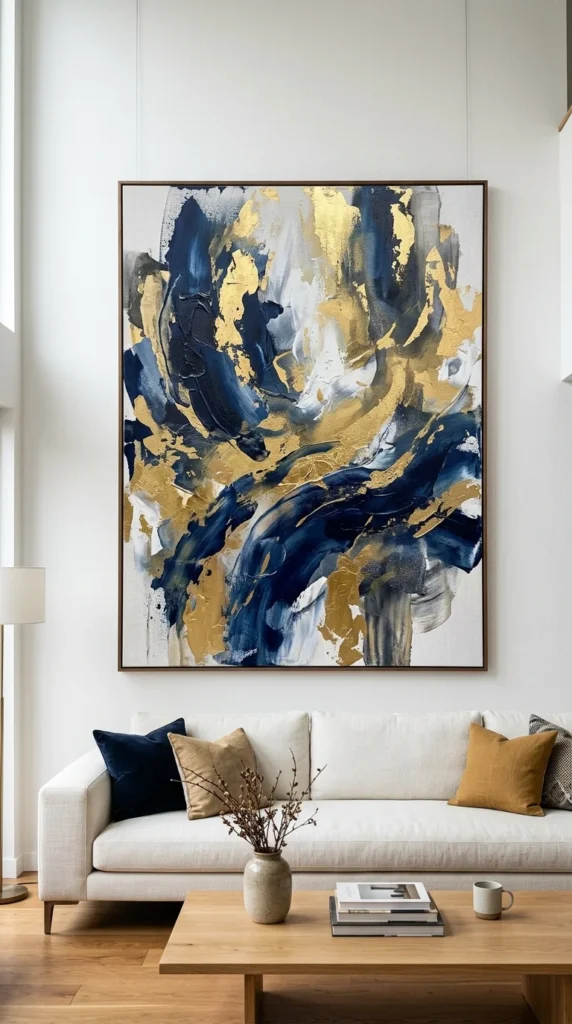
Many people think small spaces need small art, but the opposite is true. A collection of small frames can look cluttered. One massive piece of art creates a gallery-like atmosphere and acts as a sophisticated focal point. It commands attention and makes the room feel grander and more curated.
12. Glass Dividers
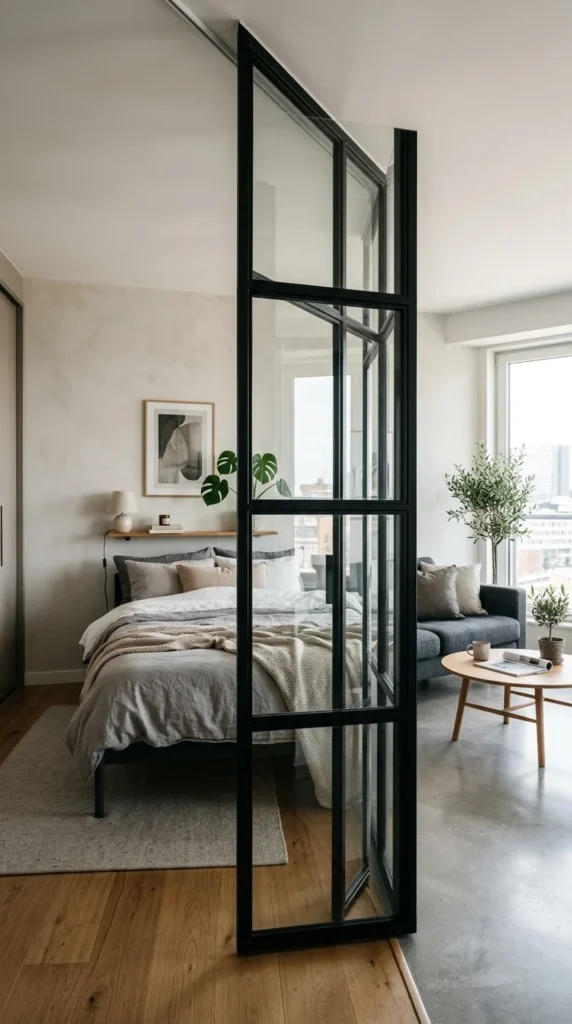
If you want to separate your sleeping area without blocking light, glass partitions are the ultimate luxury solution. Steel-framed glass “walls” offer an industrial-chic vibe that keeps the apartment feeling like one continuous, breezy space while providing the psychological comfort of a separate bedroom.
13. Layered Bedding
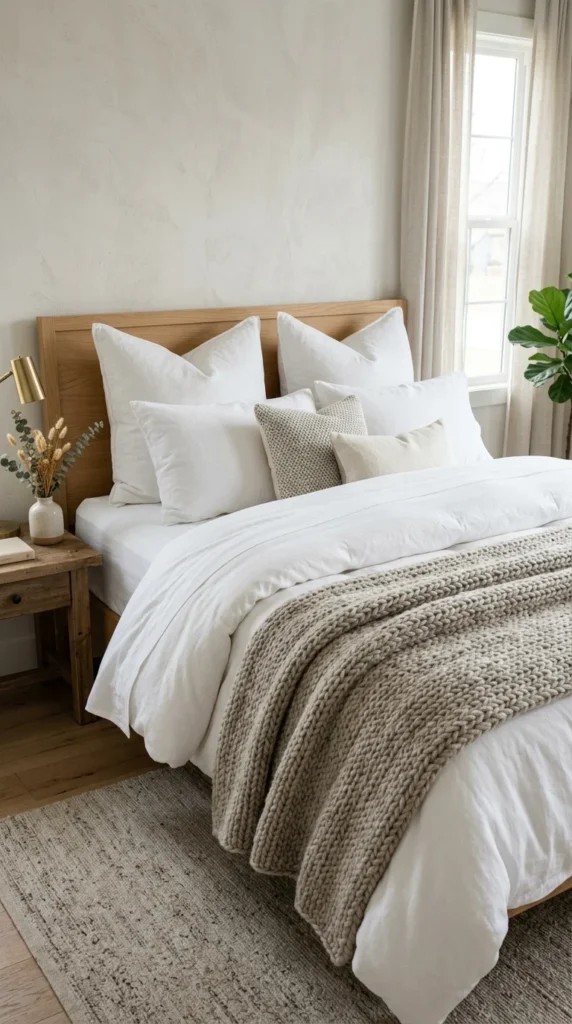
The bed is often the largest piece of furniture in a studio, so make it look like it belongs in a five-star hotel. Avoid flat, single-layer comforters. Instead, layer your bedding with different weights and textures. Use “karate-chopped” pillows and a high-thread-count duvet to create a plush, inviting nest that looks expensive.
14. Integrated Greenery
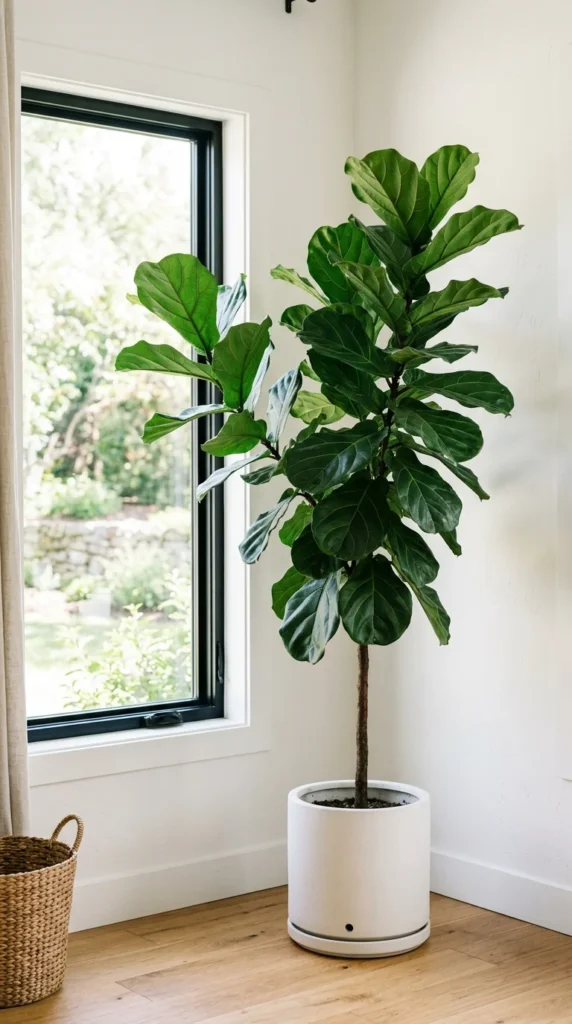
Plastic plants look cheap, but a large, healthy indoor tree adds life and luxury. A tall Fiddle Leaf Fig or a sculptural Olive Tree brings a natural element that softens the hard lines of a studio. Plants also improve air quality, contributing to the “wellness” aspect of luxury living.
15. Scent Layering
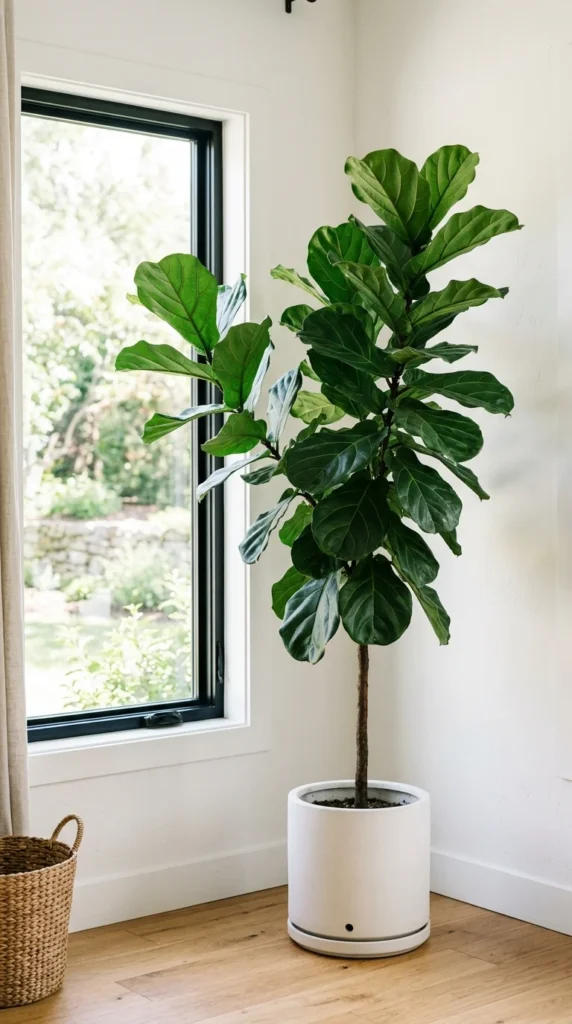
Luxury isn’t just about what you see; it’s about how the space feels. A signature home scent can make a modest apartment feel like a high-end boutique. Use a combination of high-quality candles, reed diffusers, and room sprays with sophisticated notes like sandalwood, leather, or bergamot to create an olfactory experience.
16. Luxury Hardware
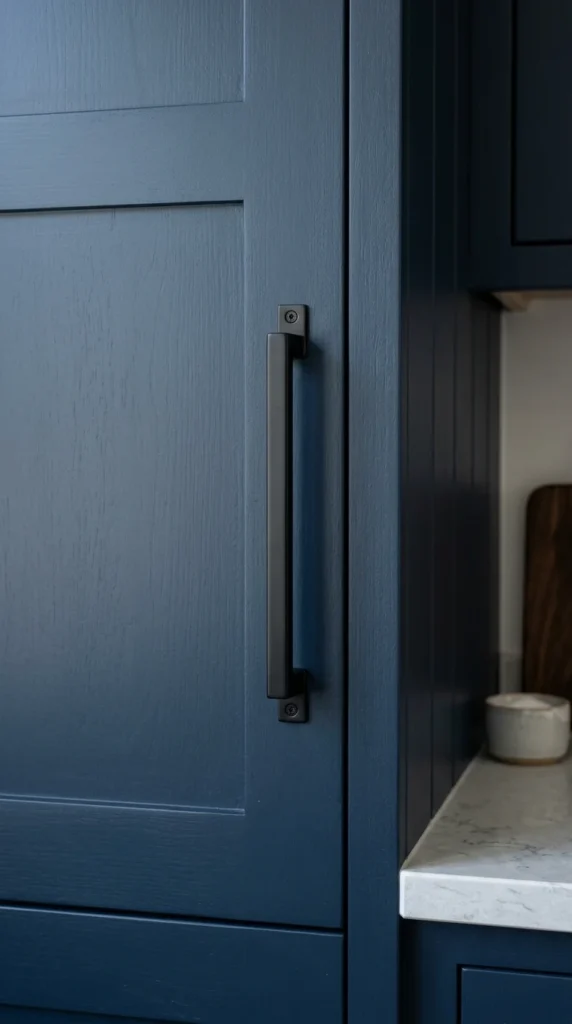
One of the easiest “hacks” for a luxury feel is upgrading your hardware. Replace standard builder-grade knobs and pulls on your kitchen cabinets and dresser with heavy, high-quality versions in matte black, polished nickel, or brushed gold. It’s a small detail that makes a massive difference in the tactile experience of the room.
17. Statement Headboards
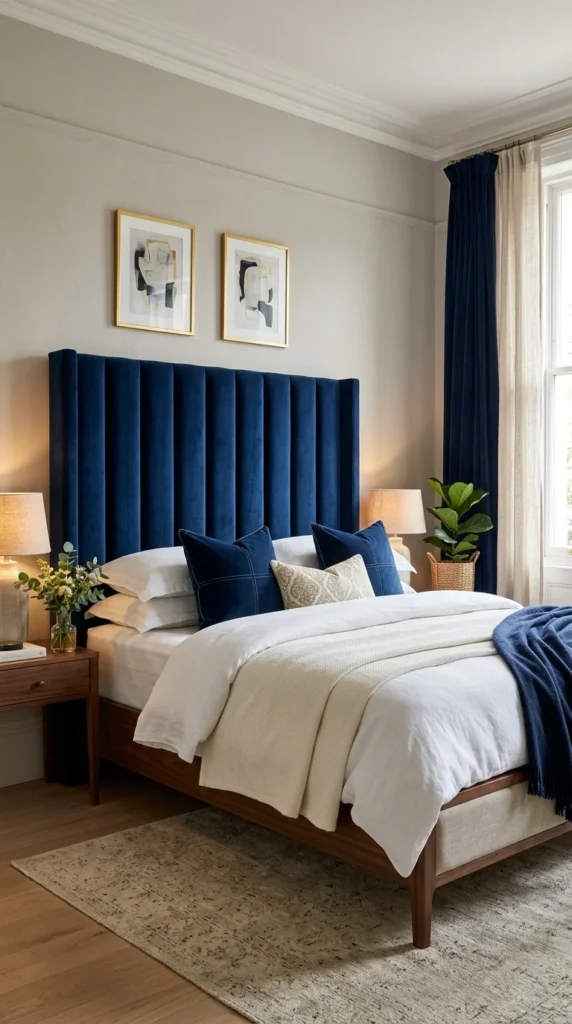
In a studio, the bed is often visible from the front door. A tall, upholstered statement headboard acts as an architectural feature. It provides a sense of enclosure and comfort while adding a vertical element that makes the ceiling appear higher. It turns the sleeping nook into a master suite.
18. Floating Furniture
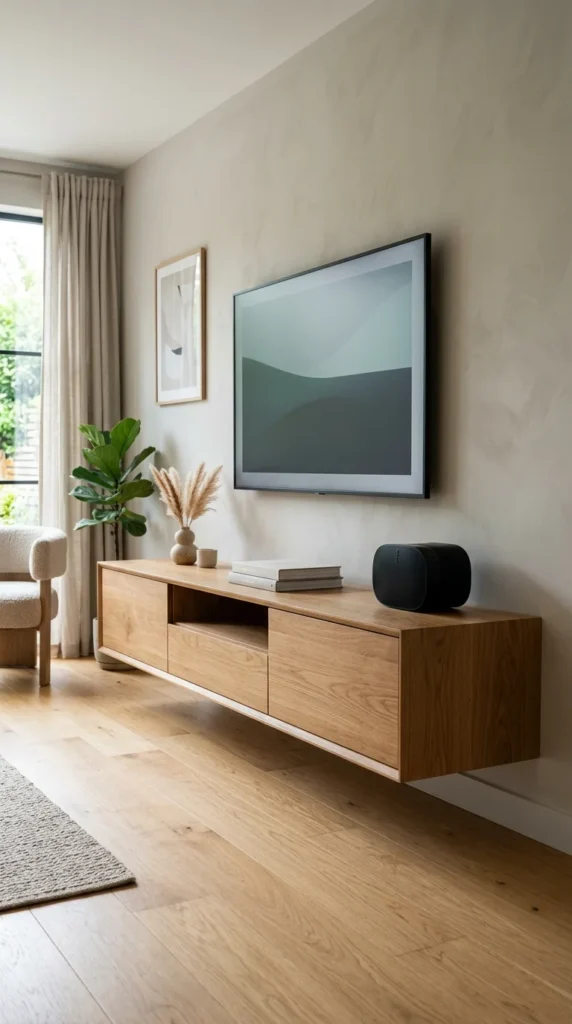
Furniture that “floats” (is wall-mounted) exposes more of the floor, which trick the eye into thinking the room is larger. A floating vanity or media console creates a clean, modern look that feels custom-built and high-end, eliminating the “clunkiness” of traditional furniture.
19. Artful Trays
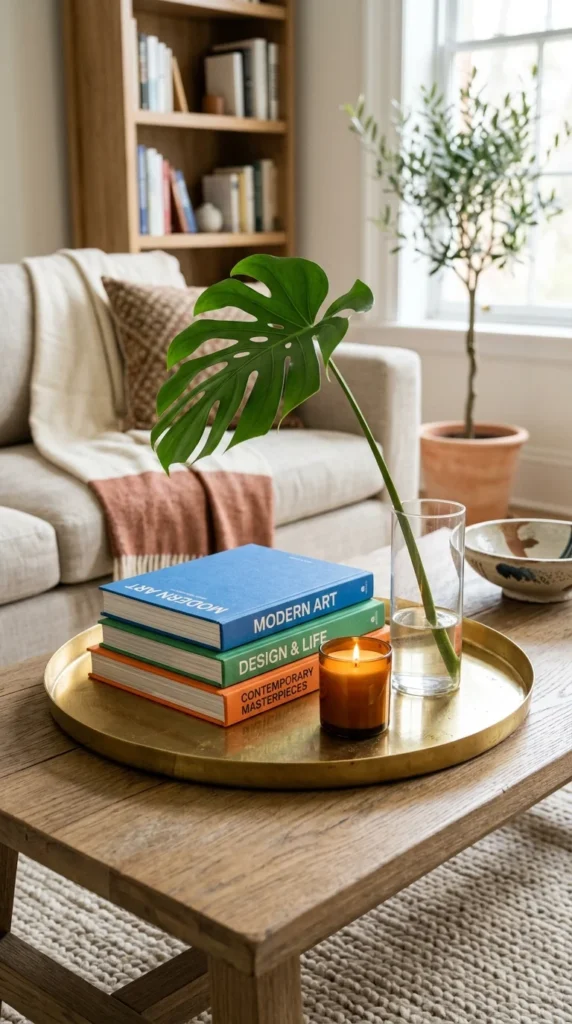
Corraling your items onto trays prevents them from looking like “clutter” and makes them look like a “vignette.” Use marble, leather, or metallic trays to organize your coffee table, bathroom counter, and entry table. It’s a simple way to make everyday items look like a curated collection.
20. Accent Ceilings
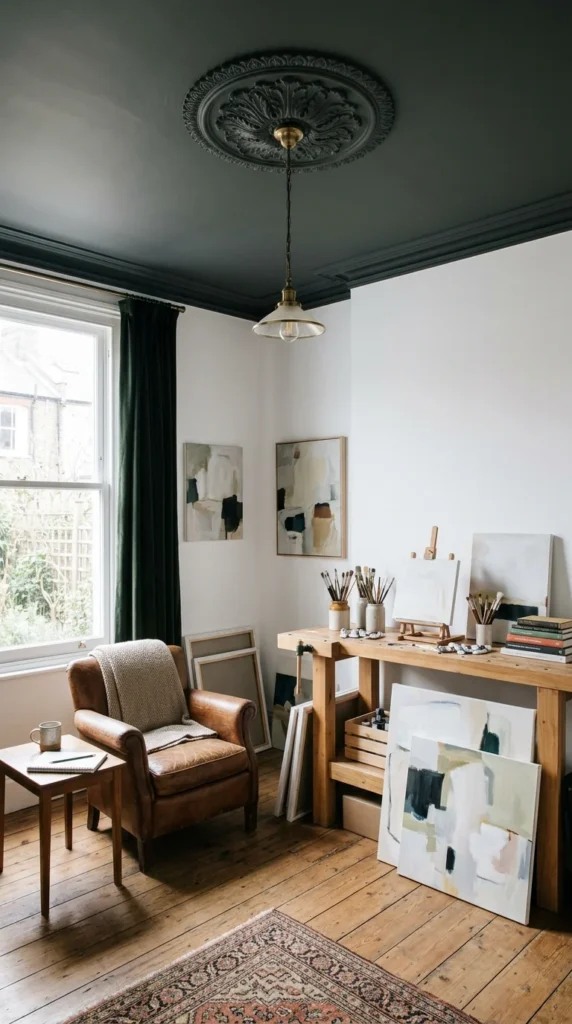
The “fifth wall” is often neglected. In a studio, painting the ceiling a dark, moody color or adding a subtle wallpaper can create a “jewelry box” effect. It adds an unexpected layer of design that feels incredibly intentional and expensive.
21. High-End Technology
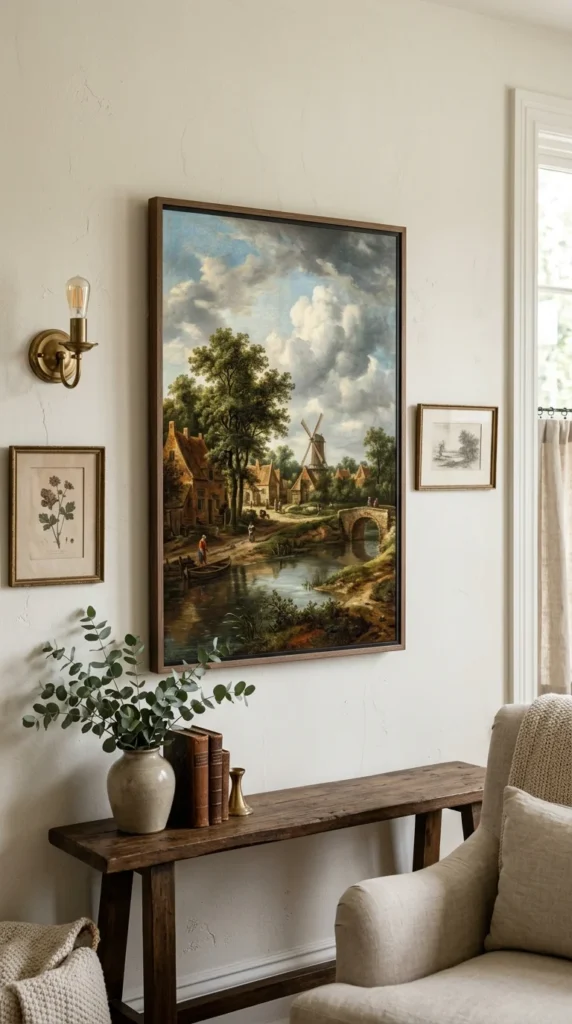
Visible wires and bulky electronics are the enemies of luxury. Invest in technology that blends in, such as a television that looks like art when turned off. Hide all cords behind walls or in cord-management systems to maintain a clean, streamlined aesthetic.
22. Coffee Table Books
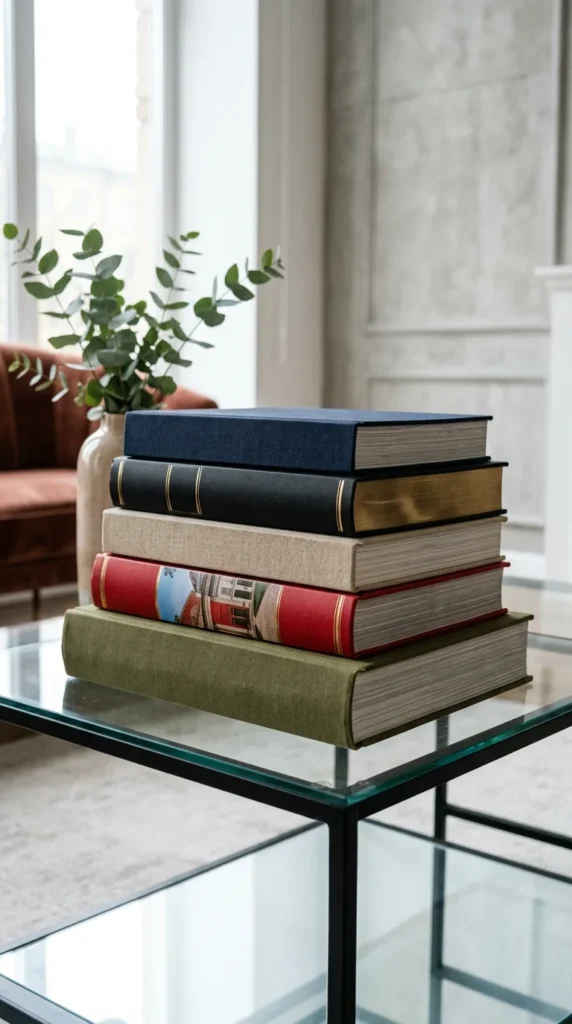
Large-scale art books are a staple of luxury homes. They add color, height, and a sense of intellectual curiosity to your space. Choose books with beautiful spines and covers that reflect your interests, and use them to add height to lamps or vases.
23. Customized Closets
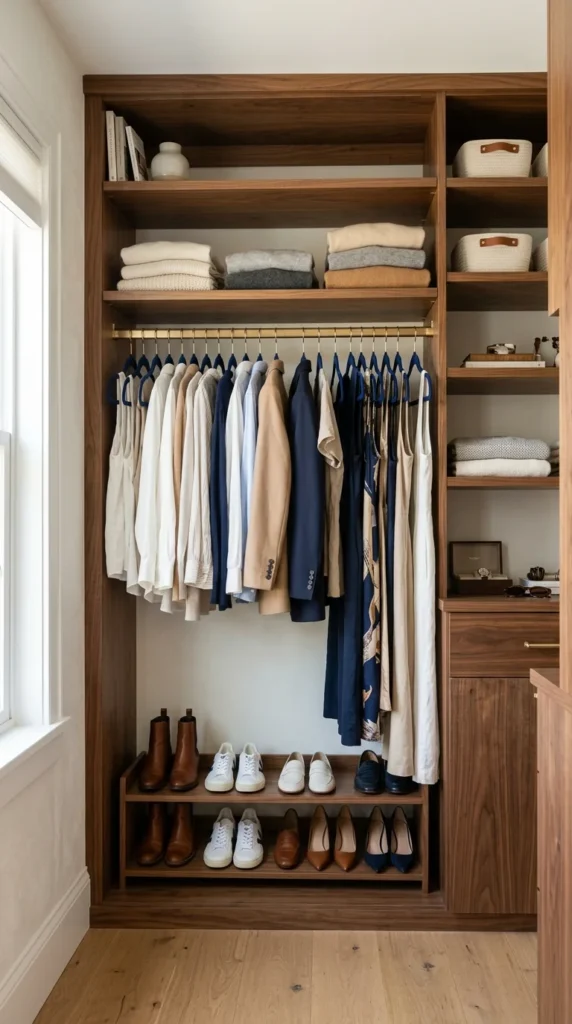
If your studio has an open closet or if you use a clothing rack, the key to luxury is uniformity. Use matching hangers (velvet or wood) and organize your clothes by color. A messy closet can ruin the vibe of a whole room, while a tidy one feels like a high-end walk-in.
24. Elegant Bar Carts
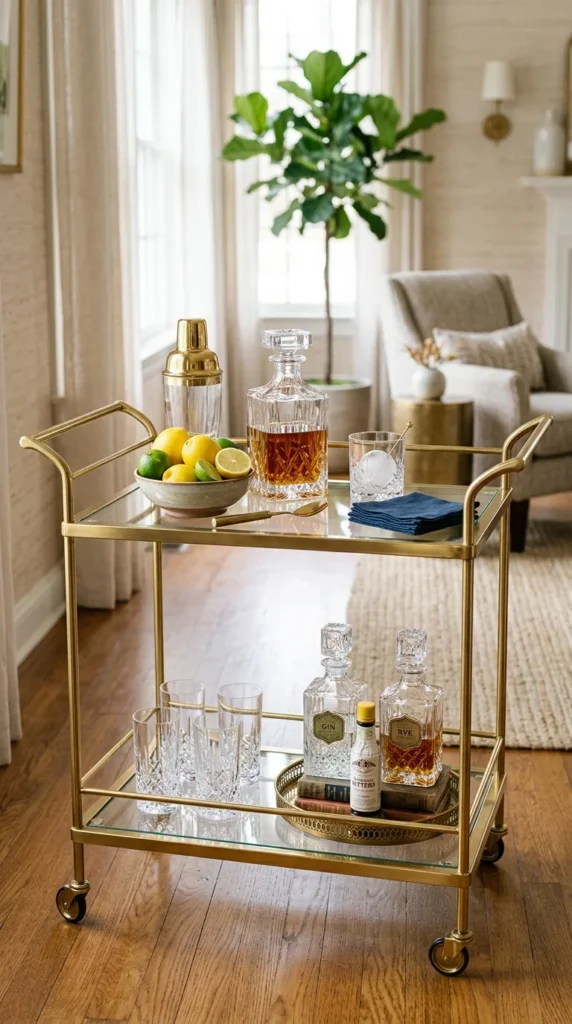
A bar cart is a functional piece of decor that suggests a lifestyle of entertaining and leisure. Even if you don’t drink, a bar cart can be used as a “coffee station” or a place to display beautiful glassware. It adds a touch of Mid-Century glamour to any corner.
25. Intentional Symmetry
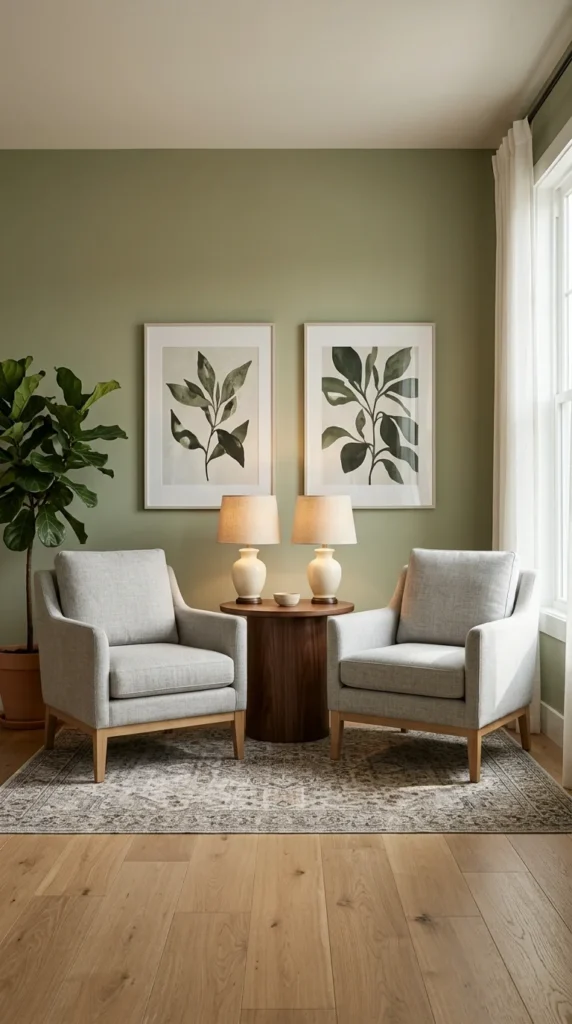
Symmetry is a classic design principle that creates a sense of order and balance. In a small space, using pairs—two matching pillows, two identical lamps, or two chairs—creates a sense of calm and formality that mimics the layout of a grand estate. It makes the space feel grounded and professional.