
Creating a living room that feels like a sanctuary doesn’t require sprawling square footage. In fact, smaller spaces often have a natural advantage when it comes to “hygge”—that sought-after Danish quality of coziness and soulfulness. The secret lies in clever layouts, tactile textures, and a personal touch that turns a house into a home. Whether you are dealing with a studio apartment or a compact cottage, these 22 design ideas will help you maximize comfort without sacrificing style.
1. Earthy Neutrals
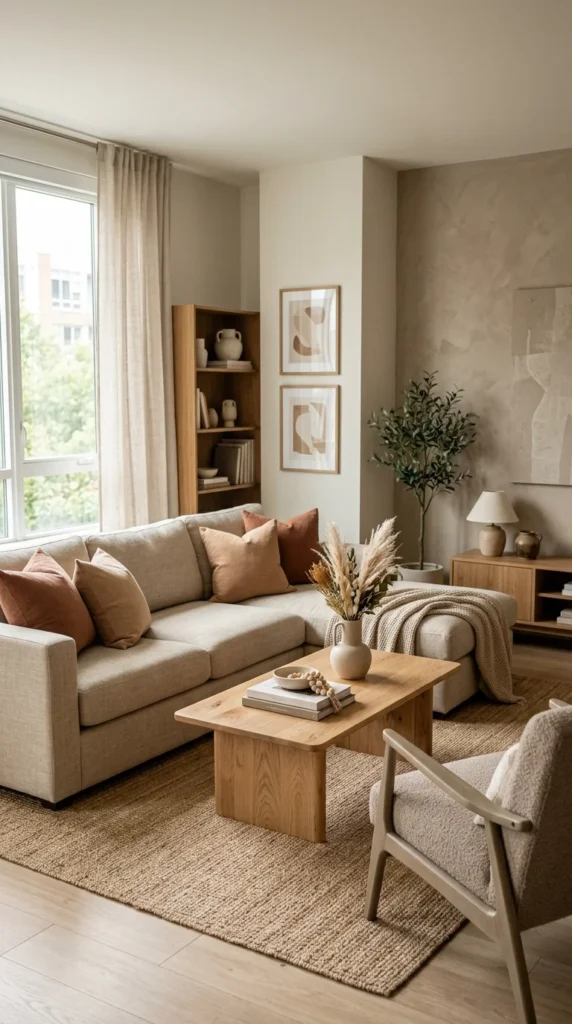
Neutral palettes are a staple for small spaces because they reflect light and create a sense of airy openness. However, the key to making neutrals feel “cozy” rather than “cold” is to lean into earthy tones like oatmeal, mushroom, and terracotta. Use a mix of materials—think a linen sofa paired with a jute rug and a reclaimed wood side table—to add depth to the monochromatic look.
2. Plush Velvet
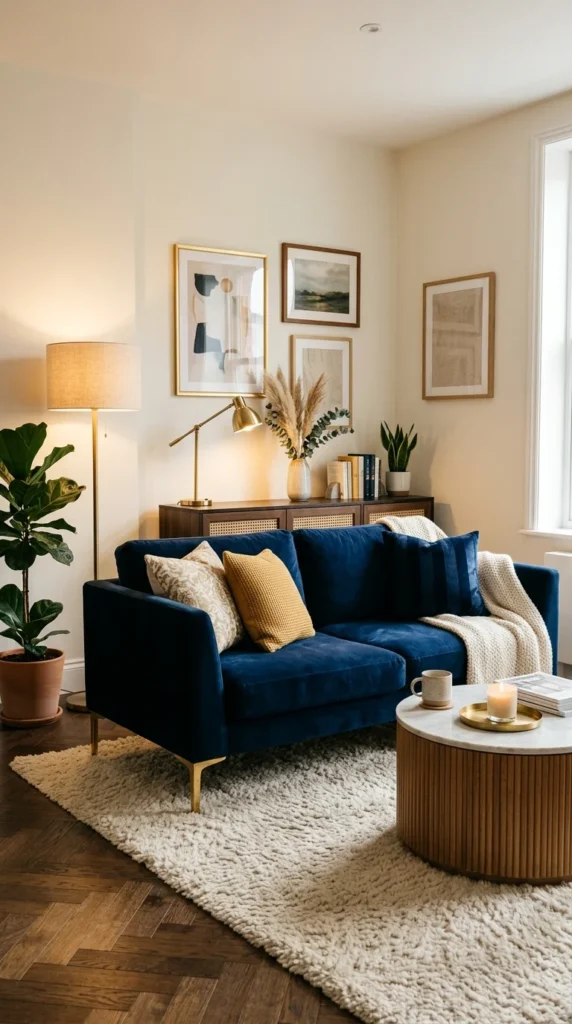
Nothing says luxury and comfort quite like velvet. In a small room, a velvet sofa serves as a sophisticated focal point that invites you to sink in. Because velvet catches the light differently from various angles, it adds a visual richness that flat fabrics lack. Pair it with metallic accents for a modern feel or dark woods for a classic, library-like vibe.
3. Layered Rugs
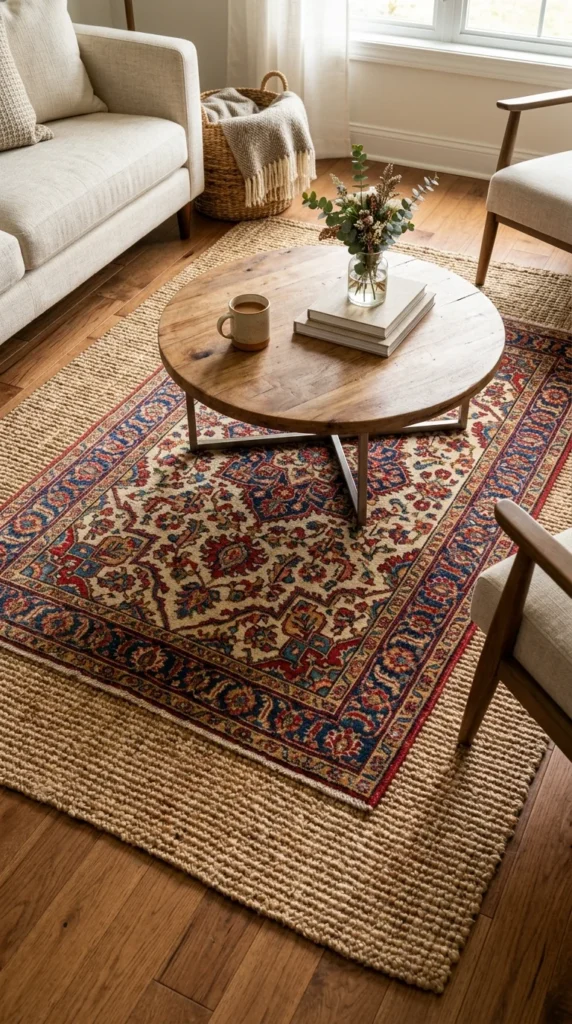
One rug is good, but two are better for creating a grounded, lived-in feel. Start with a large, neutral base rug—like sisal or jute—that covers most of the floor area to make the room feel larger. Then, layer a smaller, softer rug on top, such as a faux sheepskin or a patterned flatweave. This adds an immediate sense of warmth and physical softness underfoot.
4. Built-in Shelving
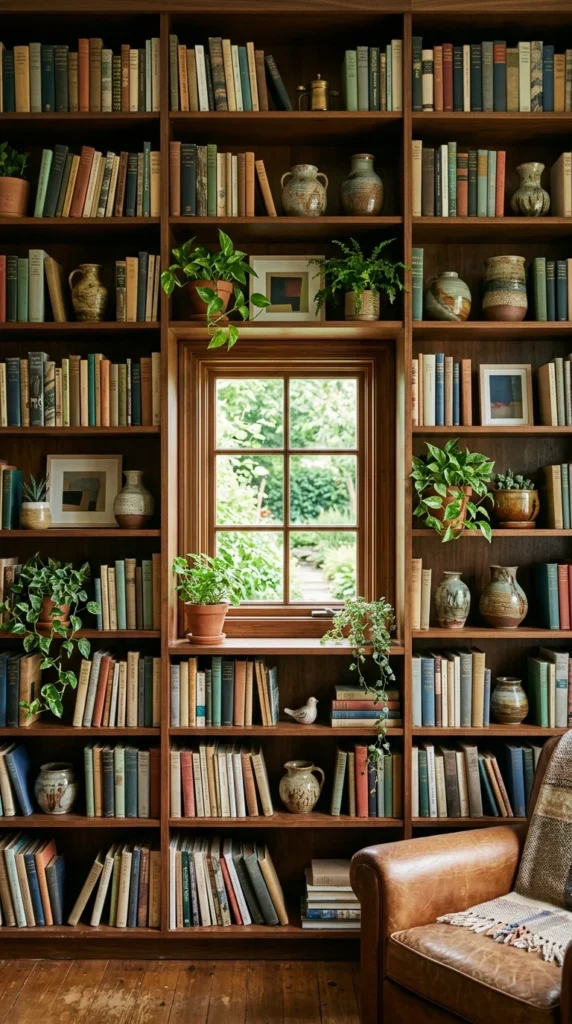
When floor space is limited, look to the walls. Built-in shelving that spans from floor to ceiling utilizes vertical space and provides a home for books, art, and memories. This “library” effect makes a small living room feel established and cozy. Pro tip: Paint the back of the bookshelves a slightly darker shade than the walls to create a sense of depth.
5. Floor-to-Ceiling Curtains
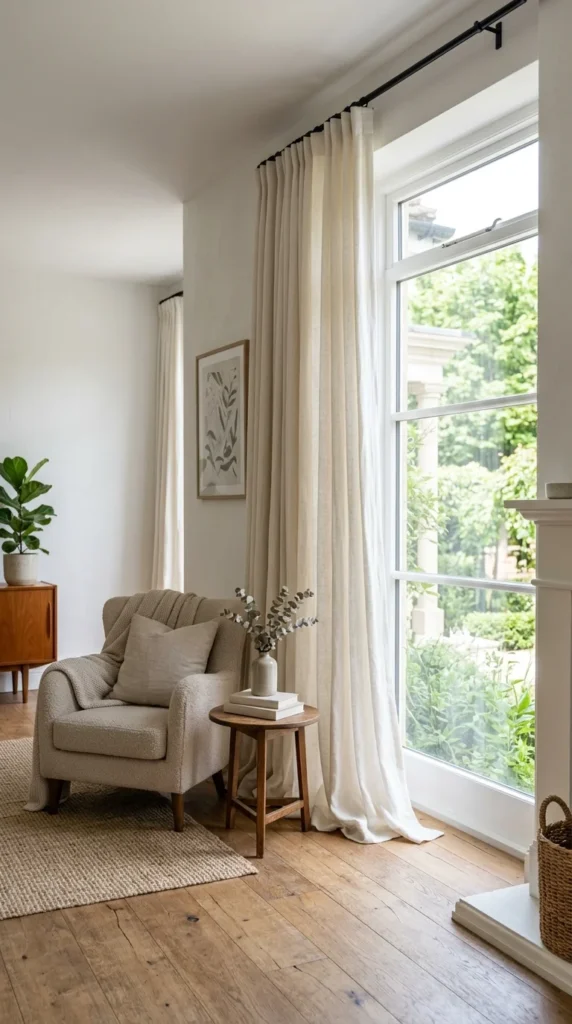
To make a small room feel grander and more tucked-in, hang your curtain rods as close to the ceiling as possible. Allowing long, flowing fabric to pool slightly on the floor creates a sense of height and softens the hard lines of the room. Choose semi-sheer fabrics to let in natural light during the day while maintaining privacy.
6. Oversized Mirrors
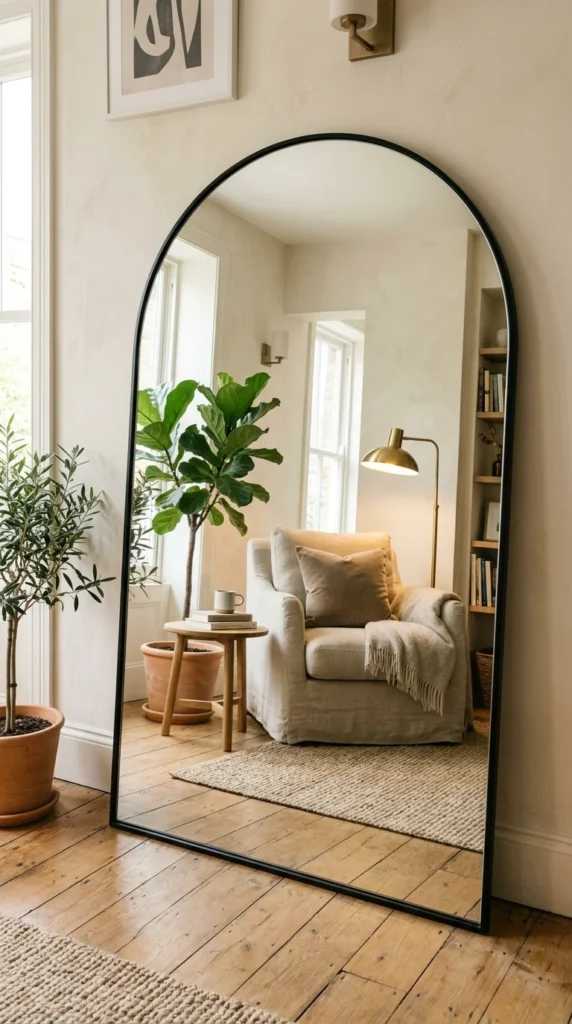
The oldest trick in the book remains one of the most effective. A large mirror reflects light and views, tricking the eye into thinking the room continues further than it does. Placing a mirror opposite a window is the best way to amplify natural light, while a mirror behind a lamp can double the glow of your evening lighting.
7. Indoor Greenery
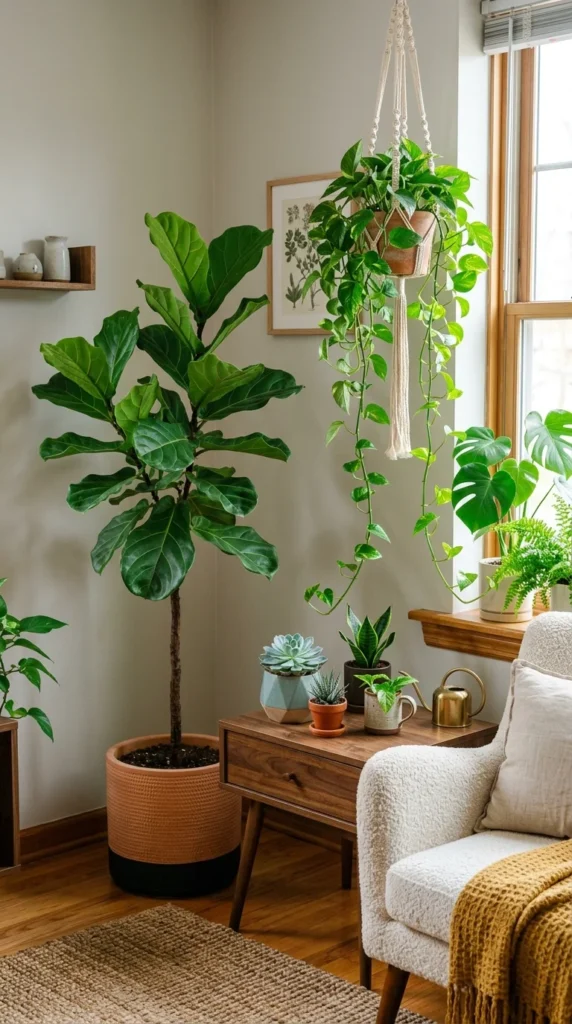
Plants breathe life into a room—literally and figuratively. In a small space, use varying heights to create a “jungle” corner. A tall Fiddle Leaf Fig can fill an empty corner, while trailing plants like Pothos can drape from high shelves. The organic shapes of leaves break up the straight lines of furniture, making the space feel more relaxed and natural.
8. Warm Lighting
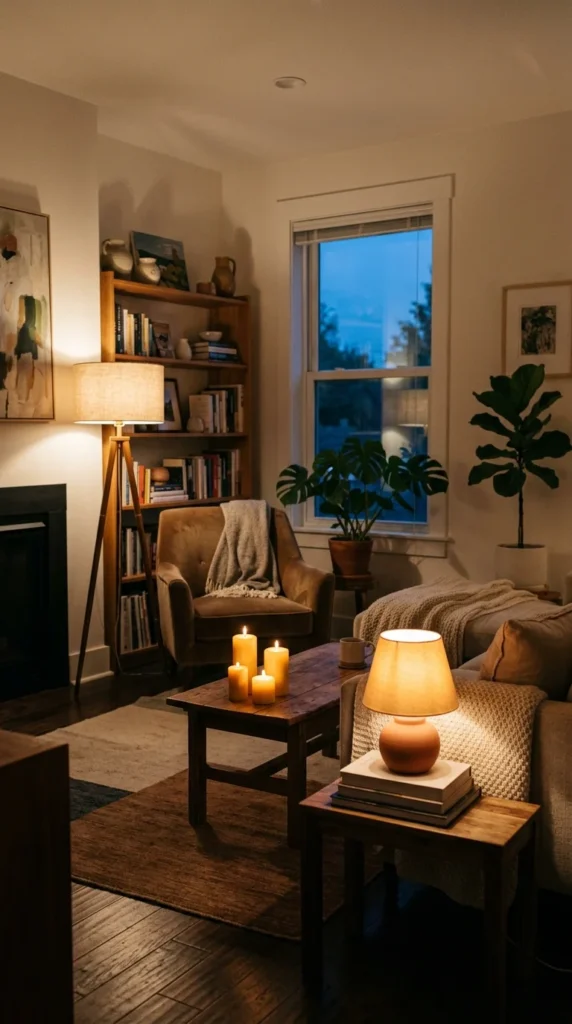
Avoid the “big light” at all costs if you want a cozy vibe. Instead, layer your lighting. Use a combination of floor lamps for reading, table lamps for a soft glow, and wall sconces to highlight art. Use “warm white” bulbs to mimic the flickering glow of a fireplace, creating an intimate atmosphere perfect for evening relaxation.
9. Nested Tables
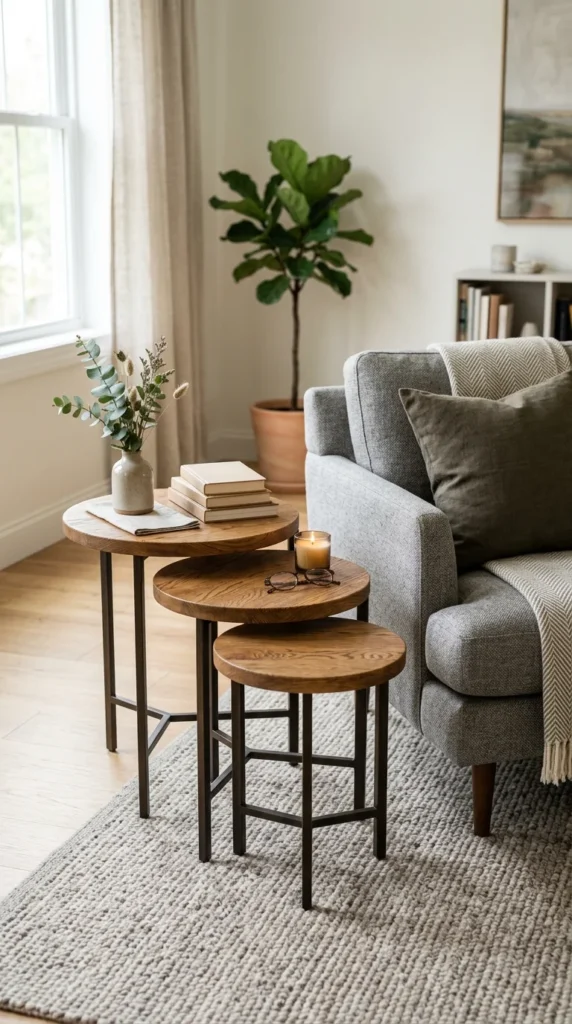
In a small living room, flexibility is key. Nesting tables are a brilliant solution because they provide extra surface area when you have guests or need a spot for your coffee, but they tuck away neatly when not in use. Opt for round shapes to improve the “flow” of the room and prevent painful bumps into sharp corners in tight quarters.
10. Window Nooks
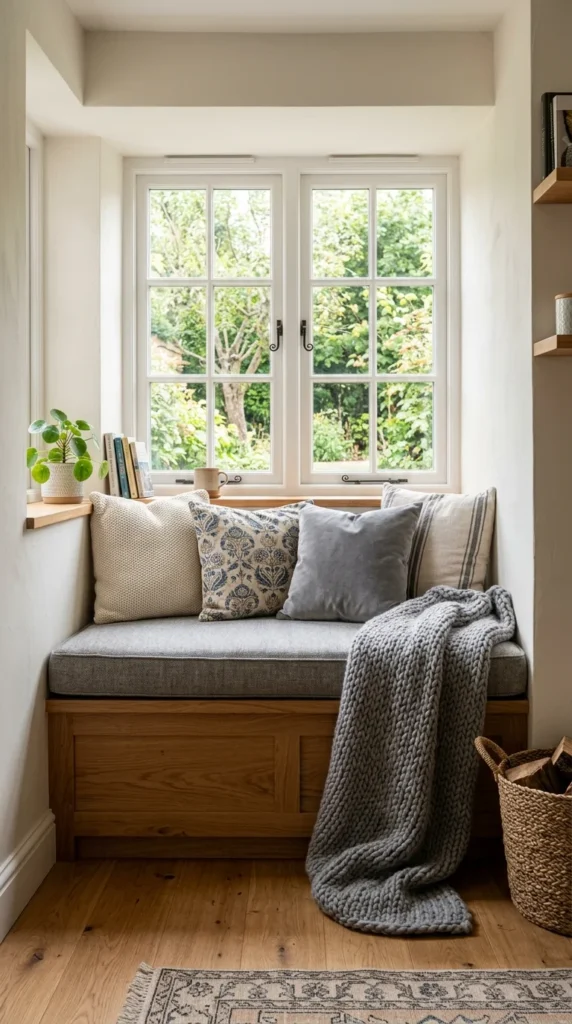
If you have a window, you have the potential for a reading nook. Transforming a windowsill into a padded bench creates extra seating without taking up the center of the room. It’s the perfect spot to enjoy a morning coffee or watch the world go by, adding a functional and charming architectural element to your home.
11. Textured Throws
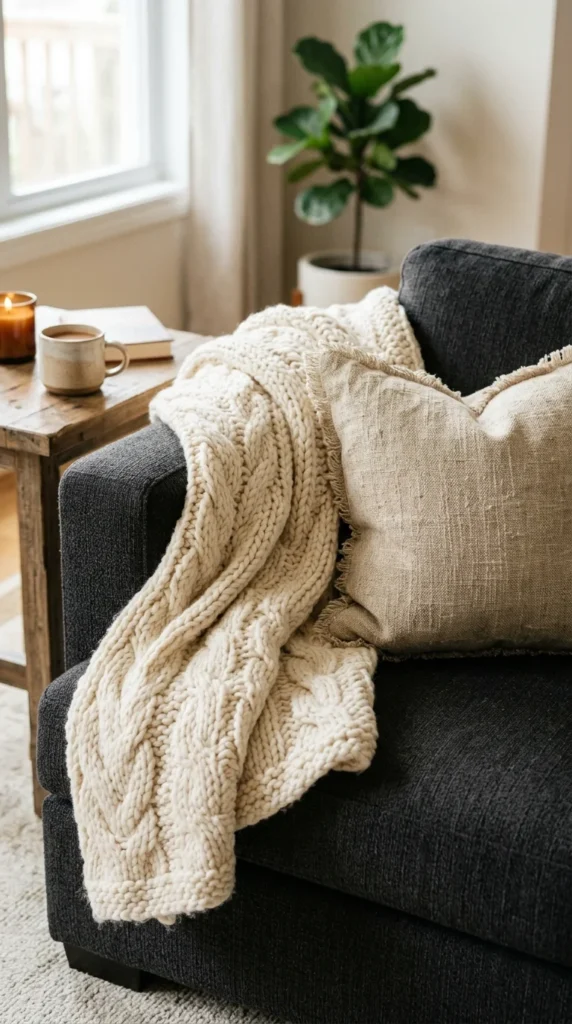
Texture is the secret ingredient of cozy design. A mix of chunky knits, faux fur, and brushed cotton makes a room feel tactile and inviting. Don’t just fold your blankets neatly; drape them over the back of a chair or the corner of the sofa to give the room an effortless, “lived-in” look that encourages guests to get comfortable.
12. Minimalist Scandi
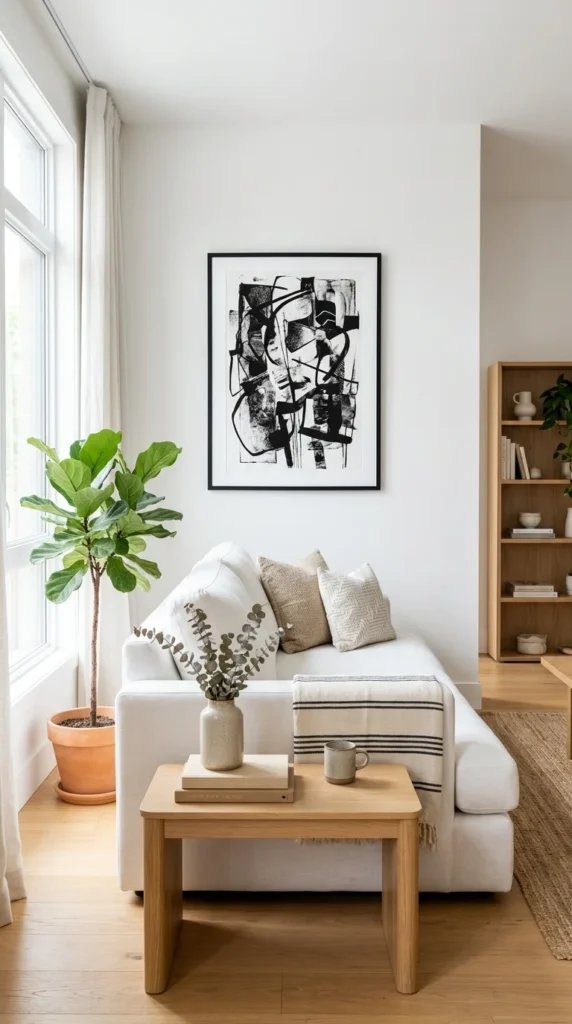
Scandinavian design is built on the philosophy of “less is more,” which is ideal for small spaces. Focus on high-quality, functional furniture with clean lines. By keeping the clutter to a minimum and using a restricted color palette of whites, grays, and light woods, you create a serene environment that feels spacious and calm.
13. Gallery Walls
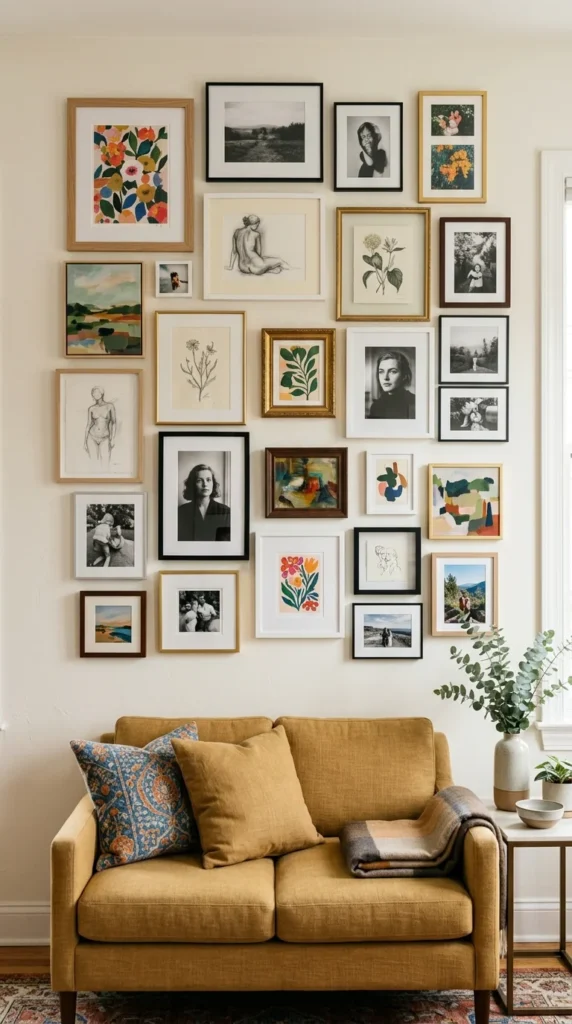
Personalization makes a house feel like a home. A gallery wall allows you to display your personality without taking up any floor space. Mix and match frame styles for a bohemian look, or keep them uniform for a more modern feel. Including personal photos and travel mementos ensures the space feels uniquely yours.
14. Exposed Brick
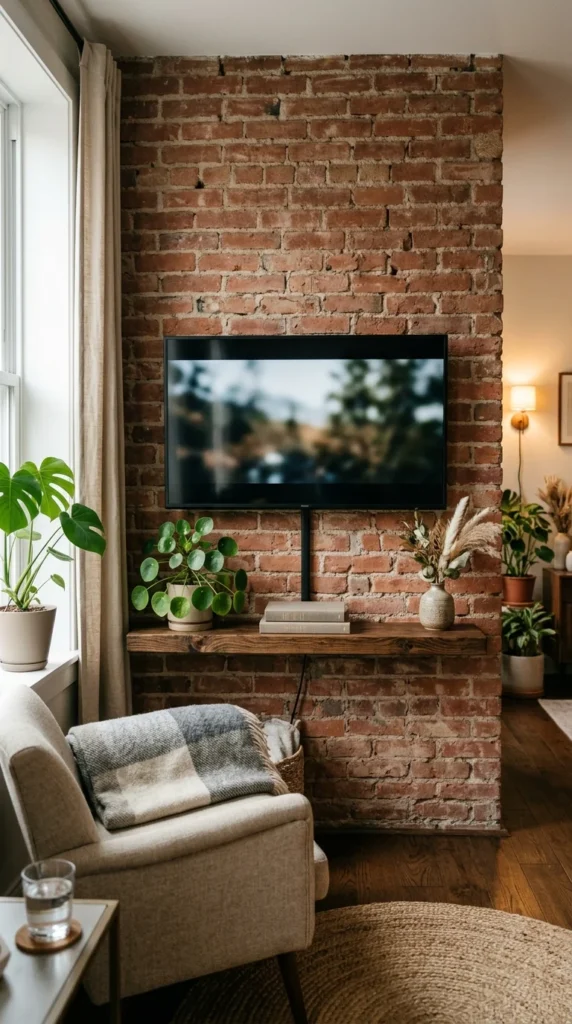
If you’re lucky enough to have an exposed brick wall, celebrate it! The raw texture adds an industrial yet warm character to a small room. If you don’t have real brick, high-quality brick wallpaper or thin brick veneers can replicate the look, providing a sturdy, timeless backdrop for your furniture.
15. Soft Ottomans
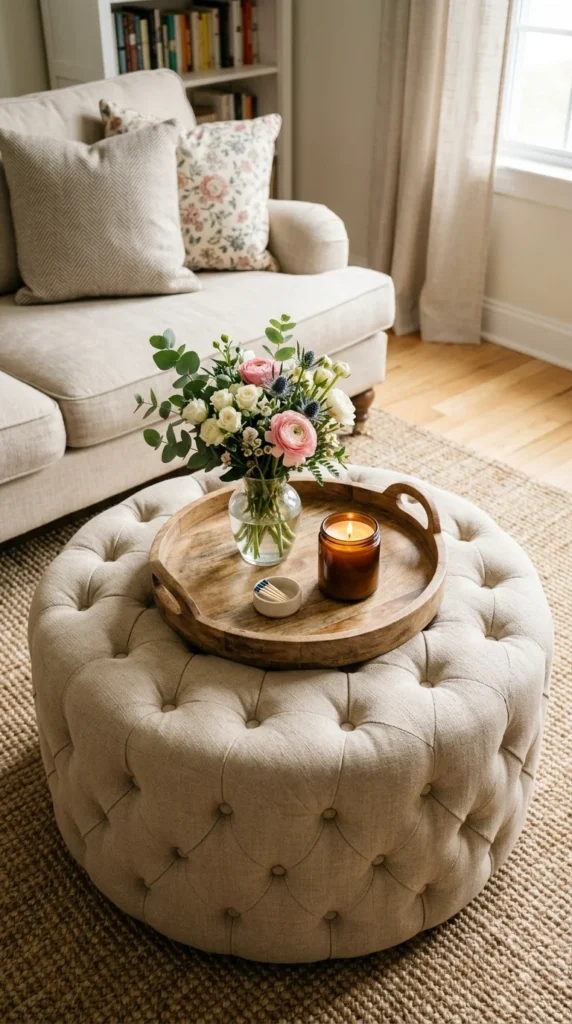
Swap out a hard-edged coffee table for a soft ottoman. Not only does this reduce the risk of bruised shins in a tight space, but it also provides extra seating when needed. By placing a flat tray on top, it still functions perfectly as a table for drinks and decor, while adding a layer of upholstered comfort to the room.
16. Sunken Seating
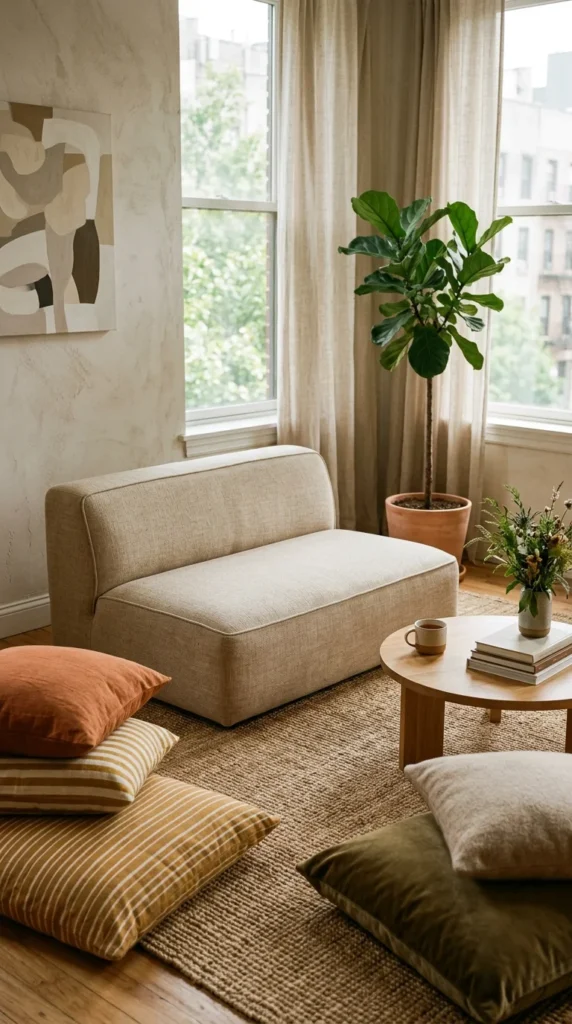
Keeping your furniture low to the ground creates the illusion of higher ceilings. Low-profile sofas and “sunken” style seating feel grounded and casual. This layout encourages a relaxed atmosphere, making the living room feel like a cozy “den” where everyone can pile in for a movie night.
17. Woven Accents
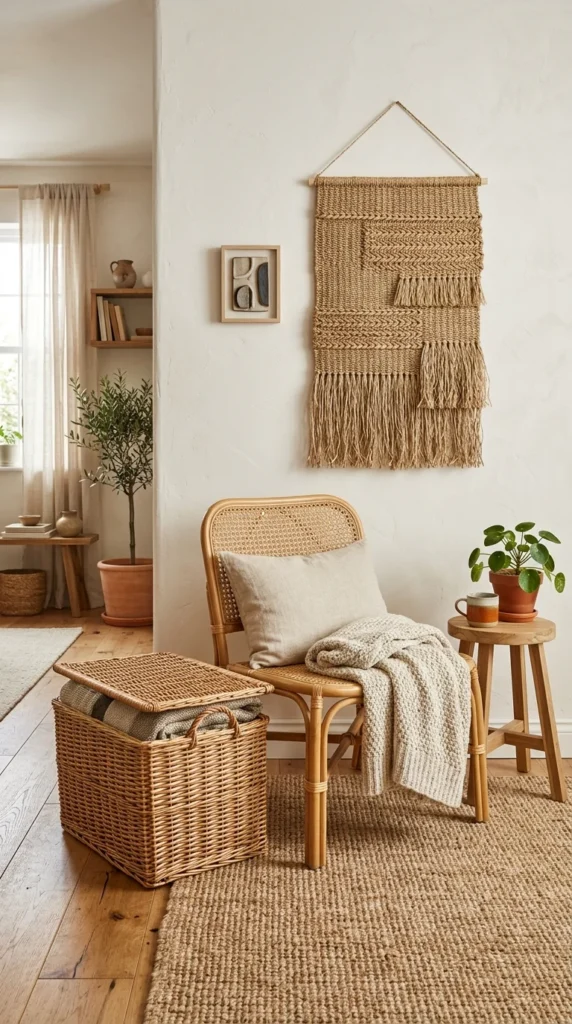
Natural fibers like rattan, wicker, and seagrass add an organic warmth that complements any style. A woven basket is a stylish way to hide clutter like extra blankets or toys, while a rattan chair provides a lightweight seating option that doesn’t feel visually “heavy” in a small room.
18. Dark Moodiness
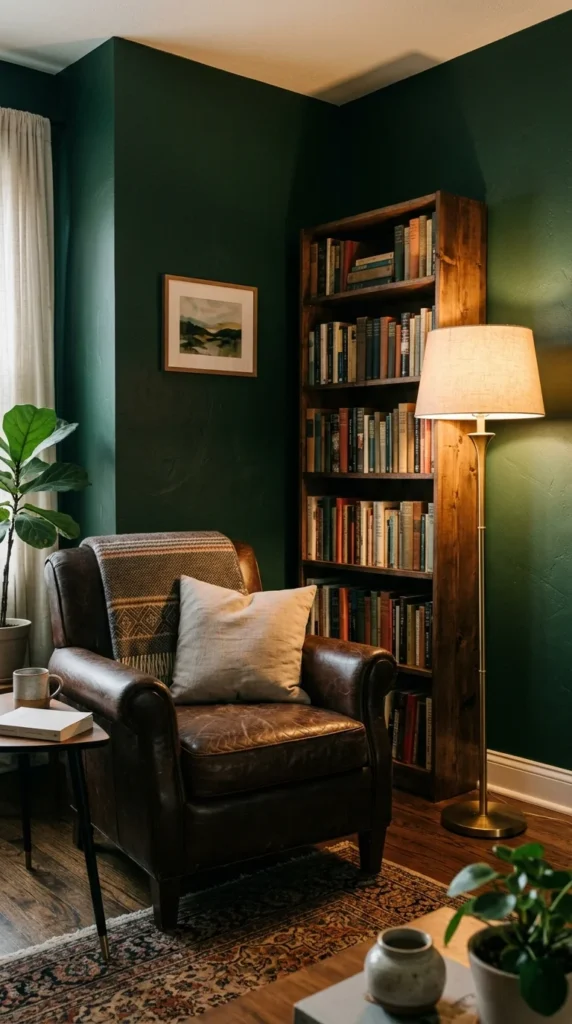
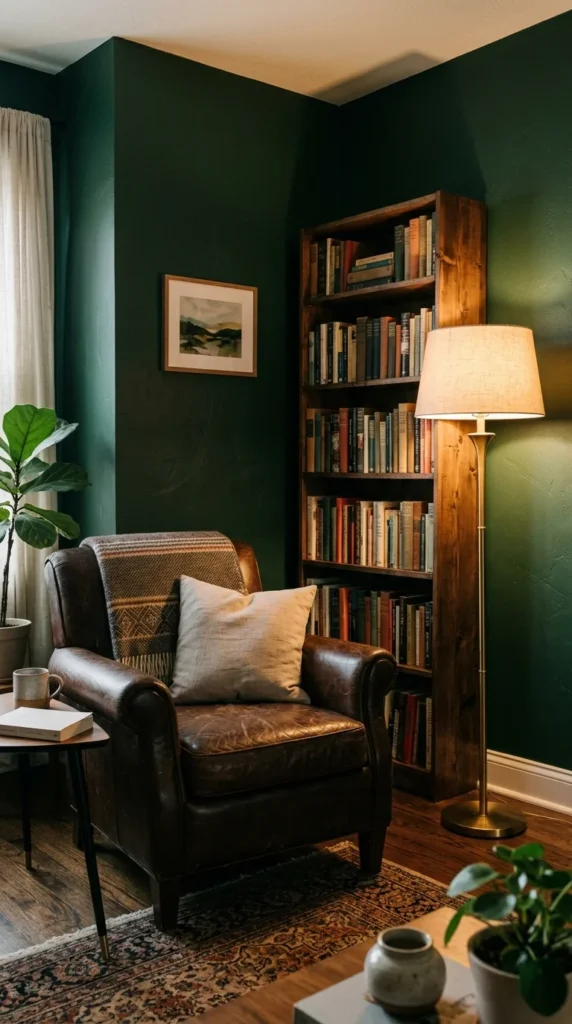
While light colors make a room feel bigger, dark colors make it feel cozier. Don’t be afraid to paint a small room a deep navy, charcoal, or forest green. This creates a “jewel box” effect, where the walls seem to recede and the space feels incredibly intimate and sophisticated—especially when paired with warm wood and leather.
19. Open Concepts
In many modern homes, the living room is part of a larger open area. To make the living “zone” feel cozy, define it with a rug and turn the furniture inward. Using a sofa with a low back allows the eye to travel across the room, maintaining the sense of space while creating a dedicated area for relaxation.
20. Fireplace Focal
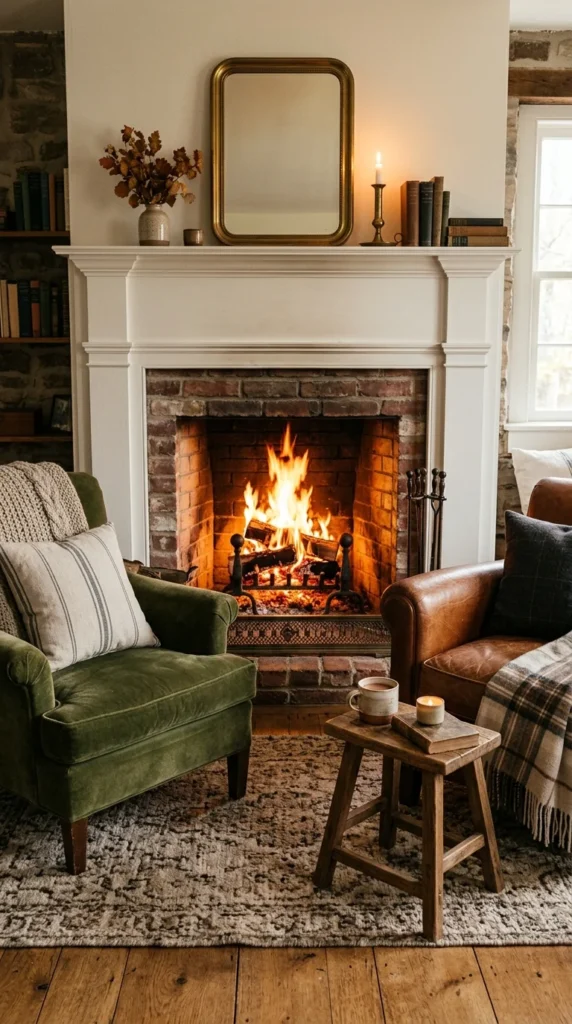
If you have a fireplace, make it the star. Arrange your furniture to face the hearth rather than the television. Even if you have a non-working fireplace, you can fill the interior with candles or stacked logs to create a decorative focal point that radiates warmth and charm.
21. Vintage Charm
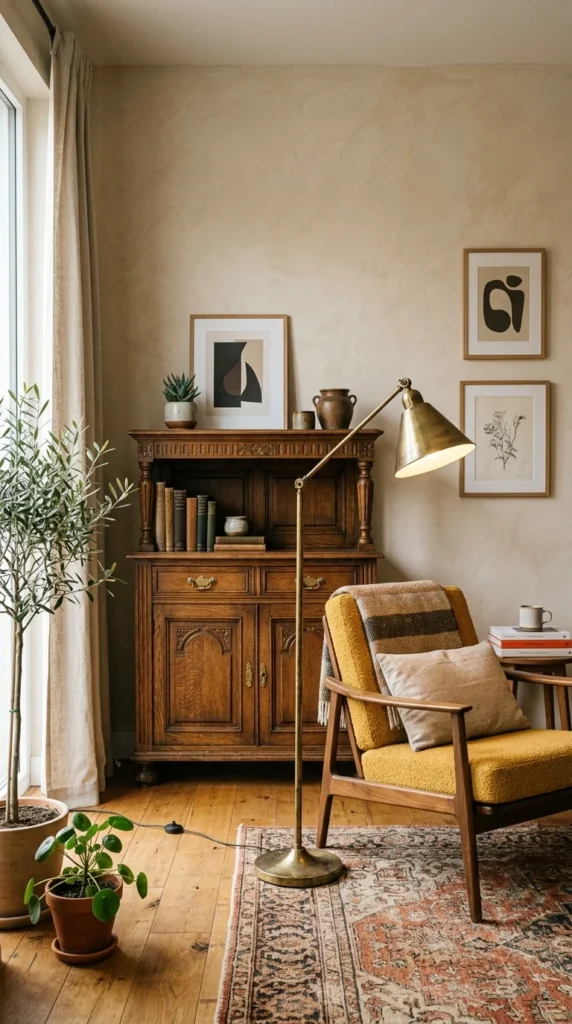
Mixing old and new gives a room a sense of history. A single antique piece—like a weathered trunk used as a coffee table or a vintage lamp—adds “soul” to a space. These pieces often have stories behind them, making the room feel less like a showroom and more like a curated collection of a life well-lived.
22. Monochromatic Bliss
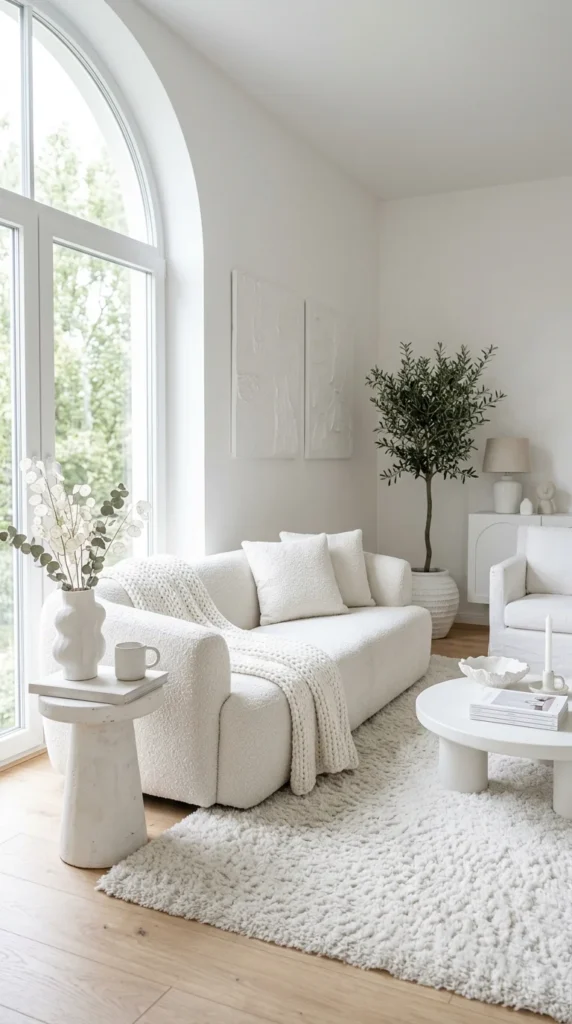
For the ultimate in serene design, go monochromatic. By using varying shades of the same color (like whites and creams), you eliminate visual “noise.” This creates a seamless, peaceful environment where the focus shifts from the size of the room to the quality of the textures within it. It’s the perfect way to make a tiny footprint feel like a vast, cozy cloud.