
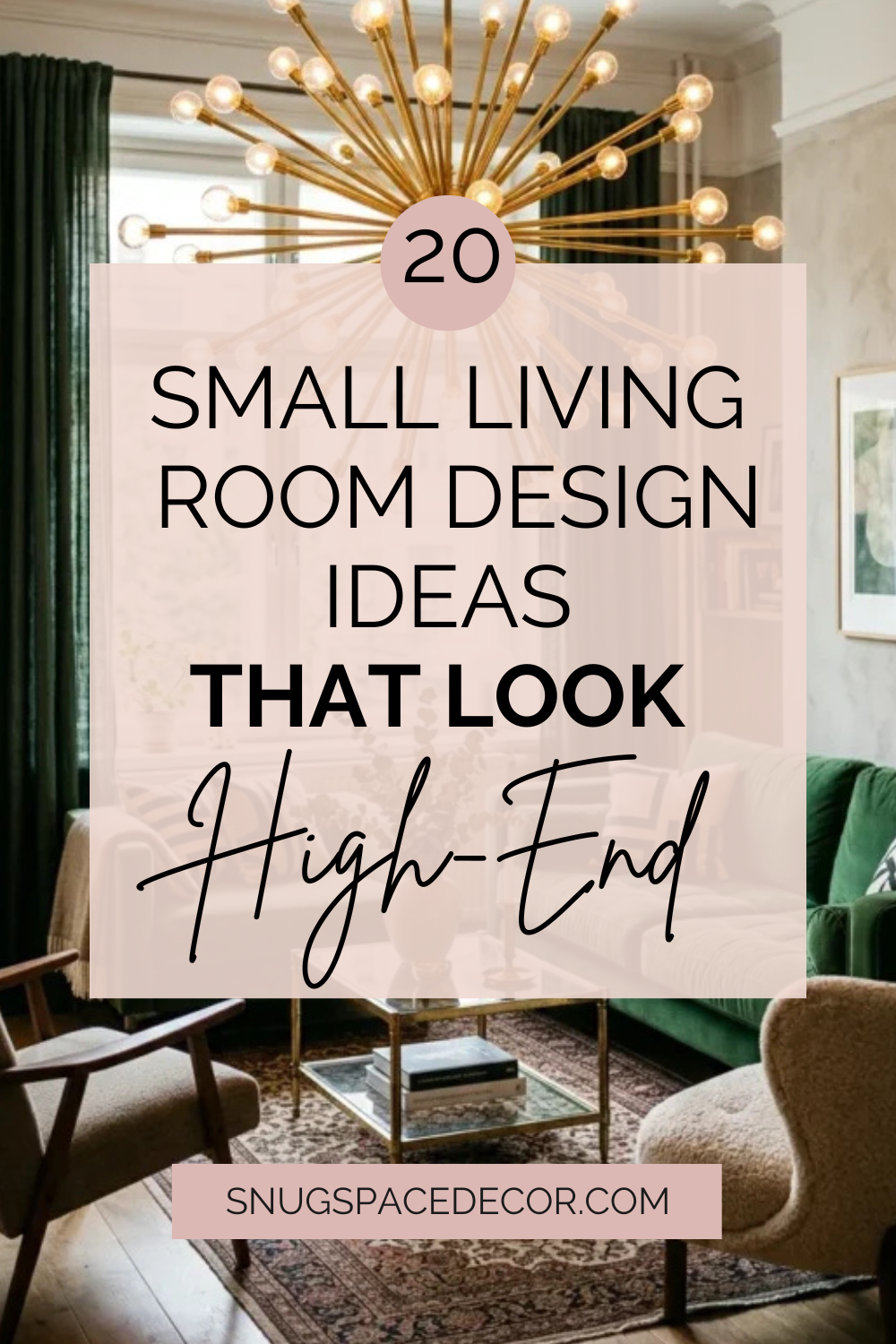
Creating a high-end feel in a compact living area is not about the square footage you possess, but the intentionality of every design choice you make. Luxury is defined by a sense of curated elegance, comfort, and a seamless flow that guides the eye. When space is limited, every texture, light fixture, and piece of furniture must work harder to evoke a sense of opulence. By focusing on scale, materiality, and sophisticated palettes, you can transform a modest room into a sanctuary that rivals the most expensive penthouses.
1. Monochromatic Palettes
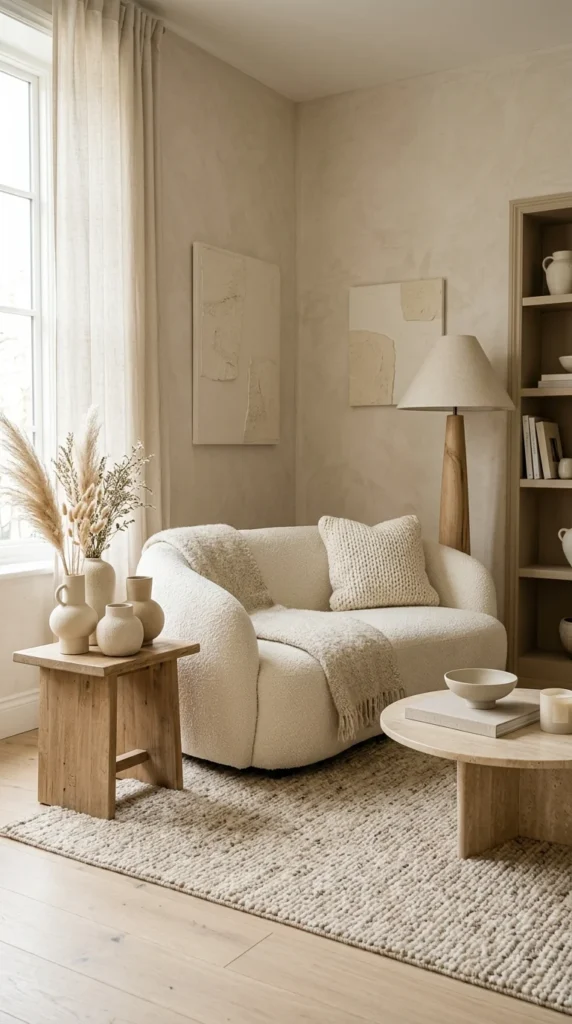
Sticking to a monochromatic color scheme is one of the fastest ways to achieve a high-end, designer look. When you use various shades of the same color—such as cream, oatmeal, and stone—it creates a seamless visual flow that makes the room feel expansive and cohesive. The key to preventing a monochromatic room from feeling flat is to layer textures. Mix a linen sofa with a chunky knit throw, a silk rug, and matte plastered walls to create depth and sophistication.
2. Statement Lighting
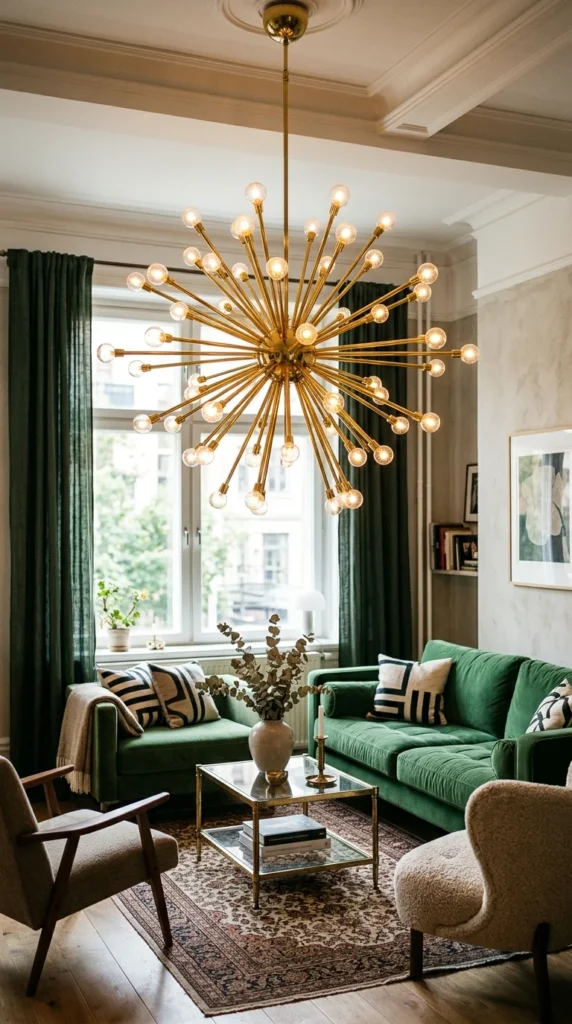
In a small living room, a generic ceiling light can make the space feel utilitarian. To elevate the aesthetic, swap standard fixtures for a “jewelry-like” statement piece. A large-scale chandelier or a sculptural pendant light draws the eye upward, highlighting the height of the room rather than its narrow footprint. Whether it’s a mid-century modern brass fixture or a contemporary glass installation, bold lighting acts as functional art that screams luxury.
3. Lucite Furniture
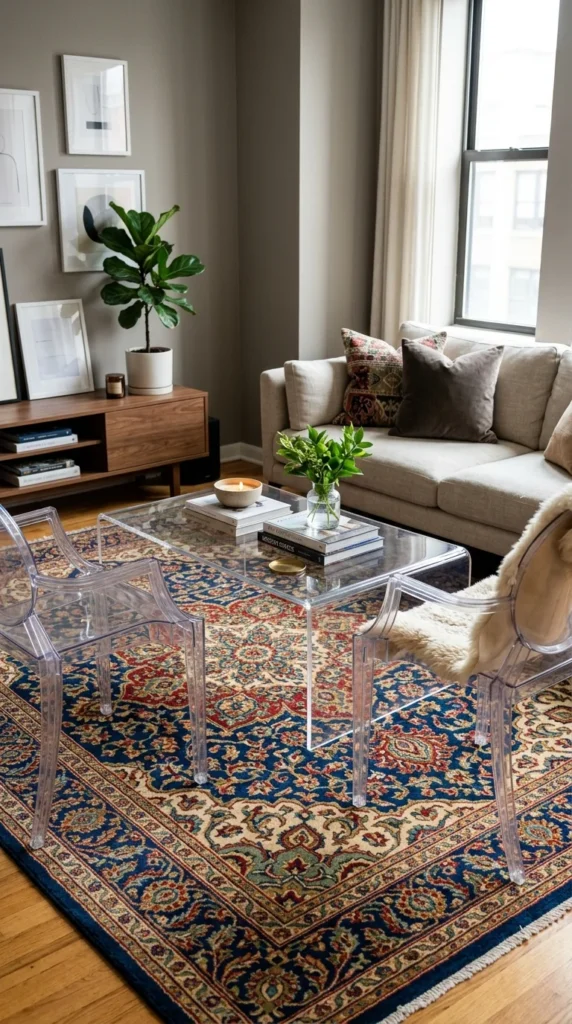
Visual weight is a crucial concept in small-space design. High-end interiors often feel airy and “breathable.” By incorporating “ghost” furniture—items made of clear acrylic or Lucite—you provide the necessary surfaces for living without cluttering the visual field. A Lucite coffee table or side chair serves its purpose while remaining nearly invisible, allowing the architectural details and expensive textiles of the room to take center stage.
4. Floor-to-Ceiling Drapes
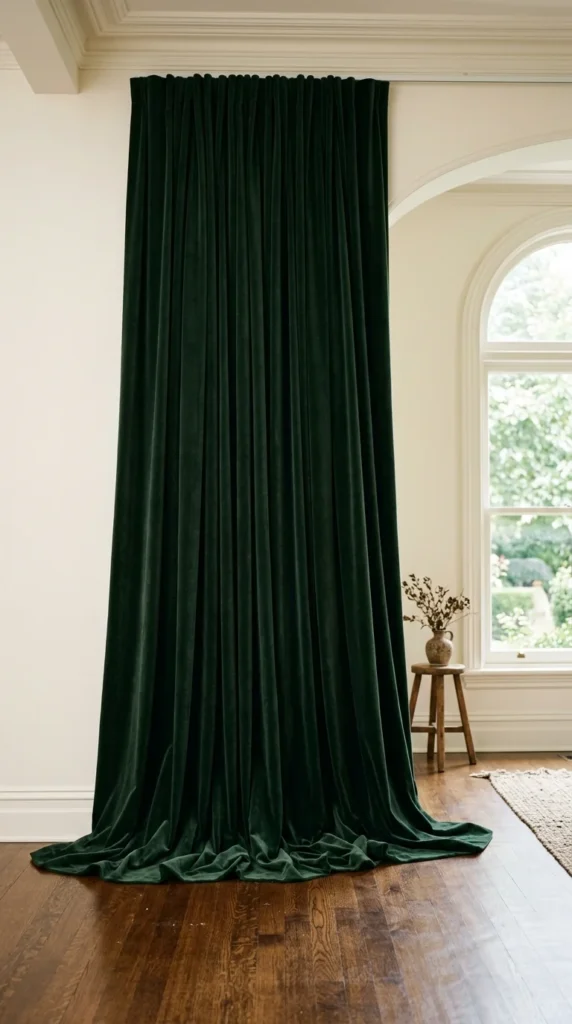
Standard window treatments often stop at the window frame, which can visually “cut” the wall and make the ceiling feel lower. For a high-end hotel vibe, hang your curtain rod as close to the ceiling as possible and let the fabric extend all the way to the floor. Using high-quality fabrics like heavy linen or velvet adds a sense of drama and grandeur. This vertical emphasis tricks the eye into thinking the walls are much taller than they actually are.
5. Large-Scale Art
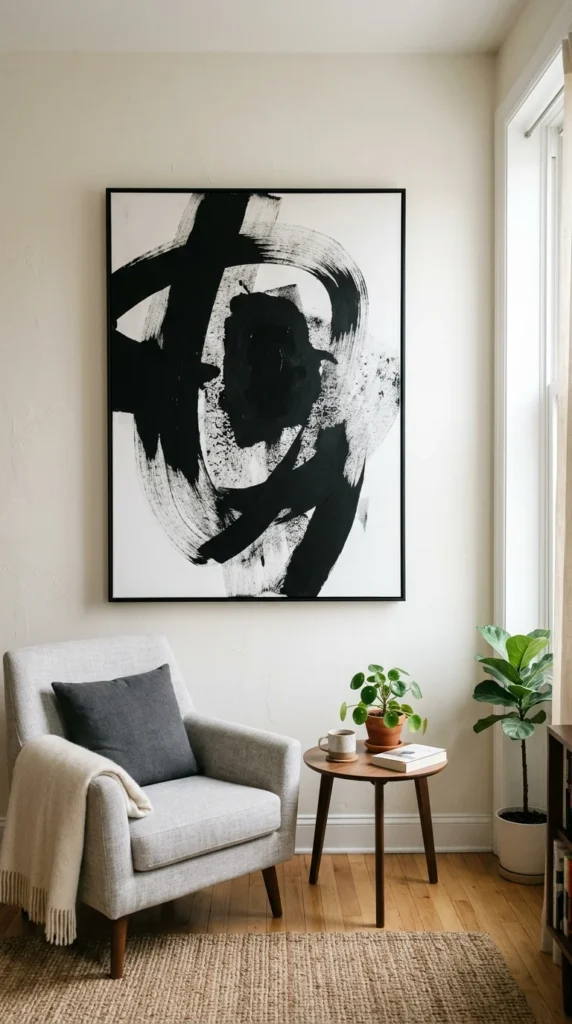
Many people make the mistake of decorating small walls with many small items, which often results in a cluttered, “busy” look. High-end design favors “the power of one.” A single, oversized piece of art creates a sophisticated focal point and gives the room a sense of importance. It suggests that the space was designed around a curated collection, rather than just filled with decorative fillers.
6. Architectural Molding
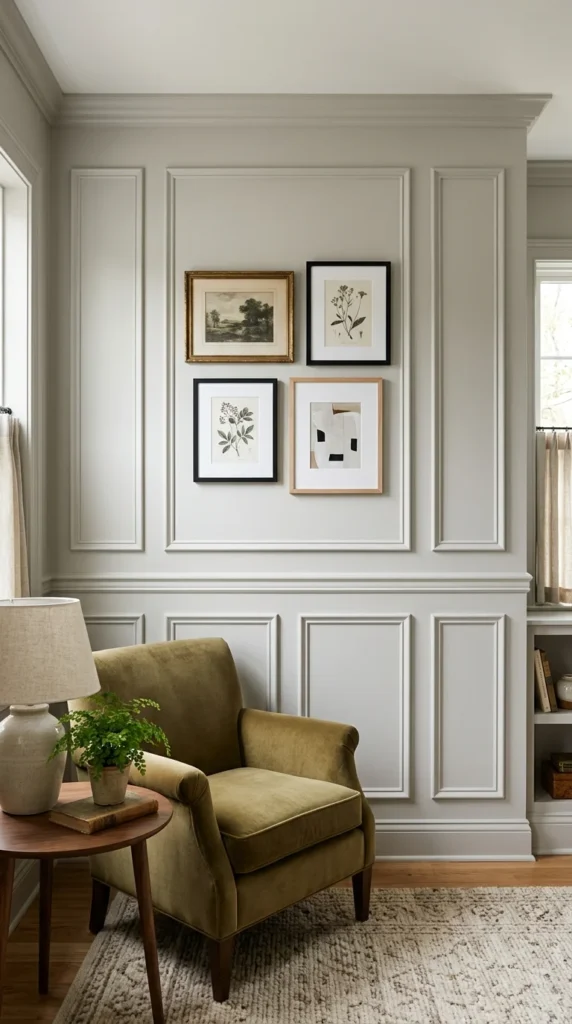
Nothing says “expensive” like custom architectural details. Adding crown molding, wainscoting, or picture frame molding can instantly elevate a plain “white box” apartment into a space with history and character. These details catch the light and create shadows that add architectural interest to the walls. Best of all, this is a relatively affordable DIY project that yields a massive return in terms of perceived value.
7. Integrated Cabinetry
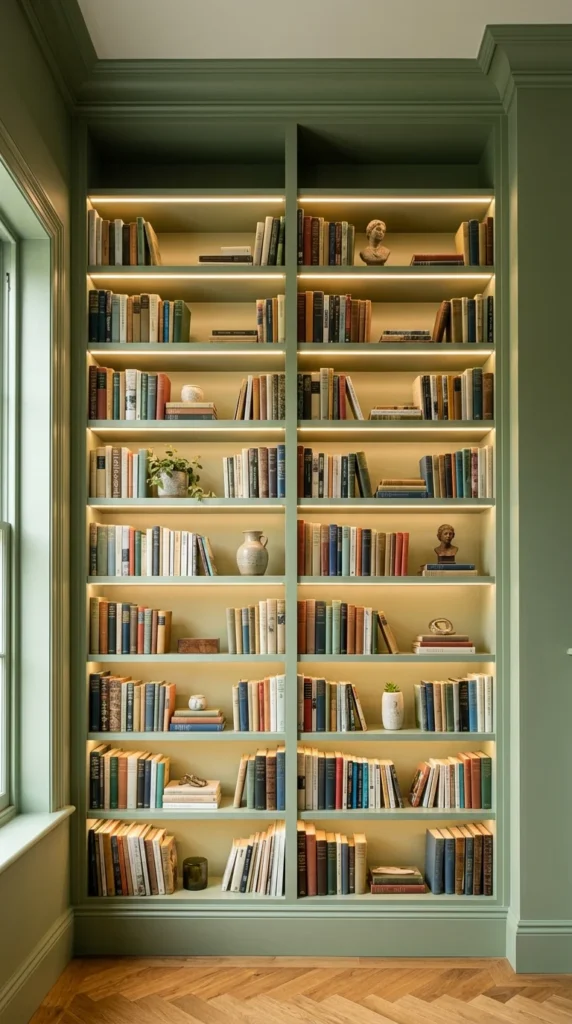
Clutter is the enemy of luxury. High-end homes often feature custom built-ins that provide storage while blending into the architecture. For a small living room, consider floor-to-ceiling shelving that surrounds a doorway or a media center. When these units are painted the same color as the walls, they feel like an organic part of the room, providing a place to display curated objects without encroaching on the floor space.
8. Metallic Accents
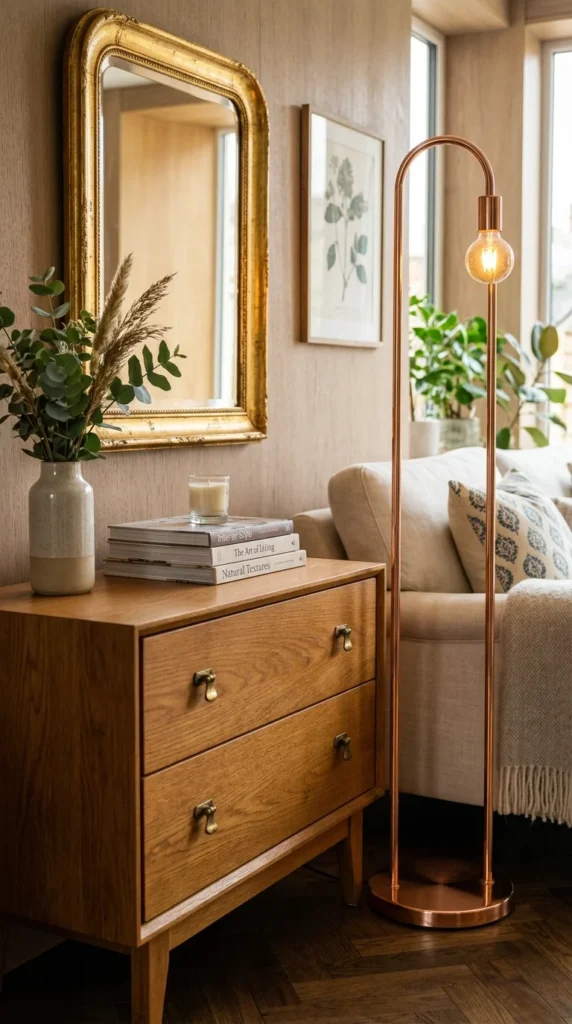
The subtle glint of metal can make any room feel more polished and expensive. Incorporating metallic accents—specifically brass, gold, or polished nickel—adds a layer of “glam” that reflects light and adds warmth. The key is consistency; try to match your metal finishes across your lamps, furniture legs, and decorative trays to create a professional, designer-led look.
9. Mirrored Surfaces
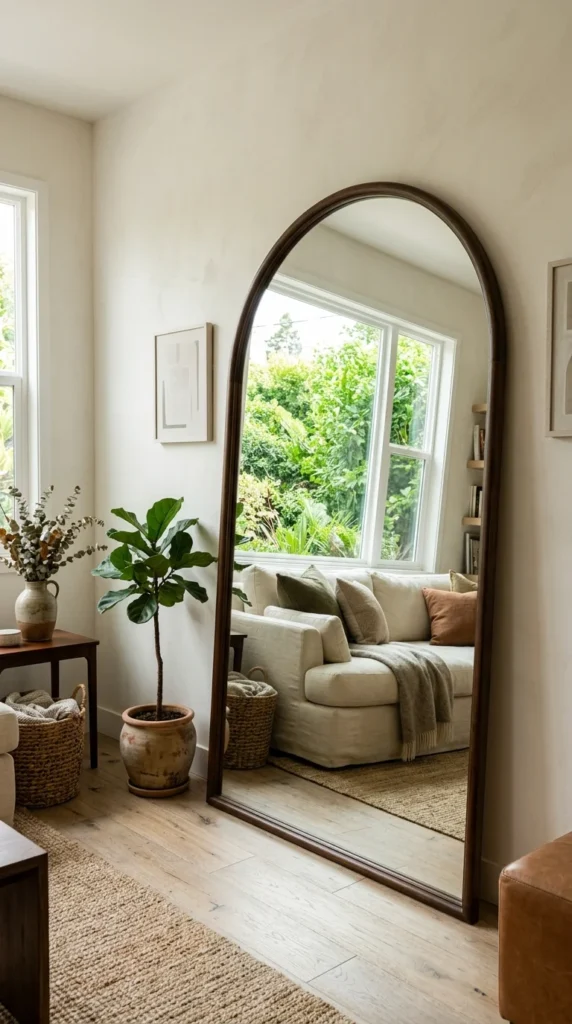
Mirrors are the oldest trick in the designer’s handbook for a reason: they work. A large mirror reflects light and the view of the room, effectively doubling the visual space. To make it look high-end, choose a mirror with an interesting shape—like an oversized arch—or use an antiqued mirror glass for a more vintage, soulful feel. Placing a mirror opposite a window is the most effective way to brighten a small, dark living area.
10. Leggy Furniture
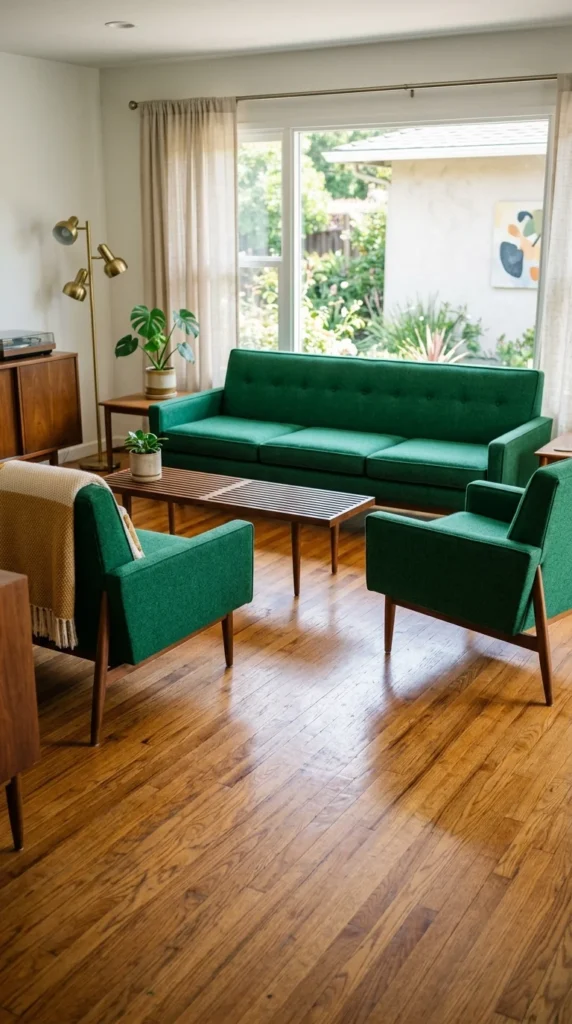
Furniture that sits low to the ground can feel heavy and “clog” a small room. High-end small spaces often utilize furniture with “legs.” By lifting the bulk of the sofa or the sideboard off the ground, you allow the eye to see the floor extending all the way to the wall. This creates an illusion of more space and gives the furniture a lighter, more elegant silhouette.
11. Dark and Moody Walls
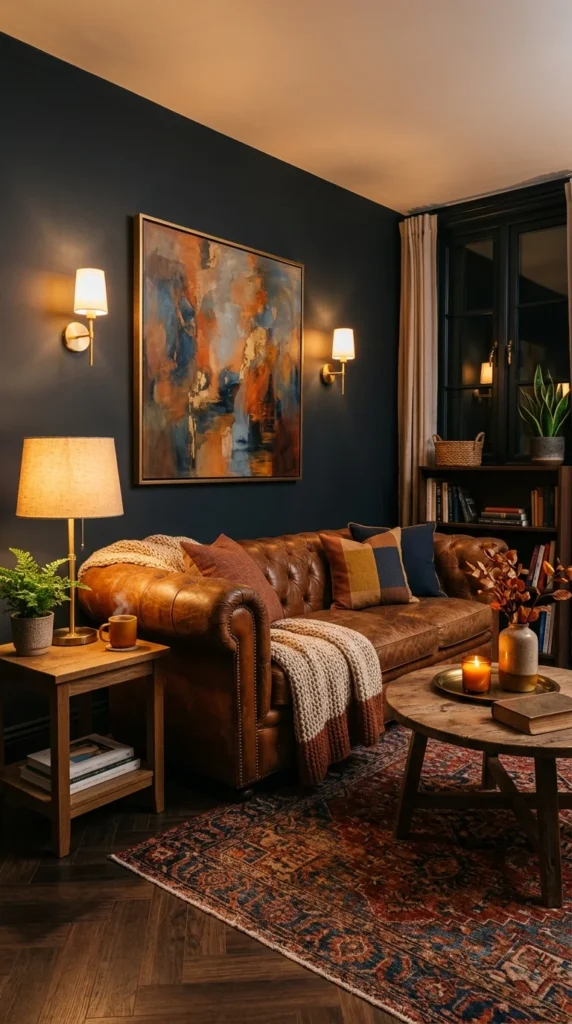
While conventional wisdom suggests painting small rooms white, going dark can actually create a high-end, “jewel-box” effect. Deep colors like charcoal, navy, or forest green blur the edges of the room, making the corners disappear and creating a sense of infinite depth. When paired with rich textures like leather and brass, a dark small room feels incredibly cozy and expensive.
12. Oversized Rugs
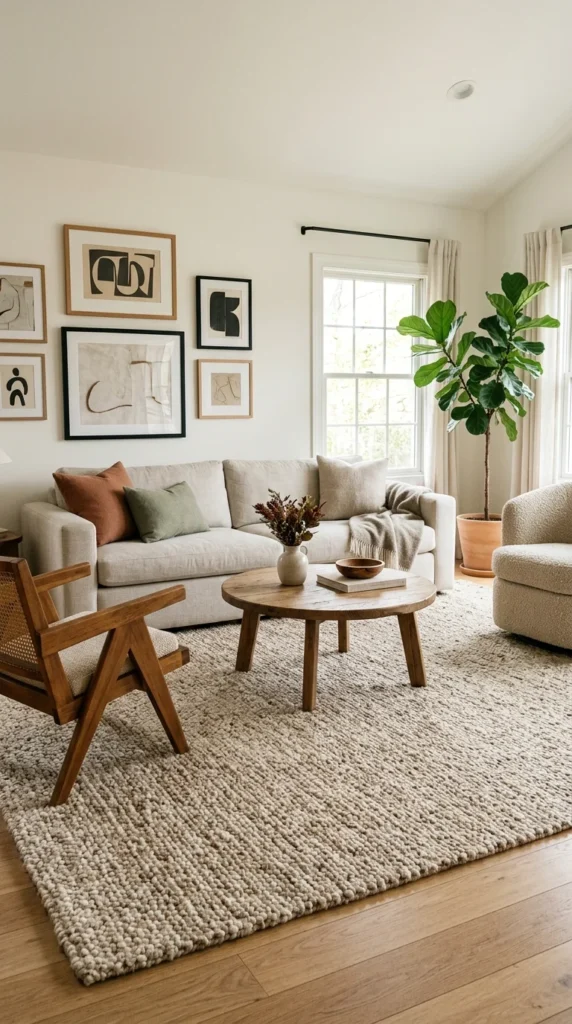
A common mistake in small living rooms is choosing a rug that is too small (the “postage stamp” rug). This makes the room feel disjointed and smaller. A high-end approach involves using a rug that covers most of the floor, allowing all the furniture legs to sit on top of it. This anchors the space and creates a unified “zone,” making the seating area feel grander and more intentional.
13. Symmetrical Layouts
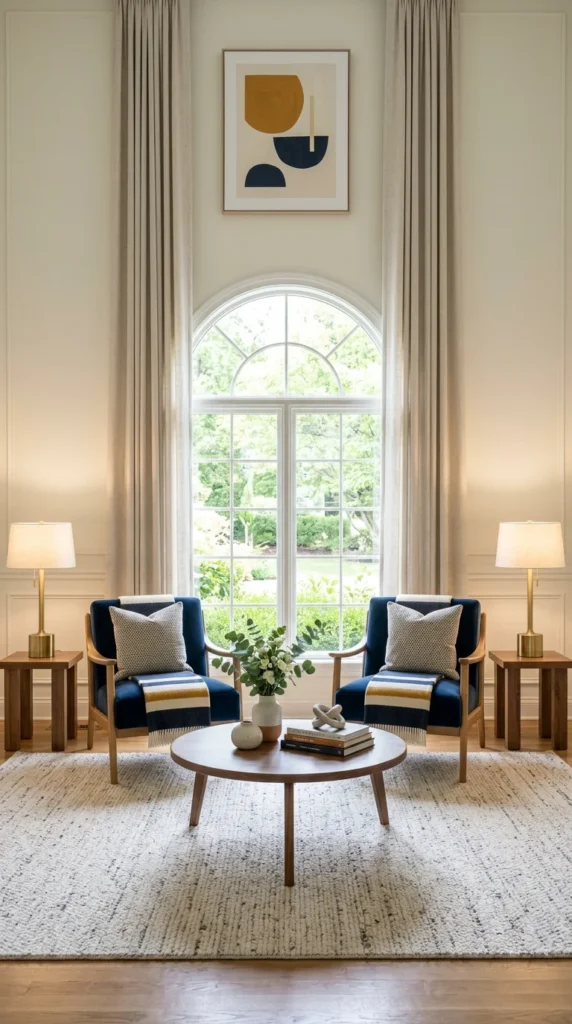
Symmetry is a hallmark of formal, high-end interior design. It creates a sense of order and balance that is naturally pleasing to the eye. In a small room, a symmetrical layout—such as two identical chairs facing a sofa—can make the space feel organized and professionally styled. It removes the chaotic feeling that often plagues small, multi-purpose rooms.
14. Natural Stone Elements
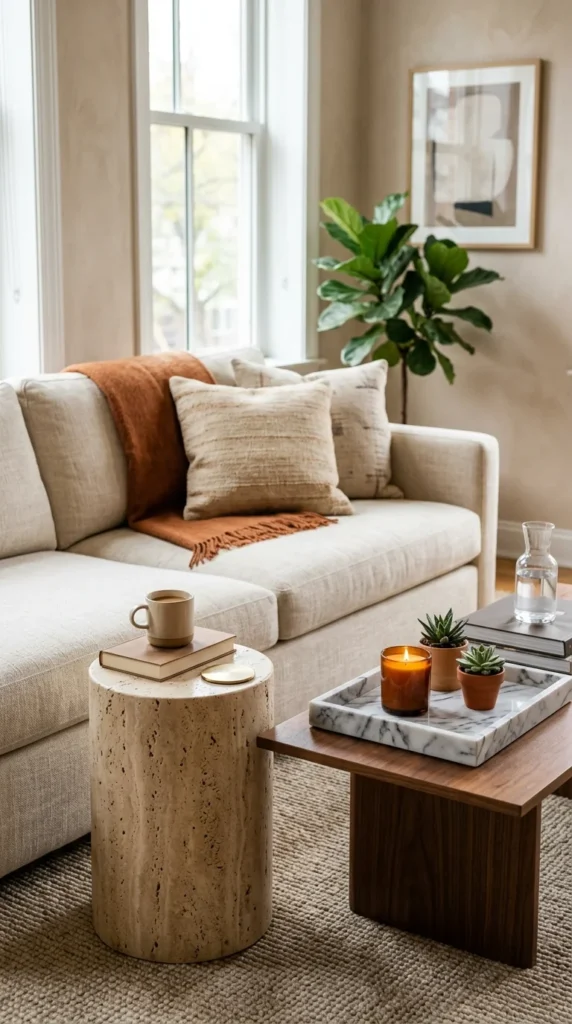
Incorporating natural materials like marble, travertine, or onyx instantly signals luxury. These materials have a weight and a tactile quality that synthetic materials cannot replicate. You don’t need a marble fireplace to achieve this; a marble-topped coffee table, a stone pedestal, or even a set of heavy marble bookends can introduce that high-end organic texture into the room.
15. Hidden Technology
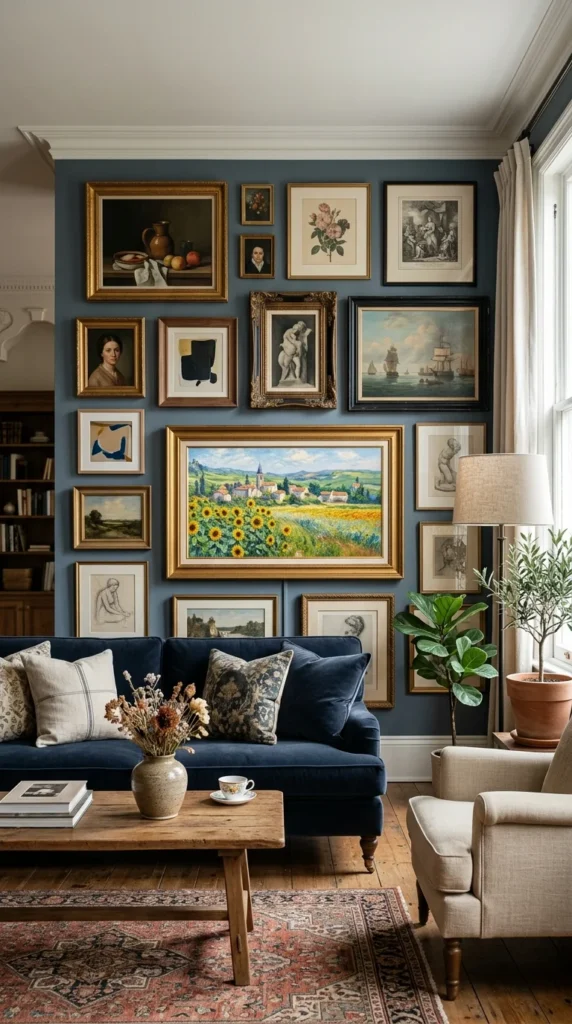
Nothing ruins a high-end aesthetic faster than a giant black plastic screen and a tangle of wires. To maintain a sophisticated look, find ways to hide your technology. Frame the TV so it looks like art when not in use, or use a decorative screen to hide the media console. Keeping cords tucked away in cord management tracks is a small detail that makes a massive difference in how polished a room looks.
16. Curved Furniture
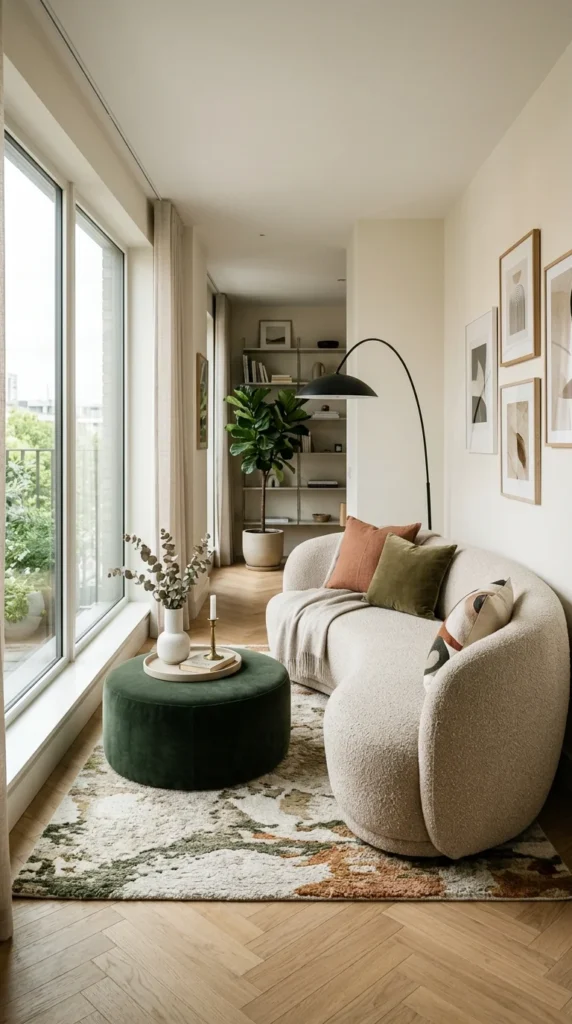
In a small, rectangular room, furniture with sharp corners can make the space feel rigid and cramped. Curved furniture—like a rounded sofa or a circular coffee table—softens the lines of the room and improves “traffic flow.” The soft edges encourage movement and give the room a custom, contemporary look that feels more expensive than standard boxy furniture.
17. Layered Lighting
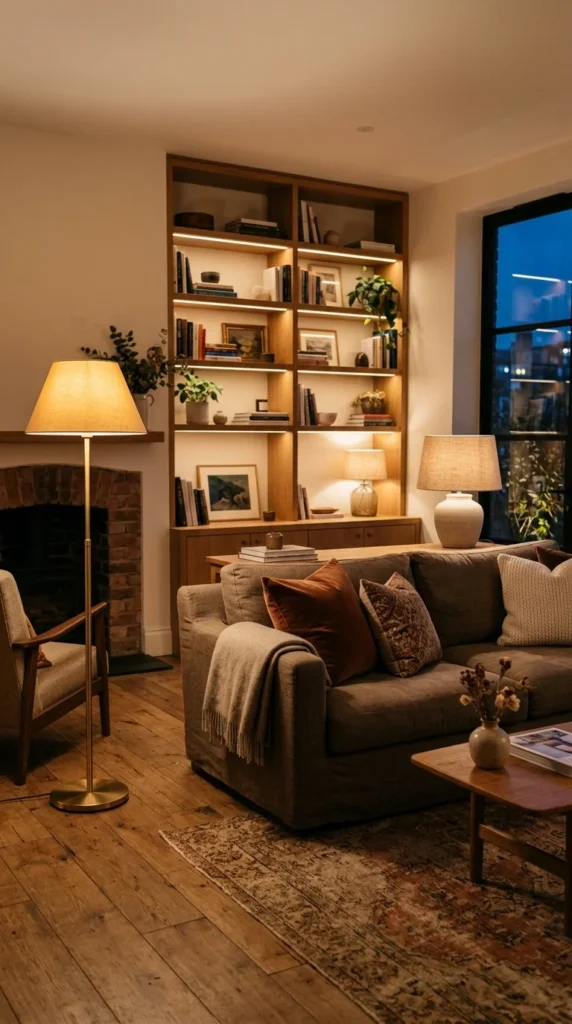
A high-end room never relies on a single overhead light. Instead, use “layered lighting” to create atmosphere. Combine ambient lighting (ceiling), task lighting (reading lamps), and accent lighting (picture lights or LED strips in bookshelves). This allows you to control the mood and highlights specific design features, making the room feel warm and curated.
18. High-Quality Hardware
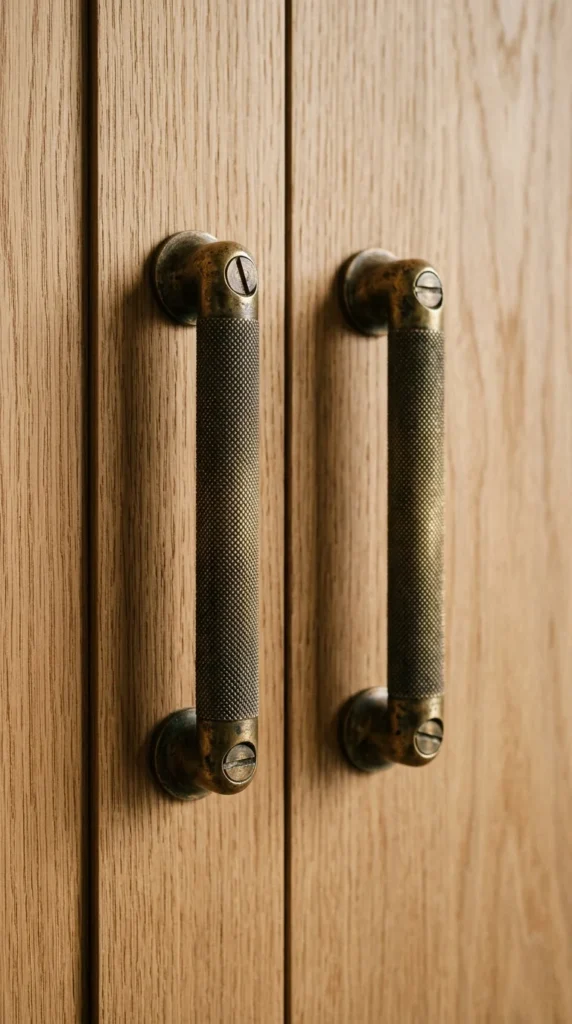
Standard hardware on cabinets or doors can look cheap and mass-produced. One of the easiest high-end upgrades is replacing basic knobs and pulls with heavy, solid-metal hardware. Choose materials like unlacquered brass or matte black steel with a significant weight. It’s a tactile detail that guests will notice every time they touch a handle, adding to the “custom” feel of the home.
19. Coffee Table Vignettes
The way you style your surfaces can make or break the luxury feel. Avoid cluttering the coffee table with remotes and coasters. Instead, create a “vignette” using items of varying heights. A stack of high-quality “coffee table books,” a sculptural object, and something living (like a small orchid or a branch) creates a professional, lived-in luxury look that feels intentional.
20. Vertical Interest
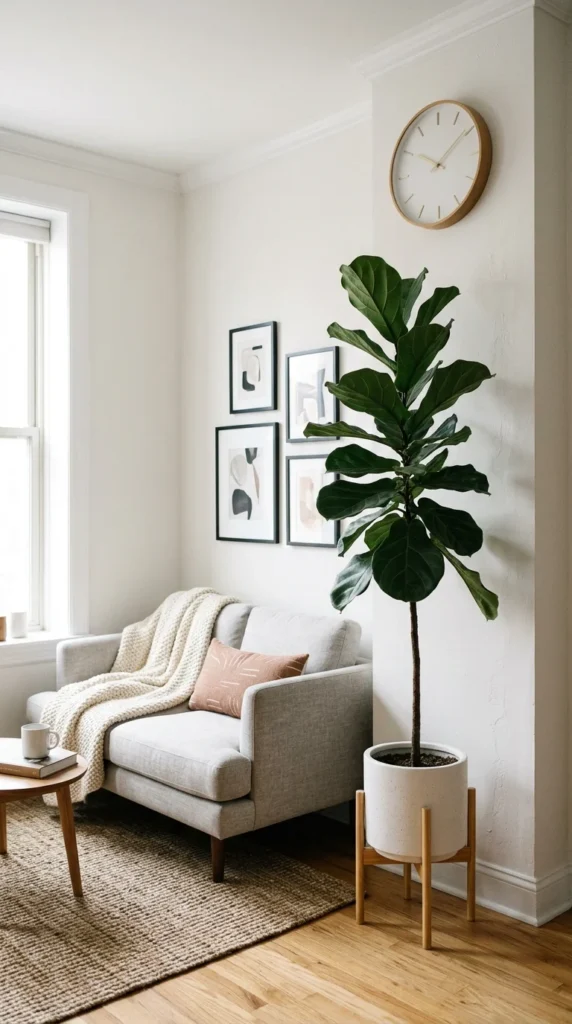
When floor space is at a premium, look up. Adding elements that draw the eye toward the ceiling makes the room feel taller and more majestic. This can be achieved through tall indoor plants, high-mounted shelving, or even a vertical striped wallpaper. By utilizing the vertical plane, you maximize the “volume” of the room, making it feel grander than its actual dimensions.