
Designing a bedroom for a child is a delightful challenge, but when the square footage is limited, it requires a special blend of creativity and strategic planning. A small kids’ bedroom isn’t just a place to sleep; it’s a fortress, an art studio, a library, and a sanctuary. The goal is to create a space that feels expansive and magical despite its physical boundaries. By focusing on verticality, multi-functional pieces, and clever aesthetic tricks, you can transform a cramped room into a vibrant hub of imagination.
1. Loft Beds
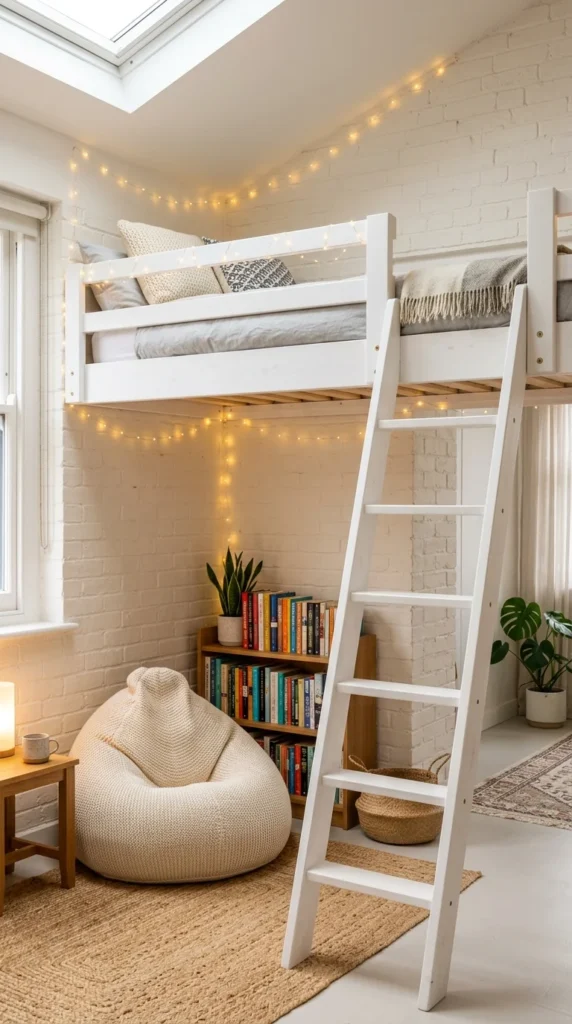
Loft beds are the ultimate game-changer for small rooms. By elevating the sleeping area, you effectively double the usable floor space. The “under-loft” area can be transformed into a dedicated homework station, a secret reading nook, or even a miniature play zone. It creates a sense of adventure for the child while keeping the floor clear for movement.
2. Vertical Storage
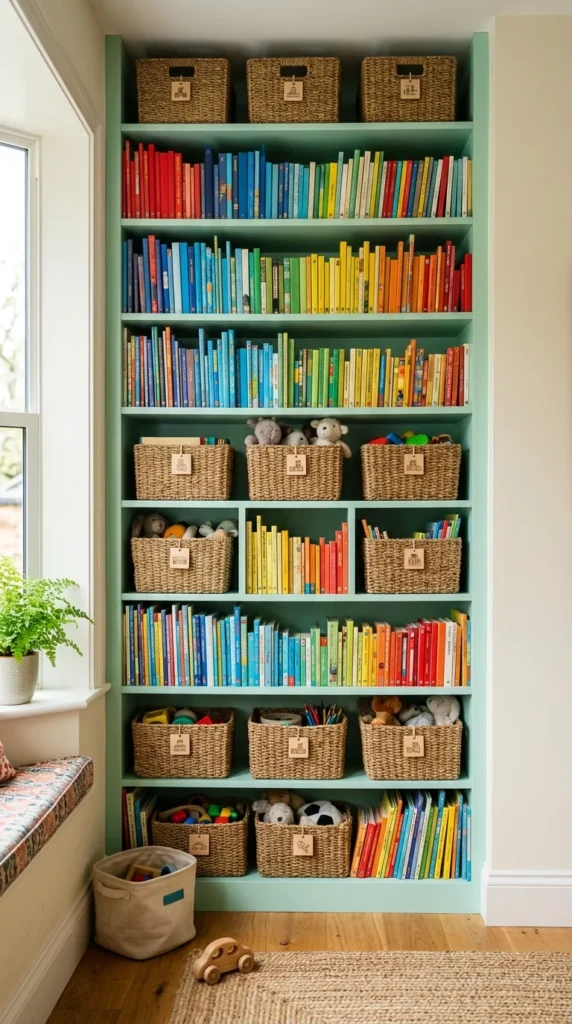
When you run out of floor space, look up. Vertical storage utilizes the height of the walls to house everything from books to seasonal clothing. High shelves can store items used less frequently, while lower shelves remain accessible for daily play. This keeps the room’s footprint small while providing massive organizational capacity.
3. Built-in Desks
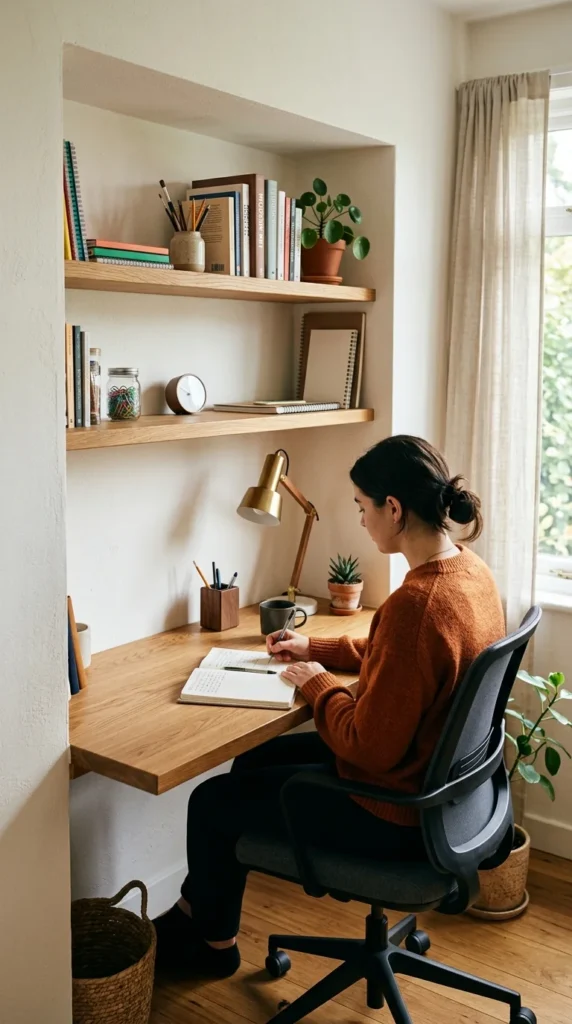
A bulky, freestanding desk can overwhelm a small room. Built-in desks, especially those tucked into alcoves or corners, provide a streamlined look. They utilize “dead space” that would otherwise go to waste and can be designed to match the room’s architecture perfectly, creating a cohesive and uncluttered environment.
4. Under-bed Drawers
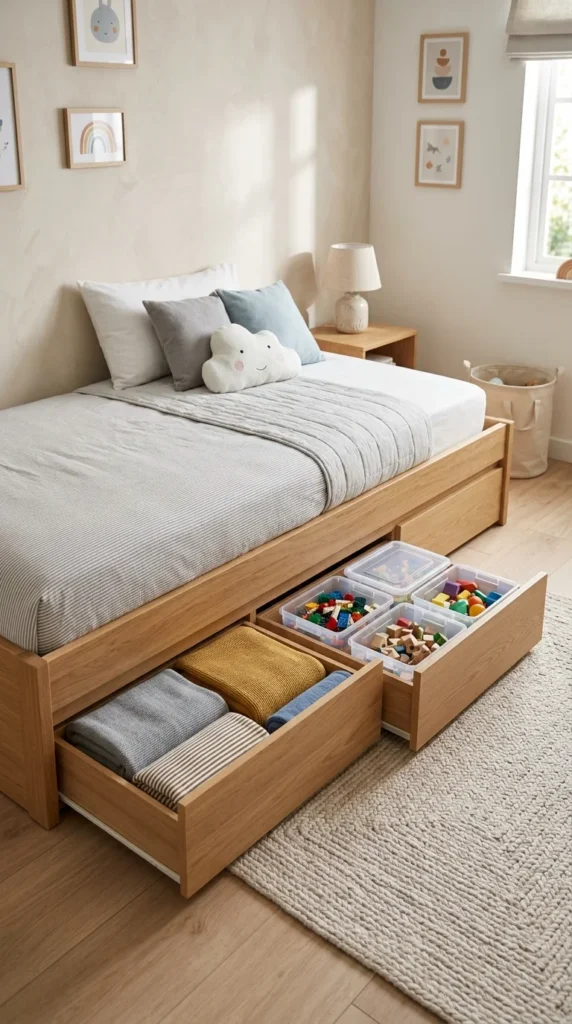
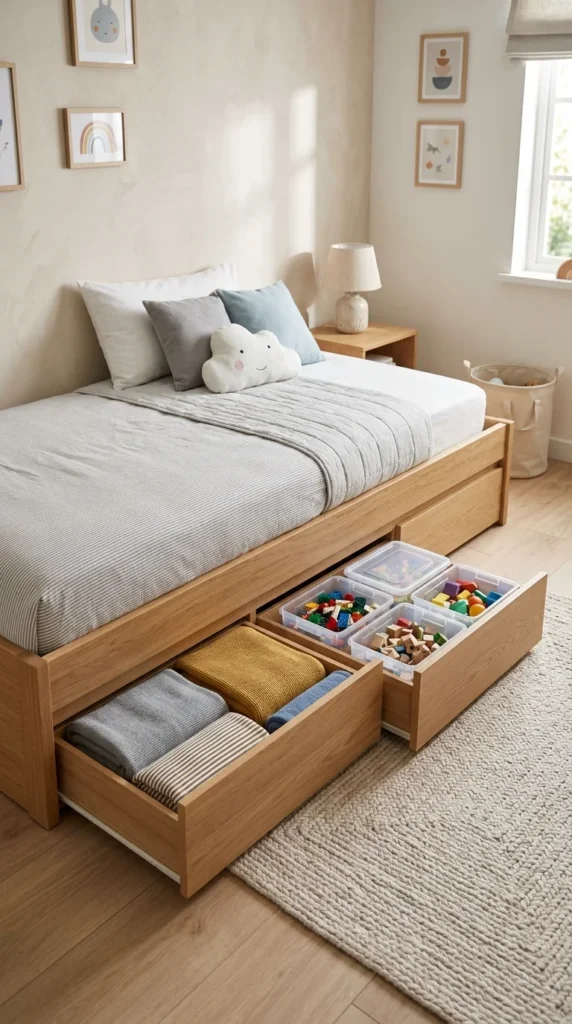
The space beneath a bed is often a graveyard for dust bunnies. Transform it into a storage powerhouse with integrated drawers. These are perfect for storing extra linens, out-of-season clothes, or large toy collections. It keeps essentials within reach but completely out of sight, maintaining a tidy aesthetic.
5. Floating Shelves
Floating shelves provide storage and display space without the visual weight of a traditional bookcase. Because they don’t have legs or a bulky frame, they keep the walls looking “open.” They are ideal for showcasing a child’s favorite trophies, LEGO builds, or curated book collections.
6. Corner Nooks
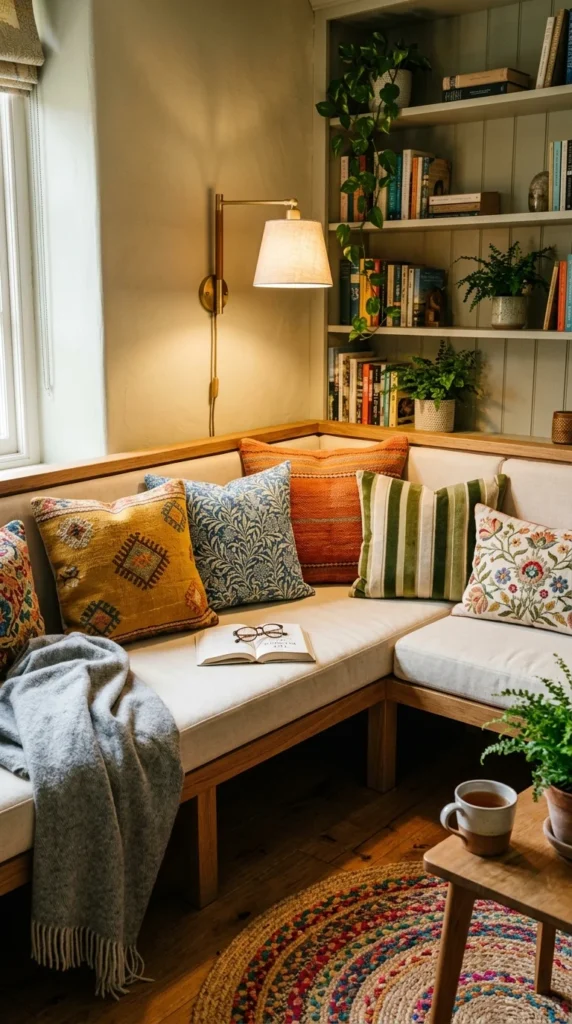
Corners are often underutilized in interior design. By installing a custom bench or a small desk in the corner, you maximize the room’s perimeter. A corner nook can serve as a quiet retreat for reading or a dedicated spot for creative hobbies like drawing or crafting.
7. Pegboards
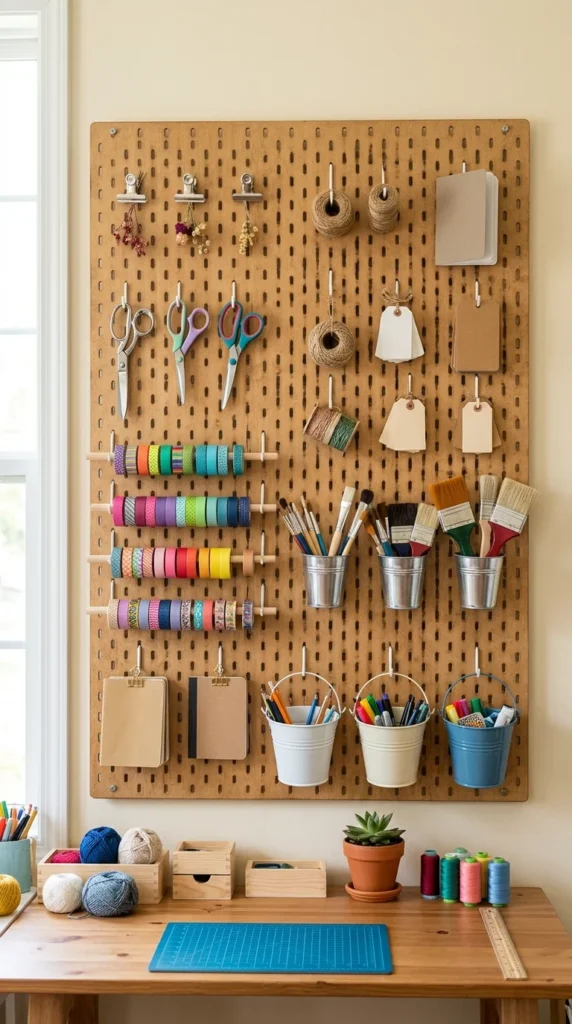
Pegboards are the Swiss Army knife of wall organization. They are infinitely customizable; as your child’s interests change, so can the arrangement of the board. They are excellent for organizing art supplies, headphones, or even small accessories, keeping the desktop clear for work.
8. Bunk Beds
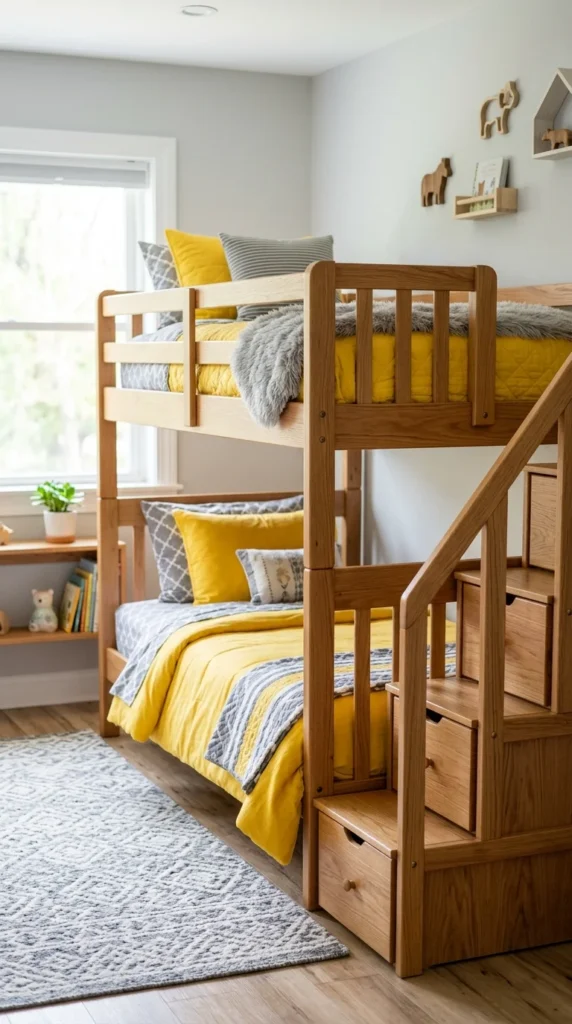
If siblings are sharing a small room, bunk beds are the classic solution. Modern designs often incorporate additional features like built-in drawers in the stairs or attached shelving. This “all-in-one” approach saves an incredible amount of space compared to two twin beds side-by-side.
9. Wall Decals
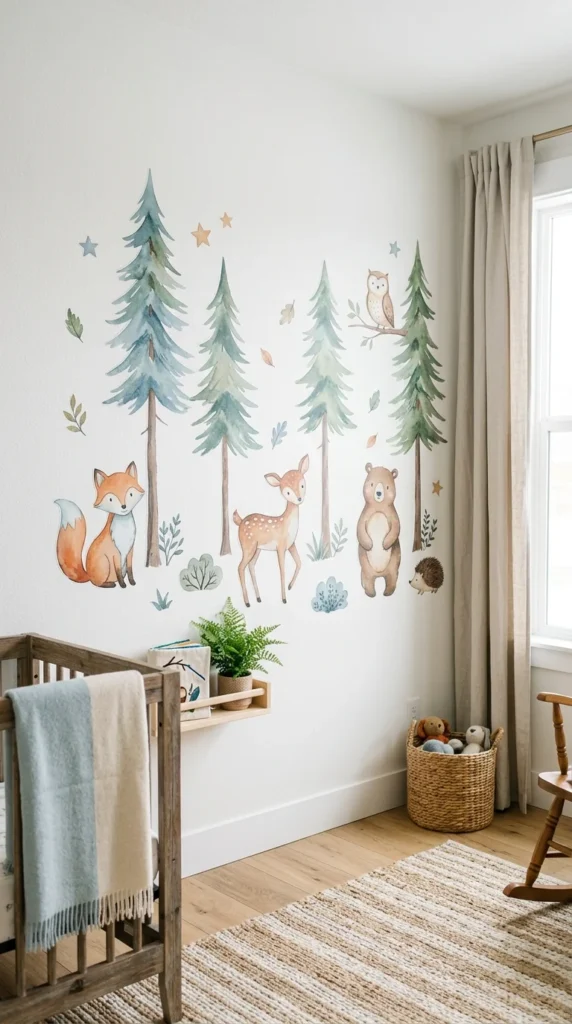
In a small room, heavy decor can feel suffocating. Wall decals add personality and theme without taking up a single inch of physical space. They are also temporary, making them perfect for children who might change their favorite “theme” every few years.
10. Hanging Chairs
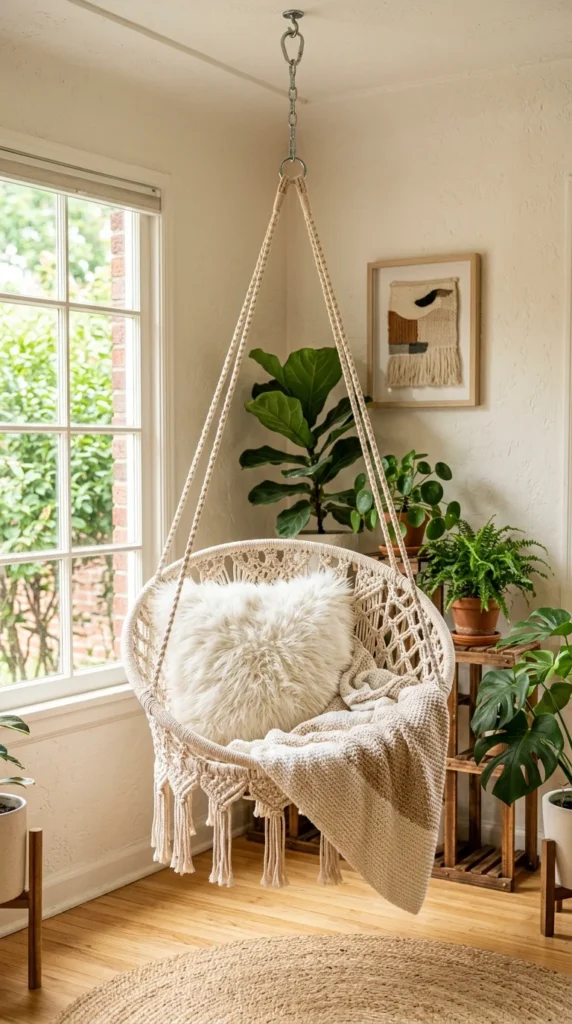
Hanging a chair from the ceiling frees up floor space and adds a whimsical, playful element to the room. It provides a unique seating option that feels light and airy. Children love the gentle motion, making it a favorite spot for lounging or reading.
11. Fold-down Desks
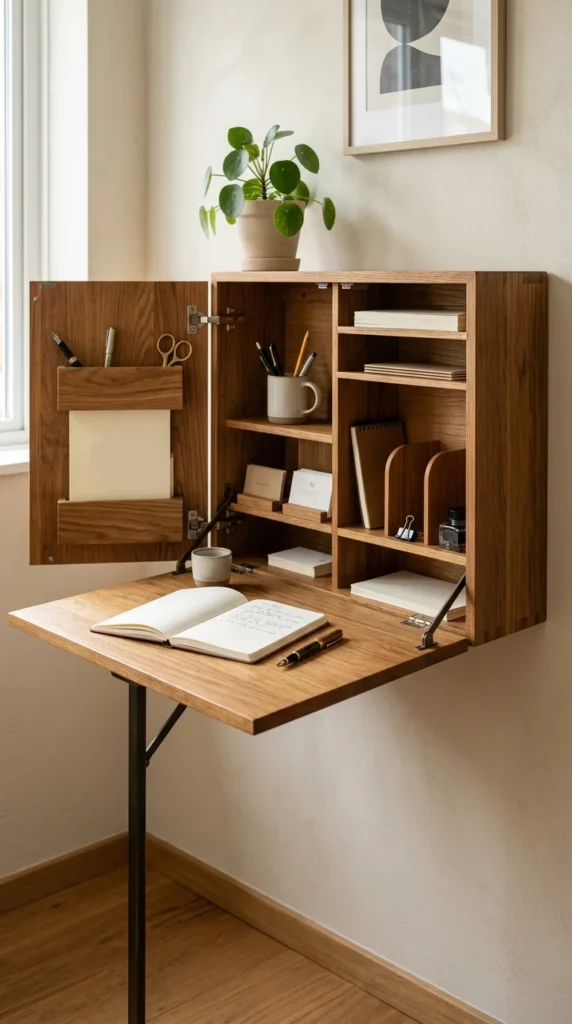
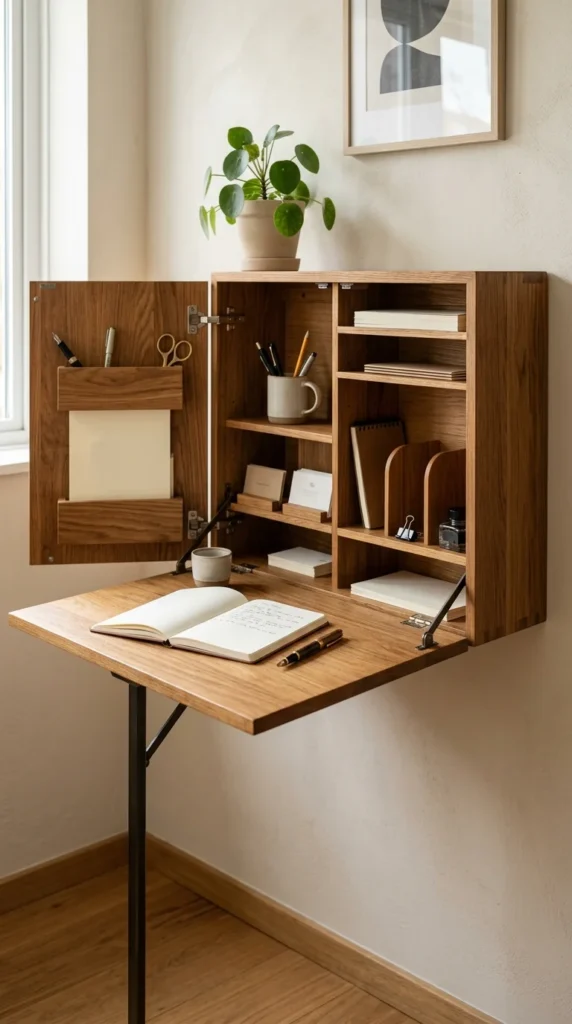
For rooms that truly lack space, a fold-down (or “murphy”) desk is a brilliant invention. It provides a full workspace when needed and folds flat against the wall when it’s time for floor play. This flexibility is key in multi-purpose small spaces.
12. Transparent Furniture
Acrylic or glass furniture is a secret weapon for small spaces. Because you can see right through it, the furniture doesn’t “break” the visual flow of the room. A clear chair or small side table provides functionality without adding visual clutter.
13. Ottoman Storage
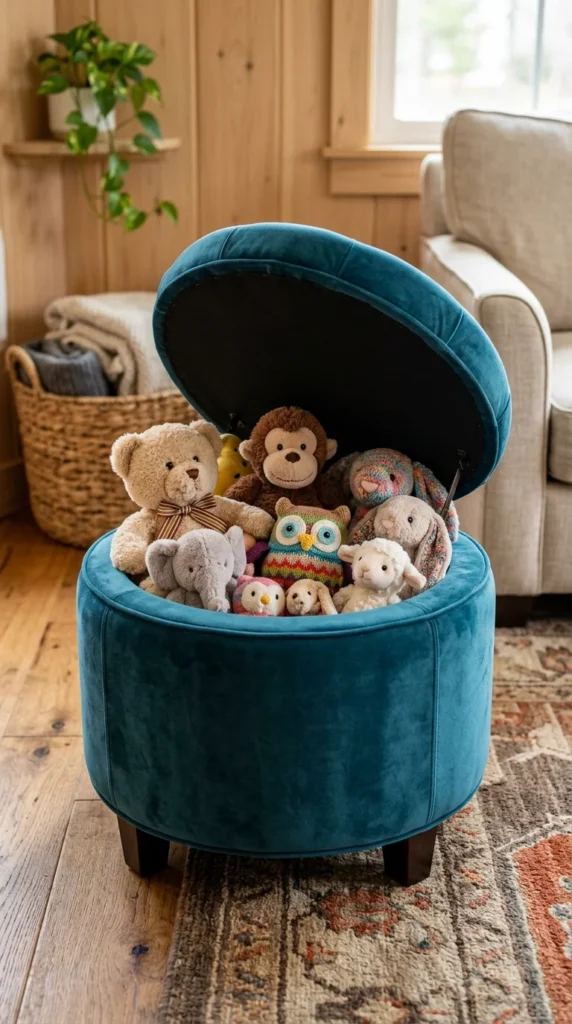
Ottomans are multi-functional superstars. They serve as extra seating, a footrest, and—most importantly—a hidden storage bin. They are perfect for “quick cleans” where toys need to be tucked away before guests arrive.
14. Gallery Walls
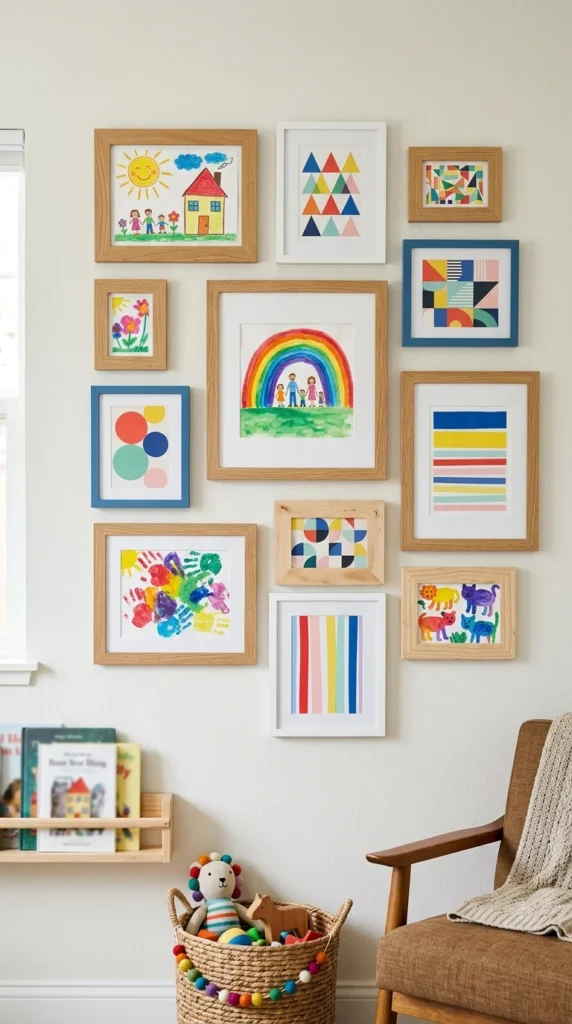
Instead of large, bulky wall art, a gallery wall allows you to use a collection of smaller pieces to create a focal point. This draws the eye upward and adds a sophisticated design element that can grow with the child.
15. Canopy Beds
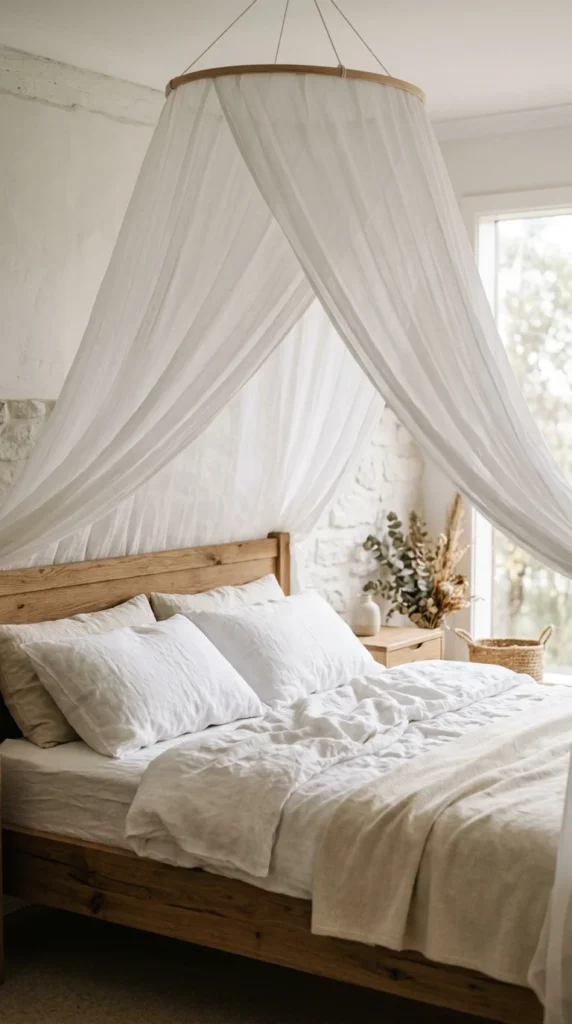
While traditionally thought of as “grand,” a simple fabric canopy can actually make a small bed feel like a cozy, private sanctuary. Using light, breathable fabrics prevents the bed from feeling closed-in while adding a touch of elegance and magic.
16. Colorful Rugs
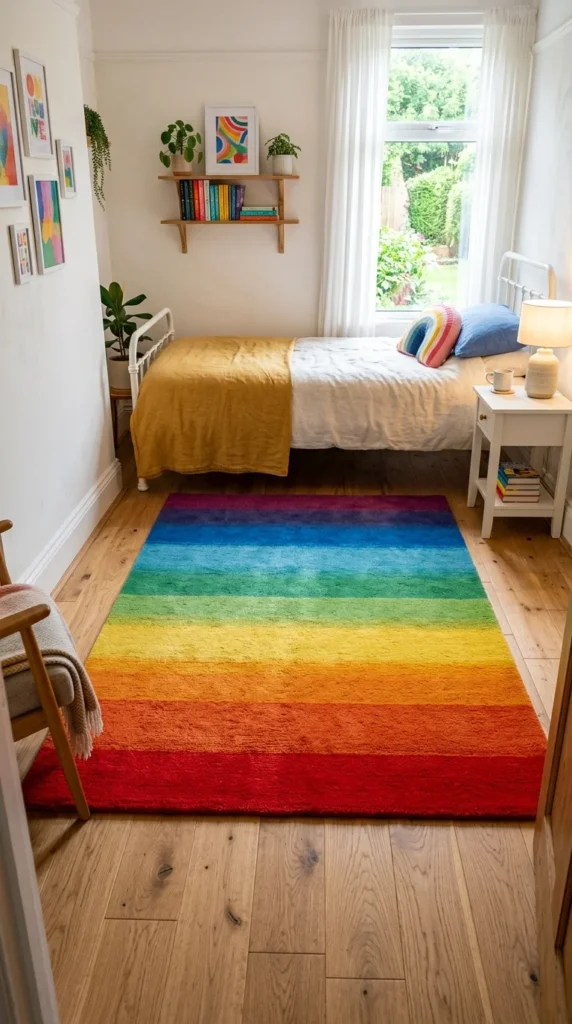
A bold rug can define a space and act as the “anchor” for the room’s design. In a small room, a rug with a fun pattern or bright color can distract from the limited dimensions and make the floor feel like a destination for play.
17. Integrated Lighting
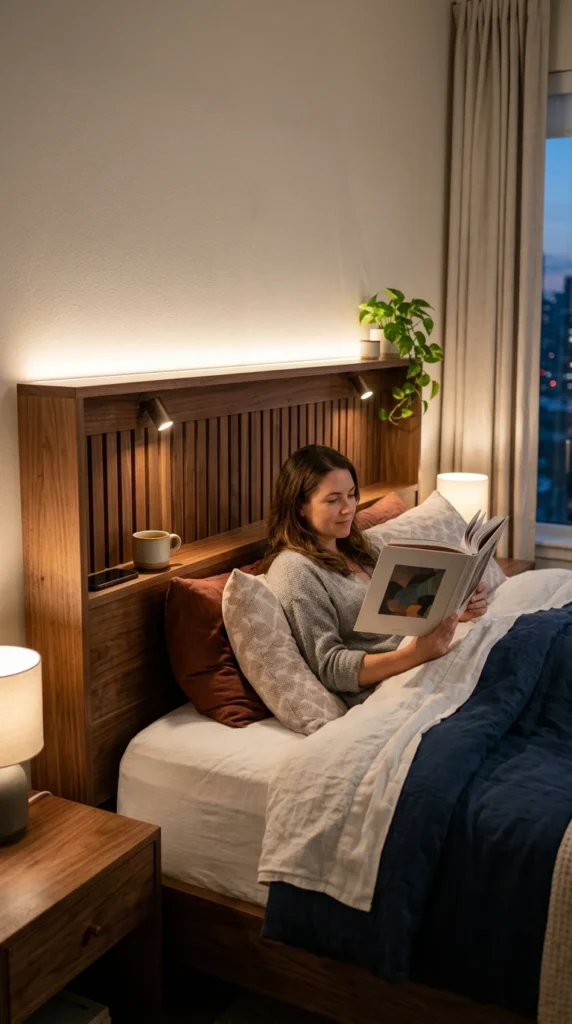
Bulky floor lamps take up precious real estate. Integrated lighting—such as wall-mounted sconces, LED strips under shelves, or headboard lights—keeps the floor clear and allows you to create different “moods” within the small space.
18. Sliding Doors
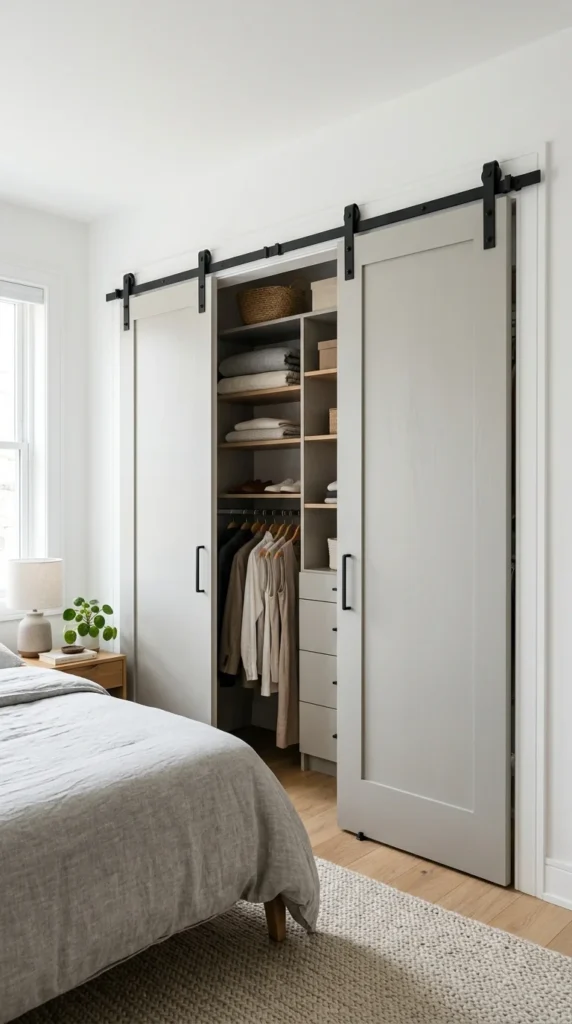
Standard doors require a “swing zone” that can’t be used for furniture. Replacing a traditional closet door with a sliding or pocket door reclaims that floor space, allowing you to place furniture closer to the entryways.
19. Wallpaper Ceilings
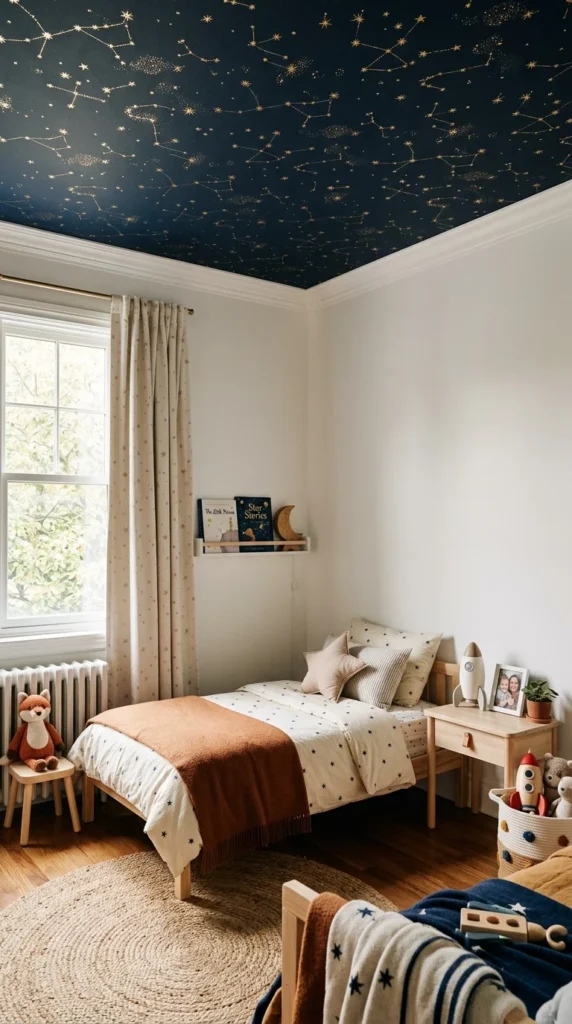
When the walls are small, use the “fifth wall”—the ceiling. Adding a fun wallpaper or a bold color to the ceiling draws the eye up, creating an illusion of height and adding a surprise element of style that doesn’t clutter the living area.
20. Window Seats
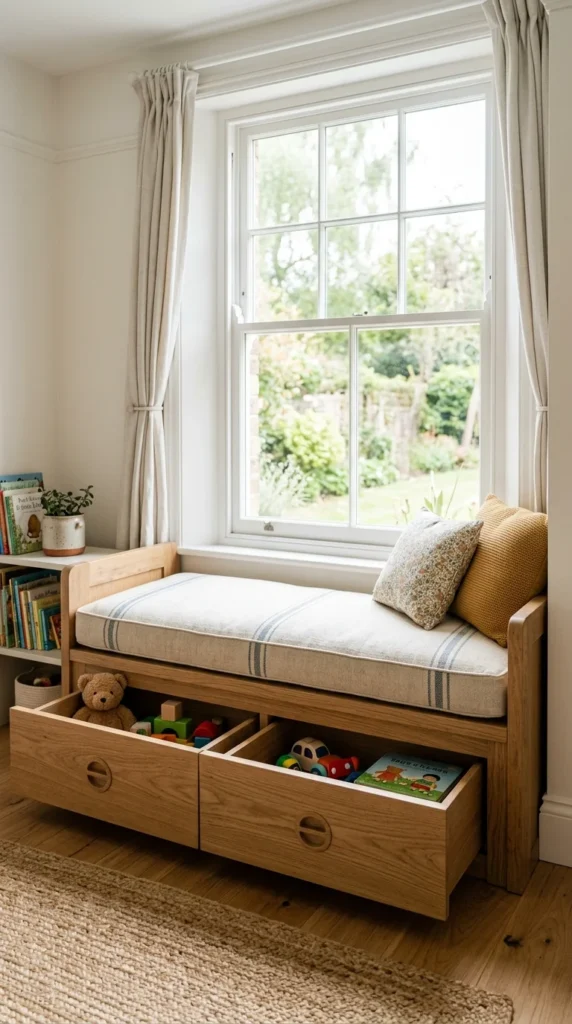
If the room has a window, utilize that space for a built-in seat. It provides a beautiful spot to sit and look outside while incorporating massive storage drawers below. It turns a simple window into a functional piece of furniture.
21. Rolling Carts
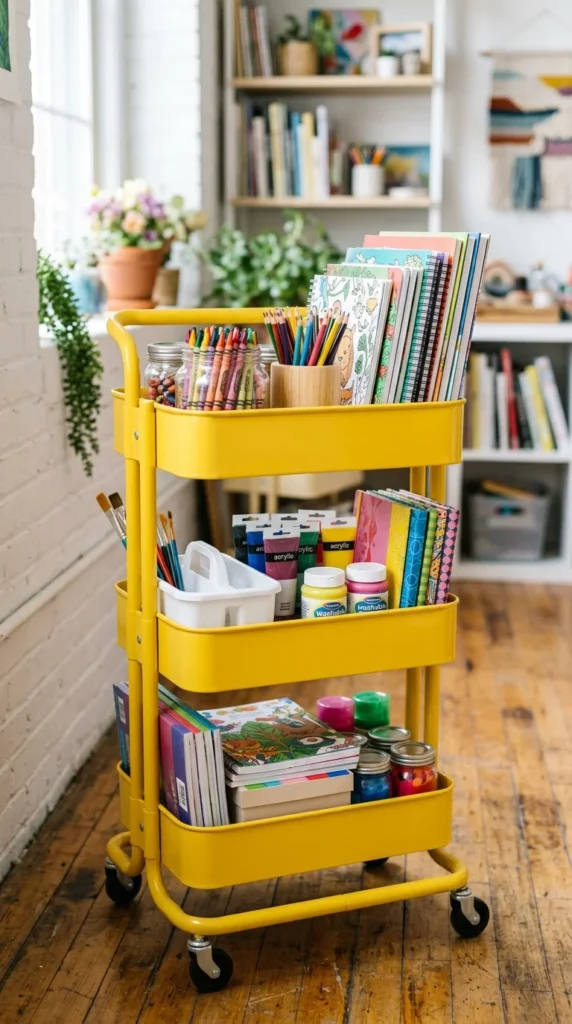
Mobility is a major advantage in a small room. A rolling cart can hold art supplies, school books, or snacks and can be moved around the room as needed—or even tucked into a closet when the child needs more floor space for a game.
22. Minimalist Zones
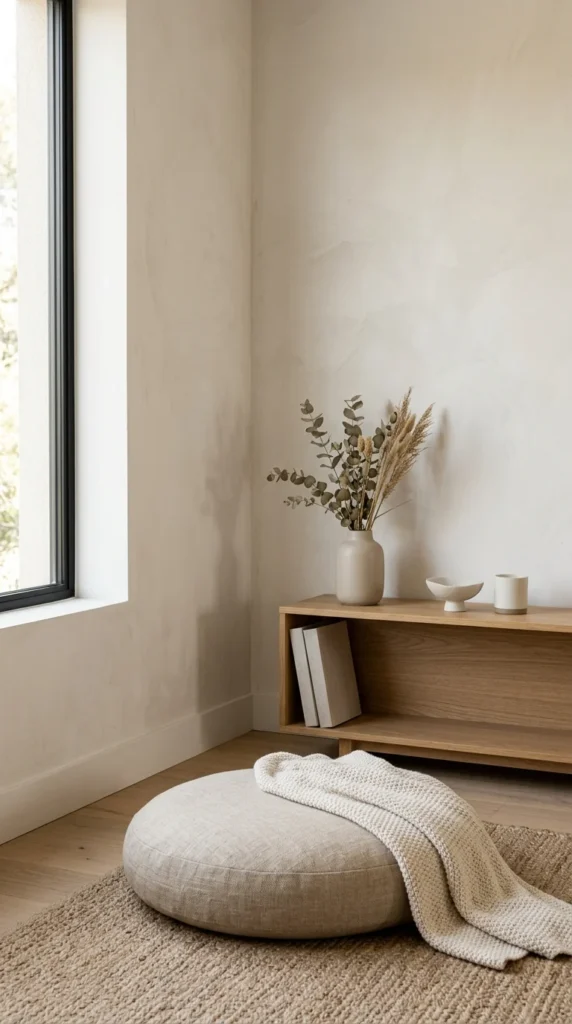
Sometimes, less is more. By creating a minimalist zone where only the essentials are kept, the room feels larger and more peaceful. Choosing a few high-quality, high-function pieces instead of many small ones reduces visual noise.
23. Mirror Magic
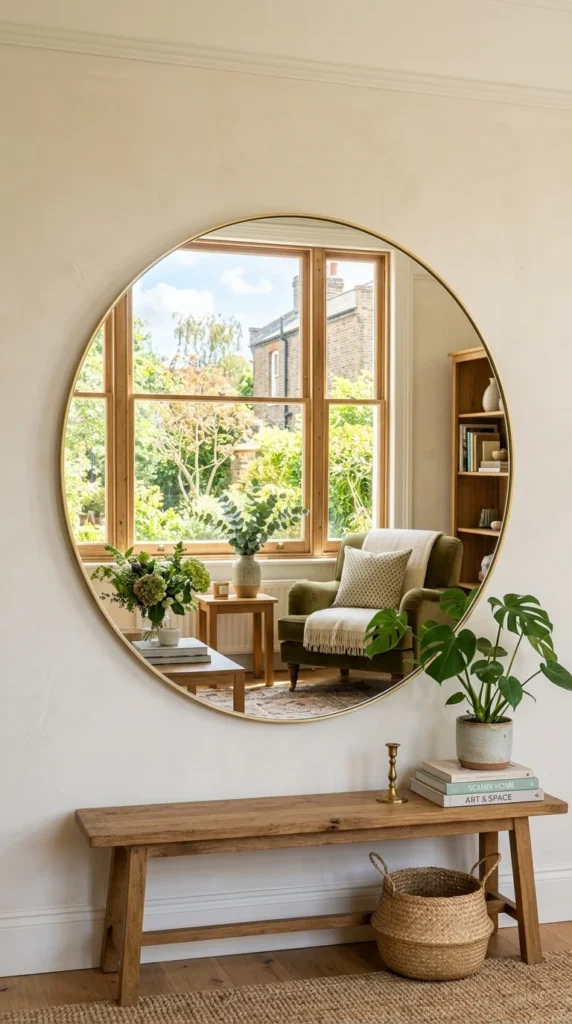
The oldest trick in the design book: mirrors. A well-placed mirror reflects light and gives the illusion of a whole second room. It’s a simple addition that makes any small space feel instantly twice as large and much brighter.
24. Hidden Playrooms
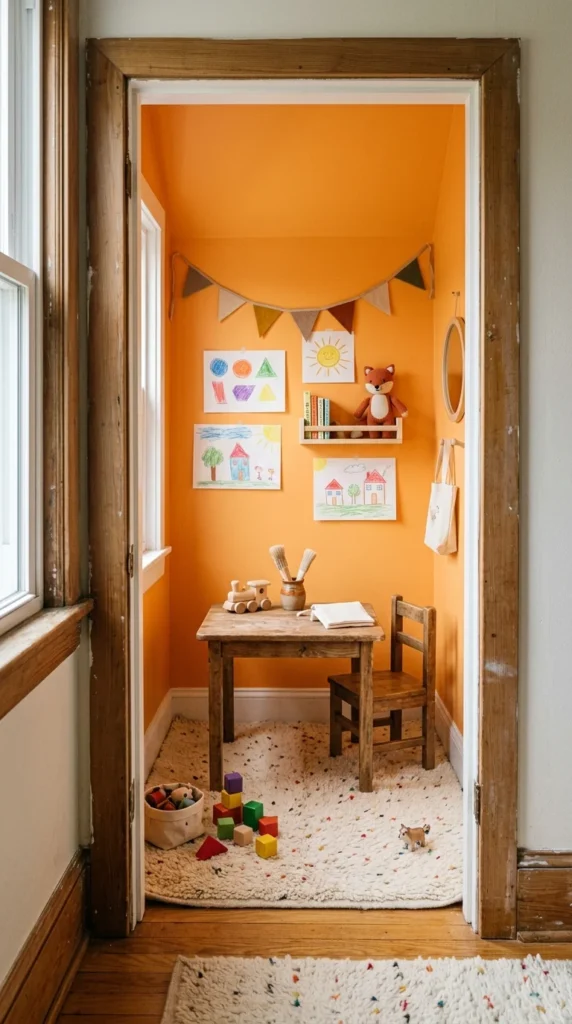
If you have a large closet but a small room, consider converting the closet into a “hidden” play area or a reading nook. Removing the doors and adding lighting and seating creates a dedicated zone for fun that doesn’t interfere with the main floor area.
25. Floor-to-Ceiling Shelving
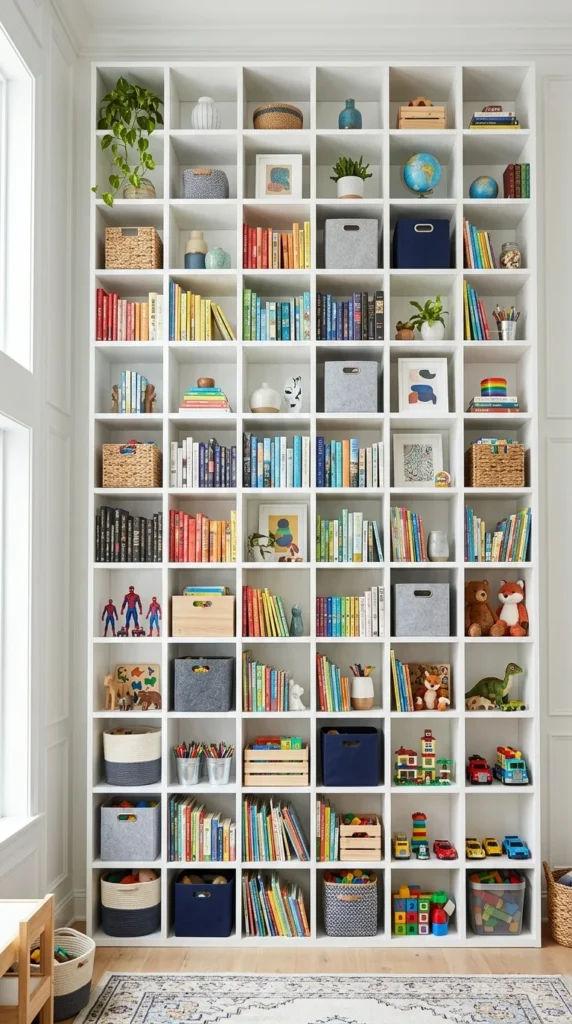
Using an entire wall for shelving creates a massive amount of storage and a very organized look. By keeping the shelving the same color as the walls, the units “disappear” into the room, preventing it from feeling cramped.
26. Colorful Accents
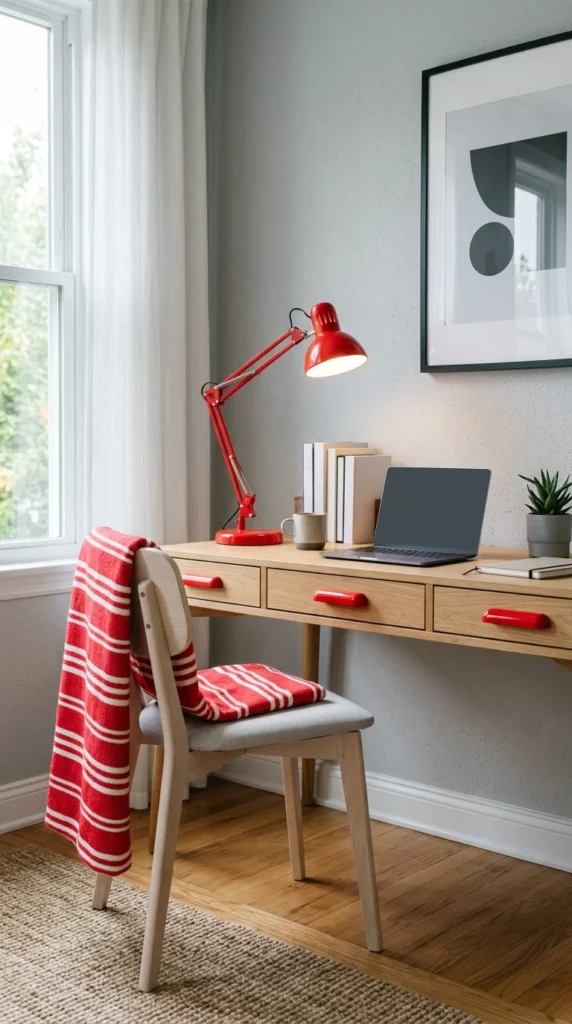
In a small room, using a neutral base (like white or light grey) and adding pops of color through accents makes the space feel vibrant without being overwhelming. It allows for style and fun without the “heavy” feeling of dark, colorful walls.
27. Shared Multi-Desks
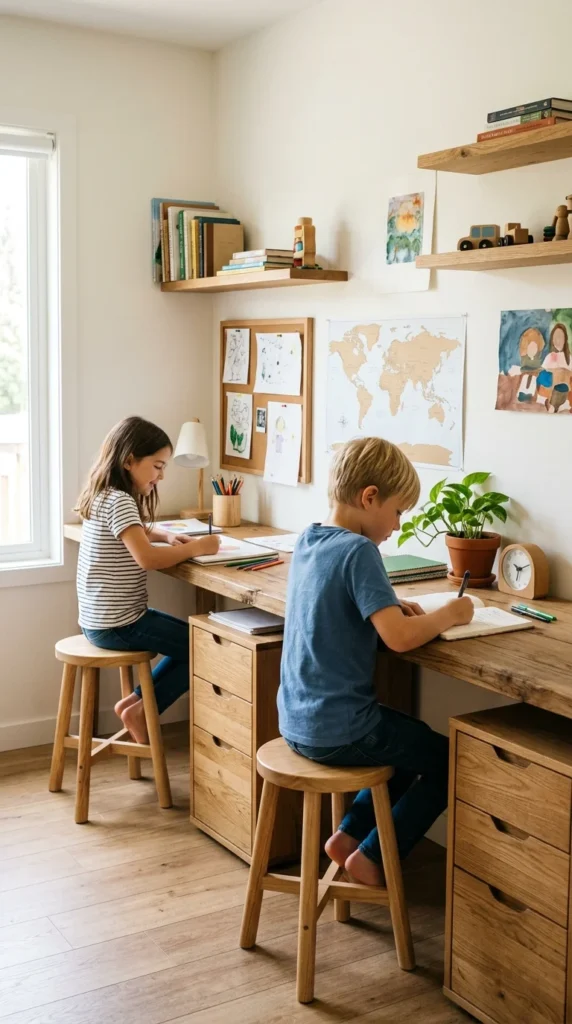
For a shared small bedroom, a long wall-mounted desk is more space-efficient than two separate desks. It creates a unified workspace and leaves the center of the room open for play, proving that even the smallest rooms can accommodate big dreams.