
Living in a compact space doesn’t mean you have to sacrifice style or comfort. In fact, a small bedroom can be the ultimate cozy sanctuary when designed with intention. The secret lies in “tricking” the eye into perceiving more square footage than actually exists. By focusing on light, scale, and multi-functional furniture, you can transform a cramped room into an airy, expansive retreat. Here are 25 expert-approved ideas to help you maximize your small bedroom.
1. Vertical Storage
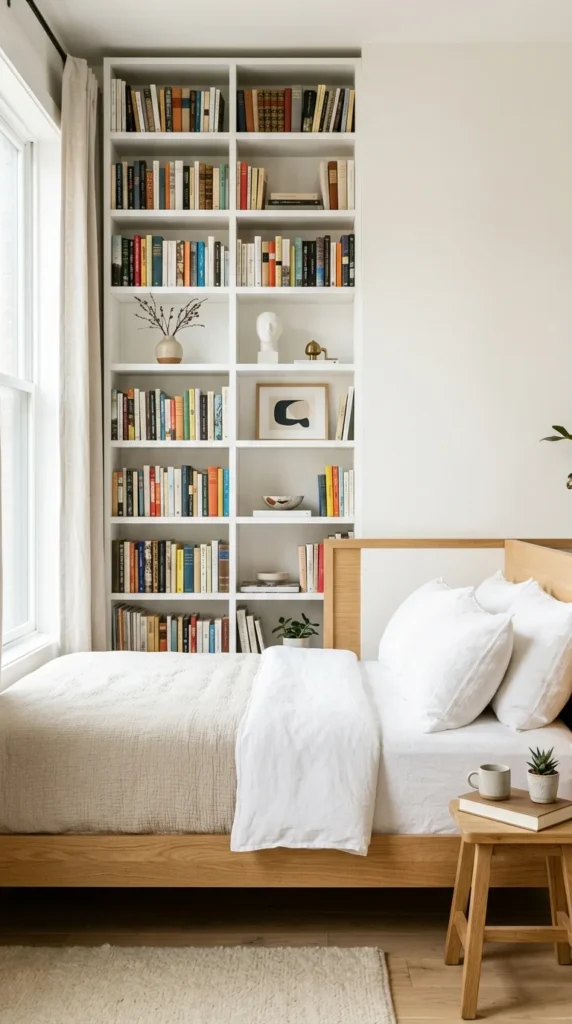
When floor space is limited, the only way to go is up. Utilizing your walls for storage draws the eye upward, making the ceiling feel higher. Tall bookcases, wall-mounted cubbies, or even a simple pegboard can house your essentials without cluttering the floor. This strategy keeps the “walking path” clear, which is crucial for making a room feel breathable.
2. Light Colors
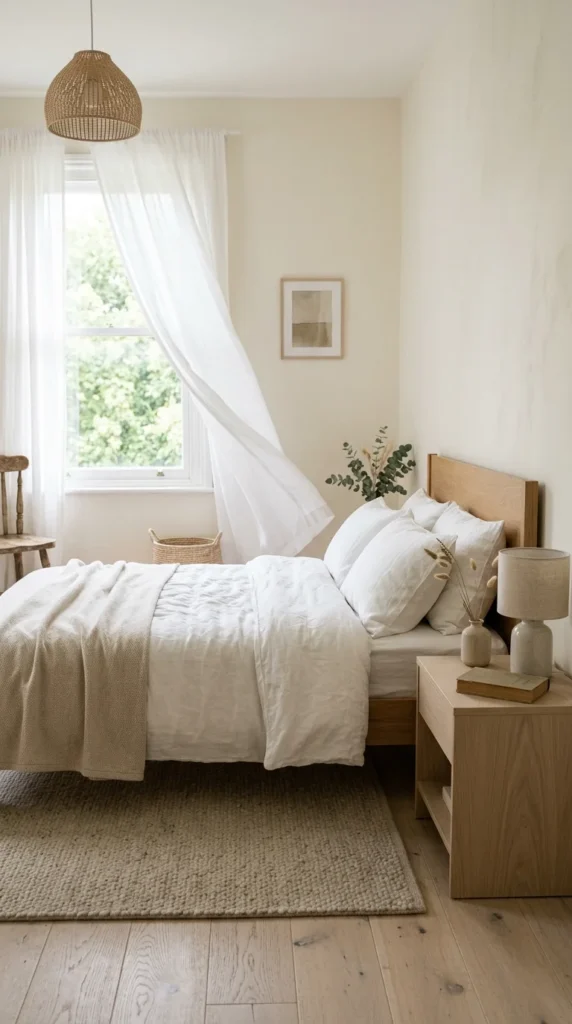
Color is one of the most powerful tools in interior design. Lighter shades like crisp white, soft beige, or pale gray reflect natural light rather than absorbing it. This creates a sense of openness and prevents the walls from feeling like they are closing in on you. To keep it from looking sterile, mix in different textures like wool, linen, and wood.
3. Wall Sconces
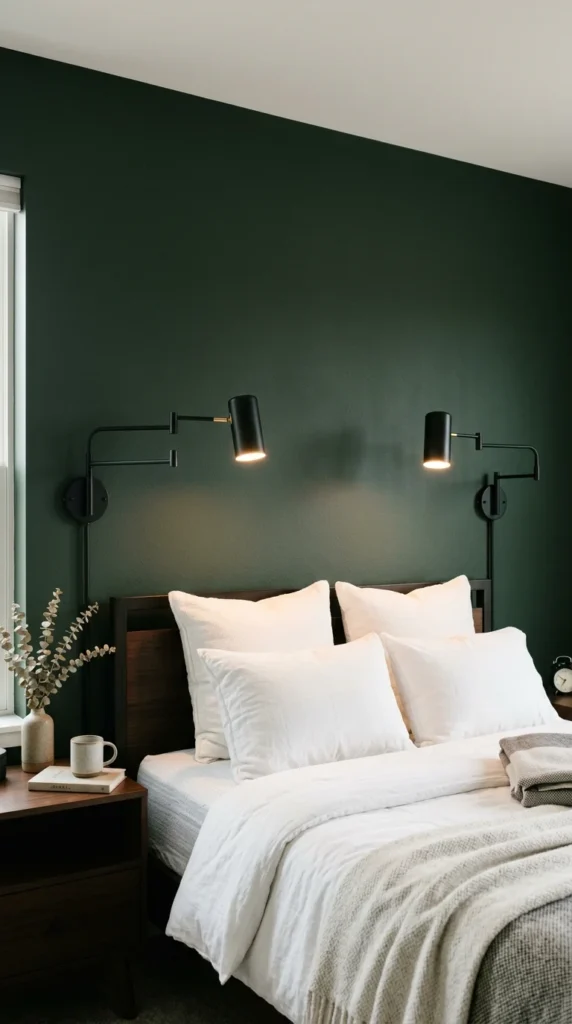
Nightstands are often the first victims of a small floor plan. By replacing traditional lamps with wall-mounted sconces, you free up the surface of your bedside table—or eliminate the need for a table altogether. Sconces provide focused task lighting for reading while adding a sophisticated, hotel-like touch to the decor.
4. Oversized Mirrors
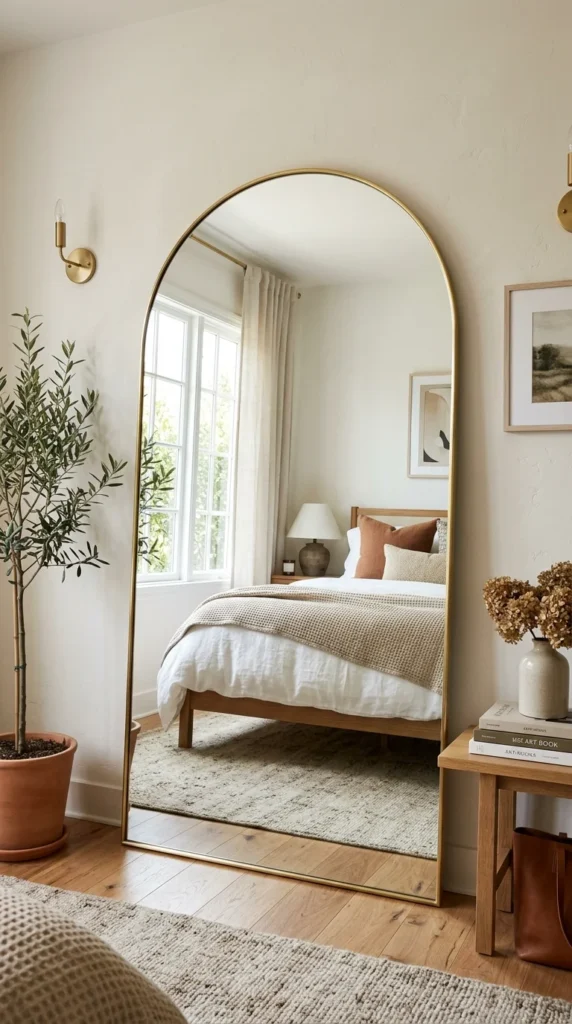
Mirrors are the oldest trick in the book for a reason: they work. A large mirror acts like an extra window, bouncing light around the room and creating the illusion of depth. Placing a mirror opposite a window is particularly effective, as it captures the outdoor view and brings it inside, making the boundaries of the room feel less restrictive.
5. Loft Beds
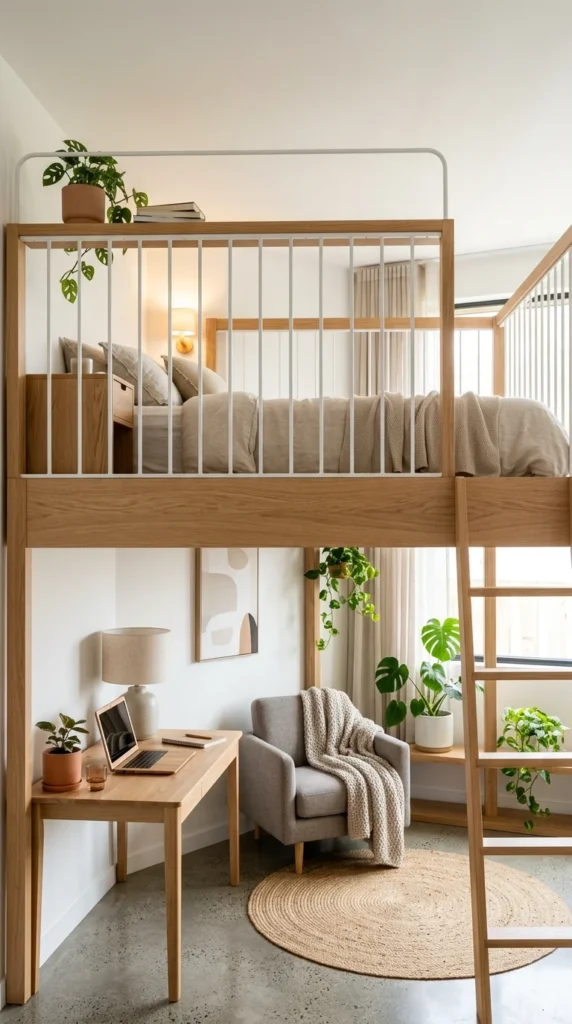
If you have high ceilings, a loft bed is a game-changer. By elevating the sleeping area, you effectively double your usable square footage. The space underneath can be used for a home office, a cozy reading nook, or even a walk-in closet. This architectural solution is perfect for studio apartments or ultra-tiny bedrooms.
6. Floating Shelves
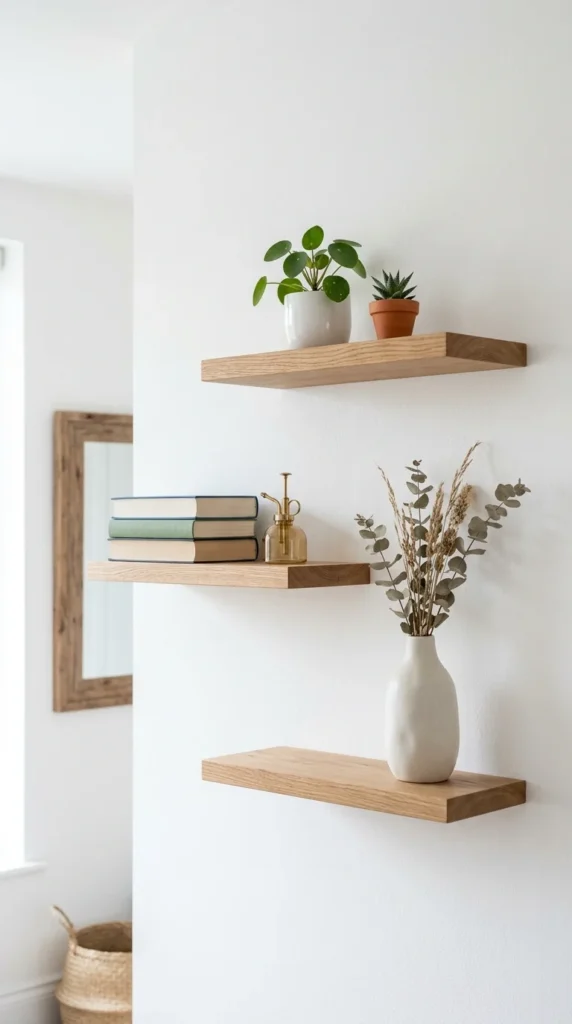
Bulky furniture can make a small room feel heavy and crowded. Floating shelves provide the storage and display space you need without the visual weight of a cabinet or a heavy dresser. Because you can see the floor and wall underneath them, the room feels more open and less “blocked off.”
7. Clear Furniture
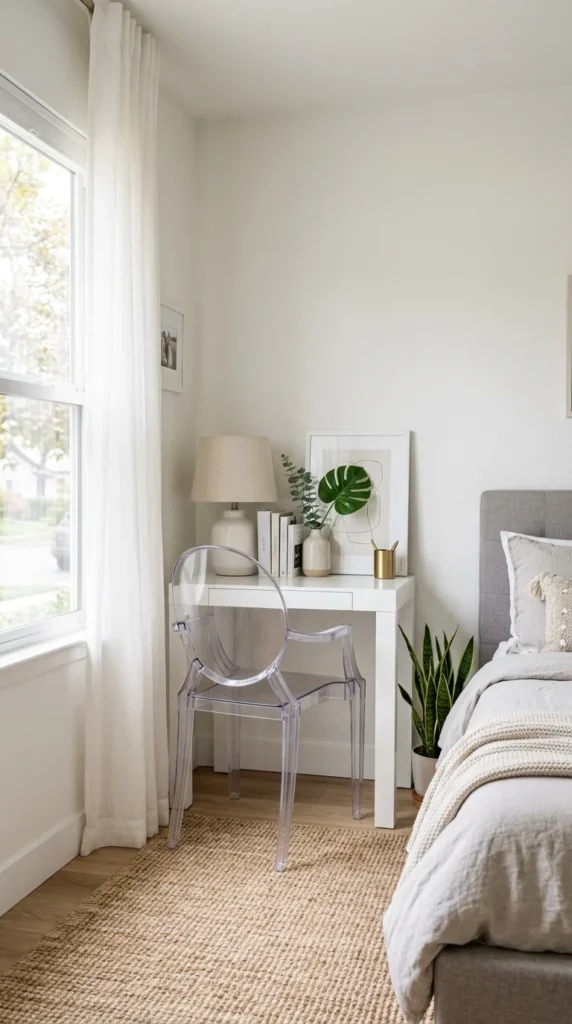
Acrylic or glass furniture—often referred to as “ghost furniture”—is a designer’s secret weapon. Because these pieces are transparent, they don’t take up any visual space. An acrylic desk or chair serves its purpose perfectly while allowing the eye to travel right through it, maintaining the flow of the room.
8. Under-Bed Storage
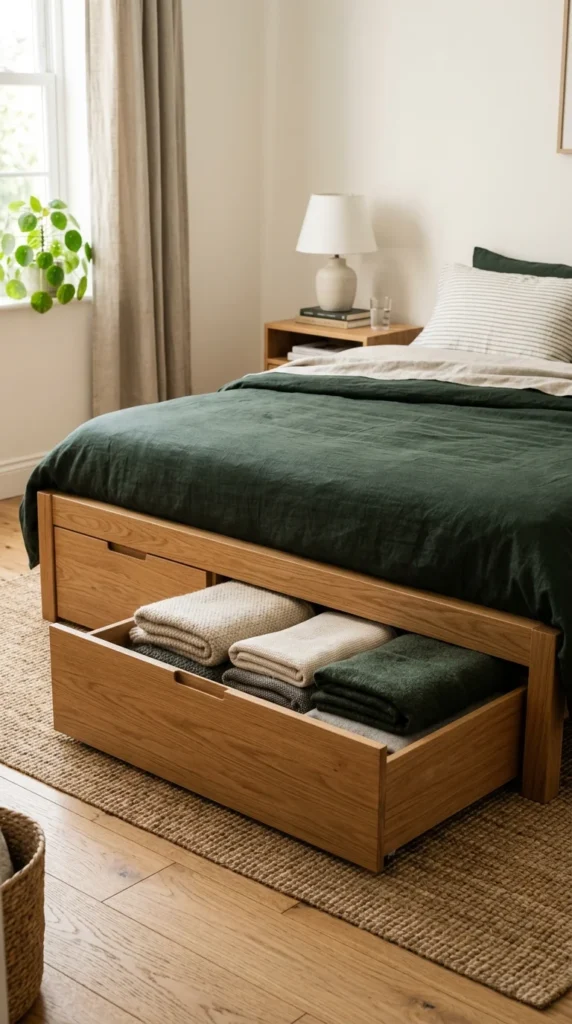
The space under your bed is prime real estate. Instead of letting it collect dust, utilize it for storage. You can opt for a bed frame with built-in drawers or use sleek, low-profile bins that slide underneath. This is the perfect spot for out-of-season clothing, extra linens, or shoes, keeping them out of sight and off the floor.
9. Floor-to-Ceiling Curtains
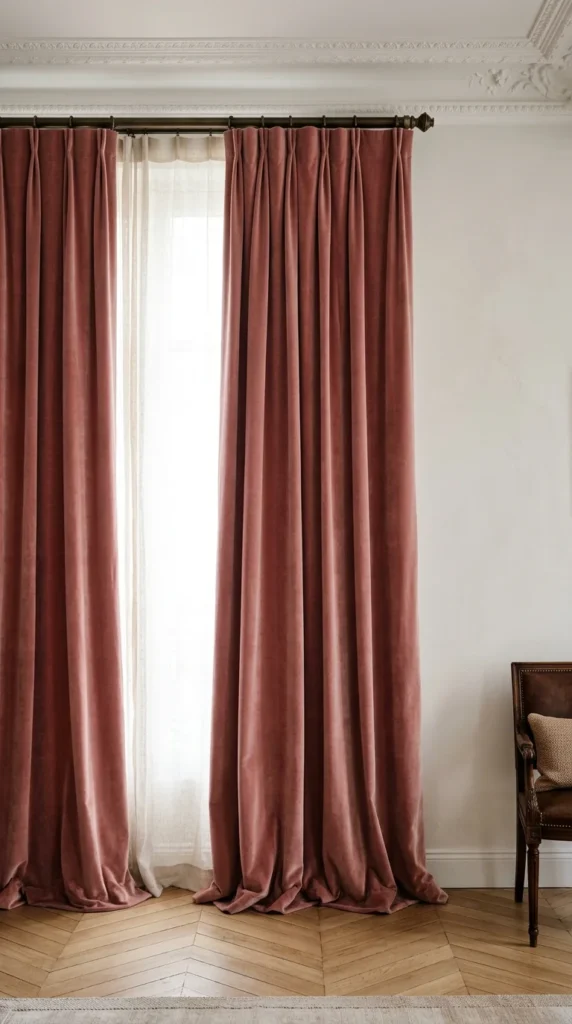
To make your windows feel larger and your ceilings feel taller, hang your curtain rod higher than the window frame. Extending the curtains all the way to the floor creates long vertical lines that lead the eye upward. This simple adjustment adds a sense of grandeur and scale to even the smallest of rooms.
10. Minimalist Furniture
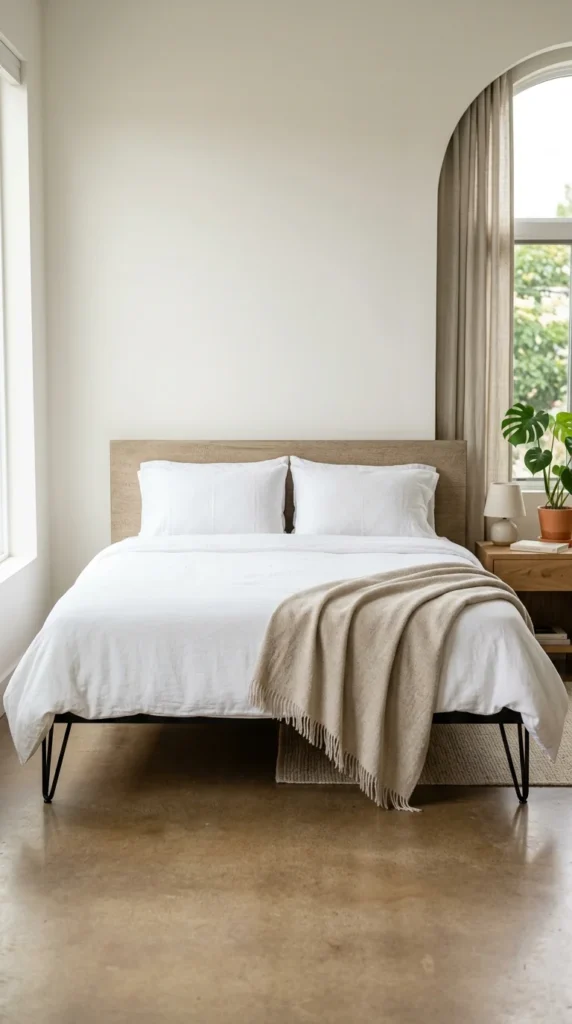
In a small space, “less is more” is a lifestyle. Choose furniture with clean lines and slim profiles. Avoid ornate carvings, heavy fabrics, or oversized headboards that dominate the room. Furniture with exposed legs is particularly effective, as seeing the floor underneath the pieces makes the area feel more expansive.
11. Accent Walls
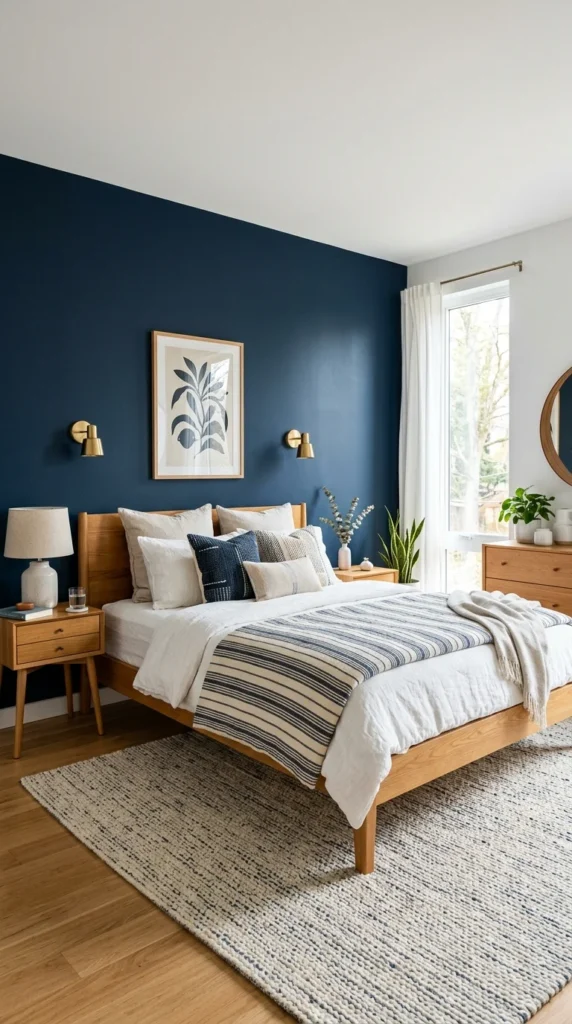
While light colors generally make a room feel bigger, a well-placed dark accent wall can actually add depth. Painting the wall behind your headboard a darker shade can create an “infinity” effect, making that wall feel like it’s receding further back. It also adds a focal point that draws attention away from the room’s small dimensions.
12. Multipurpose Pieces
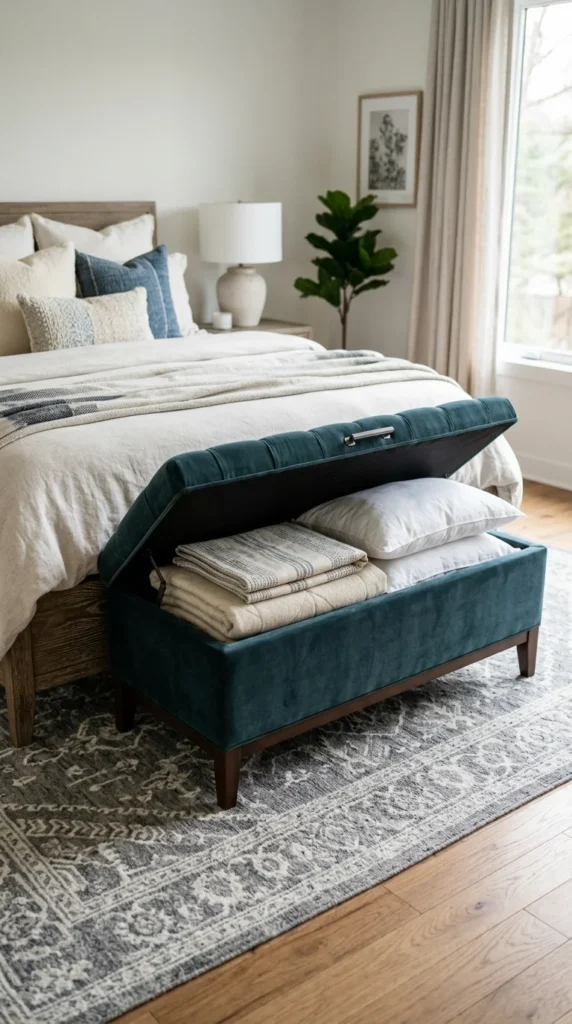
Every piece of furniture in a small bedroom should earn its keep. Look for items that serve at least two purposes: a storage ottoman that acts as a seat, a headboard with built-in shelving, or a vanity that doubles as a workspace. Reducing the number of individual pieces reduces visual clutter.
13. Sliding Doors
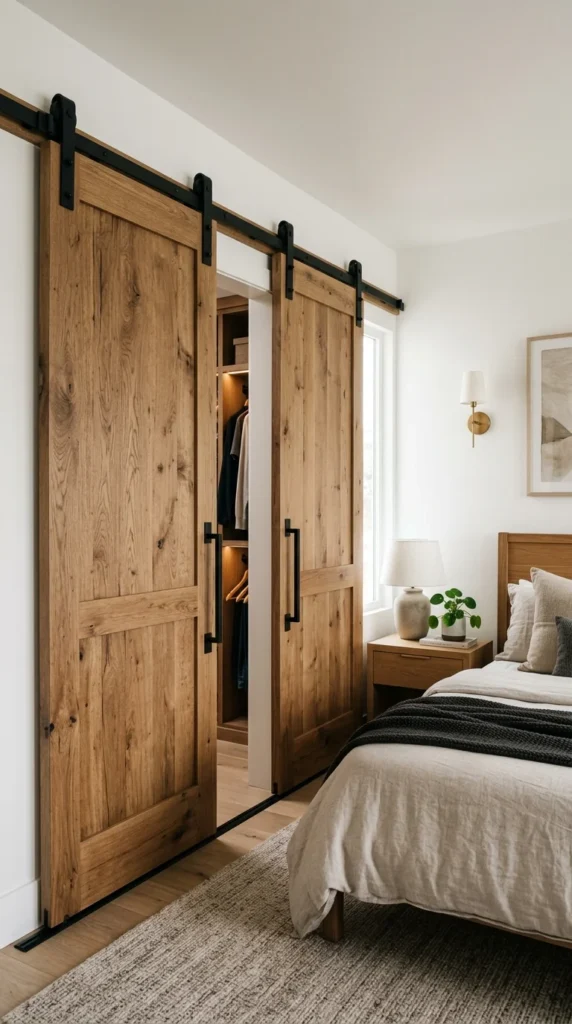
Traditional swinging doors require “clearance” space to open and close, which can be a huge waste of floor area in a tiny room. Sliding barn doors or pocket doors eliminate this problem entirely. They sit flush against the wall, allowing you to place furniture closer to the doorway than you otherwise could.
14. Strategic Rugs
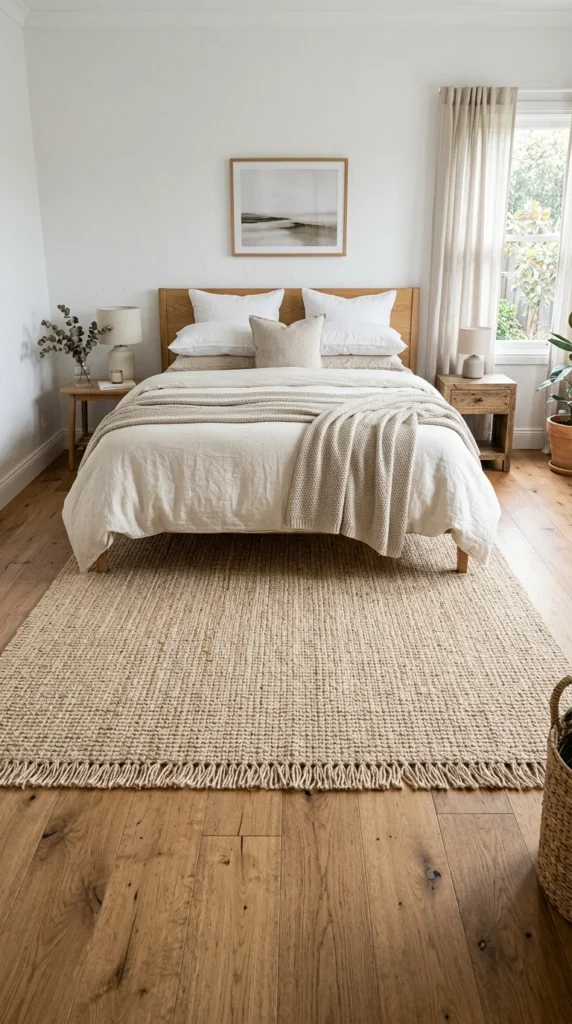
Small rugs can make a room feel chopped up and tiny. Instead, choose a rug that is large enough to tuck under the bed and still extend out on the sides. A large, cohesive rug anchors the space and makes the floor area look wider. Stick to light patterns or solid colors to keep the look clean.
15. Built-in Wardrobes
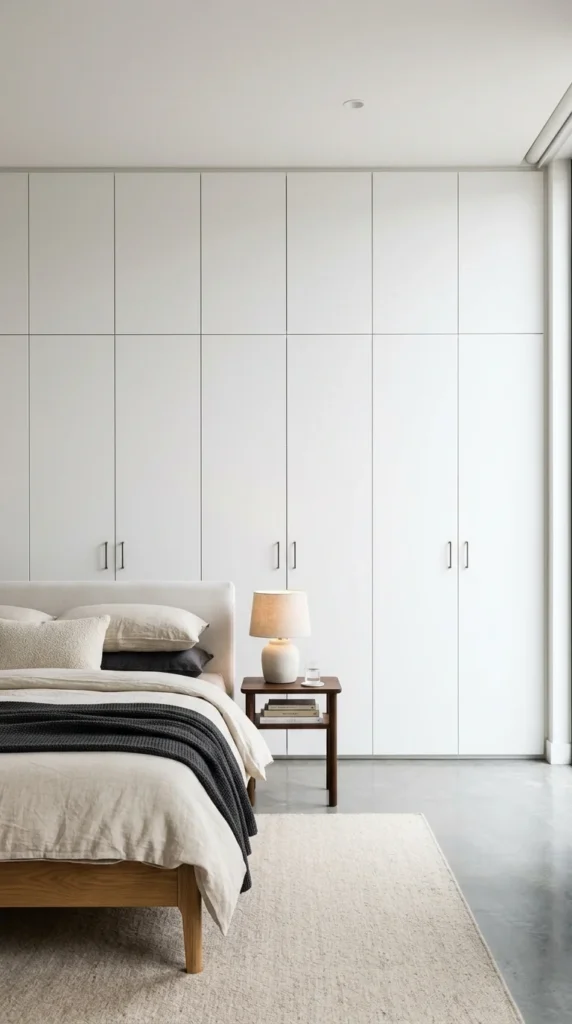
Freestanding wardrobes can look bulky and disjointed. Built-in cabinetry, however, can be designed to fit perfectly into the architecture of the room. By painting the built-ins the same color as the walls, they “disappear” into the background while providing massive amounts of storage from floor to ceiling.
16. Natural Light
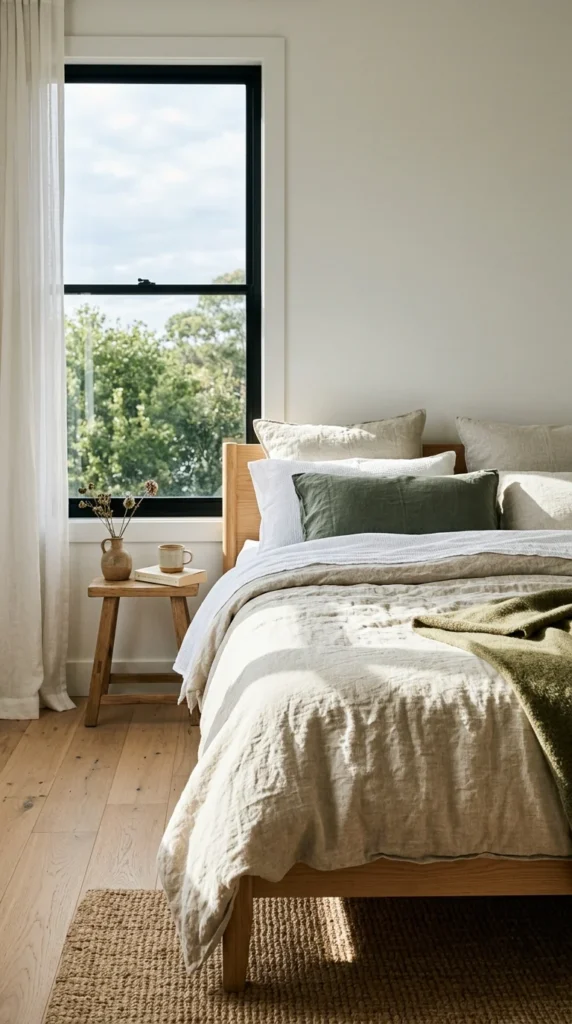
Maximize whatever natural light you have. Avoid heavy, dark window treatments that block the sun. Instead, use sheer fabrics or blinds that can be completely pulled away during the day. Natural light blurs the boundaries between the indoors and outdoors, making any space feel significantly more vast.
17. Symmetry
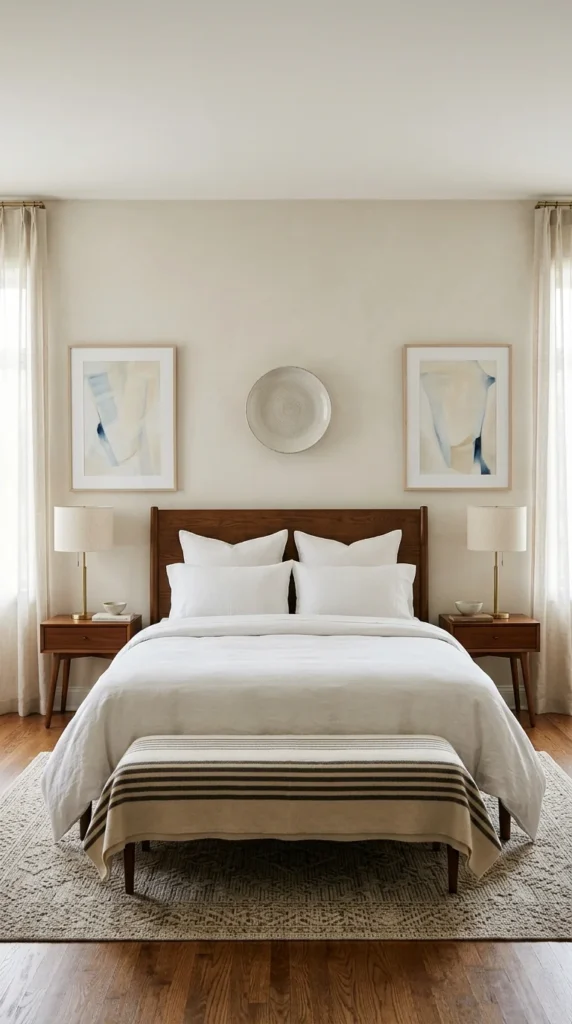
Symmetry creates a sense of order and balance, which is calming in a small environment. When a room feels organized and intentional, it feels less cluttered. Matching nightstands and lamps create a “frame” for the bed, giving the room a structured look that feels professional and spacious.
18. Murphy Beds
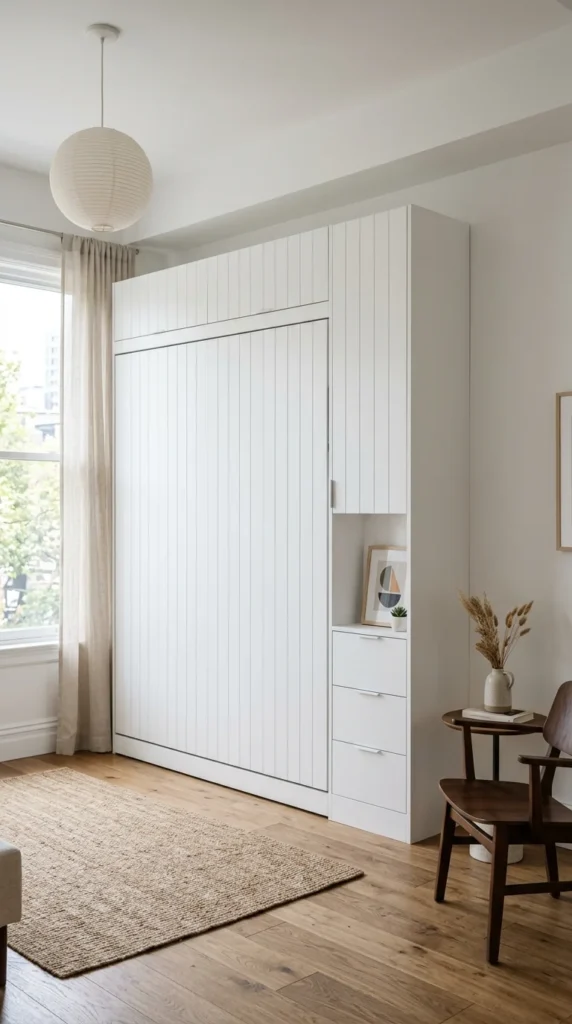
For the ultimate space-saving solution, the Murphy bed is king. Modern designs are sleek and easy to operate, allowing you to tuck your entire sleeping area away during the day. This is ideal if your bedroom needs to function as a living area or office during working hours.
19. Layered Lighting
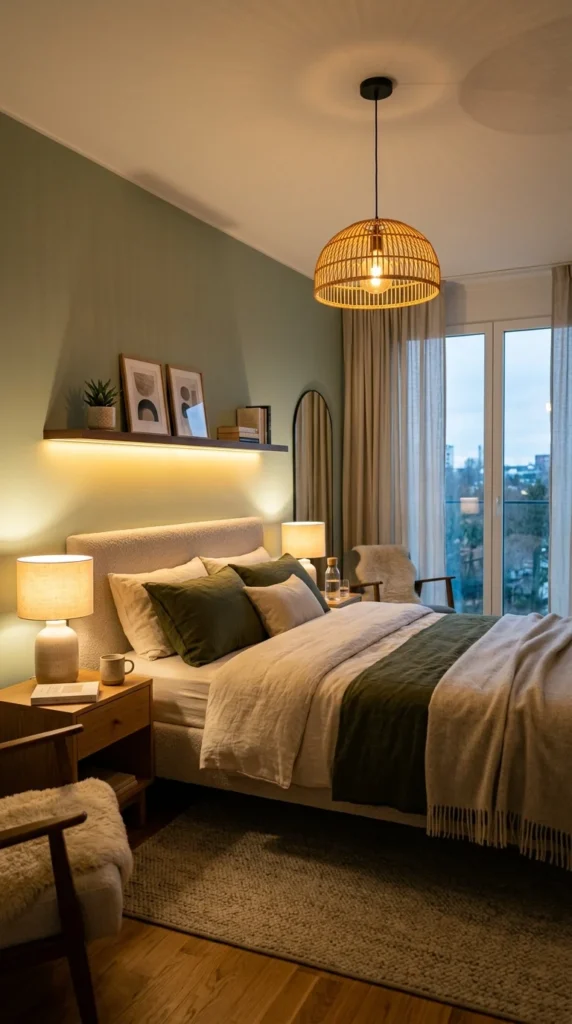
Rlying on a single overhead light can create harsh shadows that make a room feel small and dingy. By layering your lighting—using a mix of overhead fixtures, floor lamps, and task lighting—you can eliminate dark corners. Bright, evenly distributed light makes the entire perimeter of the room visible, making it feel larger.
20. Open Closets
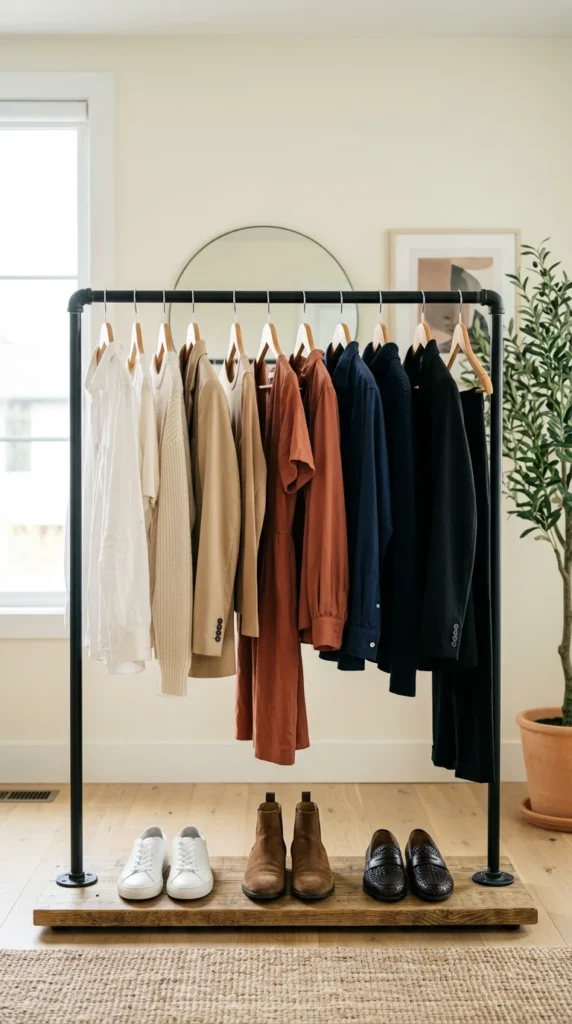
If you don’t have space for a bulky dresser, consider an open closet system. Using a simple clothing rack or wall-mounted rods can keep your wardrobe accessible without the footprint of a heavy wooden chest. The key here is organization; a messy open closet will have the opposite effect and make the room feel chaotic.
21. Low-Profile Beds
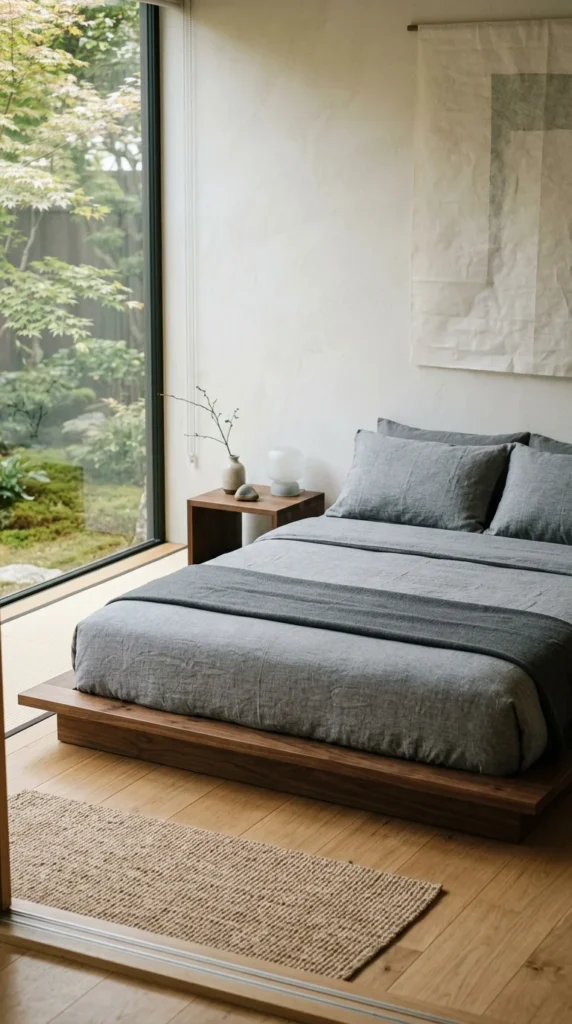
A bed that sits low to the ground creates more “air” above it. By increasing the distance between the top of the bed and the ceiling, you create a psychological sense of more space. Platform beds or even putting your mattress directly on a stylish wooden pallet can achieve this modern, grounded look.
22. Hanging Plants
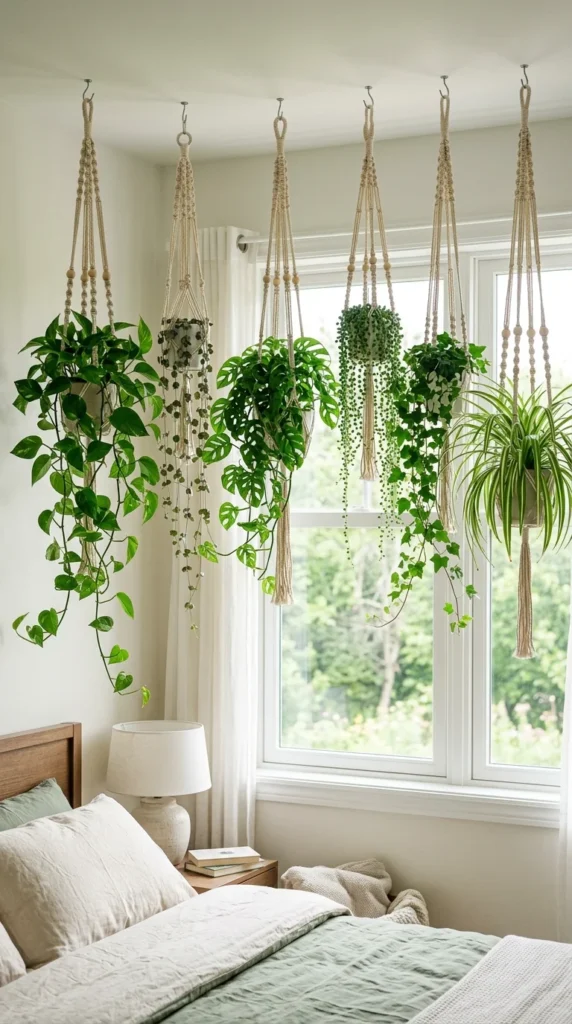
Plants bring life and energy to a room, but pots can take up valuable surface space. Hanging your greenery from the ceiling or mounting them on wall brackets adds a lush, organic feel without cluttering your tables. Plus, the vertical lines of the hangers help draw the eye upward.
23. Monochromatic Schemes
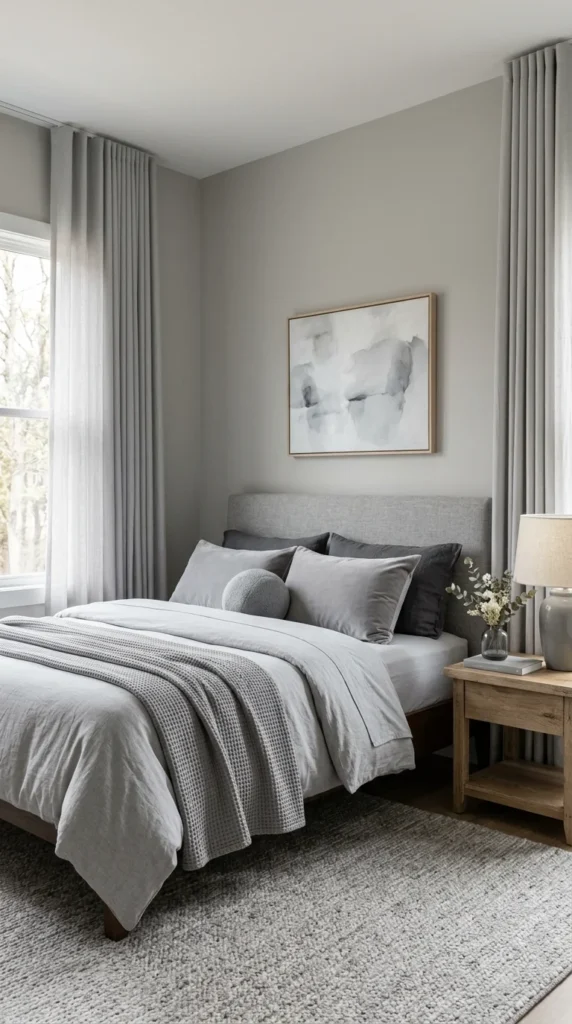
A monochromatic color palette—using different shades and tints of a single color—creates a seamless look. When there are no sharp contrasts between the walls, floor, and furniture, the eye doesn’t “stop” at the edges of things. This continuity tricks the brain into seeing one large, unified space.
24. Slim Nightstands
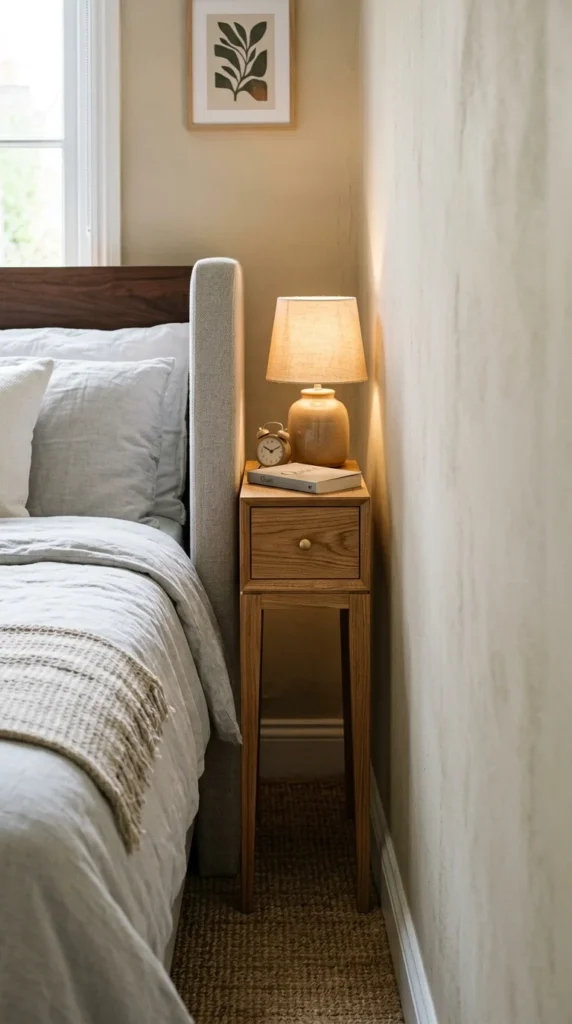
If you can’t go without a nightstand, look for “slimline” models. Many brands now offer ultra-narrow tables specifically designed for small spaces. These provide just enough room for a phone and a glass of water without protruding too far into the walking path.
25. Window Seats
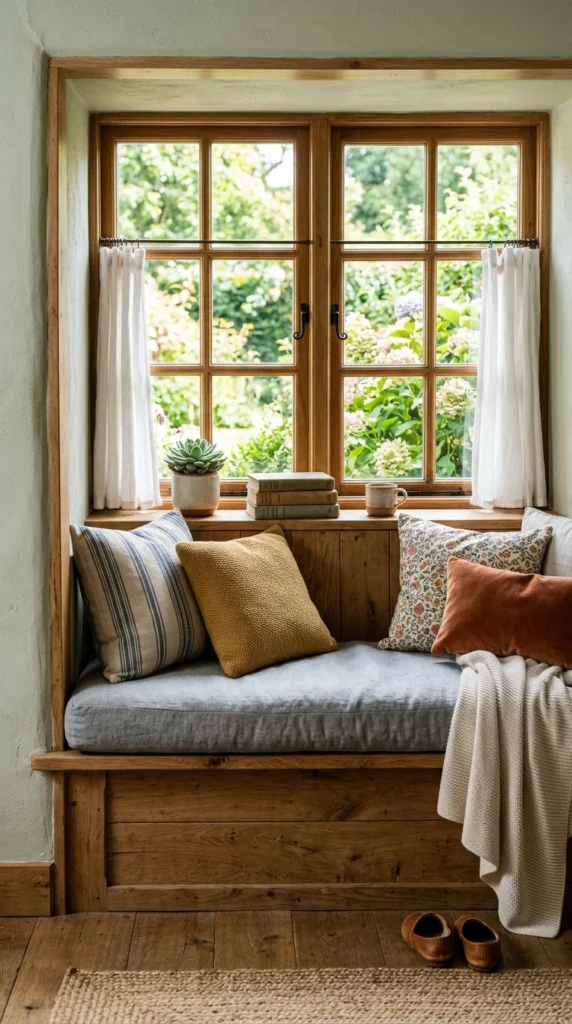
If you have a window, consider building a small bench or seat underneath it. This utilizes a space that is often left empty and provides extra seating or a place to lounge without needing a bulky armchair. Many window seats also include hidden storage under the cushion, making them doubly efficient.