
Creating a home that feels like a five-star retreat doesn’t require a five-figure budget. Most of the time, the “high-end” look is less about the price tag of individual items and more about the intentionality of the design. By focusing on texture, scale, and thoughtful architectural details, you can transform a standard living room into a sophisticated sanctuary.
Here are 25 budget-friendly ways to elevate your living room and give it that designer edge.
1. Crown Molding
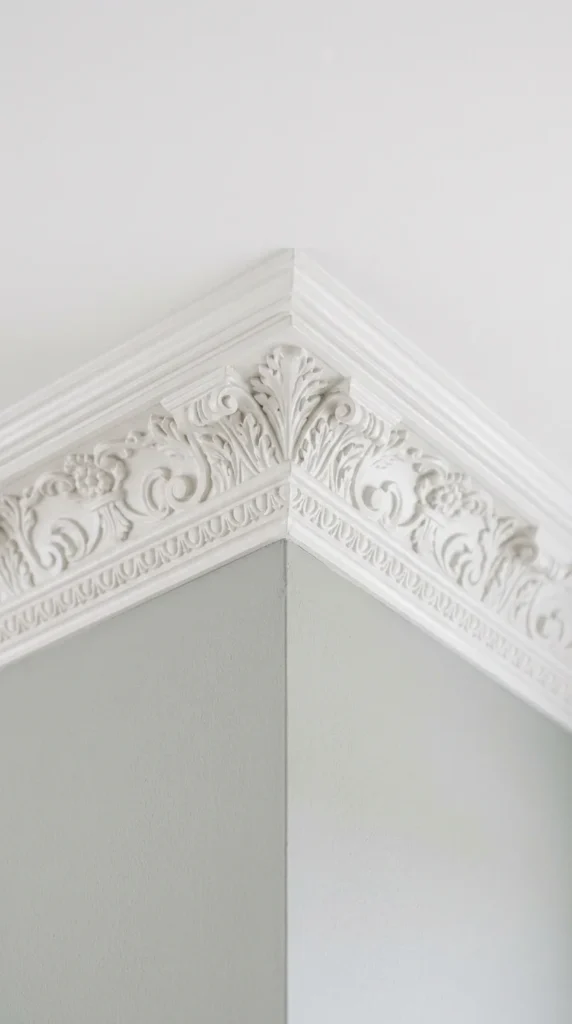
Architectural interest is the hallmark of luxury homes. Adding crown molding is surprisingly affordable if you DIY the installation. It bridges the gap between the wall and the ceiling, making the room feel finished and “expensive.” If you want an even grander look, choose a wider profile or layer two smaller pieces of trim together.
2. Statement Rugs
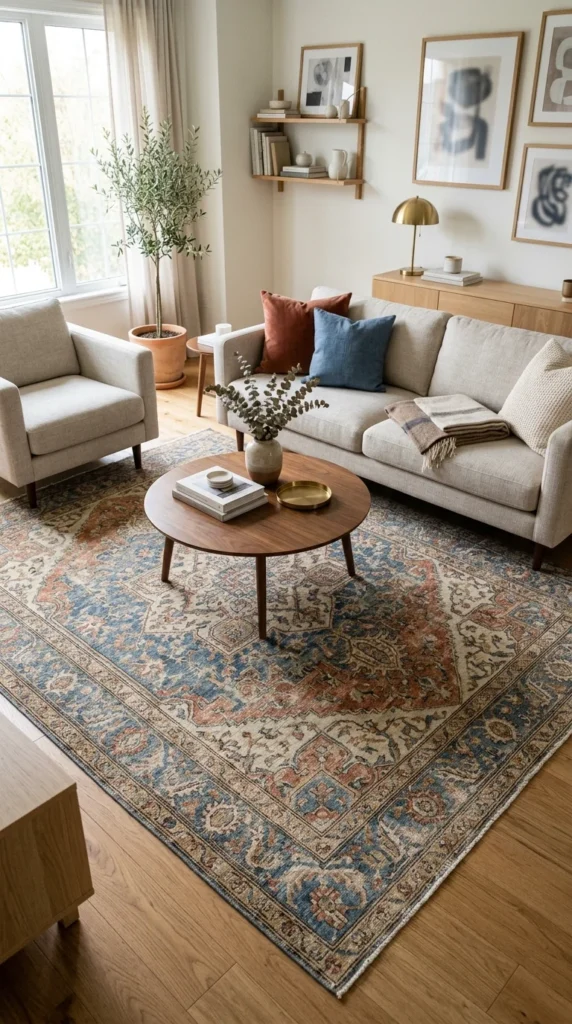
One of the biggest mistakes in budget decorating is buying a rug that is too small. A tiny rug makes a room feel disjointed. Instead, look for a large, statement rug—even if it’s a budget-friendly flatweave or a vintage-look synthetic. Ensure the front legs of all your furniture pieces sit on the rug to create a cohesive, grounded seating area.
3. Curtains
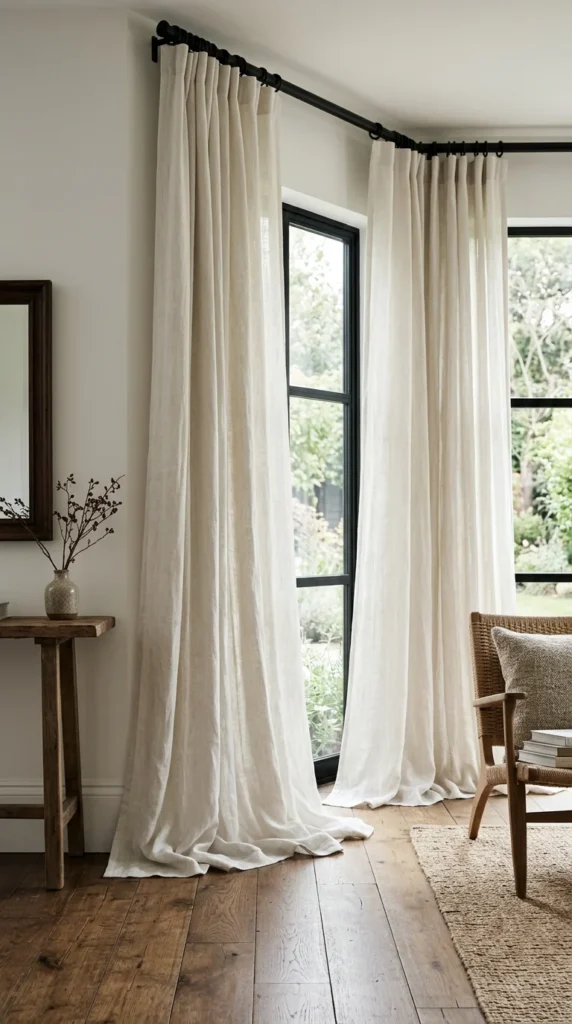
To make your ceilings look taller and your windows look grander, hang your curtains “high and wide.” Place the rod as close to the ceiling as possible and extend it several inches past the window frame. Opt for heavy, floor-to-ceiling panels in natural fabrics like linen or cotton to mimic the look of custom drapery.
4. Wall Molding
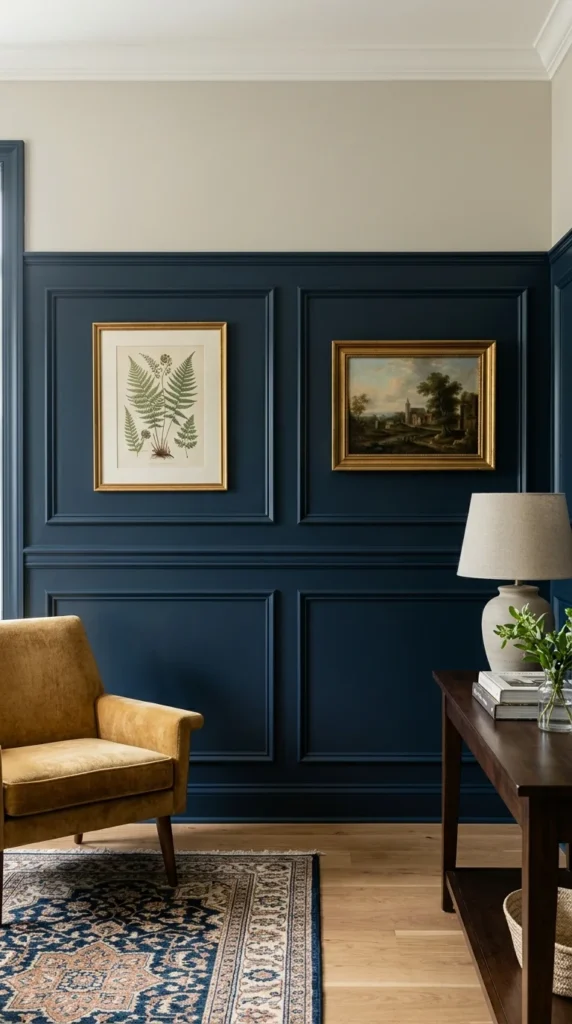
Picture frame molding (or wainscoting) is an old-world trick that adds instant depth to flat walls. Using inexpensive thin wood strips or even peel-and-stick trim, you can create rectangular “frames” on your walls. Paint the trim the same color as the wall for a subtle, high-end architectural effect.
5. Lighting Upgrades
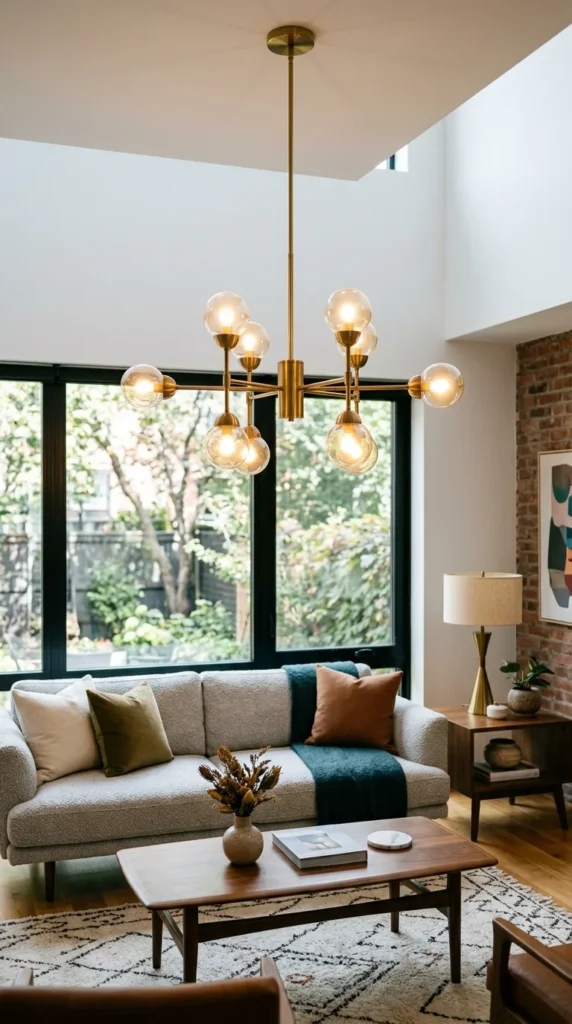
Builder-grade “boob lights” or generic ceiling fans are the enemies of high-end design. Replacing a central light fixture with a bold, sculptural chandelier or a modern pendant can change the entire mood of the room. Look for finishes like brushed brass or matte black for a contemporary, expensive feel.
6. Large Art
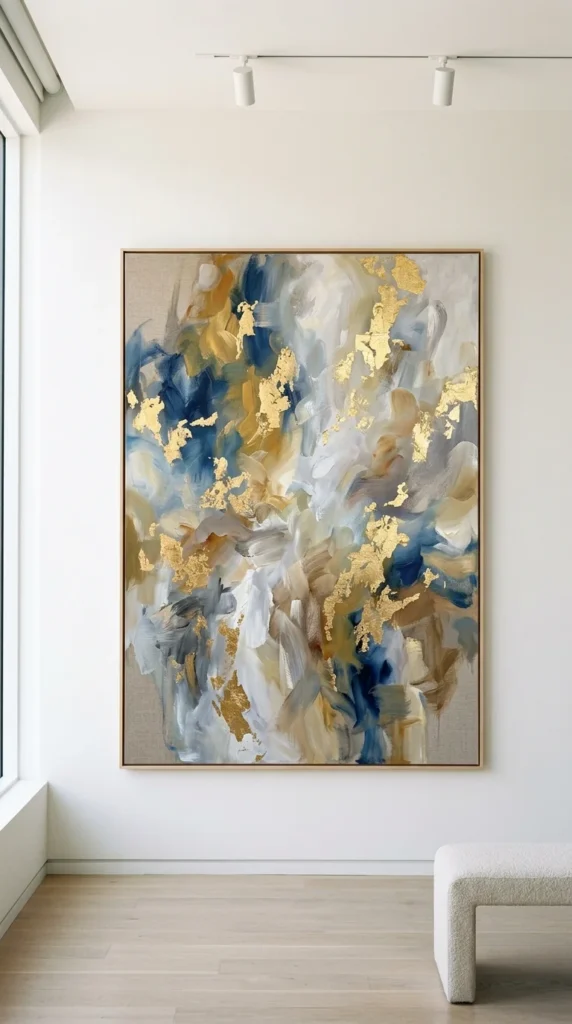
Instead of a “gallery wall” of many small items—which can look cluttered—opt for one oversized piece of art. A large canvas creates a focal point and gives the room a gallery-like atmosphere. You can create your own abstract art using a large thrifted frame and some leftover house paint.
7. Coffee Table Styling
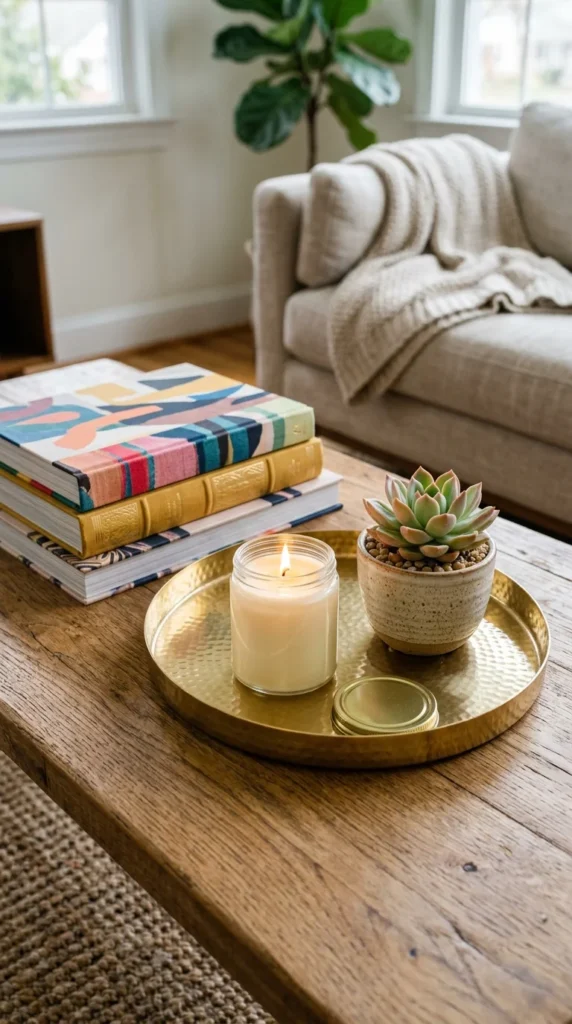
An empty coffee table looks unfinished, while a cluttered one looks messy. Use a tray to “corral” items. Combine three elements: something organic (a plant or flowers), something tall (a candle or vase), and something flat (a stack of coffee table books). This curated look is a staple in professional interior photography.
8. Hidden Wires
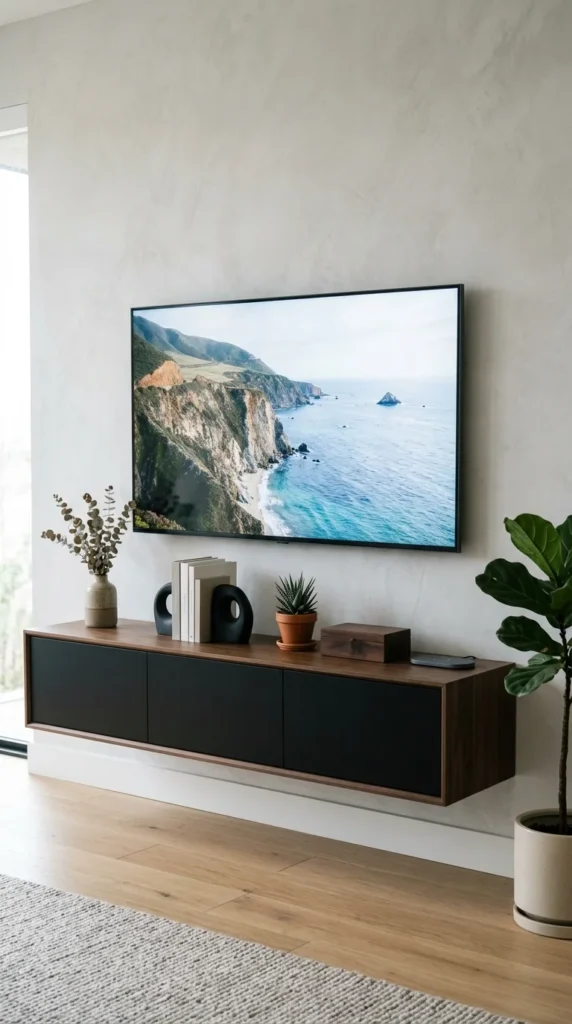
Nothing ruins a high-end aesthetic faster than a tangled mess of black wires hanging from the TV or lamps. Use cord covers that can be painted the same color as your walls, or tuck power strips inside decorative boxes. A “wireless” look is essential for a polished, luxury vibe.
9. Floor Mirrors
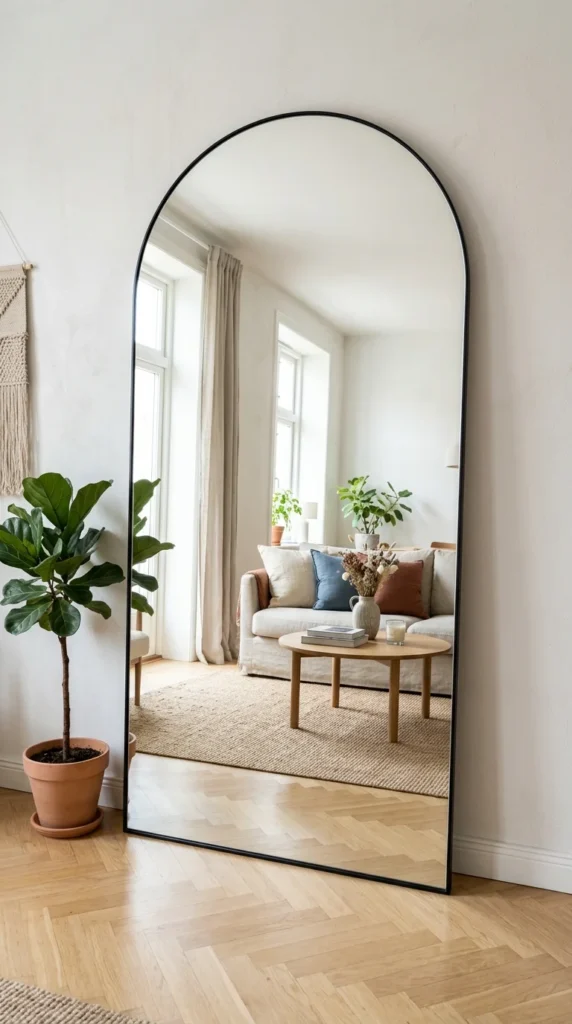
Mirrors are a designer’s secret weapon for making small spaces feel palatial. A large, leaning floor mirror reflects light and adds a sense of “boundless” space. Position it opposite a window to maximize the natural light coming into the room.
10. Texture Mixing
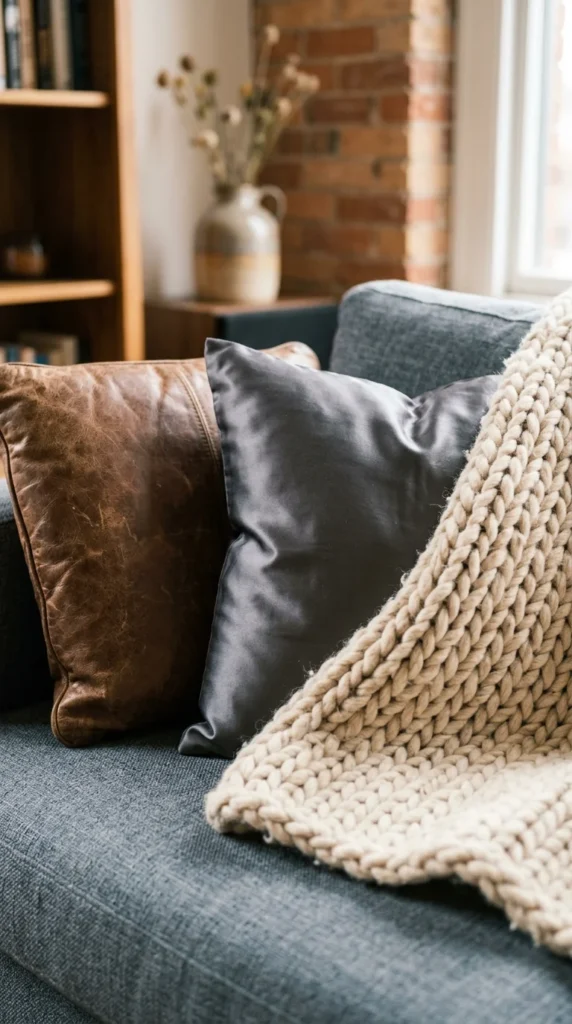
Expensive rooms feel “layered.” You can achieve this by mixing different textures. Pair a velvet sofa with a leather armchair, a wool rug, and a linen throw. The contrast between soft, rough, shiny, and matte surfaces creates visual richness that looks much more expensive than a “matching set” of furniture.
11. Indoor Trees
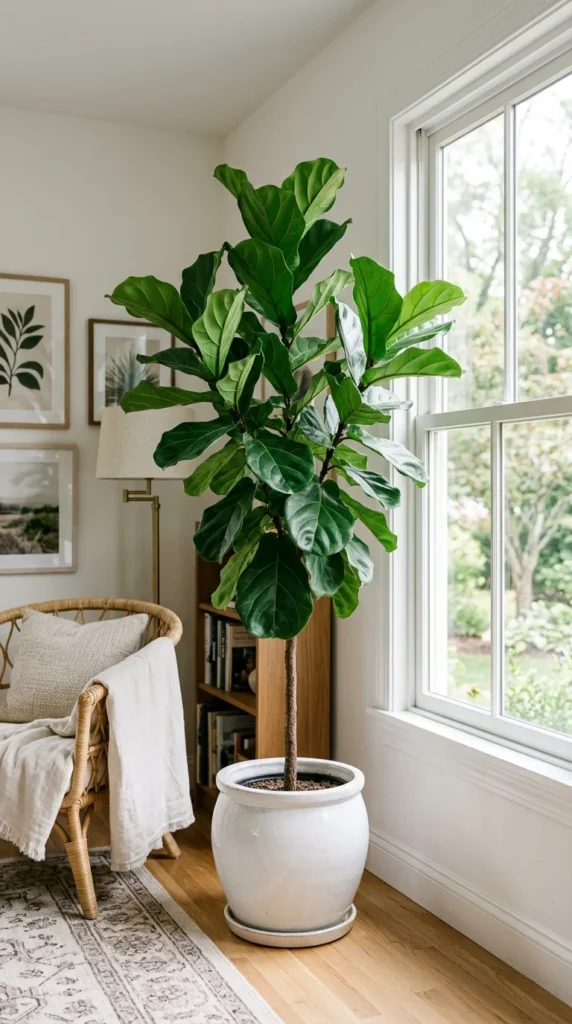
While small succulents are nice, a tall indoor tree—like a Fiddle Leaf Fig or an Olive Tree—adds a sense of scale and life. The height of the tree draws the eye upward, highlighting the volume of the room. If you don’t have a green thumb, high-quality faux trees look just as impressive.
12. Hardware Swap
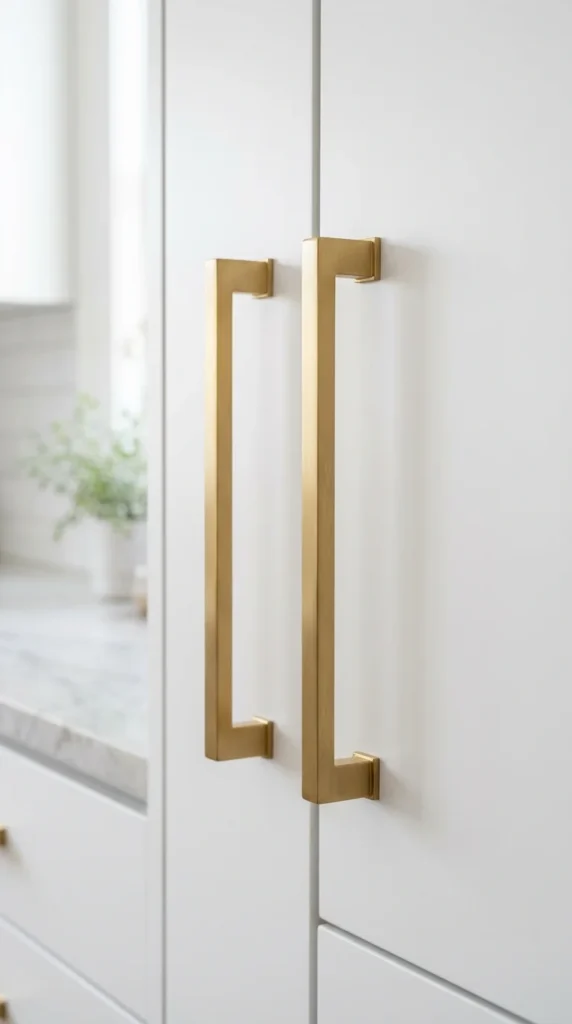
If you have a TV console, sideboard, or built-in cabinets, swap out the standard knobs for something more unique. Solid brass, leather pulls, or matte black handles can make a cheap piece of furniture look like a custom designer find.
13. Minimalist Decluttering
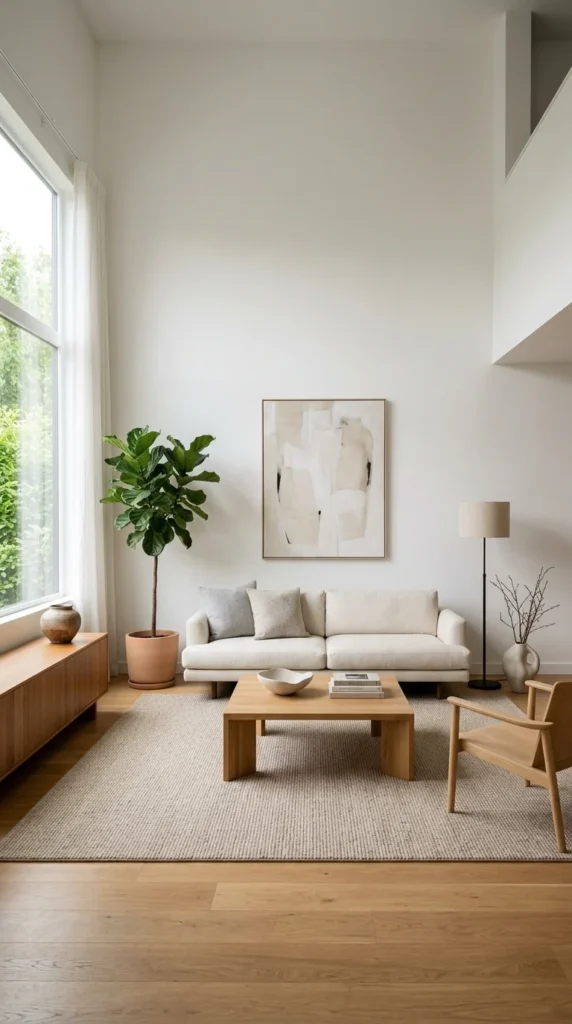
The cheapest way to make a room look high-end is to remove things. Luxury design often relies on “negative space.” Clear off surfaces, remove excess knick-knacks, and keep only the items that truly serve the design. A “less is more” approach always feels more sophisticated.
14. Paint Accents
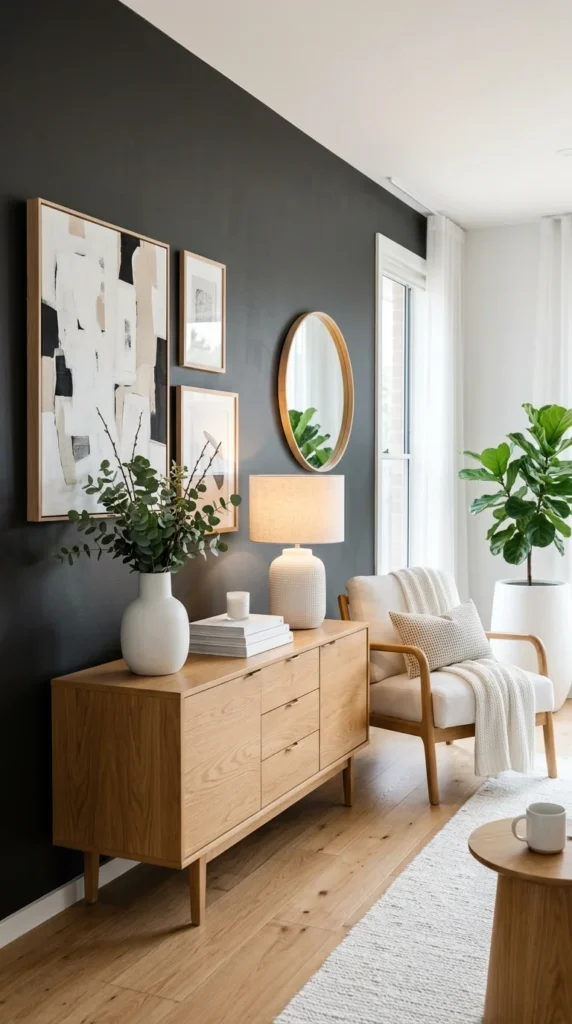
Paint is the most cost-effective tool in your arsenal. Consider painting an accent wall in a moody, dark tone like forest green, navy, or charcoal. Alternatively, paint your baseboards and window trim a slightly darker shade than your walls for a “color-drenched” look that is currently very popular in luxury interiors.
15. Oversized Pillows
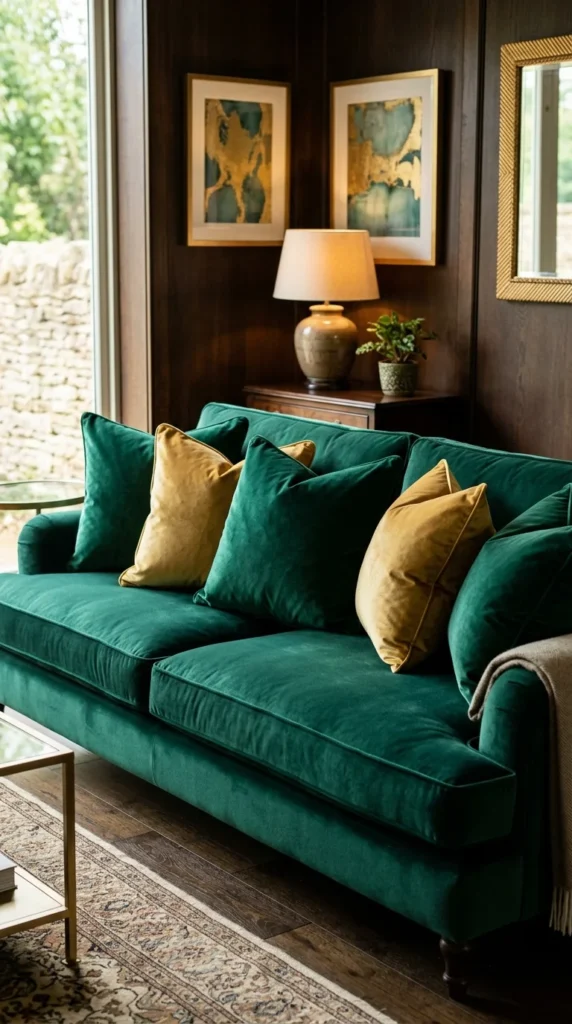
Small, flat pillows look cheap. Replace the inserts of your existing pillows with oversized down or down-alternative inserts (usually 2 inches larger than the cover). This gives your sofa that “choppable,” high-end look found in luxury furniture showrooms.
16. Bookshelf Curation
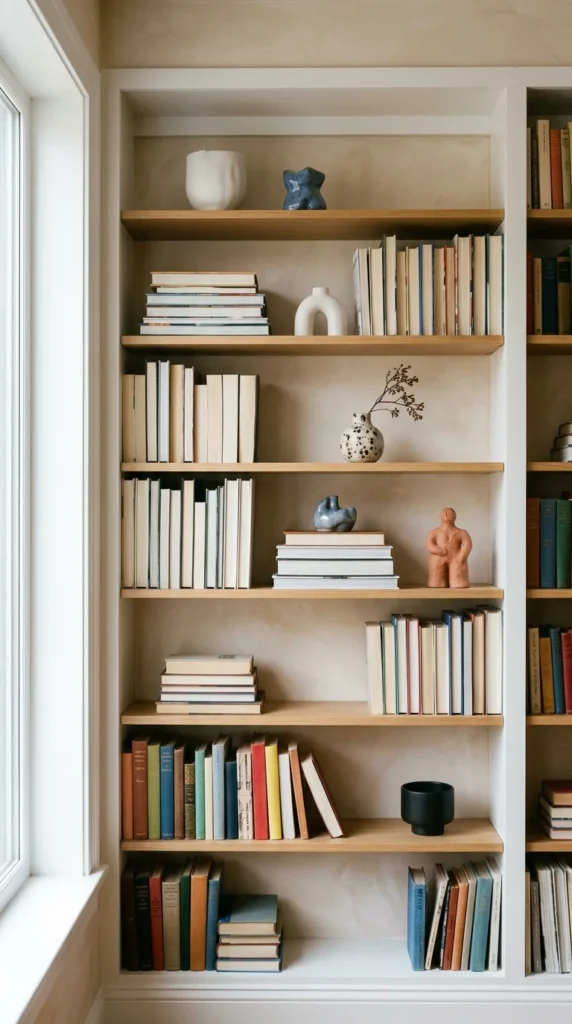
Avoid cramming your bookshelves with every paperback you own. Instead, treat your shelves like a curated gallery. Turn some books backward for a neutral color palette, stack some horizontally to act as pedestals for small objects, and leave plenty of “breathing room” between items.
17. Scents and Fragrance
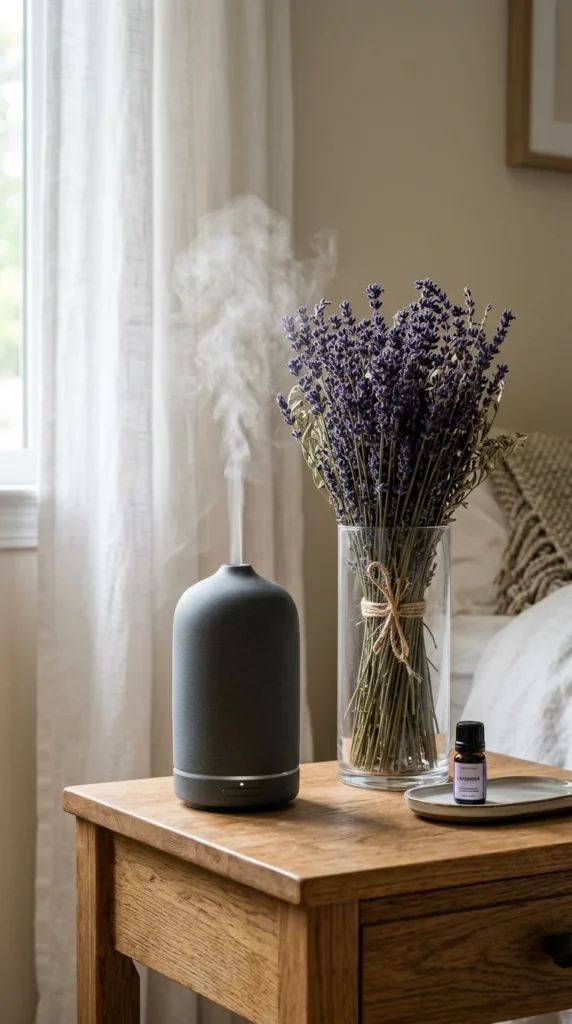
A high-end experience engages all the senses. Investing in a high-quality reed diffuser, a signature candle, or an essential oil diffuser can make your home feel like a luxury hotel. Scent is a powerful way to create an atmosphere of calm and opulence.
18. Thrifted Antiques
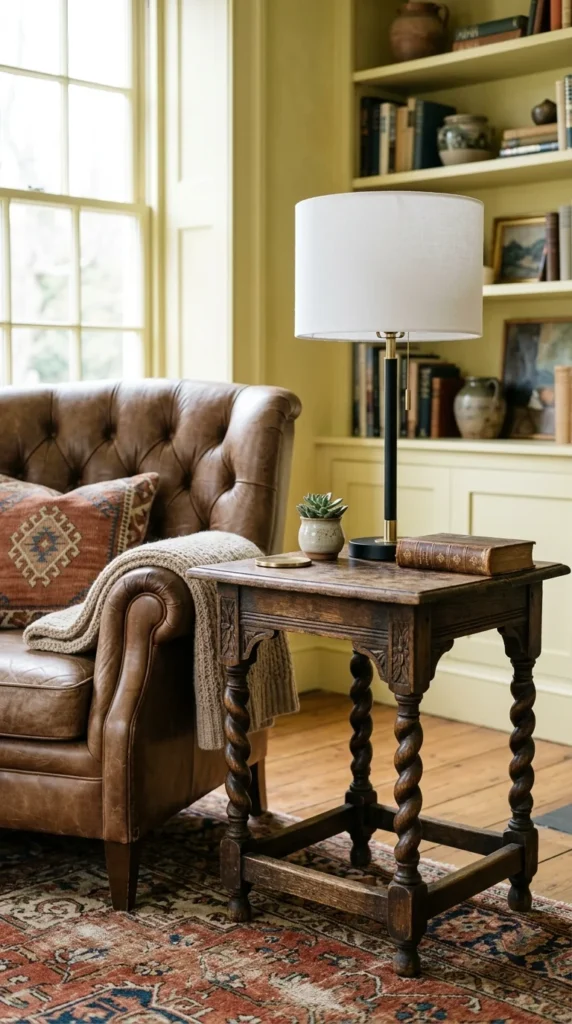
Mixing old with new is the key to a “collected” look. A single thrifted antique—like a vintage trunk, an old oil painting, or a carved wooden chair—adds character and history that new, mass-produced furniture simply cannot replicate.
19. Sconce Lighting
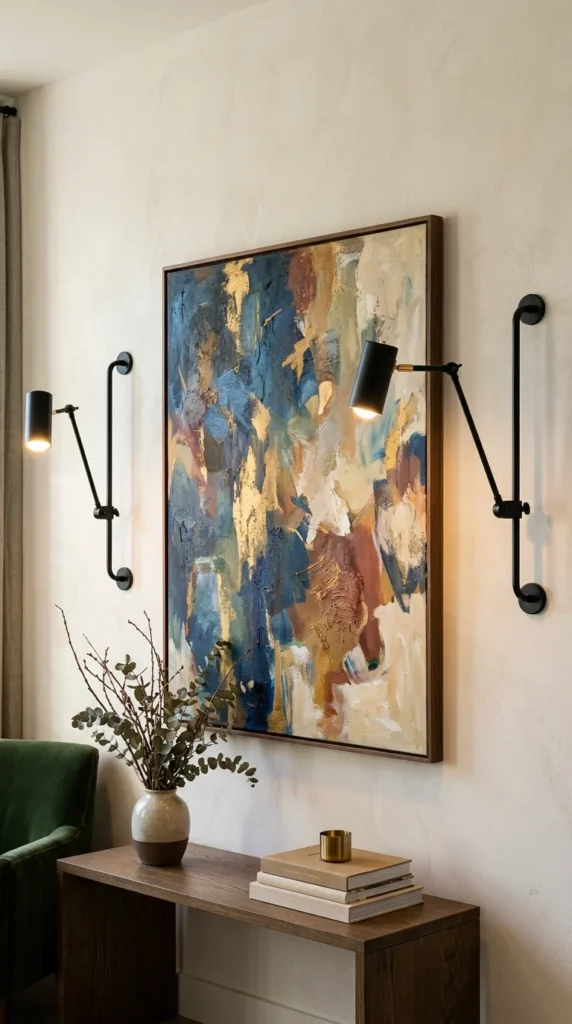
Wall sconces add a layer of “accent lighting” that feels very custom. You don’t even need an electrician; many modern sconces are battery-operated or “plug-in” with decorative cord covers. Place them over a bookshelf or on either side of a piece of art for a dramatic effect.
20. Layout Shift
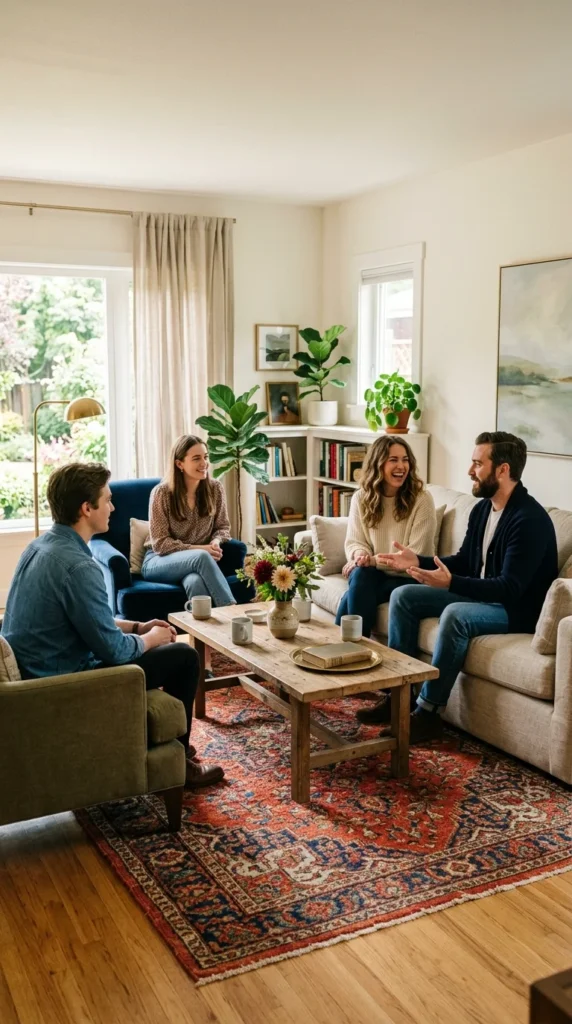
Many people push all their furniture against the walls, which can make a room feel like a waiting area. Instead, “float” your furniture by pulling it a few inches (or feet) away from the walls. Group seating together to create a cozy conversation zone, which feels much more intentional and high-end.
21. Metallic Touches
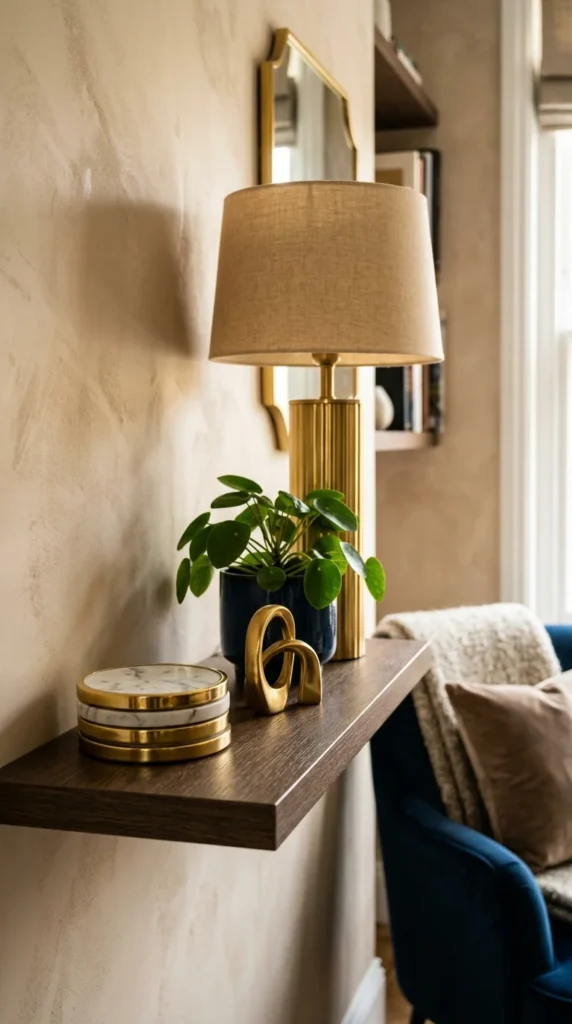
Small touches of metal—gold, silver, or bronze—reflect light and add a “jewelry” element to the room. Whether it’s a metallic tray, a lamp base, or a small sculpture, these accents provide a touch of glamour without being overwhelming.
22. Velvet Elements
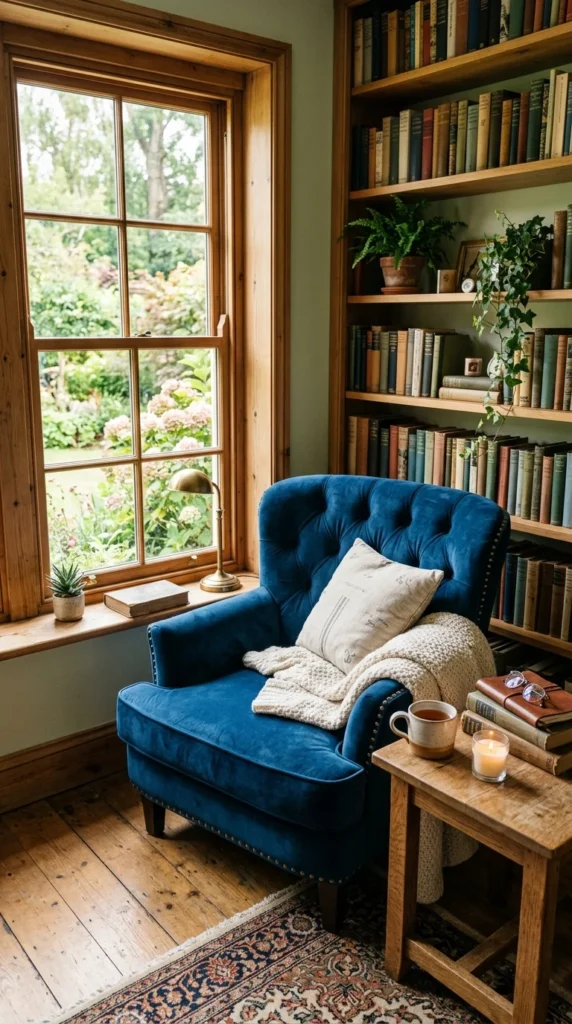
Velvet is a fabric that inherently looks expensive because of the way it catches the light. You don’t need a velvet sofa to get the look; a velvet ottoman, a pair of velvet pillows, or even a velvet throw can introduce that “luxe” feeling into the space.
23. Monochromatic Palette
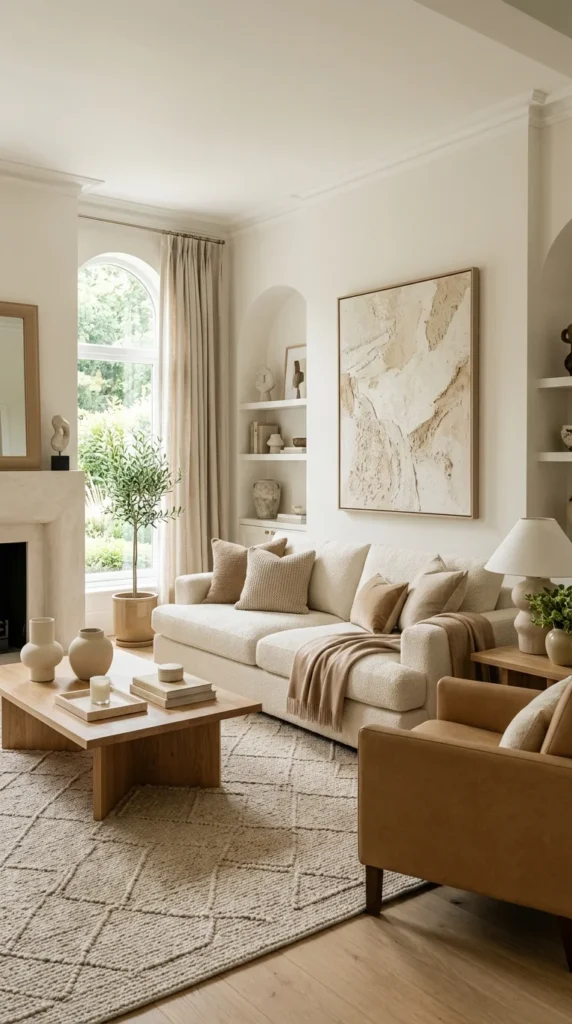
One of the easiest ways to make a room look cohesive and expensive is to stick to a monochromatic color scheme. Using varying shades of the same color (like “all whites” or “all greys”) creates a sophisticated, high-end look that feels peaceful and curated.
24. Ceiling Focus
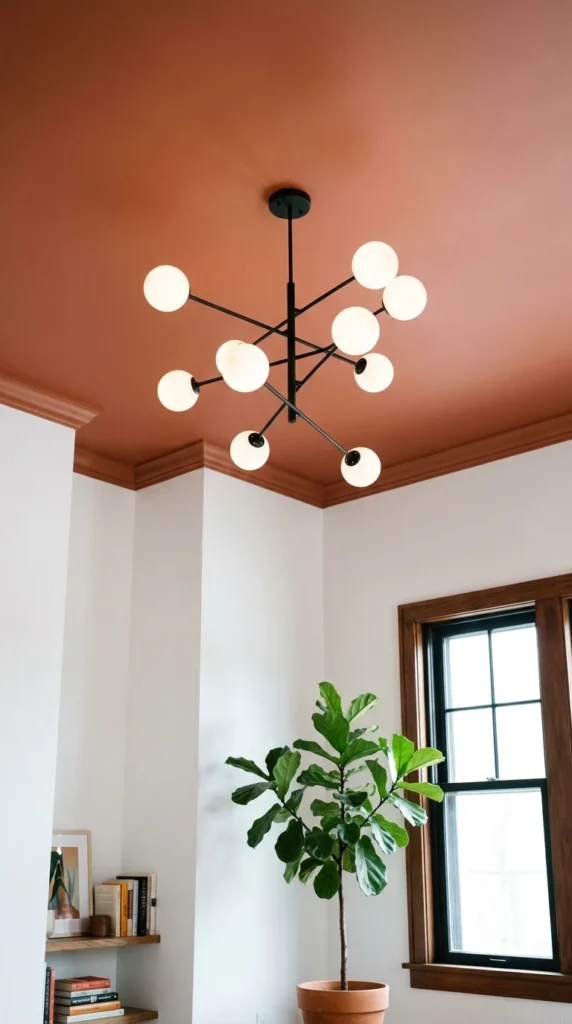
The “fifth wall” is often neglected. Painting the ceiling a soft color or even just a crisp, bright white can make the room feel taller. For a more adventurous look, adding a ceiling medallion around your light fixture provides a classic, expensive architectural detail.
25. Woven Baskets
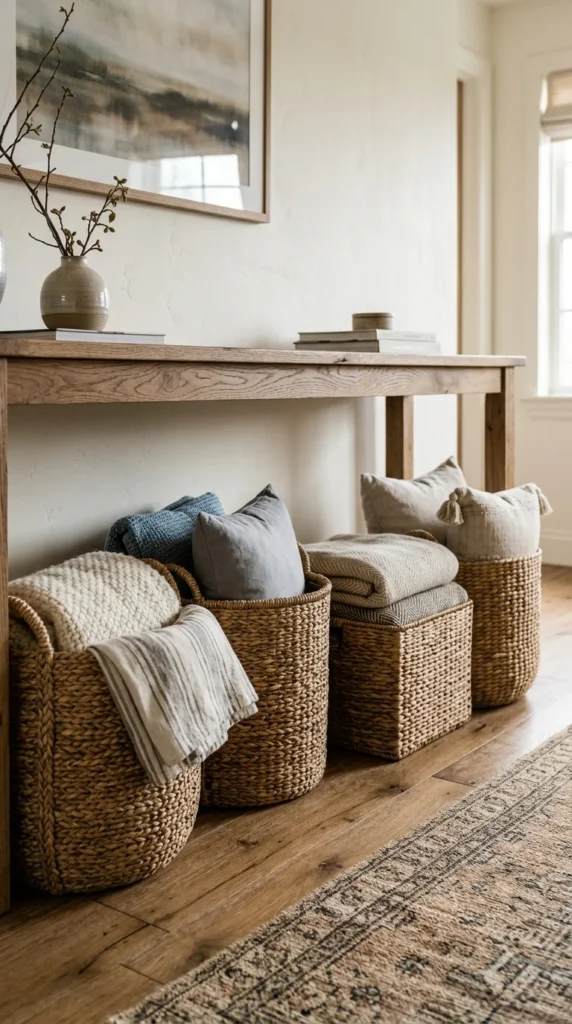
Storage is a luxury. Using high-quality woven baskets to hide toys, blankets, or magazines keeps the room looking organized. Natural materials like seagrass or wicker add warmth and texture, making the space feel more like a home and less like a showroom.