
The age-old advice for small spaces usually leans toward “less is more.” We are told to paint everything white, embrace minimalism, and keep surfaces clear to create the illusion of space. But for those who find joy in color, texture, and a collection of curiosities, minimalism can feel sterile and uninspired. Enter maximalism: the art of “more is more.”
Maximalism isn’t about clutter; it’s about careful curation, bold expressions of personality, and the fearless use of design elements. When applied to a small footprint, it creates a “jewel box” effect—a space that feels rich, intentional, and incredibly cozy. If you’re ready to break the rules and turn your tiny home into a high-impact sanctuary, here are 20 maximalist decor ideas to get you started.
1. Bold Wallpaper
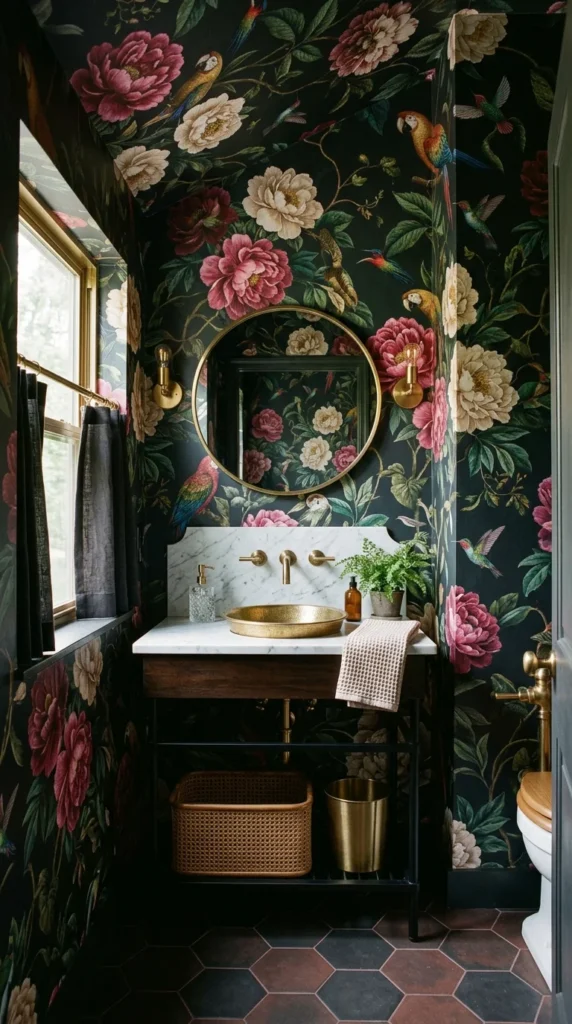
In a small room, large-scale patterns can actually make walls feel further away. Instead of a subtle print, go for a dramatic floral, a wild animal print, or a complex geometric design. Covering all four walls—and even the ceiling—creates an immersive experience that hides the corners of the room, making the boundaries of the space disappear into the art.
2. Gallery Walls
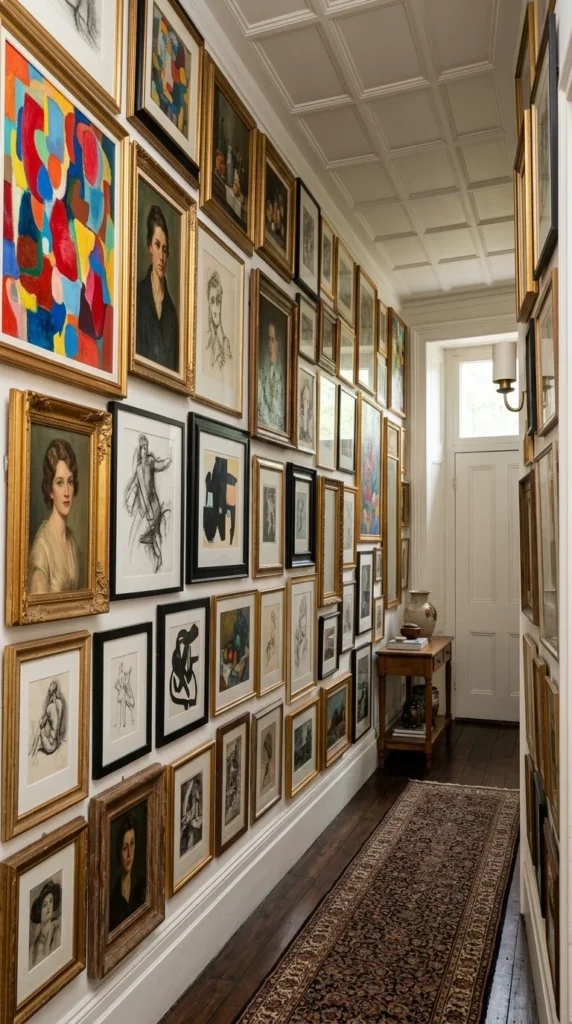
Forget the “one focal point” rule. A floor-to-ceiling gallery wall utilizes vertical space to tell a story. Mix and match frame styles, sizes, and mediums. The key to making this work in a small space is density; the more packed the frames are, the more it feels like a single, cohesive architectural feature rather than a scattered collection of items.
3. Color Drenching
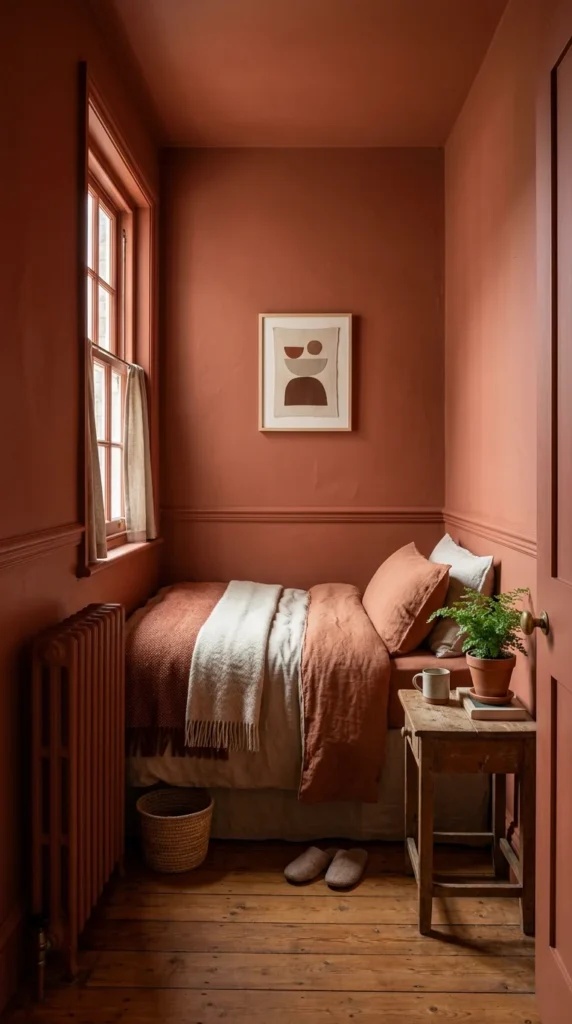
Color drenching is the act of painting everything in a room—walls, trim, doors, and even the ceiling—the same vibrant hue. This technique is a maximalist’s secret weapon for small spaces. By removing the visual “breaks” that white trim provides, the eye moves seamlessly around the room, making the space feel unified and grand despite its size.
4. Velvet Textures
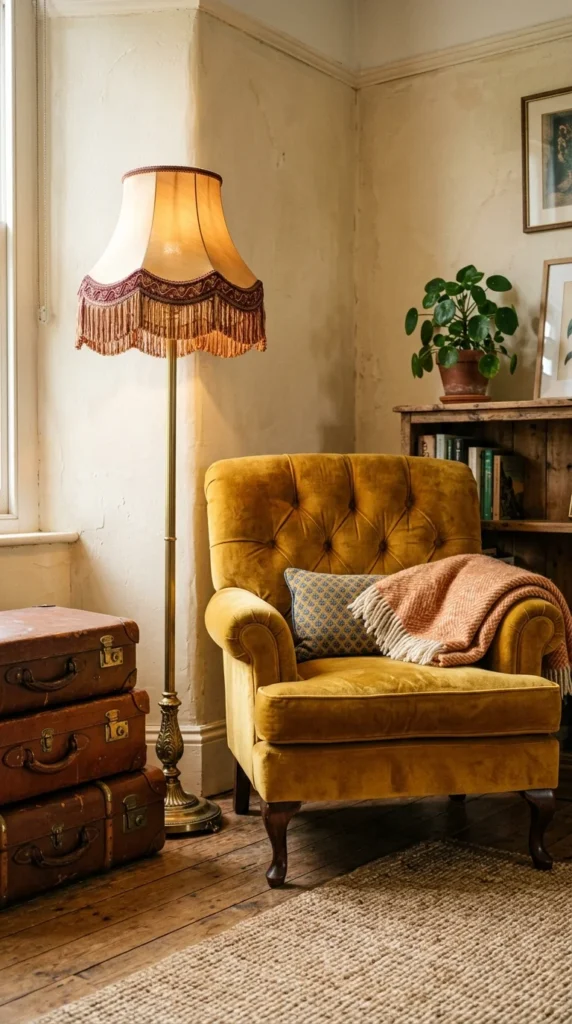
Maximalism is as much about touch as it is about sight. Incorporating heavy, luxurious fabrics like velvet adds instant depth. A velvet sofa or even velvet curtains can absorb light in a way that creates shadows and richness, adding a layer of sophisticated drama that simple cotton or linen just can’t provide.
5. Oversized Art
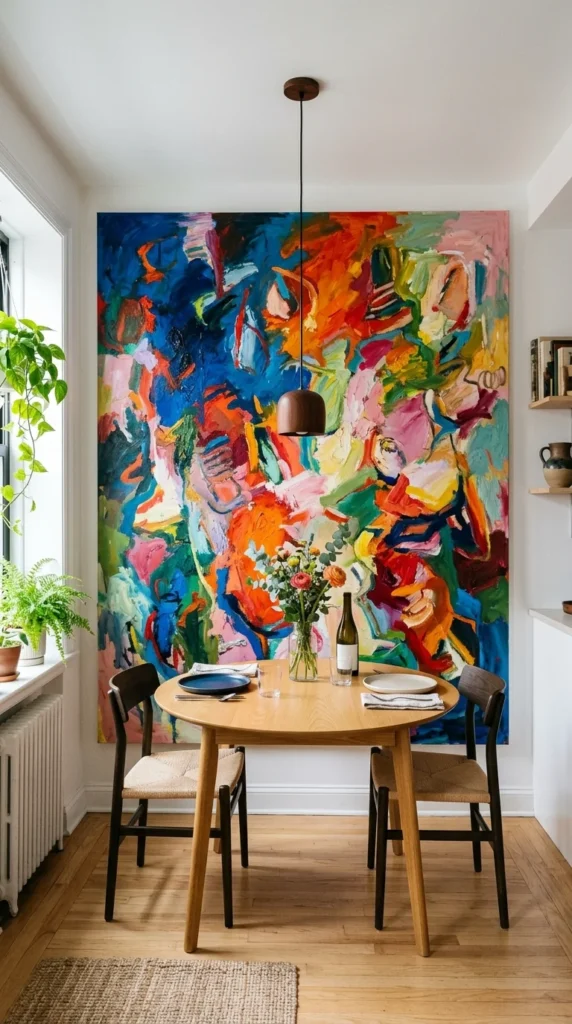
It might seem counterintuitive, but one massive piece of art often looks better in a small room than several tiny ones. An oversized canvas creates a grand sense of scale. It acts as an anchor for the room, drawing the eye upward and outward, giving the impression that the room is large enough to house such a significant piece.
6. Statement Lighting
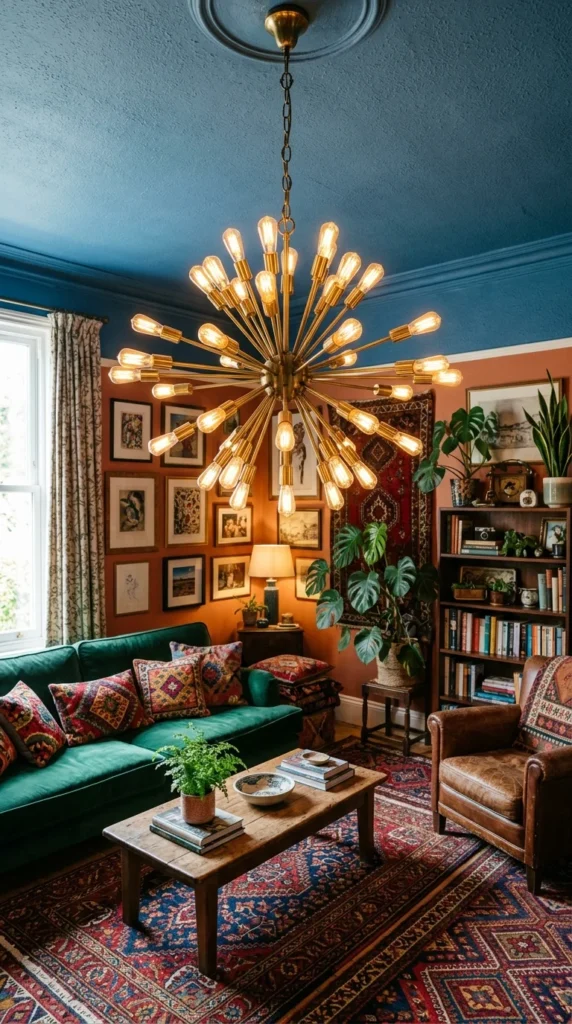
Lighting is the jewelry of a room. In a small space, a dainty flush mount often goes unnoticed. Instead, opt for a bold chandelier, a giant paper lantern, or a sculptural floor lamp. A large light fixture creates a focal point in the “dead space” of the upper half of the room, adding architectural interest where there was none.
7. Pattern Mixing
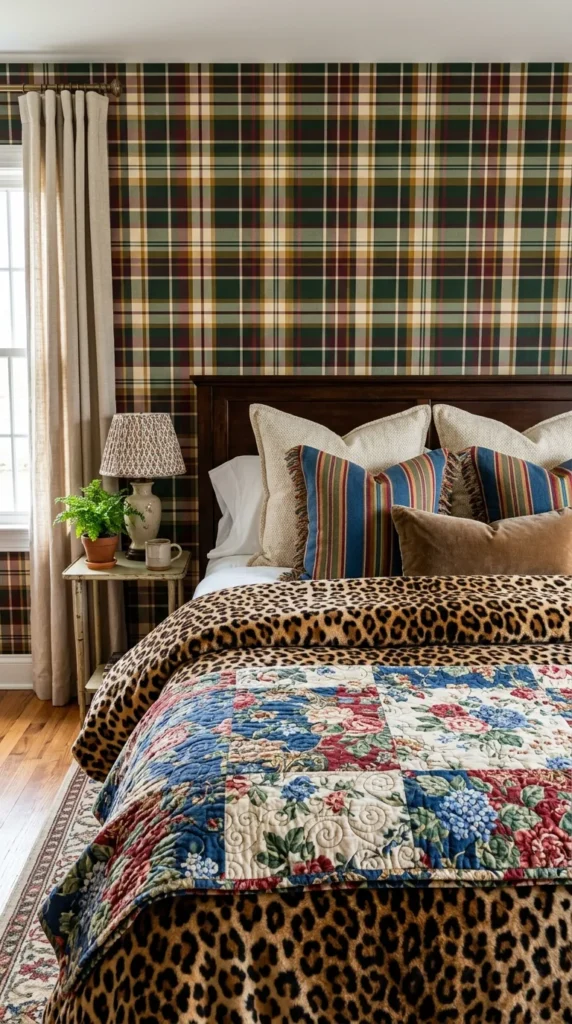
The secret to maximalist pattern mixing is a shared color palette. You can mix stripes, florals, chevrons, and animal prints as long as they share one or two common tones. In a small bedroom or living area, this layering creates a “nest” feeling that is incredibly inviting and visually stimulating.
8. Vertical Libraries
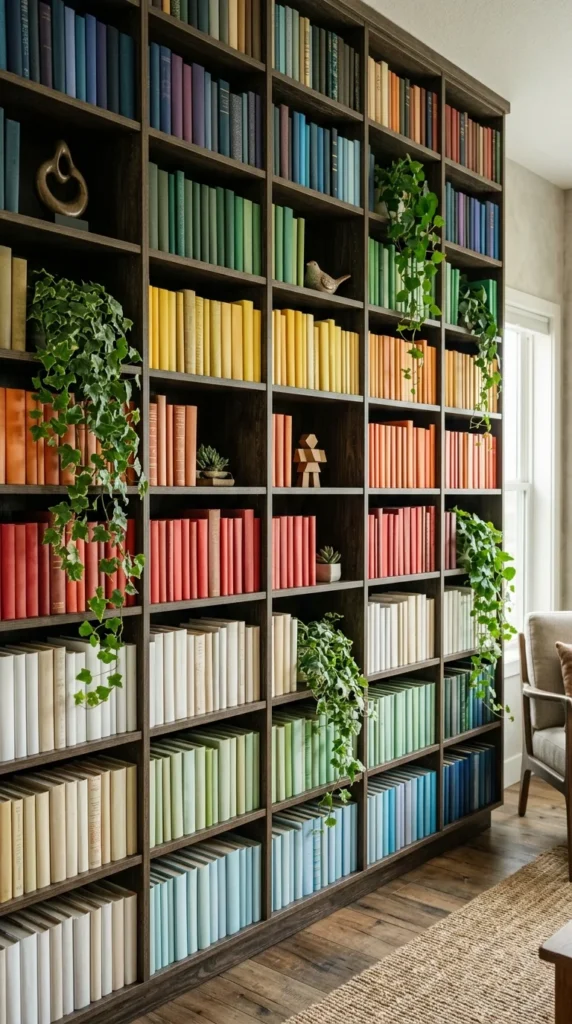
Books are a maximalist’s best friend. Instead of hiding them away, display them proudly from floor to ceiling. A vertical library doesn’t just provide storage; it adds texture, color, and a sense of history to the room. It turns a functional storage need into a stunning decorative feature that uses zero extra floor space.
9. Mirror Magic
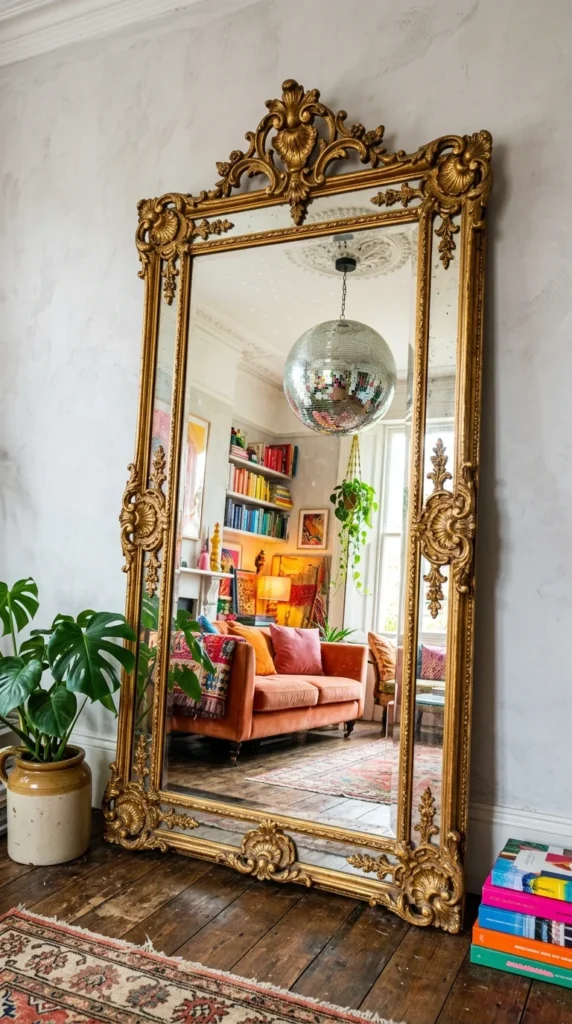
While minimalists use mirrors to create “light and airy” spaces, maximalists use them to double the visual impact of their decor. Place a large mirror opposite a gallery wall or a bold piece of furniture. It reflects the colors and patterns back into the room, creating a kaleidoscopic effect that makes the space feel infinitely more complex and interesting.
10. Jewel Tones
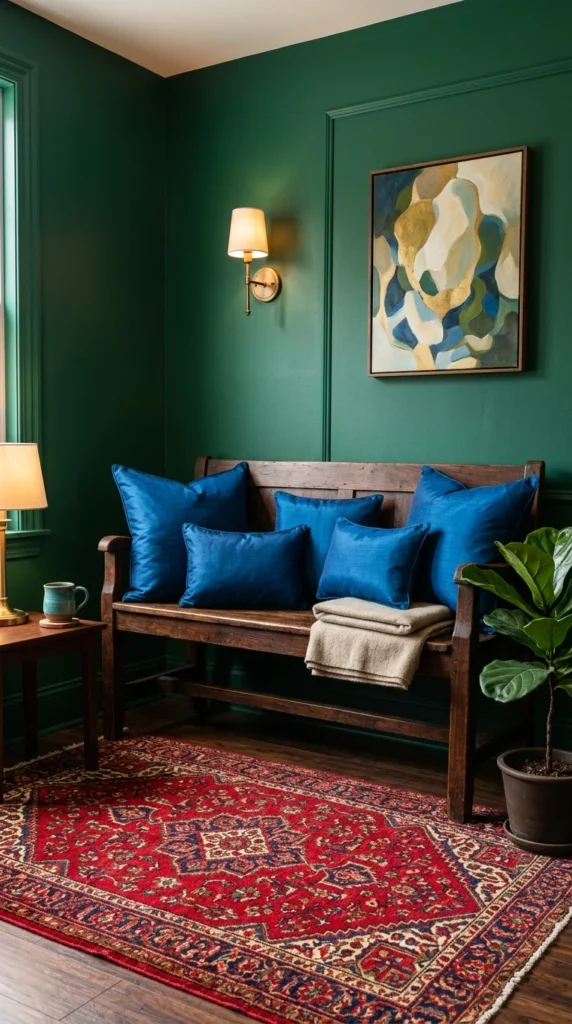
Maximalism thrives on “mood.” Deep jewel tones like emerald green, sapphire blue, amethyst purple, and ruby red create an atmosphere of luxury. In a small, dimly lit room, these colors embrace the darkness rather than fighting it, turning a “cramped” space into a “vibrant sanctuary.”
11. Indoor Jungles
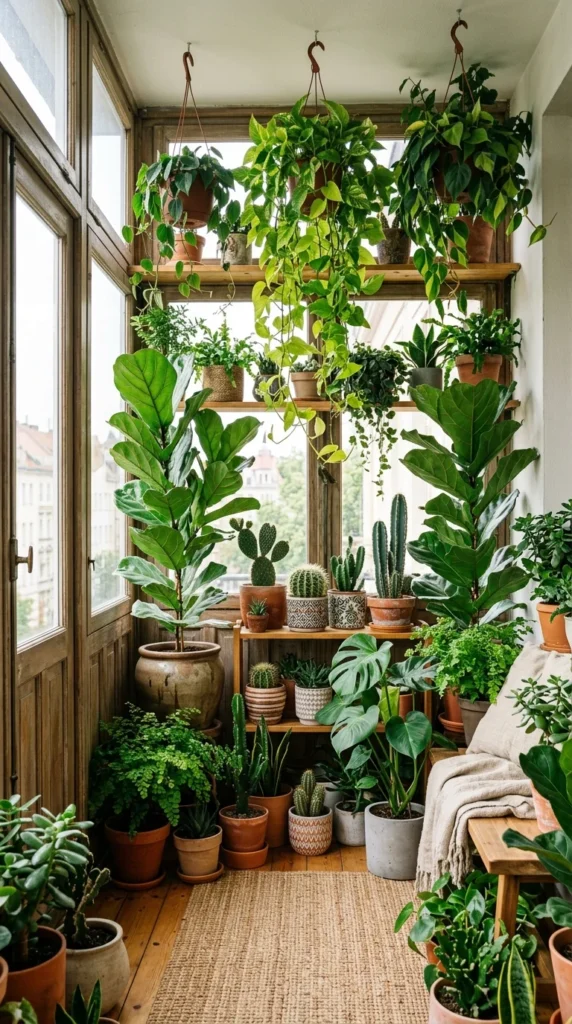
Plants are the living breath of maximalism. In a small space, use “layers” of greenery. Place large potted trees on the floor, medium plants on stands, and trailing vines on high shelves. This vertical greenery softens the hard lines of a small room and introduces organic shapes and varying shades of green that act as a neutral base for other colors.
12. Lacquered Ceilings
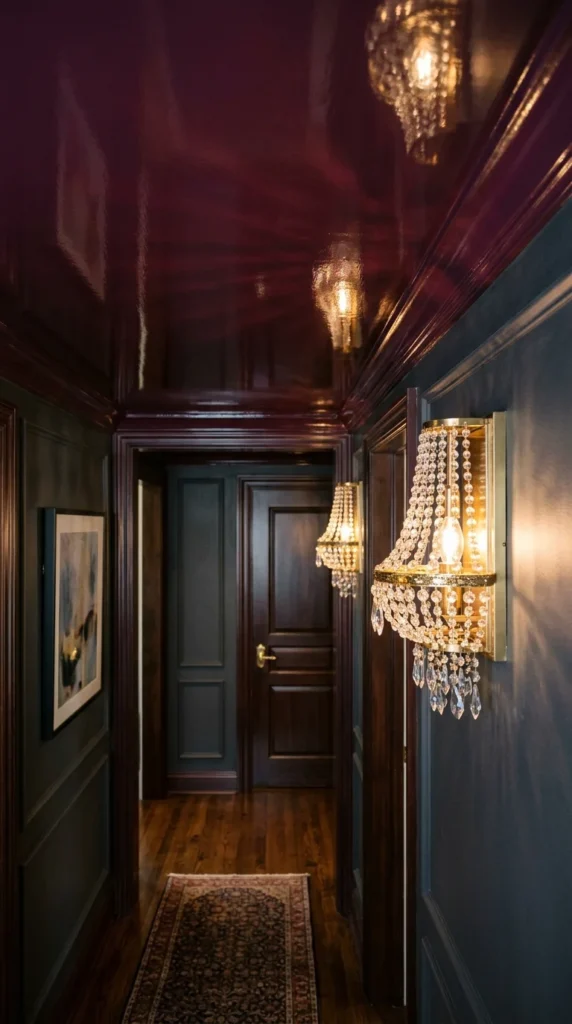
The “fifth wall” is often neglected. A high-gloss or lacquered ceiling in a bold color reflects light and everything beneath it. This creates a sense of depth and height, making the ceiling feel like it’s miles away. It’s an unexpected touch that screams high-end maximalism.
13. Ornate Rugs
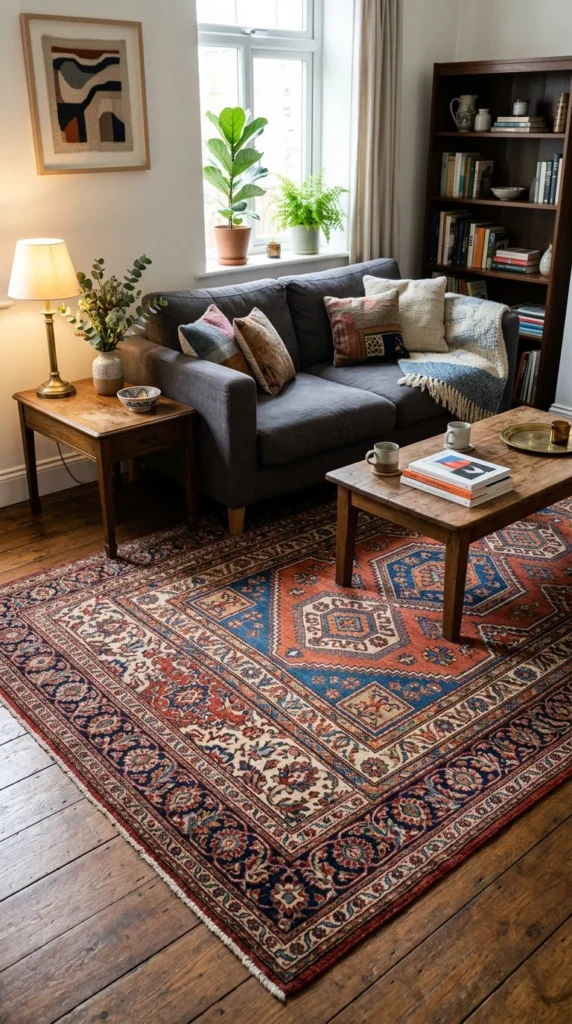
Don’t settle for a rug that just fits under the coffee table. Go big. An ornate, colorful rug that covers most of the floor provides a busy, beautiful foundation for the rest of your decor. You can even layer a smaller, high-texture rug (like sheepskin or a bold geometric) over a larger traditional one for added dimension.
14. Curated Shelving
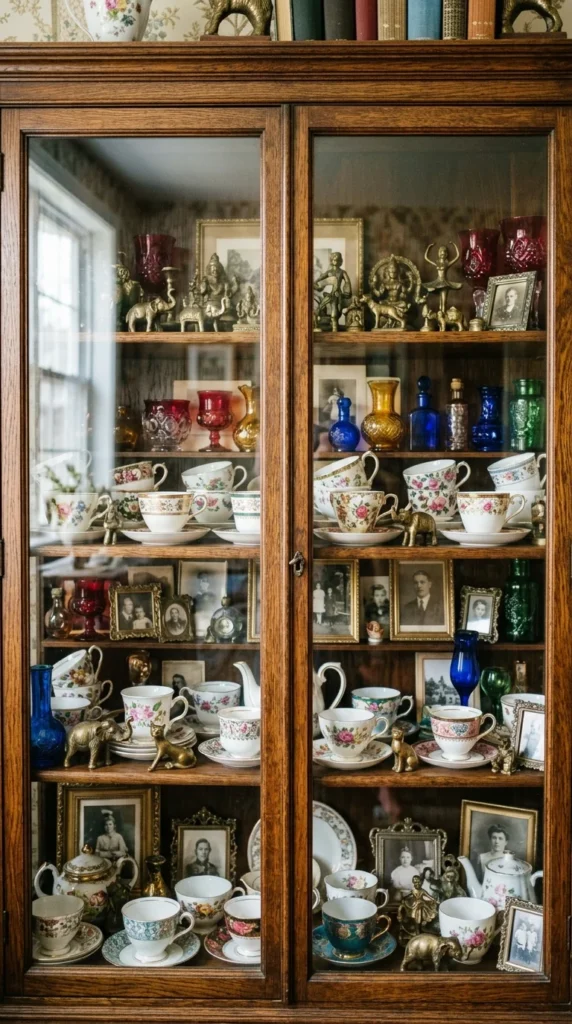
Maximalism is the perfect excuse to display your collections. Use open shelving or glass cabinets to house your treasures. The key is to group items by color, material, or theme to prevent the look from becoming chaotic. When items are grouped intentionally, they become a curated exhibit rather than “stuff.”
15. Vintage Accents
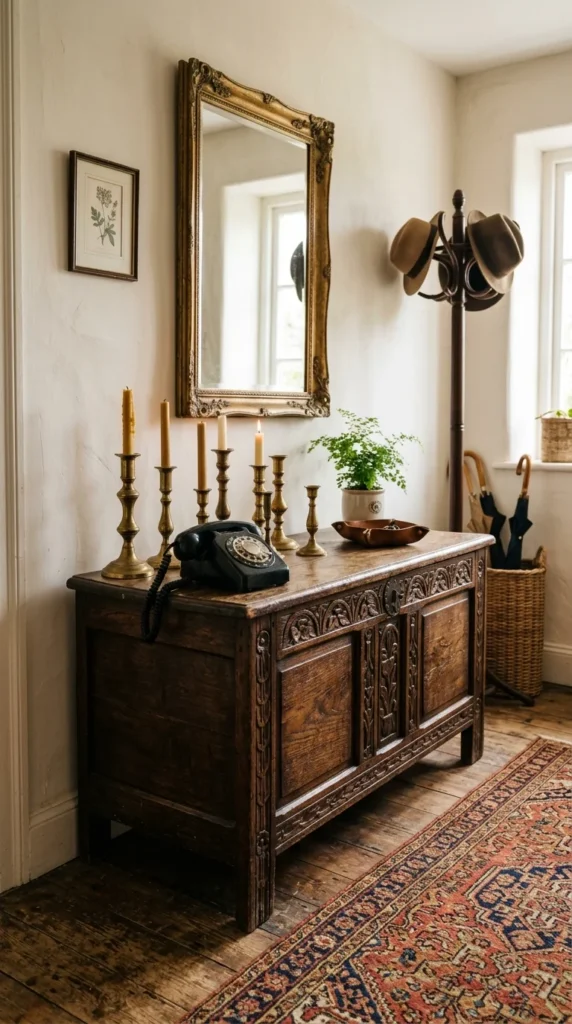
Mixing eras is a hallmark of great maximalist design. A sleek, modern sofa looks even better when paired with a weathered antique chest or a mid-century modern lamp. These “found” objects bring a sense of soul and story to a small space, making it feel like it has been inhabited and loved for decades.
16. Sculptural Furniture
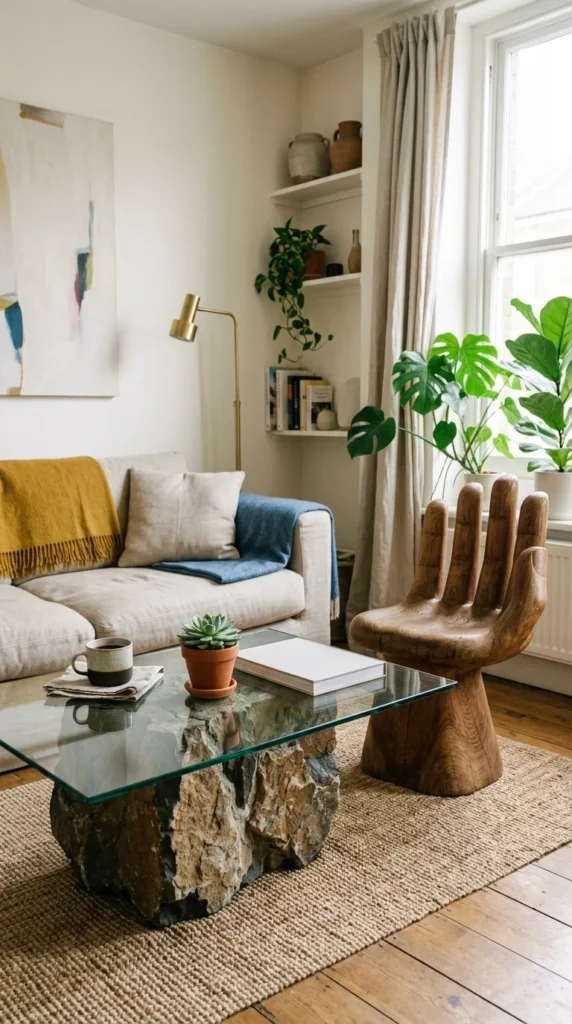
When floor space is limited, every piece of furniture must work twice as hard. Instead of standard boxy shapes, look for sculptural pieces. A chair with an unusual silhouette or a table with an architectural base acts as a piece of functional art, adding visual interest without requiring extra square footage.
17. Metallic Finishes
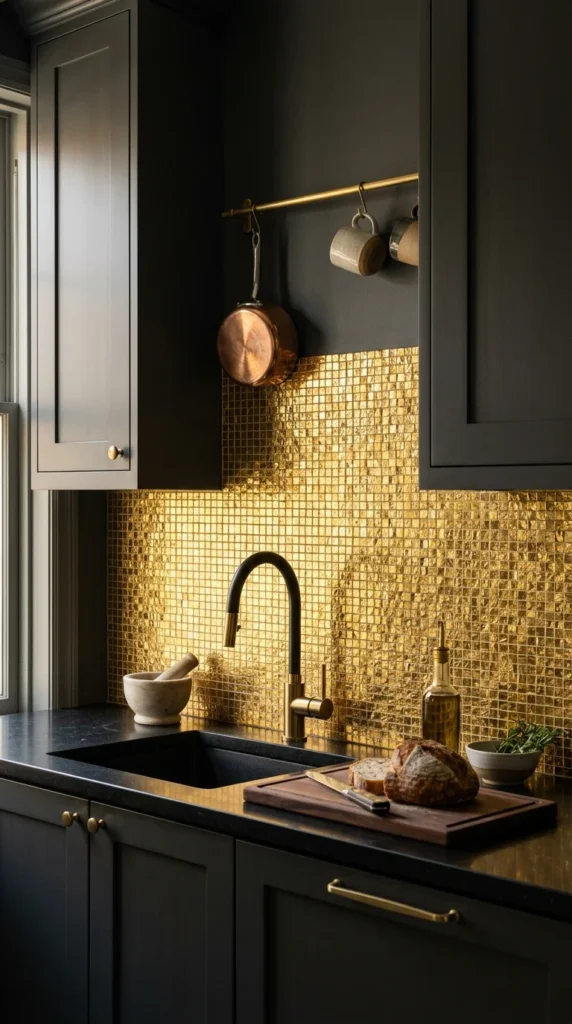
Gold, silver, brass, and copper add a reflective quality that is essential in a maximalist home. Use metallic accents in hardware, frames, furniture legs, or even wall tiles. These surfaces catch the light and add a “sparkle” that keeps a densely decorated room from feeling heavy or flat.
18. Skirting Fabric
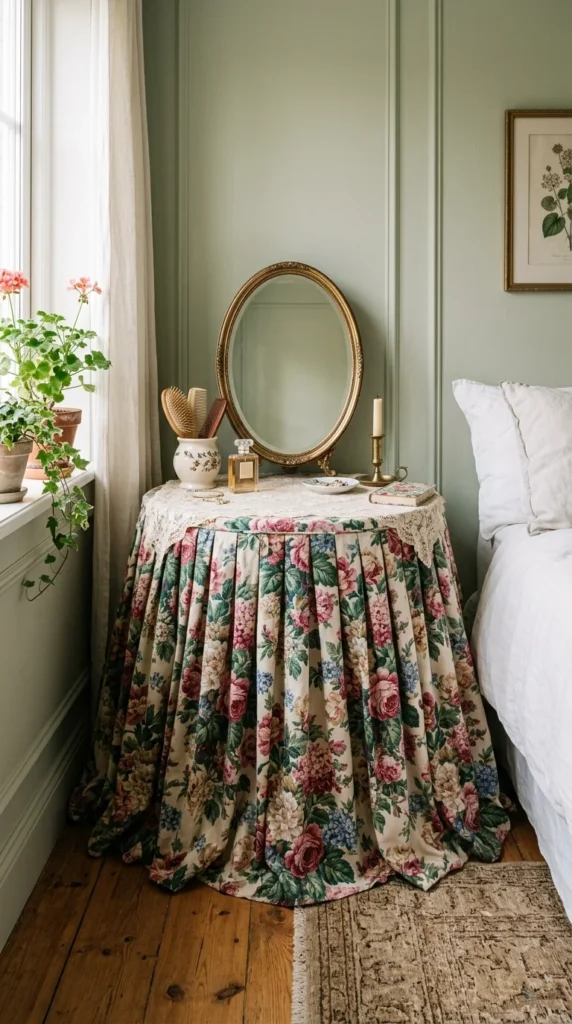
“Skirted” furniture is making a huge comeback in maximalist circles. Draping a table or a sink in fabric adds a soft, romantic texture to a room. Practically, it’s also a great way to hide storage bins or clutter in a small space, keeping the visual focus on the beautiful textile pattern instead.
19. Layered Textiles
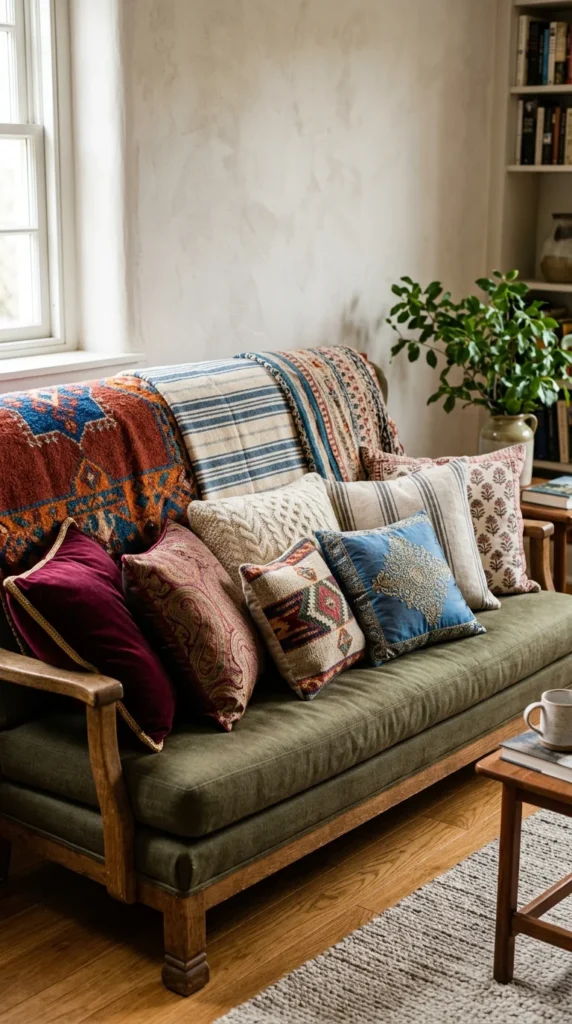
Don’t stop at just one throw blanket or a couple of pillows. Layering textiles is about creating a sense of abundance. Mix textures—chunky knits with smooth silks, embroidered linens with faux furs. This creates a tactile experience that makes a small room feel like the ultimate cozy retreat.
20. Bold Entryways
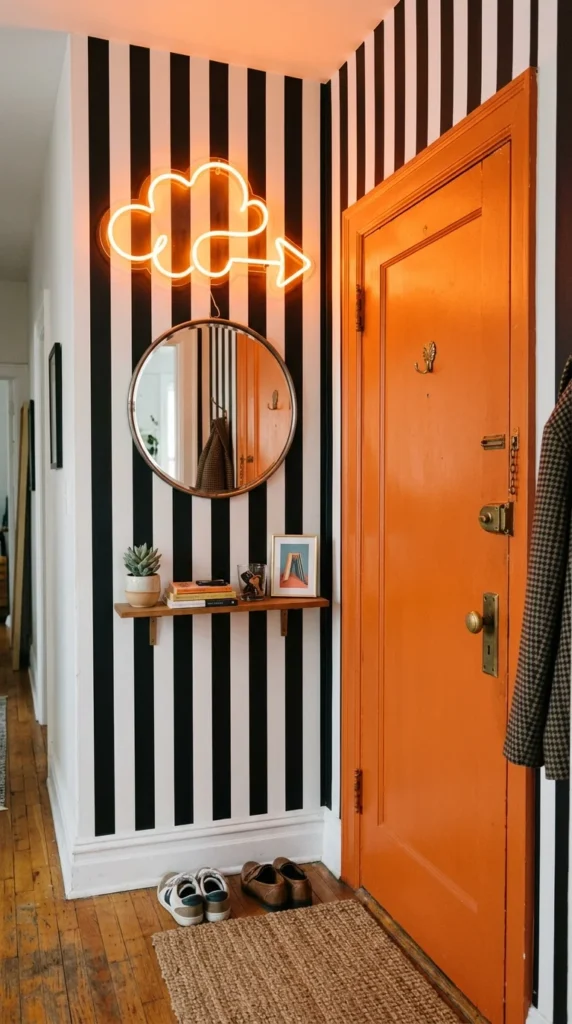
The entryway sets the tone for the entire home. In a small apartment, the “entry” might just be a three-foot stretch of wall. Make it count. Use high-contrast colors, a bold mirror, or even a neon sign. It’s a small area where you can take a massive risk, signaling to everyone who enters that this home belongs to a true maximalist.