Moving into your first apartment is a monumental milestone. It is a blank canvas where your personality finally gets to take center stage, away from the constraints of dorm life or your childhood bedroom. However, the excitement of a new space often comes with the reality of a tight budget and the limitations of a rental agreement. The good news? You don’t need a massive bank account to create a home that looks like it belongs on a high-end interior design blog. By focusing on creative DIYs, smart shopping, and strategic styling, you can transform any space into a stylish sanctuary. Here are 20 first apartment decorating ideas that will help you master the art of the “luxe for less” look.
1. Gallery Walls
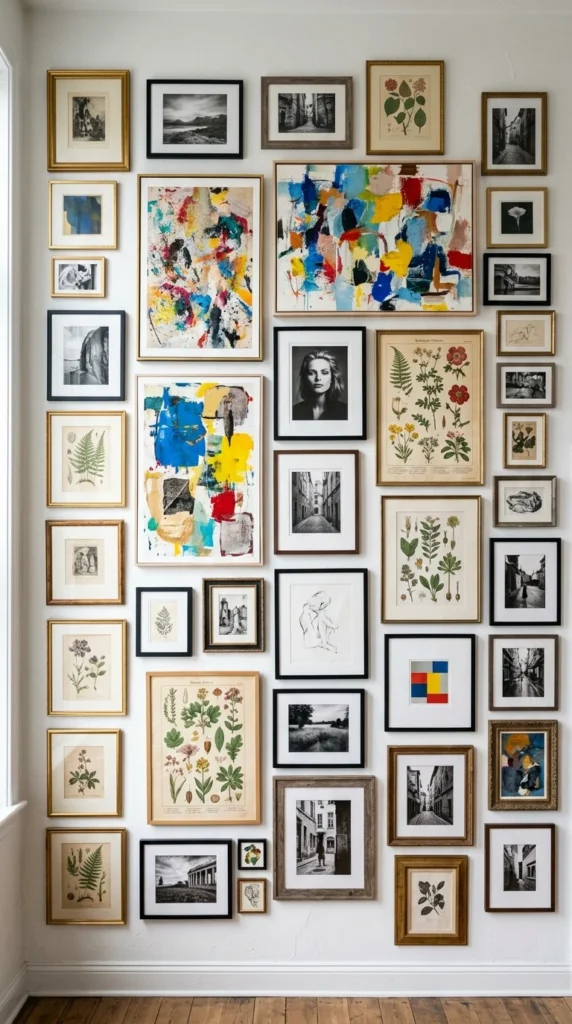
A gallery wall is the ultimate way to fill a large, empty space without spending a fortune on a single massive piece of art. The secret to a successful gallery wall is variety. Mix high-end prints with affordable finds, such as vintage postcards, pages from old books, or even framed fabric scraps. Use mismatched frames found at thrift stores and spray paint them a uniform color for a cohesive look, or keep them varied for a bohemian vibe. This is your chance to tell your story through visuals that resonate with you.
2. Statement Rugs
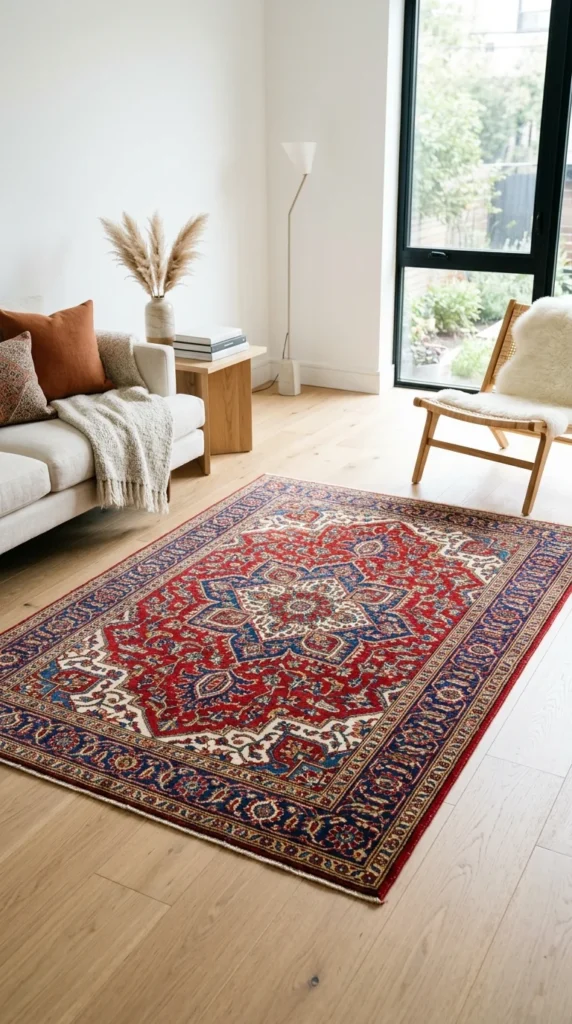
Nothing defines a space quite like a rug. In a first apartment—especially a studio—rugs act as “islands” that separate the living area from the sleeping or dining areas. If your apartment has unappealing carpet or cold linoleum, a large area rug can completely hide the floor and inject color and texture into the room. For those on a budget, consider layering a smaller, patterned rug over a larger, inexpensive jute or seagrass rug to create depth and interest.
3. Indoor Plants
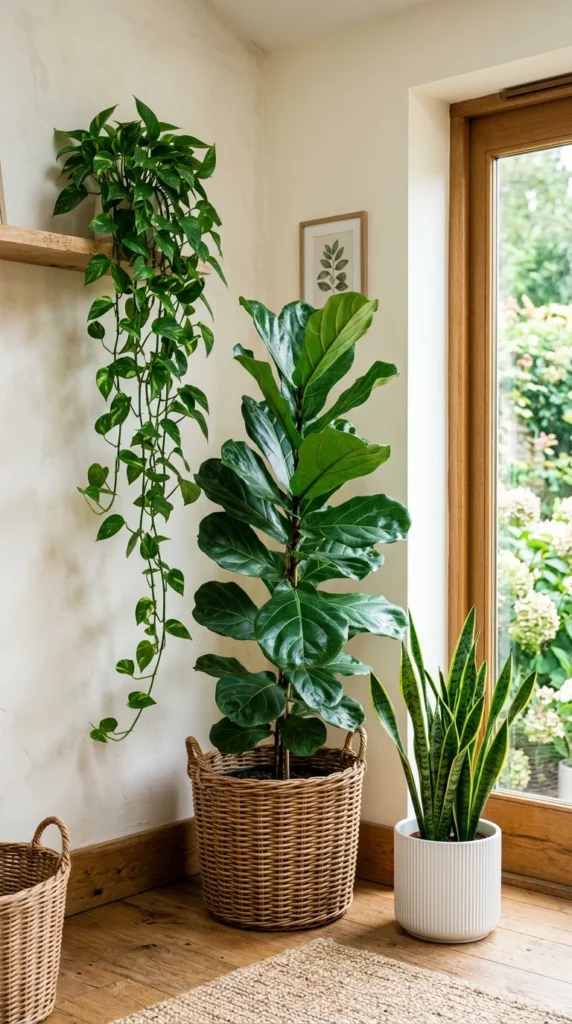
If a room feels “dead,” add something living. Plants are the most affordable way to add color, movement, and a sense of freshness to your apartment. Not only do they purify the air, but they also serve as organic sculptures. If you’re a beginner, start with low-maintenance varieties like snake plants, ZZ plants, or pothos. Use different heights—placing some on the floor, some on plant stands, and others trailing from shelves—to create a “jungle” effect that feels intentional and lush.
4. Peel-and-Stick Wallpaper
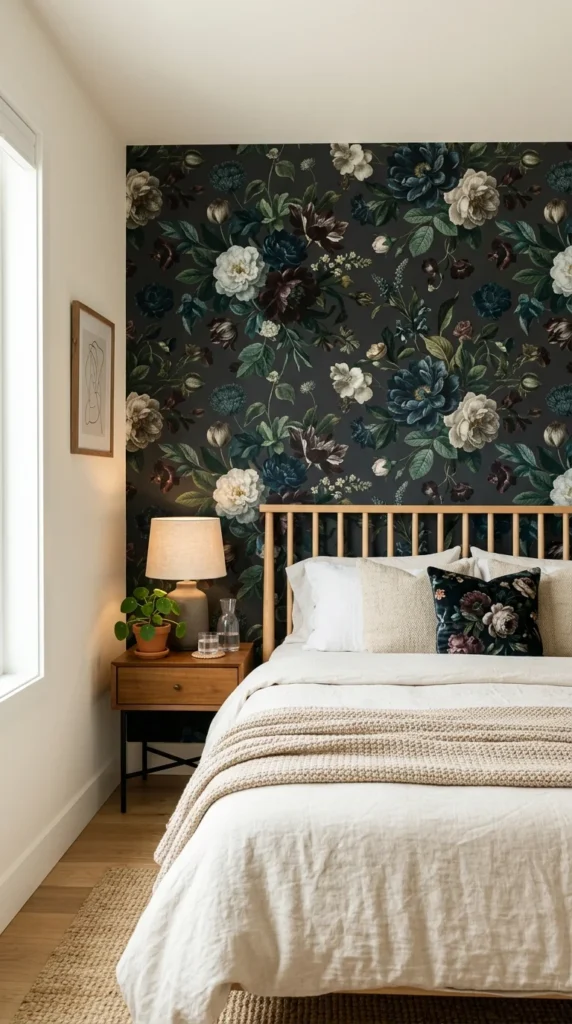
Renter-friendly decorating used to be limited to posters and command hooks, but peel-and-stick wallpaper has changed the game. You can now add a dramatic accent wall, line the back of a bookshelf, or even cover a plain countertop with patterns ranging from marble to tropical palm leaves. When it’s time to move out, it peels right off without damaging the paint underneath. It’s an instant way to add high-end architectural interest to a standard white box apartment.
5. Multifunctional Furniture
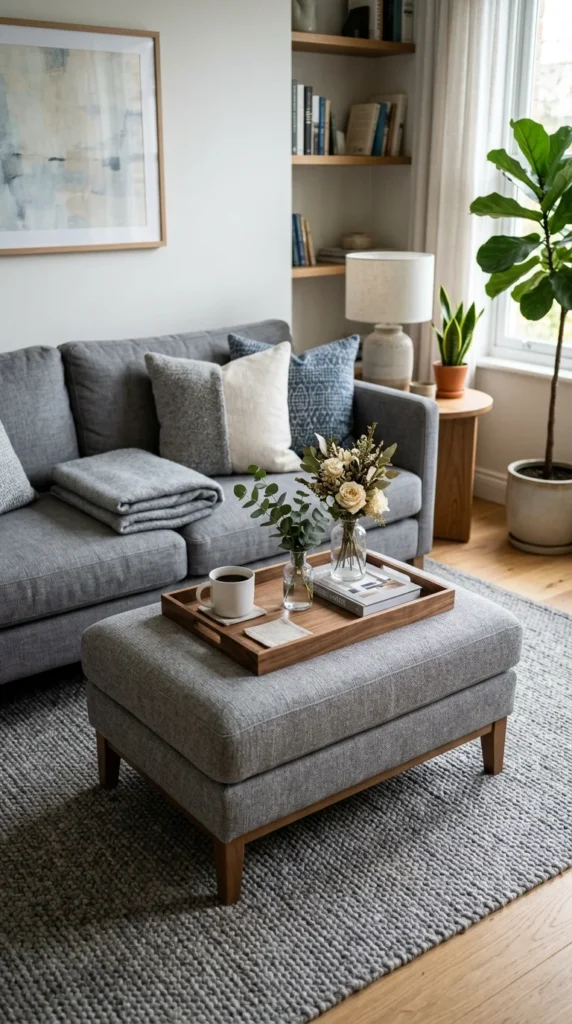
In a first apartment, space is often at a premium. Every piece of furniture should earn its keep by serving more than one purpose. Look for ottomans that offer internal storage, coffee tables that lift up to become desks, or a dining table that can double as a workspace. Not only does this save money by reducing the number of pieces you need to buy, but it also keeps your apartment from feeling cluttered.
6. Open Shelving
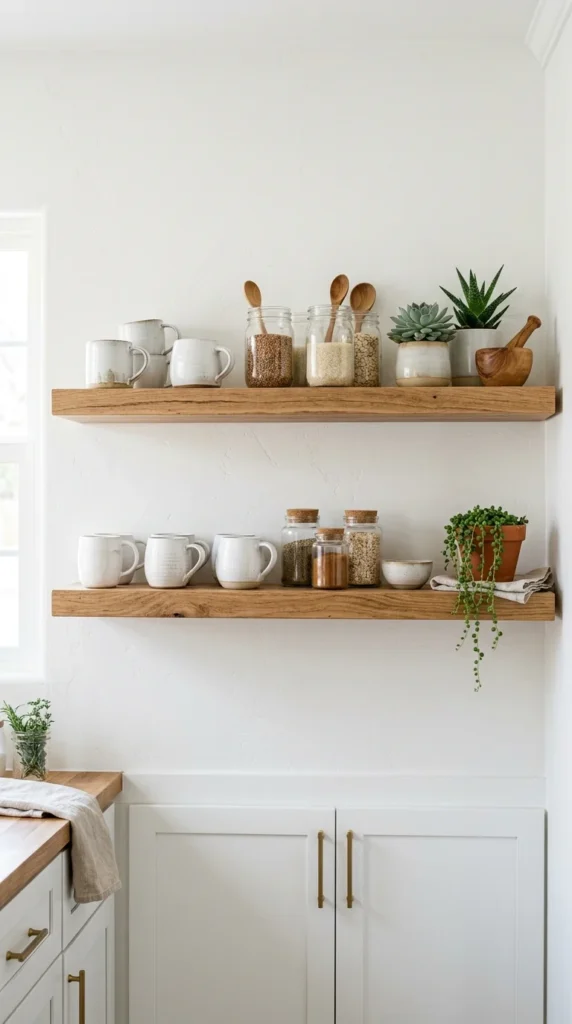
If your kitchen cabinets are dated or you lack storage in the living room, open shelving is a chic solution. Floating shelves allow you to display your most beautiful items—like artisanal bowls, vintage glassware, or your favorite books—making them part of the decor. The key to open shelving is “curation.” Don’t just pile things on; arrange items in small clusters, vary the heights, and leave a little “white space” so the shelves don’t look crowded.
7. Mood Lighting
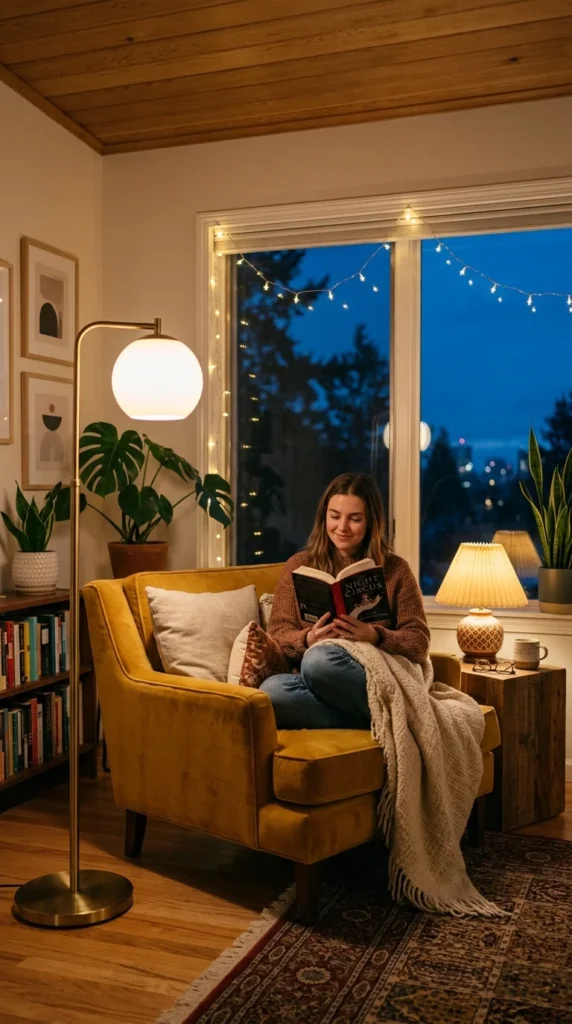
Harsh overhead “boob lights” are the enemy of a cozy home. To elevate your apartment, turn off the big light and layer your lighting. Every room should have at least three sources of light: task lighting (like a desk lamp), ambient lighting (like floor lamps), and accent lighting (like candles or LED strips). Swapping out a standard light fixture for a statement pendant—if your landlord allows it—can also act as a focal point for the entire room.
8. Textured Pillows
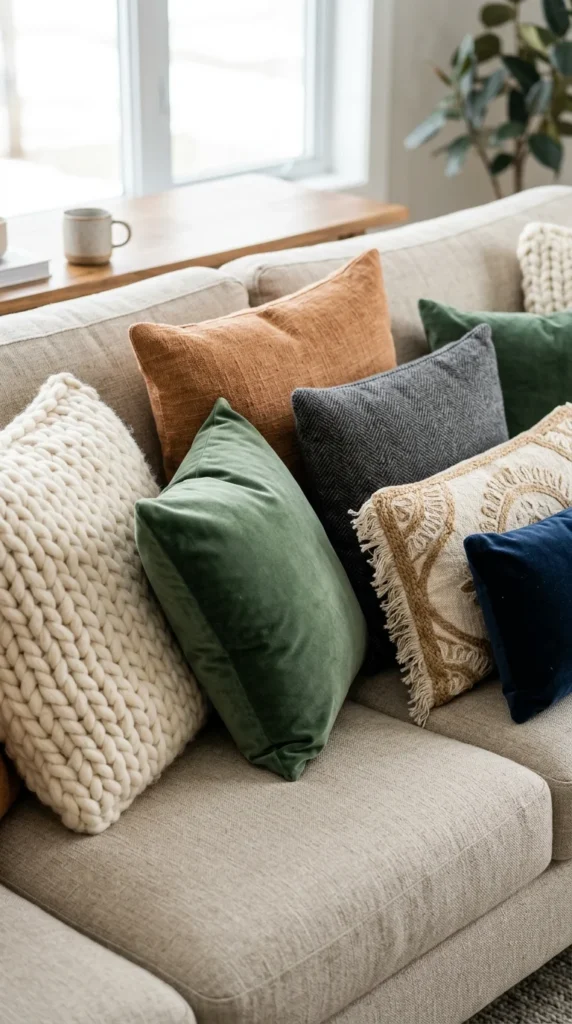
Throw pillows are the jewelry of the home. They are an easy, low-commitment way to experiment with color and texture. If your sofa is a basic neutral, use pillows to bring in seasonal colors or trendy patterns. To keep it looking professional, mix textures rather than patterns: pair a smooth leather pillow with a chunky wool knit and a soft velvet one. This adds “visual weight” and makes the space feel more expensive and comfortable.
9. Mirror Magic
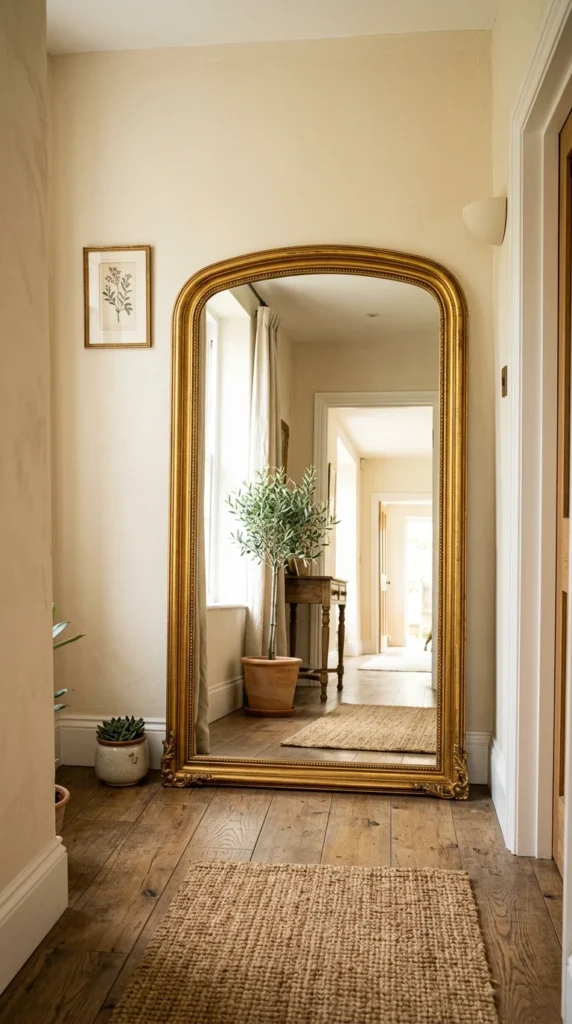
One of the oldest tricks in the interior design book is using mirrors to expand a space. A large floor-length mirror leaning against a wall creates the illusion of a doorway into another room, instantly doubling the visual size of your apartment. It also bounces light around, making even the dimmest basement apartment feel brighter and more airy. Look for mirrors with interesting frames to add a touch of personality.
10. Thrifted Finds
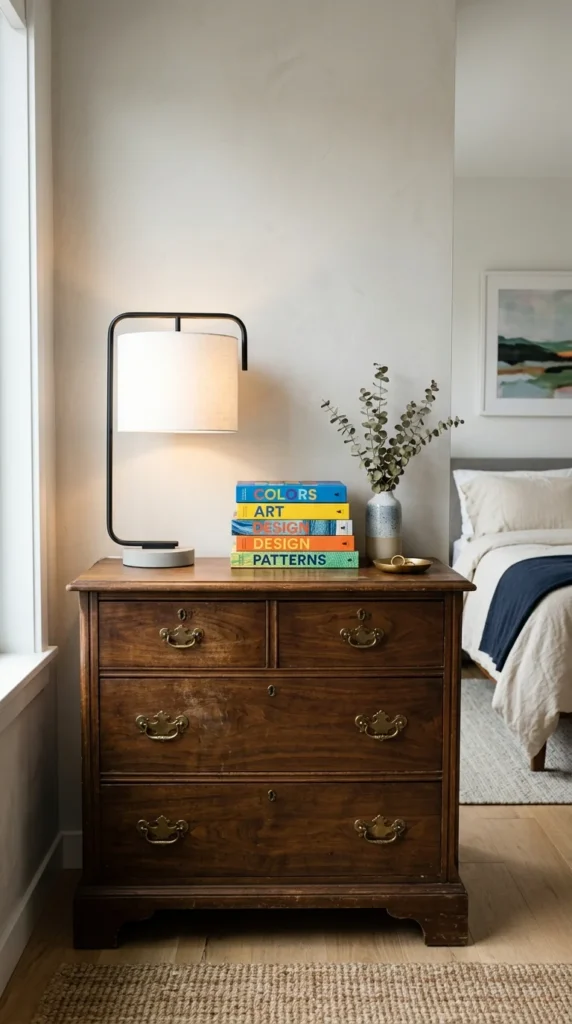
Your first apartment shouldn’t look like a page out of a furniture catalog where everything is brand new and matching. Mixing in vintage or second-hand pieces adds soul and character. Spend your weekends at flea markets, estate sales, or browsing online marketplaces. A well-loved wooden dresser or a unique mid-century chair provides a sense of history that mass-produced furniture simply can’t replicate. Plus, it’s a sustainable way to furnish your home.
11. Window Treatments
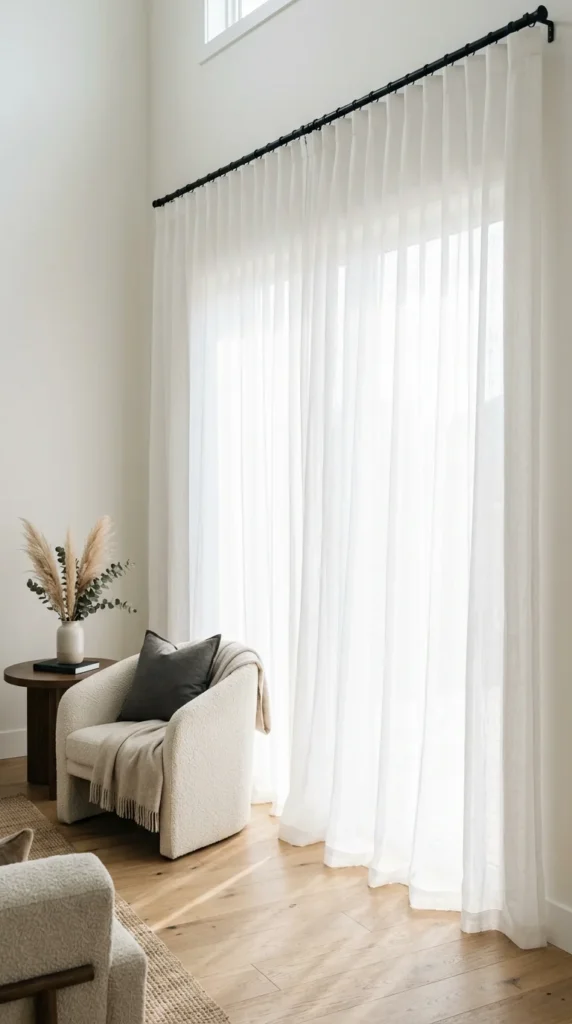
Standard plastic blinds are functional but rarely beautiful. Adding curtains is one of the fastest ways to make an apartment feel “finished.” For an expensive look, hang your curtain rod higher and wider than the actual window frame—this makes the windows look larger and the ceilings feel taller. Choose lightweight linens for a breezy, Scandinavian feel, or heavy velvets for a touch of drama and better insulation.
12. Metallic Accents
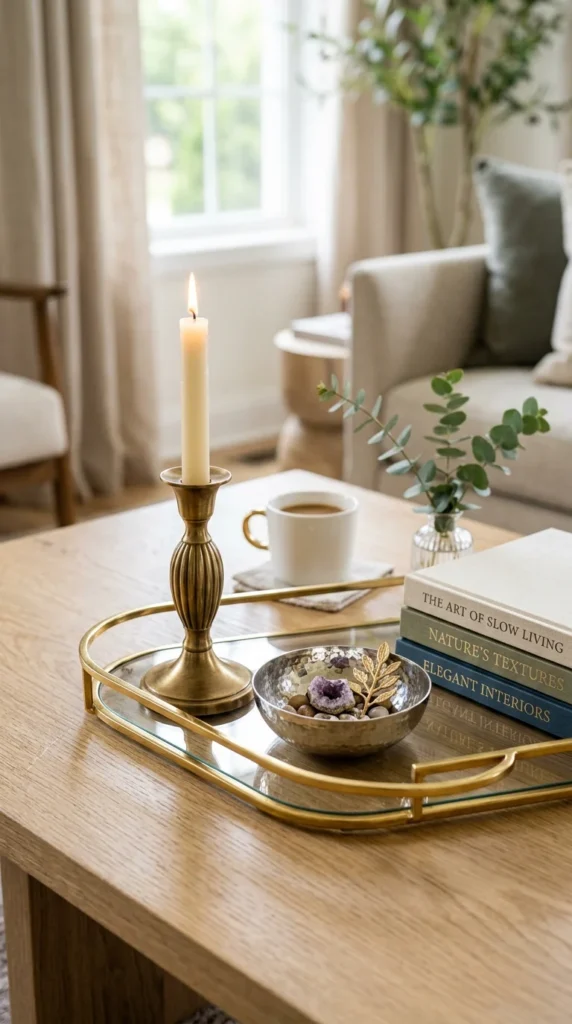
A little bit of shine goes a long way. Metallic accents—whether gold, silver, brass, or copper—add a layer of sophistication to any room. You don’t need to buy expensive hardware; you can use metallic spray paint to upgrade picture frames, lamp bases, or even kitchen cabinet handles (just keep the originals to put back when you move). The reflection of metal adds a touch of glamour and breaks up matte surfaces.
13. Bar Cart
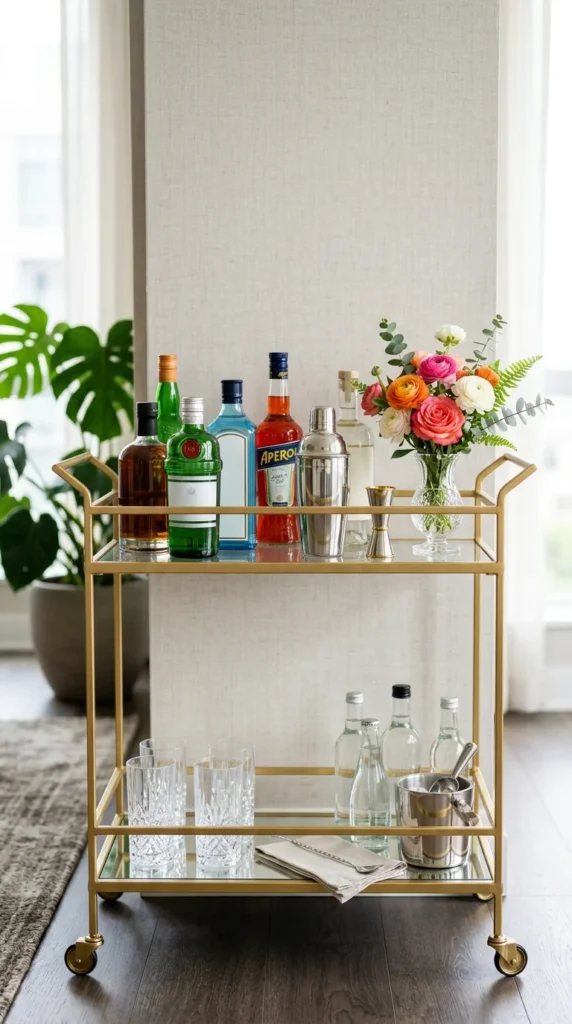
A bar cart is more than just a place to store spirits; it’s a dedicated “entertainment zone.” Even if you don’t drink alcohol, a cart can be styled as a coffee station or a sparkling water bar. It provides a localized area for styling beautiful glassware, colorful bitters, and fresh garnishes. Because they are usually on wheels, bar carts are perfect for small apartments where you might need to move furniture around when hosting guests.
14. Vertical Storage
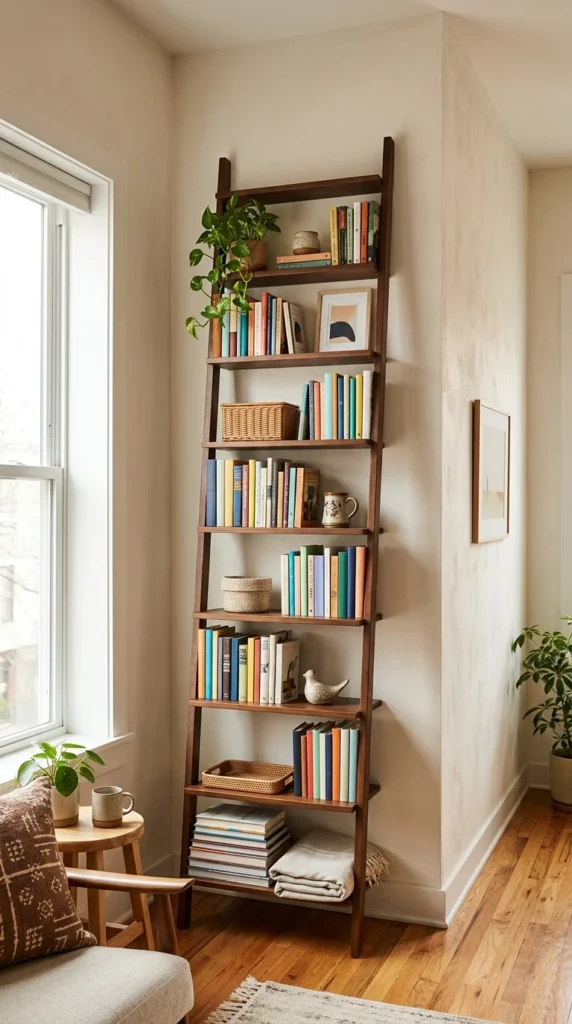
When you run out of floor space, look up. Vertical storage is the secret to keeping a small apartment organized. Use tall bookcases, wall-mounted racks, or over-the-door organizers to keep your belongings off the floor. In the bathroom, a shelf above the door can hold extra towels, while in the kitchen, a magnetic strip can hold knives or spice tins, freeing up valuable counter space.
15. Scented Candles
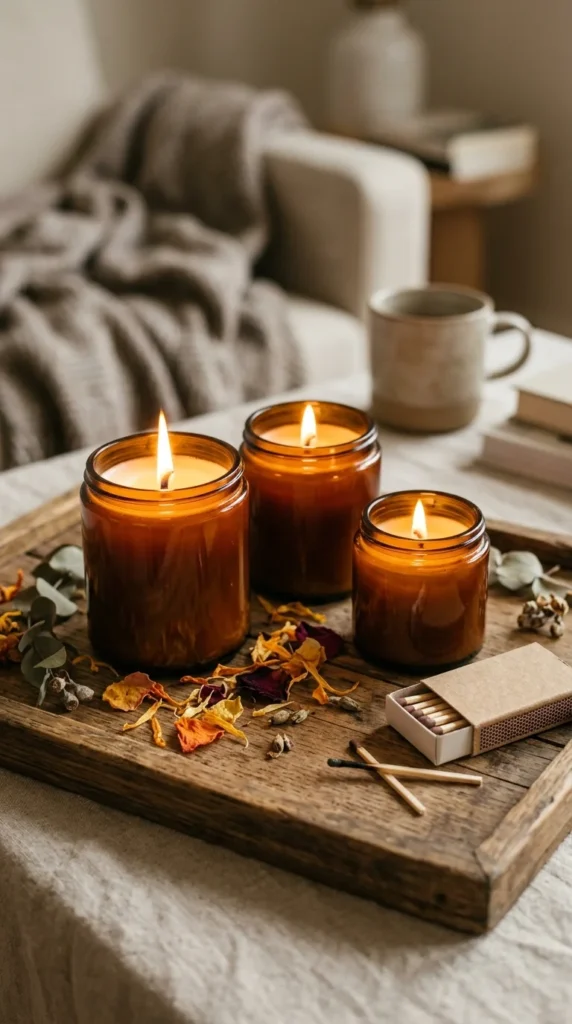
Decorating isn’t just about what you see; it’s about how the space feels. A signature scent can make a generic apartment feel like “home” the moment you walk through the door. Choose scents that match the vibe of each room: fresh citrus or linen for the bathroom, calming lavender or vanilla for the bedroom, and warm woodsy or spicy scents for the living area. The warm flicker of a candle flame also adds an instant layer of coziness.
16. Bedding Layers
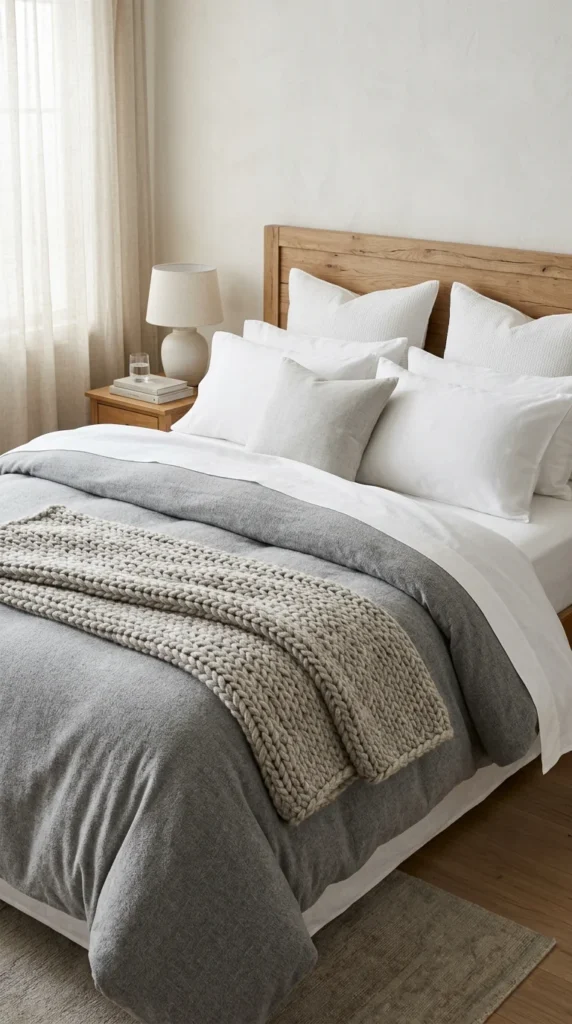
Since the bed is usually the largest piece of furniture in a bedroom, its appearance dictates the entire room’s mood. Invest in high-quality white or neutral sheets and then layer on the style with a duvet cover, a quilt, and a throw blanket. This “layered” look is what gives hotel beds that irresistibly plush appearance. Use different materials—like a silk pillowcase paired with a waffle-knit throw—to create a tactile experience that invites relaxation.
17. DIY Coffee Table
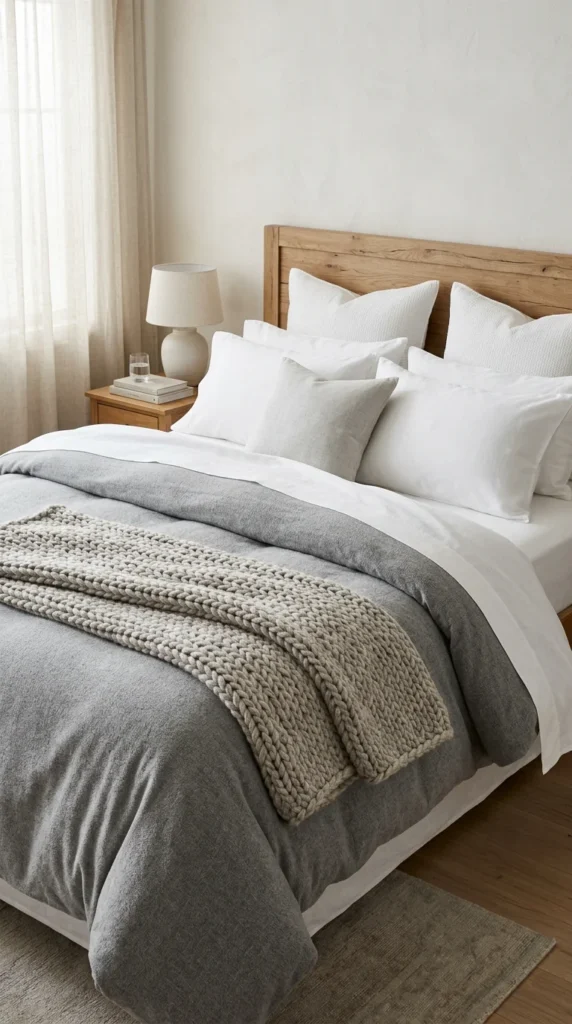
If you can’t find a coffee table that fits your style or budget, make one. A DIY coffee table can be as simple as a large wooden crate turned on its side or a piece of live-edge wood attached to hairpin legs purchased online. Creating something with your own hands not only saves money but also ensures that you have a one-of-a-kind piece that serves as a conversation starter.
18. Area Zonation
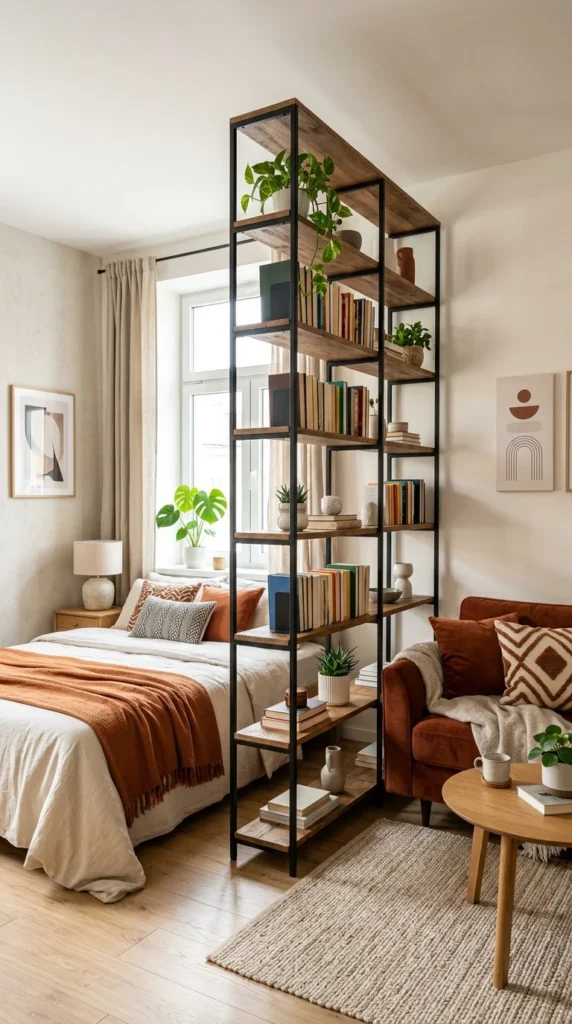
In a studio or an open-concept apartment, “zonation” is key to preventing the space from feeling like one big chaotic room. Use furniture to create boundaries. A sofa with its back to the kitchen defines the living area. A folding screen or a sheer curtain can hide the bed from view. By creating distinct “rooms” within a single space, you make the apartment feel larger and more organized.
19. Pop of Color
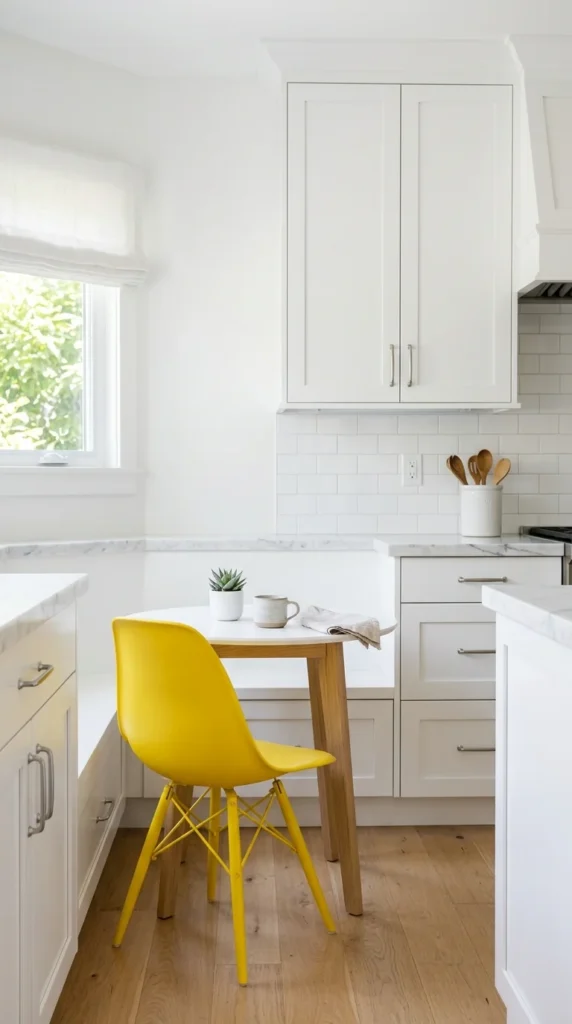
While neutrals are safe and timeless, every first apartment needs a “pop” to keep it from looking bland. This doesn’t mean you need to paint the whole room bright orange. Instead, pick one bold color and repeat it in small doses throughout the space: a bright yellow chair, a piece of art with yellow accents, and a yellow tea towel in the kitchen. This creates a cohesive “color story” that looks intentional and professional.
20. Organizational Baskets
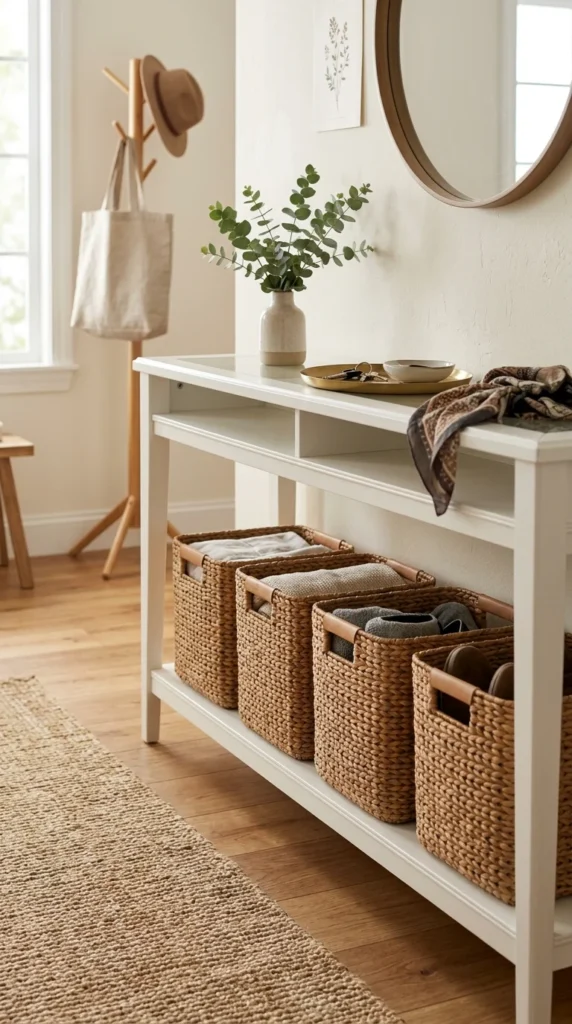
Clutter is the enemy of good design. The easiest way to keep your apartment looking styled is to have a place for everything. Woven baskets are an interior designer’s secret weapon—they hide the mess while adding natural texture to the room. Use them to hold remote controls, magazines, extra blankets, or even shoes in the entryway. When everything has a “home,” your apartment will always feel like a serene sanctuary.