
Living in a small space doesn’t mean you have to sacrifice style or settle for a “dorm room” aesthetic. In fact, some of the most luxurious interiors in the world are found in compact urban apartments where every square inch is curated with intention. The secret to making a small home look expensive isn’t about how much money you spend, but how you manipulate light, scale, and texture.
With a few clever design hacks and a focus on high-impact details, you can transform your cramped quarters into a sophisticated sanctuary. Here are 22 budget-friendly decorating ideas to elevate your small space.
1. Oversized Mirrors
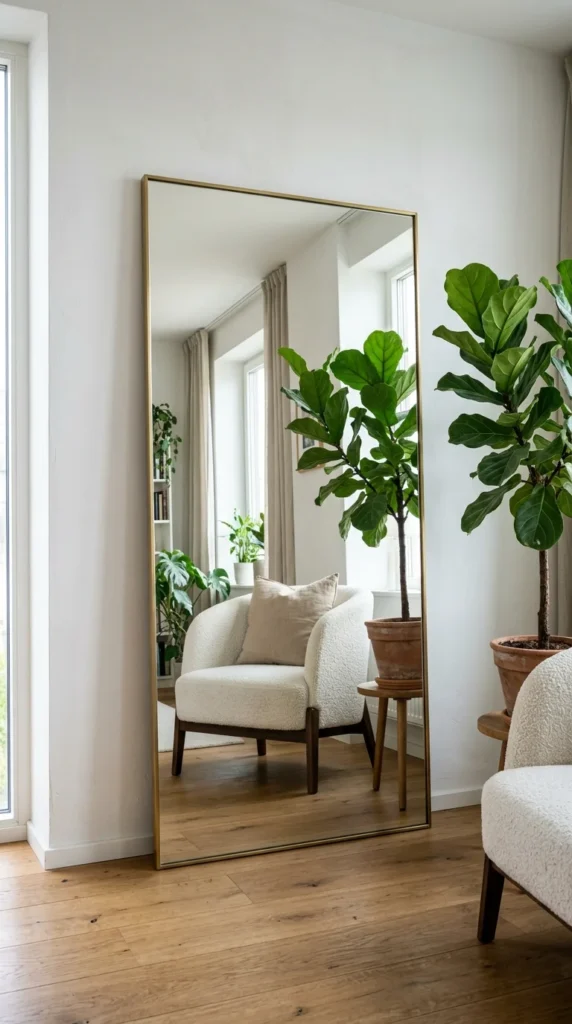
The oldest trick in the decorator’s handbook is also the most effective. A large mirror acts as a second window, reflecting light and doubling the visual depth of a room. To make it look expensive, opt for a scale that feels slightly “too big” for the space. A floor-length mirror leaning against a wall creates an effortless, editorial look that mimics the expansive feel of a high-end loft.
2. Vertical Curtains
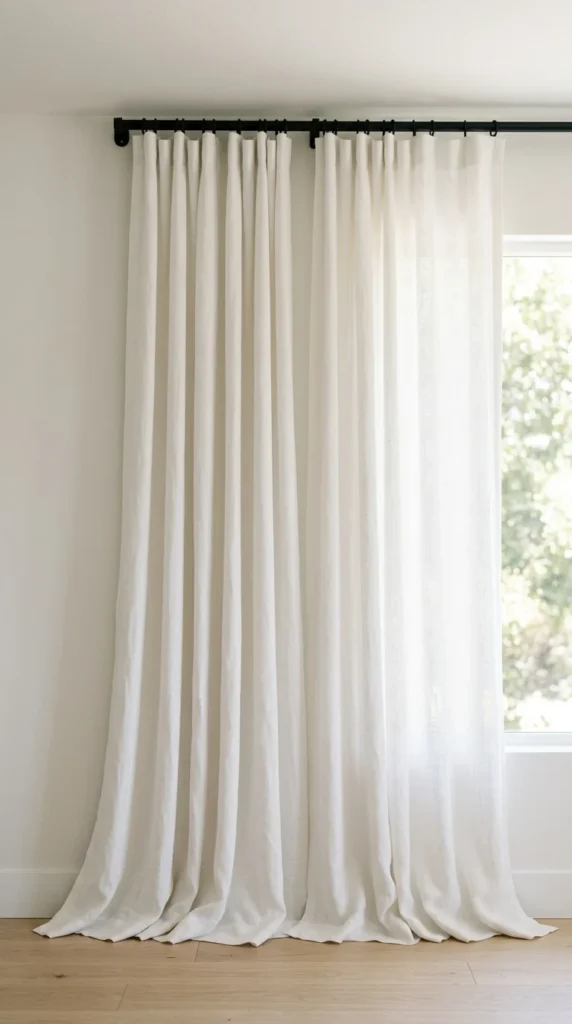
Most people hang their curtains right above the window frame, which effectively “chops” the wall in half. To achieve a custom, high-end look, hang your curtain rod as close to the ceiling as possible and let the fabric hit the floor. This draws the eye upward, creating the illusion of soaring ceiling heights often found in luxury penthouses.
3. Monochromatic Tones
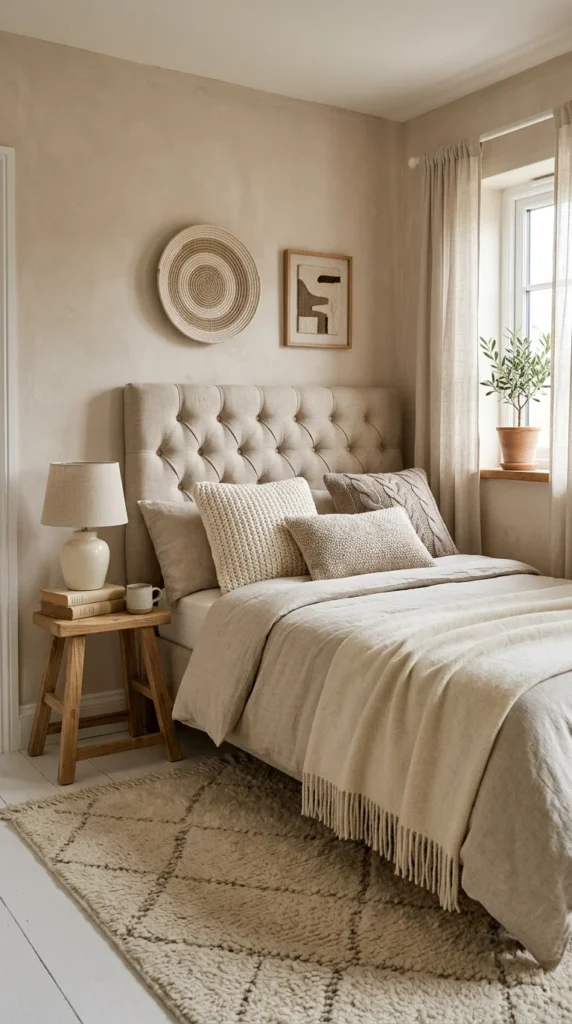
A cluttered color palette can make a small room feel chaotic and cheap. By sticking to a monochromatic color scheme—especially in neutrals like beige, grey, or soft white—you create a seamless flow that feels expansive and serene. Use different textures (silk, wool, wood, metal) within that same color family to add depth without the visual noise.
4. Statement Lighting
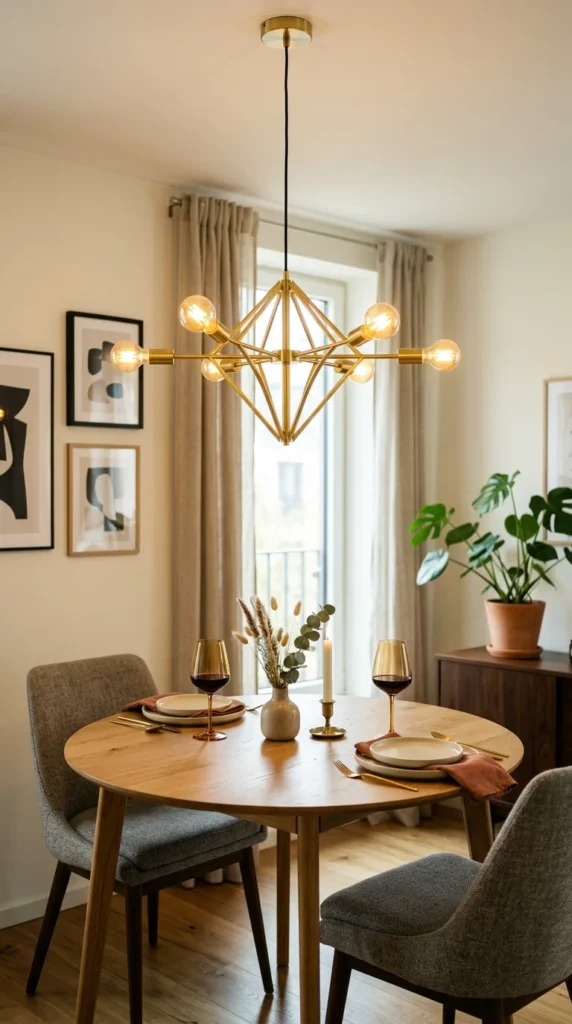
Standard builder-grade flush-mount lights are the enemy of expensive design. Swapping out a basic ceiling fixture for a statement chandelier or a sculptural pendant can instantly change the vibe of a room. Look for mid-century modern designs or industrial brass fixtures at discount home stores to get the “designer” look for a fraction of the price.
5. Gold Hardware
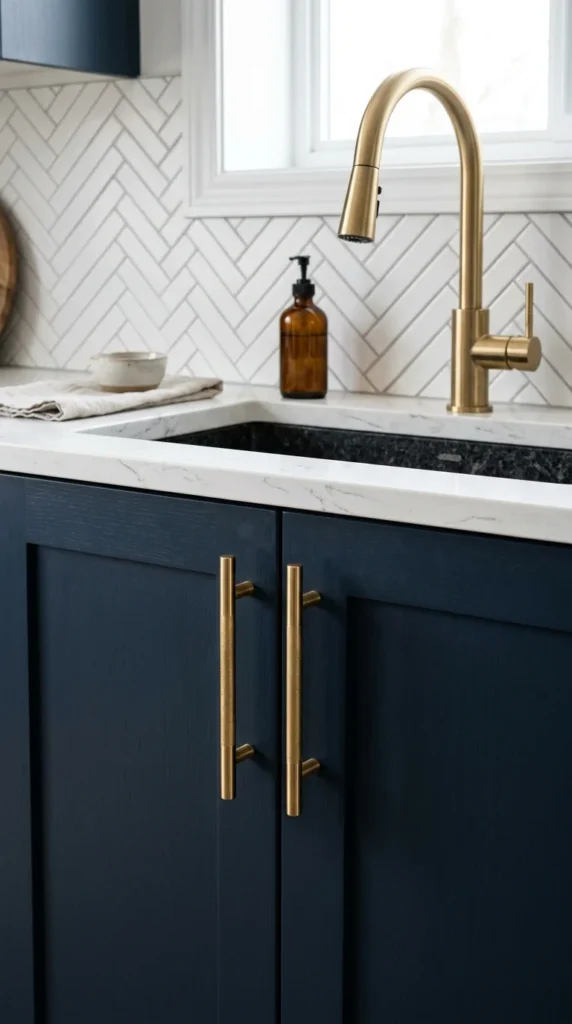
One of the easiest ways to upgrade a rental or a budget kitchen is to replace the hardware. Swapping out tired silver or plastic knobs for heavy, brushed brass or matte black handles makes your cabinetry look custom-made. It’s a small detail that provides a massive “wow” factor when you walk into the room.
6. Floating Shelves
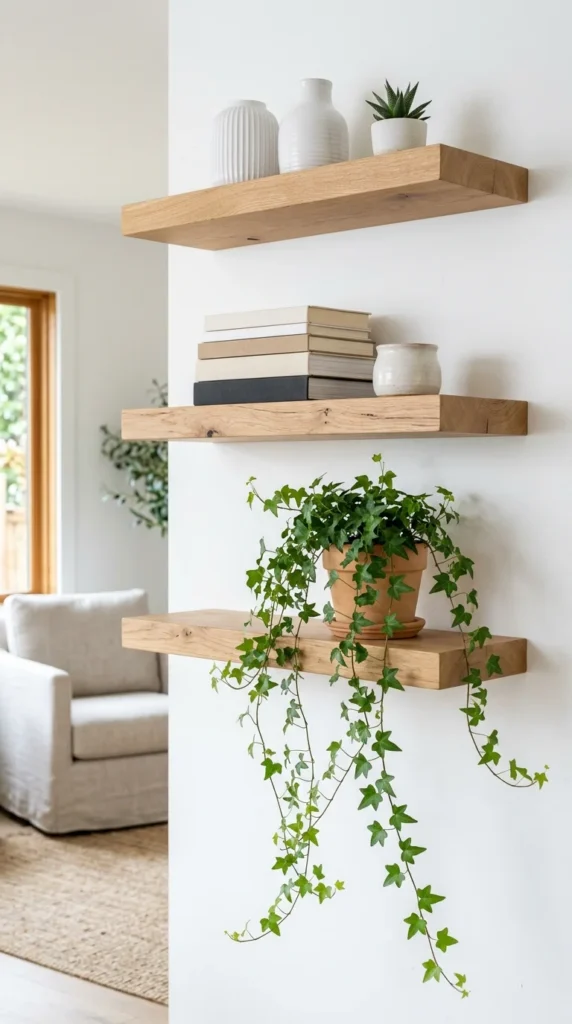
Bulky bookcases can overwhelm a small room. Floating shelves provide the storage and display space you need while keeping the floor clear. This creates a sense of “airiness.” To keep it looking expensive, don’t overstuff them; leave plenty of white space between items and stick to a cohesive color palette for your decor.
7. Large Rugs
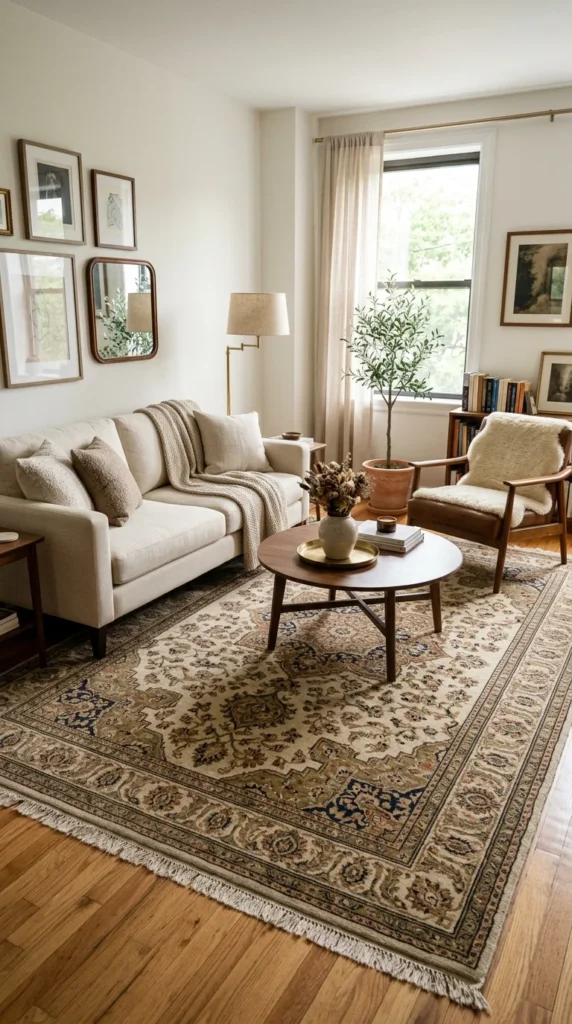
A common mistake in small spaces is buying a small rug. A tiny rug makes the room look like a “postage stamp.” An oversized rug that fits under all the legs of your furniture actually makes the floor area feel larger and more cohesive. Look for flat-weave or jute rugs for an affordable, high-end organic feel.
8. Acrylic Furniture
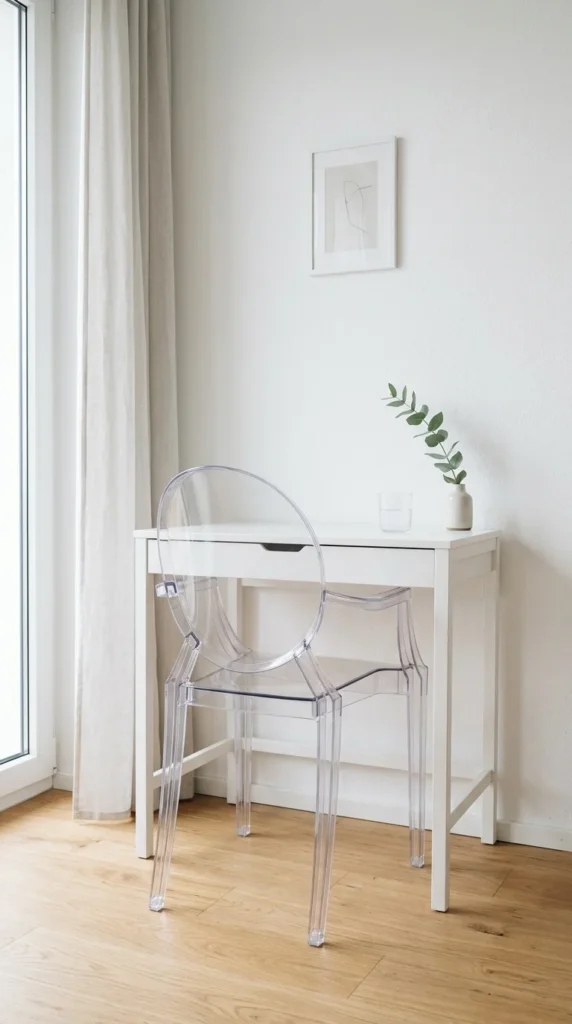
Transparent furniture, often made of acrylic or Lucite, is a designer favorite for small spaces. Because you can see right through it, it takes up zero visual weight. A clear coffee table or “ghost” chairs provide the function you need without cluttering the sightlines of the room, keeping the space feeling open and expensive.
9. Wall Molding
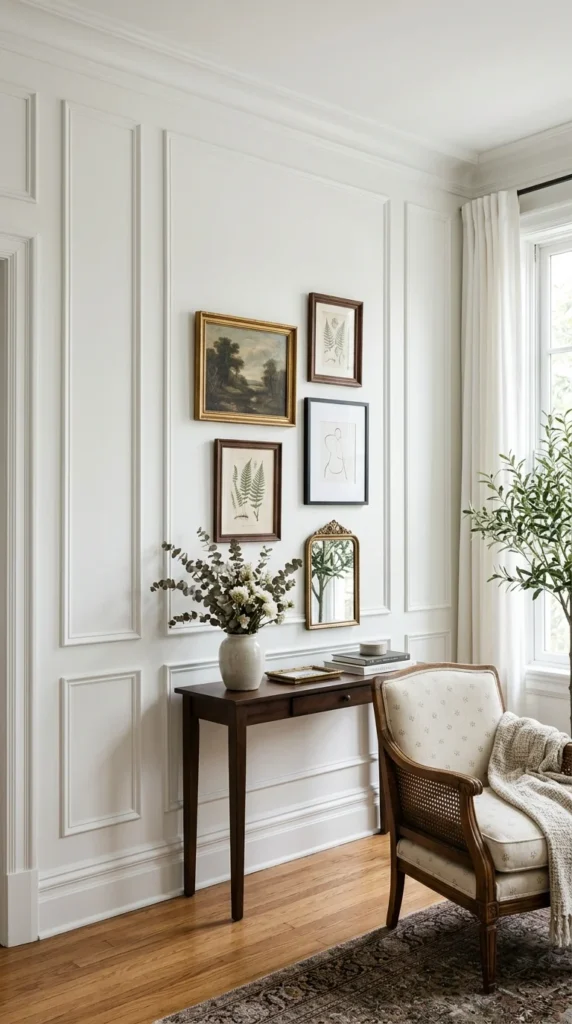
Nothing says “expensive” like architectural detail. You can mimic the look of a Parisian apartment by adding DIY wall molding using simple wooden strips from a hardware store. Once painted the same color as the wall, these frames add a level of sophistication and “old world” luxury that plain drywall simply can’t provide.
10. Gallery Walls
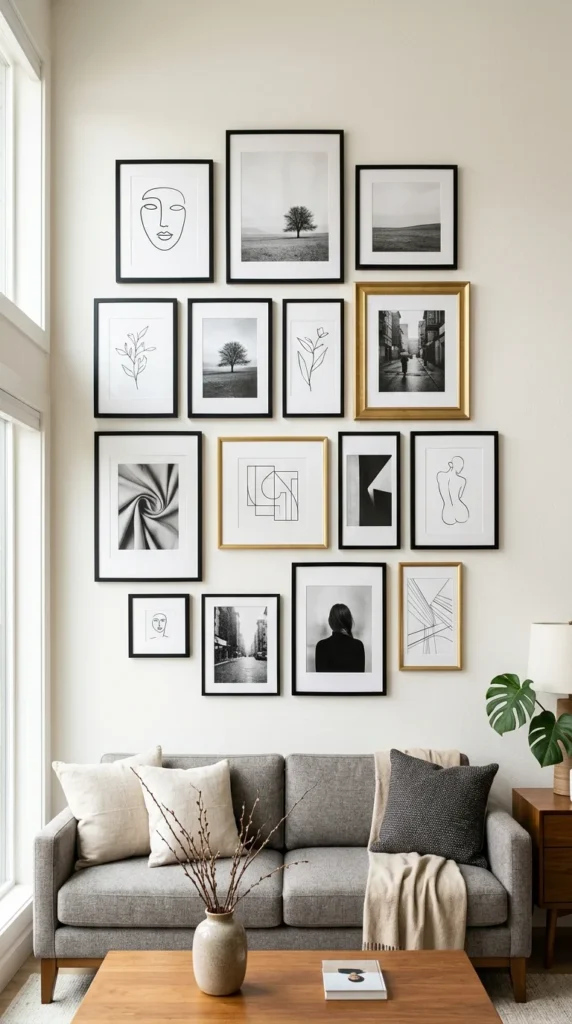
A well-executed gallery wall can make a small room feel like a curated museum. The key to making it look expensive is the framing. Use matching frames or a consistent color story, and ensure the art is hung with precision. Mixing personal photos with abstract prints creates a high-low balance that feels intentionally designed.
11. Lush Greenery
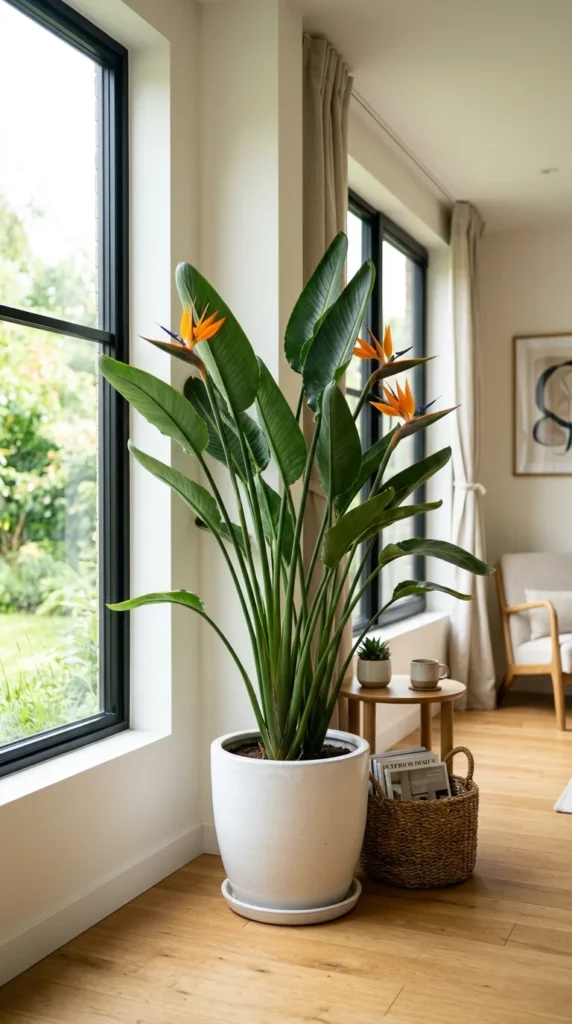
Plastic plants can look dated and cheap. Investing in one or two large, live statement plants—like a Fiddle Leaf Fig or a Monstera—adds life, color, and a sense of “wellness” to a home. Plants soften the sharp corners of a small room and add a layer of organic luxury that synthetic decor cannot replicate.
12. Hidden Storage
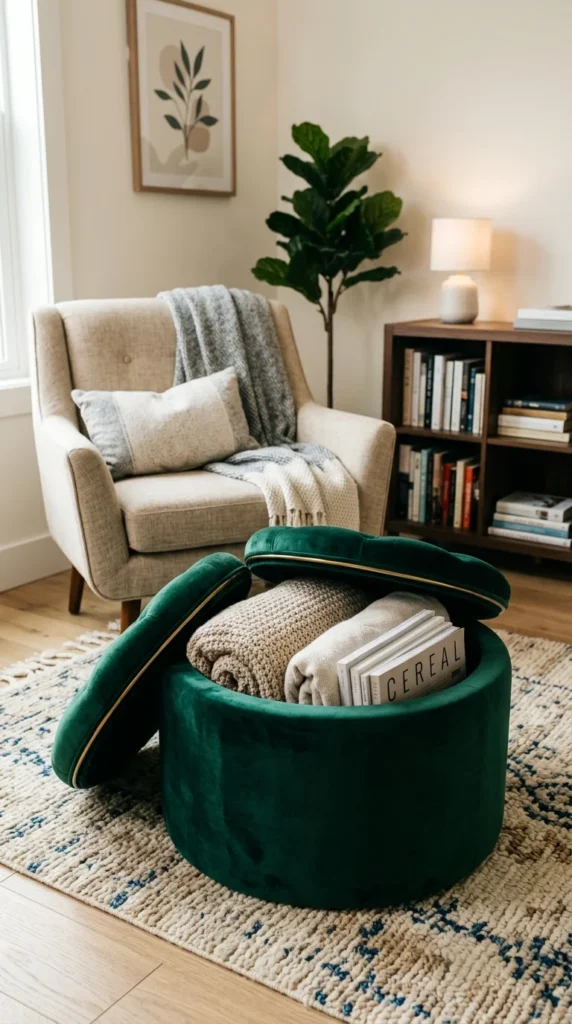
Clutter is the ultimate enemy of a high-end look. In a small space, every piece of furniture should work double duty. Use ottomans with hidden compartments, beds with built-in drawers, or vintage trunks that serve as coffee tables. When your “stuff” is tucked away, the design of the room can truly shine.
13. Textured Layers
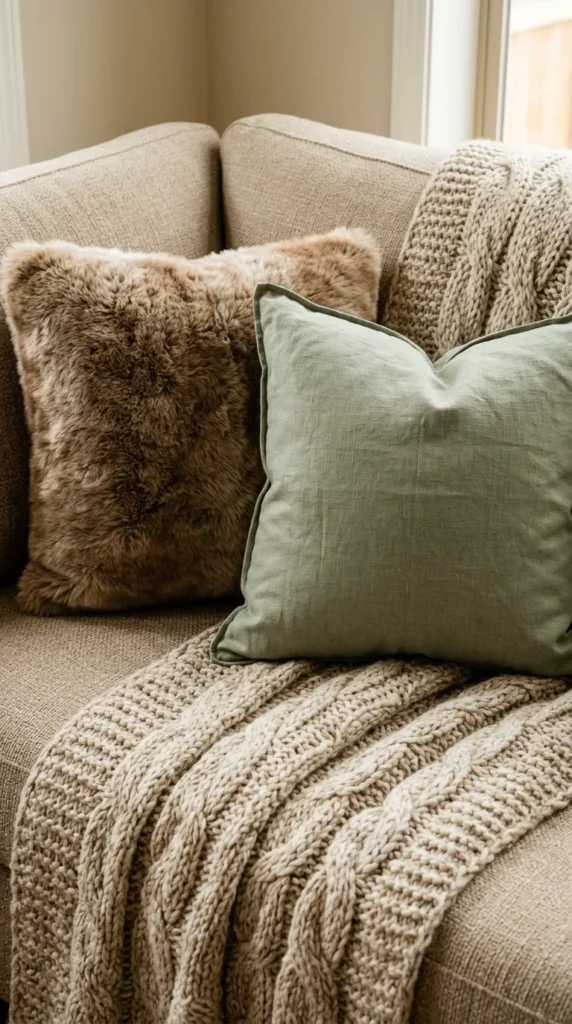
To make a space feel “expensive,” you need to engage the senses. Layering different textures makes a room feel rich and cozy. Combine a leather chair with a wool throw, or silk pillows with a velvet sofa. These layers create a “collected” look that feels much more high-end than a matching furniture set.
14. Uniform Containers
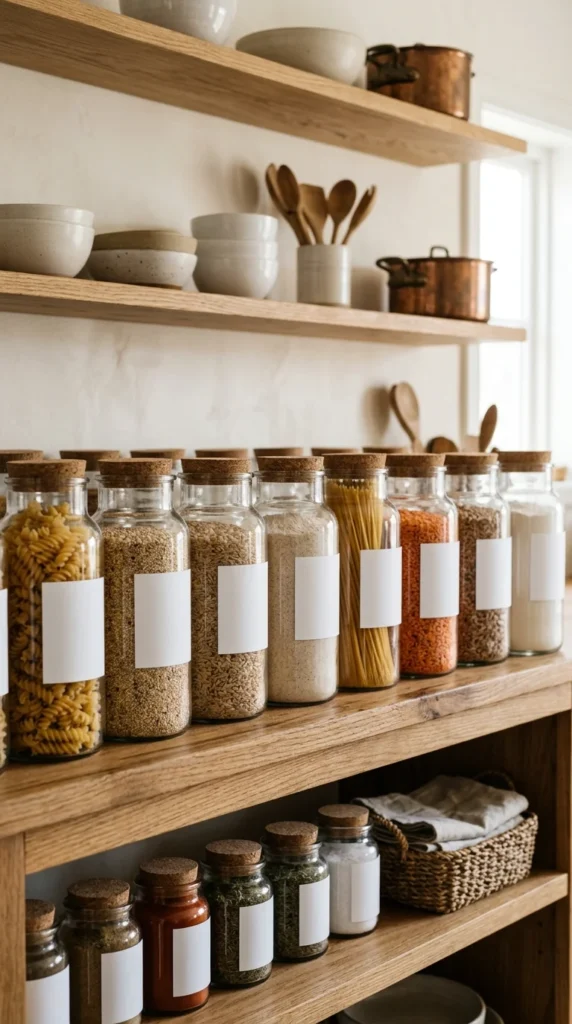
Visual clutter in the kitchen or bathroom can make even the nicest space feel messy. Transferring your staples—like cereal, flour, or soap—into uniform glass containers creates a streamlined, “boutique hotel” vibe. It’s an inexpensive way to organize while adding a touch of luxury to your daily routine.
15. Scented Ambiance
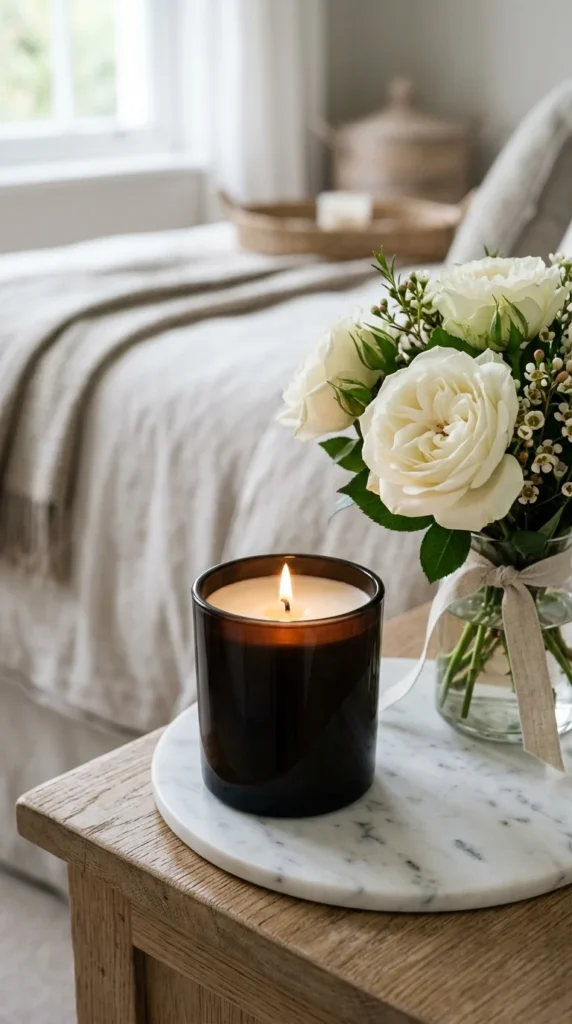
The “expensive” feel isn’t just about what you see; it’s about how the space feels. High-quality candles, reed diffusers, or essential oil blends can make a small apartment feel like a spa. Scents like sandalwood, bergamot, or fresh linen evoke a sense of cleanliness and luxury that guests will notice immediately.
16. Painted Trim
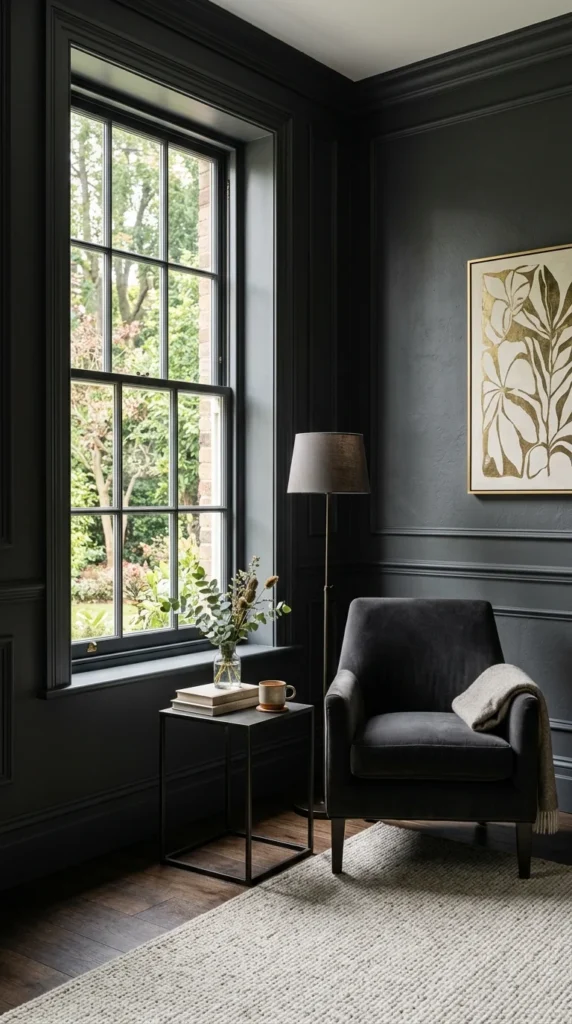
Instead of leaving your baseboards and window trim white, try painting them the same color as your walls. This “color-drenching” technique is a favorite among interior designers. It makes the walls feel taller and the room feel more custom and intentional, regardless of the actual square footage.
17. Decorative Trays
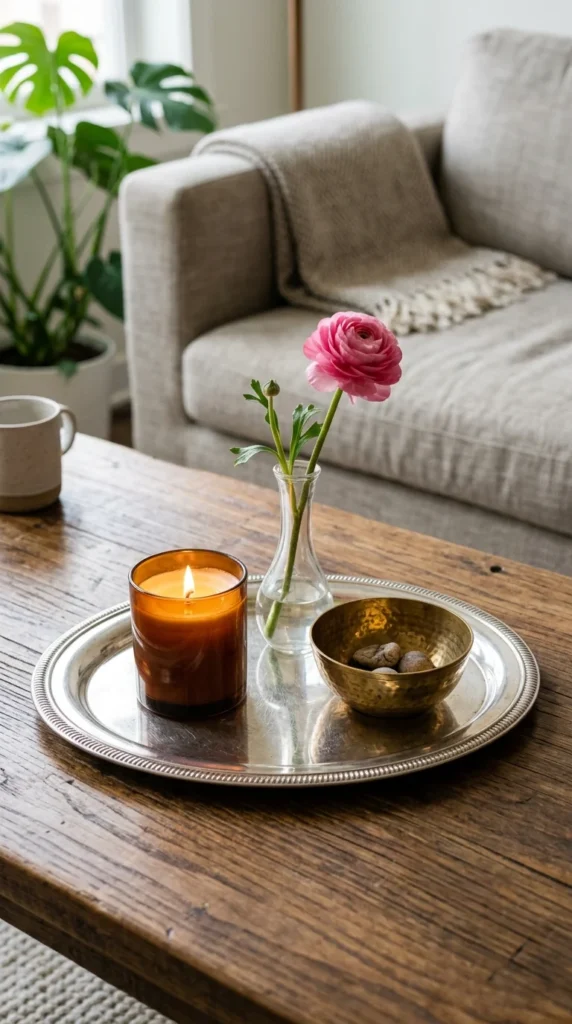
Trays are the secret to “organizing” chaos. A tray can take a random collection of items—remotes, coasters, a candle—and turn them into a curated vignette. Use a marble or metallic tray on your coffee table or entryway console to ground your decor and add a reflective, expensive-looking surface.
18. Coffee Table Books
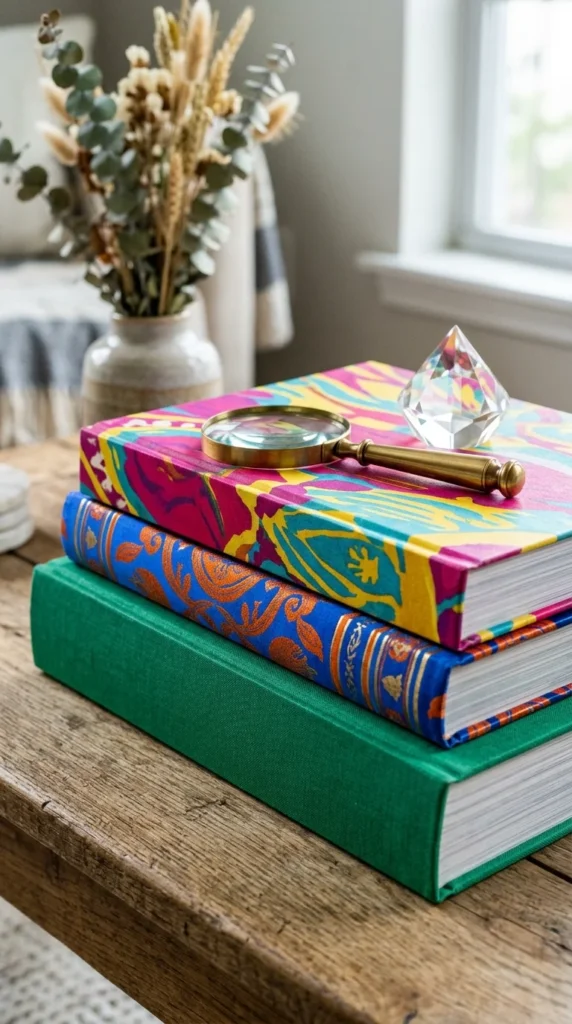
There is a reason every luxury home has a collection of art and fashion books. They add height to displays, introduce color, and signal a sense of culture and curiosity. You can find beautiful used art books at thrift stores; remove the dust jackets if they are tattered to reveal the sophisticated cloth binding underneath.
19. Statement Art
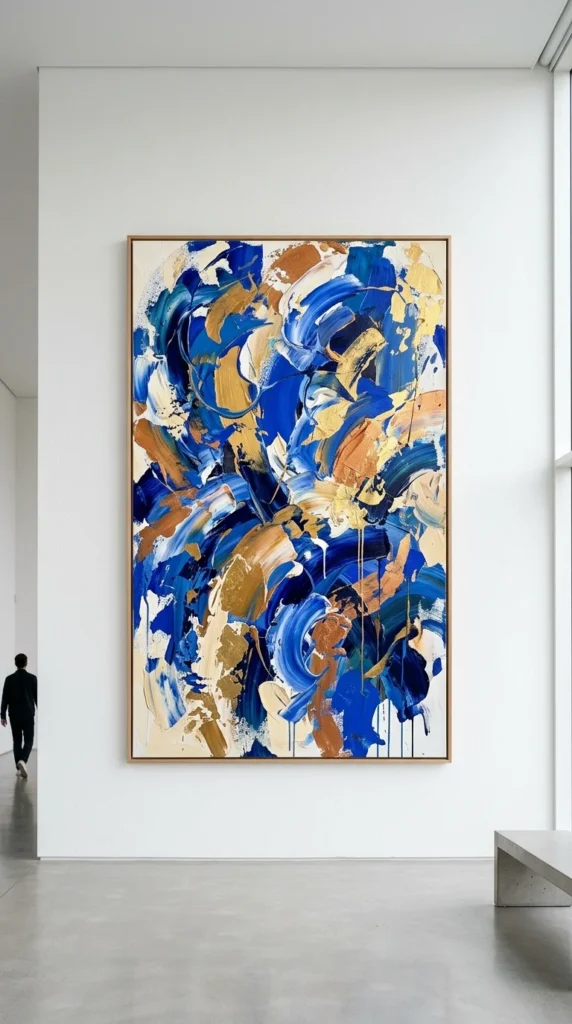
In a small space, one large piece of art is often better than many small ones. A single, oversized canvas creates a focal point and makes the wall feel more expansive. It gives the impression that you have enough space to “waste” on a large-scale piece, which is a hallmark of luxury design.
20. Vintage Finds
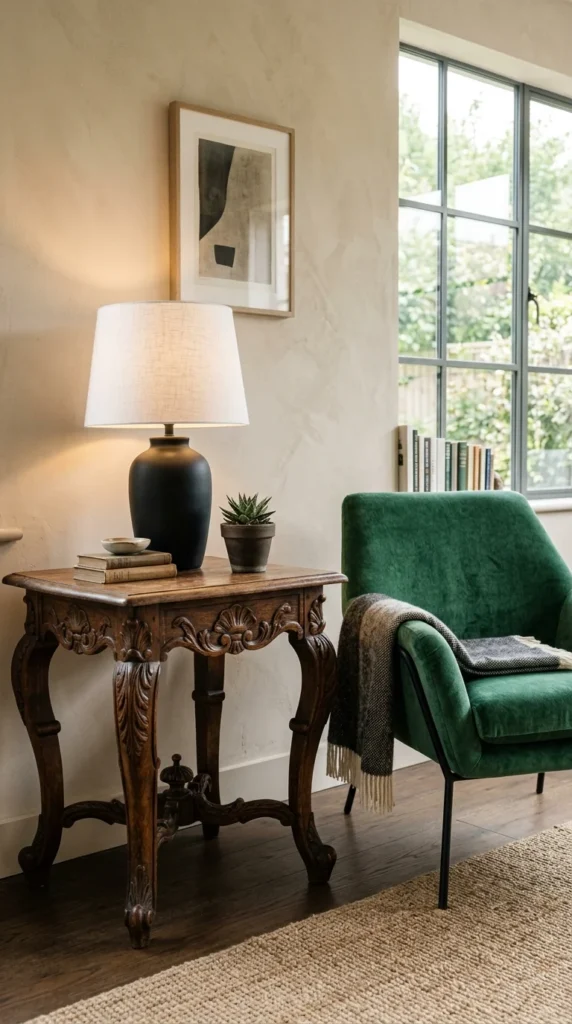
A room filled entirely with brand-new, budget furniture can look flat. To add “soul” and an expensive edge, mix in one or two vintage or antique pieces. A mid-century chair or a carved wooden chest adds history and character, making the space look like it was curated over time rather than bought in one trip to a big-box store.
21. Window Treatments
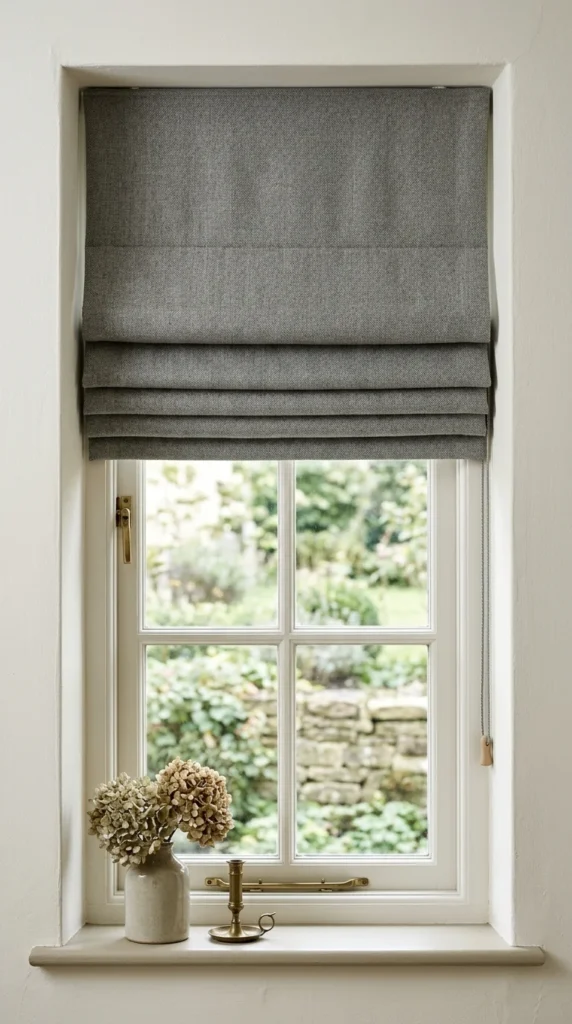
If curtains feel too heavy for your small space, opt for tailored Roman shades. Custom-look shades in a high-quality fabric like linen or bamboo add a “decorator” touch to the room. They provide privacy and light control without the bulk of traditional drapes, keeping the lines of the room clean and sharp.
22. Mirror Backsplashes
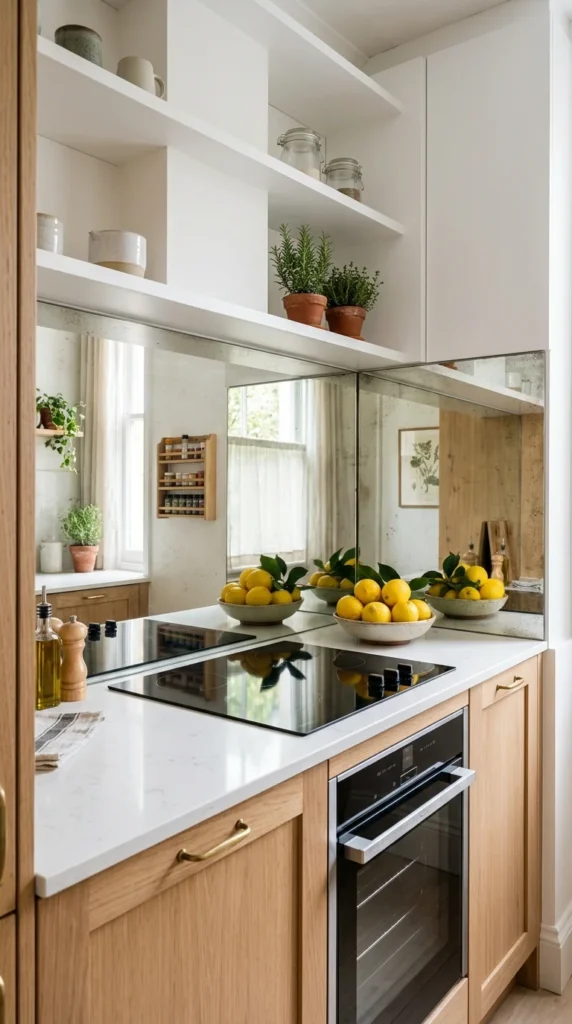
In a tiny kitchen, a mirrored backsplash can be a game-changer. It bounces light into the darkest corner of the room and creates a sense of infinite space behind the counters. If a full mirror is too much, consider mirrored tiles or high-gloss subway tiles to achieve a similar light-reflective, high-end effect.