
Living in a small apartment or a compact home doesn’t mean you have to sacrifice style or comfort. While many believe that “more space” is the only solution to clutter and cramped quarters, the secret actually lies in how you utilize the square footage you already have. You don’t need a sledgehammer or a construction crew to transform your home. With a few strategic shifts, clever purchases, and organizational hacks, you can make even the tiniest studio feel like a sprawling sanctuary.
1. Vertical Shelving
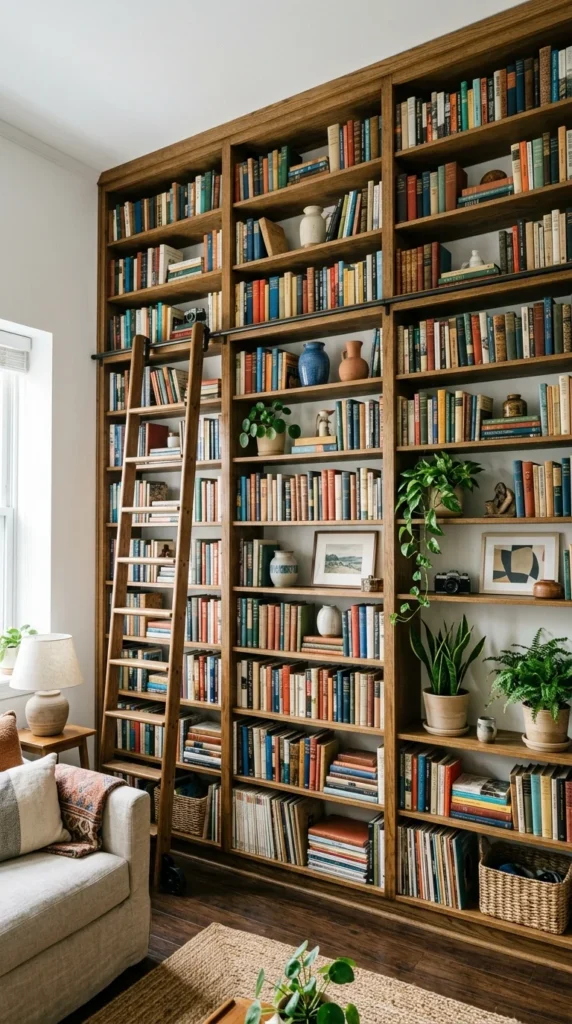
When floor space is at a premium, the only way to go is up. Vertical shelving allows you to utilize the often-ignored space near the ceiling. Instead of wide, bulky cabinets, opt for tall, narrow units that draw the eye upward. This not only provides ample storage for books, plants, and collectibles but also creates a visual sense of height, making the room feel significantly larger than its actual dimensions.
2. Multifunctional Furniture
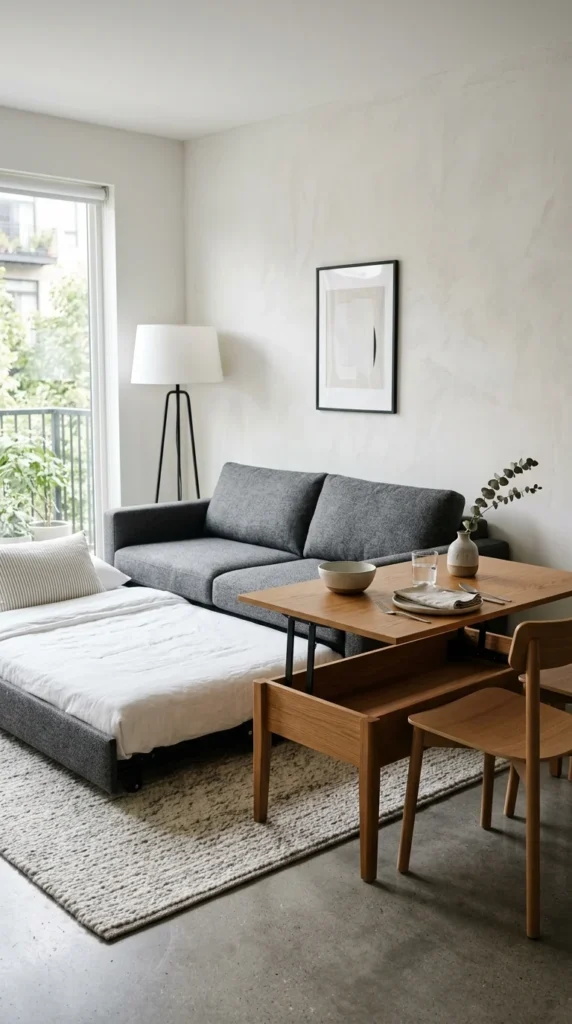
In a small space, every piece of furniture must earn its keep. Look for items that serve dual purposes. A coffee table with hidden storage, a sofa bed for guests, or an ottoman that doubles as a footrest and a storage bin for blankets are essential. By choosing pieces that offer more than one function, you reduce the number of individual items needed in a room, thereby reducing physical and visual clutter.
3. Mirror Magic
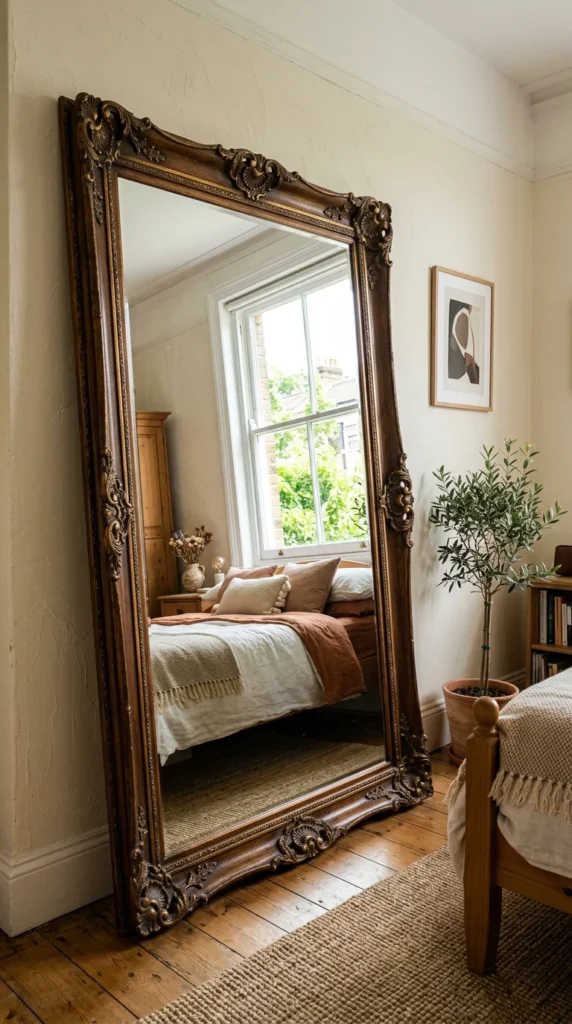
Interior designers have long used mirrors as a “cheat code” for expanding space. Placing a large mirror opposite a window reflects natural light, brightening the entire room. Mirrors also create an illusion of depth, making it seem as though there is another room beyond the glass. Whether it’s a full-length leaning mirror or a gallery wall of smaller mirrors, the reflective surfaces will instantly double your visual space.
4. Under-Bed Storage
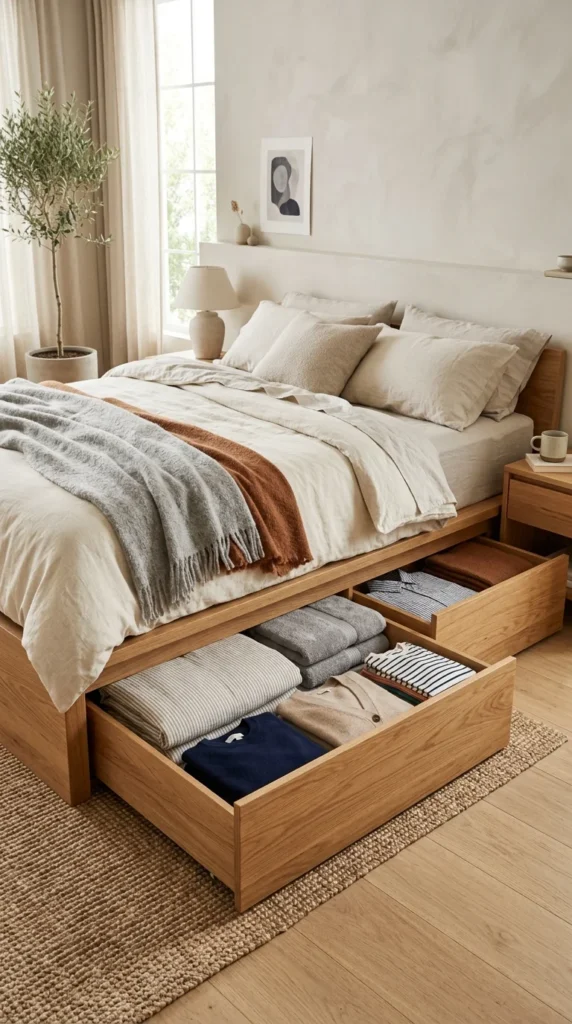
The space under your bed is a goldmine for organization. Instead of letting dust bunnies collect, invest in rolling bins or vacuum-sealed bags to store out-of-season clothing, extra linens, or shoes. If your bed frame is too low, consider using bed risers to add a few inches of clearance. This hidden storage area keeps bulky items out of sight and frees up valuable closet space.
5. Clear Furniture
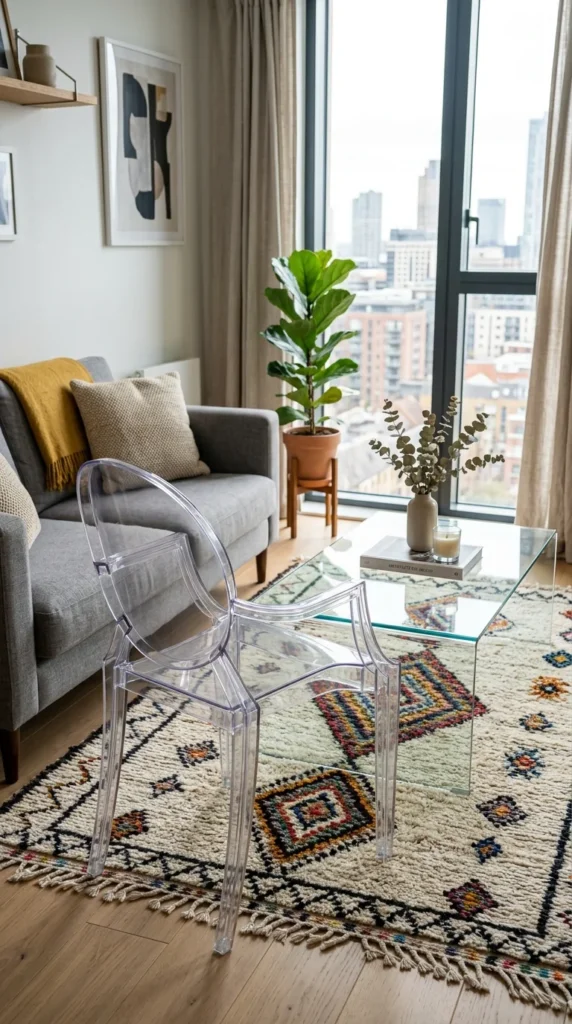
Visual weight is a crucial concept in small-space design. Dark, heavy furniture can make a room feel crowded and “heavy.” On the other hand, furniture made of acrylic, Lucite, or glass—often called “ghost” furniture—is virtually invisible to the eye. Because you can see right through these pieces, the floor and walls remain visible, preventing the room from feeling “closed in” by bulky objects.
6. Door Organizers
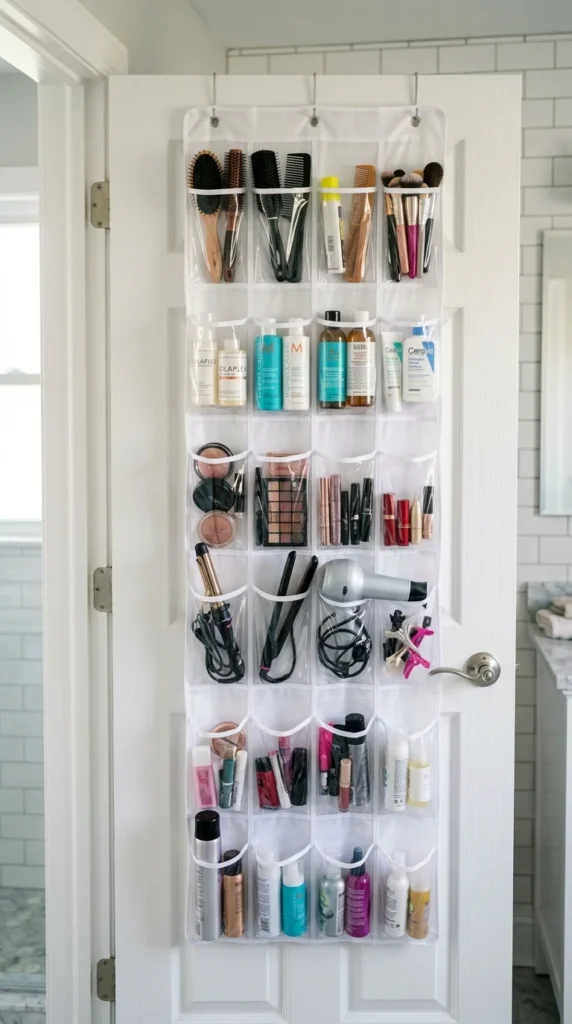
The back of a door is prime real estate that is frequently overlooked. Over-the-door organizers aren’t just for shoes; they are perfect for pantry staples, cleaning supplies, or even office materials. By moving these small items to the door, you free up shelf space in your kitchen or bathroom. It’s a simple, non-permanent solution that maximizes accessibility without taking up an inch of floor space.
7. Corner Units
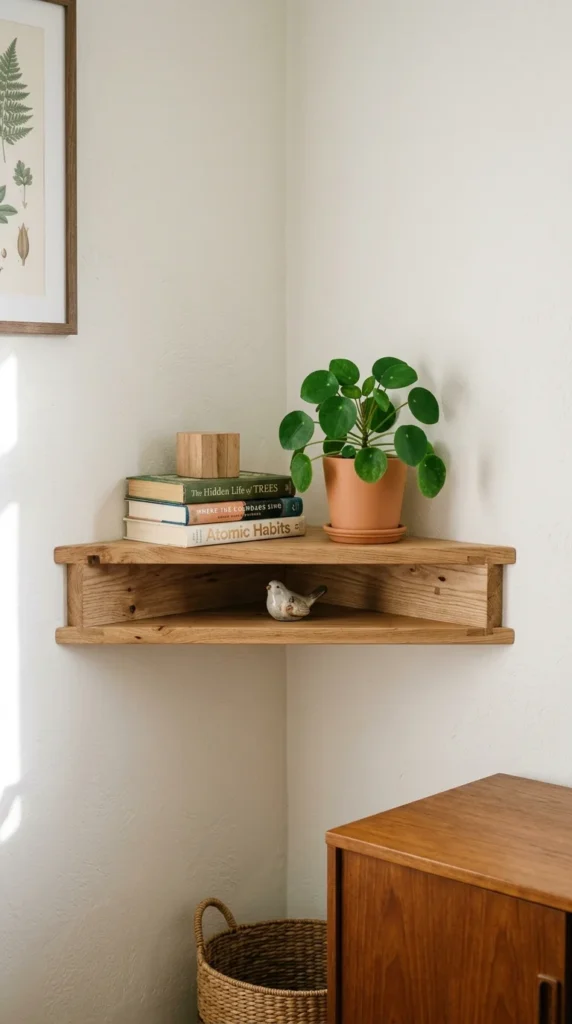
Corners are often dead zones in small apartments. However, a well-placed corner shelf or a triangular desk can turn an awkward nook into a functional workspace or a display area. Corner units are specifically designed to hug the walls, allowing you to utilize every square inch of your floor plan without obstructing traffic flow through the room.
8. Floating Desks
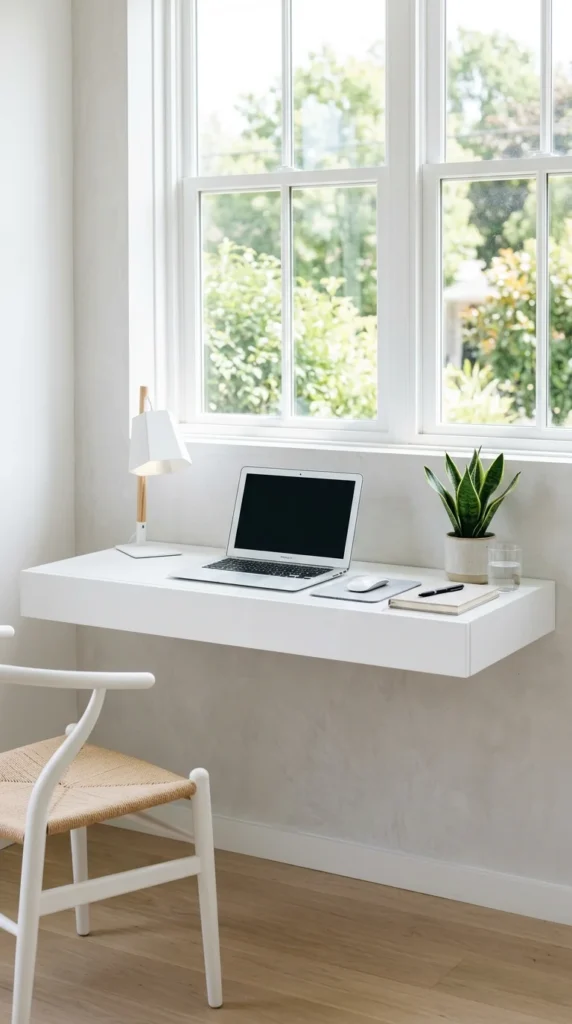
A traditional desk with legs can make a small room feel cramped. A floating desk, which is mounted directly to the wall, removes the visual and physical clutter of legs and supports. This leaves the floor space beneath the desk open, which you can use for a wastebasket or a small filing cabinet, or simply leave empty to maintain an open, airy feeling in your home office area.
9. Ceiling Hooks
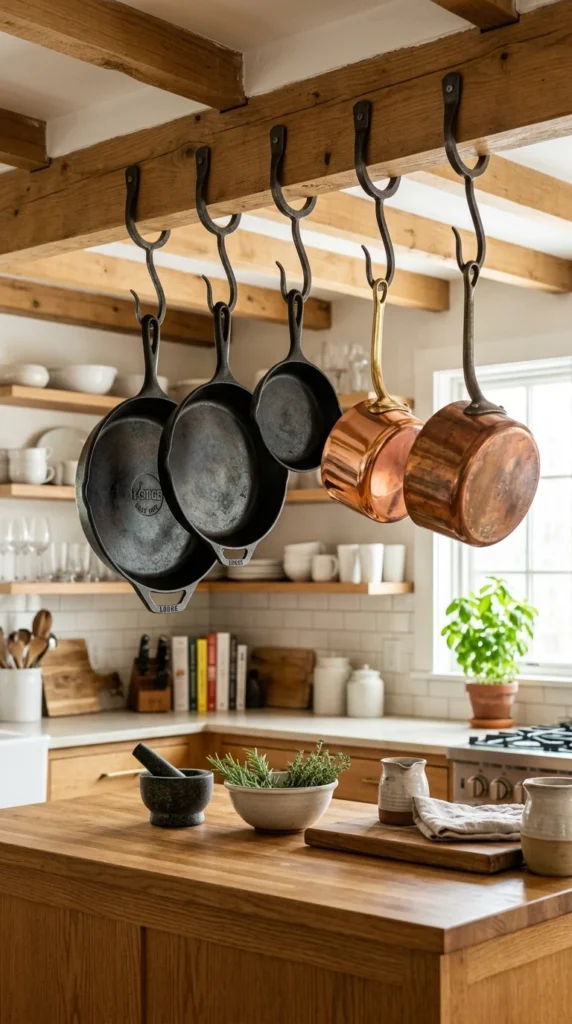
Look up! Your ceiling is a vast, unused surface. Ceiling hooks can be used to hang everything from indoor plants to kitchen pots and pans. In a small kitchen, a hanging pot rack can free up entire cabinets. In a living room, hanging plants add greenery and life without requiring a side table or floor stand. It’s an easy way to add character and storage without occupying any usable living space.
10. Window Sills
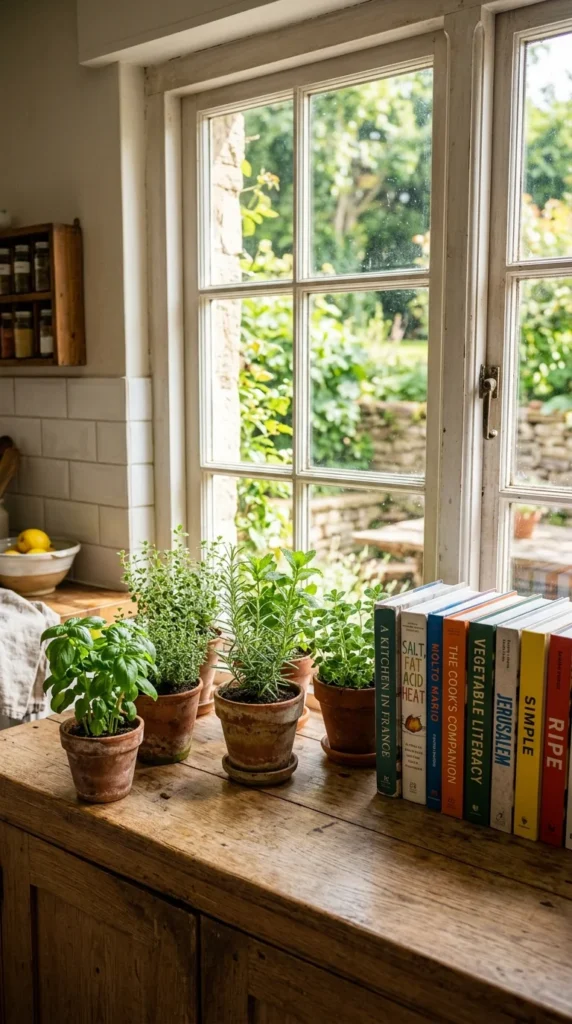
If you have deep window sills, treat them as extra shelving. They are the perfect spot for a mini herb garden, a collection of succulents, or a row of your favorite novels. By using the window sill for decor, you can keep your coffee tables and countertops clear, leading to a more organized and intentional aesthetic.
11. Rug Zones
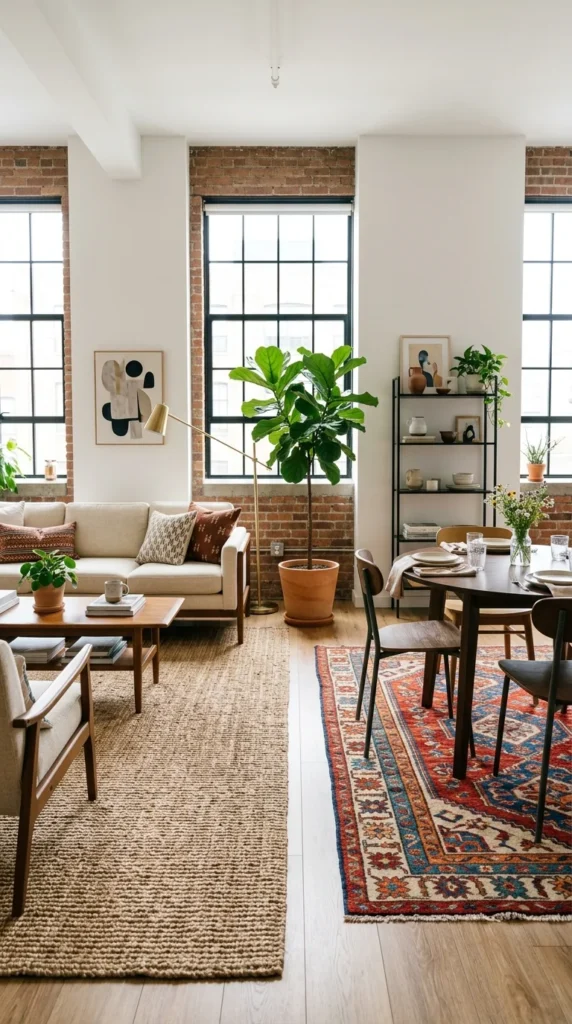
In a studio or open-plan apartment, it can be difficult to distinguish where the “living room” ends and the “bedroom” begins. Using area rugs is a smart, non-permanent way to “zone” your space. A rug acts as a visual boundary, signaling to the brain that a specific area has a specific purpose. This creates a sense of order and structure, making the overall space feel more like a multi-room home.
12. Lighting Layers
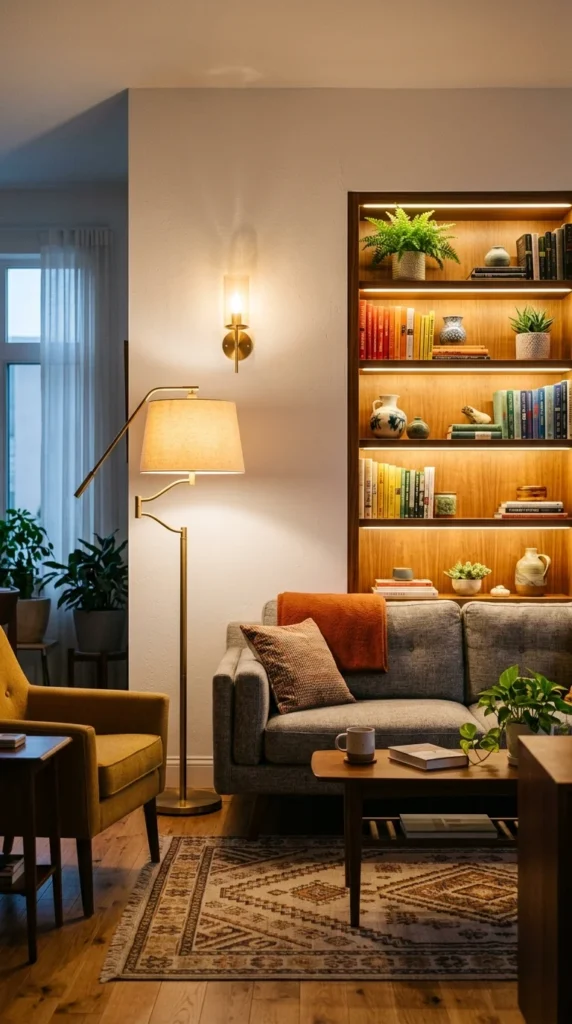
Single overhead lights can cast harsh shadows that make a small room feel dingy and cave-like. Instead, layer your lighting. Use floor lamps, table lamps, and wall sconces to create “pools” of light. This adds depth and dimension to the room. Use warm-toned bulbs to create an inviting atmosphere, and consider “uplighting” corners to make the walls feel further apart.
13. Pegboard Walls
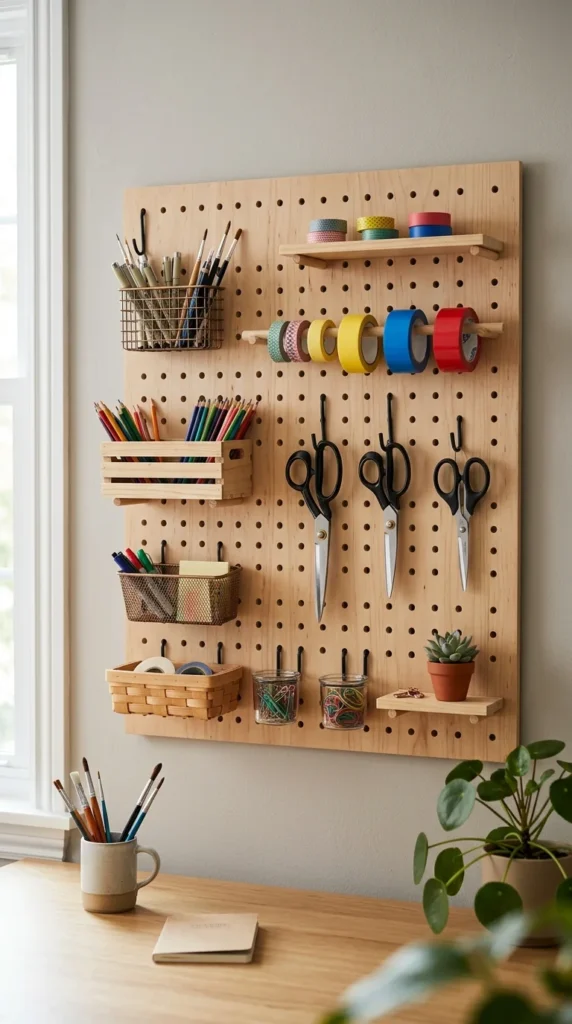
Pegboards are the ultimate modular storage solution. They allow you to customize your storage based on your needs. In a kitchen, a pegboard can hold utensils and colanders. In a craft room or office, it keeps tools within arm’s reach but off the desk. Because they are thin and wall-mounted, they provide immense storage capacity with a very small footprint.
14. Rolling Carts
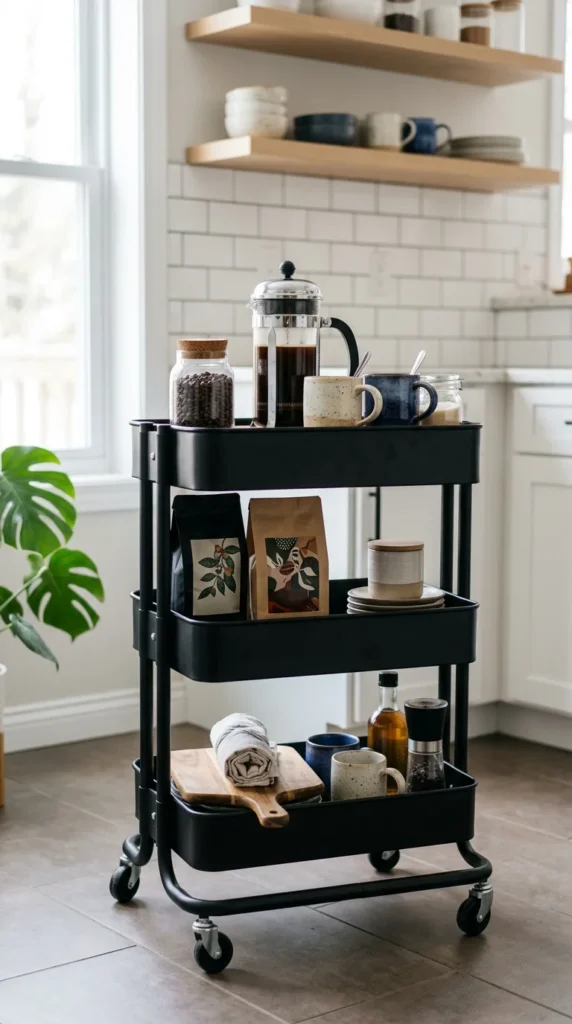
Mobility is a major advantage in a small home. A rolling utility cart can serve as a bar cart, a bedside table, or a mobile pantry. The beauty of the cart is that it can be tucked away in a corner or a closet when not in use and rolled out whenever you need it. It’s a flexible storage solution that adapts to your daily activities.
15. Stackable Bins
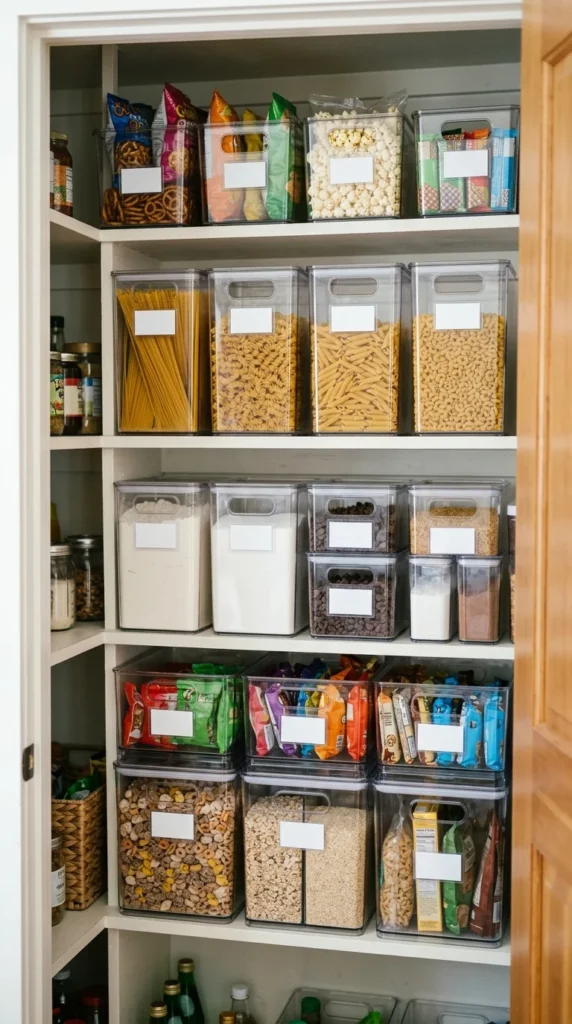
Verticality is just as important inside your closets and cabinets as it is on your walls. Stackable bins allow you to make use of the vertical space on high shelves that usually goes to waste. Choose clear bins so you can easily see the contents without having to dig through them. Labeling the bins adds an extra layer of organization that makes maintaining a small space much easier.
16. Ottoman Storage
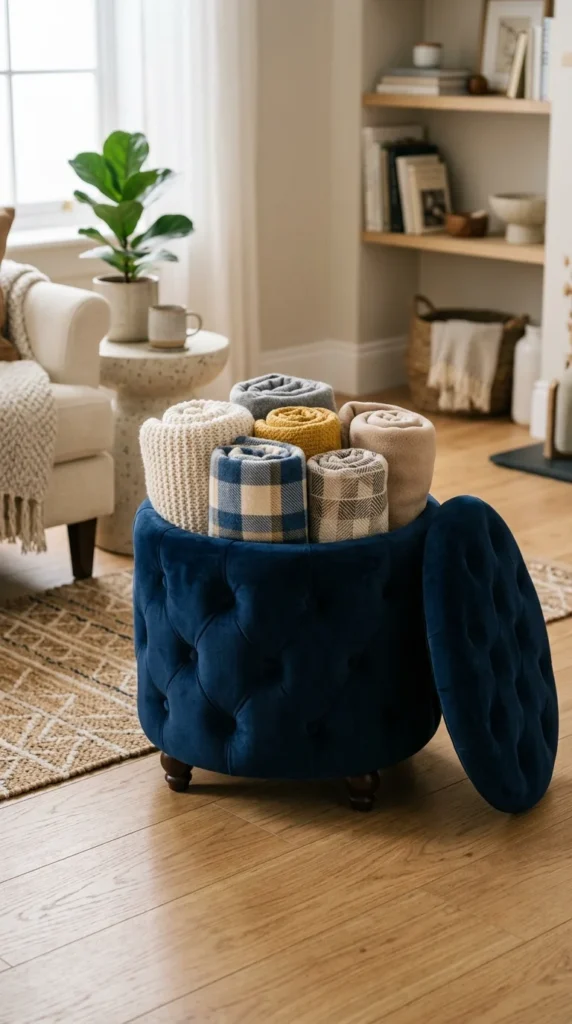
An ottoman is one of the most versatile pieces of furniture for a small home. It can be used as extra seating, a footrest, or even a coffee table if you place a tray on top. When you choose an ottoman with internal storage, you gain a secret hiding spot for bulky items like spare pillows, board games, or seasonal decor. It keeps these items accessible but completely out of sight.
17. Command Hooks
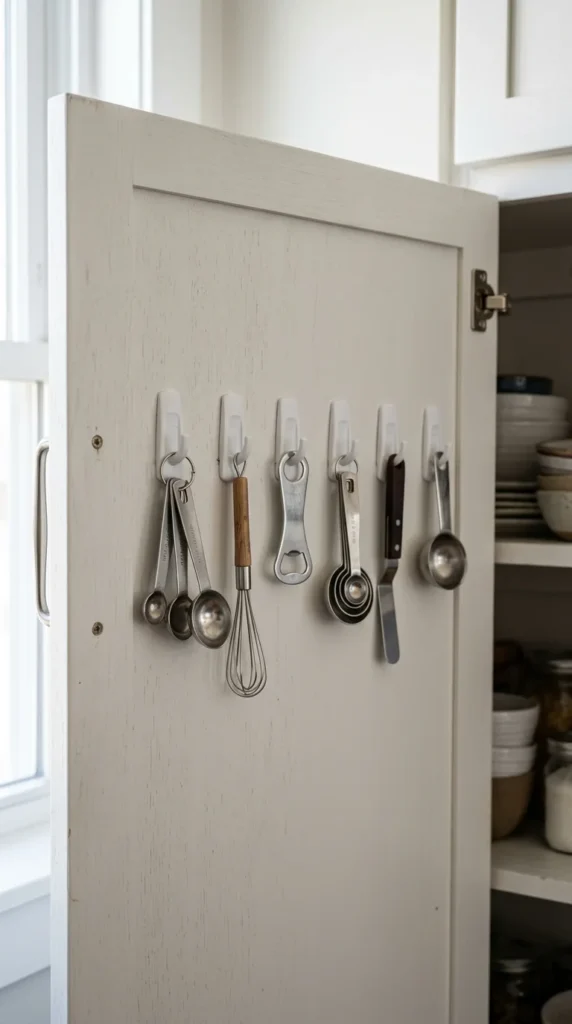
For renters or those who don’t want to drill holes, adhesive hooks are a lifesaver. They can be used to hang everything from coats and bags in the entryway to jewelry in the bedroom or towels in the bathroom. By getting items off the floor and onto the walls, you clear the visual paths through your home, making the environment feel more spacious and orderly.
18. Magnet Strips
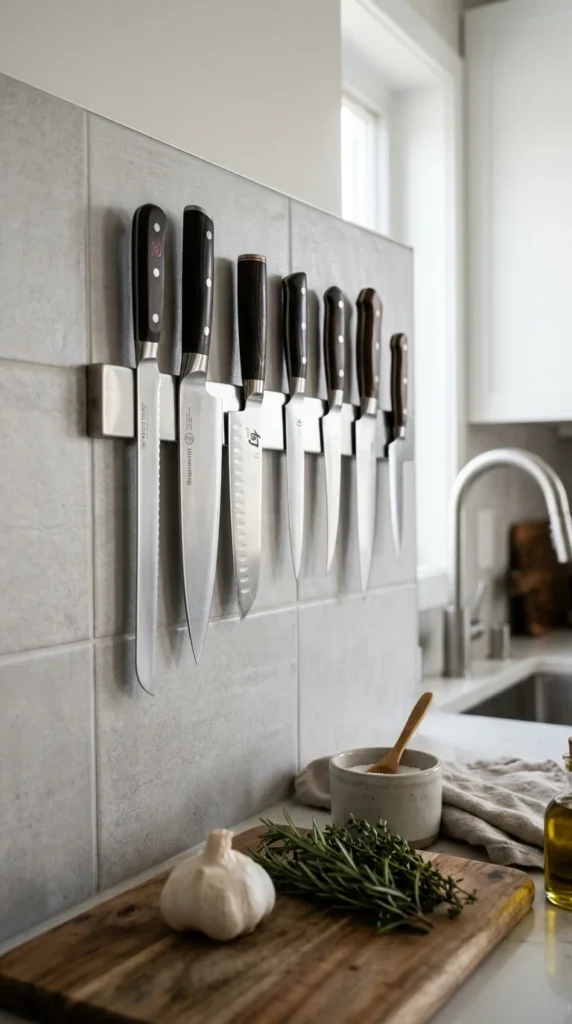
Magnet strips are an efficient way to save counter and drawer space. While most commonly used in the kitchen for knives, they are also incredibly useful in the bathroom for metal hair clips, tweezers, and nail clippers. In a home office, they can hold metal rulers or scissors. It’s a sleek, modern look that keeps your most-used tools right where you need them.
19. Fold-Down Tables
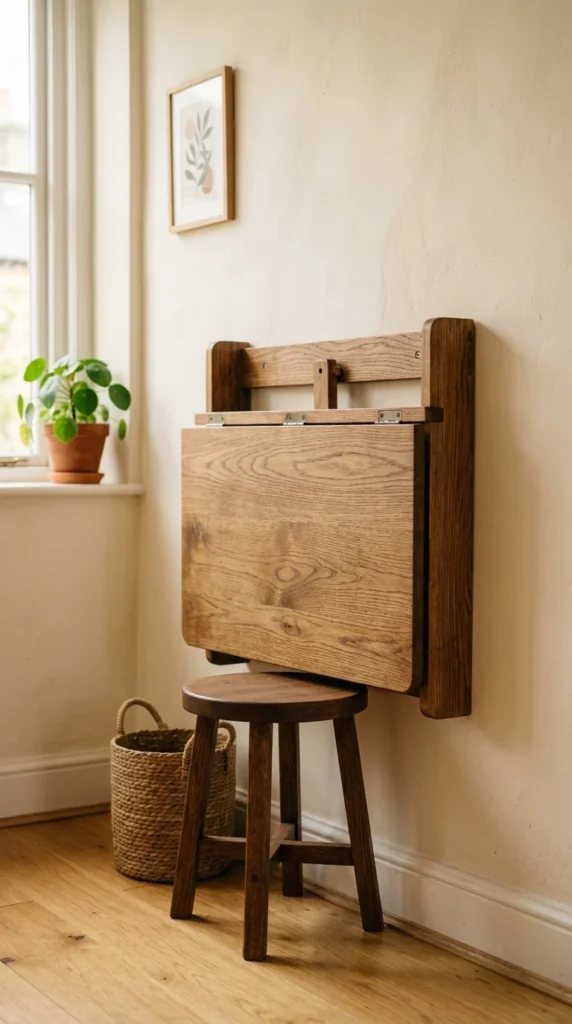
When you live in a tiny space, a permanent dining table can be a luxury you can’t afford. A fold-down or “Murphy” table is the perfect solution. It stays flat against the wall when you’re not using it, giving you more room to move around. When it’s time for dinner or work, you simply flip it up. It’s a brilliant way to have a full-sized surface only when you actually need it.
20. Open Closets
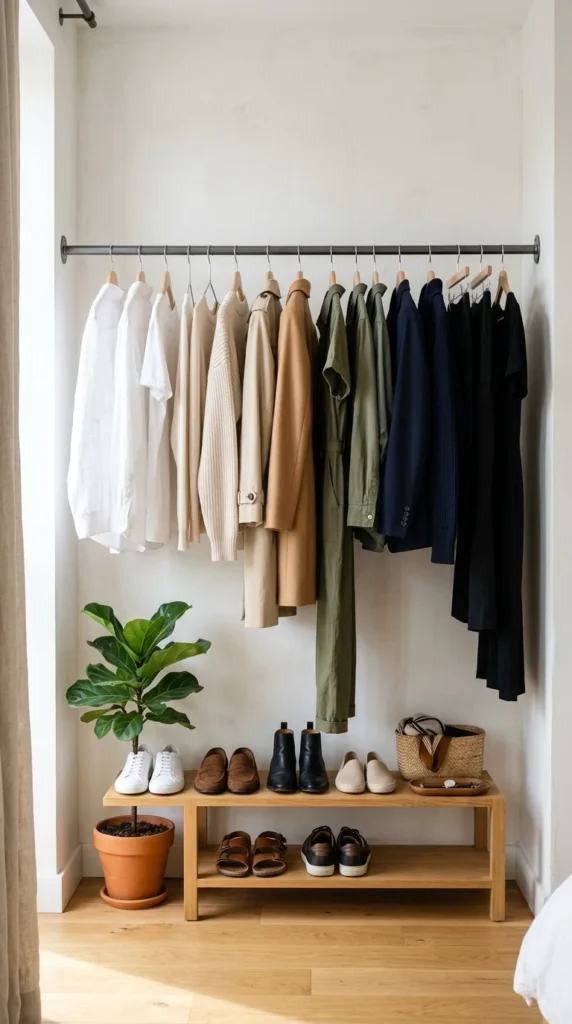
If your room lacks a built-in closet, don’t despair. An open closet—using a simple garment rack and shelving—can be a stylish feature. The key to an open closet is curation; by keeping your wardrobe organized and color-coded, it becomes part of the room’s decor rather than a cluttered mess. This also encourages you to keep a minimalist wardrobe, which is a natural fit for small-space living.
21. Drawer Dividers
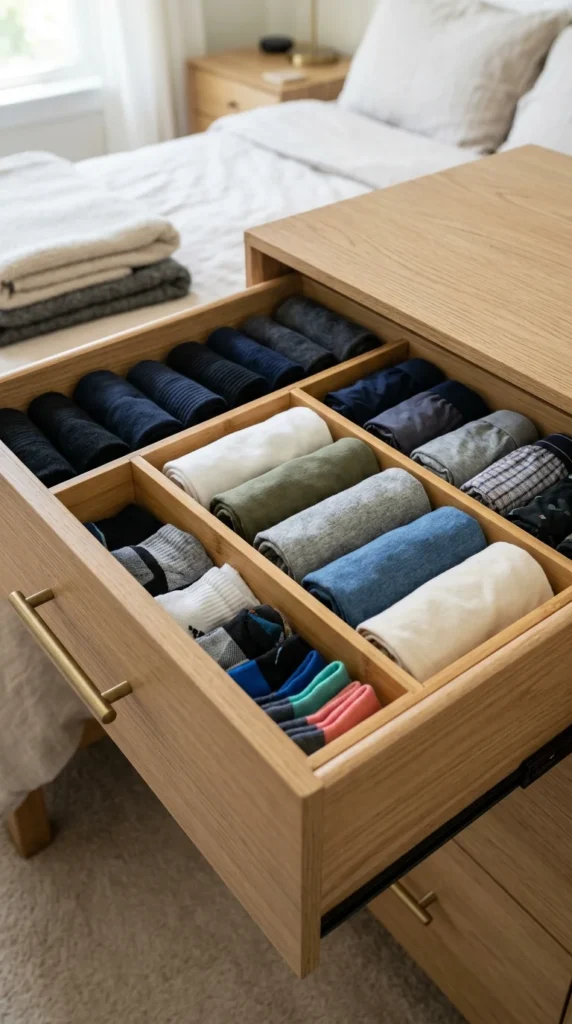
Small spaces often lead to “junk drawers” where everything is thrown together. Drawer dividers are a simple way to give every item a home. When every sock, utensil, or office supply has a dedicated spot, you prevent the overflow that leads to cluttered countertops. Organized drawers allow you to maximize the storage capacity of your existing furniture.
22. Curtain Dividers
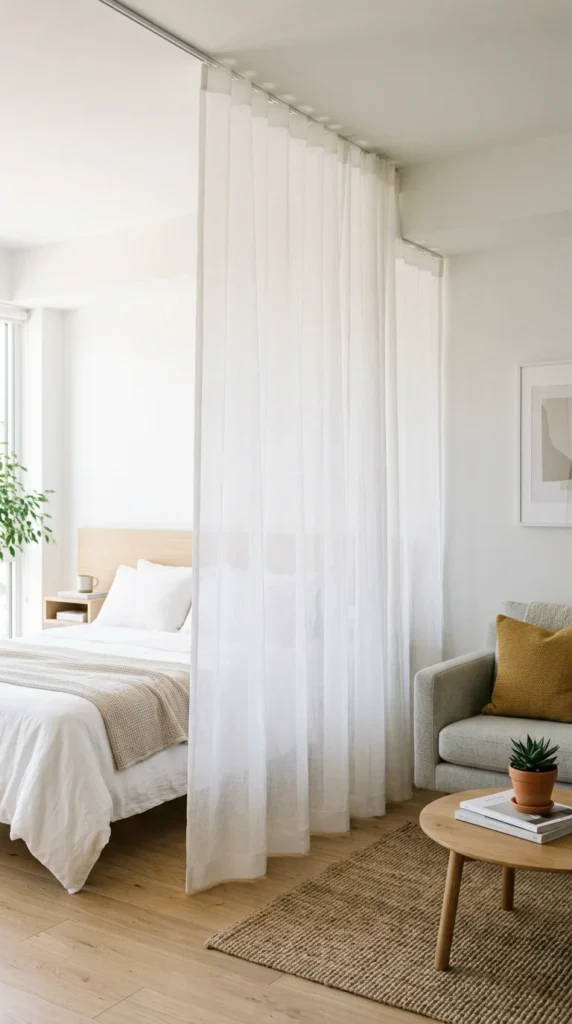
If you want to separate your sleeping area from your living area without building a wall, use curtains. A ceiling-mounted track with a sheer or heavy fabric curtain allows you to “close off” the bedroom at night for privacy and open it up during the day to maintain a sense of space. Curtains also add texture and softness to a room, making it feel more cozy and finished.
23. Wall-Mounted Lamps
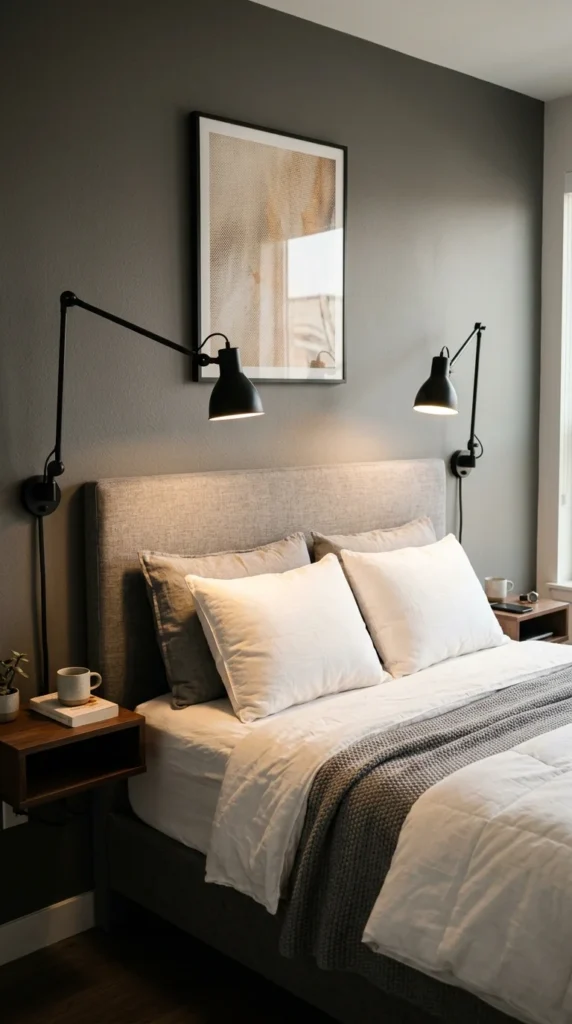
Table lamps require nightstands or side tables, which take up floor space. Wall-mounted lamps or “sconces” provide the same task lighting without the need for a surface to sit on. Many modern sconces are “plug-in,” meaning you don’t even need to hire an electrician to install them. This frees up your bedside area for other uses or simply keeps it looking clean and minimal.
24. Tiers of Trays
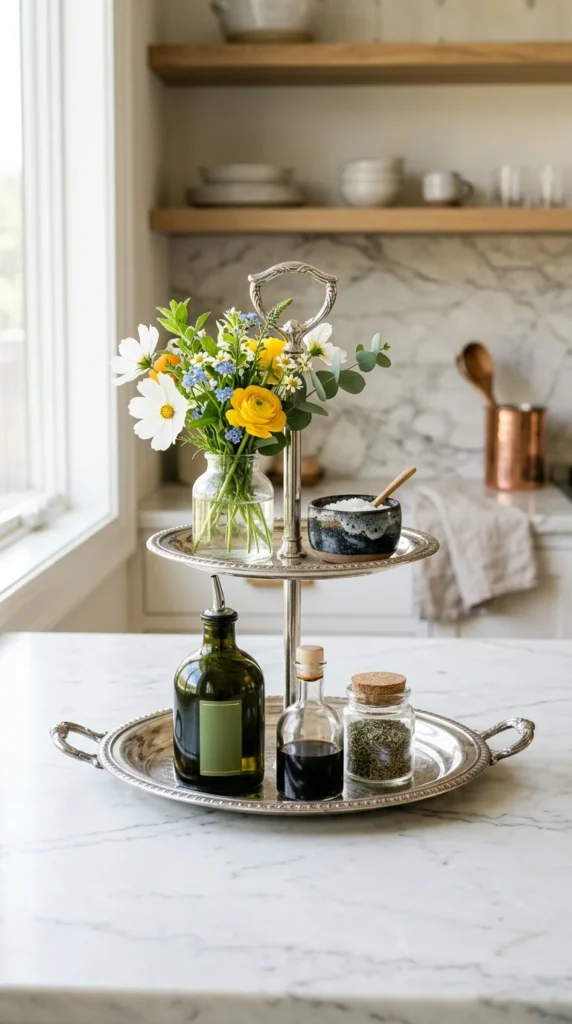
Trays are an organizer’s best friend. By grouping related items together on a tray—whether it’s coffee supplies, perfumes, or mail—you turn a scattered mess into a deliberate “vignette.” Tiered trays take this a step further by using vertical space on your counters. This is especially helpful in small kitchens or bathrooms where counter space is extremely limited.
25. Hidden Cables
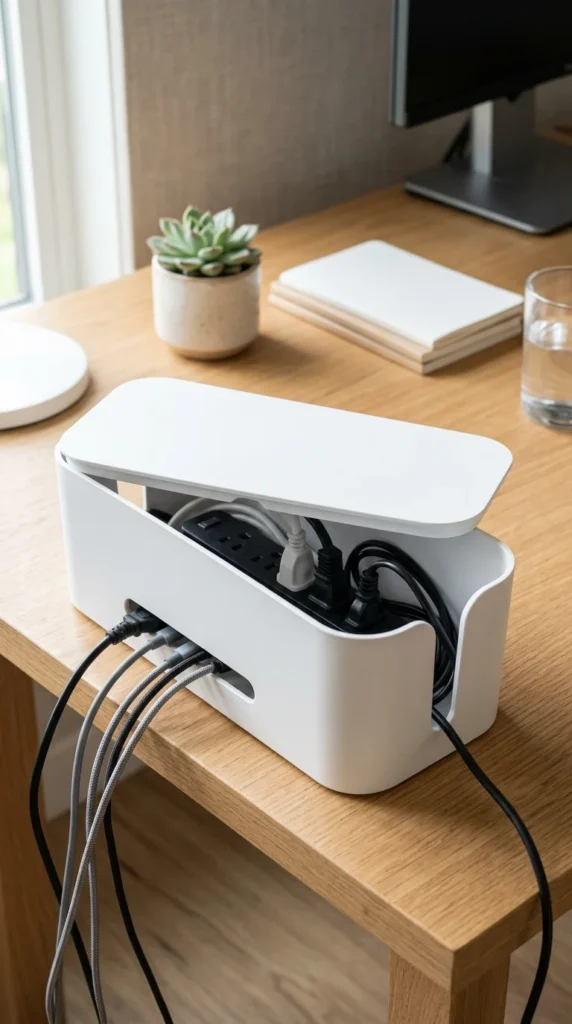
Visual clutter is just as damaging to a small space as physical clutter. A tangle of black wires behind your TV or desk can make a room feel chaotic. Use cable management boxes, clips, or even decorative sleeves to hide your cords. When the lines of your furniture are clean and the floor is free of “cord nests,” the entire room looks more polished and spacious.
26. Minimalist Decor
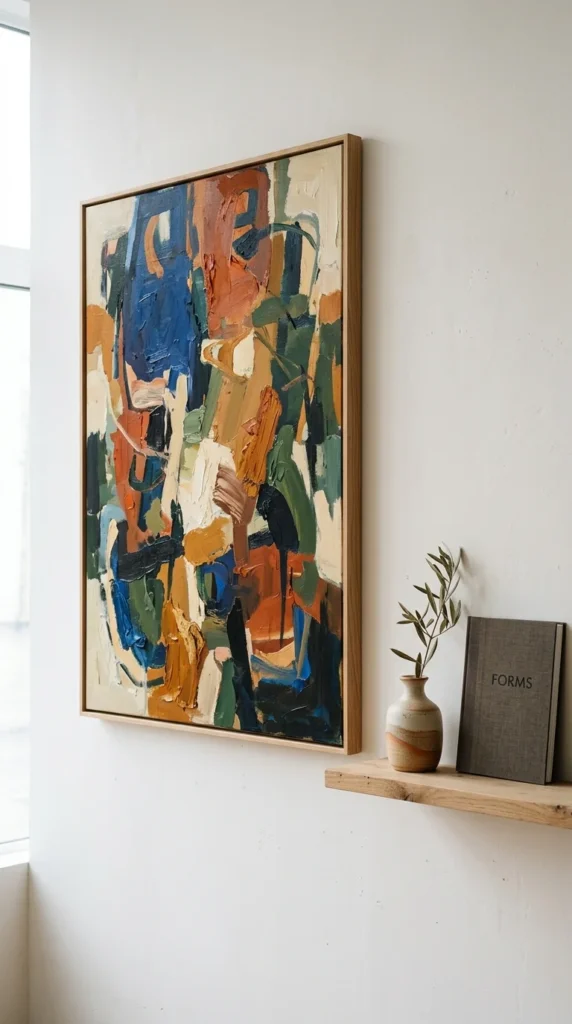
In a small space, less is truly more. Instead of dozens of small knick-knacks, choose a few large, impactful pieces of decor. A single large painting or one oversized plant will make a room feel more intentional and grand than a collection of small items that break up the visual field. By embracing a “quality over quantity” mindset, you ensure that your home feels curated rather than crowded.