Living in a small apartment doesn’t mean you have to sacrifice style or comfort. In fact, some of the most beautiful homes in the world are modest in square footage. The secret lies in “spatial alchemy”—the art of using color, light, and furniture placement to trick the eye into seeing more space than actually exists. Whether you’re dealing with a tiny studio or a compact one-bedroom, these 20 designer-approved strategies will help you maximize every inch while maintaining a high-end aesthetic.
1. Light Palettes
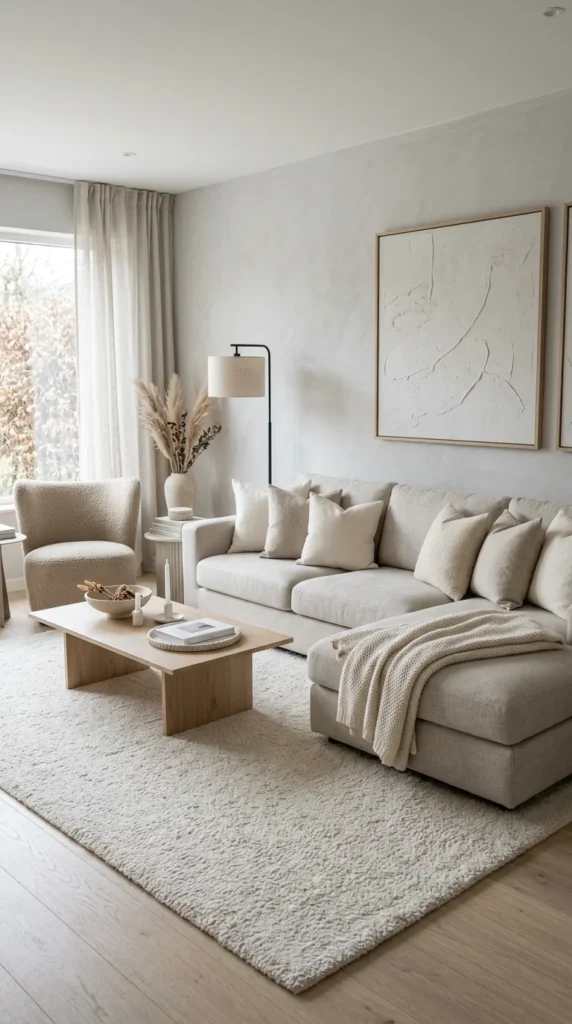
Color is the most powerful tool in a designer’s kit. To make a small space feel open, stick to a light and airy color palette. Whites, creams, pale grays, and soft pastels reflect natural light rather than absorbing it. This creates an optical illusion of “pushing back” the walls. To prevent the space from feeling cold or clinical, layer different shades of the same neutral tone and introduce plenty of texture through fabrics like linen, wool, and velvet.
2. Large Mirrors
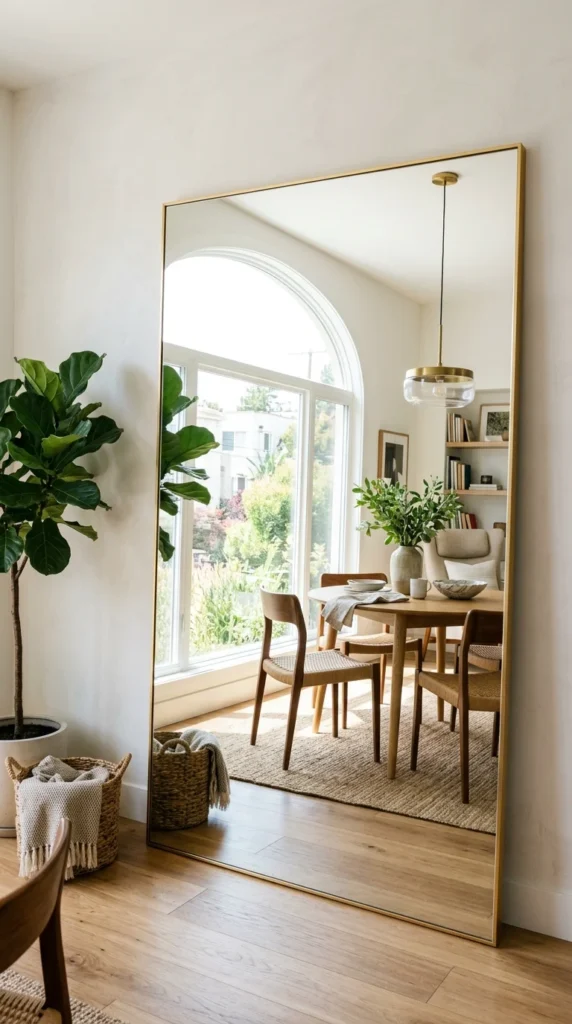
Mirrors are essentially “fake windows.” By placing a large mirror across from a natural light source, you double the amount of light in the room and create a sense of depth. A floor-leaning oversized mirror or a gallery wall of smaller mirrors can break up a solid wall and make a narrow hallway or cramped living area feel twice its actual size.
3. Multi-functional Furniture
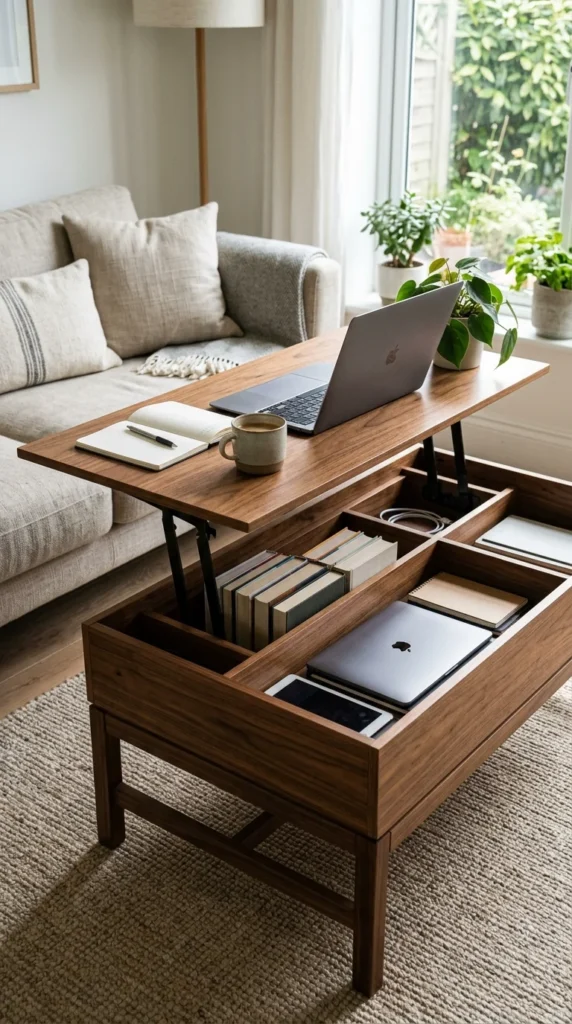
In a small apartment, every piece of furniture must earn its keep. Look for items that serve dual purposes. An ottoman that doubles as a storage chest, a coffee table with a lift-top for dining, or a sofa bed for overnight guests are essential. When one item does the job of two, you reduce physical clutter and create a more streamlined environment.
4. Vertical Storage
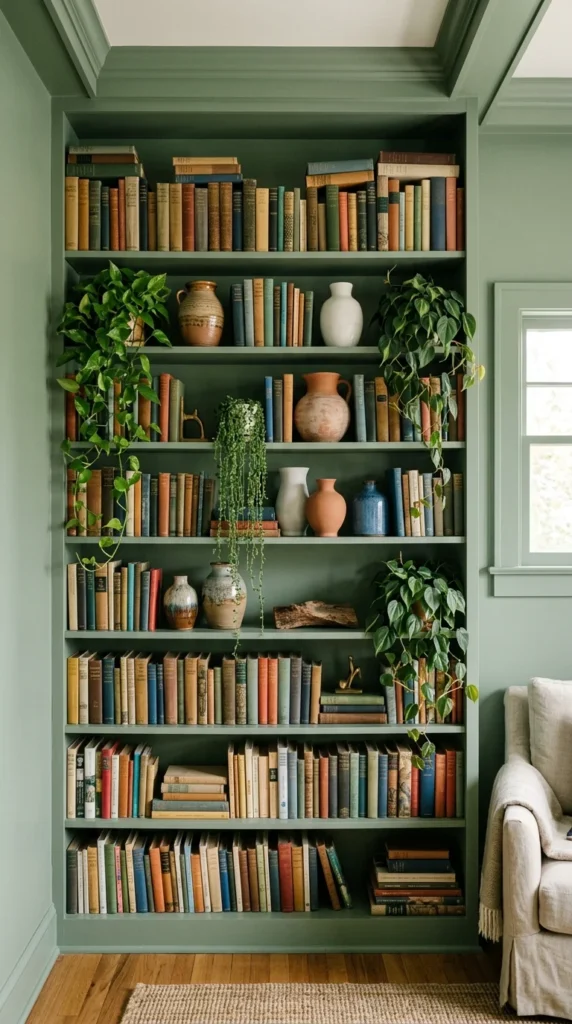
When you run out of floor space, look up. Utilizing your walls for storage is a classic designer move. Install floating shelves that reach toward the ceiling or invest in tall, slender bookcases. This draws the eye upward, emphasizing the height of the room rather than the limited floor area. It also provides a dedicated place for belongings that would otherwise clutter your surfaces.
5. Leggy Furniture
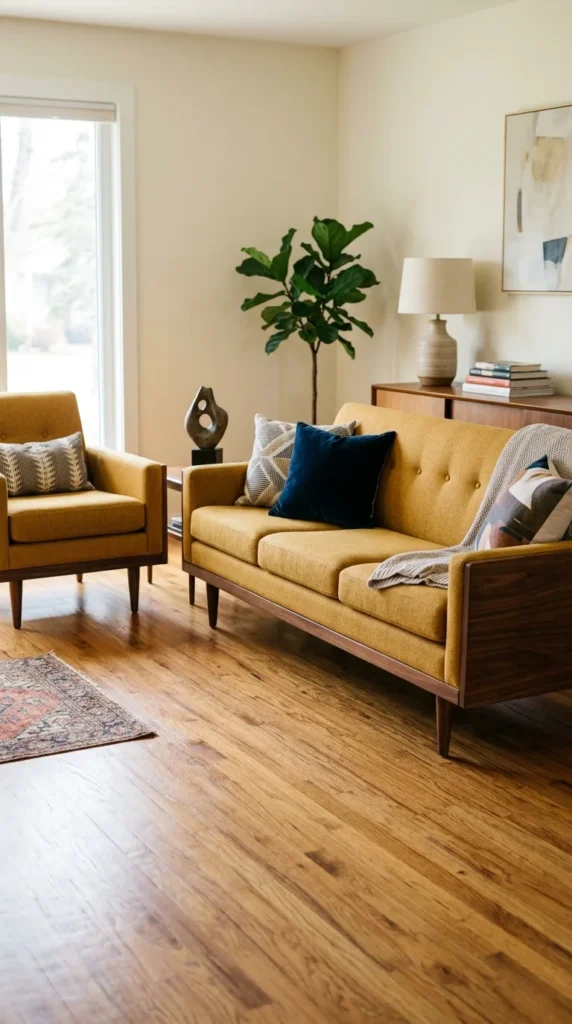
Furniture that sits heavy and flat on the ground acts as a visual block. Designers prefer “leggy” furniture—pieces with exposed legs that allow you to see the floor underneath. This creates a sense of “flow” and prevents the room from feeling weighed down. Choose sofas, chairs, and sideboards with slim profiles to maintain a sense of openness.
6. Rug Zoning
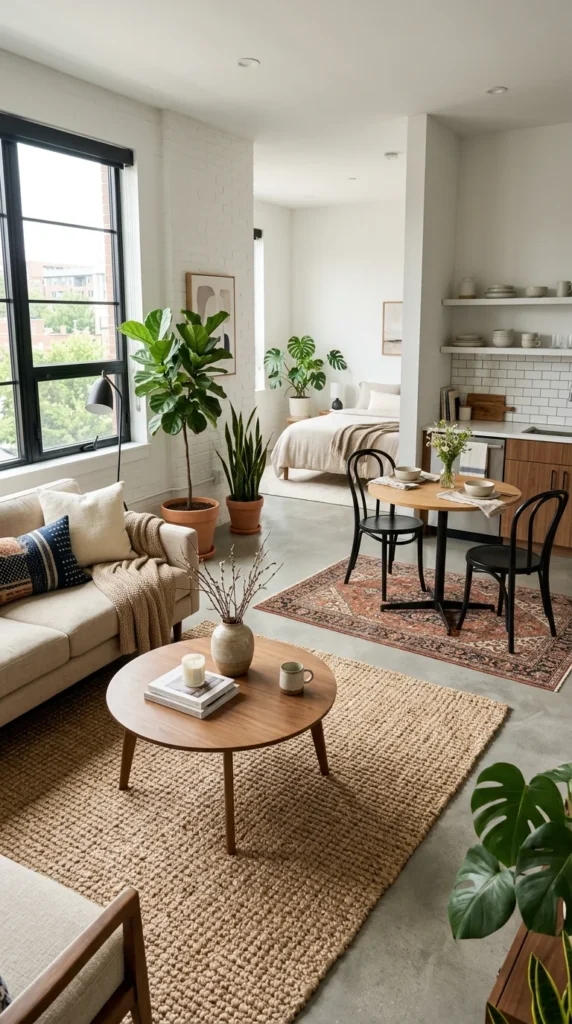
In a small or open-concept apartment, it’s important to define different functional areas. Without walls, rugs act as “anchors.” Use a large rug to group your living room furniture together and a separate, smaller rug to delineate a workspace or dining corner. This creates “rooms within a room,” making the apartment feel organized and intentional rather than chaotic.
7. Transparent Acrylic
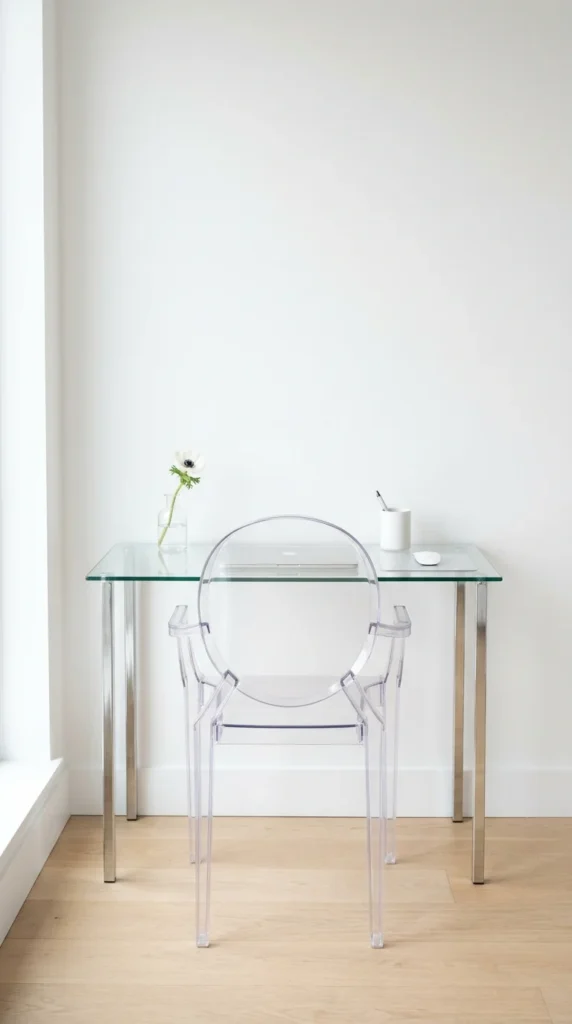
Acrylic or glass furniture—often called “ghost” furniture—is a small-space miracle. Because these pieces are transparent, they have zero visual weight. You get the functionality of a chair, desk, or coffee table without the visual clutter. This is particularly effective in tiny entryways or small dining nooks where a traditional wooden set would feel overwhelming.
8. Strategic Lighting
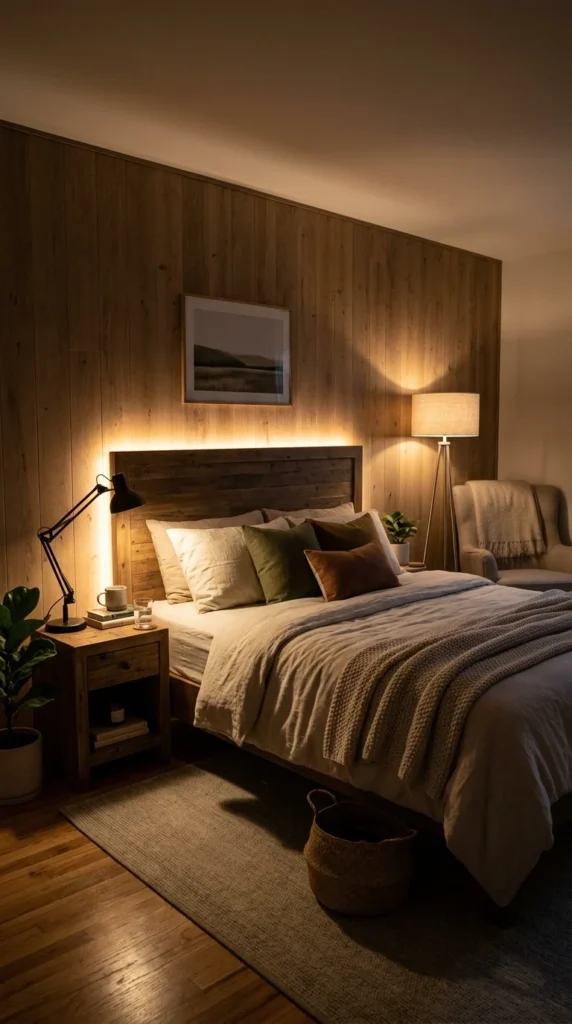
Relying on a single overhead light is a design mistake that flattens a room. To add depth and ambiance, use “layered lighting.” Combine ambient lighting (ceiling), task lighting (reading lamps), and accent lighting (LED strips under cabinets or behind TVs). Warm, soft light in the corners of a room draws the eye to the edges, making the space feel wider and more inviting.
9. Curtains High
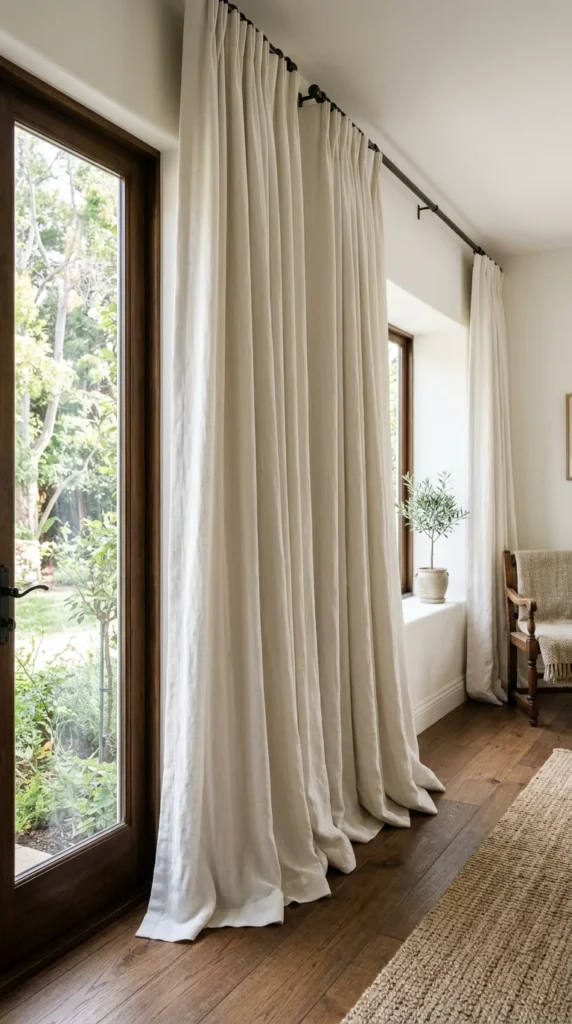
A simple trick to make your ceilings look higher is to hang your curtain rods as high as possible—ideally just below the crown molding or ceiling line. Ensure the curtains extend all the way to the floor. This vertical line tricks the brain into thinking the windows are larger and the ceiling is loftier than it actually is.
10. Hidden Storage
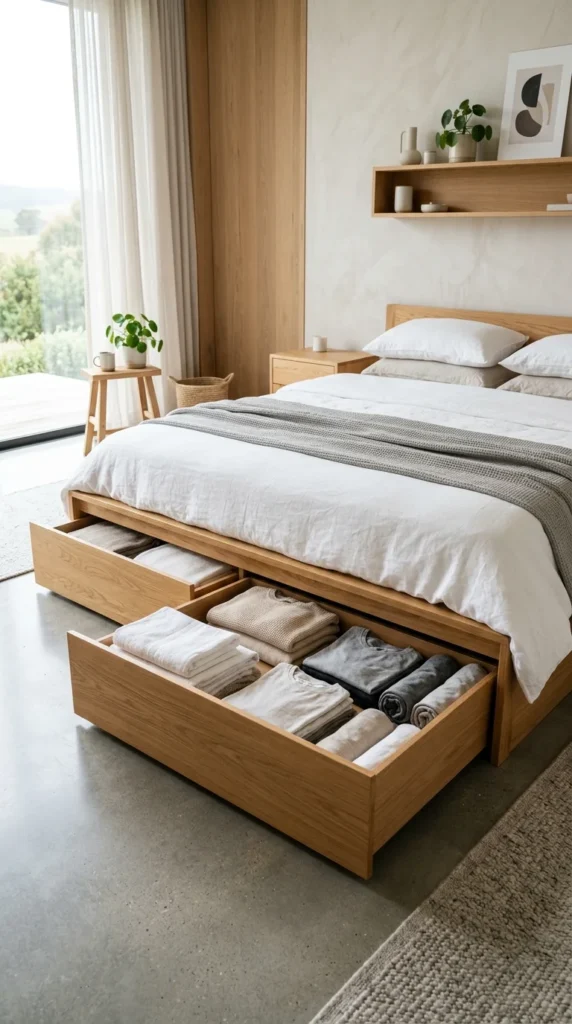
Clutter is the enemy of the small apartment. Designers utilize “hidden” storage to keep surfaces clear. This includes beds with built-in drawers, hollow benches in the entryway, or even decorative baskets tucked under a console table. If the eye doesn’t see “stuff,” the mind perceives the space as larger and more serene.
11. Minimalist Clutter
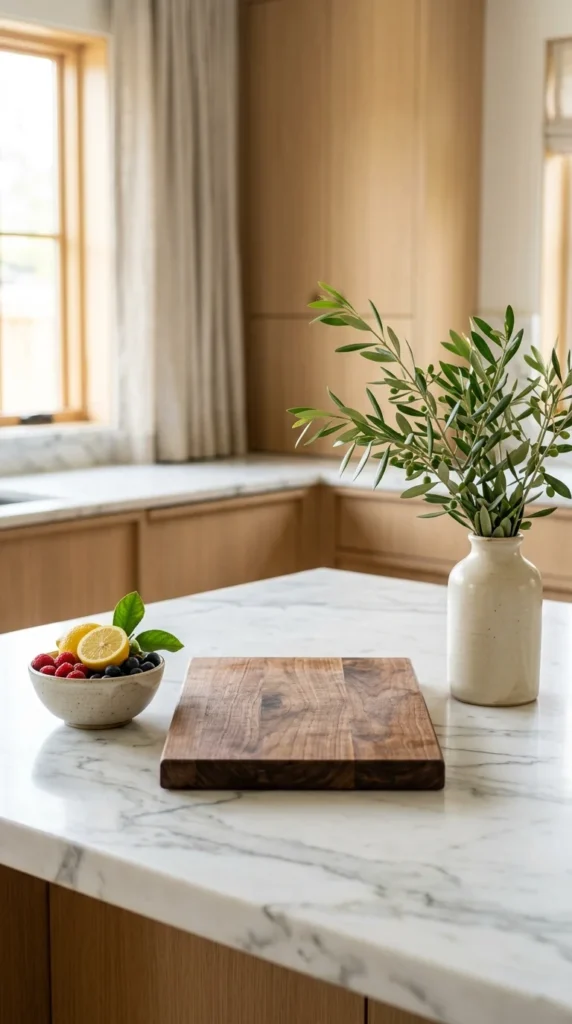
While maximalism is a trend, it rarely works in cramped quarters. Adopting a “less is more” philosophy is key. Curate your decor so that every item has a purpose or brings you joy. Use the “one in, one out” rule: for every new item you bring into your home, one must leave. A few large, high-quality decor pieces look much more “designer” than dozens of small trinkets.
12. Scale Awareness
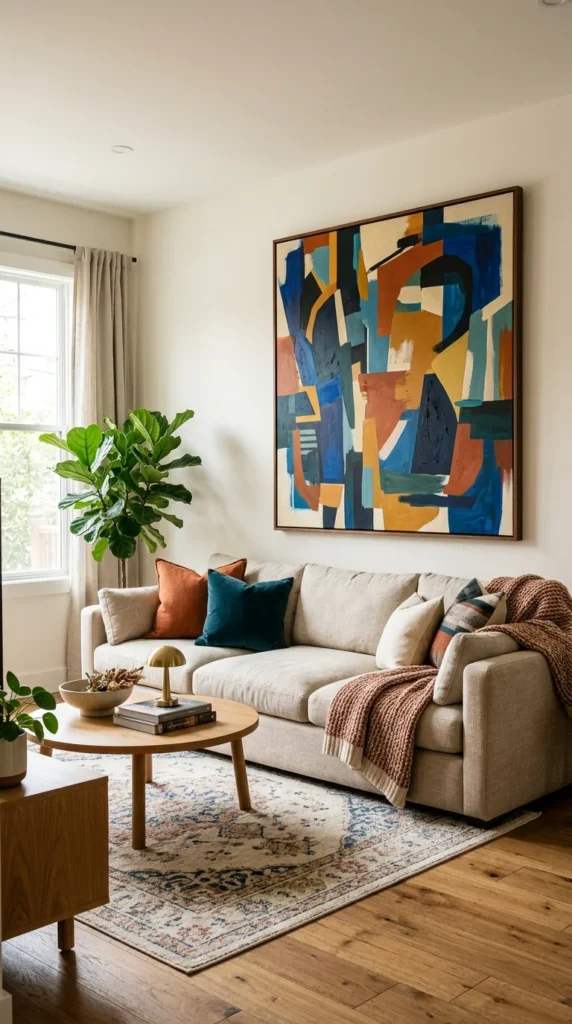
Many people think small rooms need small furniture, but the opposite is often true. A lot of small pieces can make a room feel “bitsy” and cluttered. Designers often choose one or two “hero” pieces—like a full-sized sofa or a large piece of art—to anchor the room. Just ensure the pieces aren’t so large that they block walking paths.
13. Natural Elements
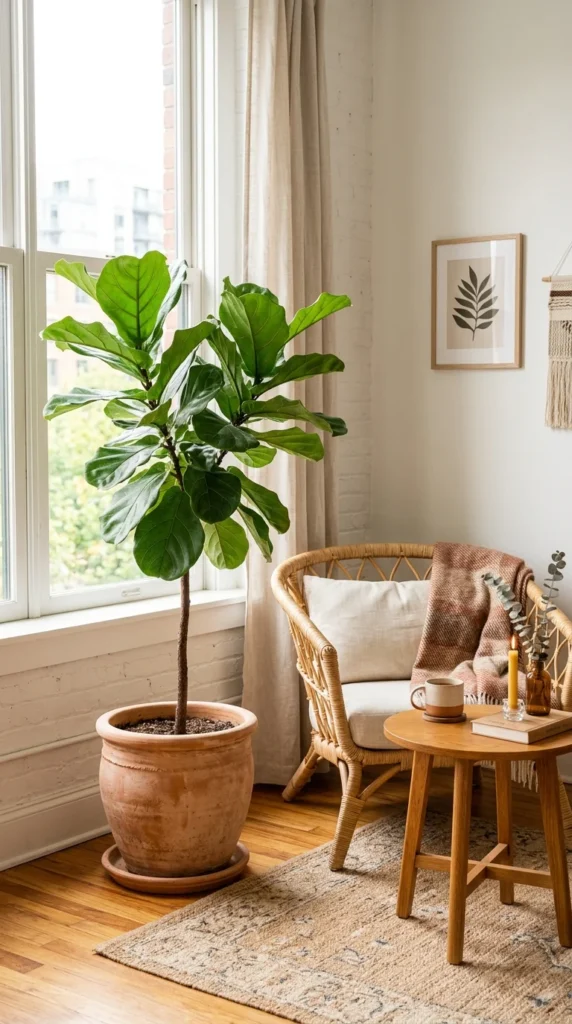
Bringing the outdoors in adds life and “breathability” to a small space. Plants not only purify the air but also add texture and organic shapes that soften the hard lines of a small room. Use hanging planters or “wall pockets” if floor space is at a premium. Natural materials like wood, stone, and jute also help a small apartment feel more grounded and expensive.
14. Accent Walls
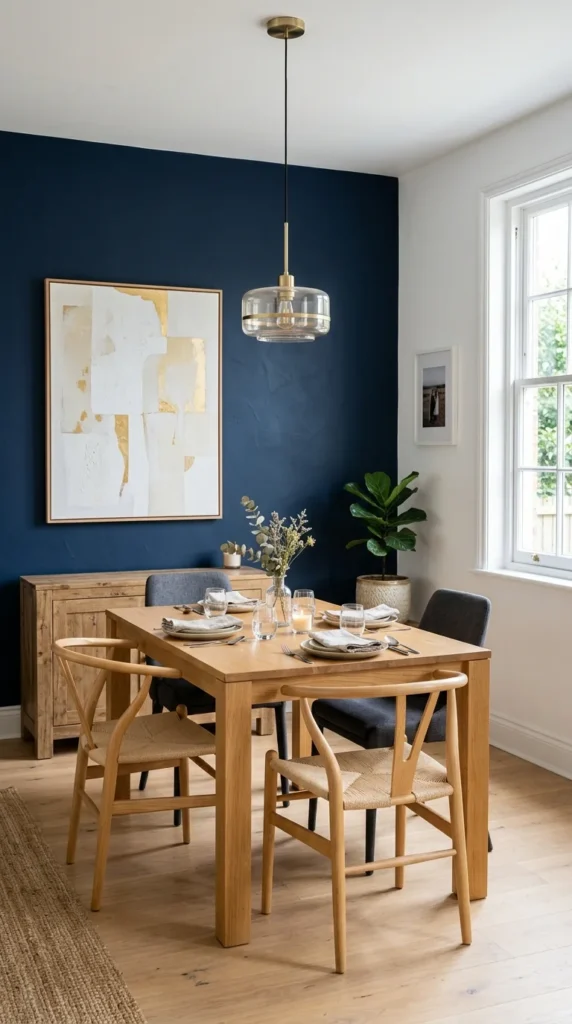
While light colors open up a space, a single dark or bold accent wall can actually add depth. Painting the furthest wall in a room a darker shade can create an “infinity” effect, making the wall seem to recede. It provides a focal point that keeps the eye moving, which is a key component of good interior design.
15. Open Shelving
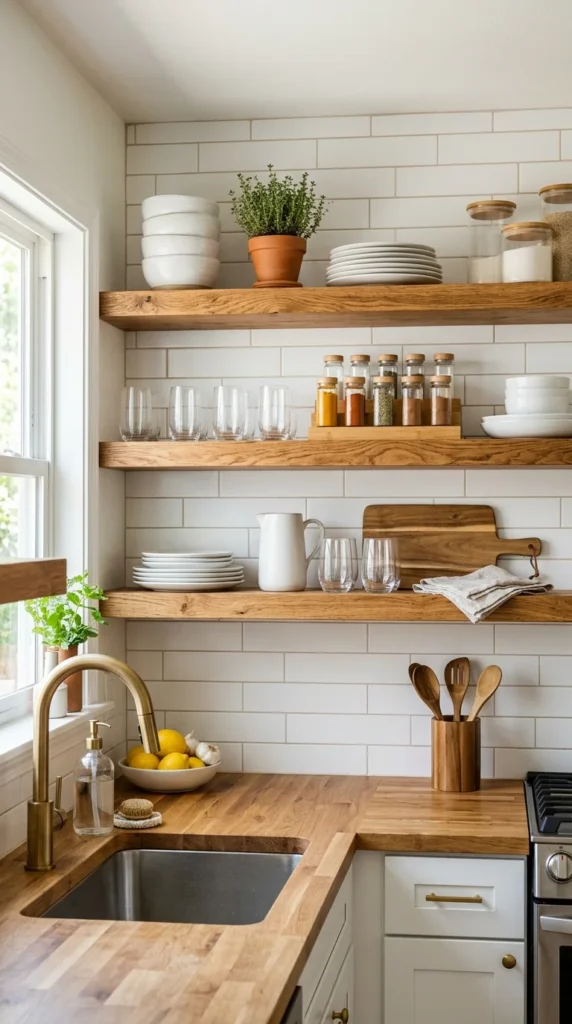
In small kitchens or bathrooms, heavy upper cabinets can feel like they are closing in on you. Replacing them with open shelving creates a more airy, “boutique” feel. It forces you to stay organized and allows you to display your most beautiful items as decor. Just be sure to keep the color palette of the items on the shelves consistent to avoid a cluttered look.
16. Door Hooks
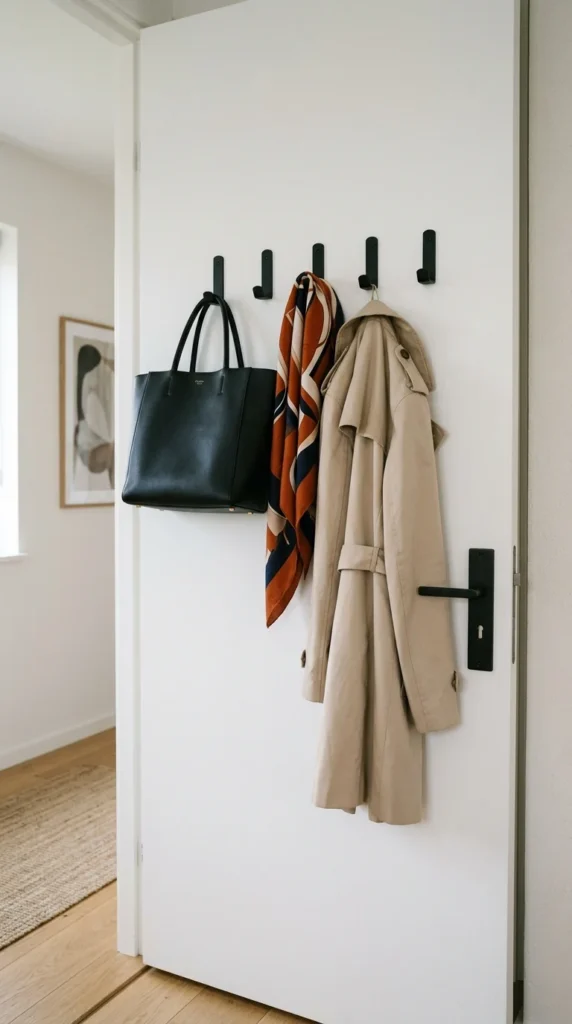
The back of a door is often overlooked real estate. High-quality over-the-door hooks or wall-mounted pegs can hold everything from coats and bags to towels and jewelry. This keeps these items off your chairs and floors. Choose hardware that matches your apartment’s aesthetic—like brass or matte black—to make the storage feel like a deliberate design choice.
17. Floating Desks
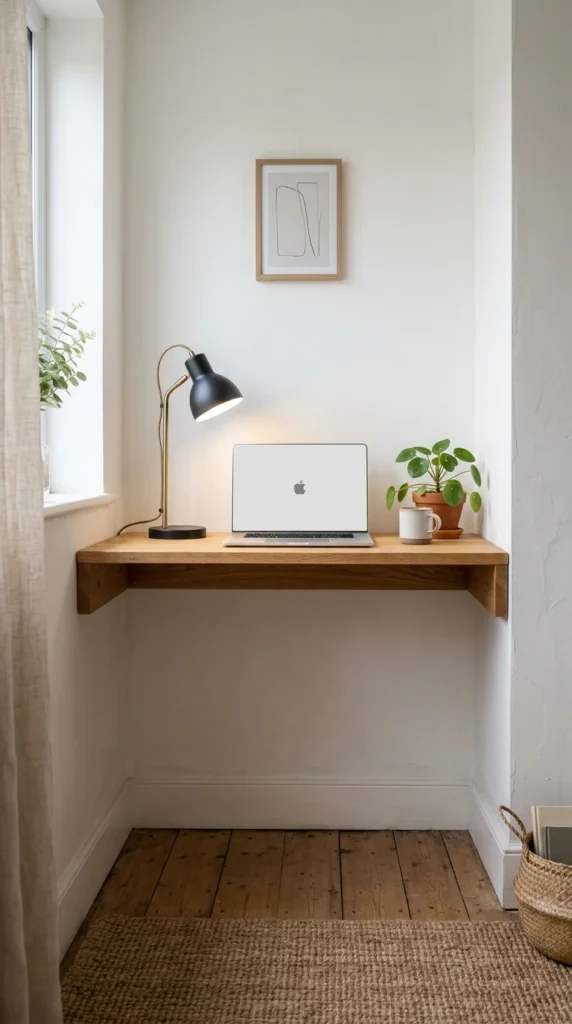
With the rise of remote work, finding space for an office is a challenge. A floating desk (one that mounts directly to the wall without legs) is the ultimate solution. It provides a dedicated workspace while keeping the floor area clear, maintaining the visual flow of the room. When paired with a foldable chair or a “ghost” chair, your office practically disappears when not in use.
18. Corner Utilization
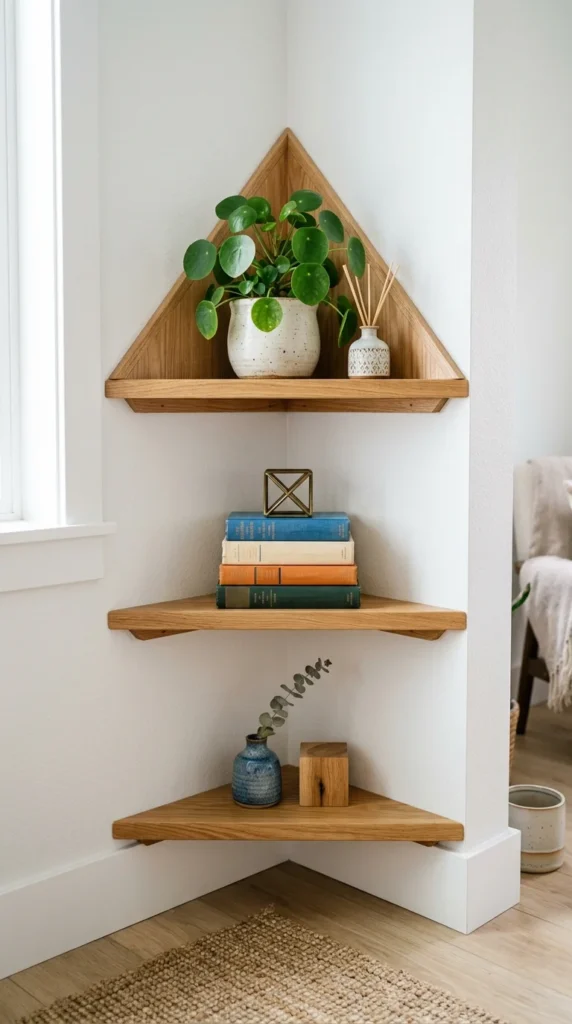
Corners are the most underutilized spaces in any home. Designers look for ways to make corners functional. This could be a custom corner bookshelf, a small L-shaped desk, or even a cozy “reading nook” with a single chair and a tiny side table. Utilizing corners prevents the center of the room from becoming overcrowded.
19. Layered Textures
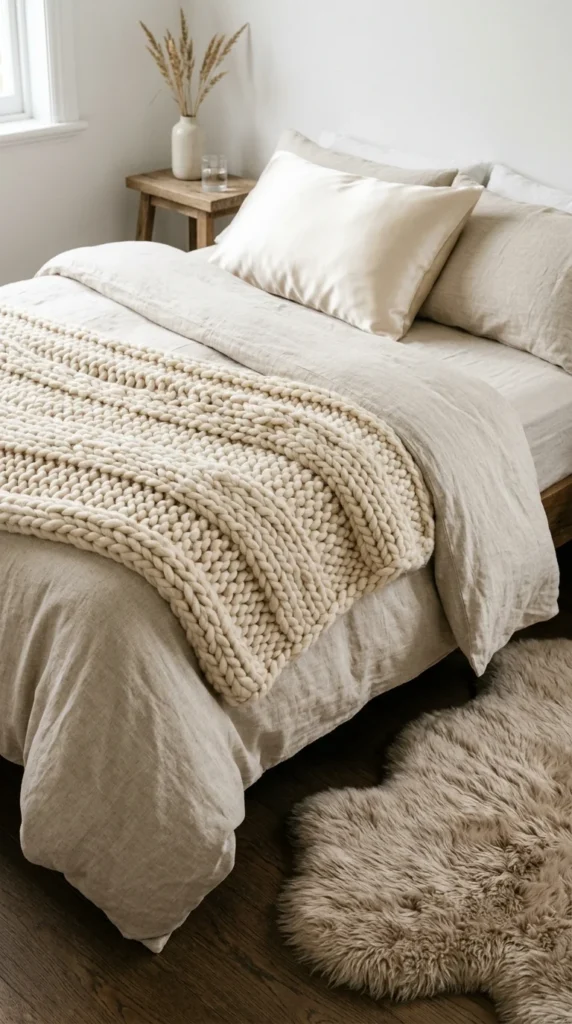
In a small space where you might be limited in terms of “stuff,” texture is how you add interest. Mix and match different materials to create a sophisticated, layered look. Combine smooth metals with rough woods, or soft velvets with crisp linens. This adds “visual weight” and complexity to a room without requiring extra square footage.
20. Cohesive Hardware
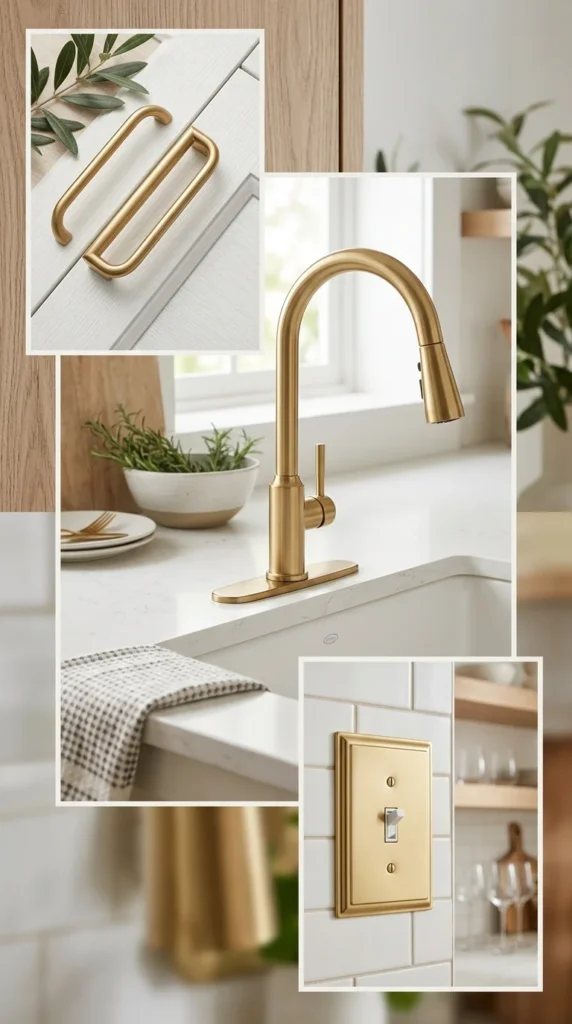
The “designer look” is all about the details. One of the easiest ways to make a rental or small apartment feel high-end is to swap out standard hardware for something more stylish. Ensure your cabinet pulls, door handles, and even your light switch covers are cohesive in finish (e.g., all brushed brass or all matte black). These small “jewelry” pieces for your home tie the entire design together for a polished, professional finish.