
Living in a compact space doesn’t mean you have to feel cramped. Whether you are dealing with a tiny studio apartment or a cozy guest bedroom, the “feel” of a room is often more about psychology and light than actual square footage. By mastering the art of visual deception, you can stretch your walls, lift your ceilings, and breathe new life into your home. Here are 25 genius ways to make a small room look bigger instantly.
1. Mirror Magic
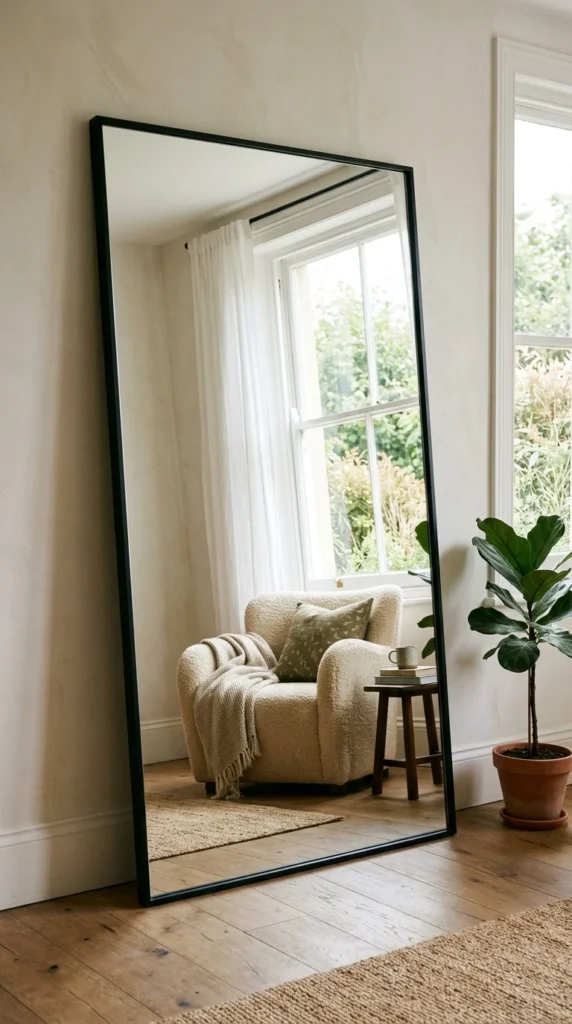
Mirrors are the oldest trick in the interior design book for a reason. By reflecting both natural and artificial light, they bounce brightness deep into the room. A large mirror placed across from a window can create the illusion of a second window, effectively doubling the perceived depth of the space.
2. Leggy Furniture
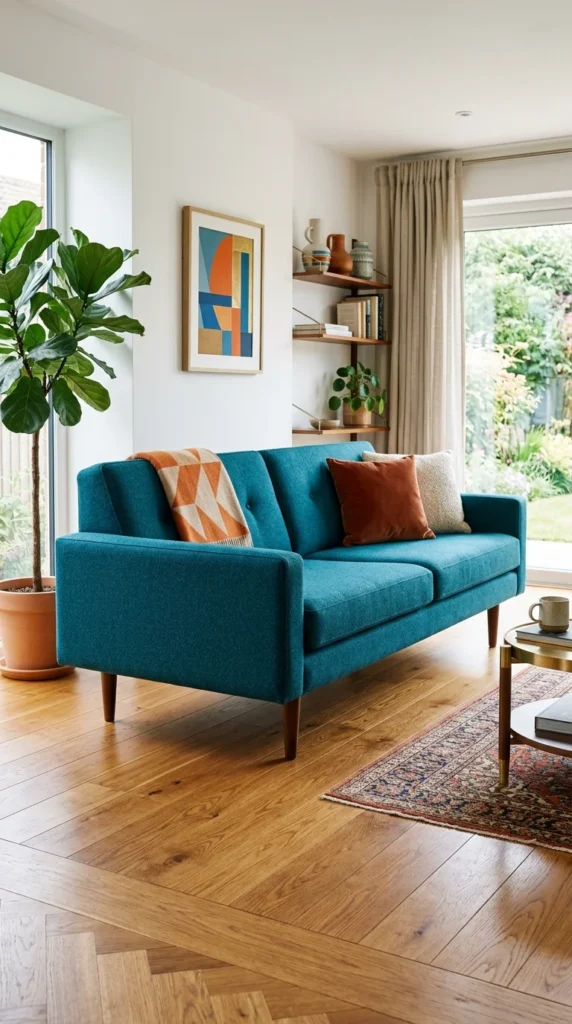
When you can see the floor extending all the way to the wall, the room feels larger. Avoid “skirted” furniture or heavy pieces that sit flat on the ground. Choosing sofas, chairs, and cabinets with slim, exposed legs creates a sense of “airiness” and allows light to flow underneath the pieces.
3. Monochromatic Palette
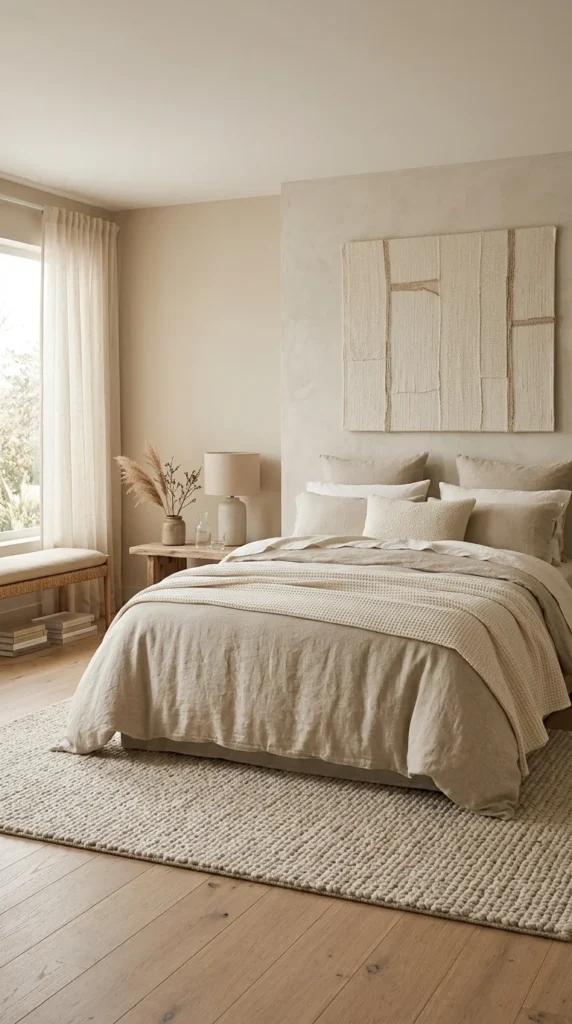
A sea of different colors can break up a room, making it feel fragmented and small. By using a monochromatic color scheme—different shades and tints of a single color—you create a seamless flow. This lack of visual contrast prevents the eye from stopping, making the boundaries of the room seem to disappear.
4. Sheer Curtains
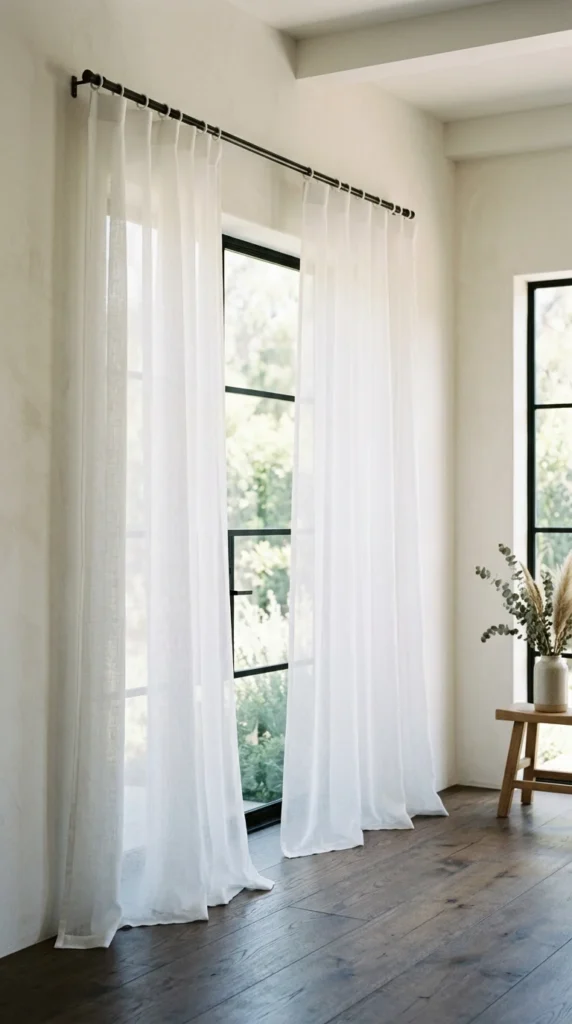
Heavy drapes can act like a wall, closing off your space and absorbing light. Opt for sheer fabrics like linen or voile. These allow privacy while letting sunlight filter through, maintaining a connection to the world outside and keeping the interior feeling open and breezy.
5. Acrylic Pieces
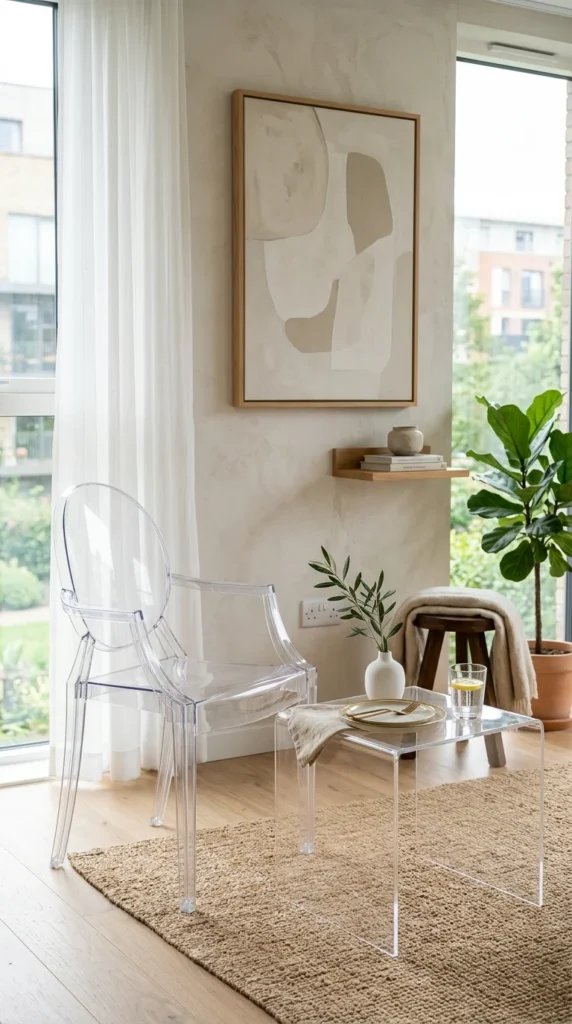
Furniture made of acrylic or glass is essentially “invisible.” Because these pieces don’t take up any visual weight, they provide the utility you need without cluttering your line of sight. They are perfect for small entryways or cramped home offices where you need furniture but want to keep the floor plan looking open.
6. Low-Profile Furniture
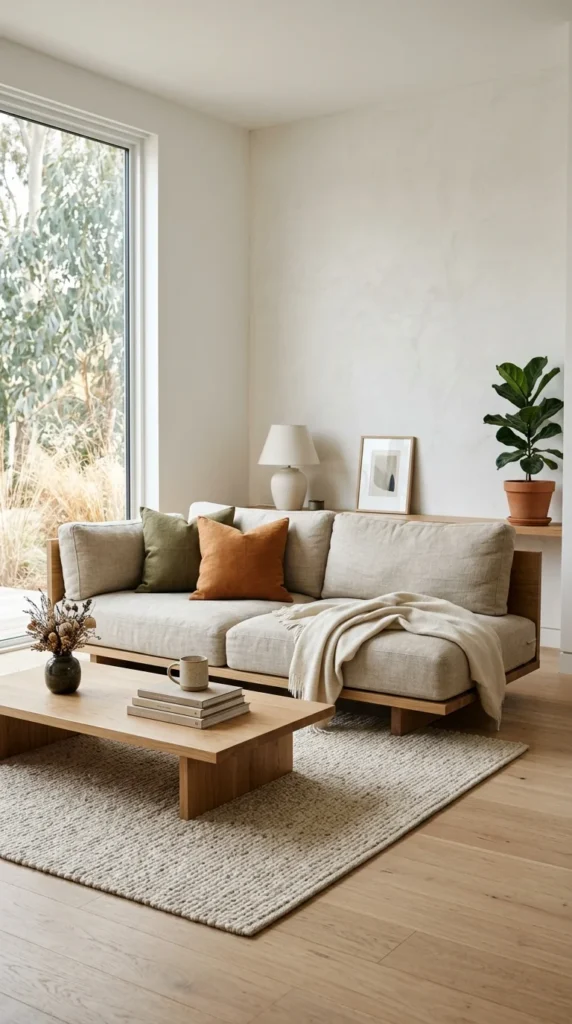
Furniture that is lower to the ground creates more “white space” above it. By choosing a low-profile bed or sofa, you increase the distance between the top of the furniture and the ceiling, which automatically makes the ceiling feel higher and the room more expansive.
7. Vertical Stripes
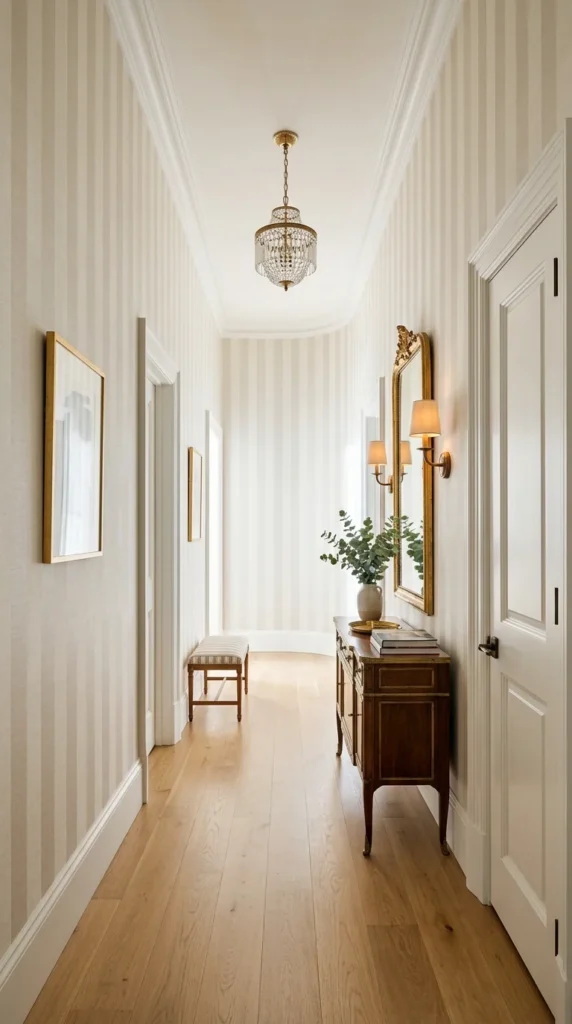
Just as vertical stripes on clothing can make a person look taller, they do the same for a room. Whether through wallpaper, a tall bookcase, or even a striped rug oriented the right way, drawing the eye upward emphasizes the height of the room rather than its narrow width.
8. Hidden Storage
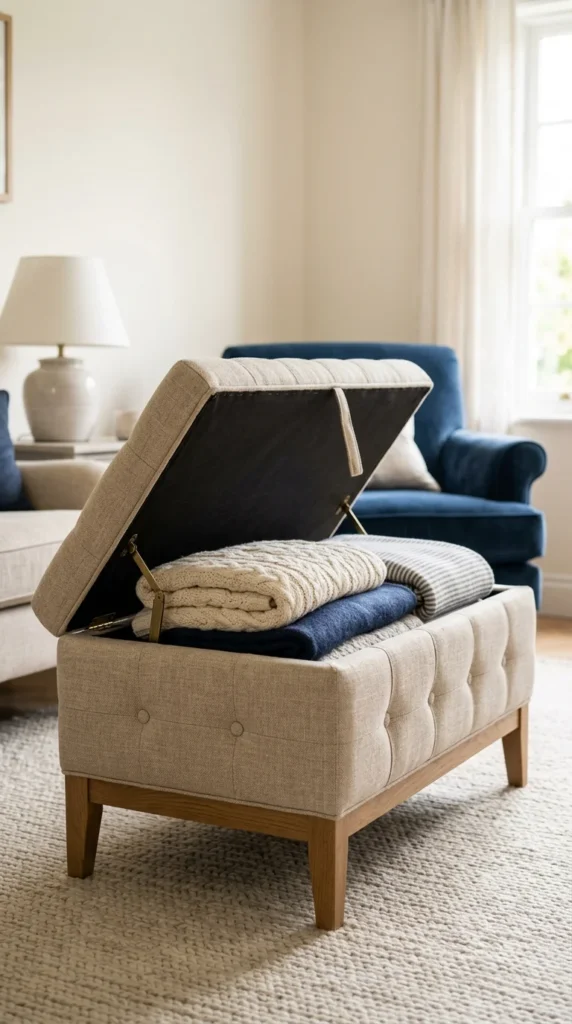
Clutter is the ultimate enemy of small spaces. Every item on display takes up “visual real estate.” Utilize multi-functional furniture like storage ottomans, beds with built-in drawers, or coffee tables with hidden compartments to keep your belongings out of sight and the room looking tidy.
9. Unblocked Windows
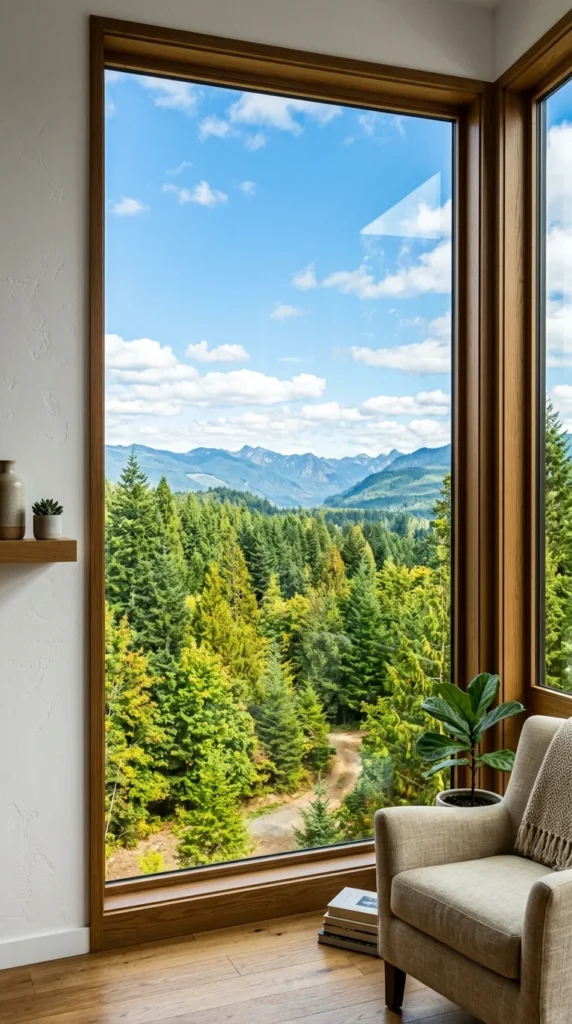
If privacy isn’t an issue, consider leaving your windows completely bare. This blurs the line between the indoors and the outdoors. The eye will travel past the window frame to the landscape outside, effectively making the “size” of your room feel like it extends to the horizon.
10. Large Rugs
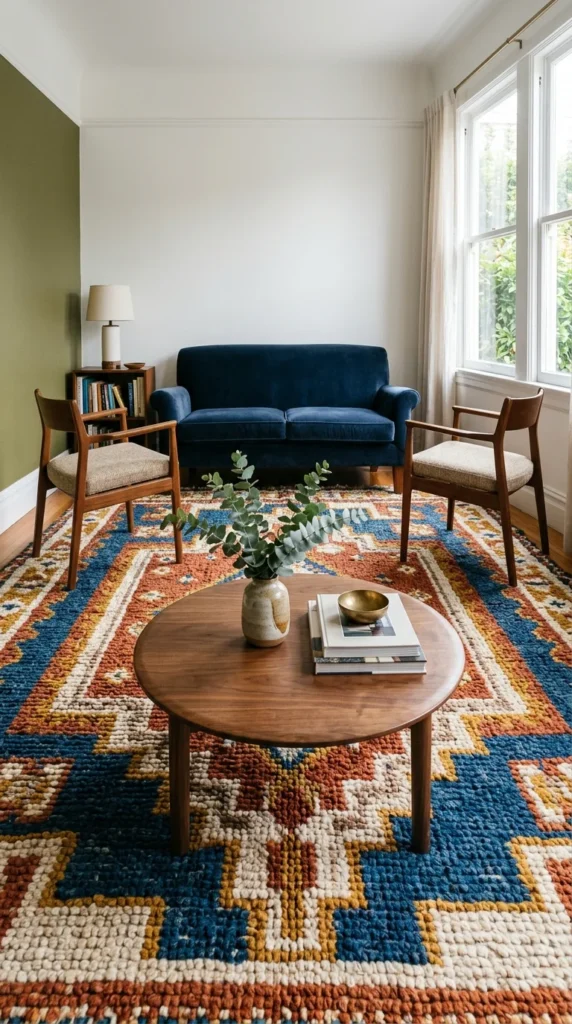
A common mistake is buying a small rug for a small room. This actually makes the floor look “chopped up.” A large rug that extends under all your furniture pieces draws the eye out to the edges of the room, creating a sense of continuity and scale that makes the floor plan feel grander.
11. Wall-Mounted Shelves
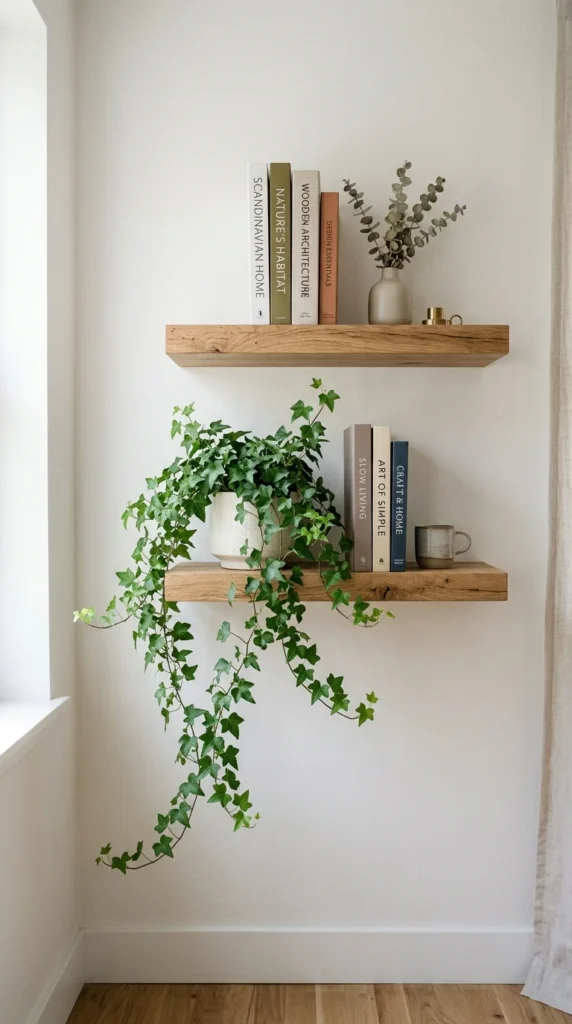
Keeping the floor clear is a primary rule for small-space living. By using floating shelves instead of bulky bookcases, you maintain the “footprint” of the floor. This creates a more open feel while still providing plenty of space for decor, books, and essentials.
12. Glass Doors
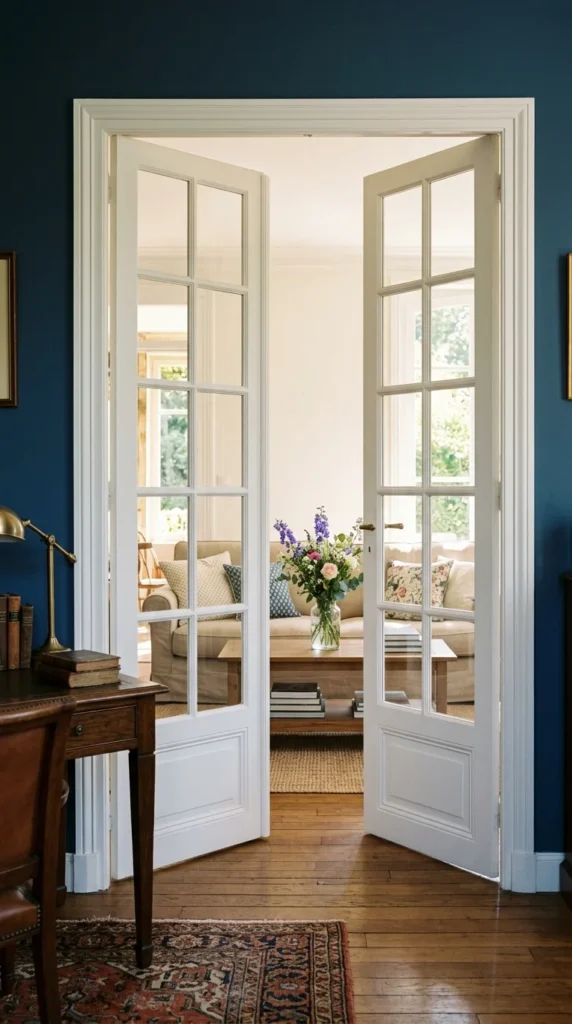
Solid doors create a hard stop for the eye. If possible, replace solid interior doors with glass-paned doors or even sliding glass “barn” doors. This allows light to travel between rooms and provides a “long-view” through the house, which instantly expands the feeling of space.
13. Scale Down
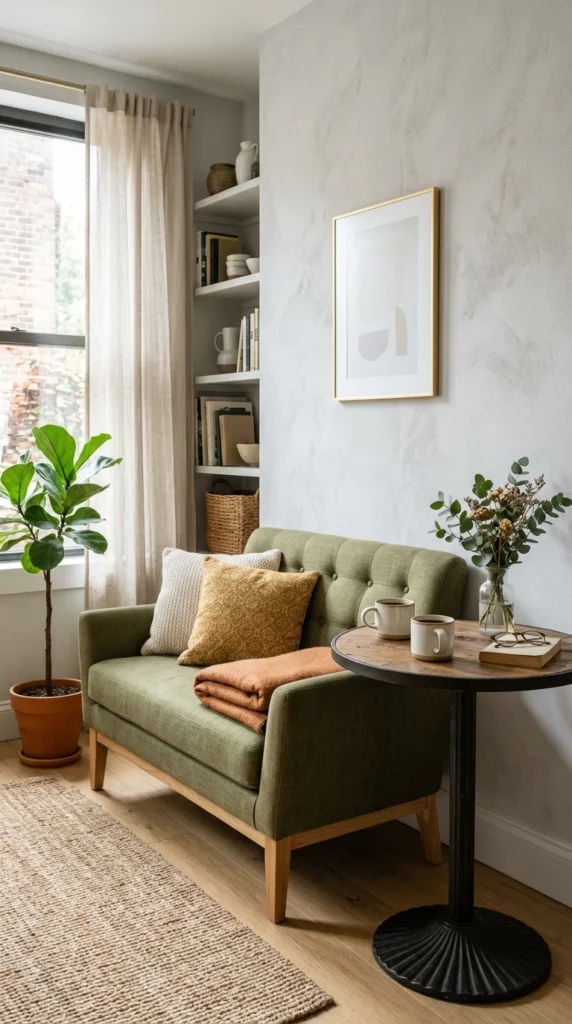
In a small room, oversized furniture can look like it’s “eating” the space. Choose pieces that are “apartment-sized” or scaled down. A loveseat instead of a full-sized sofa, or a small round table instead of a large rectangular one, will leave enough breathing room to move around comfortably.
14. Cohesive Flooring
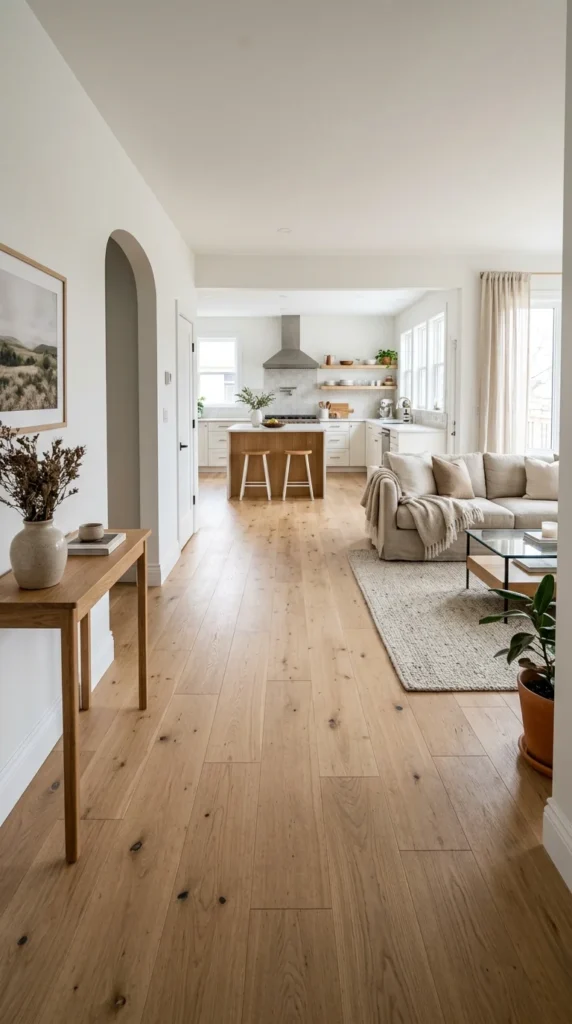
Different flooring materials in adjacent small rooms act like dividers, telling your brain the space is small. By using the same flooring throughout your entire home—or at least throughout the main living areas—you create a unified look that makes the entire footprint feel like one large, continuous space.
15. Strategic Lighting
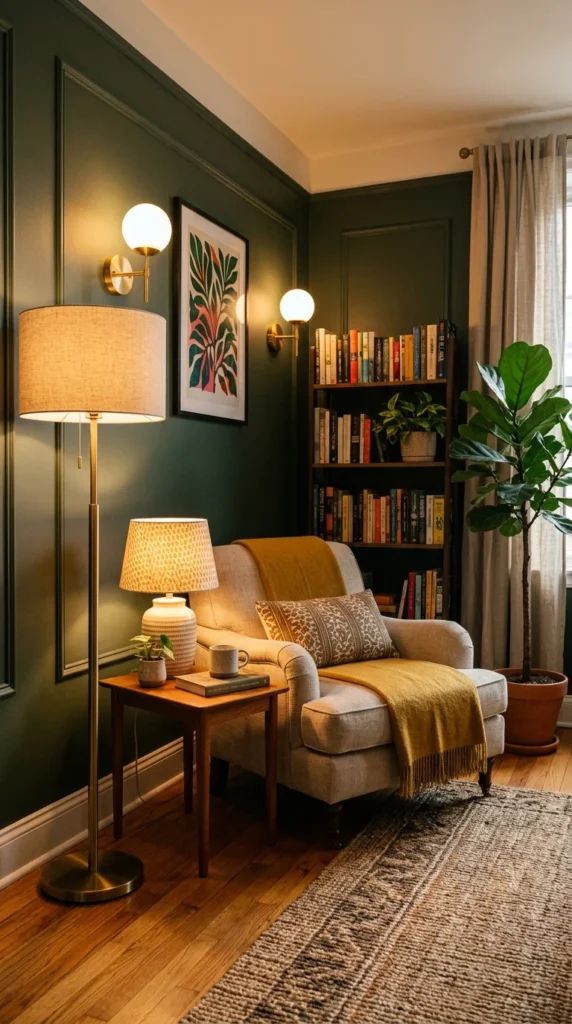
A single overhead light often leaves corners in shadow, which makes a room feel like it’s closing in. Use “layered lighting” to brighten every corner. A mix of floor lamps, table lamps, and wall sconces eliminates shadows and draws the eye to different points, making the room feel wider and more inviting.
16. Exposed Windows
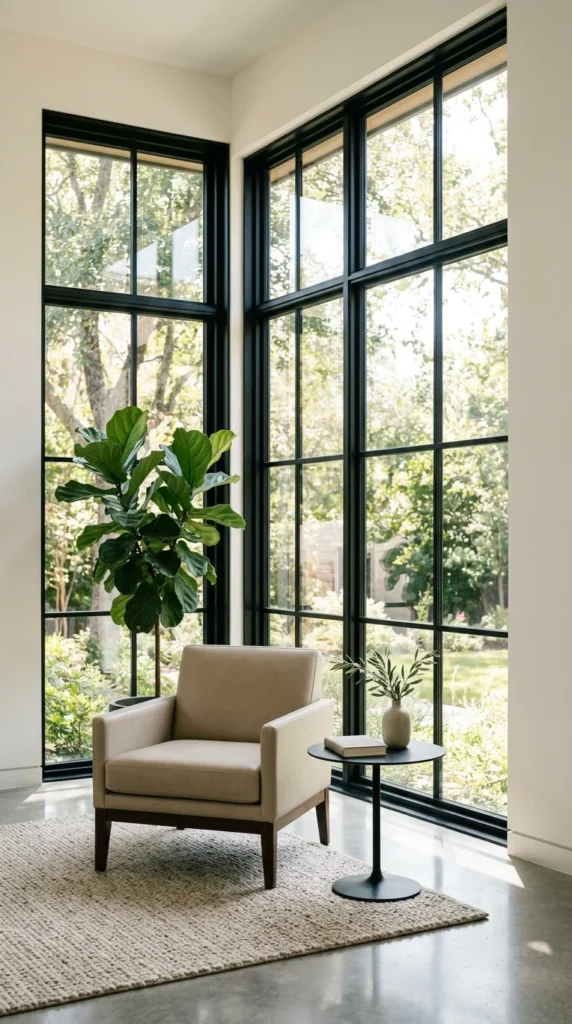
Beyond just “unblocking” windows, making them a focal point helps. If you have beautiful window frames, don’t hide them. Treating the window as a piece of art draws attention toward the light source and the exterior view, which naturally pulls the eye outward rather than focusing on the small interior.
17. Draw the Eye Up
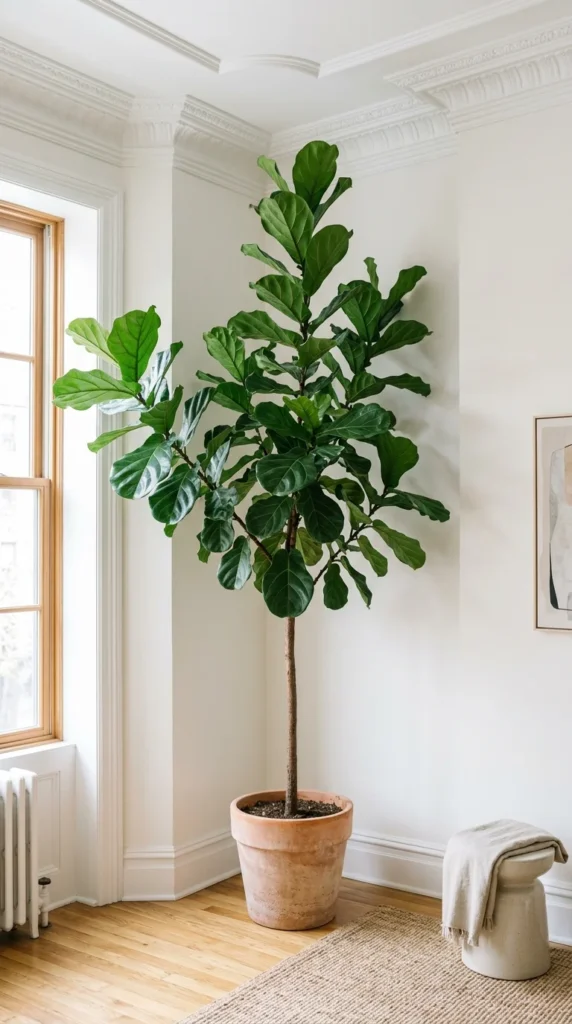
Utilize the vertical space by placing tall items in the corners. A tall plant, a floor-to-ceiling bookshelf, or a high-mounted piece of art encourages people to look up. This shift in perspective emphasizes the height of the room, distracting from a narrow or shallow floor plan.
18. Glass Tables
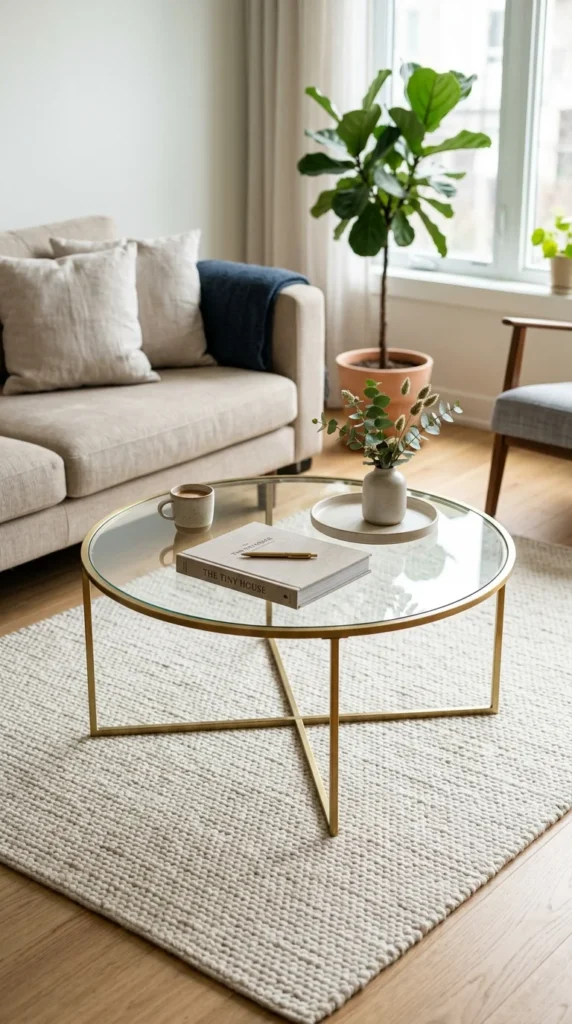
Like acrylic furniture, glass-topped tables provide a surface without creating a visual block. A glass coffee table or dining table allows you to see the rug and the floor beneath it, which maintains the visual continuity of the room and keeps the center of the space feeling open.
19. Decluttered Surfaces
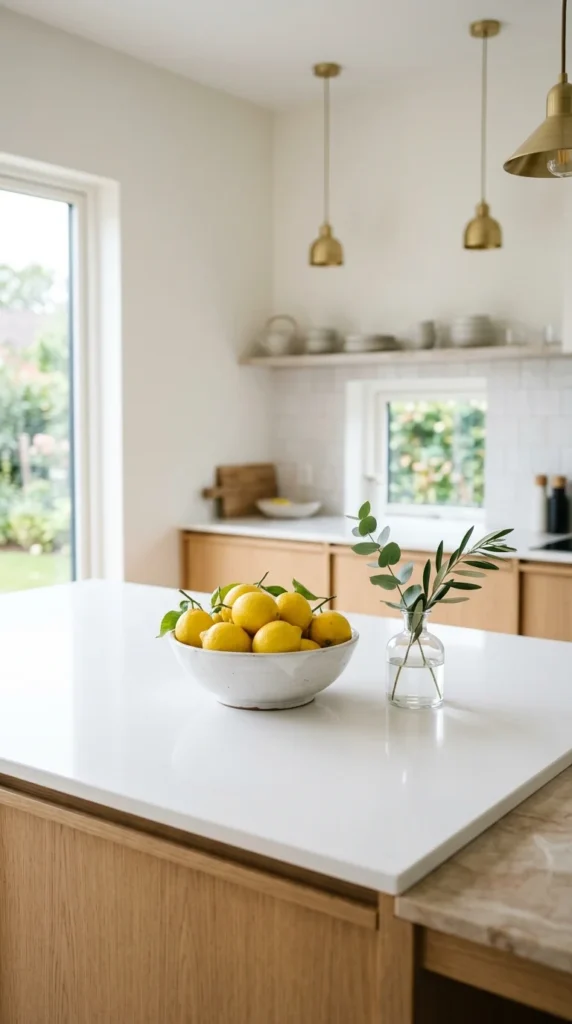
The “cantaloupe rule” suggests that you should avoid decor smaller than a cantaloupe in small rooms, as lots of tiny items create visual noise. Keep your surfaces clear of “knick-knacks.” A few large, meaningful pieces of decor look much more sophisticated and less cluttered than dozens of small items.
20. Paint the Ceiling
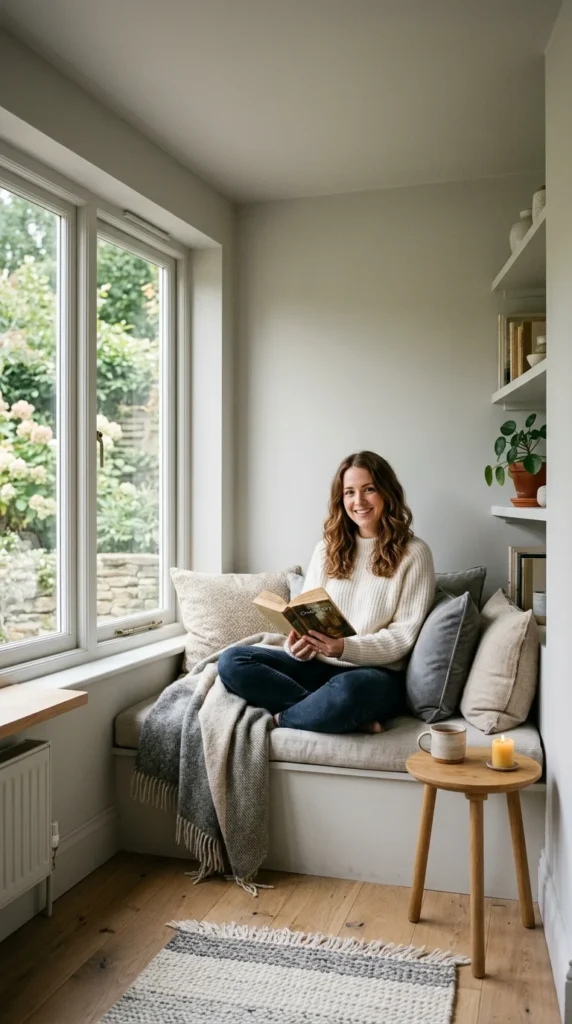
When the walls and ceiling are different colors, the “line” where they meet is very obvious, defining exactly how tall the room is. By painting the ceiling the same color as the walls (or just a shade lighter), you blur that boundary, making it harder for the eye to tell where the walls end and the ceiling begins.
21. Multifunctional Pieces
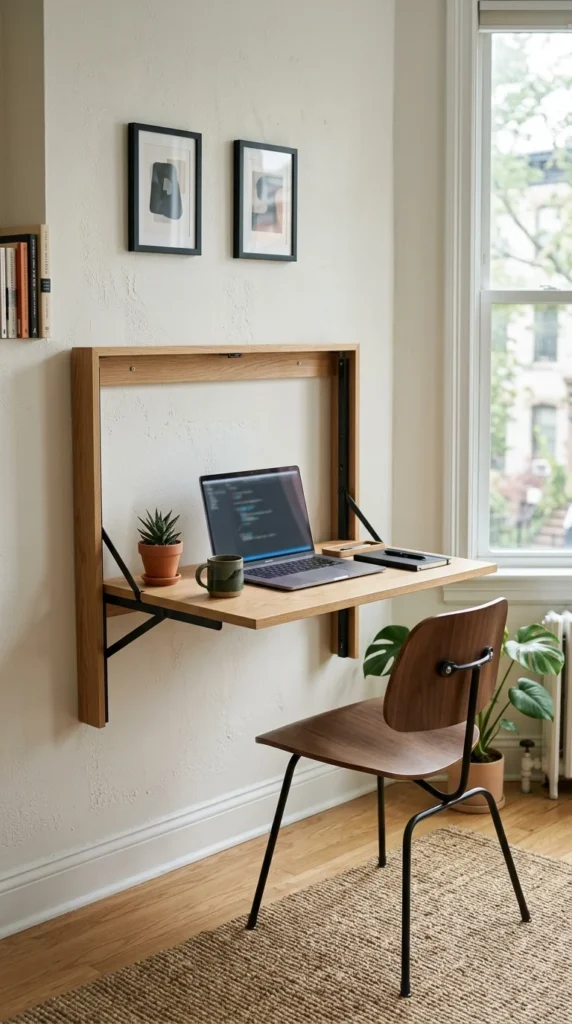
In a small room, every piece of furniture must earn its keep. Look for pieces that serve dual purposes, like a desk that doubles as a vanity or a dining table with leaves that can be folded down. This reduces the number of furniture items needed, leaving more open space.
22. Recessed Shelving
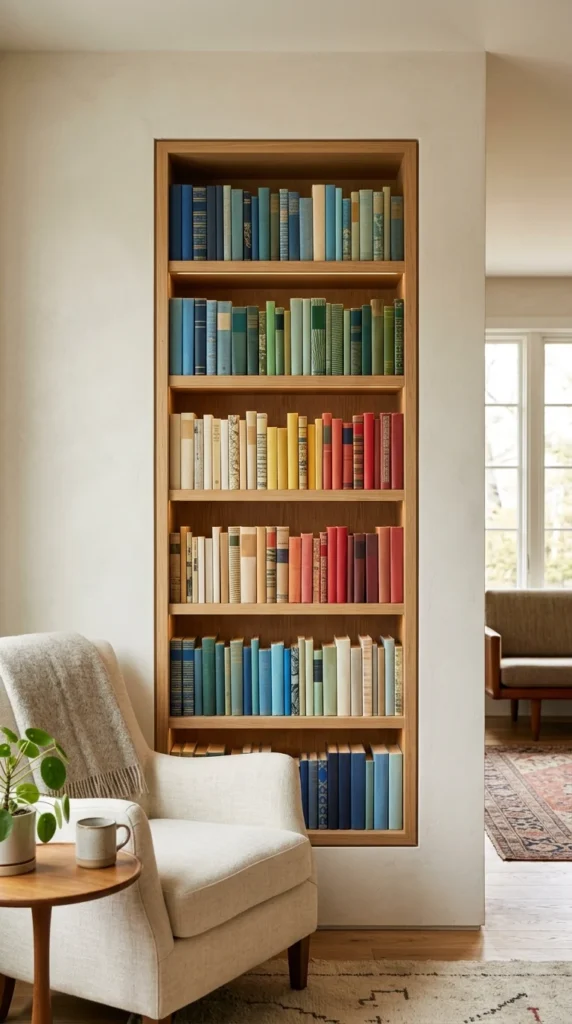
If you are doing a renovation, consider building shelving into the walls rather than having it stick out from the walls. Recessed shelving or “niches” utilize the space between wall studs, providing storage and display space without encroaching on the room’s actual walking area.
23. Light Fabrics
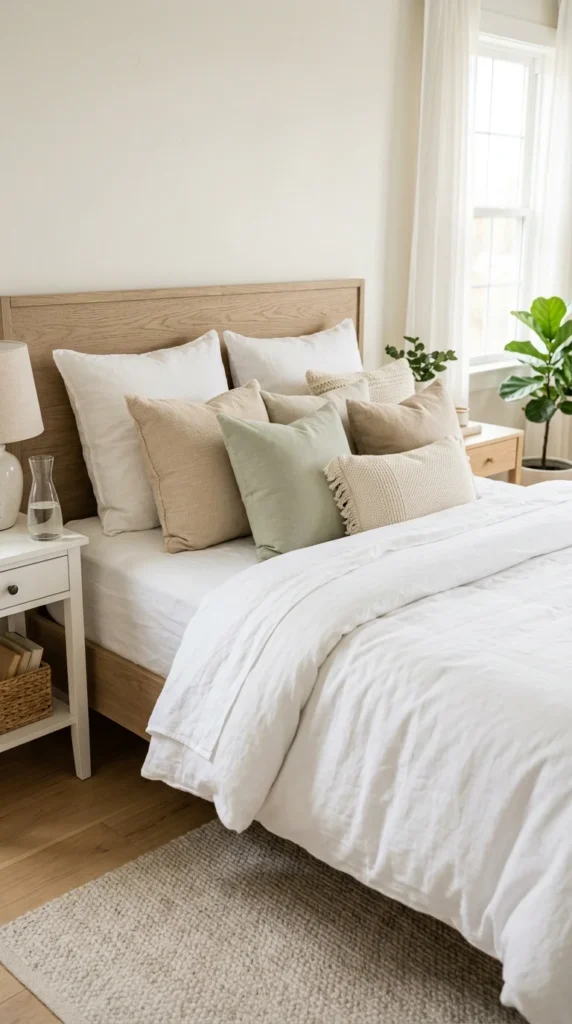
Weighty fabrics like velvet or heavy wool can feel “heavy” in a small room. Opt for light, breathable textiles like cotton, linen, and silk. These fabrics reflect light better and have a visual lightness that contributes to an overall feeling of openness and tranquility.
24. Reflective Surfaces
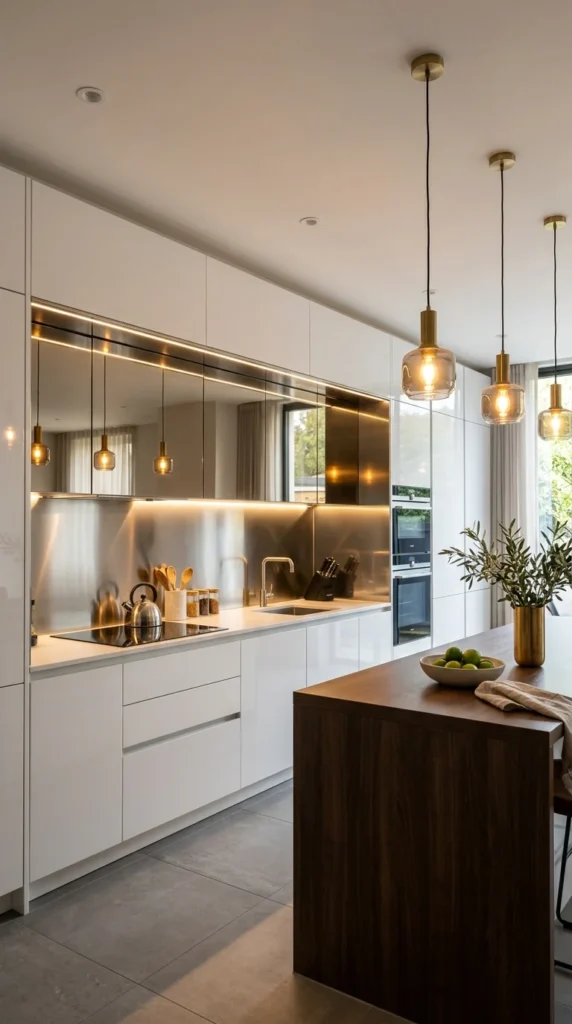
Mirrors aren’t the only way to reflect light. High-gloss paint, polished metal accents, glass tiles, and shiny flooring all help to bounce light around. These “specular” surfaces act like tiny mirrors, brightening the space and adding a sense of luxury and depth.
25. Empty Space
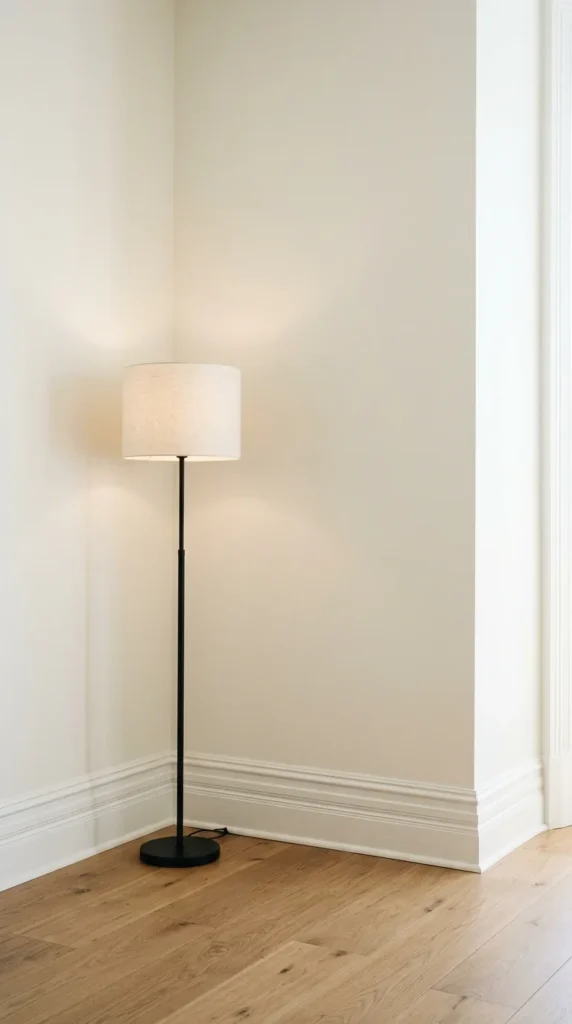
The most “genius” way to make a room look bigger is often the hardest: leave some space empty. Resisting the urge to fill every corner allows the architecture of the room to breathe. “Negative space” gives the eye a place to rest, making the areas you do decorate feel more intentional and the room as a whole feel much larger.