
The secret to a home that looks like it belongs in the pages of an architectural digest isn’t a massive credit card limit—it’s a keen eye for potential. Thrifting allows you to curate a space that feels layered, storied, and entirely unique. While big-box stores offer convenience, they often lack the soul that vintage pieces provide. By scouring flea markets, estate sales, and local charity shops, you can find high-quality materials like solid wood, brass, and hand-blown glass for a fraction of their retail price.
The challenge lies in seeing past the dust and the dated surroundings of a thrift shop. To help you transform your apartment into a designer-level sanctuary, we’ve rounded up 27 thrifted decor ideas that promise to elevate your aesthetic.
1. Gilded Frames
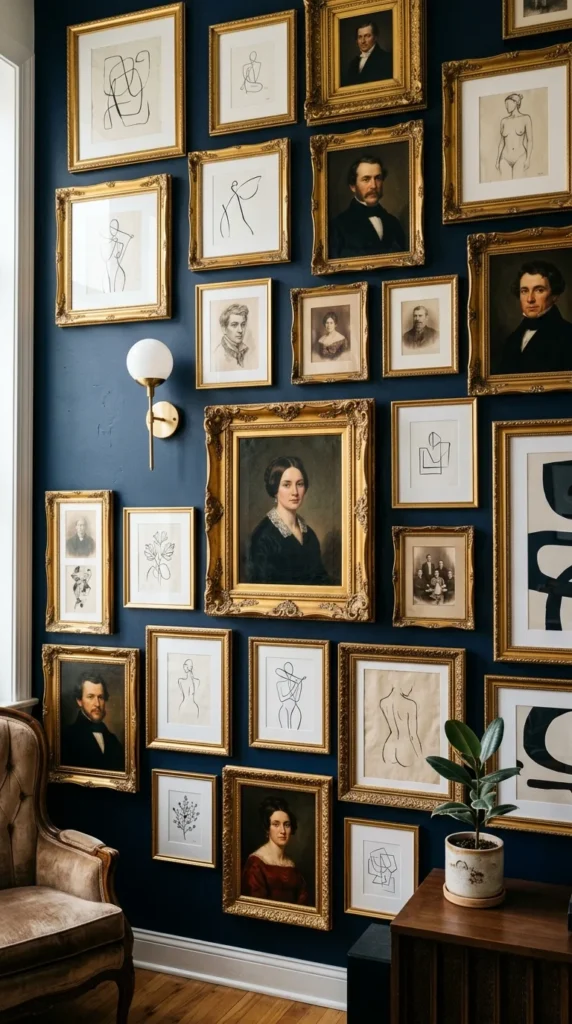
Nothing says “designer” quite like a collection of ornate, gilded frames. Thrift stores are often overflowing with these, sometimes housing questionable 1980s landscape prints. Ignore the art inside and focus on the craftsmanship of the frame. A heavy, detailed wood frame with gold leafing can cost hundreds of dollars new.
- Designer Tip: Mix and match different widths and textures of gold frames on a single wall. If the gold is too “brassy,” a little bit of dark wax can age it instantly for a more authentic antique look.
2. Brass Candlesticks
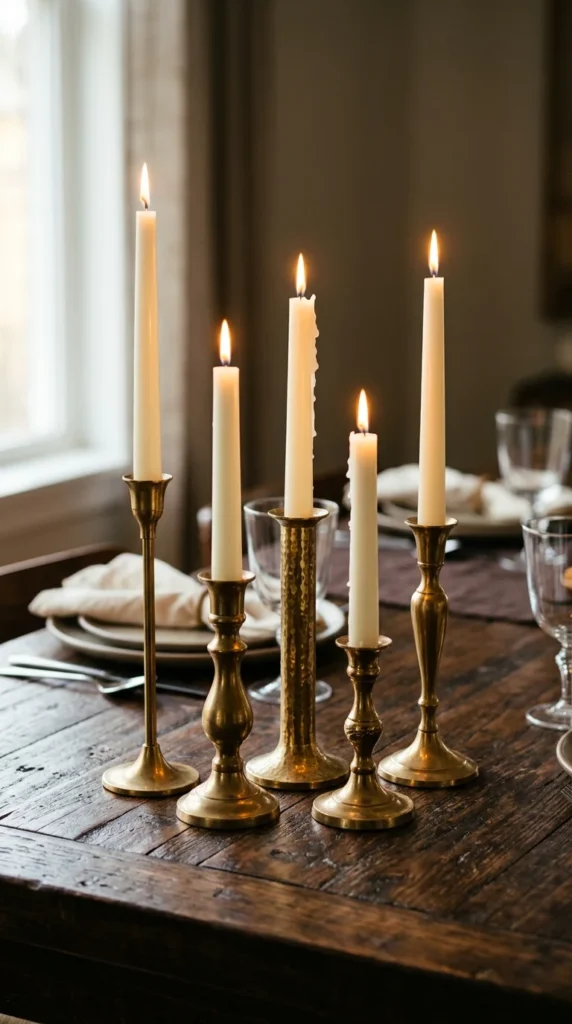
Brass is a timeless material that adds instant warmth to a room. Look for solid brass candlesticks rather than plated ones. You can usually tell by the weight; if it feels heavy for its size, it’s likely solid.
- Designer Tip: Don’t polish them to a high shine. Let the natural patina tell a story, or group them in odd numbers (three or five) on a mantle or dining table to create a sophisticated focal point.
3. Studio Pottery
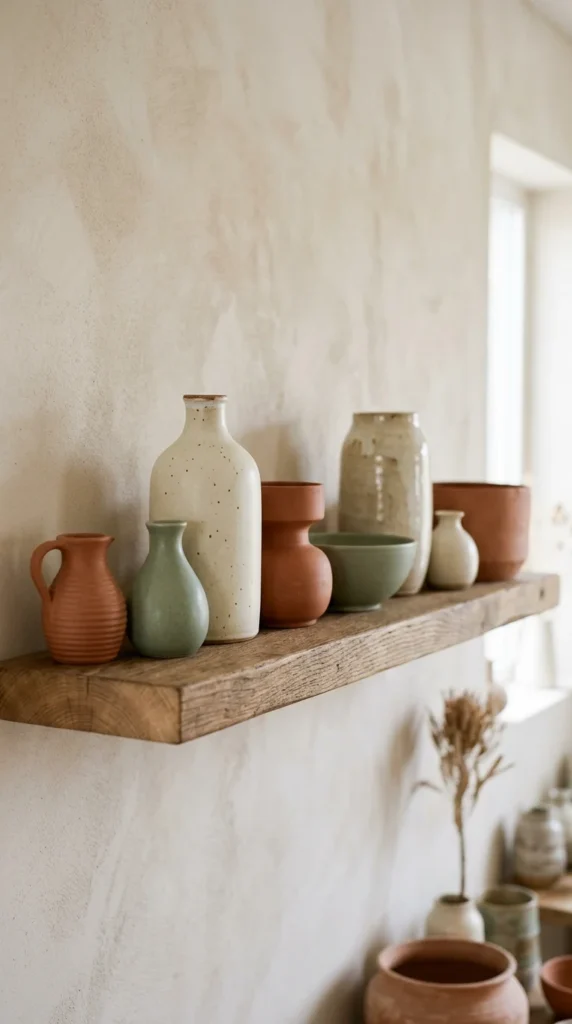
Mass-produced ceramics often look flat and repetitive. Studio pottery—pieces hand-made by artists—carries a texture and soul that defines “quiet luxury.” Look for “signed” pieces with a mark on the bottom. Even if the artist isn’t famous, the thumbprints and glaze variations make the piece feel bespoke.
- Designer Tip: Look for organic shapes and neutral, earthy glazes. A single large ceramic vessel on a kitchen island can act as a stunning sculptural element.
4. Velvet Armchairs
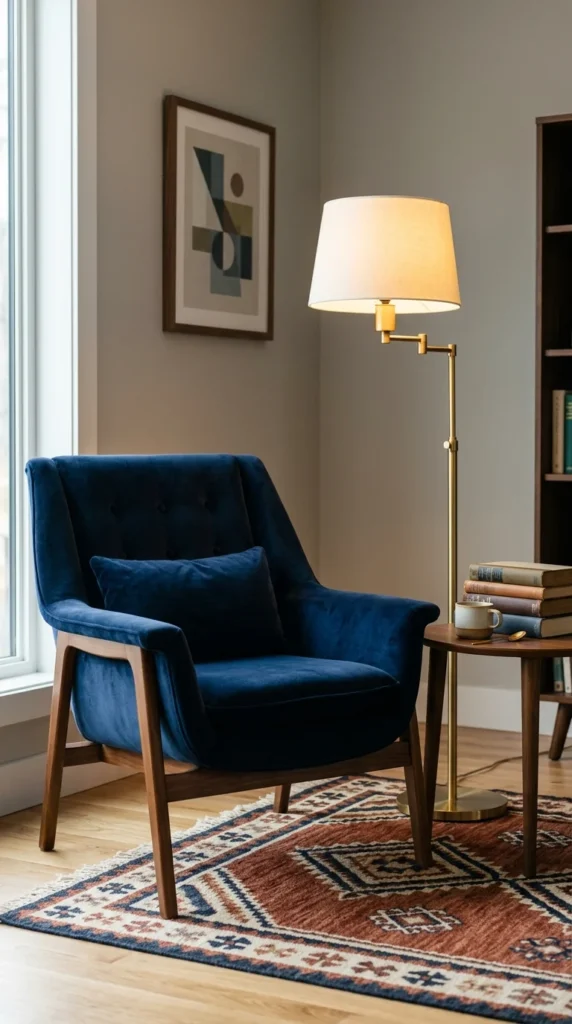
High-end interior designers love velvet for its light-reflecting properties and rich texture. Vintage velvet chairs often have sturdier frames than modern budget versions. Even if the fabric is a bit worn, the silhouette of a vintage chair is often more elegant.
- Designer Tip: If the velvet is in good condition, give it a deep steam clean. If the color is dated, consider having it reupholstered in a modern jewel tone. The cost of a thrifted chair plus reupholstery is often less than a high-end designer chair.
5. Persian Rugs
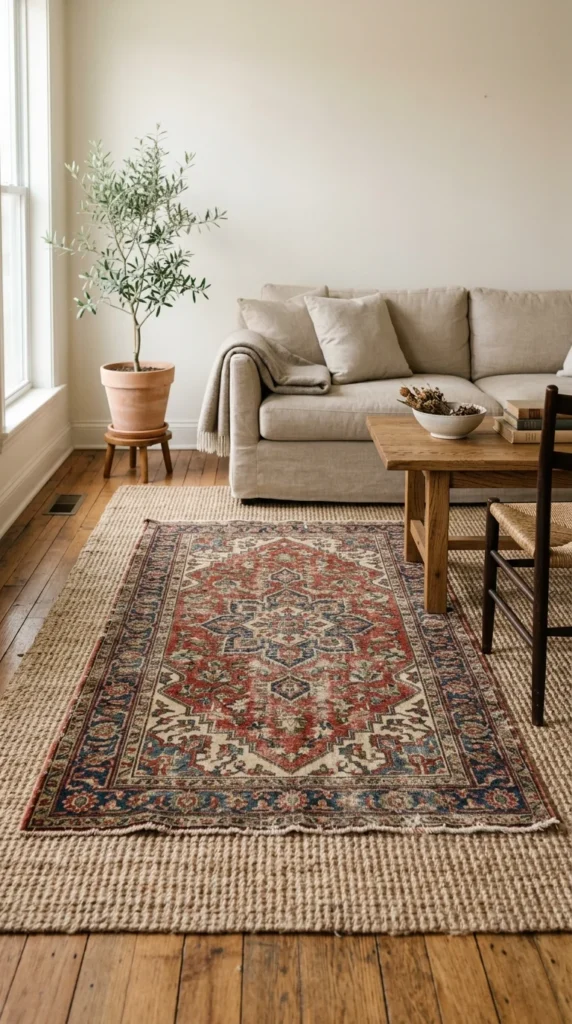
An authentic, hand-knotted wool rug is the ultimate “get” in the thrifting world. They age beautifully, and the “distressed” look that many brands try to replicate is achieved naturally through decades of use.
- Designer Tip: Look for rugs with slight imperfections or faded colors; these are signs of authenticity. If the rug is too small for your space, layer it on top of a larger, inexpensive jute or sisal rug to create a designer look.
6. Glass Decanters
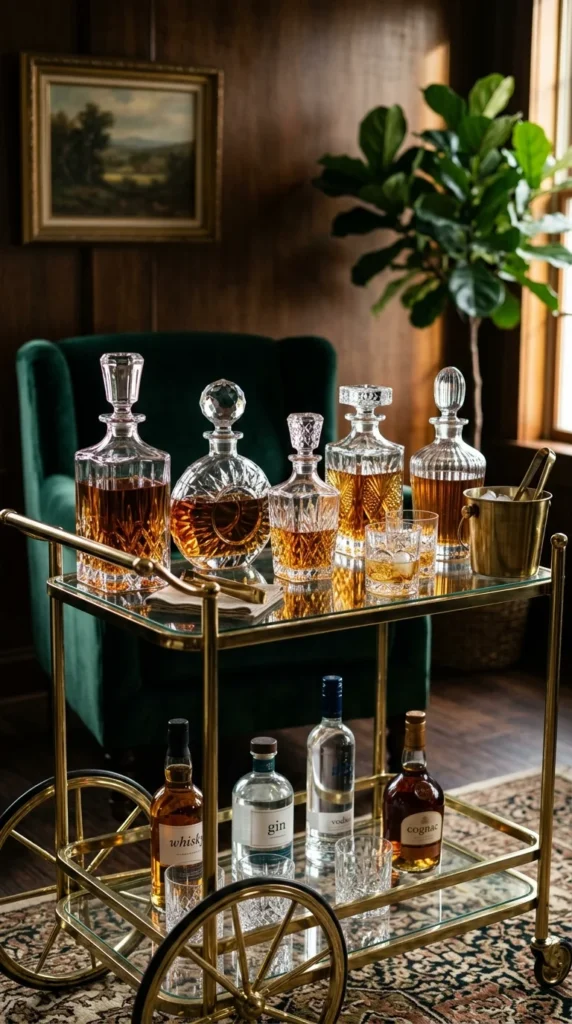
Ditch the plastic bottles and store your spirits or even just filtered water in vintage glass decanters. Look for heavy lead crystal or interesting mid-century modern shapes. They add a layer of old-world glamour to any surface.
- Designer Tip: Group three decanters of varying heights on a silver or wooden tray. This creates a “moment” on your sideboard or bar cart that looks intentional and expensive.
7. Rattan Furniture
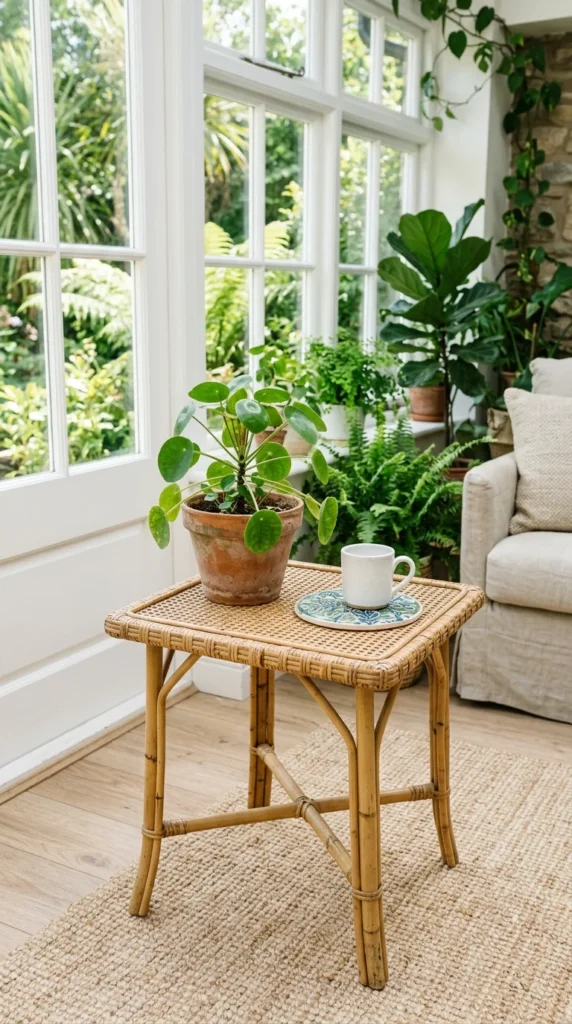
Rattan and wicker have made a massive comeback in the “Boho-Chic” and “Grandmillennial” design movements. While new rattan furniture can be surprisingly pricey, it’s a staple at most thrift stores.
- Designer Tip: To keep rattan from looking too “shabby chic,” pair it with sleek, modern elements like a black metal lamp or a minimalist marble tray. This contrast makes the vintage piece look like a deliberate designer choice.
8. Bar Carts
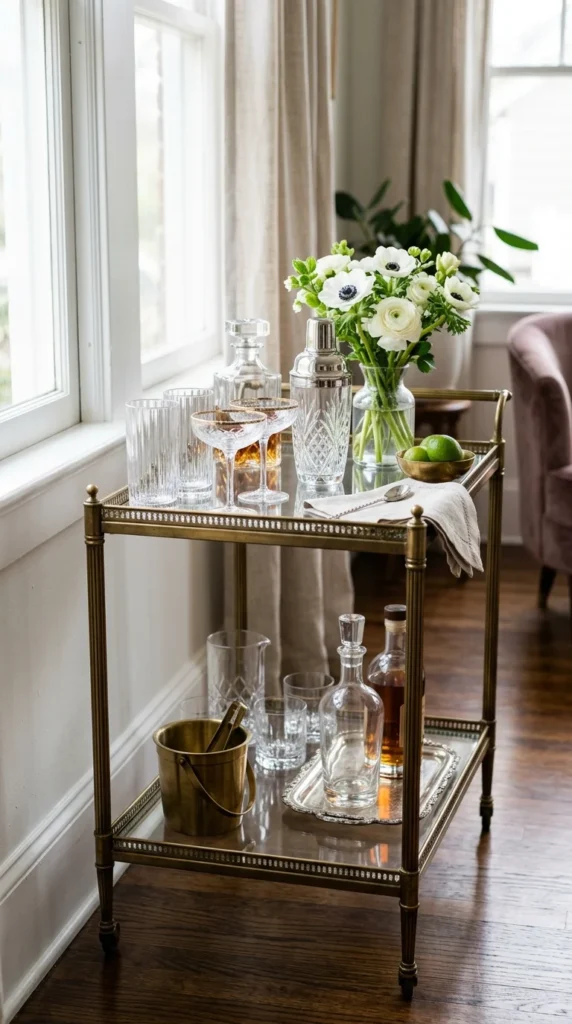
The bar cart is a quintessential piece for an entertaining-ready apartment. Vintage carts from the 1960s and 70s often feature beautiful brass details and smoked glass that you won’t find at modern retailers for a low price.
- Designer Tip: Use the bottom shelf for heavy bottles and the top shelf for your prettiest glassware and a small piece of art. This turns a functional piece into a decorative installation.
9. Oversized Mirrors
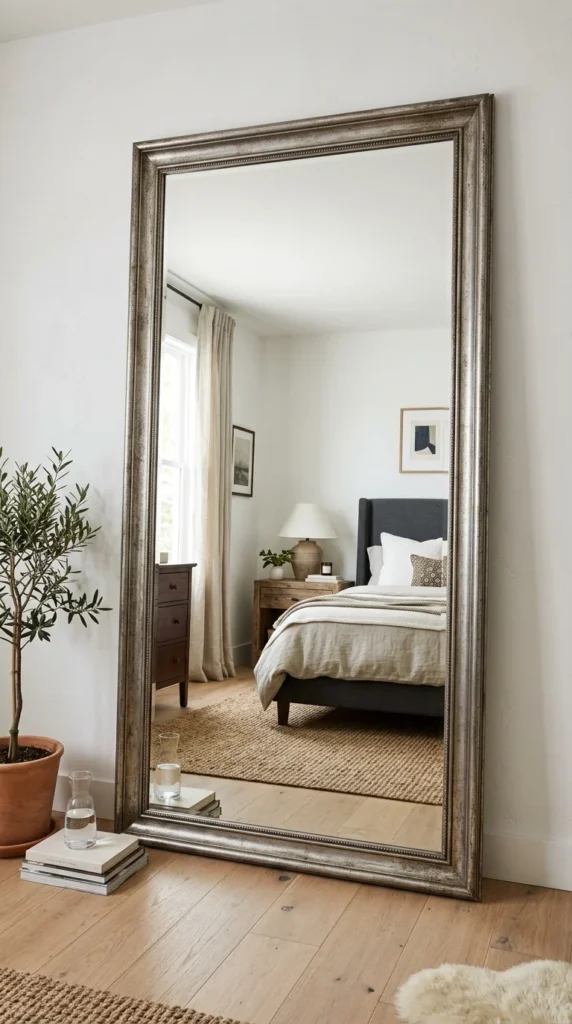
Mirrors are the oldest trick in the book for making an apartment feel twice as large. Thrifting allows you to find massive, heavy-duty mirrors that would cost a fortune at a furniture gallery.
- Designer Tip: Look for mirrors with interesting shapes—arched tops or octagons. If the frame is an ugly color, a quick coat of matte black spray paint can make it look like a high-end industrial piece.
10. Coffee Table Books
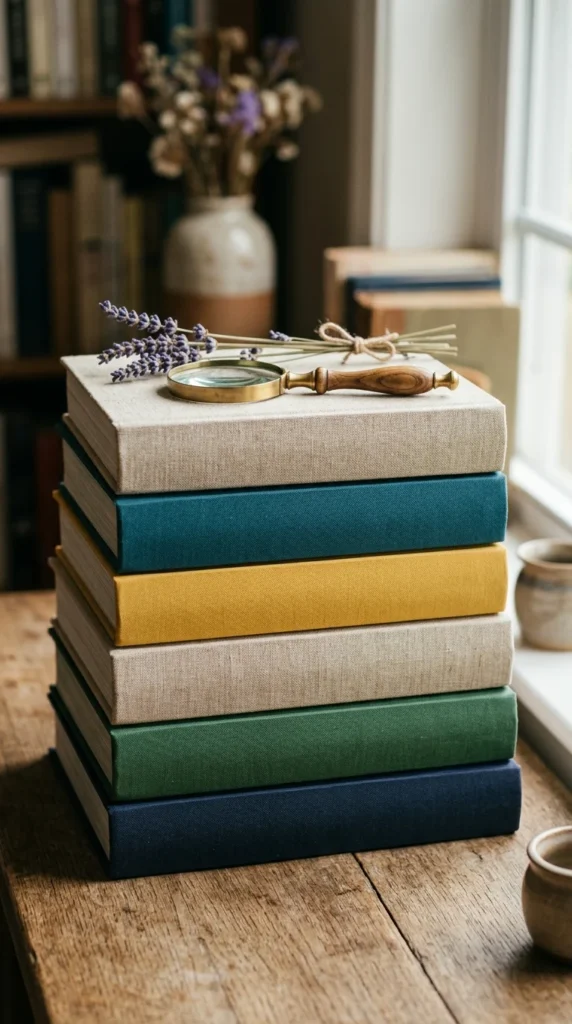
Designer homes are always filled with beautiful books. Instead of paying $50-$100 per book at a boutique, check the thrift store’s media section. Look for books on art, history, fashion, or travel with the dust jackets removed.
- Designer Tip: Focus on the color of the spine and the linen texture of the hardback. Neutral-colored books (black, white, beige) create a cohesive look when stacked on a coffee table or shelf.
11. Ironstone China
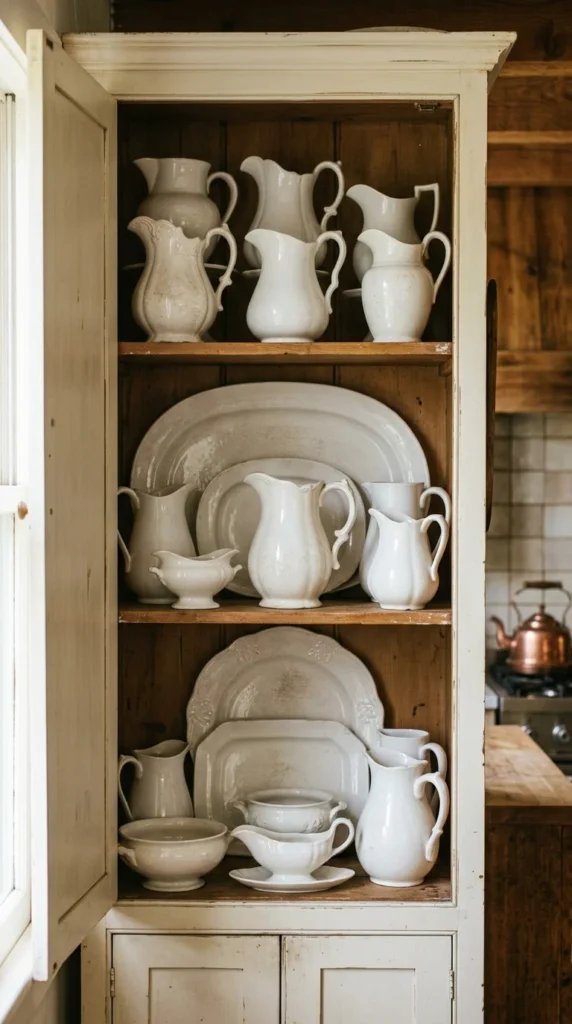
Antique white ironstone is beloved by designers for its simple, sculptural lines and creamy white color. It’s incredibly versatile and looks just as good in a modern kitchen as it does in a farmhouse setting.
- Designer Tip: Collect pitchers in various sizes and group them together. They look stunning as a collection, even if they aren’t filled with flowers.
12. Wooden Stools
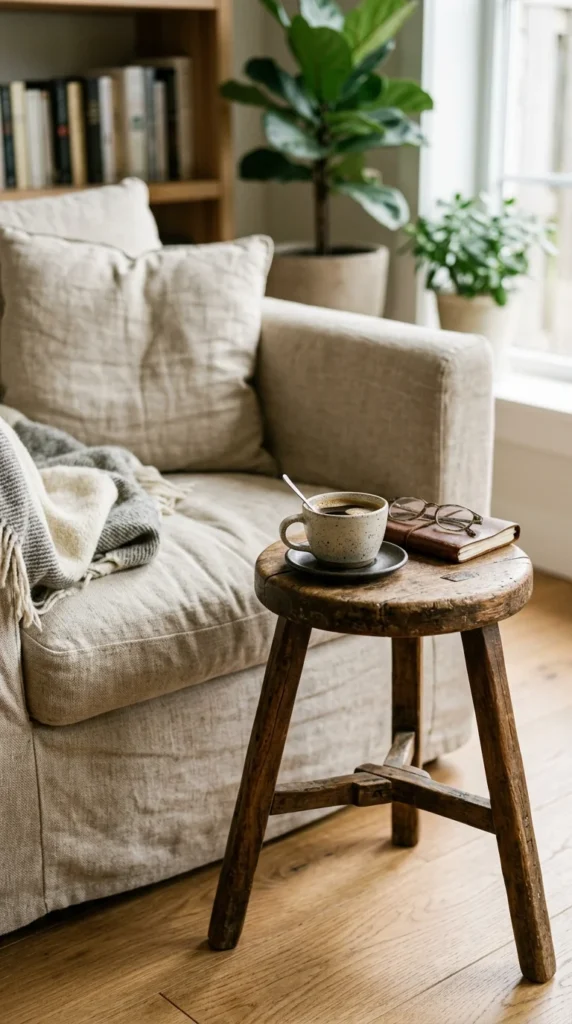
A small wooden stool is one of the most versatile pieces you can find. It can serve as a side table, a plant stand, or a step stool in the kitchen. Look for stools with “character”—dents, scratches, and a worn-down finish.
- Designer Tip: Use a rustic wooden stool in a bathroom next to a tub to hold a candle and a book. The contrast of the rough wood against the sleek porcelain is a classic high-end design move.
13. Vintage Trunks
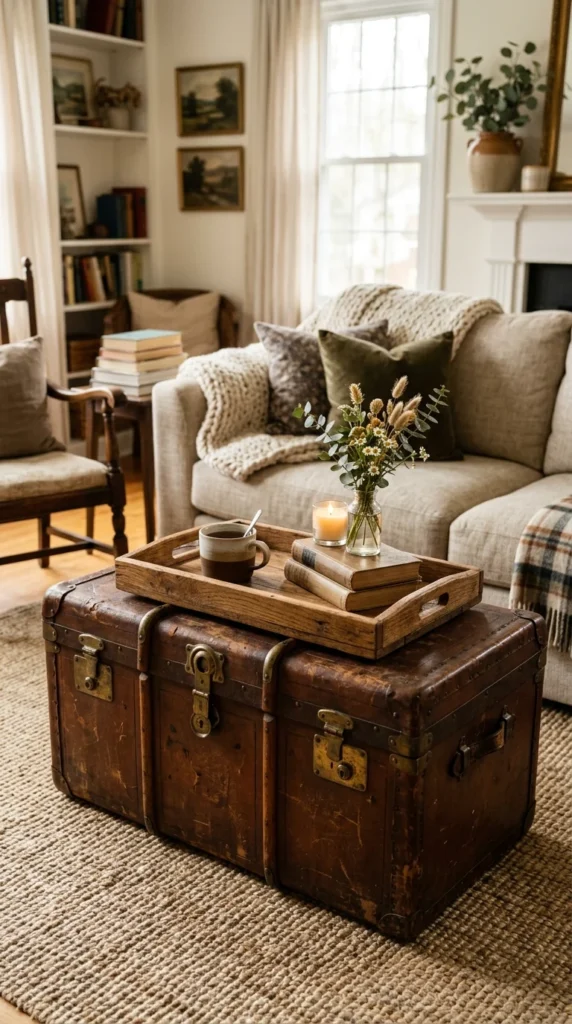
Trunks offer two things apartment dwellers always need: character and storage. Whether it’s a steamer trunk or a flat-top cedar chest, these pieces add a sense of history to a room.
- Designer Tip: If the trunk has a flat top, use it as a coffee table. If it’s rounded, use it at the foot of the bed to store extra linens and blankets.
14. Abstract Art
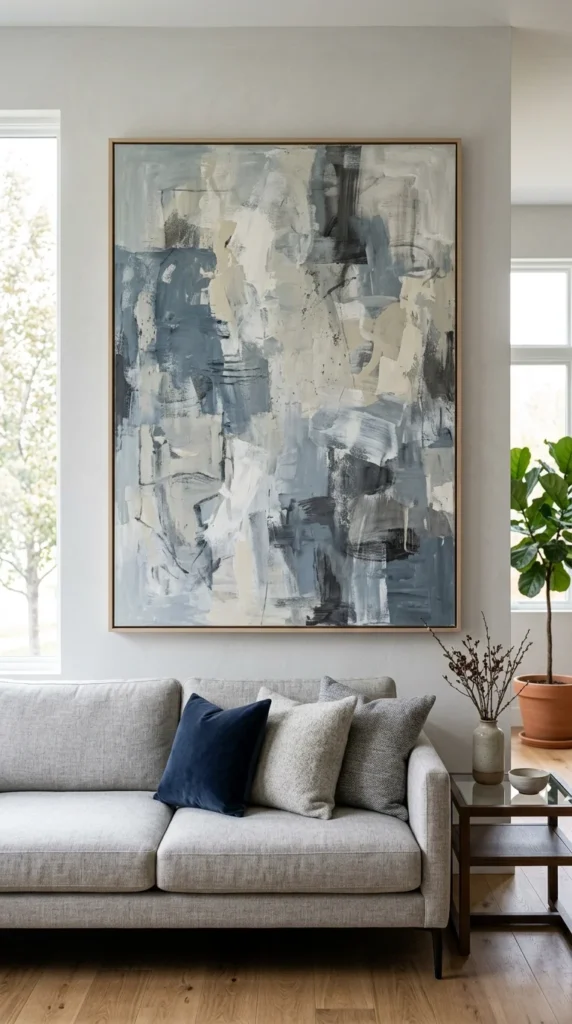
You don’t need a gallery budget to have great art. Look for original paintings at thrift stores. Even if the subject matter isn’t perfect, sometimes the “vibe” or the color palette fits your space perfectly.
- Designer Tip: If you find a painting you love but the frame is hideous, change the frame! A modern, thin “floater” frame can make a $10 thrift store painting look like a thousand-dollar investment.
15. Silver Platters
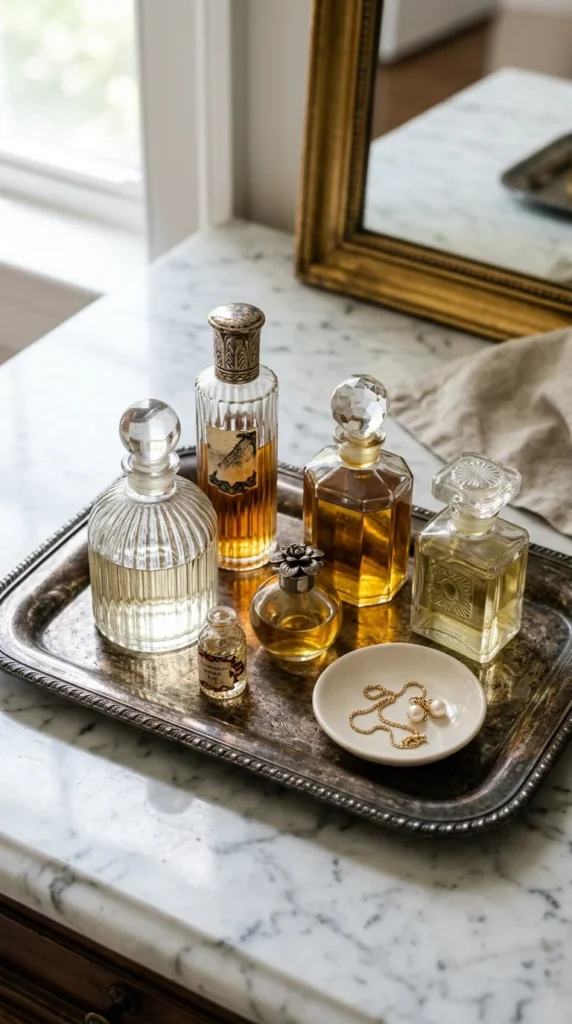
Silver-plated trays are abundant in thrift stores and are often overlooked because they are tarnished. However, that tarnish is what gives them their designer-approved “lived-in” look.
- Designer Tip: Use a silver tray to corral small items like mail on an entry table or perfumes on a vanity. It instantly makes a “mess” look like a curated collection.
16. Marble Offcuts
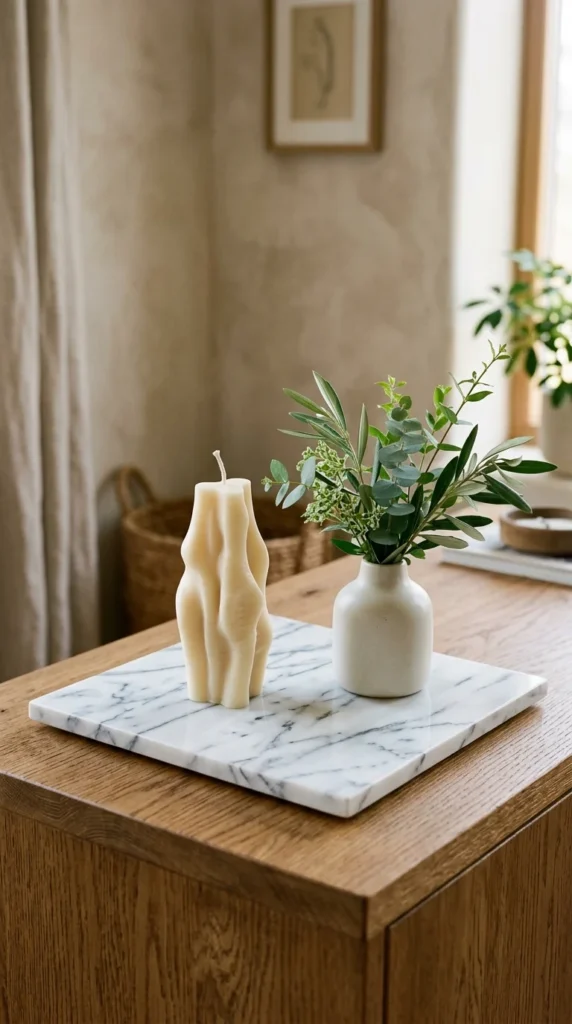
Sometimes you can find marble cheese boards or even small scraps of marble at thrift stores or architectural salvage yards. Marble adds a “cool” stone texture that balances out warm wood and soft fabrics.
- Designer Tip: Use a marble slab as a “pedestal” for a plant or a lamp. This elevation gives the object more importance and creates a more dynamic visual height.
17. Cane Chairs
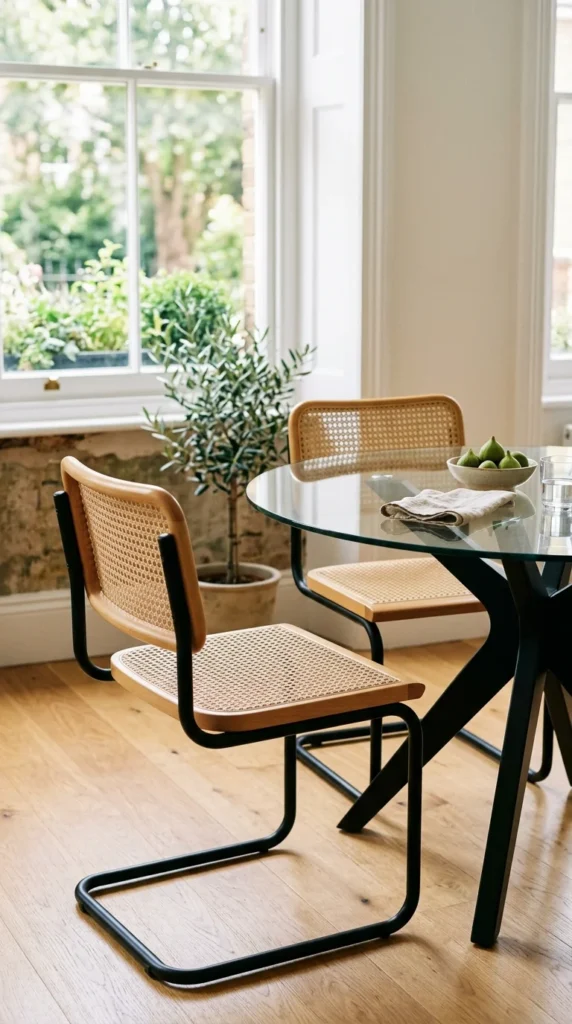
Cane furniture—especially chairs—is incredibly stylish right now. The weave adds a delicate pattern and texture without feeling heavy or bulky, which is perfect for smaller apartments.
- Designer Tip: Look for chairs where the cane is intact, as it can be expensive to repair. If the wood is a bit beat up, a dark wood stain can bring it back to life while making the cane “pop.”
18. Glass Bell Jars
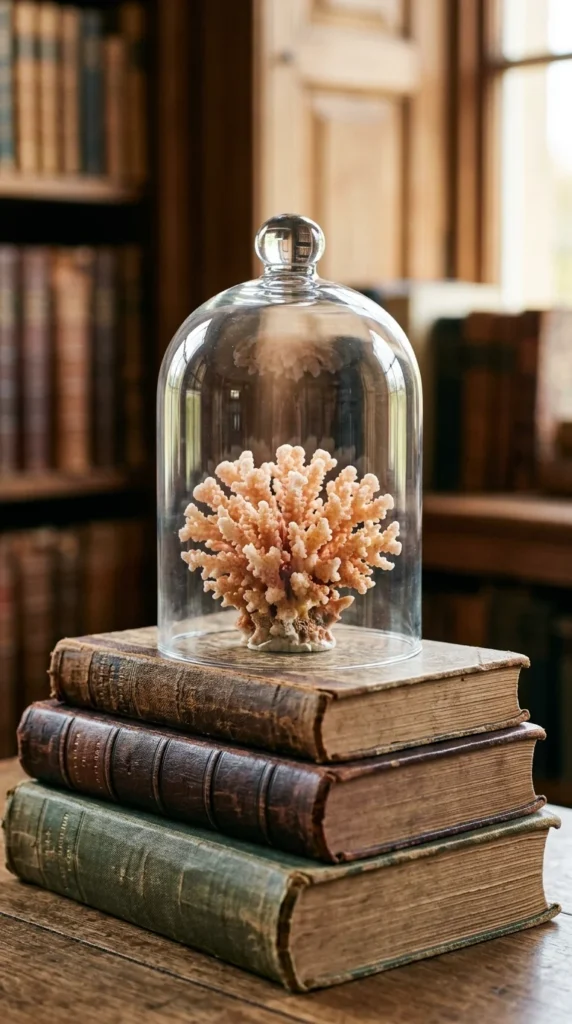
Also known as cloches, these glass domes were traditionally used to protect delicate plants or clocks. In modern decor, they act as a “display case” for anything you want to highlight.
- Designer Tip: Place a simple found object—like a beautiful dried flower, a unique stone, or a small sculpture—under a cloche. It elevates the object to a work of art.
19. Botanical Prints
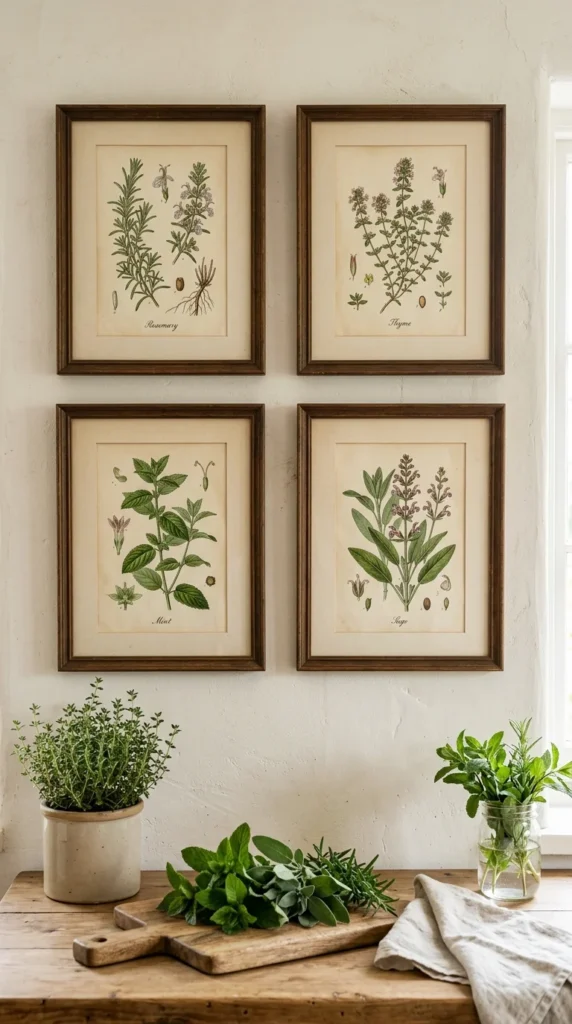
Vintage botanical illustrations from old books or encyclopedias are a designer staple. They bring a touch of nature and a vintage “scholar” vibe to any room.
- Designer Tip: If you find an old book with beautiful illustrations that is falling apart, carefully remove the pages and frame them in matching frames. Hanging them in a grid creates a high-end, custom look.
20. Ceramic Lamps
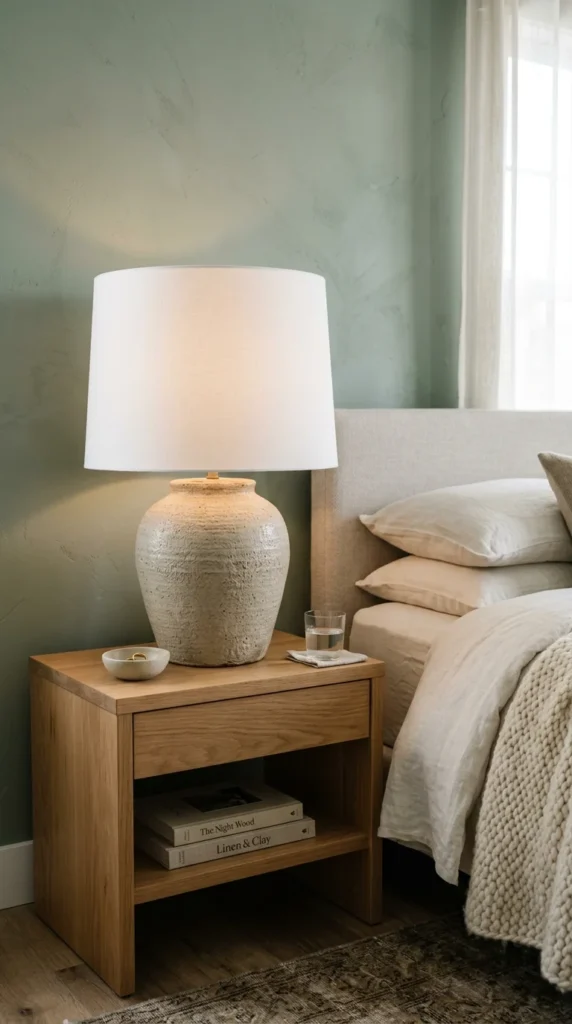
Don’t be deterred by a lamp with a weird 1970s floral pattern. Look at the shape. A large, gourd-shaped ceramic lamp has a classic silhouette that fits into almost any design style.
- Designer Tip: The secret to making a thrifted lamp look designer is a new shade. Swap the old, dusty shade for a crisp linen drum shade or a pleated version. It’s a total transformation for under $20.
21. Solid Wood Desks
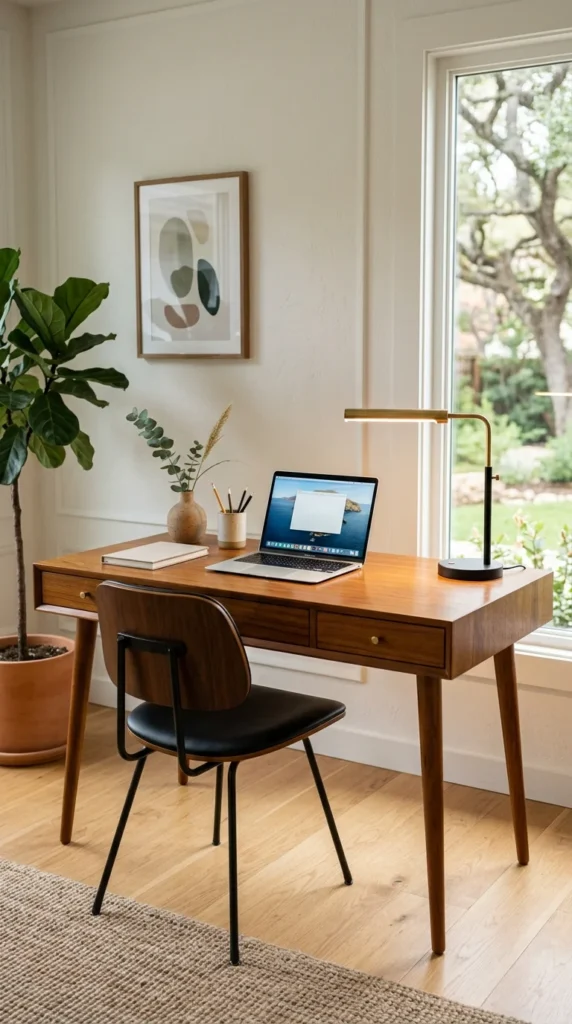
Modern budget furniture is often made of particleboard. Thrifting allows you to find solid oak, walnut, or mahogany desks that are built to last a lifetime.
- Designer Tip: Look for desks with clean lines and minimal hardware. A solid wood desk can be sanded down and oiled to reveal a beautiful grain that looks much more expensive than its price tag.
22. Quilt Throws
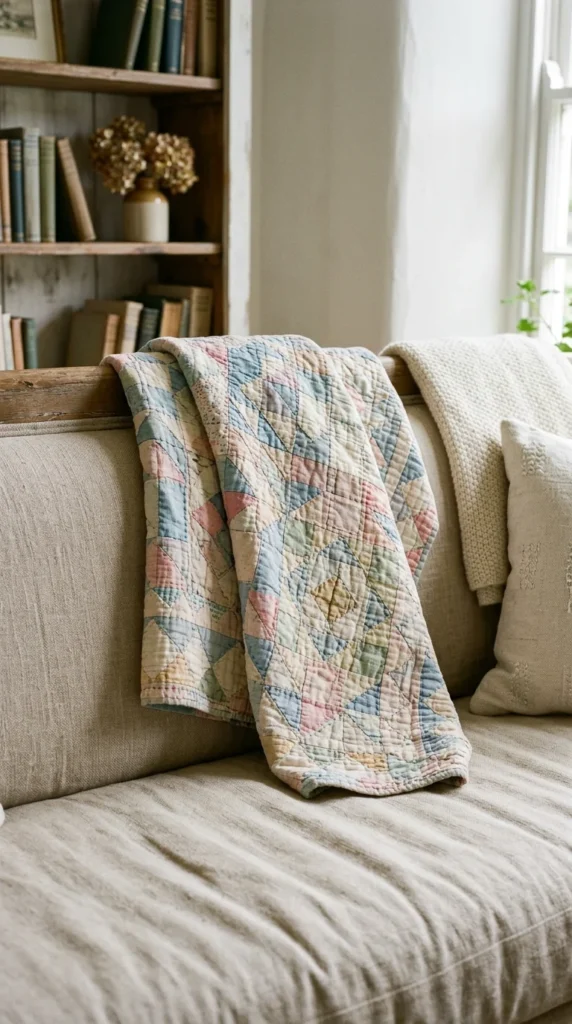
Hand-stitched quilts add a layer of “folk art” and coziness to an apartment. Look for quilts with geometric patterns or interesting color combinations that lean more modern than “country.”
- Designer Tip: Instead of using it on a bed, drape a vintage quilt over the back of a very modern, clean-lined sofa. The juxtaposition of the old, handmade textile and the modern furniture is very high-end.
23. Brass Hardware
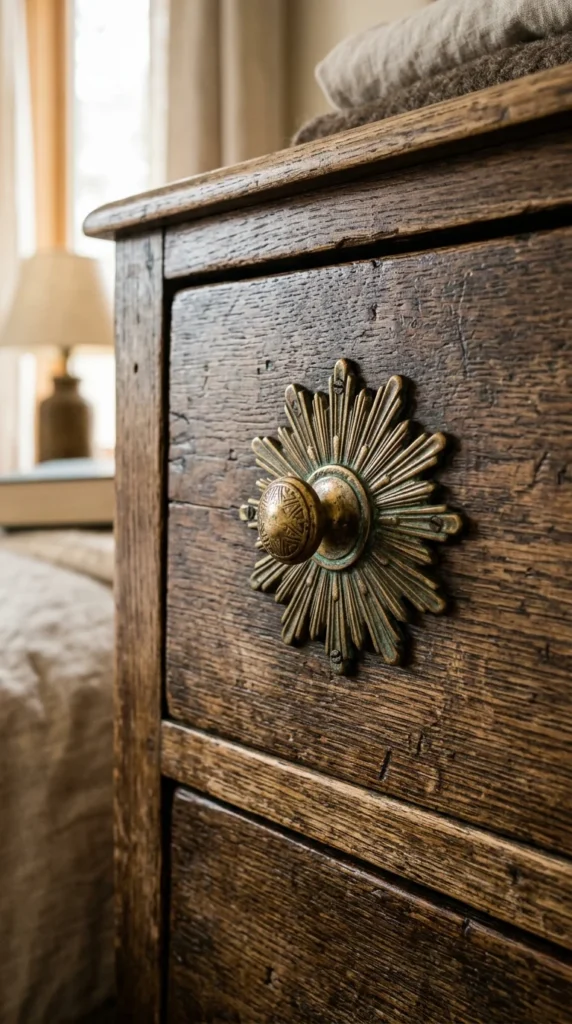
One of the easiest ways to make cheap furniture look designer is to swap out the hardware. Thrift stores often have bins of old drawer pulls, knobs, and hinges.
- Designer Tip: Look for unlacquered brass hardware. As it ages, it develops a beautiful dark patina that looks incredibly sophisticated compared to shiny, fake-gold modern hardware.
24. Pedestal Side-Tables
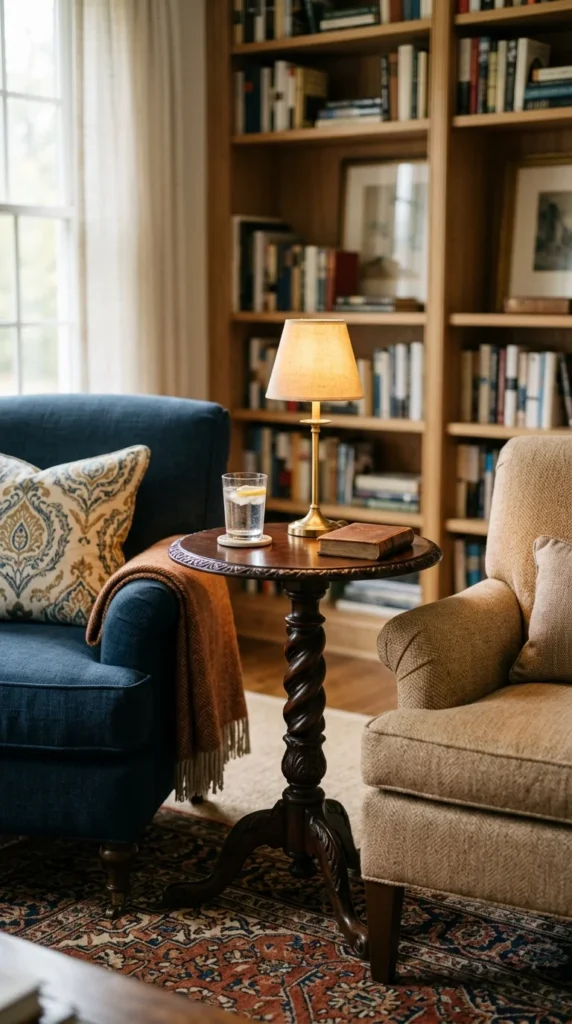
A pedestal table is a great way to add a bit of architectural interest to a seating area. Because they only have one leg, they feel “lighter” in a room and take up less visual space.
- Designer Tip: Use a pedestal table in a small corner with a single statement chair. It creates a perfect “reading nook” that looks curated and expensive.
25. Statement Busts
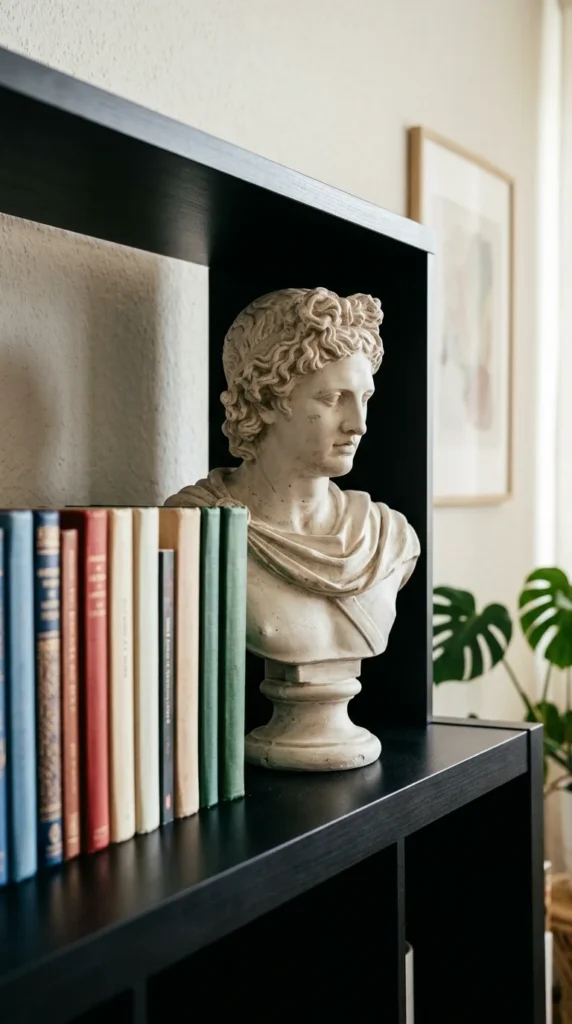
Classic Greek or Roman style busts add an air of “old money” and intellectualism to a space. You can often find these in plaster or heavy resin at estate sales.
- Designer Tip: Place a classic bust in an unexpected place, like a modern bookshelf or a kitchen counter. The mix of classical art with everyday modern life is a hallmark of eclectic designer style.
26. Woven Baskets
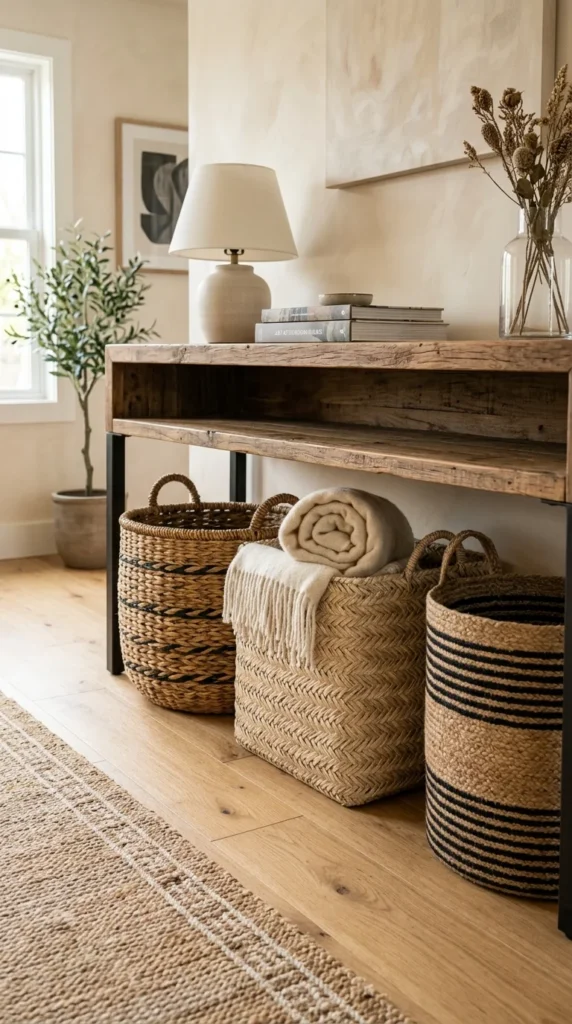
Baskets are the designer’s secret weapon for hiding clutter. Look for baskets with interesting weaves or those made from natural fibers like seagrass or water hyacinth.
- Designer Tip: Use large baskets under an open console table or in the bottom of a closet. They provide texture and keep your apartment looking organized and tidy.
27. Mid-Century Lamps
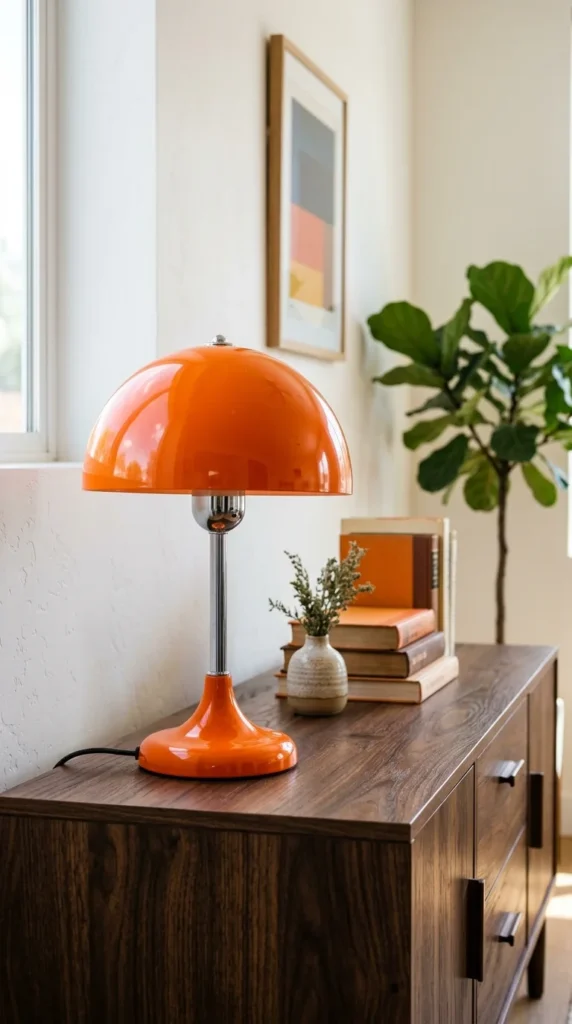
Mid-century modern lighting is highly coveted. Keep an eye out for “mushroom” lamps, tripod floor lamps, or any light fixture with a unique geometric shape.
- Designer Tip: Even if the wiring looks old, re-wiring a lamp is a simple and inexpensive DIY project. A unique vintage lamp can serve as the “sculpture” of a room, providing both light and a conversation piece.
Final Thoughts on Thrifting Like a Designer
The most important rule of thrifting is patience. You won’t find everything on this list in one trip. Designer-worthy homes are built over time, piece by piece. When you’re out searching, look for quality materials—wood, stone, metal, and natural textiles. Ignore the “ugly” finishes and focus on the “bones” of the object. With a little bit of cleaning, a new lampshade, or a fresh coat of wax, your thrifted finds will not only look like they cost a fortune but will also give your apartment a personality that no showroom could ever replicate.