
Transforming your home into a sanctuary of style doesn’t require a massive bank account or a professional interior designer. In fact, some of the most sophisticated spaces are born from creativity, strategic styling, and the art of the “high-low” mix. The secret to an elevated room lies in the details—those small, thoughtful touches that create a sense of cohesion, warmth, and intentionality.
Whether you are renting a small apartment or looking to refresh a long-term home, these twenty budget-friendly ideas will help you achieve a designer look without the designer price tag.
1. Thrifted Frames
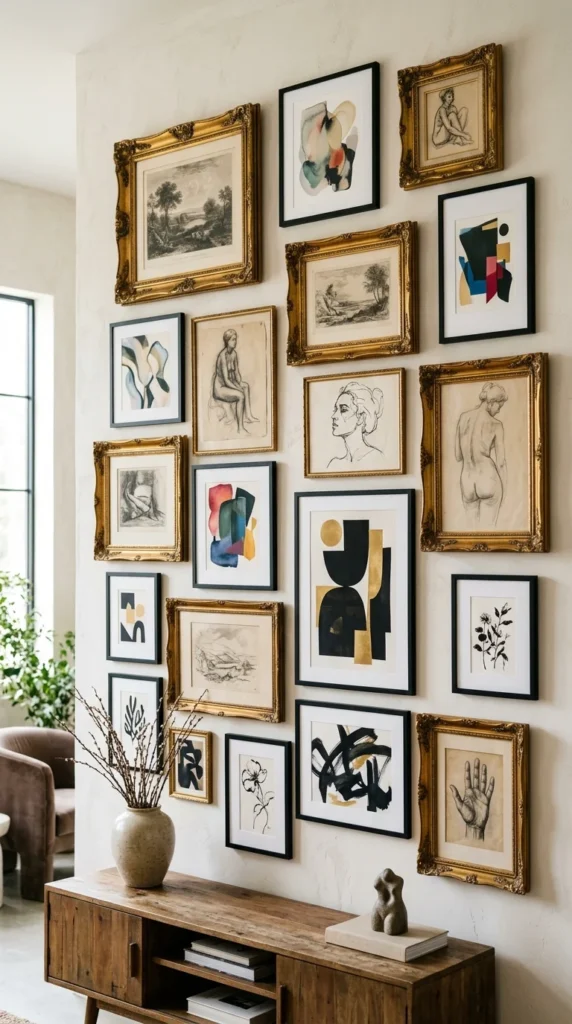
One of the easiest ways to add character to a room is through art, but custom framing can cost a fortune. Head to your local thrift store or garage sale to find unique, vintage frames. Don’t worry about the artwork inside; you’re looking for the structure. A mismatched collection of frames can be unified with a simple coat of black, white, or gold spray paint. Fill them with personal photos, pressed botanicals, or even pieces of interesting fabric to create a sophisticated gallery wall that looks curated over time.
2. Statement Lighting
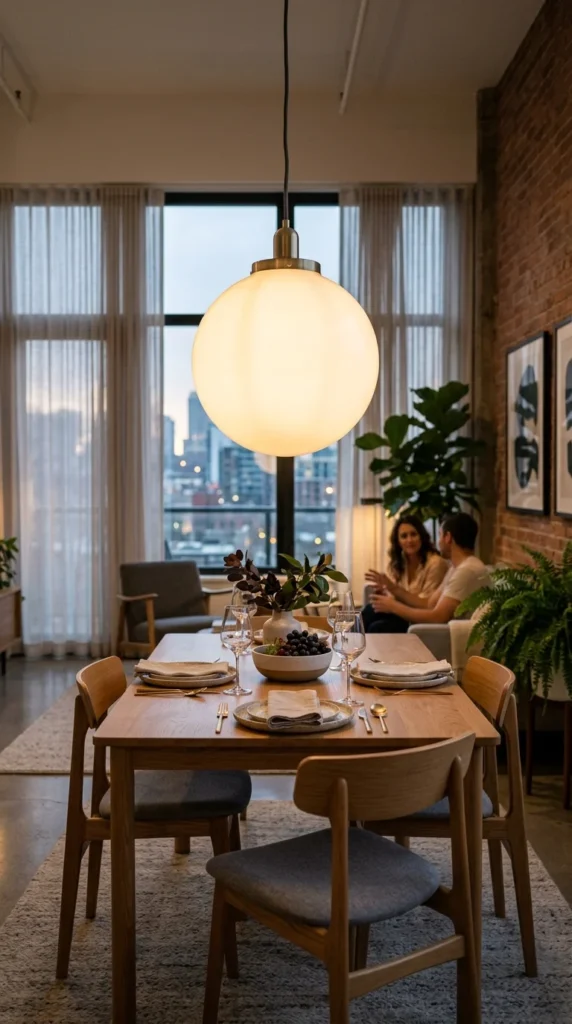
Lighting is the “jewelry” of a room. Standard-issue builder-grade light fixtures can make a space feel dated and cheap. You don’t need to hire an electrician to make a change; many stylish plug-in pendants or affordable flush mounts are available online. Replacing a plastic dome light with a woven rattan shade or a sleek mid-century modern fixture instantly changes the focal point of the room and adds a layer of architectural interest.
3. Indoor Greenery
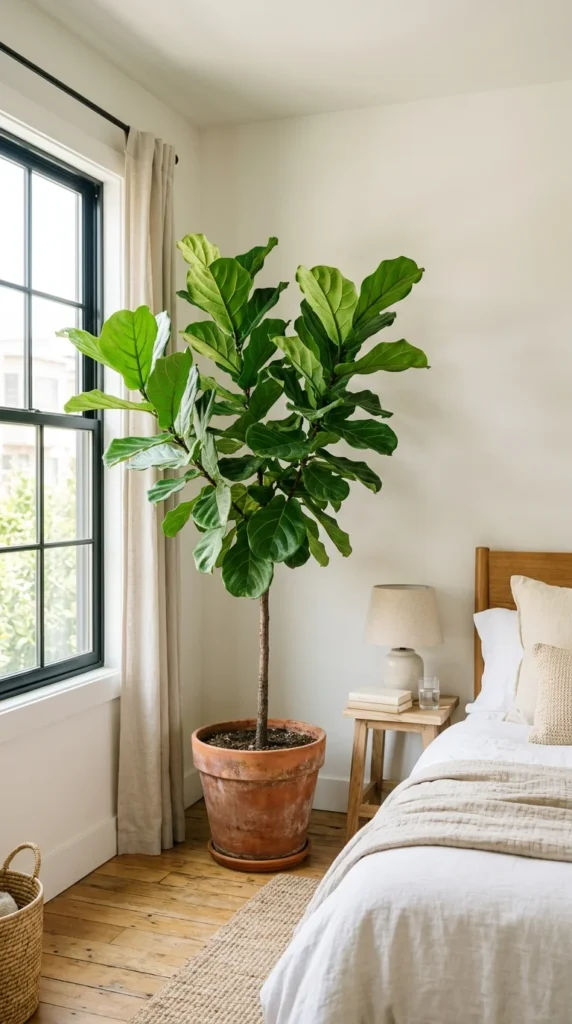
Never underestimate the power of nature. Plants bring life, color, and texture to a room. If you don’t have a green thumb, low-maintenance options like Pothos, Snake Plants, or ZZ Plants are nearly impossible to kill and look stunning. Use large plants to fill empty corners and smaller succulents for shelving. The organic shapes of the leaves break up the harsh lines of furniture, making the space feel more inviting and “finished.”
4. Mirror Magic
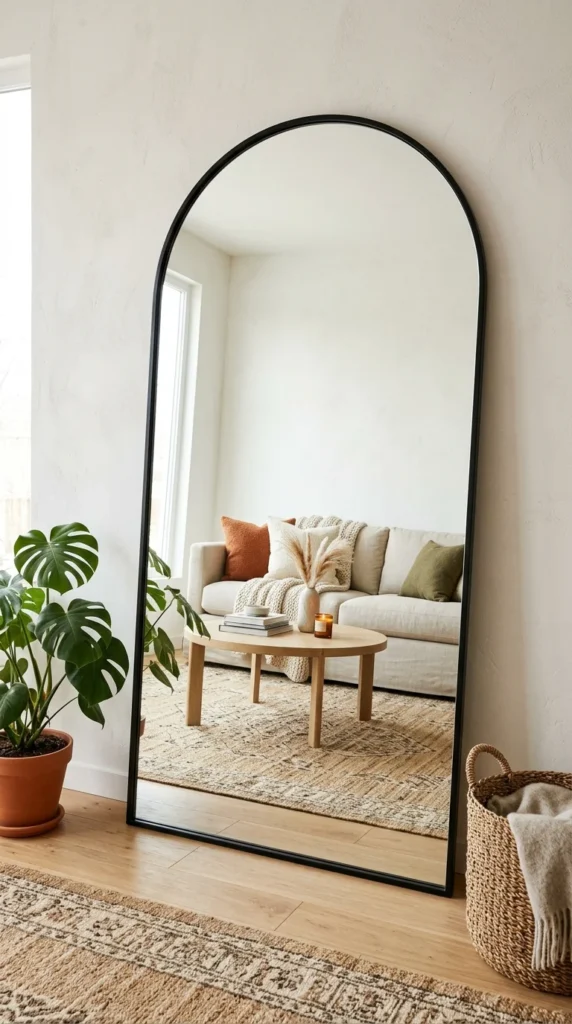
Mirrors are a classic designer trick for a reason: they bounce light and create the illusion of more space. A large, leaning floor mirror can act as a piece of furniture itself, while a round wall mirror can soften the rectangular lines of a dresser or console table. Look for mirrors with interesting frames at discount home stores to add a sense of luxury to hallways or small bedrooms.
5. Textile Layering
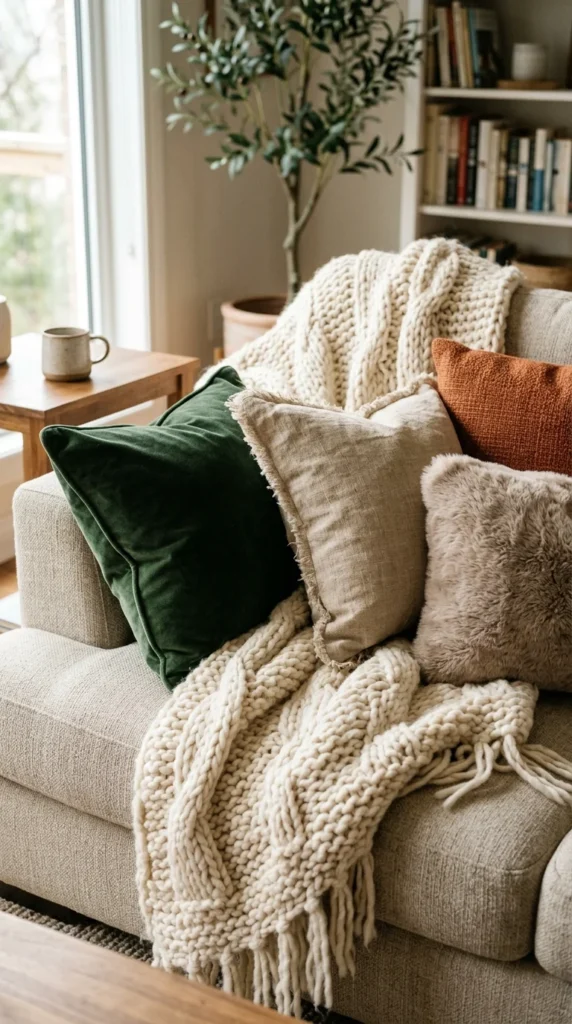
If your sofa feels a bit “blah,” textiles are your best friend. The key to an expensive-looking room is texture. Instead of buying matching pillow sets, mix and match different fabrics. Combine a heavy linen pillow with a velvet one, and drape a chunky knit throw over the arm of a chair. This layering creates depth and a “lived-in” luxury that feels cozy rather than cluttered.
6. Hardware Upgrade

You would be amazed at how much a kitchen or bathroom can change just by swapping out the hardware. Replace basic silver knobs with modern matte black pulls or elegant brass handles. This is a five-minute DIY project that costs very little but makes cabinetry look custom-made. It’s also completely reversible, making it a perfect hack for renters.
7. Peel-and-Stick
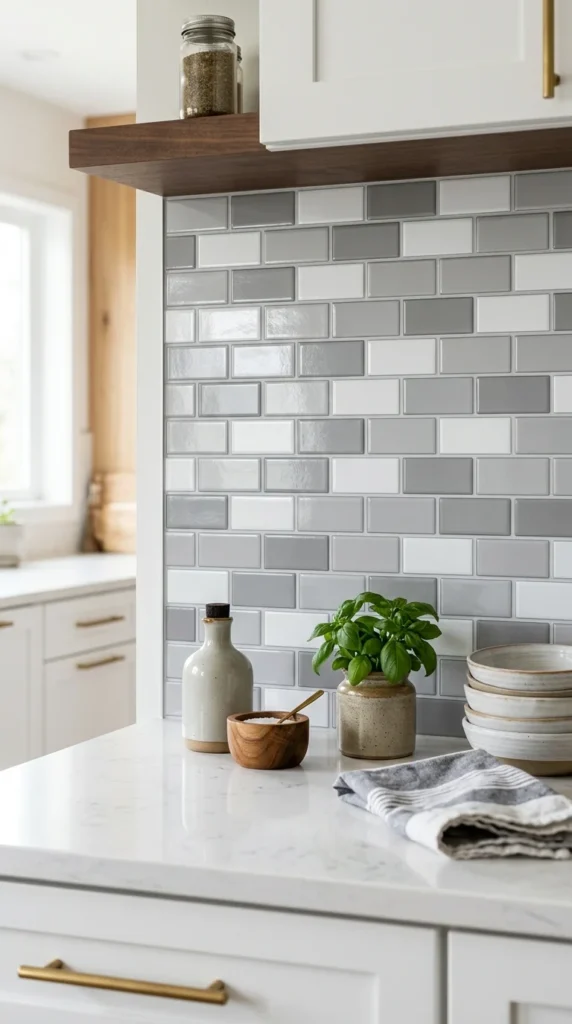
We live in the golden age of “renter-friendly” DIY. Peel-and-stick wallpaper and floor tiles have come a long way. Use a bold patterned wallpaper on a small bathroom wall or apply marble-effect contact paper to a dated laminate countertop. These temporary fixes allow you to experiment with high-end trends like herringbone patterns or bold florals without the permanent commitment or the high cost of materials.
8. Bookshelf Styling
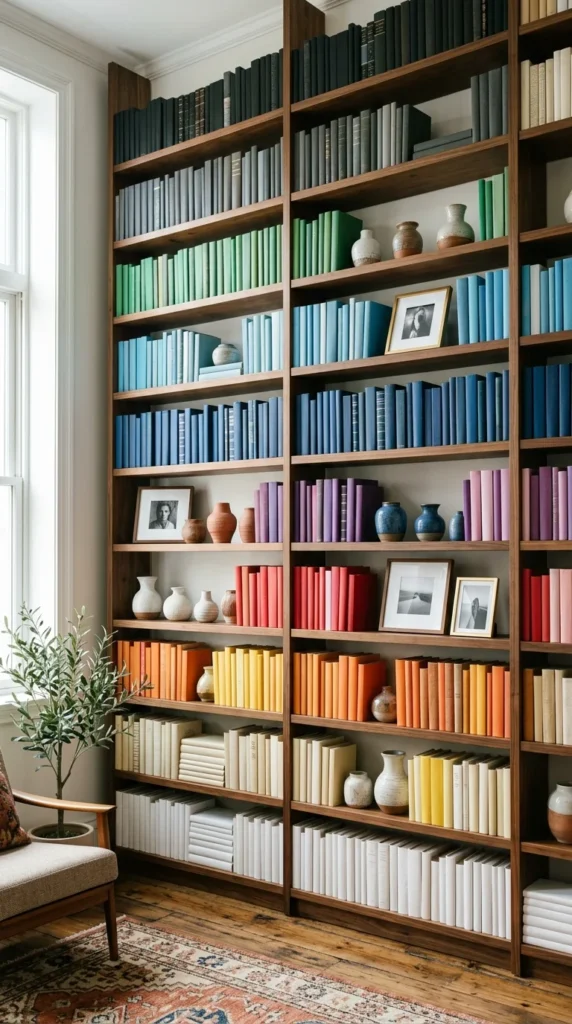
A cluttered bookshelf can make a room feel chaotic. To elevate the look, use the “rule of threes” and vary the orientation of your books. Stack some horizontally to act as pedestals for small decorative objects, and stand others vertically. Leave some “white space” or “negative space” on the shelves so the eye has a place to rest. This turns a storage unit into a curated display of your personality.
9. Scented Ambiance
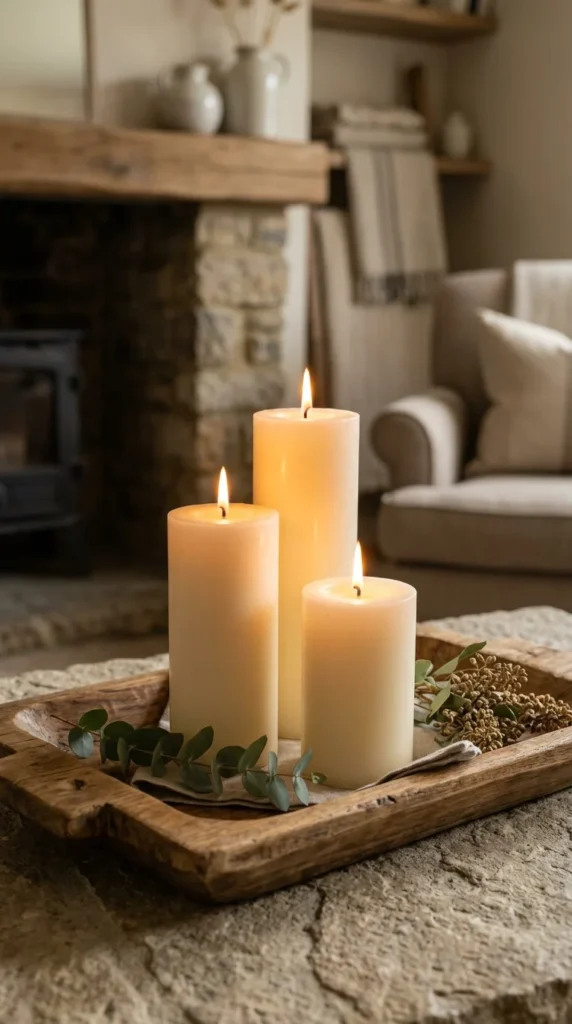
An elevated home appeals to all the senses, including smell. High-end candles can be pricey, but you can achieve the same effect by grouping affordable unscented pillar candles on a tray or using essential oil diffusers. The flickering light of a candle adds an instant “spa-like” quality to a bathroom or a romantic glow to a dinner table.
10. Window Treatments
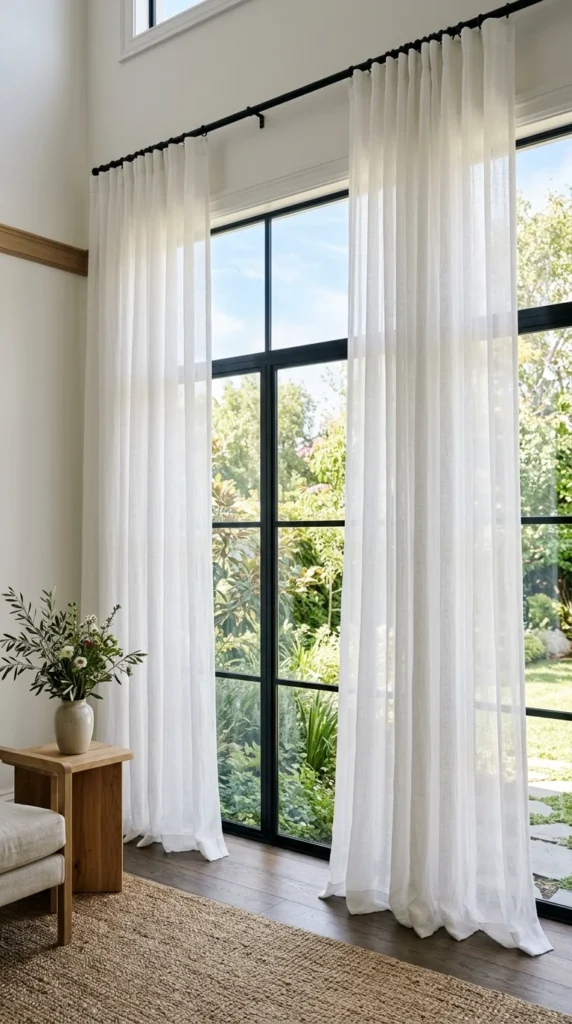
Most people hang their curtain rods too low and too narrow. To make your ceilings look higher and your windows look larger, hang the rod “high and wide”—usually about 6 to 10 inches above the window frame and extending several inches past the sides. Choose floor-length panels in a neutral linen or cotton. Even inexpensive curtains look high-end when they flow all the way to the floor.
11. Accent Walls
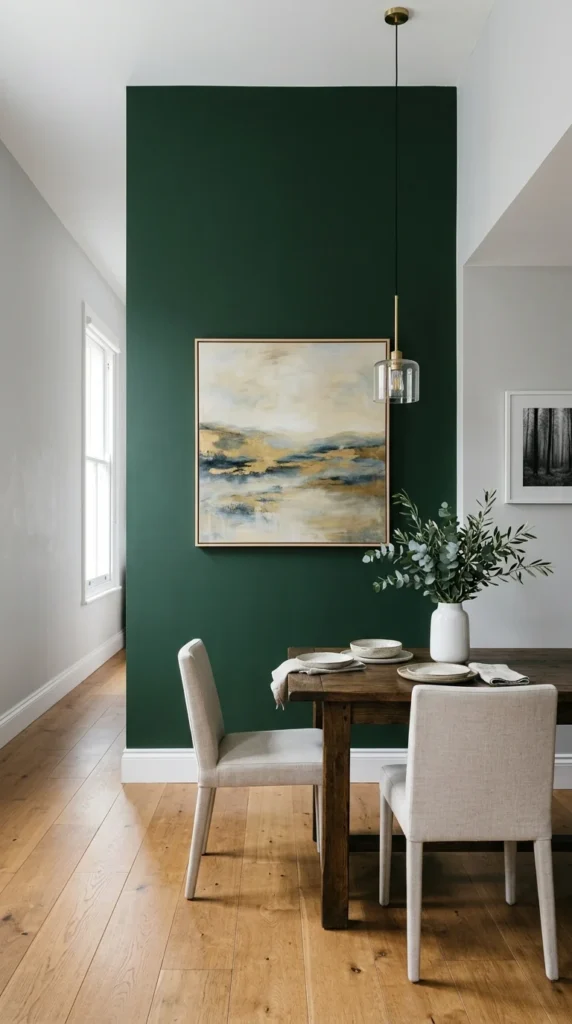
Paint is the cheapest tool in your decorating arsenal. A single accent wall in a moody, dark color like charcoal, navy, or hunter green can add incredible depth to a room. It creates a focal point and makes the furniture in front of it pop. If you’re nervous about dark colors, even a soft terracotta or a sophisticated beige can add enough warmth to change the entire vibe of the space.
12. Coffee Table Styling
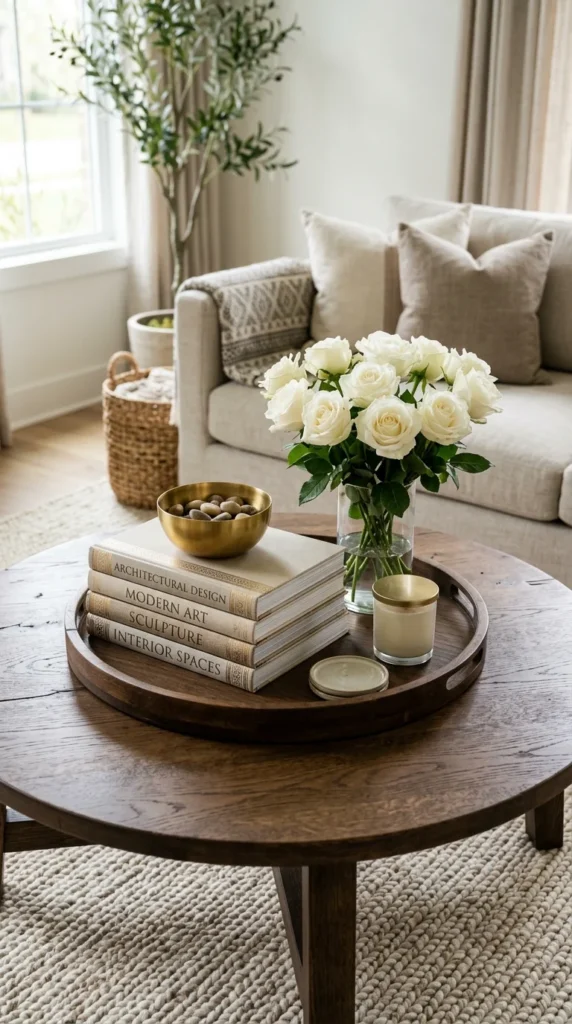
The coffee table is often the center of the living room. Instead of letting it become a graveyard for remote controls, treat it as a styling opportunity. Use a decorative tray to corral items. Add a “stack” (books), something “organic” (a plant or flowers), and something “sculptural” (a small bowl or brass object). This simple formula ensures your table looks balanced and intentional.
13. Rug Layering
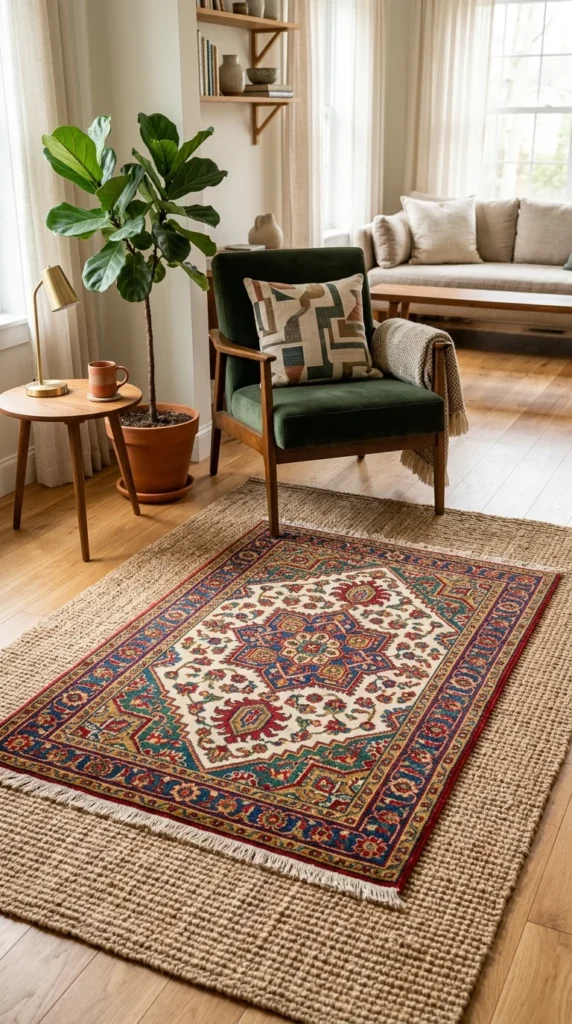
If you have a rug that you love but it’s too small for the room, don’t get rid of it. Buy a large, inexpensive natural fiber rug (like jute or sisal) to act as a base, and layer your smaller, more decorative rug on top. This adds a designer-level of complexity to the floor and defines the seating area much better than a single small rug floating in the middle of the room.
14. Artful Arrangements
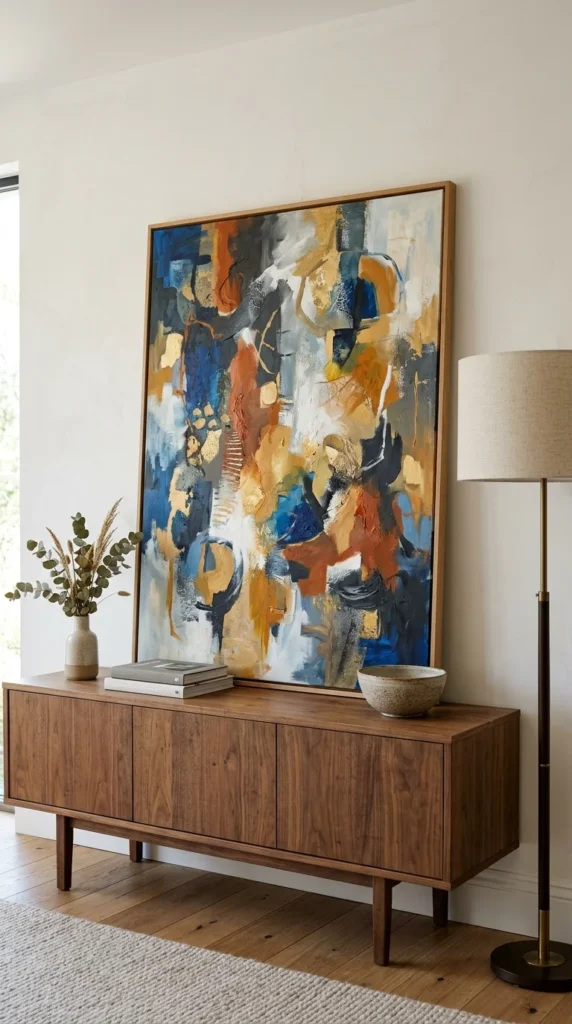
You don’t always need to hammer nails into the wall. Leaning art on a mantle, a sideboard, or even the floor creates a relaxed, “atelier” vibe that feels very European and chic. This allows you to swap pieces out easily and prevents the room from feeling too stiff or formal.
15. Basket Storage
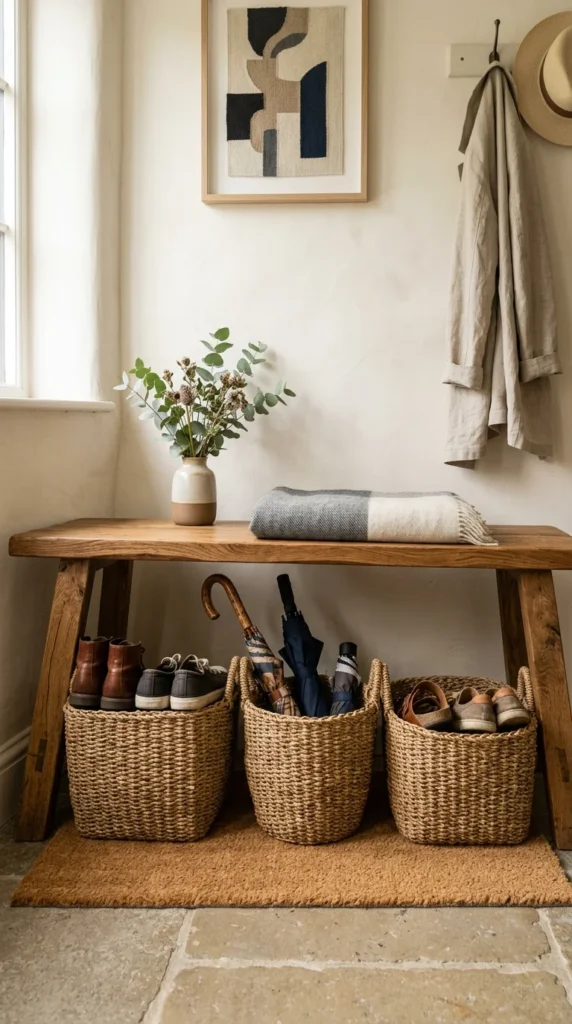
Clutter is the enemy of an elevated home. Use woven baskets to hide the “ugly” necessities like kids’ toys, extra blankets, or dog leashes. Baskets add a natural, warm texture to the room while keeping surfaces clear. Choose uniform styles to create a sense of order in mudrooms or laundry areas.
16. Fresh Paint
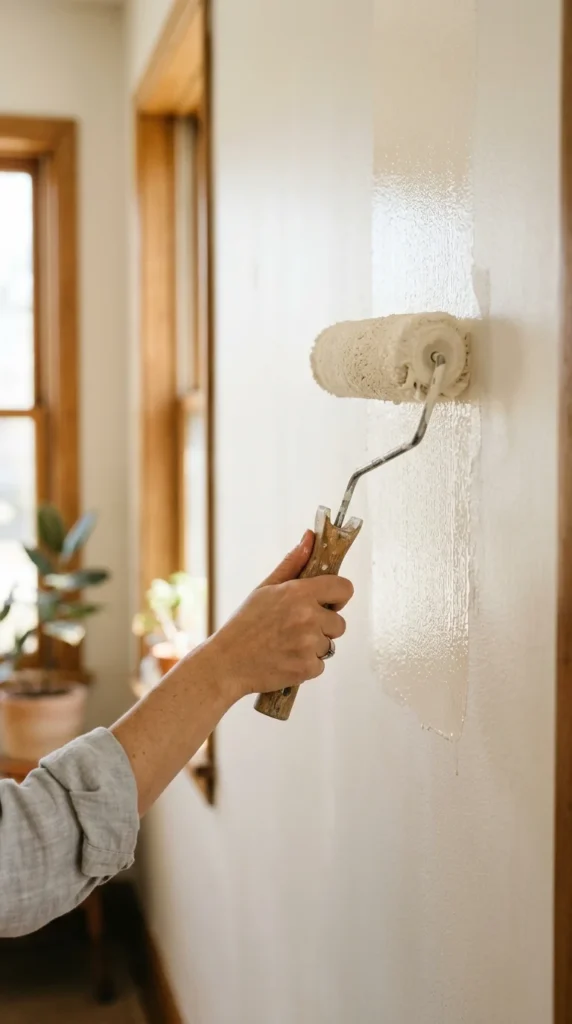
Sometimes, all a room needs is a “reset.” Scuffed walls and yellowing trim can make even the most expensive furniture look dingy. A fresh coat of “Gallery White” or a soft “Greige” can brighten the space and make everything feel brand new. Don’t forget the ceiling—painting it the same color as the walls can make a small room feel much more expansive and modern.
17. Vintage Books
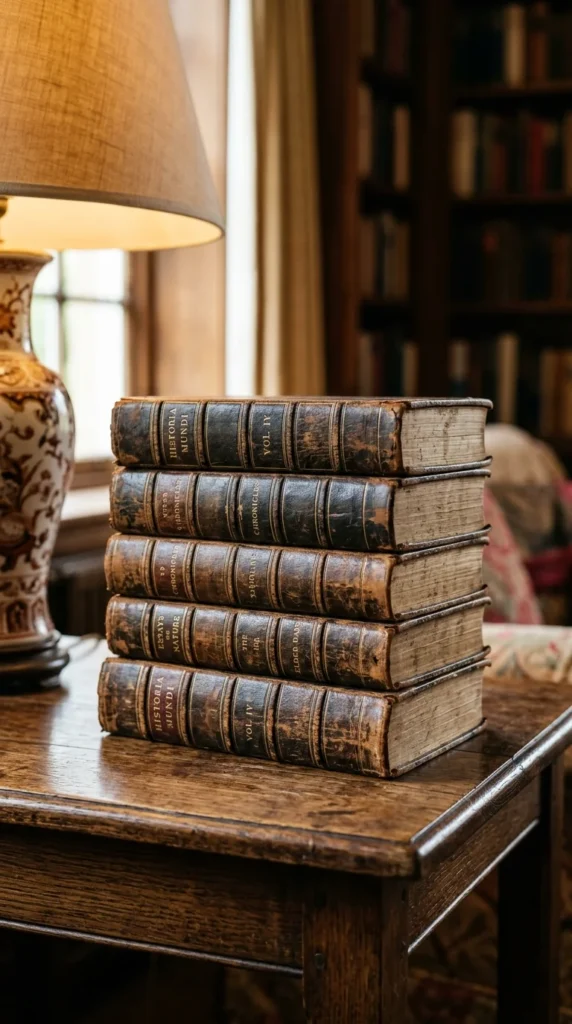
Hardcover books are one of the most versatile decor items. You can find them for cents at library sales. Remove the glossy paper dust jackets to reveal the beautiful cloth or leather bindings underneath. Use them to add height to lamps, fill empty shelf spaces, or simply add a sense of history and wisdom to your decor.
18. Cozy Nooks
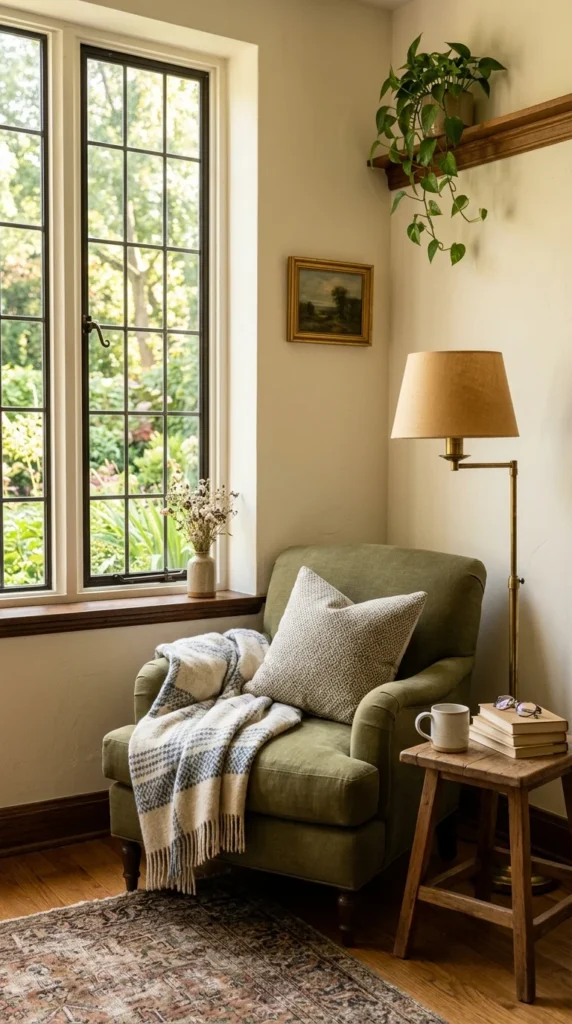
Creating “zones” in a room makes it feel larger and more functional. Transform an unused corner into a reading nook with a chair you already own, a small side table, and a floor lamp. Defining these little moments of peace makes a home feel more luxurious and thoughtfully designed.
19. Decorative Trays
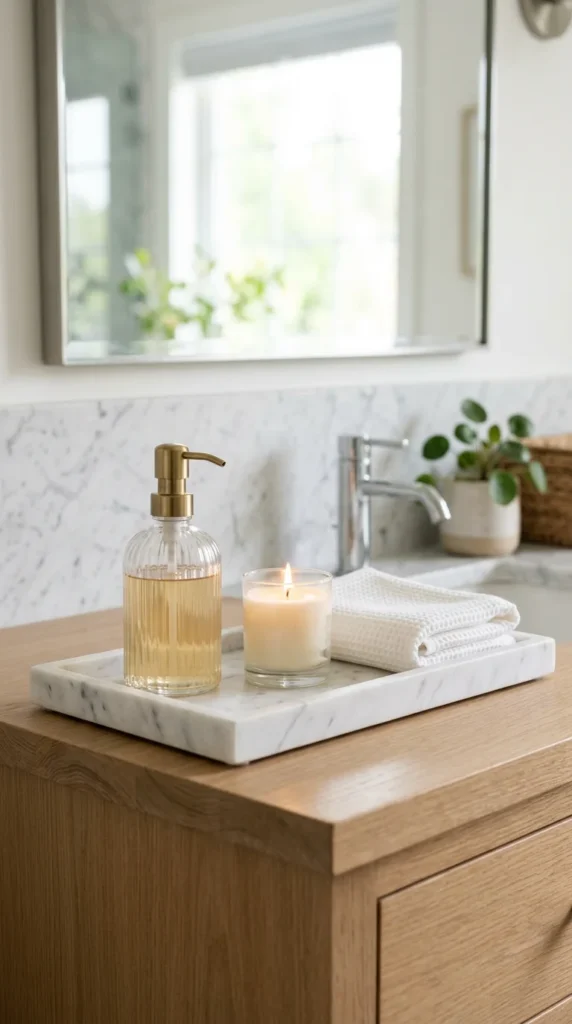
Trays are the ultimate organization tool. Whether it’s on a bathroom counter to hold skincare products, in the kitchen for oils and spices, or on an ottoman to hold drinks, a tray says “this is a deliberate arrangement” rather than “this is a mess.” It instantly elevates everyday items into a display.
20. Seasonal Florals
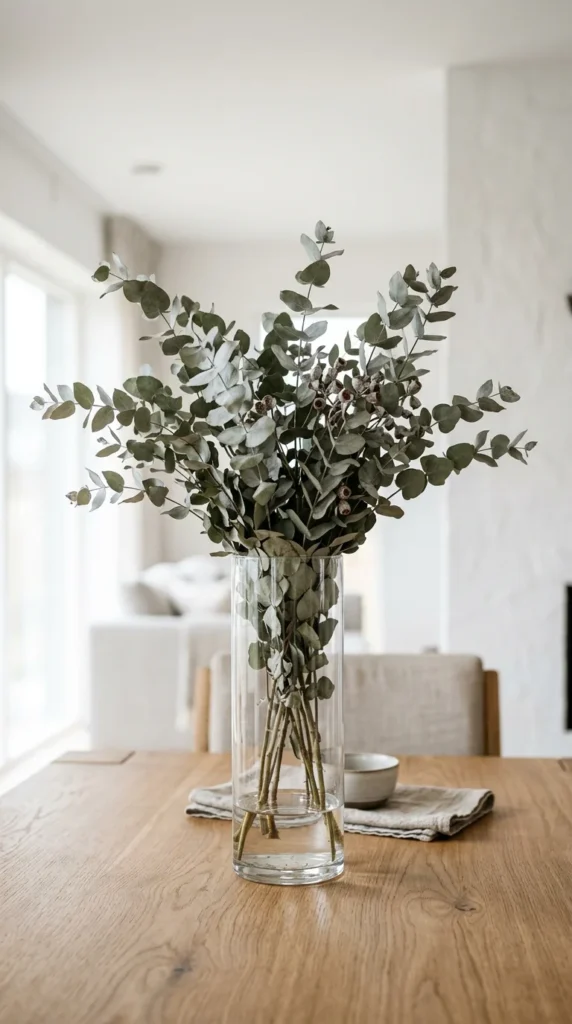
You don’t need fresh roses every week to have a beautiful home. Foraged branches, dried eucalyptus, or even a few stems of pampas grass can last for months and add an organic, architectural element to your space. They provide height and a connection to the outdoors that makes any room feel fresher and more vibrant.