
Scandinavian design, often referred to as “Scandi” style, is the ultimate solution for small-space living. Emerging from the Nordic countries where winters are long and daylight is scarce, this aesthetic prioritizes brightness, simplicity, and utility. By focusing on “hygge” (comfort) and “lagom” (just the right amount), you can transform a cramped apartment into a sanctuary that feels expansive and serene. Here are 27 expert-approved ideas to bring the Nordic touch to your home.
1. White Walls
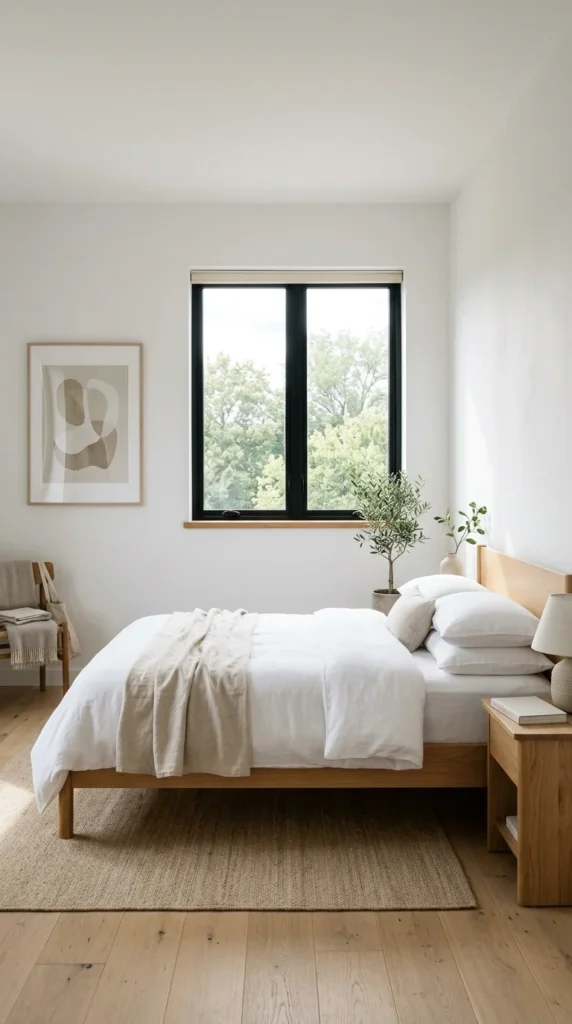
The foundation of any Scandinavian home is a bright, reflective color palette. Painting your walls a crisp, cool white is the fastest way to make a small room feel larger. White surfaces bounce natural light into every corner, eliminating shadows that can make a space feel enclosed. To avoid a clinical look, choose a white with a subtle warm undertone.
2. Multifunctional Furniture
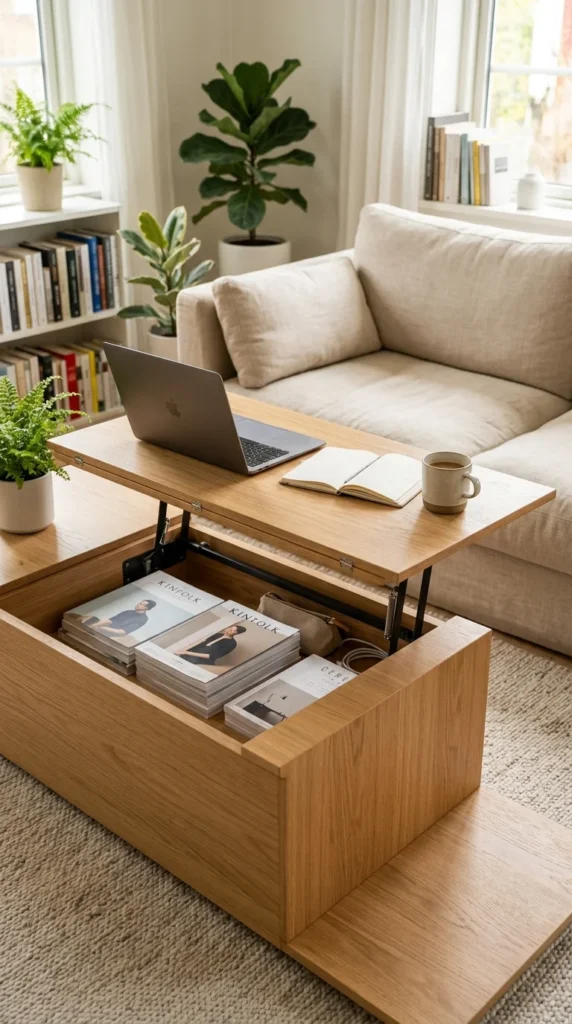
In a small space, every piece of furniture must earn its keep. Look for coffee tables with hidden storage, ottomans that double as guest seating, or sofa beds with streamlined silhouettes. Scandinavian design excels at creating pieces that are both beautiful and utilitarian, ensuring that your home remains clutter-free without sacrificing style.
3. Mirror Magic
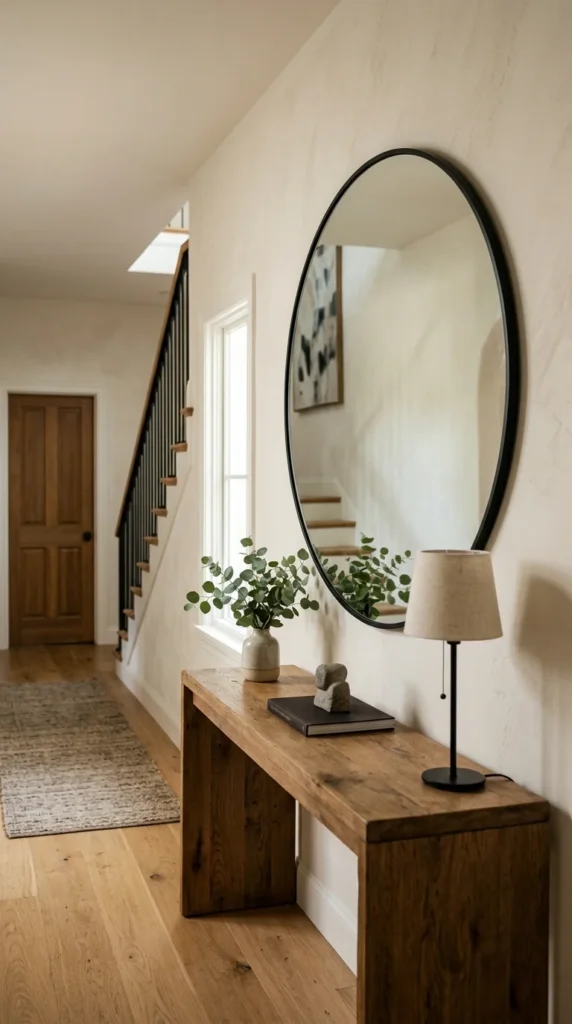
Mirrors are a classic trick for doubling the perceived size of a room. In Scandi decor, oversized round mirrors or floor-to-length leaners are preferred. Placing a mirror opposite a window captures the view and the light, effectively “adding” another window to your wall. This creates depth and breaks up the solidity of the walls.
4. Floating Shelves
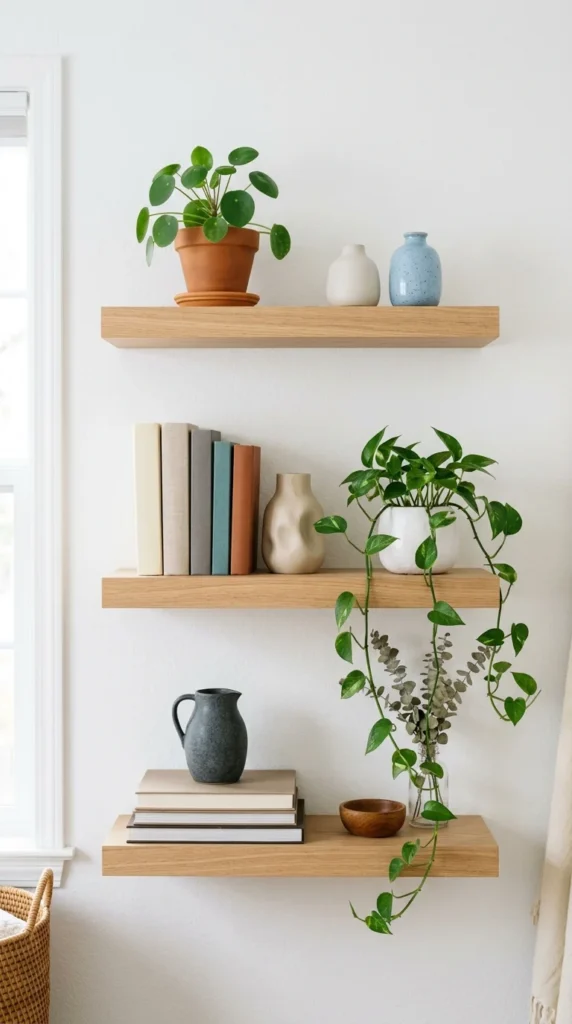
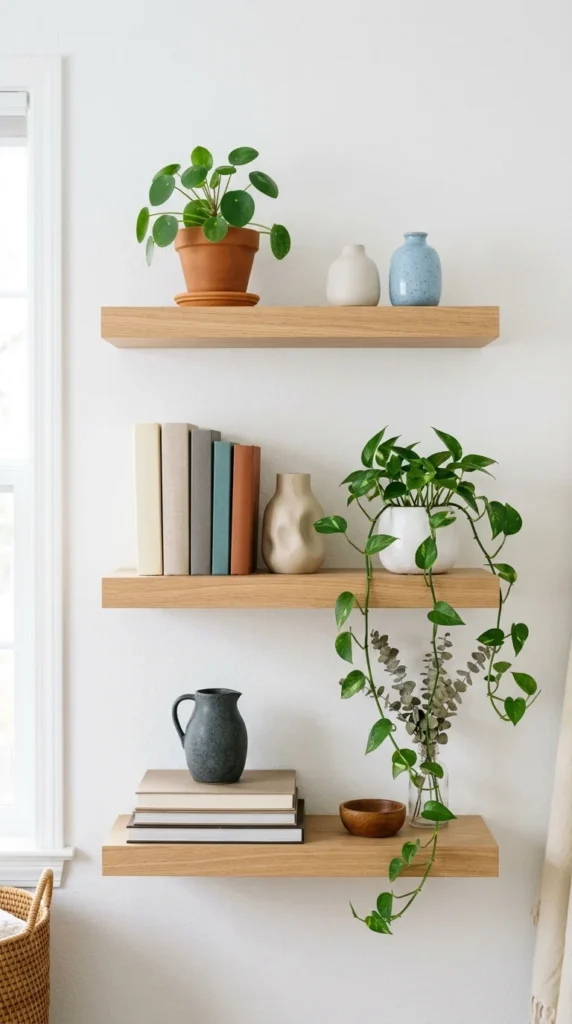
Floor space is precious in small apartments. By opting for floating shelves instead of bulky bookcases, you keep the floor clear, which makes the room feel more open. Use these shelves to display a curated selection of “objects d’art” and books, keeping the arrangement sparse to maintain a minimalist aesthetic.
5. Natural Light
Scandinavian interiors are designed to maximize every second of sunlight. Avoid heavy, dark drapes that block the sun. Instead, use sheer linen or cotton curtains that provide privacy while allowing light to filter through. If possible, leave windows completely bare to embrace the “Nordic light” and connect with the outdoors.
6. Light Wood
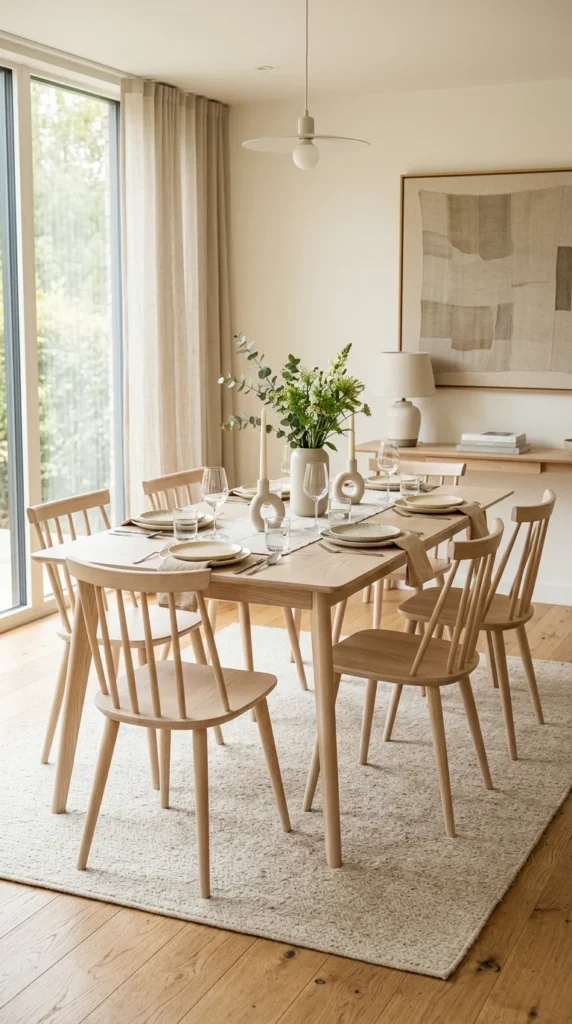
Wood is a central element in Nordic design, but the key is the tone. Light woods like ash, beech, and pine keep the environment feeling breezy and natural. Whether it’s your flooring, furniture legs, or kitchen cabinets, these pale timbers add warmth without the visual weight of darker woods like mahogany or walnut.
7. Minimalist Art
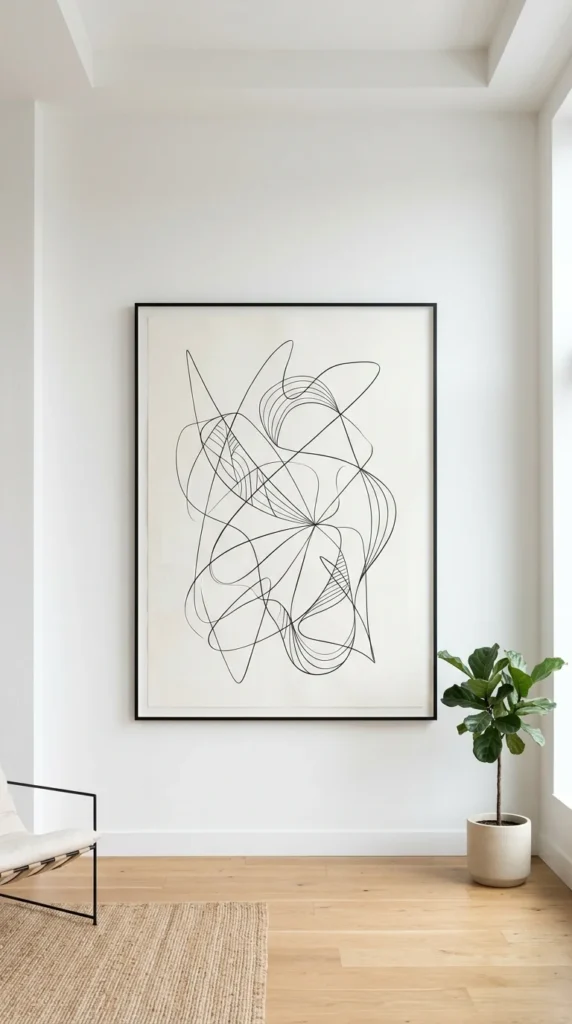
When decorating a small space, less is always more. Rather than a cluttered gallery wall, choose one or two large pieces of minimalist art. Large-scale art can actually make a small room feel grander. Look for line art, botanical prints, or abstract shapes in a neutral or monochromatic color scheme.
8. Indoor Greenery
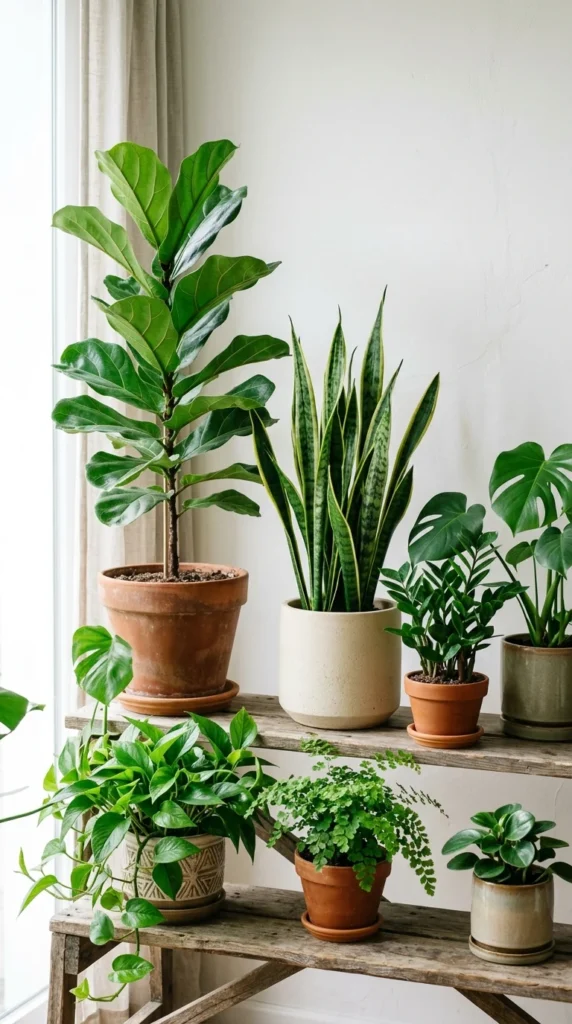
Plants are essential for adding life and color to a neutral Scandinavian palette. They bring the outdoors in, which is vital for mental well-being in small spaces. Opt for plants with architectural shapes, such as a Monstera or a tall Snake Plant, to add height and texture without requiring much horizontal space.
9. Hidden Storage
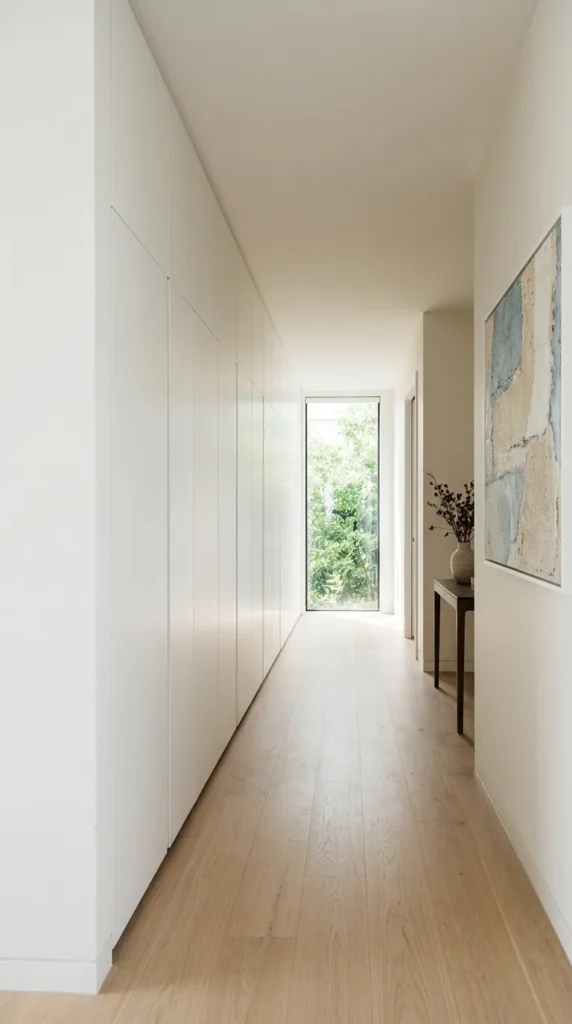
The secret to a functional small home is “out of sight, out of mind.” Scandinavian homes often utilize floor-to-ceiling built-in cabinets that match the wall color. This “invisible” storage allows you to tuck away seasonal clothes, cleaning supplies, and clutter, leaving your living areas pristine and calm.
10. Neutral Palette
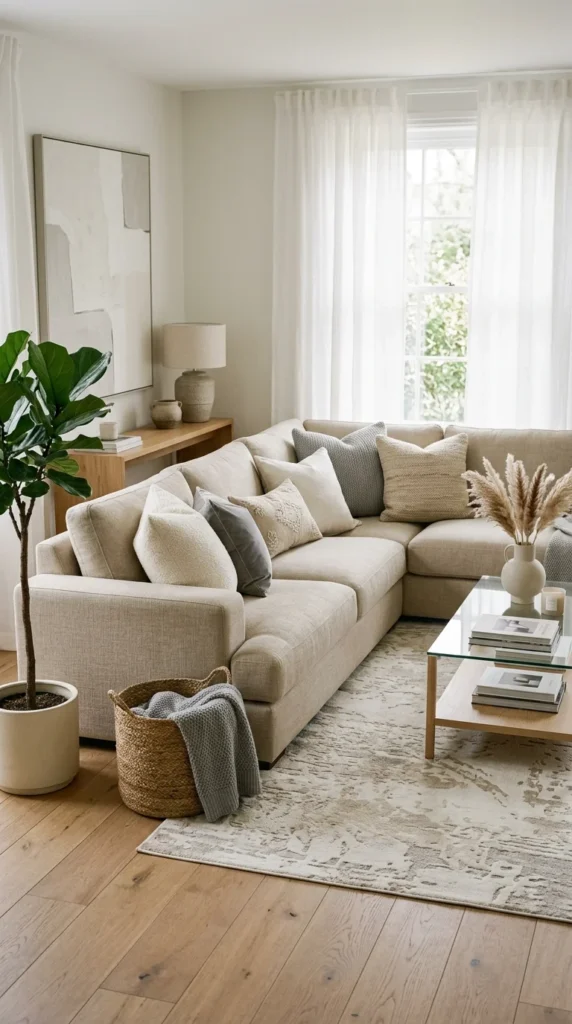
Consistency is key in a small home. By sticking to a palette of whites, greys, and beiges, you create a seamless flow between rooms. This lack of visual contrast prevents the eye from being “tripped up” by color changes, making the entire floor plan feel like one large, continuous space.
11. Hygge Textures
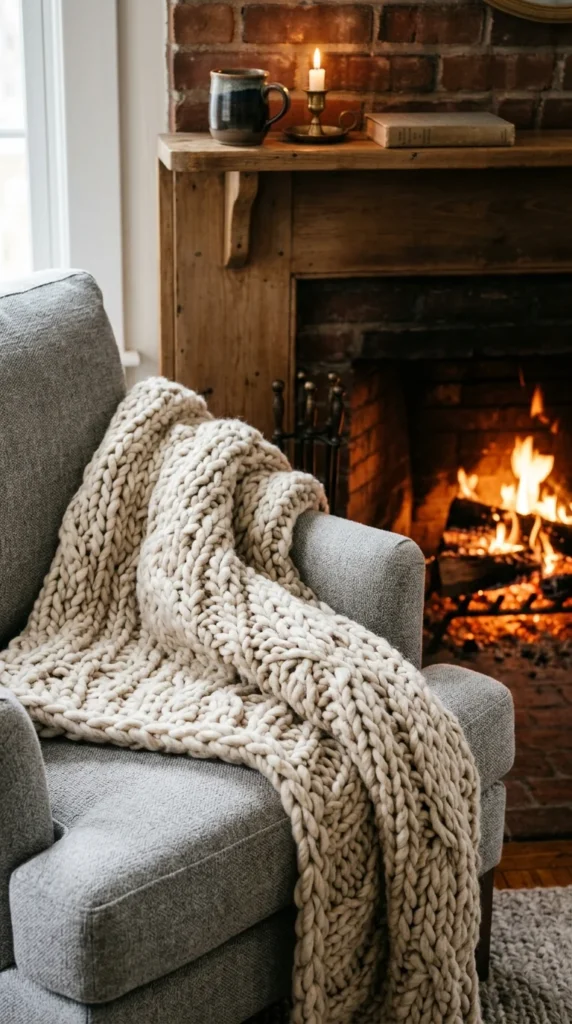
While the design is minimalist, it should never feel cold. “Hygge” is the Danish concept of coziness. Layer your space with different textures: a sheepskin rug, a chunky knit throw, or linen cushions. These tactile elements add depth and comfort to a small room, making it feel like a cozy retreat rather than a cramped box.
12. Tapered Legs
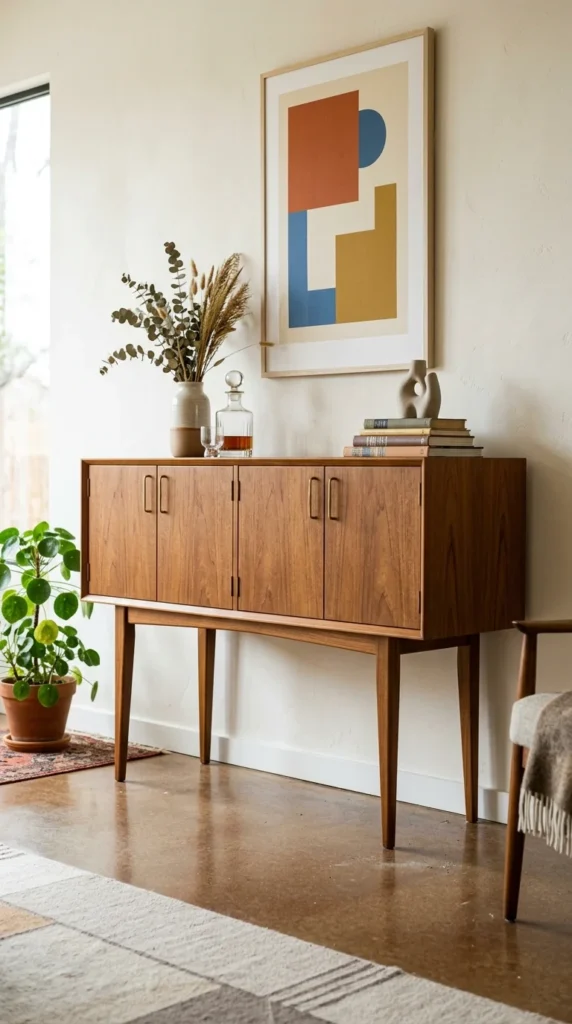
Furniture that sits directly on the floor can feel heavy and block the line of sight. Scandinavian furniture often features “compass legs” or tapered legs. By raising the bulk of the furniture off the ground and showing more of the floor, you create an illusion of more square footage.
13. Glass Partitions
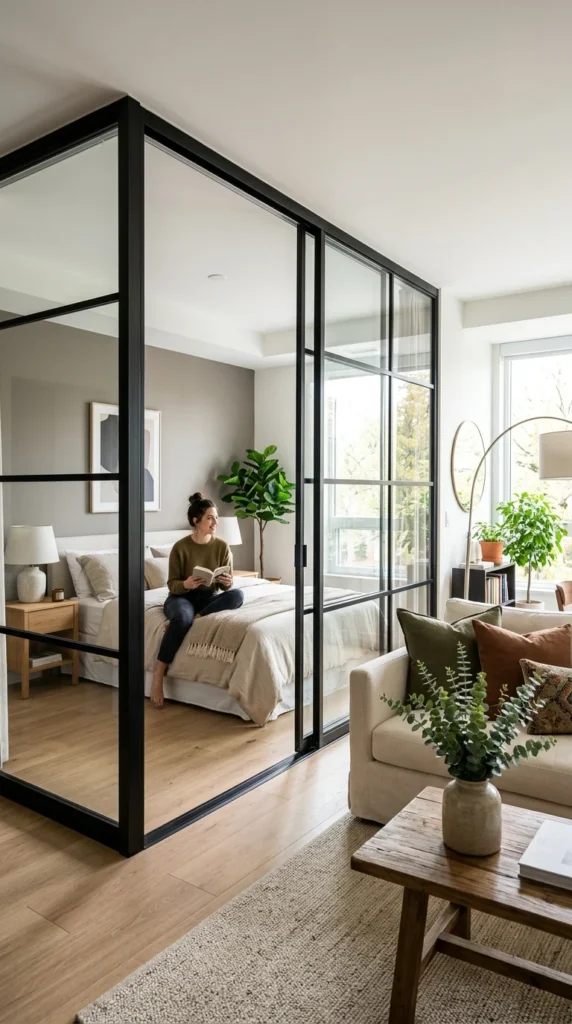
If you live in a studio, avoid using solid walls or heavy screens to divide the space. Glass partitions or “Crittall-style” windows allow light to flow through the entire apartment while still defining separate zones for sleeping and living. It provides acoustic privacy without the visual obstruction.
14. Vertical Gardens
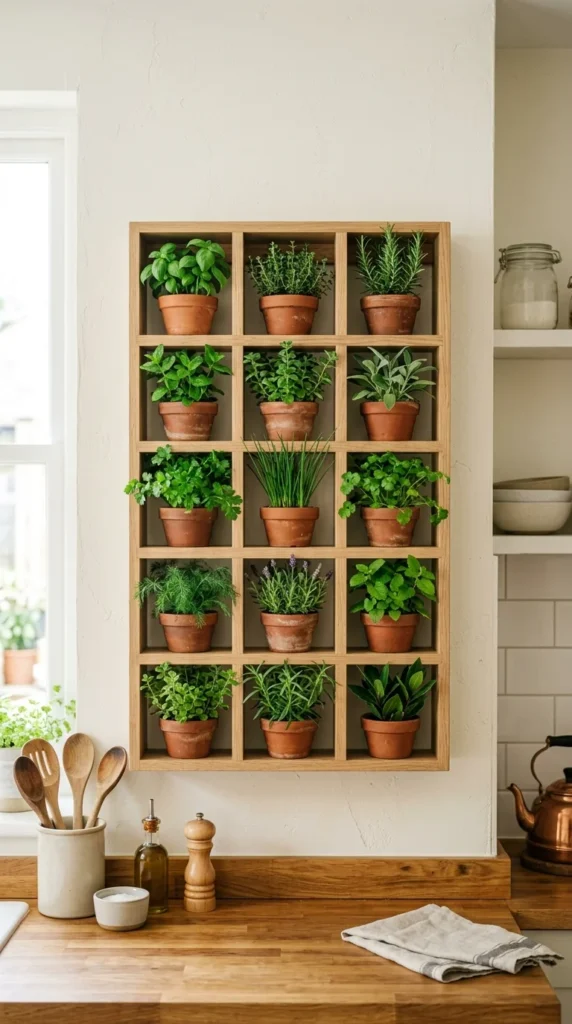
When you run out of floor space for plants, go vertical. Wall-mounted planters or hanging pots can turn a blank wall into a living feature. This is particularly effective in small Scandi kitchens, where a vertical herb garden provides fresh ingredients while doubling as decor.
15. Statement Lighting
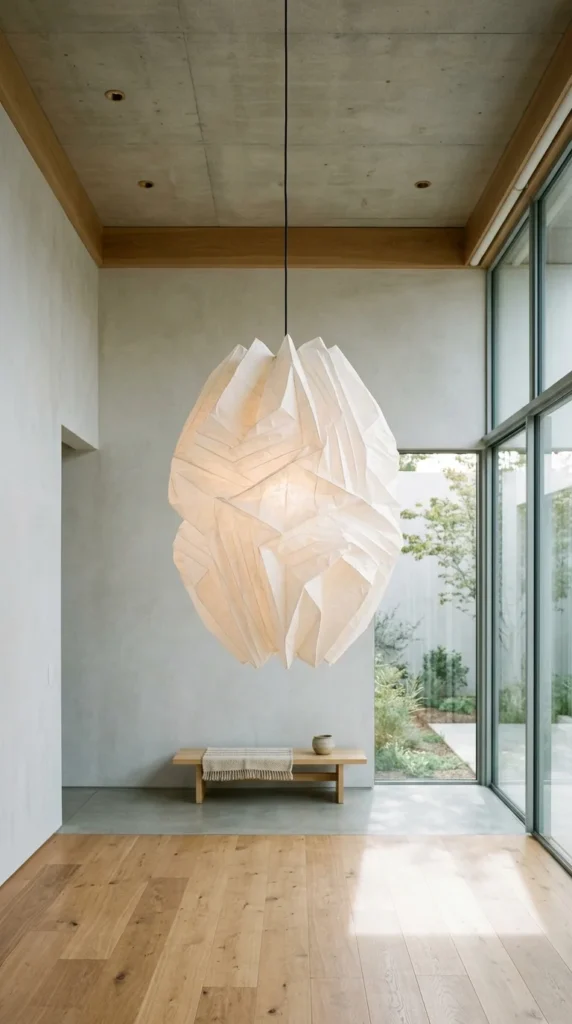
In a room with little furniture, a bold light fixture can act as the focal point. Scandinavian design is famous for its iconic lighting. Choose a pendant light with a clean, organic shape—like a PH lamp or a simple paper globe—to draw the eye upward and add a touch of sophisticated drama.
16. Foldable Tables
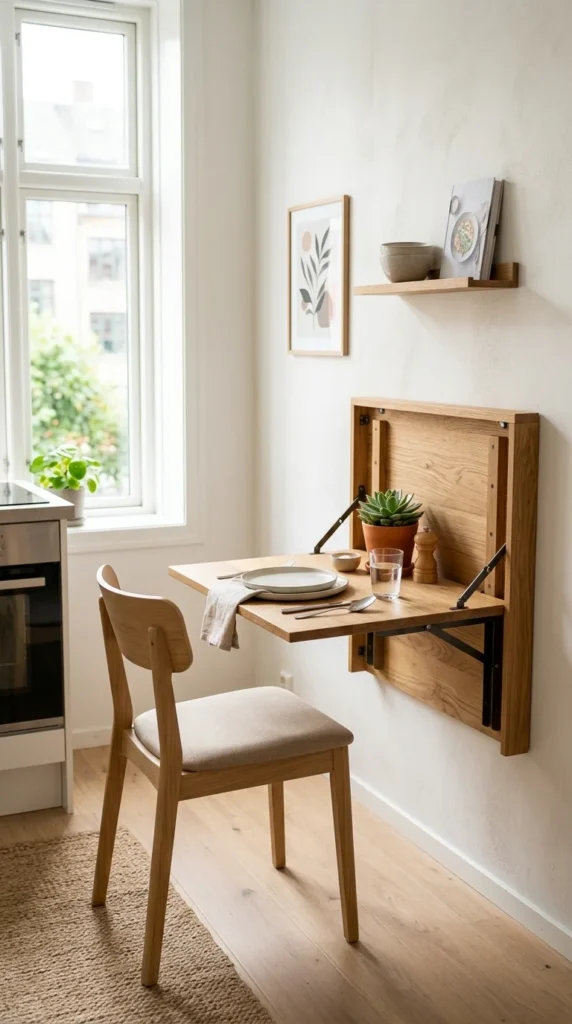
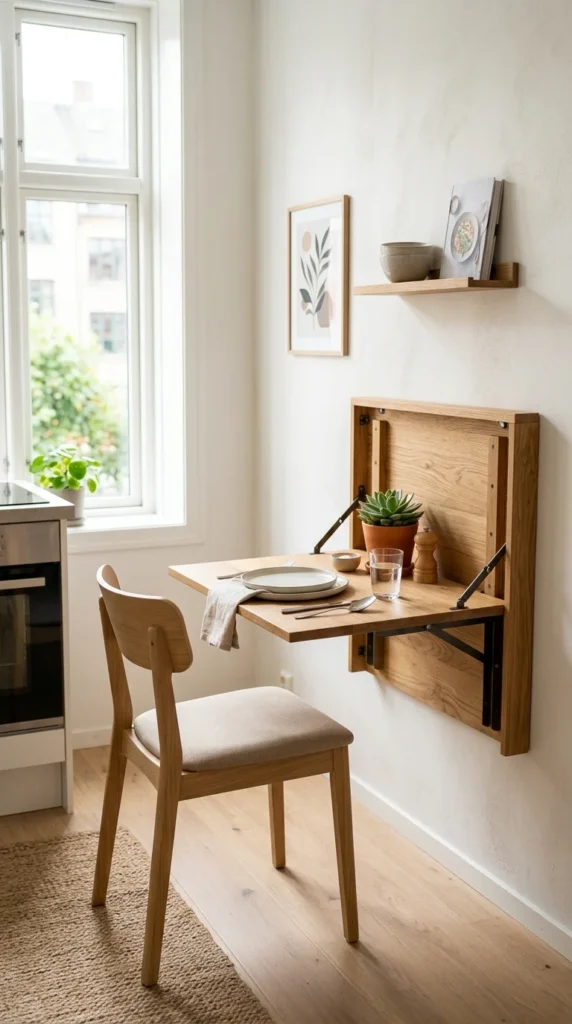
The “gateleg” table is a staple of Swedish design. These tables can be used as a slim console against a wall and then expanded to seat four or six people when guests arrive. Foldable furniture allows your home to be flexible, adapting to your needs throughout the day.
17. Rug Zoning
In an open-concept small home, rugs are the best way to define “rooms” without using physical barriers. Use a large rug to ground the living area and a different texture for the dining nook. This visual “zoning” helps organize the space and makes it feel more structured.
18. Open Closets
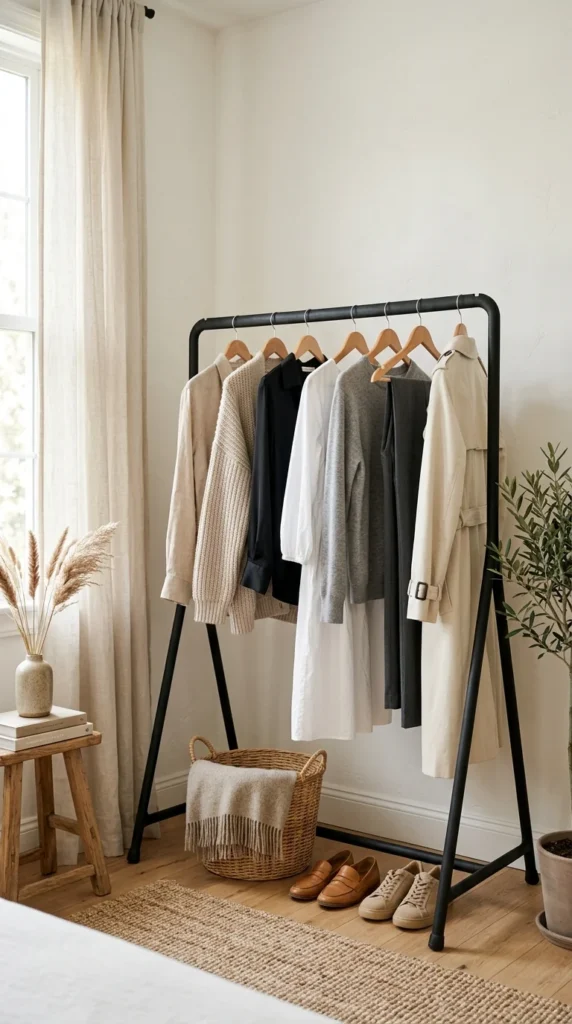
If your apartment lacks built-in closets, embrace the open wardrobe. A sleek clothing rack paired with a few aesthetic pieces of clothing can look like a boutique display. The key is to keep it organized and stick to a cohesive color palette to prevent it from looking like “visual noise.”
19. Layered Bedding
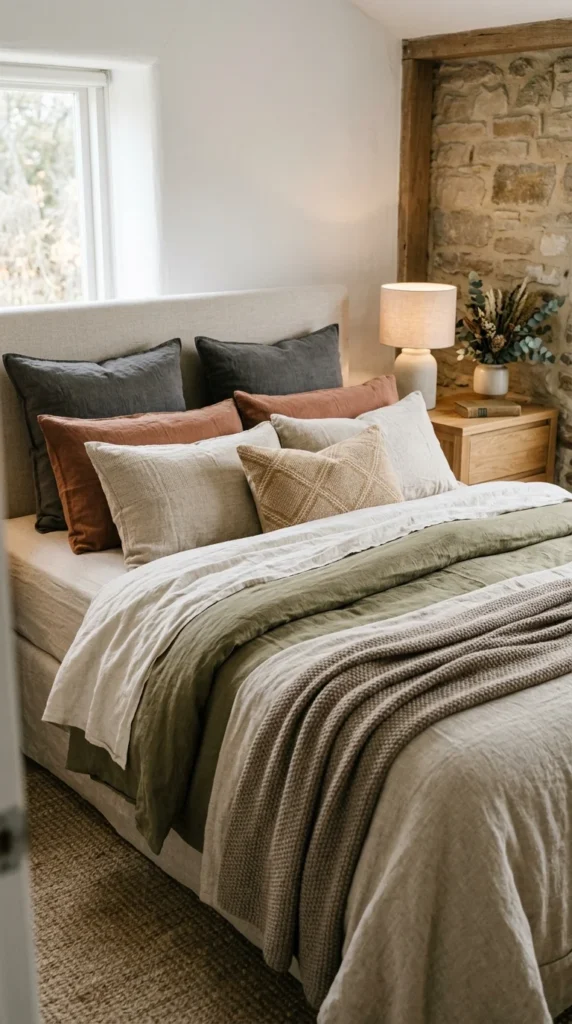
In a small bedroom, the bed is usually the largest object. Make it a focal point of comfort by layering high-quality natural fabrics. Scandi style often involves two smaller duvets instead of one large one (the “Scandinavian sleep method”) and plenty of linen, which breathes well and looks effortlessly chic even when wrinkled.
20. Woven Baskets
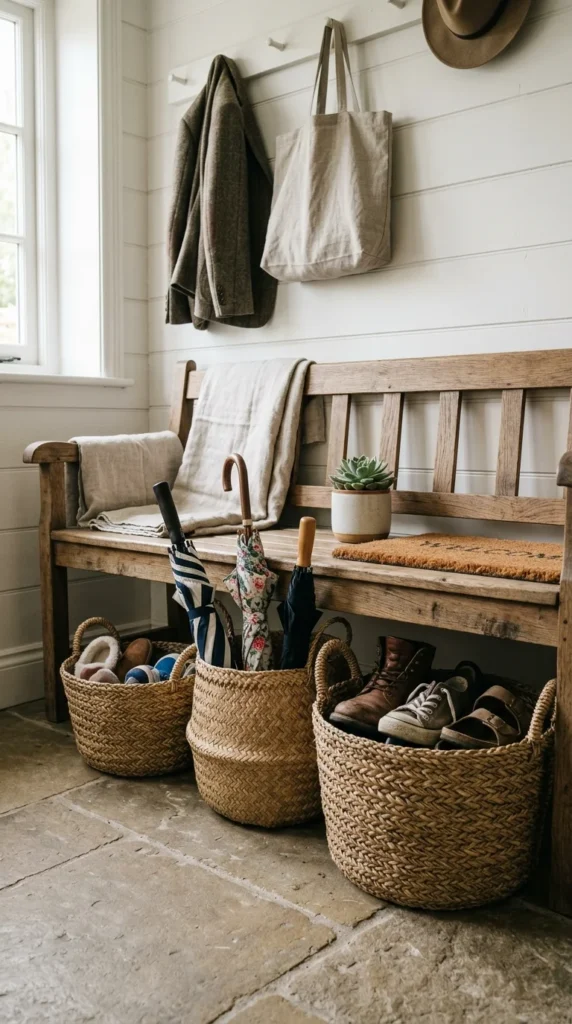
Storage doesn’t have to be plastic bins. Use woven seagrass or wicker baskets to hide away the items you use daily. They add a natural, organic texture to the room and fit perfectly under benches, in corners, or on lower shelves, keeping the floor tidy.
21. Clear Acrylic
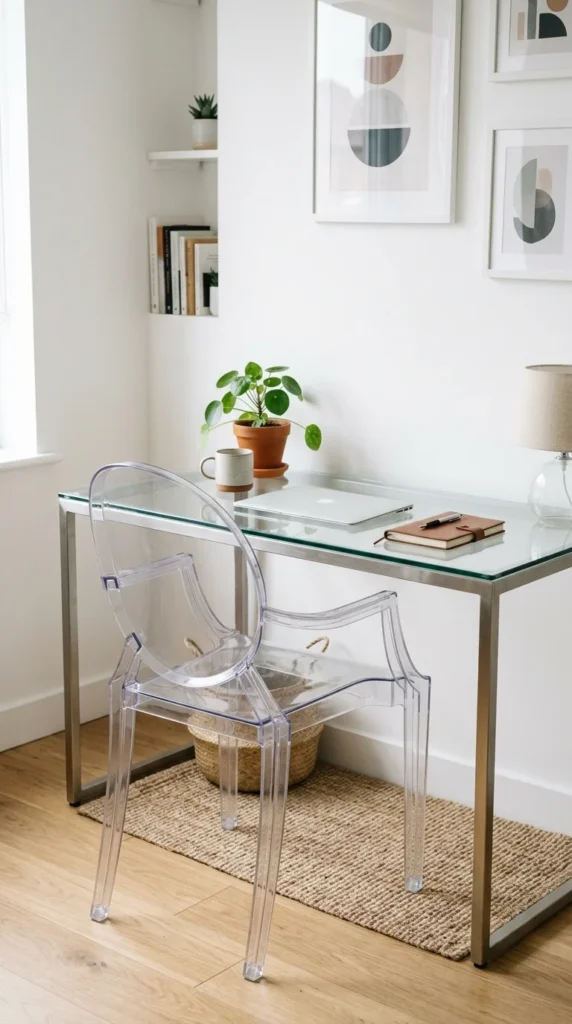
“Ghost” furniture—pieces made from clear acrylic or glass—is a brilliant trick for small spaces. Because they are transparent, they take up virtually zero visual space. A clear ghost chair at a small desk provides seating without making the corner feel cluttered or heavy.
22. Corner Nooks
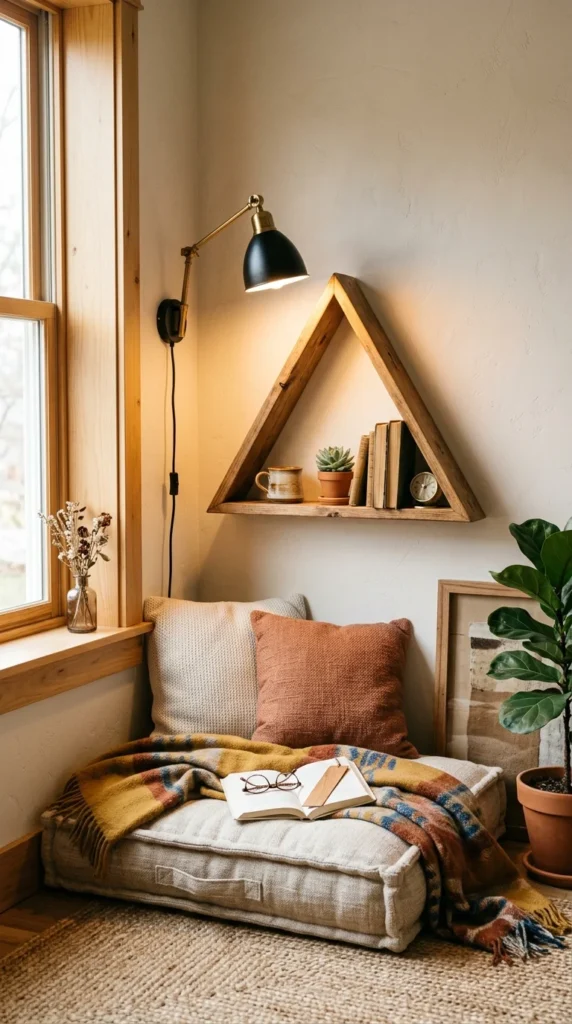
In a small home, every corner is an opportunity. Instead of leaving corners empty, turn them into functional zones. A small corner shelf can hold a coffee station, or a single armchair with a lamp can create a dedicated reading nook. Utilizing corners draws the eyes to the perimeter of the room, making it feel wider.
23. Monochromatic Schemes
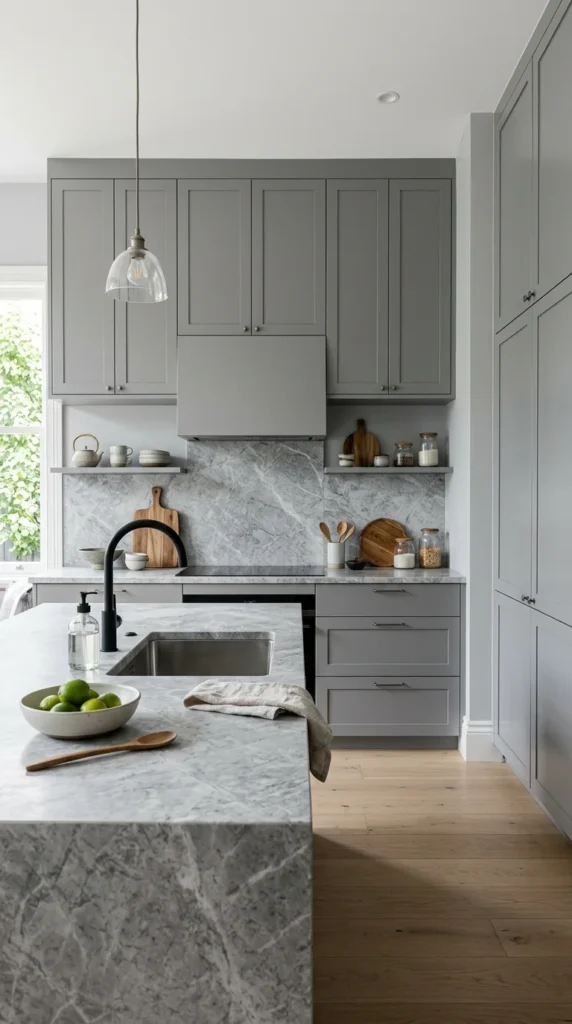
While white is the classic choice, a monochromatic scheme in any soft color can work wonders. Using different shades of the same color—like varying tones of sage green or dove grey—creates a sophisticated, high-end look that feels unified. This prevents the space from feeling “choppy.”
24. Minimalist Hardware
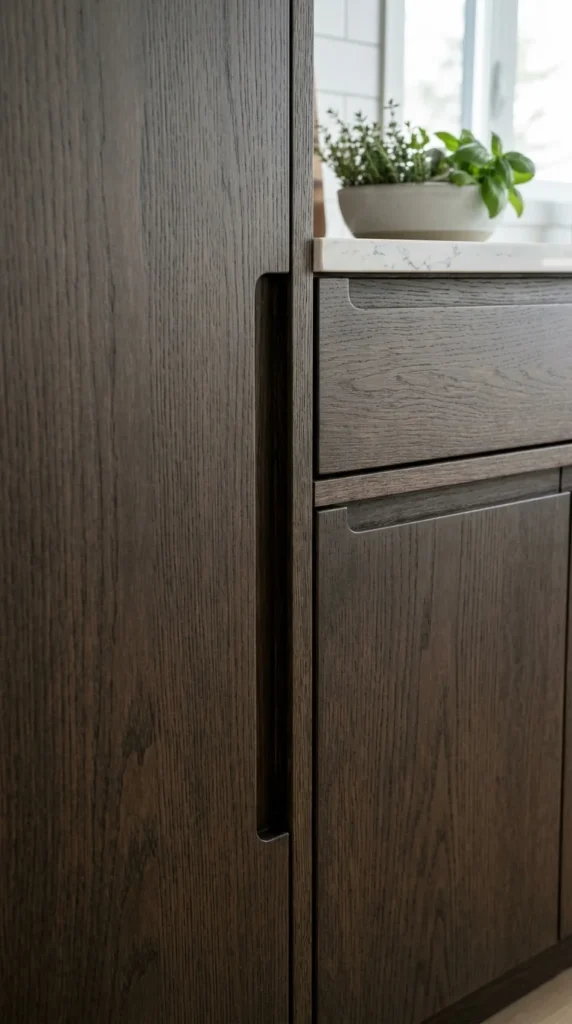
Details matter in small spaces. Bulky handles and knobs can snag clothing and add visual clutter. Scandinavian design often uses recessed pulls or very slim, minimalist hardware. This keeps the lines of your cabinetry clean and creates a more streamlined, “flush” look across your home.
25. Window Ledges
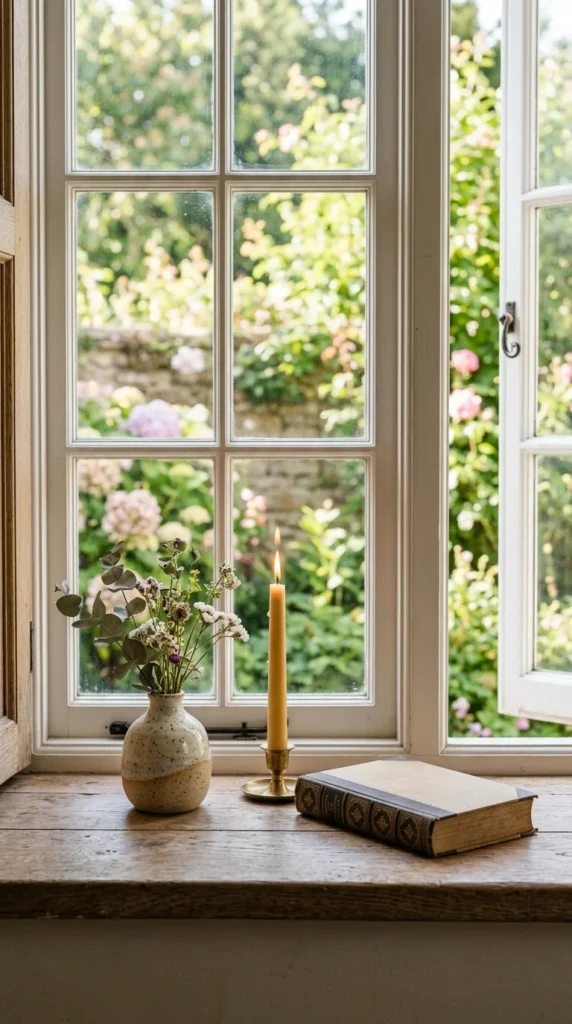
If you have deep window sills, use them! In many Nordic homes, the window ledge acts as an extra shelf. Use it to display a few prized possessions, a small lamp, or a collection of succulents. It’s a great way to utilize “dead space” that is often overlooked.
26. Pegboards
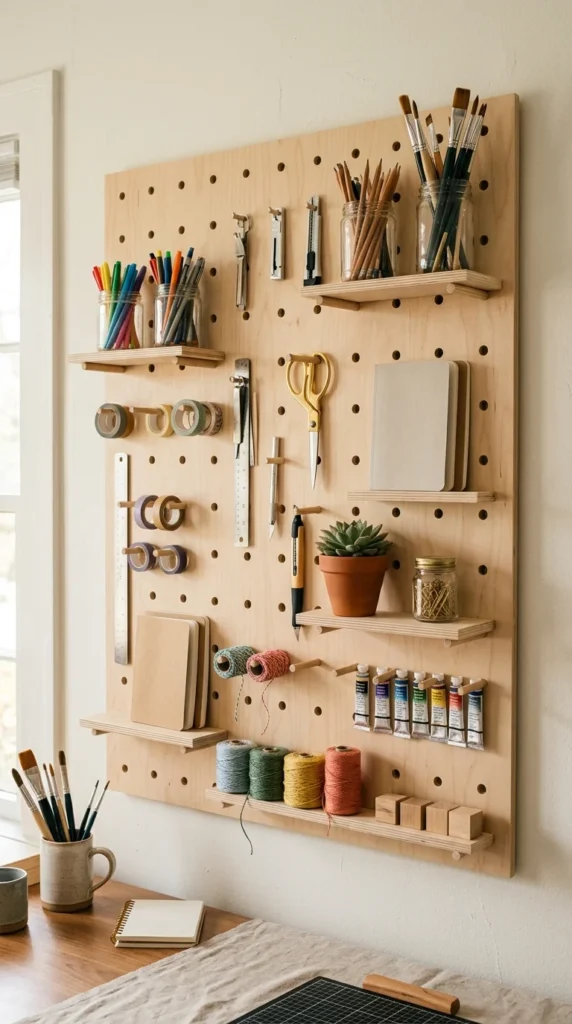
The pegboard is the ultimate modular storage solution. Popularized by modern Scandi workshops and home offices, a wooden pegboard allows you to move shelves and hooks around as your needs change. It’s a functional piece of wall art that keeps your desk or kitchen counters completely clear.
27. Low-Profile Seating
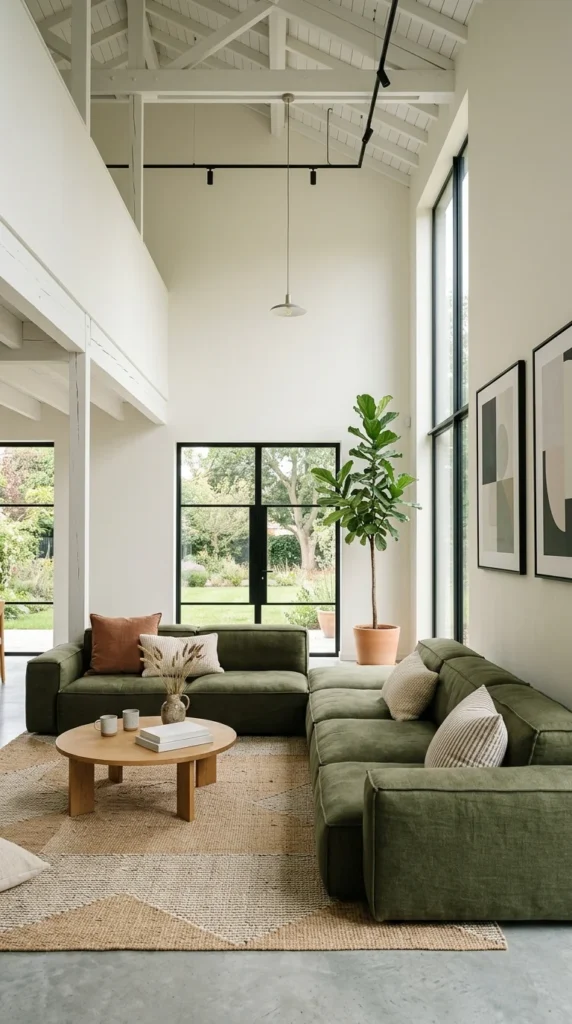
To make your ceilings feel higher, go low with your furniture. Low-profile sofas and lounge chairs create more “air” between the furniture and the ceiling. This vertical clearance is essential for making a small room feel grand and breathable, adhering to the core Scandinavian principle of spatial harmony.