
Living in a small apartment doesn’t have to mean living in a state of constant claustrophobia. While the square footage might be limited, your creativity isn’t. The secret to a spacious-feeling home lies not in how much room you have, but in how you utilize every available inch of it. Whether you’re in a cozy studio or a compact one-bedroom, these 26 genius hacks will help you reclaim your space, reduce clutter, and create an airy sanctuary that feels twice its actual size.
1. Mirror Walls
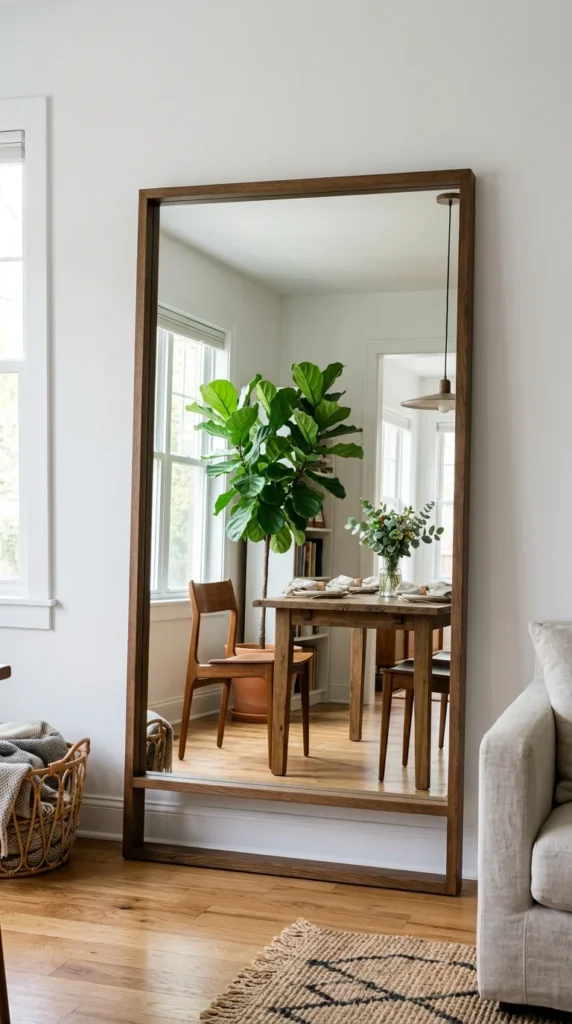
Mirrors are the oldest trick in the interior design book for a reason: they work. By placing a large mirror opposite a window, you effectively double the amount of natural light entering the room. This light bounce eliminates dark corners that make a room feel smaller. For the biggest impact, consider a floor-to-ceiling mirror or a “gallery wall” of smaller mirrors. The reflection creates visual depth, tricking the eye into believing the room extends far beyond the actual wall.
2. Vertical Storage
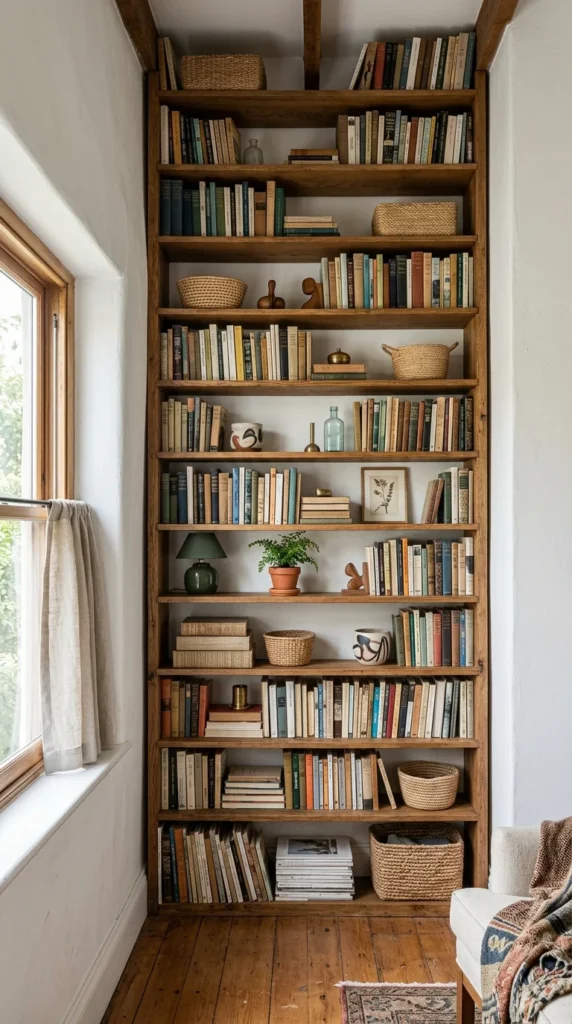
When you run out of floor space, look up. Most people forget the vast amount of storage potential located between eye level and the ceiling. Installing floor-to-ceiling shelving units or high-mounted cabinets draws the eye upward, making the ceilings feel higher. Use the top shelves for items you rarely use—like seasonal decor or extra linens—and keep daily essentials within arm’s reach. This strategy keeps the “walking path” clear while maximizing your apartment’s cubic footage.
3. Under-Bed Space
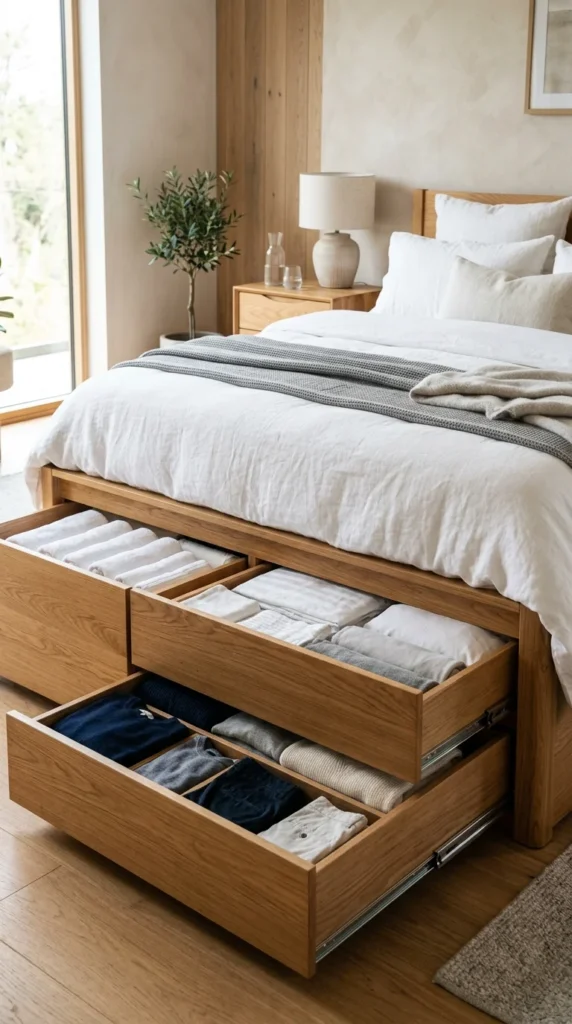
The area under your bed is prime real estate that is often wasted or turned into a “clutter graveyard.” Instead of letting dust bunnies rule the territory, invest in a bed frame with built-in drawers. If you already have a bed, use low-profile plastic bins or vacuum-sealed bags to store out-of-season clothing. By moving these bulky items out of your closet and under your bed, you free up valuable hanging space for your everyday wardrobe.
4. Multipurpose Furniture
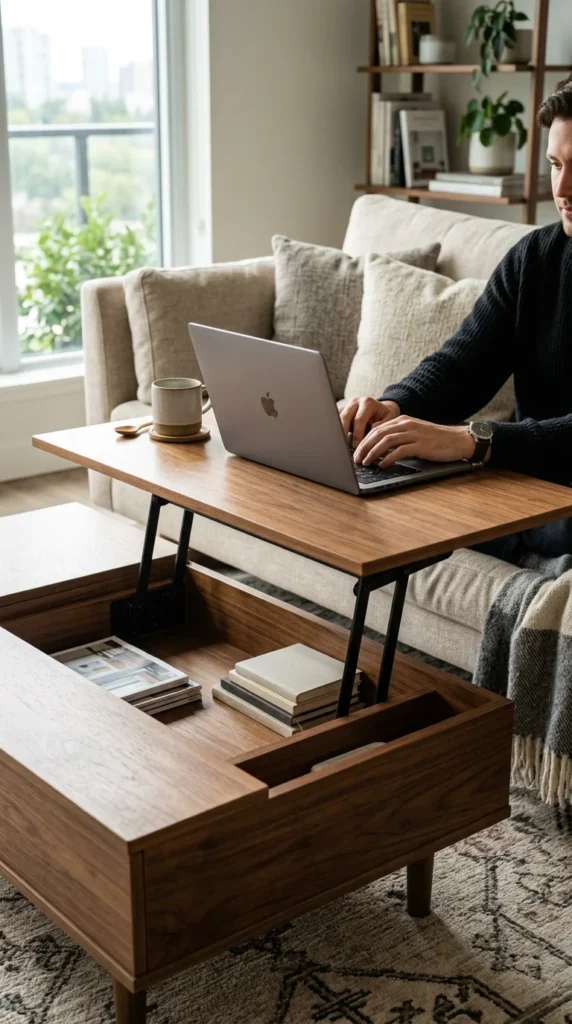
In a small apartment, every piece of furniture must earn its keep by performing more than one task. Look for coffee tables that lift up to become dining desks, or ottomans that provide seating while hiding a hollow center for storage. A sofa bed is a classic example, allowing your living room to transform into a guest suite in minutes. When furniture serves dual purposes, you need fewer individual pieces, which naturally opens up the floor plan.
5. Floating Shelves
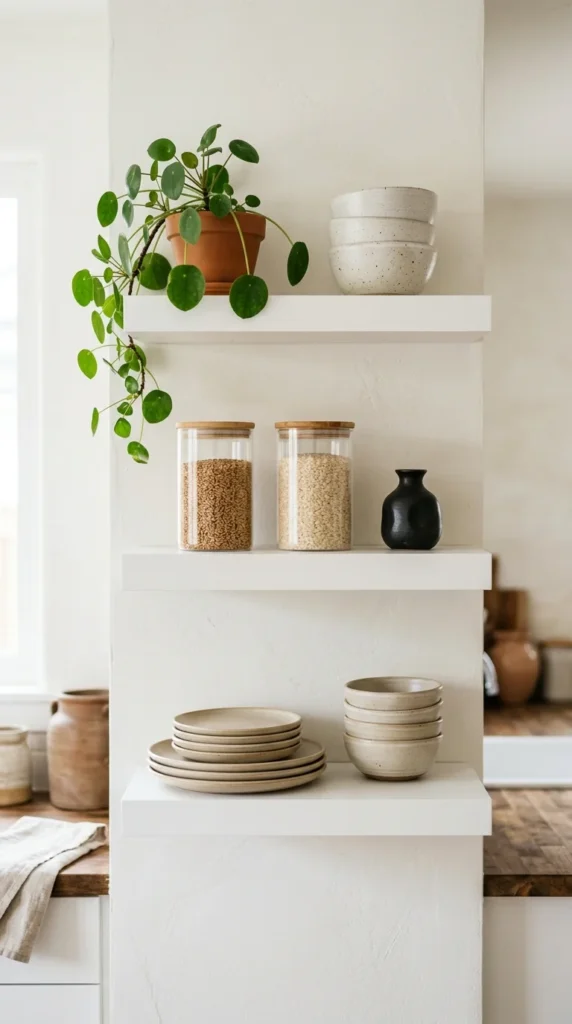
Bulky bookcases can overwhelm a small room. Floating shelves provide the same storage and display capacity without the heavy visual footprint. Because they lack legs and a bulky frame, they keep the walls looking “light.” Use them in the kitchen for spices, in the bathroom for toiletries, or in the living room for art. By keeping items off the floor and off bulky furniture, you maintain a sense of openness and flow.
6. Transparent Furniture
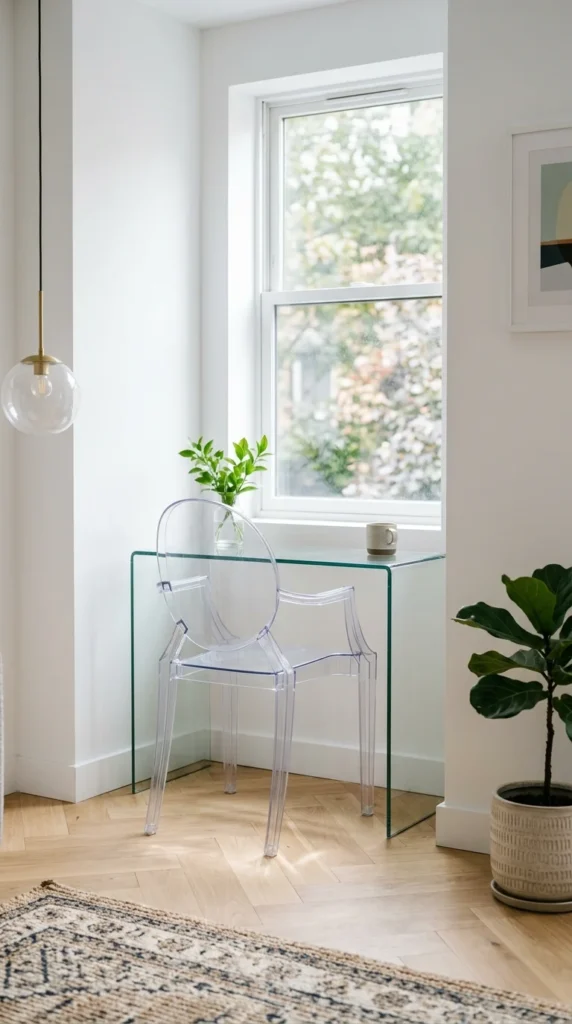
Visual weight is a crucial concept in small-space design. A heavy, dark wooden chair takes up a lot of “visual space,” whereas a piece made of glass or acrylic (often called “ghost furniture”) occupies almost none. Using a glass dining table or clear acrylic chairs allows the eye to travel right through the objects to the walls beyond. This creates an unobstructed view that makes the room feel significantly less crowded.
7. Door Organizers
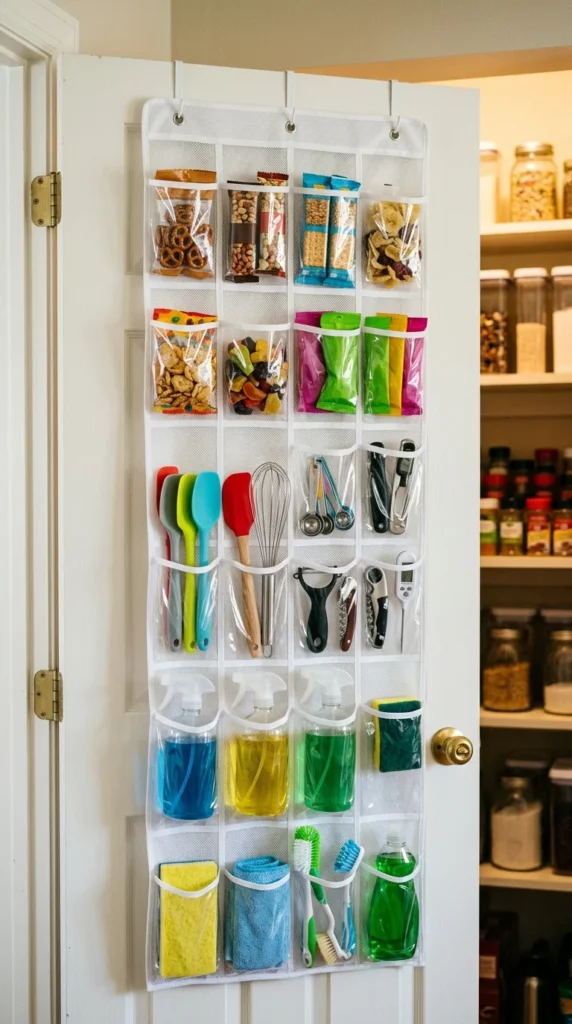
The backs of your doors are hidden gold mines for organization. Over-the-door racks aren’t just for shoes; they can hold cleaning supplies in the pantry, beauty products in the bathroom, or accessories in the bedroom. By utilizing this “dead space,” you can clear off countertops and vanity tops, which are the first places where clutter tends to accumulate and make a room feel cramped.
8. Curtain Dividers
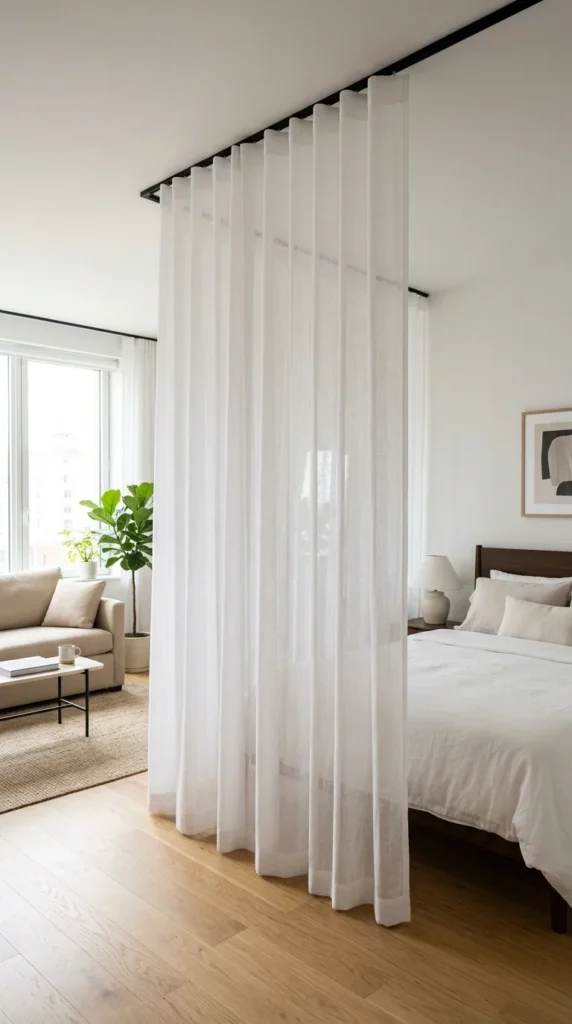
Standard room dividers or folding screens can feel clunky and take up floor space. Instead, use floor-to-ceiling curtains to delineate different zones in a studio apartment. Curtains provide a soft, textural element that doesn’t feel like a hard wall. When you want an open feel, simply slide them back. When you want privacy for your bed area, pull them shut. They provide flexibility without the permanence or bulk of traditional walls.
9. Leggy Furniture
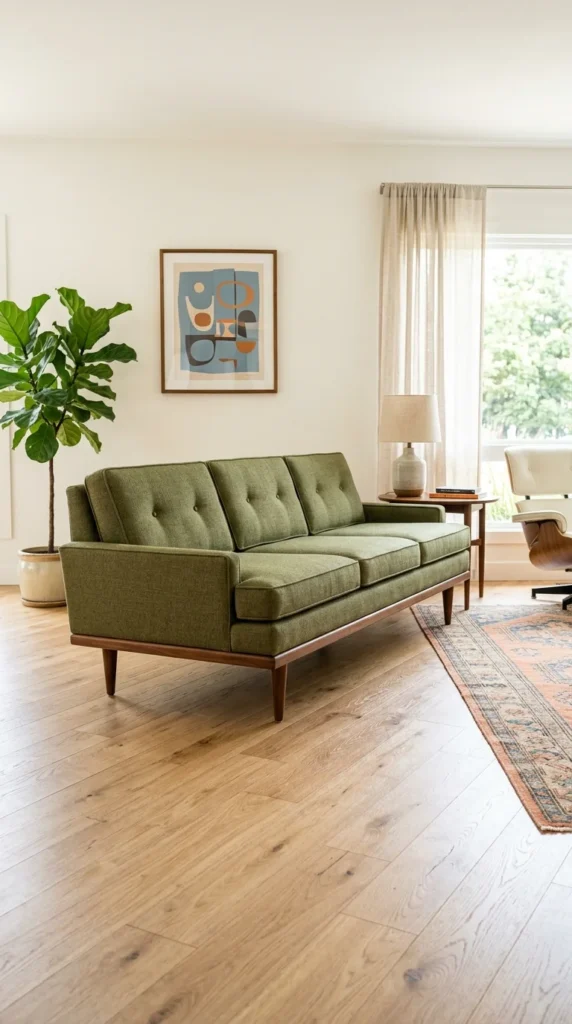
Furniture that sits directly on the floor can feel heavy and blocky. Choosing pieces with “legs”—such as a sofa on tapered wooden legs or a bed frame that sits high off the ground—allows you to see more of the floor. When the floor extends under the furniture, the room feels more continuous and less fragmented. This simple swap can make a massive difference in the perceived size of a living room.
10. Corner Shelving
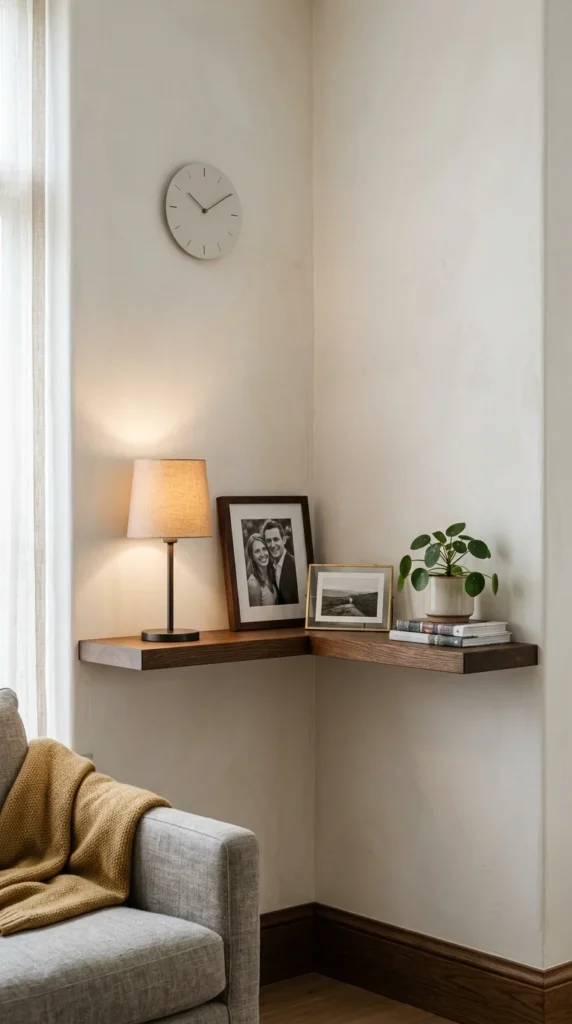
Corners are often the most underutilized parts of an apartment. Instead of leaving them empty, install specialized corner shelving. These units wrap around the angle of the wall, providing a perfect spot for books or decor without protruding into the main walking paths. It’s a great way to squeeze utility out of a space that would otherwise be “dead air.”
11. Sliding Doors
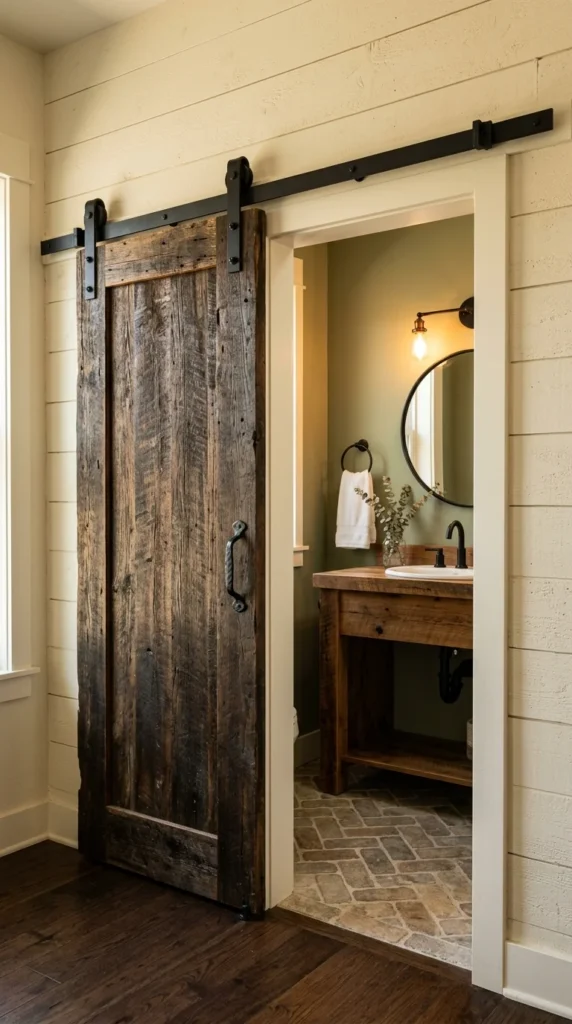
Traditional swinging doors require a “clearance arc”—a several-foot radius where you can’t place any furniture. In a small apartment, this is a huge waste of space. Replacing standard doors with sliding barn doors or pocket doors eliminates this requirement. This allows you to place a chair or a cabinet right up against the wall where a door would normally swing open, effectively reclaiming several square feet of usable floor.
12. Neutral Palettes
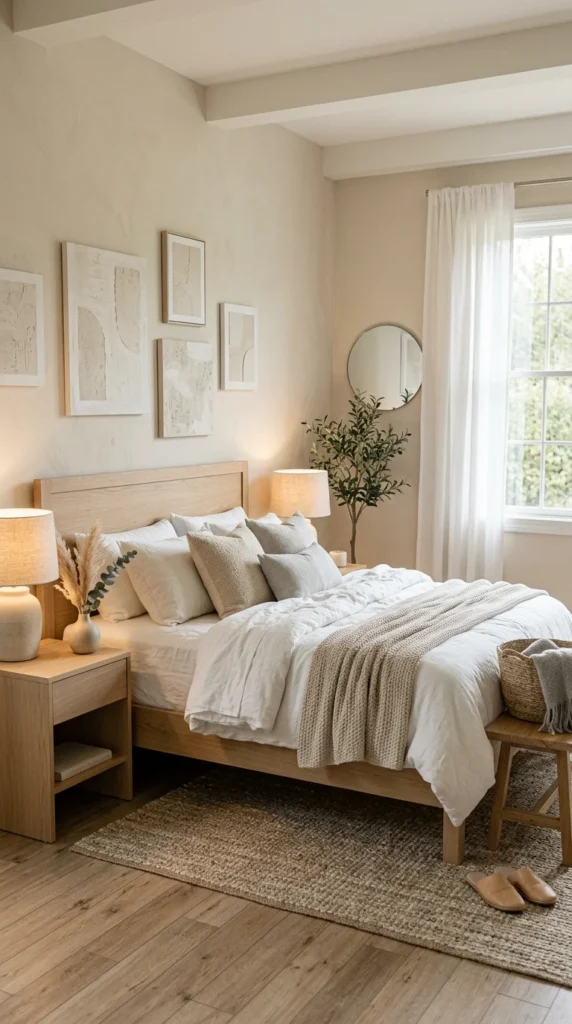
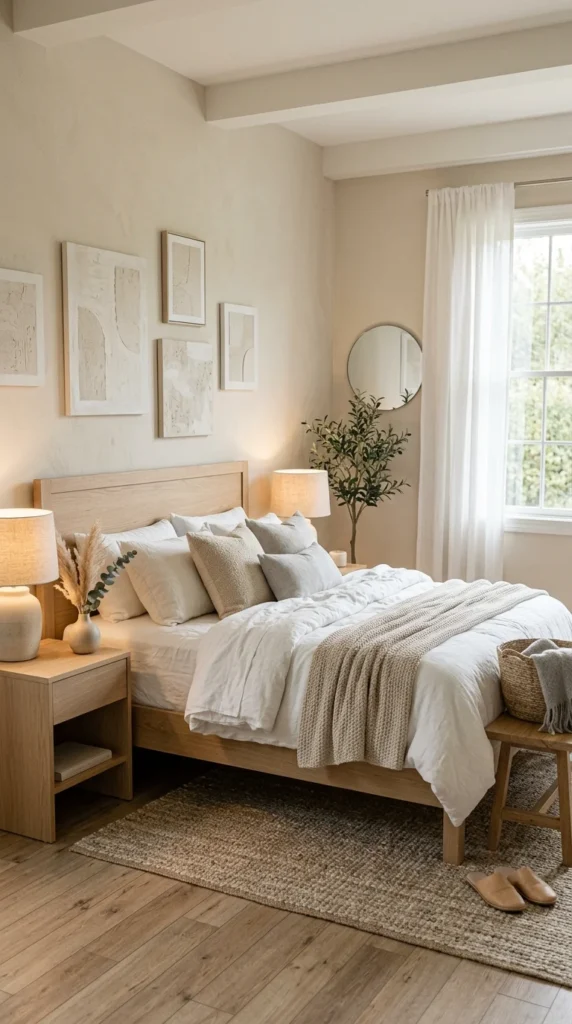
While bold colors can be beautiful, they often “shrink” a room by absorbing light. A neutral color palette—think whites, creams, light grays, and soft beiges—reflects light and makes walls appear to recede. This doesn’t mean your home has to be boring; you can add depth through textures like wool rugs, linen pillows, and wooden accents. The monochromatic look creates a seamless flow that prevents the eye from being “tripped up” by harsh color transitions.
13. Pegboard Walls
Borrow a tip from the garage and bring it into the house. A pegboard is a highly customizable storage solution that takes up zero floor space. In a kitchen, it can hold pots and pans; in a home office, it can organize supplies; and in an entryway, it can hold keys and bags. Because you can move the hooks and shelves around as your needs change, it is one of the most versatile “living” storage systems available.
14. Fold-Down Desks
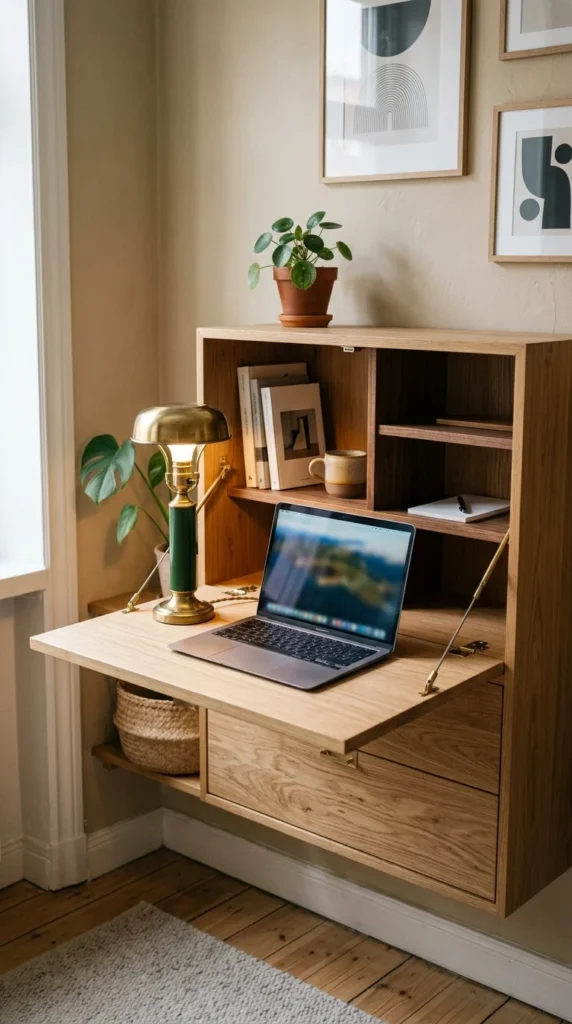
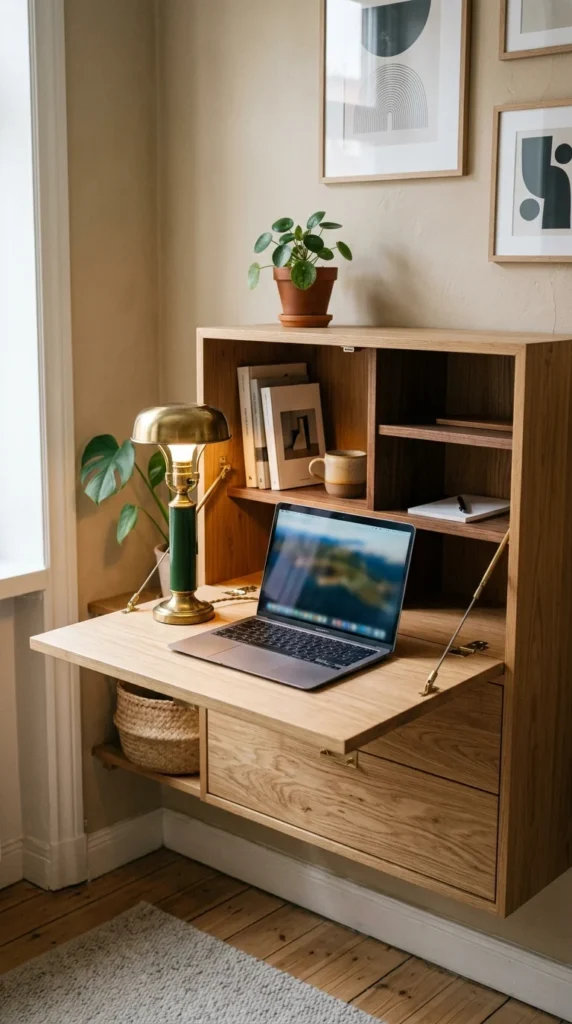
The “cloffice” (closet office) or the fold-down desk is a lifesaver for those who work from home in small spaces. A wall-mounted desk that folds flat against the wall when not in use ensures that your workspace doesn’t take over your living environment. It’s the ultimate “now you see it, now you don’t” hack that maintains the boundary between work and relaxation.
15. Magnetic Strips
Countertop knife blocks take up valuable prep space. By installing a magnetic strip on your backsplash, you move your tools to the wall. This isn’t limited to the kitchen; use magnetic strips in the bathroom to hold bobby pins, tweezers, and nail clippers, or in a craft room to hold metal rulers and scissors. It keeps the surfaces clear and your tools within easy reach.
16. Over-the-Toilet Racks
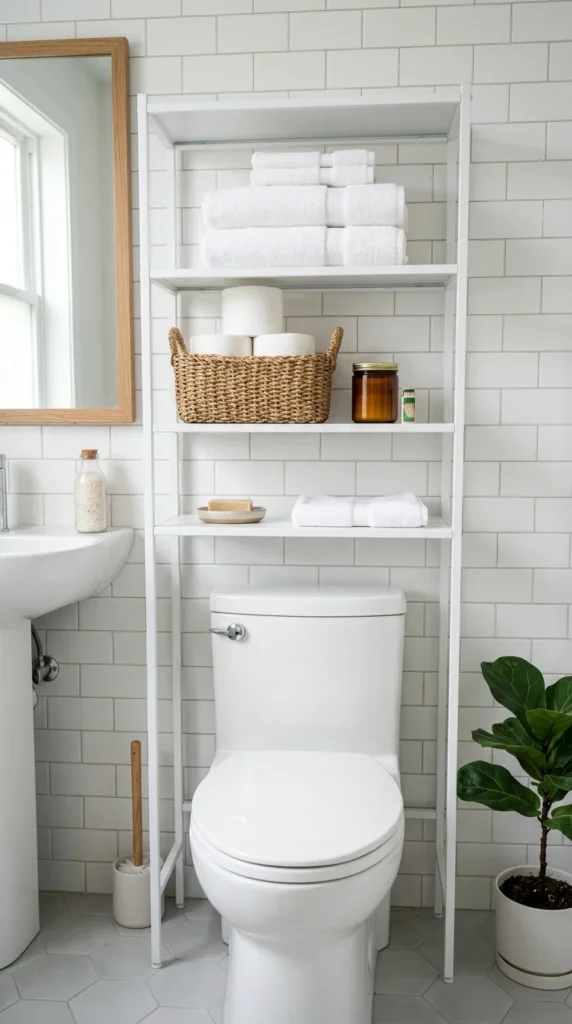
The space above the toilet tank is almost always empty. An over-the-toilet storage unit (often called a “space saver”) adds three or four tiers of shelving for towels, toiletries, and decorative items. In a small bathroom where cabinet space is at a premium, this is often the only way to keep the vanity from becoming a cluttered mess.
17. Command Hooks
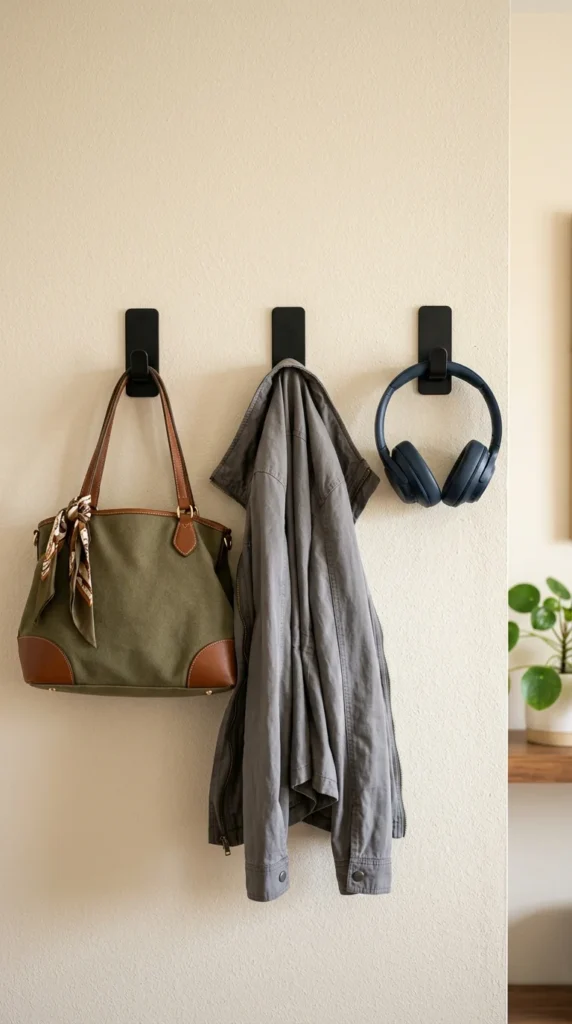
If you’re a renter, you might be hesitant to drill holes, but you still need to use your walls. Adhesive hooks are a game-changer. Use them inside cabinet doors to hang pot lids, on the side of a wardrobe for jewelry, or in the entryway for coats. By giving every “floater” a dedicated hook on the wall, you prevent the dreaded “chair-drobe” where clothes pile up on furniture.
18. Nesting Tables
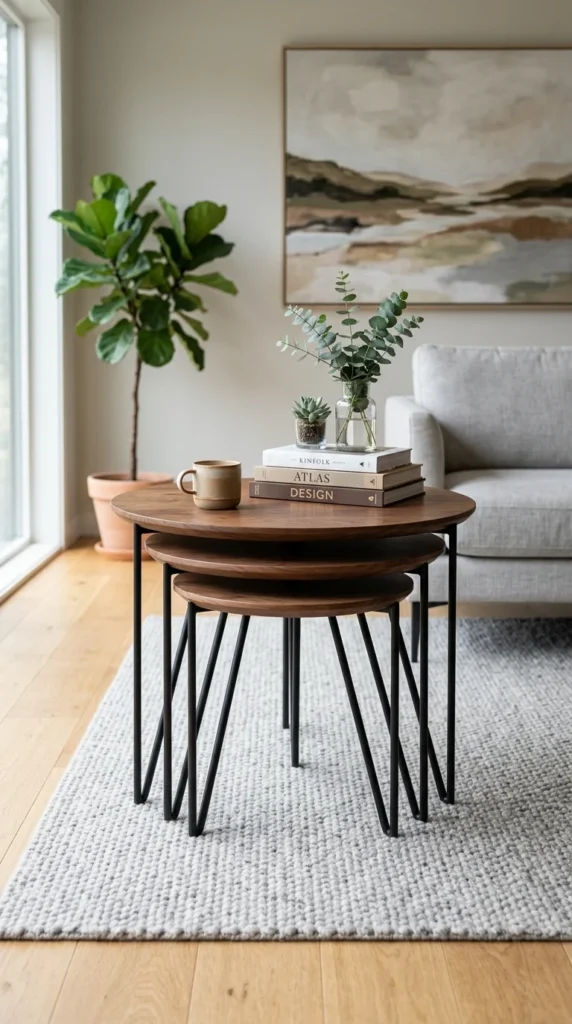
Nesting tables are the transformer of the furniture world. When you’re alone, they take up the footprint of just one small side table. When you have guests over, you can pull them out to provide three separate surfaces for drinks and snacks. They provide maximum utility with a minimal footprint, making them ideal for small living rooms that occasionally need to host a crowd.
19. Ottoman Storage
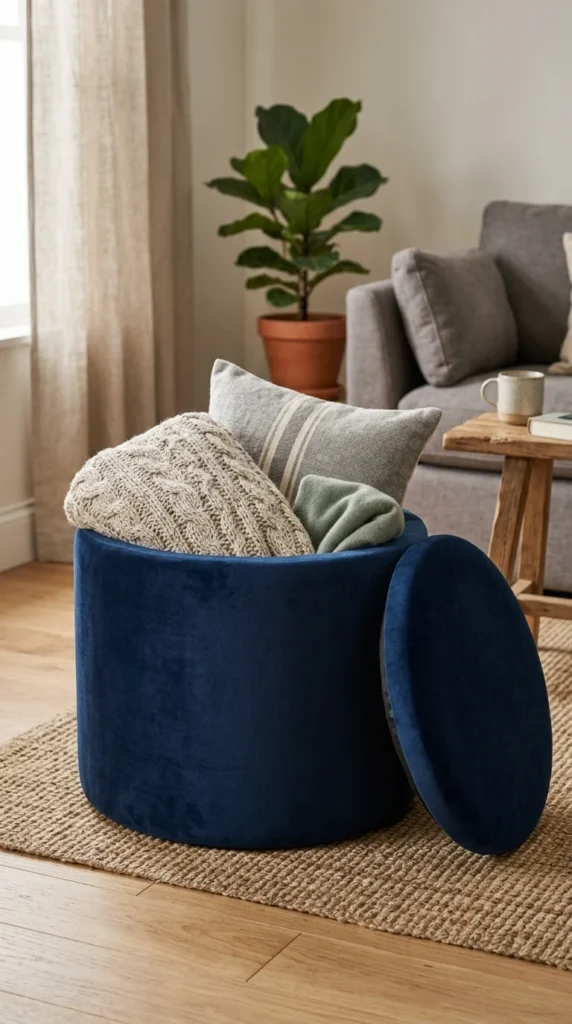
If you need a coffee table, choose one that doubles as a storage chest. Or, better yet, use a large storage ottoman. These pieces provide a soft place to kick up your feet, extra seating for guests, and a hidden compartment to stash “visual clutter” like remote controls, magazines, or extra throw blankets. It’s a three-in-one solution that keeps your living area looking polished.
20. Window Sills
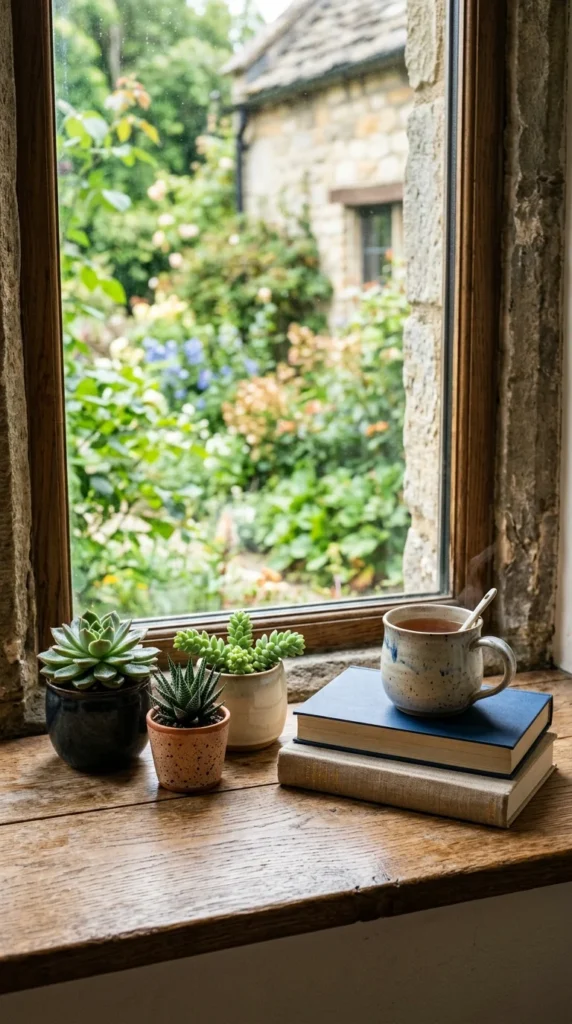
If your apartment has deep window sills, treat them as extra shelving. They are the perfect place for a mini herb garden, a stack of books, or a collection of candles. By utilizing the sill, you can avoid adding another side table or shelf to the room. Just be sure to keep the arrangement tidy so you don’t block the precious natural light coming through the glass.
21. Uniform Hangers
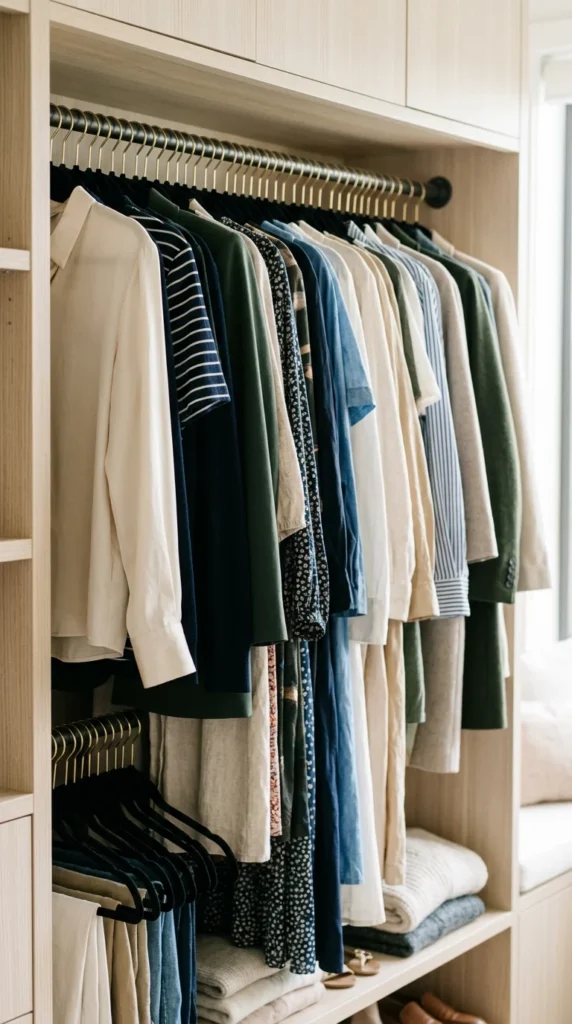
This might seem like a small detail, but switching to uniform, slim-profile velvet hangers can reclaim up to 20% of your closet space. Bulky plastic or wooden hangers take up significantly more width on the rod. Velvet hangers also prevent clothes from slipping off, which keeps the floor of your closet clear and makes the entire space feel more like a boutique and less like a storage unit.
22. Tiered Carts
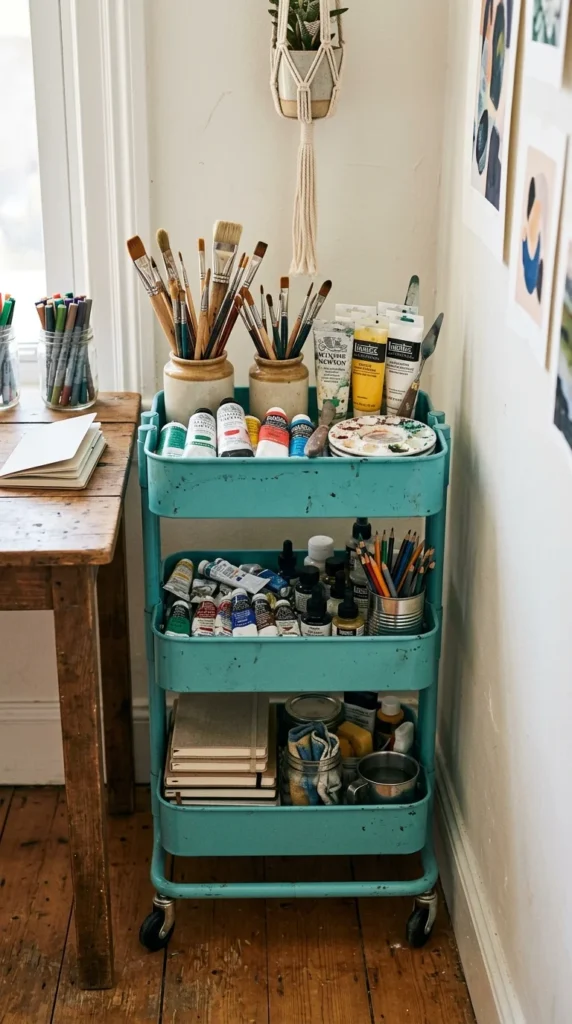
Rolling carts are the ultimate flexible storage solution. Because they are on wheels, you can move them wherever they are needed most. Use one in the kitchen as a mobile pantry, in the bathroom for extra towels, or in the living room as a bar cart. When you need the floor space for something else, simply roll the cart into a closet or a corner.
23. Lighting Layers
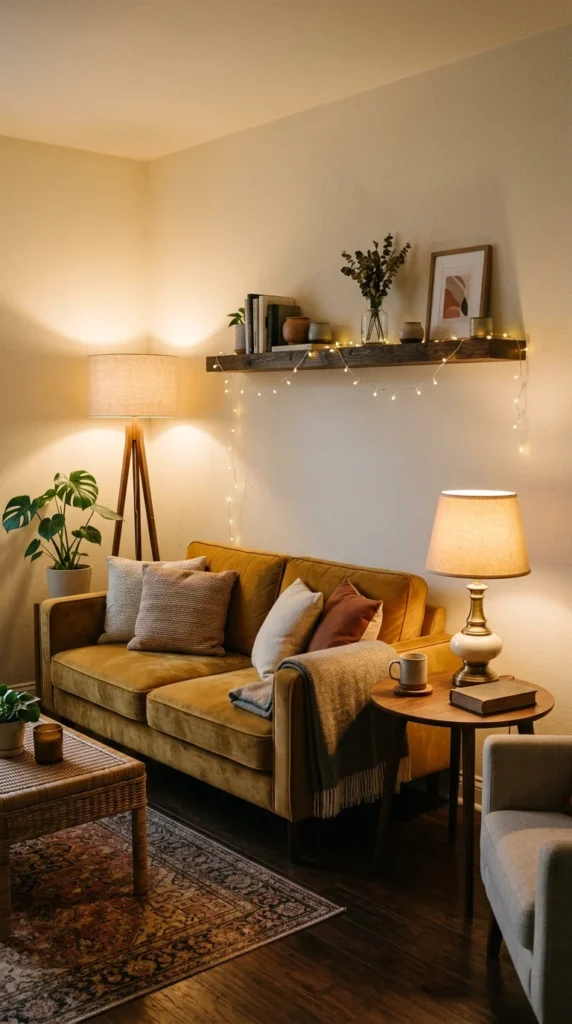
A single overhead light can make a small room feel harsh and flat. By layering your lighting with floor lamps, table lamps, and even LED strips under cabinets, you create depth and shadows. This “pools” of light draw the eye to different areas of the room, making the space feel more complex and expansive. Warm lighting also makes a small space feel “cozy” rather than “cramped.”
24. Ceiling Racks
In the kitchen, cabinets fill up fast. A ceiling-mounted pot rack allows you to hang your bulkiest cookware out of the way. This frees up entire cabinets for food storage or smaller appliances. Beyond the kitchen, hanging plants from the ceiling adds greenery without taking up surface area on your tables or floor.
25. Hidden Drawers
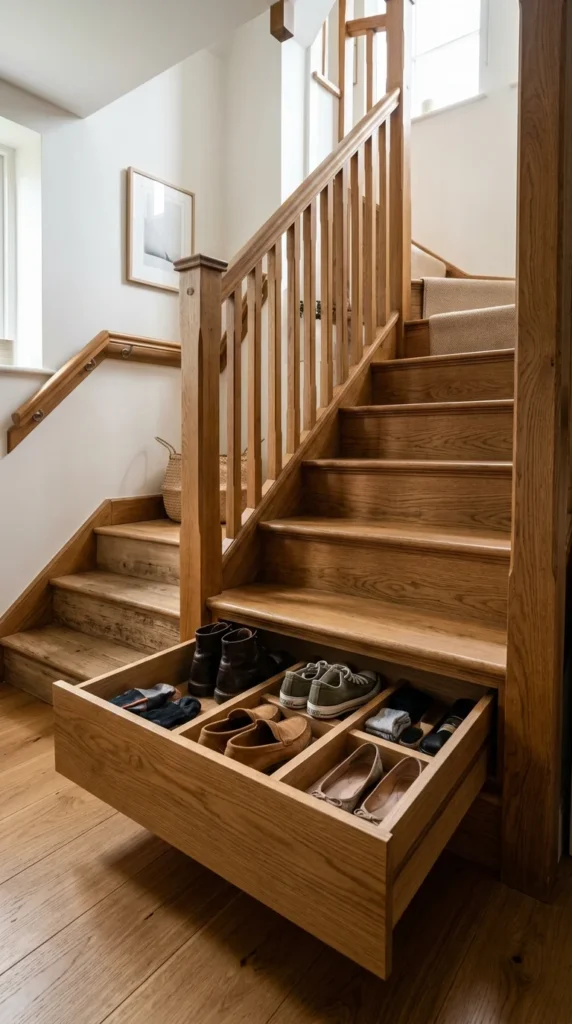
If you have any custom furniture or architectural features like a small set of stairs or a platform, consider turning them into hidden drawers. “Toe-kick” drawers—the tiny space under your lower kitchen cabinets—can also be converted into storage for flat items like baking sheets. Finding these “hidden” pockets of space is the hallmark of a true small-apartment pro.
26. Minimalist Decor
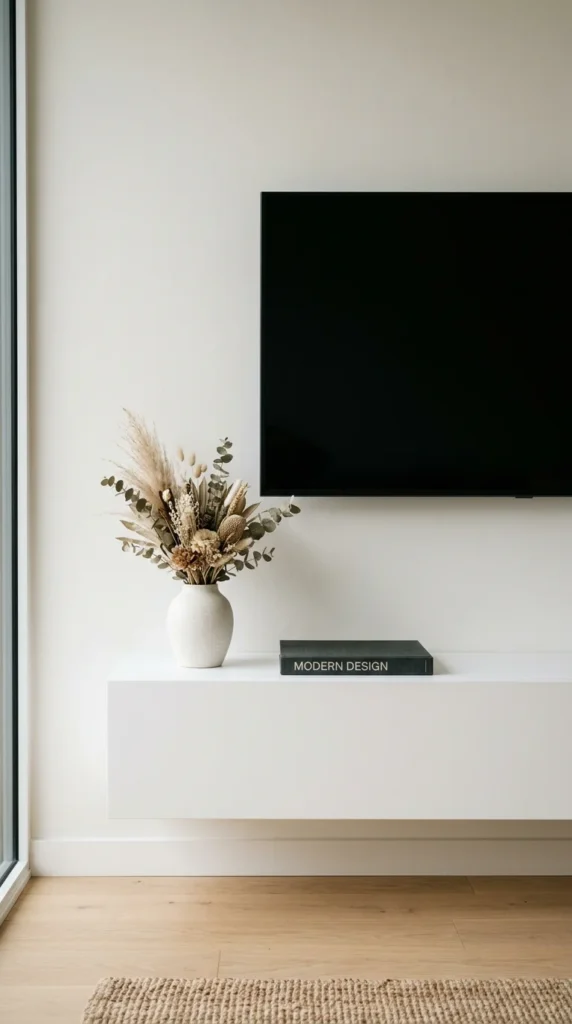
Finally, the most effective hack of all is to simply have less. In a small apartment, every item has a “visual cost.” Too many small trinkets and pieces of decor can make the walls feel like they are closing in. Practice a “one in, one out” rule and choose a few large, impactful pieces of art rather than dozens of small ones. A clean, curated space will always feel larger than a cluttered one, no matter the actual dimensions.