Living in a studio apartment often feels like a constant battle between functionality and style. When your bedroom, living room, and kitchen all share the same four walls, the space can quickly feel cluttered or purely utilitarian. However, “small” does not have to mean “cheap.” Achieving a high-end, editorial look on a budget is entirely possible with a few strategic design choices. By focusing on scale, texture, and light, you can transform a cramped rental into a sophisticated sanctuary that looks like it cost a fortune to curate.
1. Zone Rugs
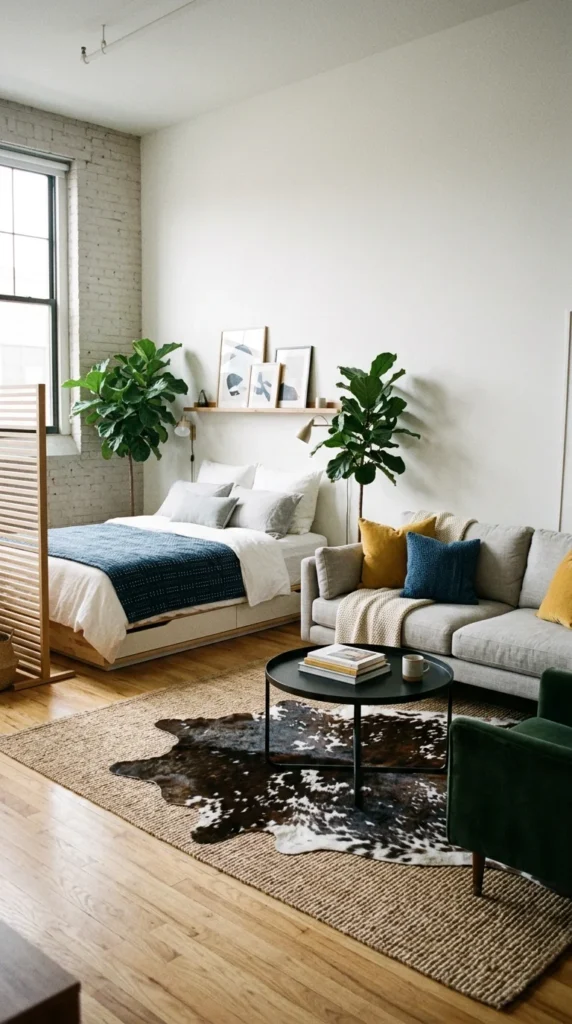
One of the most common mistakes in studio living is using rugs that are too small. To make a space look expensive, you need “zone rugs.” A large area rug acts as an anchor, defining the “living room” separate from the “bedroom.” When the front legs of all your furniture sit on the rug, it creates a sense of cohesion and luxury. Opt for natural fibers like jute or sisal for an organic, high-end feel that is surprisingly affordable.
2. Vertical Curtains
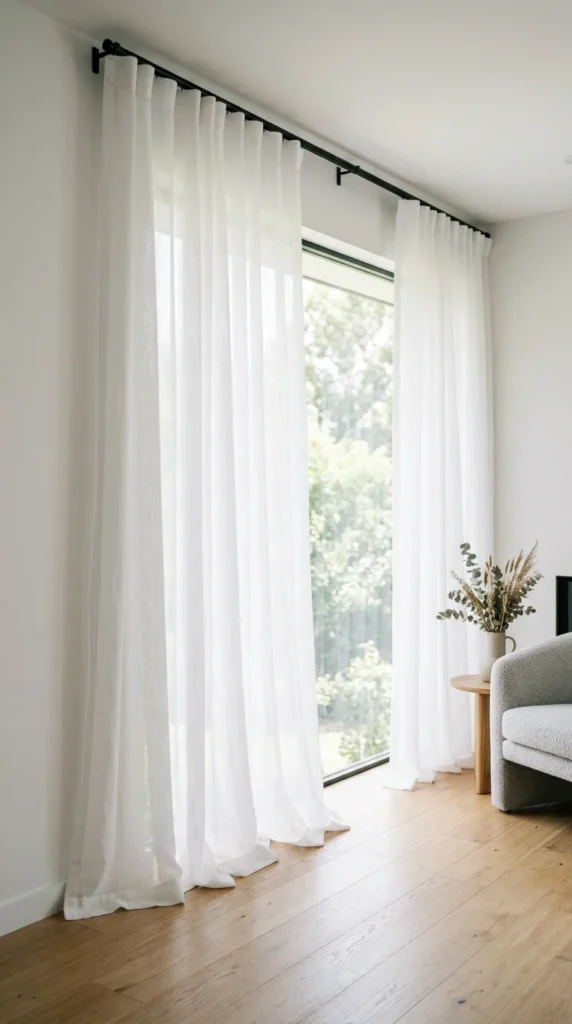
To trick the eye into thinking your ceilings are higher than they are, hang your curtain rods as close to the ceiling as possible rather than right above the window frame. This creates long, vertical lines that scream “luxury penthouse.” Choose extra-long panels that lightly “puddle” on the floor. Stick to light-filtering linens or heavy velvets in neutral tones to maintain an airy yet expensive atmosphere.
3. Oversized Mirrors
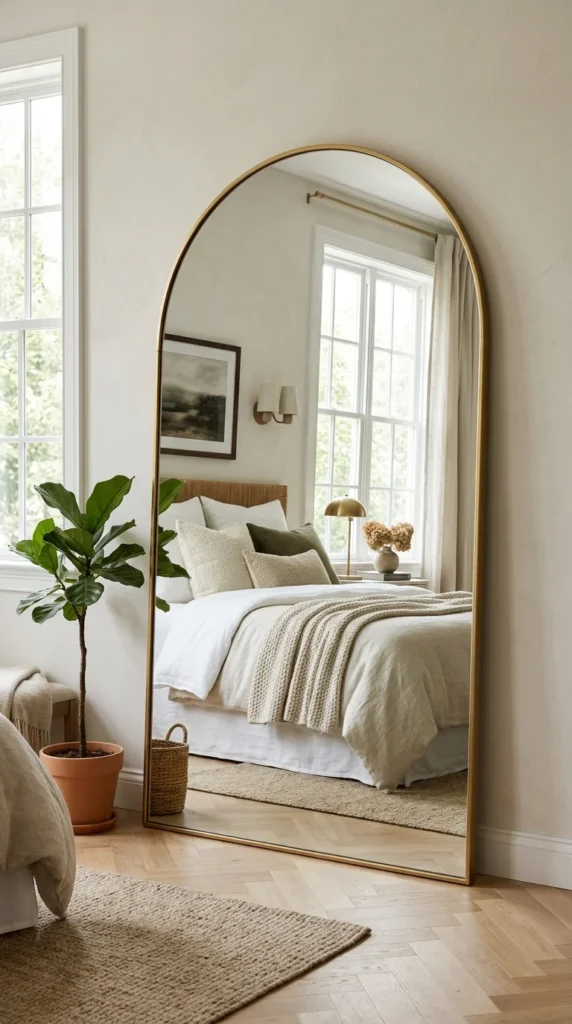
Mirrors are the oldest trick in the interior design book for a reason. In a studio, a massive floor mirror doesn’t just check your outfit; it doubles the visual depth of the room and bounces light into dark corners. Instead of a small wall mirror, look for a large, leaning leaner mirror at discount home stores. The scale alone suggests a level of grandeur that smaller pieces lack.
4. Statement Lighting
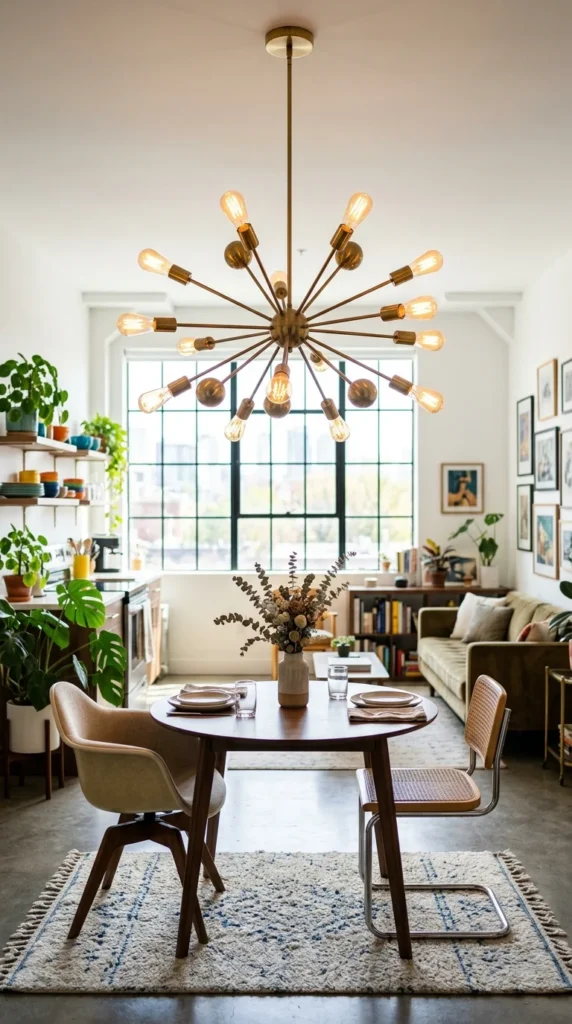
Nothing says “rental grade” like a standard “boob light” flush mount. Replacing basic light fixtures with a statement piece is one of the fastest ways to elevate a room. You can find stunning, budget-friendly geometric pendants or globe chandeliers online. Even if you aren’t handy with wiring, many “plug-in” swag versions allow you to hang a designer look without calling an electrician.
5. Uniform Hardware
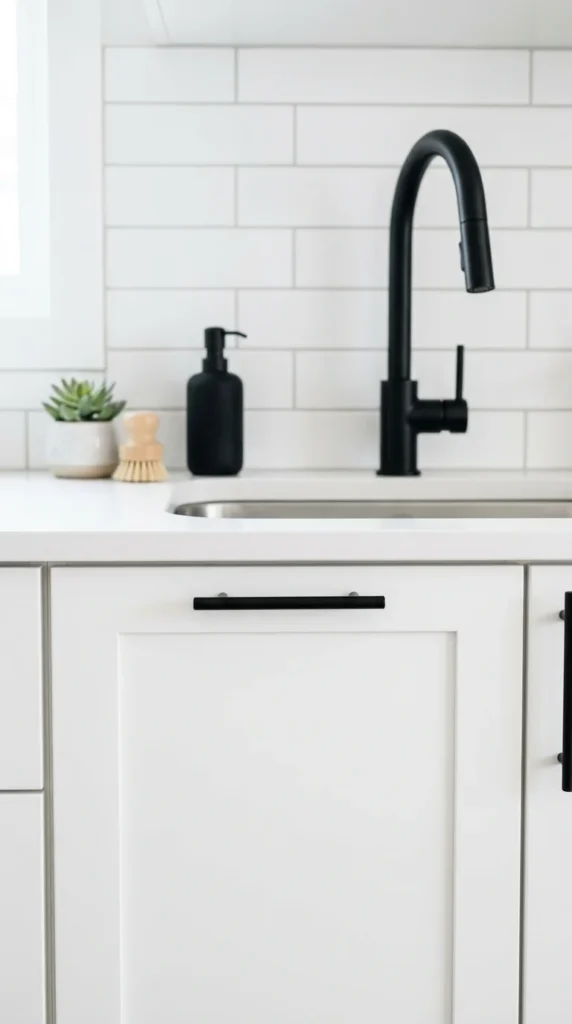
If your studio comes with dated cabinets or a generic dresser, don’t despair. Swapping out cheap plastic or old brass pulls for modern, heavy-weight hardware—like brushed brass, matte black, or acrylic—can make furniture and cabinetry look custom-made. It’s a small detail that provides a massive tactile and visual upgrade for under $50.
6. Transparent Furniture
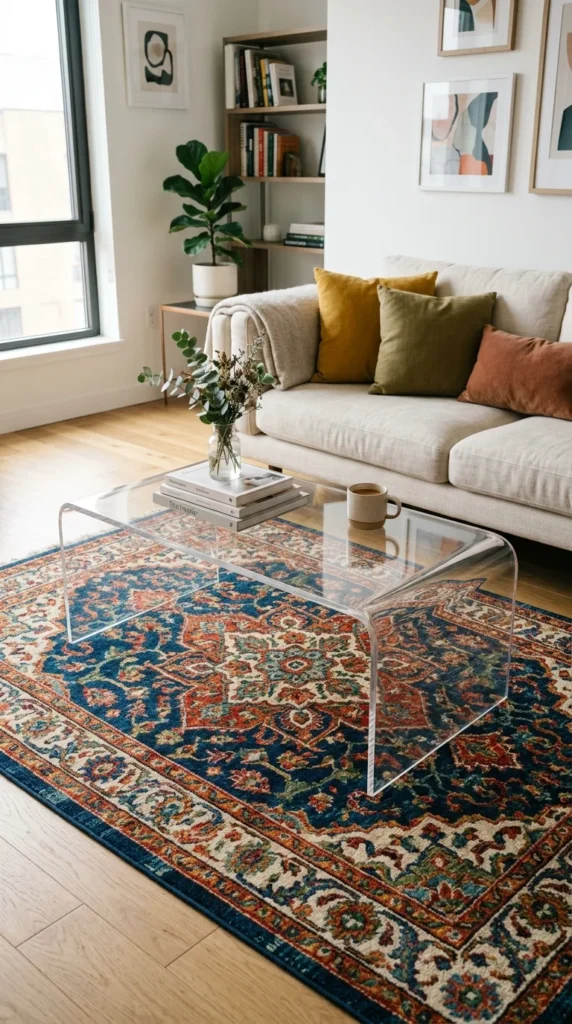
Visual “clutter” is the enemy of an expensive-looking studio. Transparent furniture, such as acrylic “Ghost” chairs or glass-topped nesting tables, provides functionality without taking up visual weight. Because you can see right through them, the room feels larger and more sophisticated. These pieces blend seamlessly with any decor style, from ultra-modern to classic.
7. Large-Scale Art
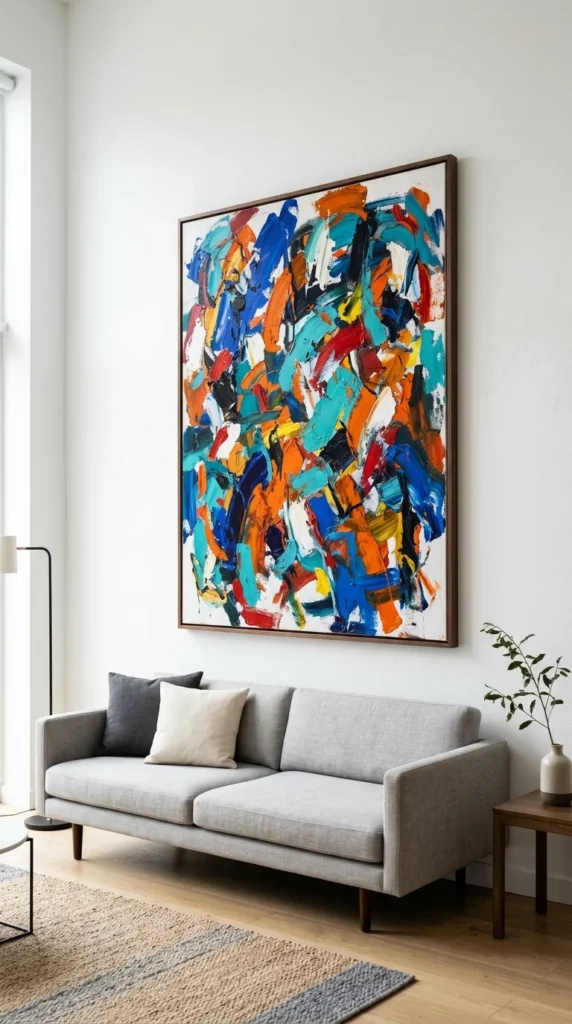
Many people try to fill small spaces with lots of small items, which often ends up looking messy. Instead, go big. One massive piece of abstract art or a large framed photograph creates a sophisticated focal point. You can create your own “expensive” art by framing a large piece of fabric, a high-quality wallpaper remnant, or even doing a DIY textured plaster canvas.
8. Peel-and-Stick Backsplash
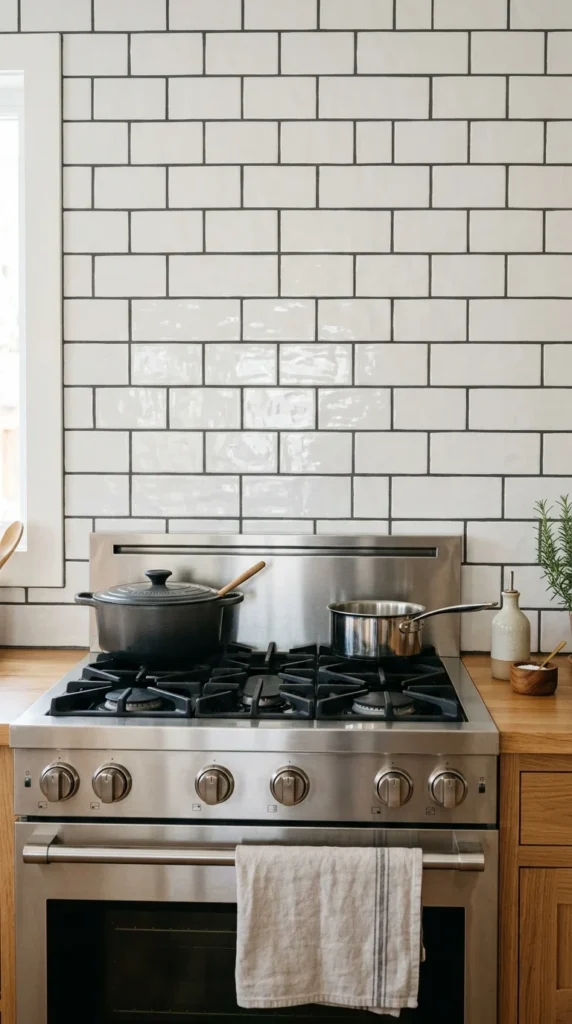
If your studio kitchen is drab, a peel-and-stick backsplash is a game-changer. Modern versions look remarkably like real ceramic or stone. A classic white subway tile or a marble-look herringbone pattern adds texture and a “renovated” feel to the kitchen area without the permanent commitment or the high price tag of masonry work.
9. Hidden Storage
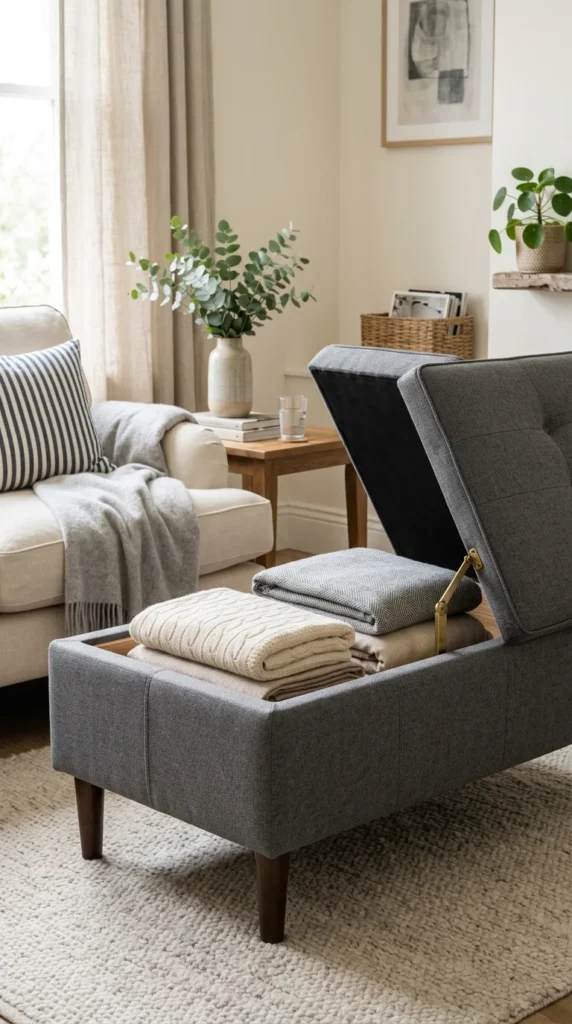
Clutter is the fastest way to make an apartment look cheap. Invest in multi-functional furniture that hides the “mess” of daily life. Look for storage ottomans, beds with built-in drawers, or trunks that double as coffee tables. When every item has a hidden home, the visible surfaces remain clean and curated, mimicking the minimalist aesthetic of high-end hotels.
10. Monochromatic Palette
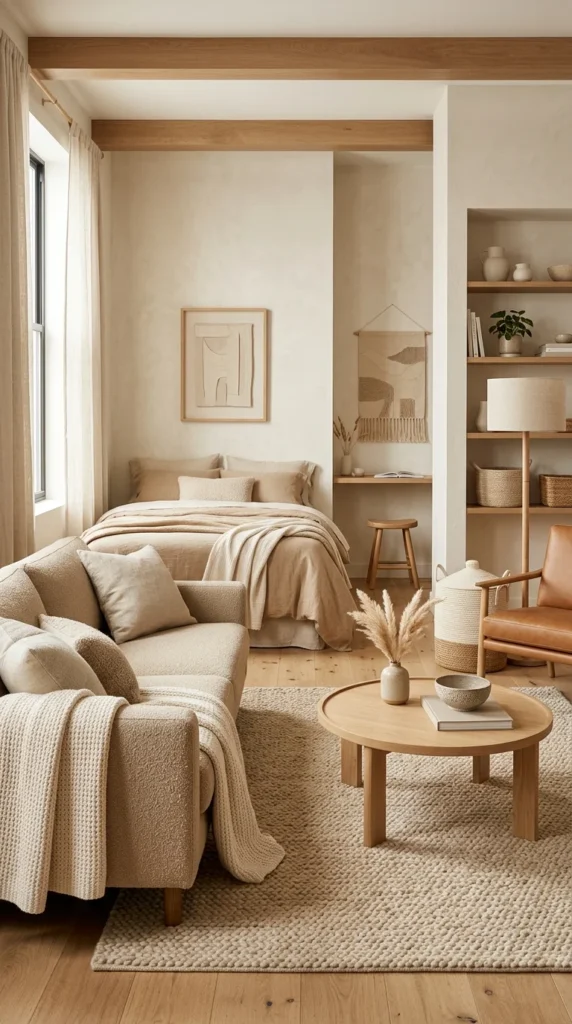
A monochromatic color scheme—using different shades and tints of a single color—is a foolproof way to make a space look expensive. It creates a seamless flow that makes the boundaries of the room disappear. Layering various textures (a chunky knit throw, a linen sofa, a wool rug) in the same color family prevents the room from looking flat while maintaining a high-end, designer feel.
11. Vertical Shelving
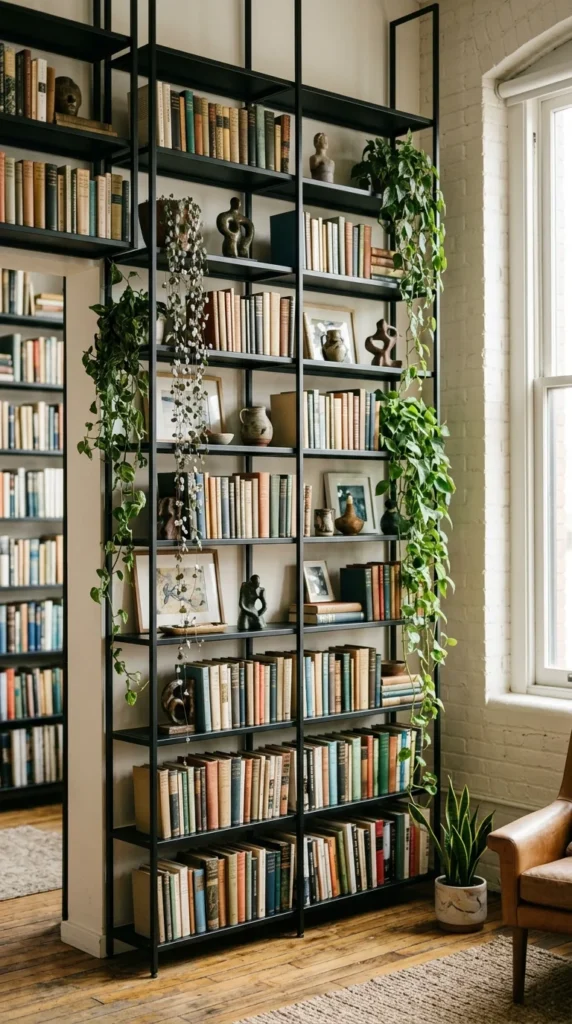
When you lack floor space, go up. Tall, narrow shelving units draw the eye upward and provide ample space for “shelfies.” To keep it looking expensive, don’t overstuff them. Mix books with decorative objects, leaning art, and greenery. Leaving “white space” on your shelves is the key to making them look like a curated gallery rather than a storage unit.
12. Fresh Greenery
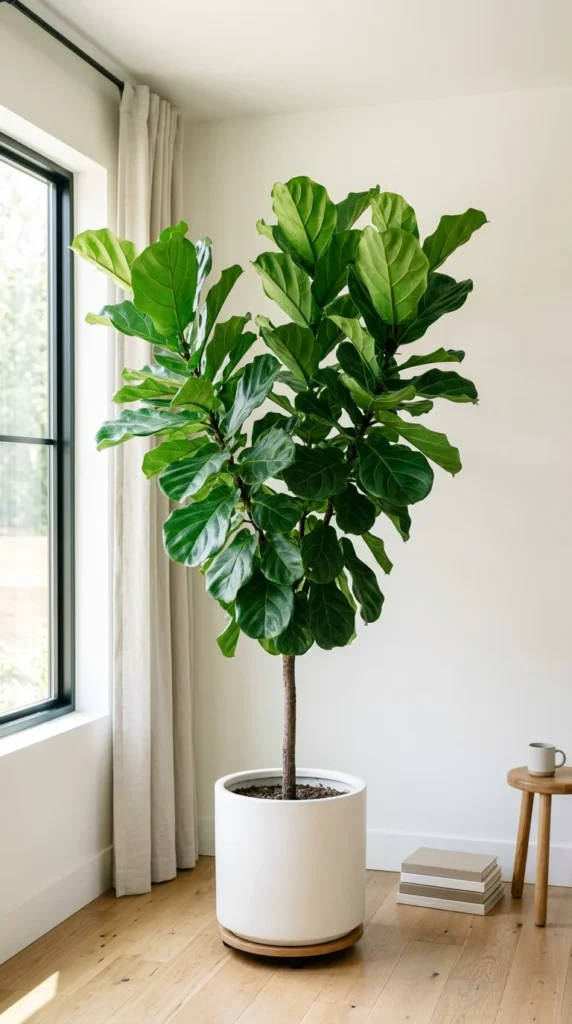
Plastic plants often look exactly like what they are: plastic. Investing in a few real, large-scale indoor plants adds life, color, and an organic element to your home. A tall Fiddle Leaf Fig or a structural Snake Plant in a stylish ceramic pot adds a layer of “finished” luxury that only nature can provide. If you lack a green thumb, even a simple vase of fresh eucalyptus can elevate the scent and look of the room.
13. High-End Scents
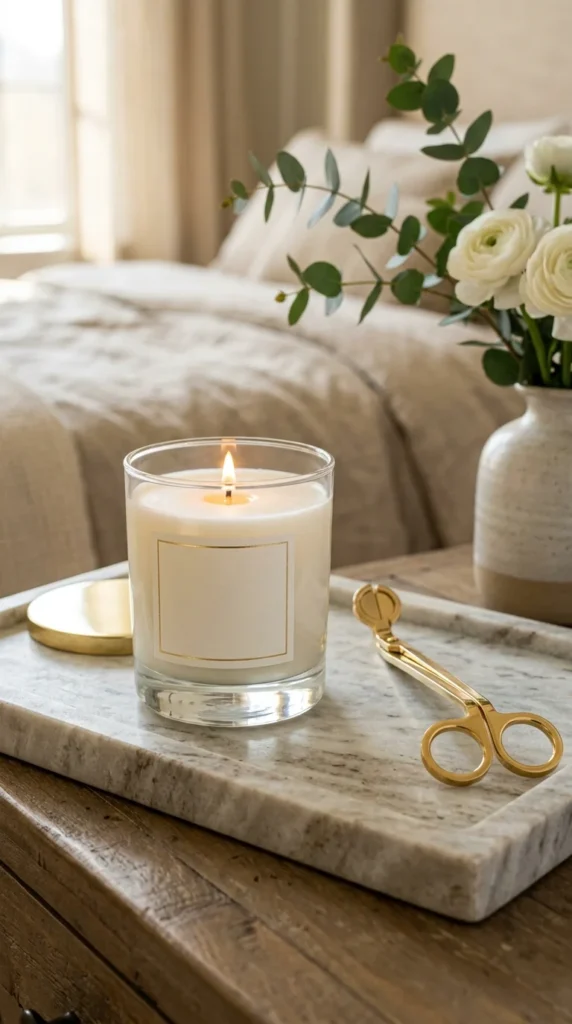
The “expensive” feel isn’t just about what you see; it’s about the entire sensory experience. A studio that smells like a high-end boutique feels more luxurious. Invest in a designer candle, a reed diffuser, or an essential oil nebulizer. Scents like sandalwood, tobacco, or bergamot are often associated with luxury hotels and can instantly change the “vibe” of your small space.
14. Room Dividers
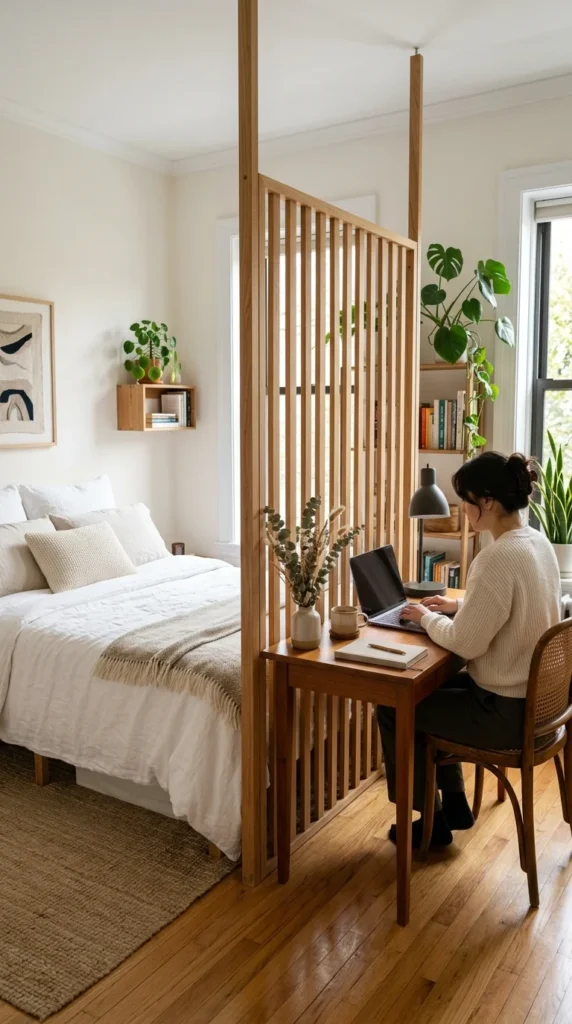
In a studio, you often need to create “rooms” where they don’t exist. Instead of using clunky plastic partitions, use a stylish folding screen, a row of tall plants, or even a bookshelf that is open on both sides. This creates a sense of mystery and architectural interest, making the apartment feel like a suite rather than a single box.
15. Velvet Accents
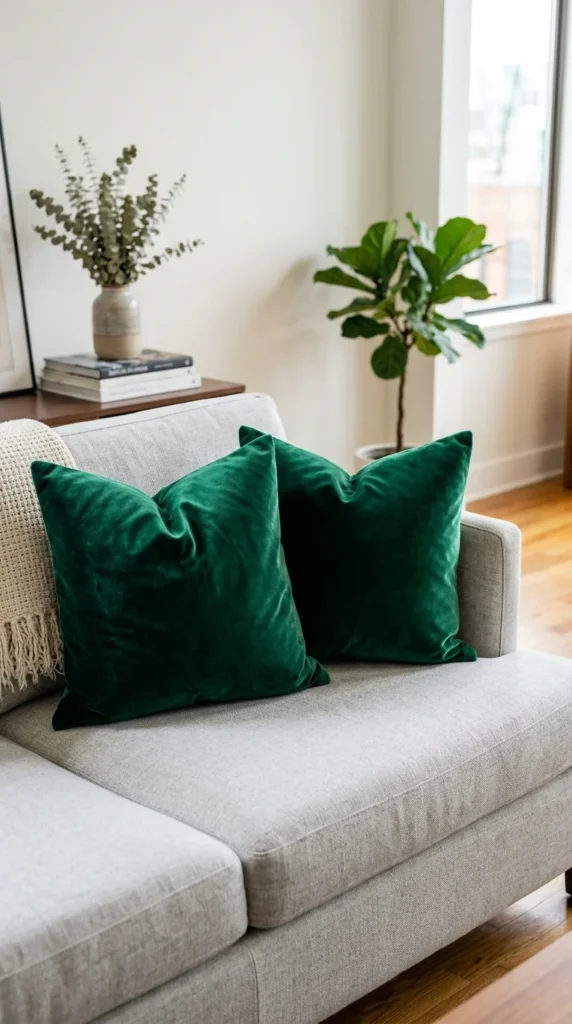
Velvet is a fabric that inherently looks and feels expensive. You don’t need a $3,000 velvet sofa to get the look. A few velvet throw pillows or a velvet ottoman can add a rich, tactile element to your space. The way the fabric catches the light adds depth and a sense of “opulence” that flat cotton or polyester simply can’t match.
16. Metallic Finishes
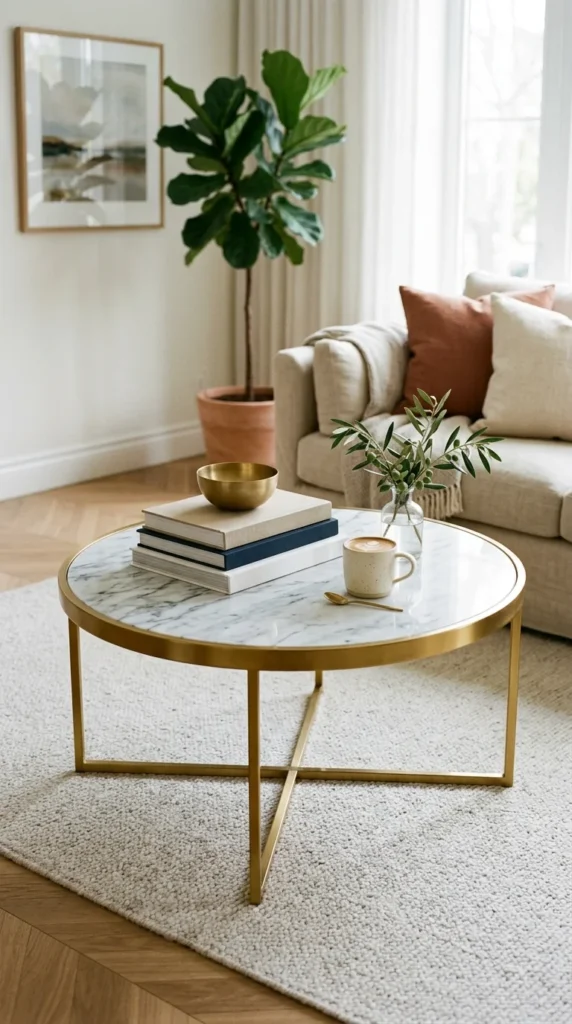
A touch of gold, silver, or brass acts as jewelry for your room. Too much can look tacky, but strategic metallic accents—like a gold lamp base, a silver picture frame, or a brass tray—reflect light and add a “polished” finish. Mixing metals is also a modern way to make the decor look gathered over time rather than bought as a “room-in-a-box” set.
17. Coordinated Containers
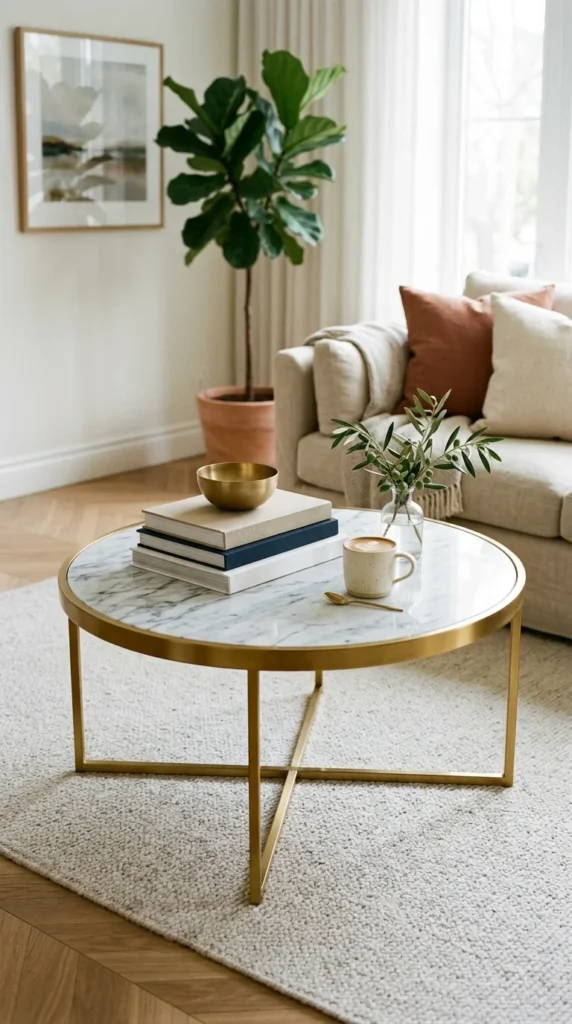
Visual noise is created by mismatched packaging. For an “expensive” look in your kitchen or bathroom, decant your most-used items into coordinated containers. Using matching glass jars for dry goods or uniform amber glass bottles for soap and shampoo creates a clean, spa-like aesthetic that mimics high-end interior styling.
18. Layered Bedding
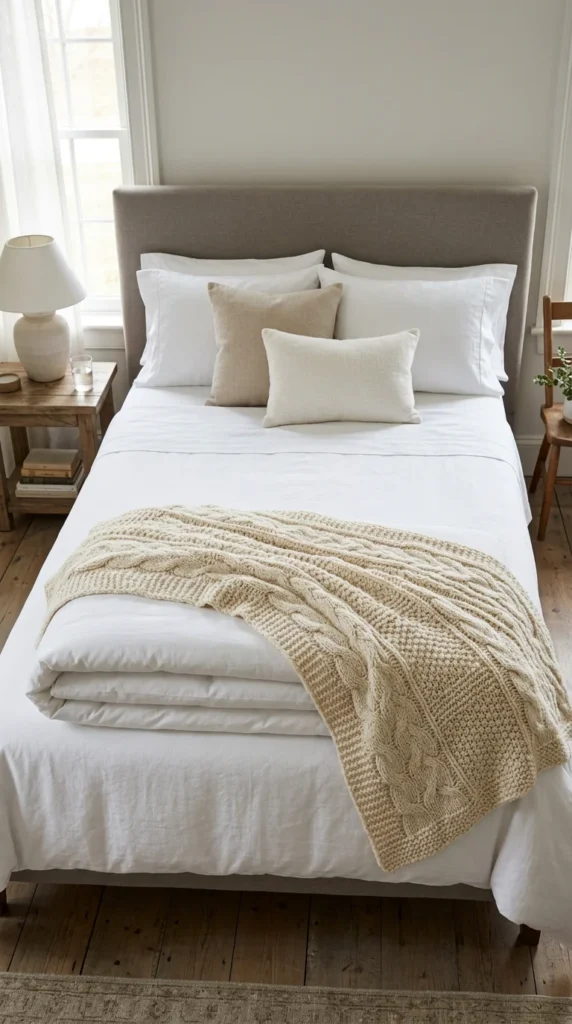
In most studios, the bed is a major focal point. To make it look like a high-end hotel bed, use layers. Start with crisp, white cotton sheets, add a plush duvet, and finish with a textured throw blanket and a mix of sleeping and decorative pillows. The extra volume makes the bed look inviting and expensive, rather than just a place to sleep.
19. Minimalist Entryway
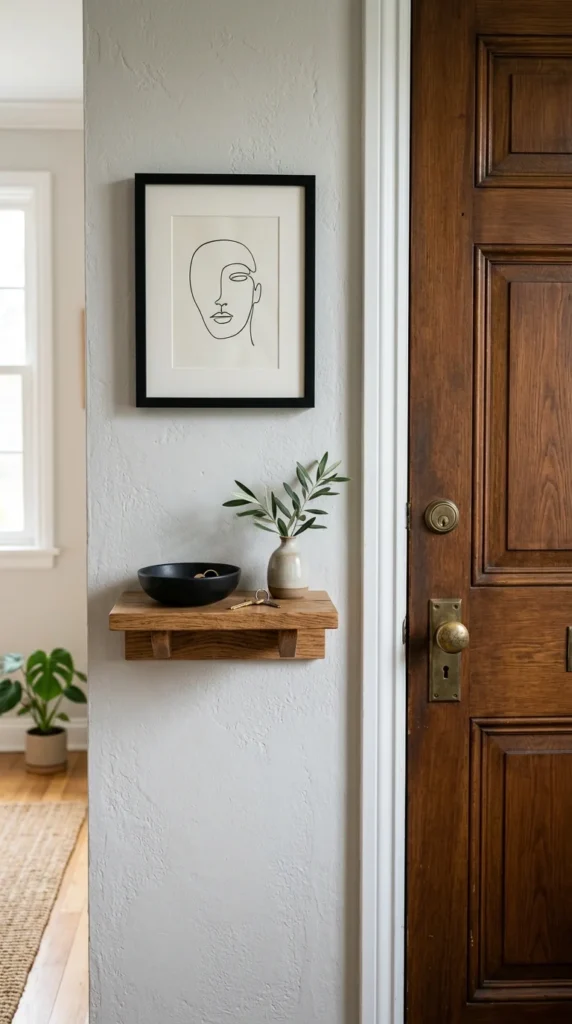
Even if your “entryway” is just a small slice of wall next to the door, treat it with intention. A simple floating shelf, a few high-quality hooks, and a small mirror create an organized transition zone. By keeping this area minimalist and tidy, you set a sophisticated tone the moment you (or a guest) walk through the door.
20. Thrifted Antiques
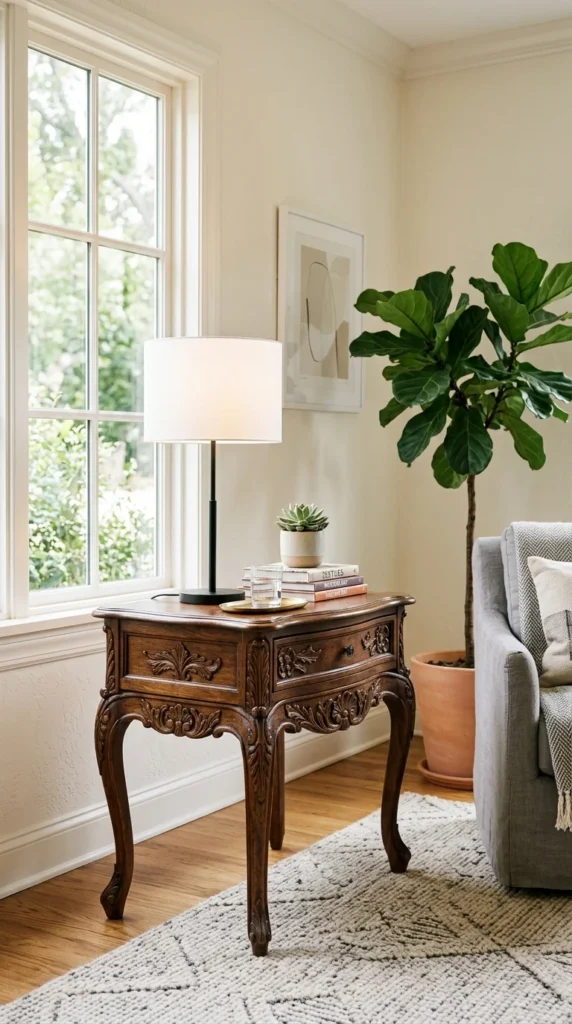
Mixing old and new is the secret to a space that looks “collected” rather than “purchased.” A single thrifted antique—like a vintage chair, a carved wooden chest, or a unique ceramic vase—gives the room character and history. These one-of-a-kind pieces suggest that you have an eye for quality, which is the hallmark of expensive taste.
21. Books as Decor
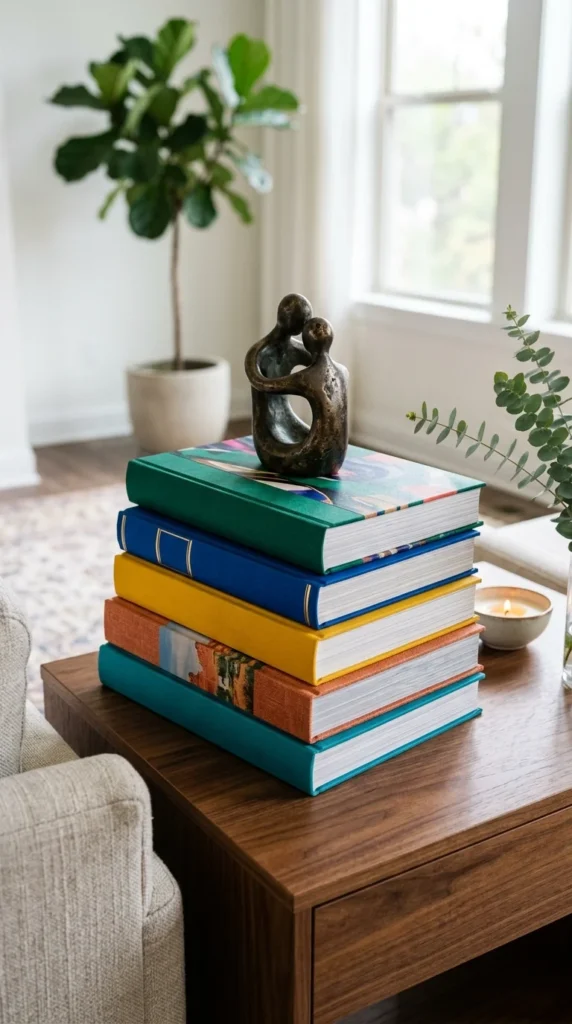
Books are one of the most affordable ways to add color and personality to a studio. Large coffee table books about art, architecture, or fashion can be stacked on a coffee table or used to add height to a lamp. They serve as both entertainment and a design element, signaling a cultured and sophisticated lifestyle.