
Living in a small space doesn’t mean you have to sacrifice style or comfort. In fact, compact bedrooms often provide the perfect canvas for the most creative and cozy interior design solutions. When every square inch counts, the goal is to balance functionality with aesthetics, creating a sanctuary that feels organized rather than cramped. Whether you are dealing with a tiny studio or a guest room that feels more like a closet, these twenty-two strategies will help you unlock the full potential of your limited square footage.
1. Floating Shelves
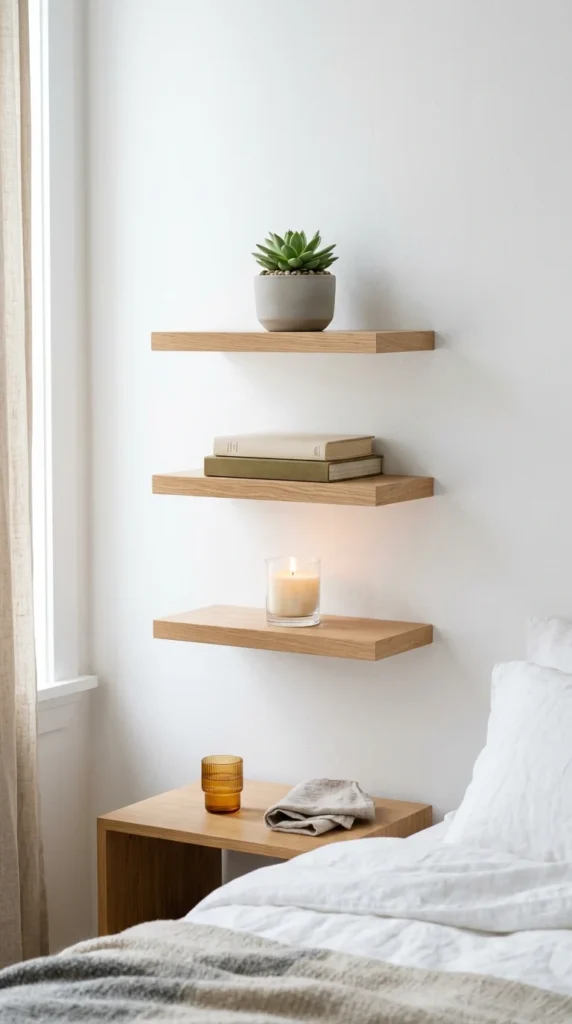
When floor space is at a premium, look to your walls. Floating shelves offer a sleek, modern way to display decor, store books, or even act as a nightstand without the bulky footprint of traditional furniture. By keeping the floor clear, you create an optical illusion of more space, allowing the eye to travel all the way to the corners of the room.
2. Murphy Beds
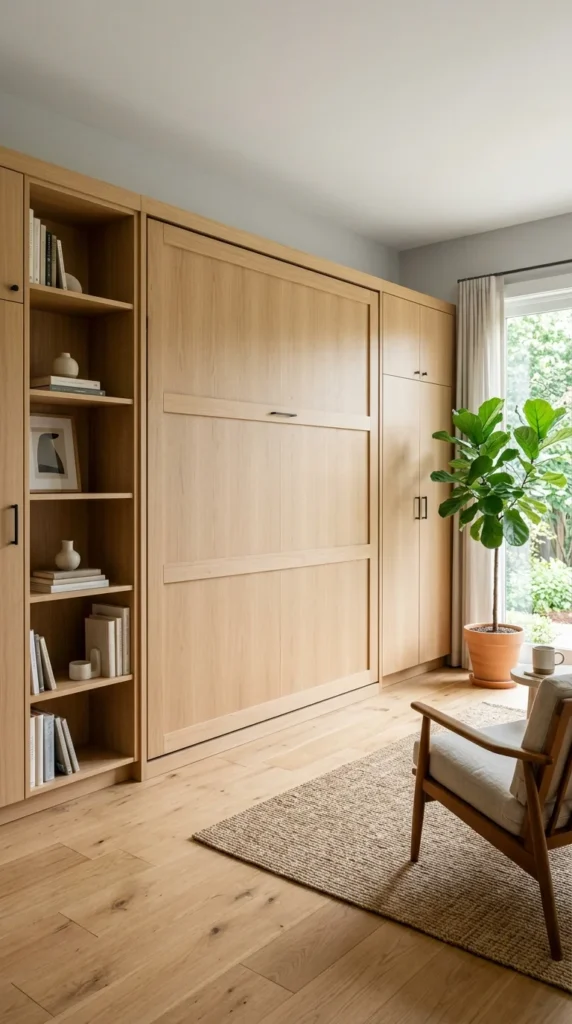
The Murphy bed is the ultimate space-saving classic. During the day, the bed folds neatly into a wall cabinet or closet, transforming your bedroom into a home office, yoga studio, or living area. Modern designs are incredibly easy to operate and can include integrated lighting or shelving, making them as stylish as they are practical.
3. Under-Bed Storage
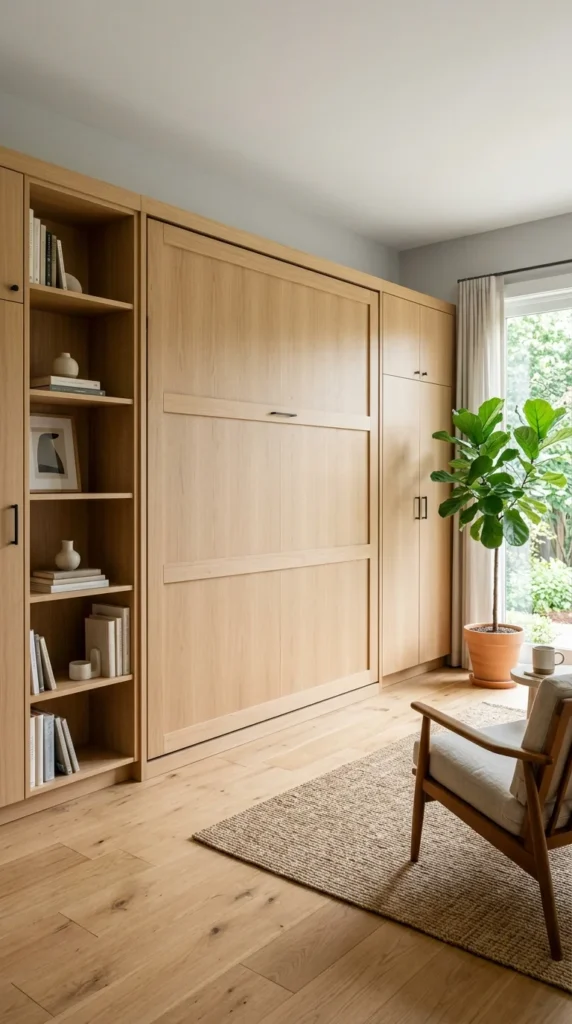
The area beneath your bed is often wasted space. Utilize bed frames with built-in drawers or use slim, rolling bins to store off-season clothing, extra linens, or shoes. By hiding these items out of sight, you reduce visual clutter, which is the quickest way to make a small room feel significantly larger and more serene.
4. Vertical Layouts
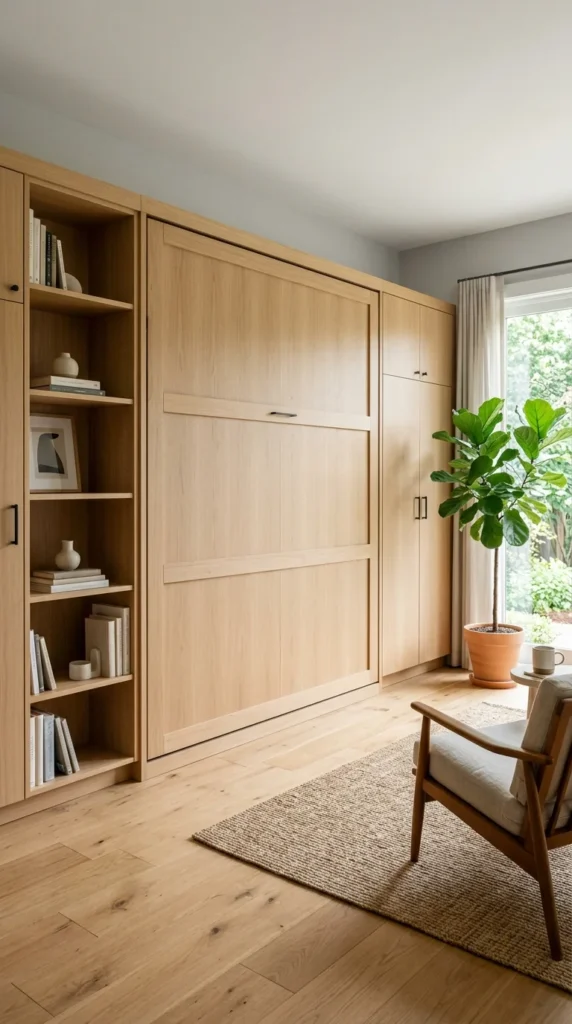
In rooms with high ceilings, going vertical is a game-changer. A lofted bed allows you to reclaim the entire footprint of the bed for other activities. You can place a desk, a small sofa, or a walk-in wardrobe underneath the sleeping platform, effectively doubling the usable square footage of the room.
5. Light Colors
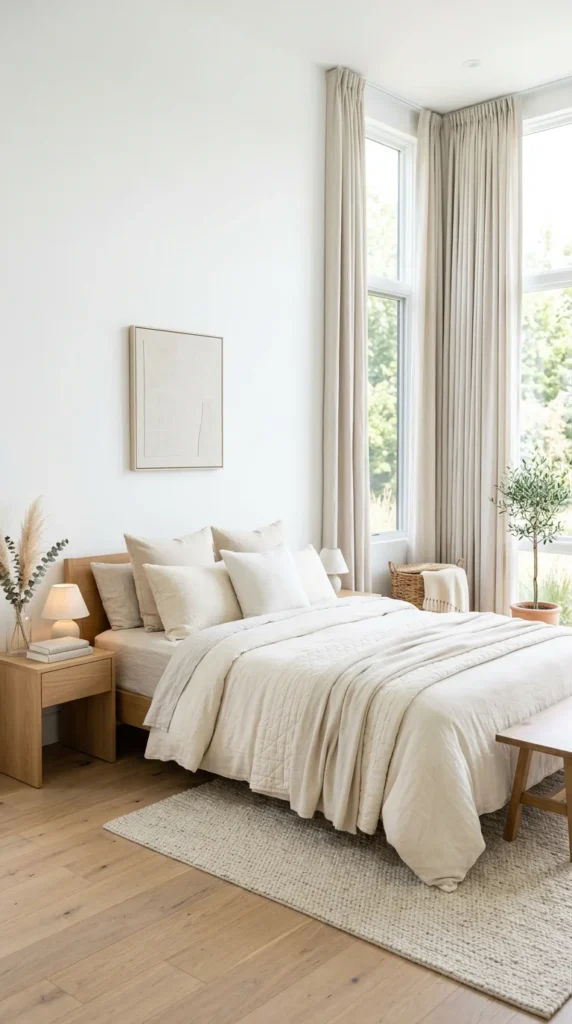
Color psychology plays a massive role in how we perceive space. Light, neutral tones like whites, creams, soft grays, and pastels reflect natural light rather than absorbing it. This brightness makes walls feel as though they are receding, giving the room an open, airy quality that darker colors simply cannot replicate.
6. Mirrored Walls
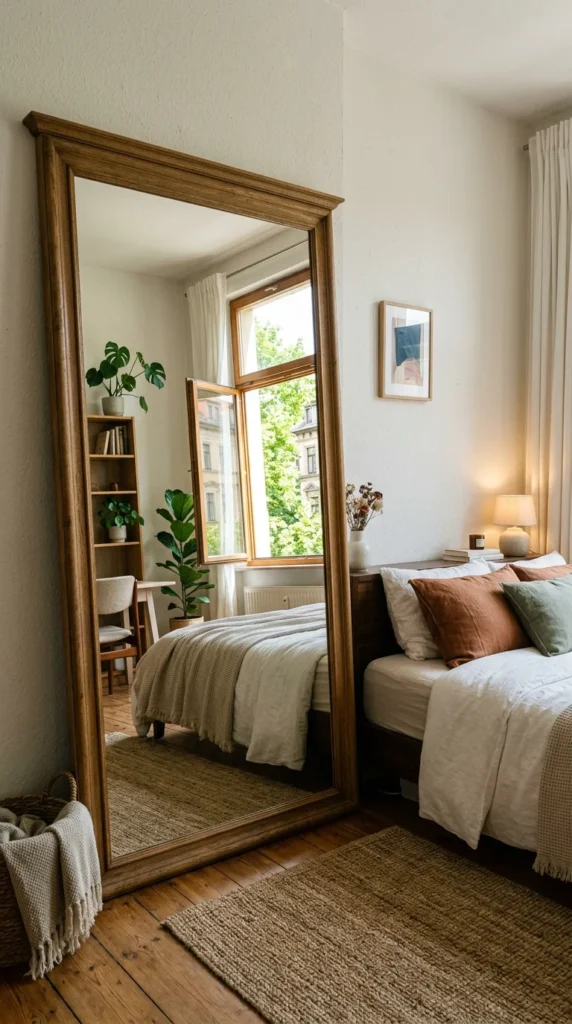
Mirrors are a designer’s favorite trick for small spaces. A large mirror—or even a wall of mirrored closet doors—reflects both light and the room itself, instantly doubling the visual depth. It tricks the brain into thinking the room continues much further than it actually does, while also brightening up dim corners.
7. Multi-Functional Furniture
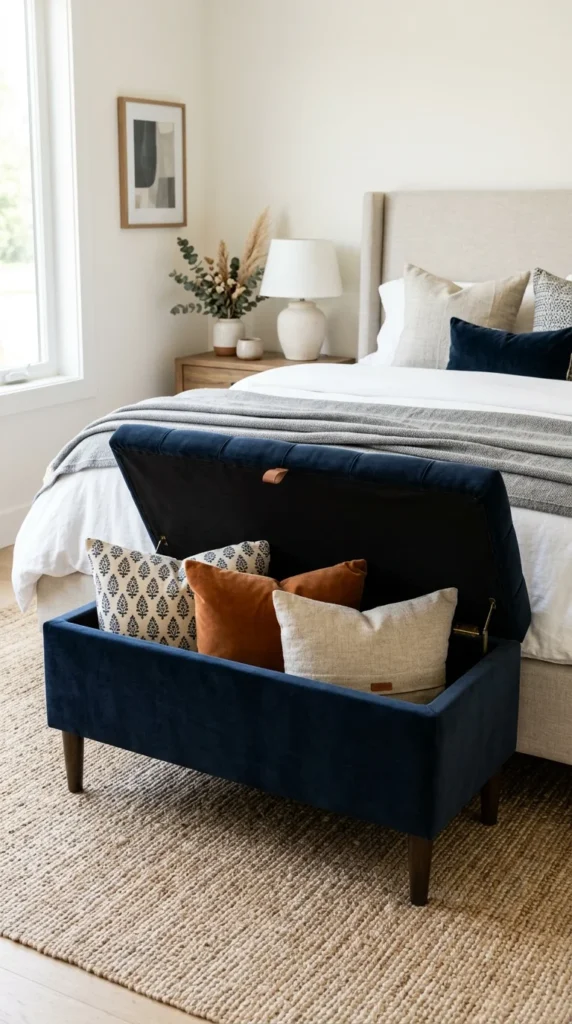
In a small bedroom, every piece of furniture should earn its keep. Look for pieces that serve more than one purpose: a storage ottoman that acts as a seat and a trunk, a headboard with built-in bookshelves, or a desk that doubles as a vanity. Reducing the total number of items in the room prevents it from feeling overcrowded.
8. Sconces
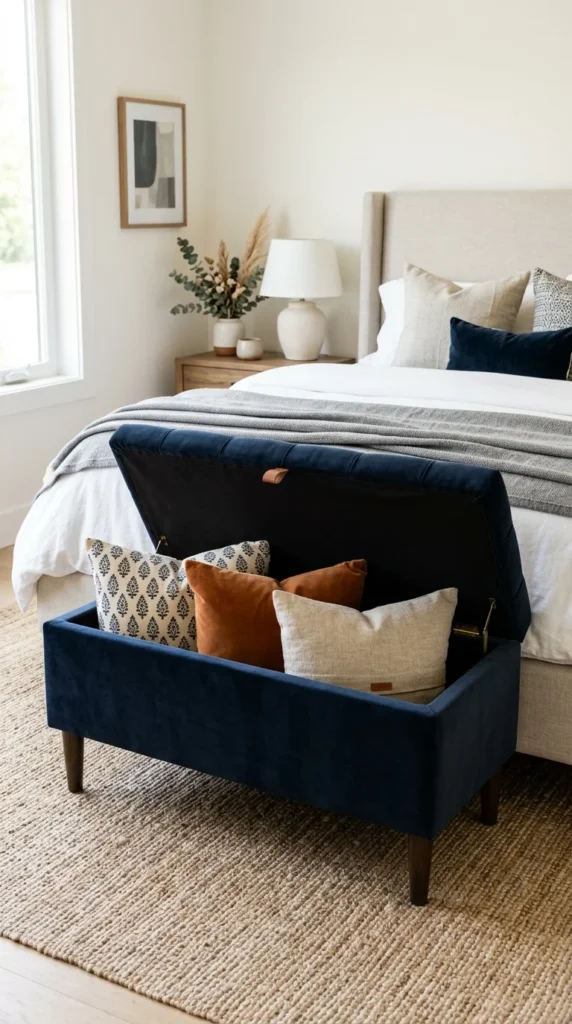
Bedside lamps take up valuable real estate on nightstands—or require a nightstand in the first place. By installing wall-mounted sconces, you free up the surface of your tables for essentials like a glass of water or a phone. Swing-arm models are particularly useful as they can be adjusted for reading or mood lighting.
9. Minimalist Decor
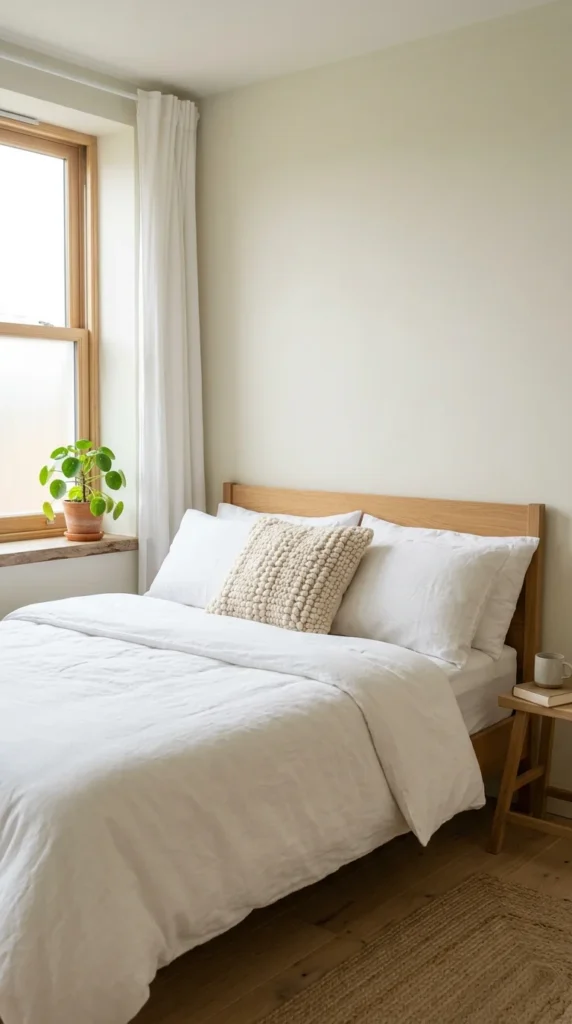
Clutter is the enemy of the small bedroom. Adopting a “less is more” philosophy ensures that the space feels intentional and calm. Focus on a few high-quality pieces of decor that you truly love rather than many small knick-knacks. A clear surface and organized shelves make even the smallest room feel like a luxury suite.
10. Transparent Furniture
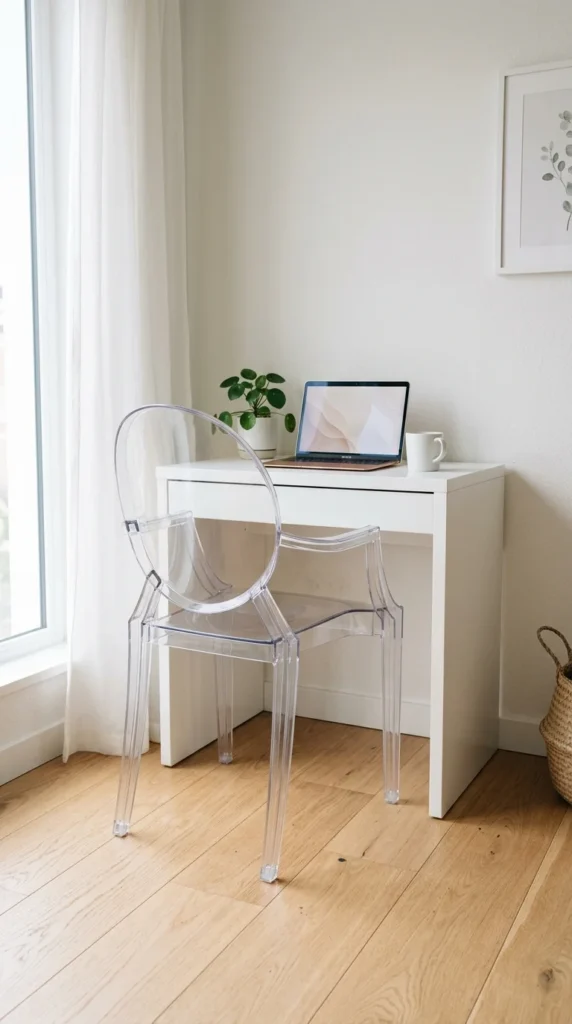
Acrylic or glass furniture—often referred to as “ghost furniture”—is a brilliant choice for tight quarters. Because these items are transparent, they don’t take up any “visual weight.” You get the functionality of a chair or a desk without the piece feeling like it’s blocking the view or narrowing the room.
11. Sliding Doors
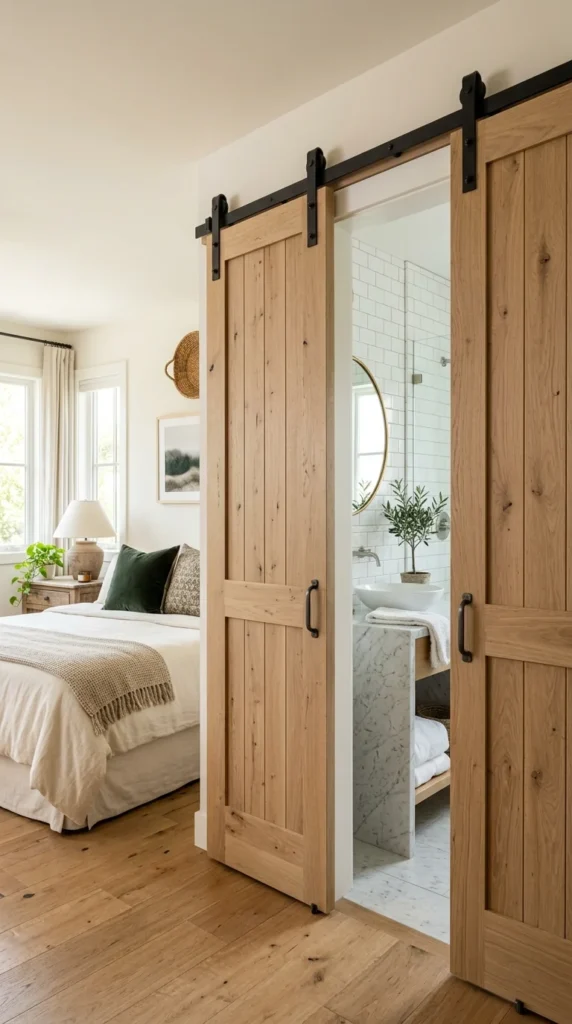
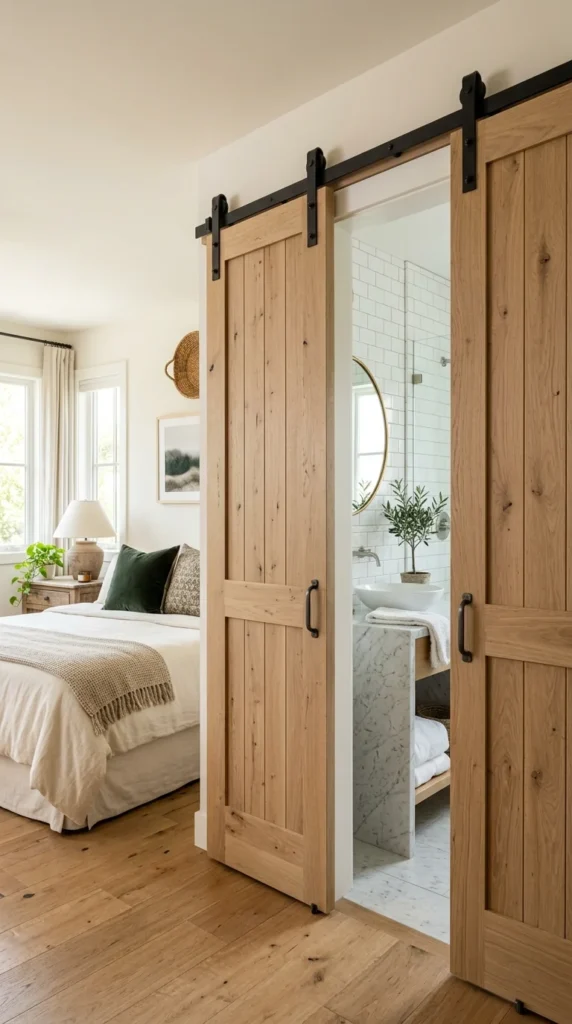
Traditional swinging doors require a “clearance zone” to open and close, which can dictate where you place your furniture. Sliding pocket doors or barn doors eliminate this issue entirely. They allow you to place furniture closer to the doorway, maximizing the floor plan and adding a unique architectural element to the room.
12. Corner Desks
Corners are frequently underutilized in bedroom design. A specialized corner desk or a triangular shelf can turn an awkward nook into a productive workspace. This keeps the center of the room open and makes use of every inch of the perimeter, ensuring no space goes to waste.
13. Rug Placement
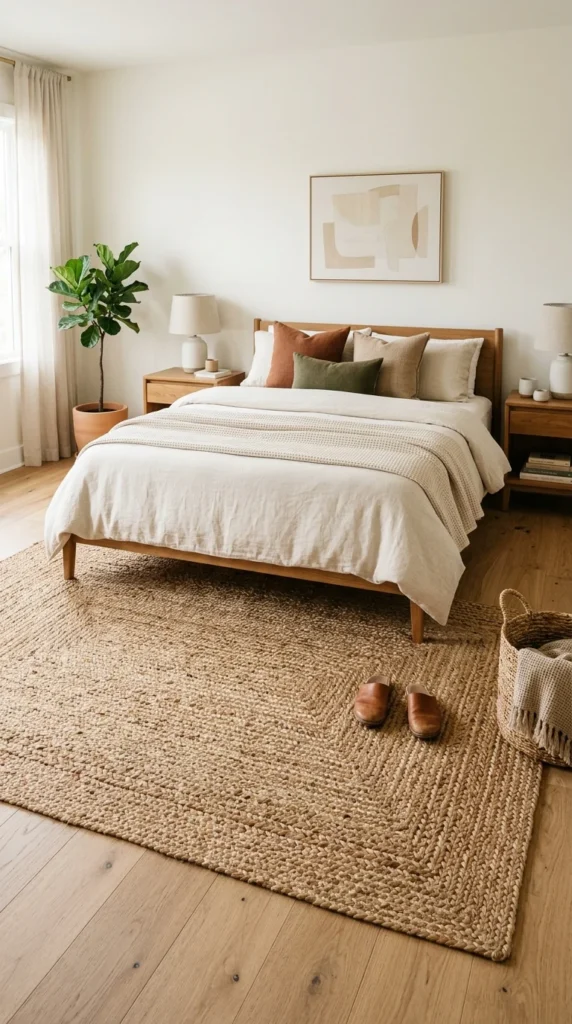
The right rug can actually make a room feel bigger. Instead of a small rug that floats in the middle of the floor (which can “break up” the space), choose a larger rug that sits under the bed and extends beyond it. This creates a cohesive “zone” and draws the eye outward, making the floor area appear more expansive.
14. High Curtains
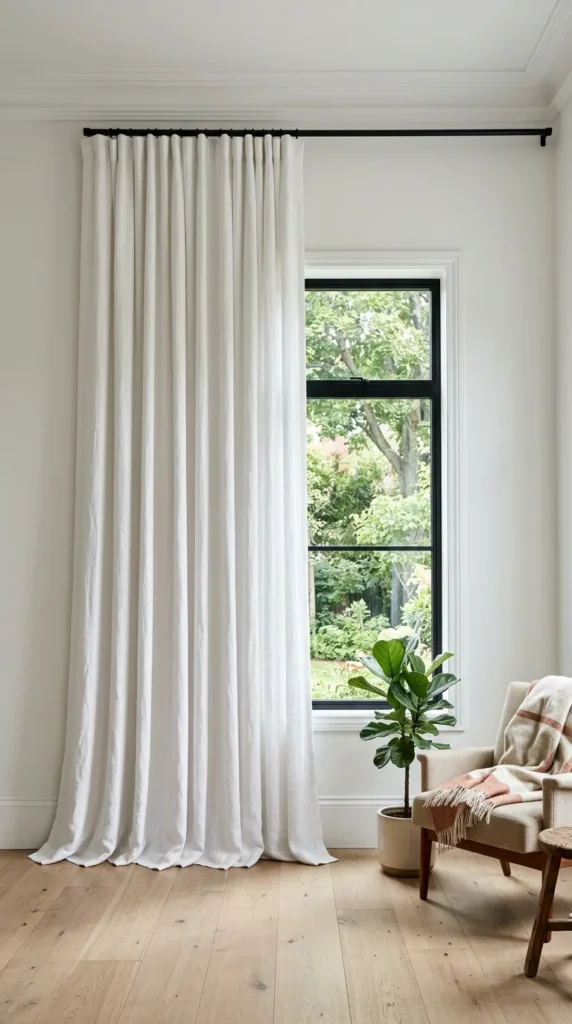
To make your ceilings feel taller, hang your curtain rod as close to the ceiling as possible rather than right above the window frame. Extending the curtains all the way to the floor creates long vertical lines that lead the eye upward, giving the room a sense of grandeur and height that belies its actual size.
15. Built-in Wardrobes
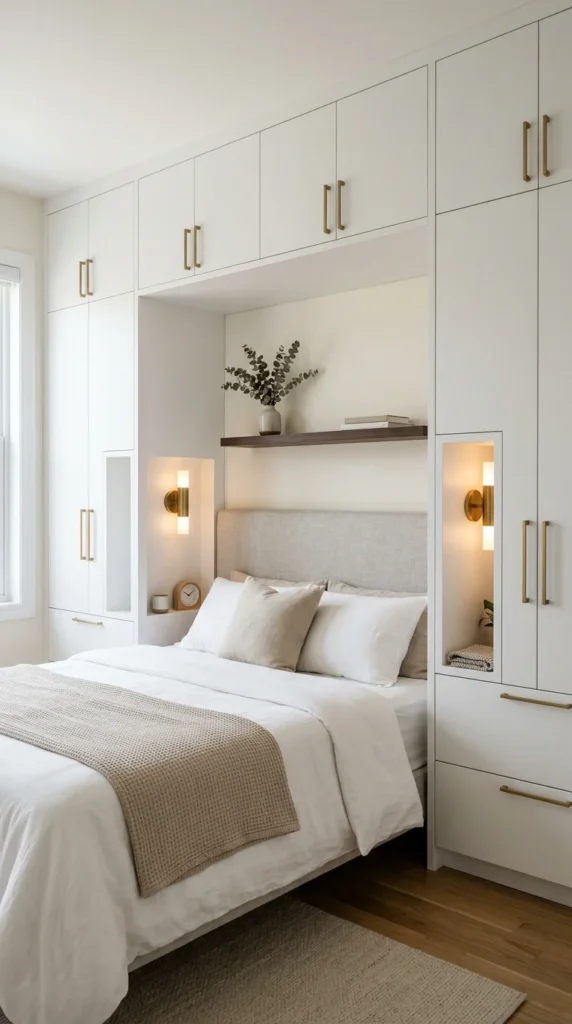
If you have the budget, custom built-ins are the most efficient storage solution. By building cabinets around the bed or along an entire wall, you utilize the space from floor to ceiling. This provides a massive amount of storage while looking like part of the architecture, which feels much less bulky than standalone dressers.
16. Headboard Storage
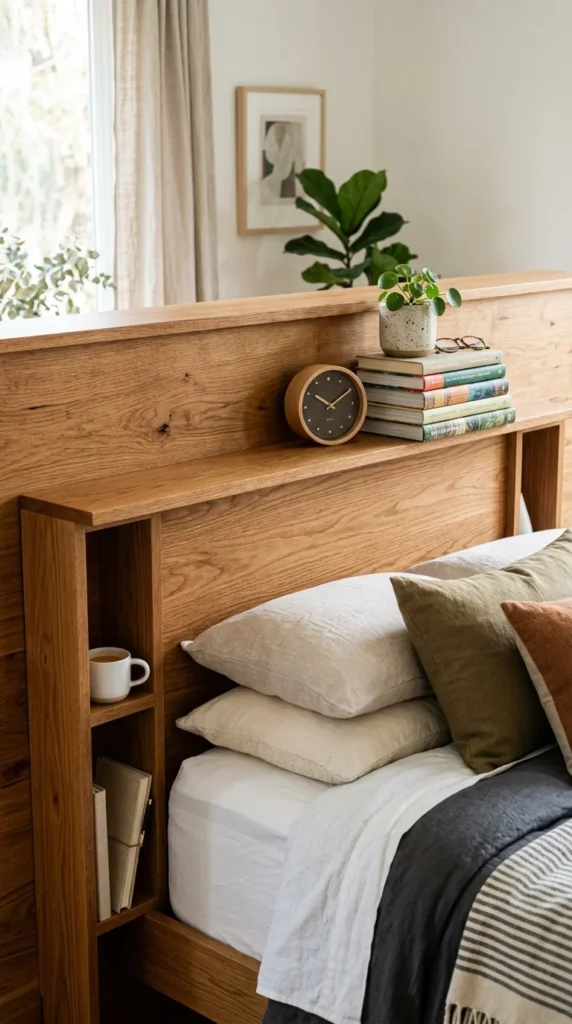
Traditional headboards are purely decorative, but in a small room, they can be a storage powerhouse. A headboard with built-in niches or shelves can replace the need for bedside tables entirely. It’s a perfect spot for books, glasses, and charging cables, keeping your essentials within arm’s reach but neatly tucked away.
17. Window Nooks
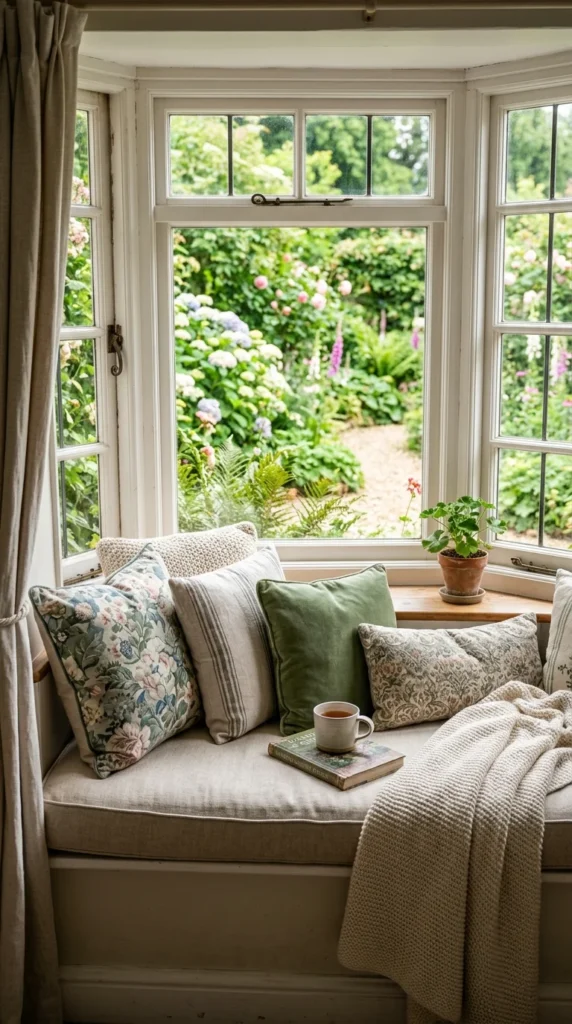
If your bedroom has a window, try to incorporate it into your living space. A built-in window seat provides a cozy spot for reading and can include hidden storage drawers underneath. It utilizes the “dead space” below the window and adds a layer of architectural charm to the room.
18. Bold Statement Art
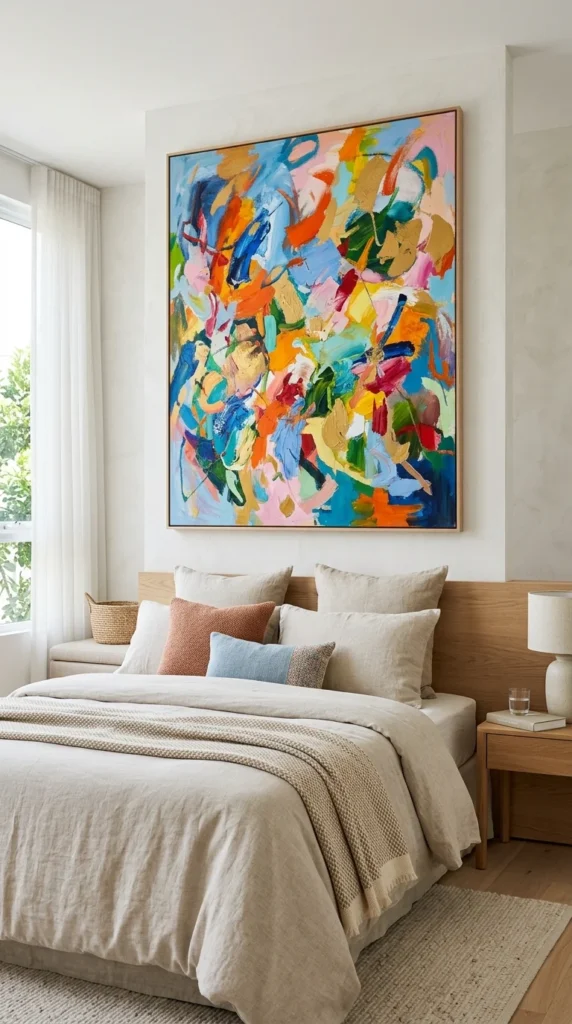
It might seem counterintuitive, but one large piece of art can make a room feel bigger than a gallery wall of many small pieces. A singular, bold focal point gives the eye a place to rest and creates a sense of scale. It makes the wall feel more substantial and draws attention away from the room’s limited dimensions.
19. Open Closets
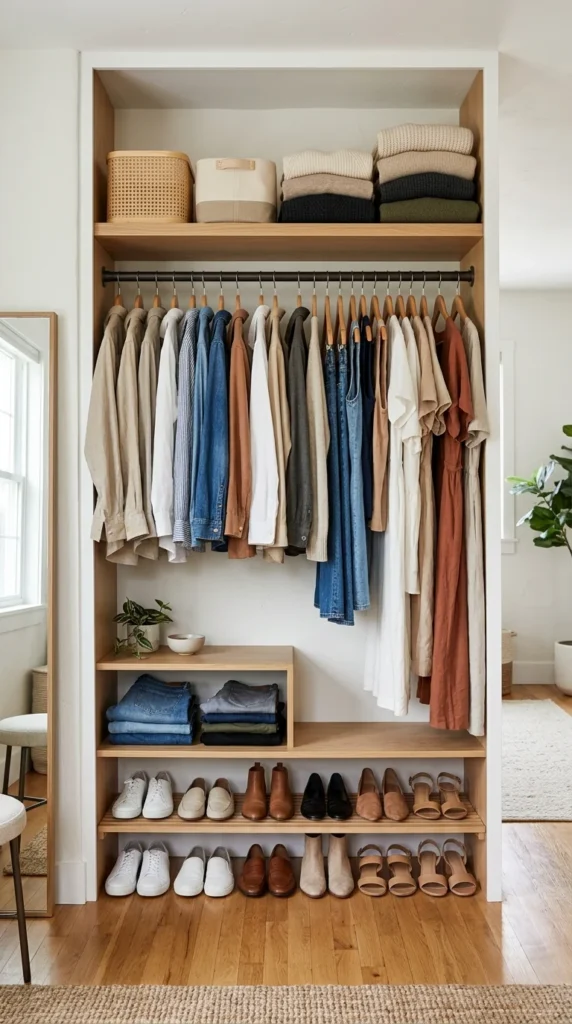
If your room lacks a closet, an open garment rack can be a stylish alternative. By keeping your favorite clothes on display, you avoid the heavy visual presence of a massive wardrobe. The key here is organization; using matching hangers and a consistent color palette turns your clothing into a decorative feature.
20. Fold-Down Desks
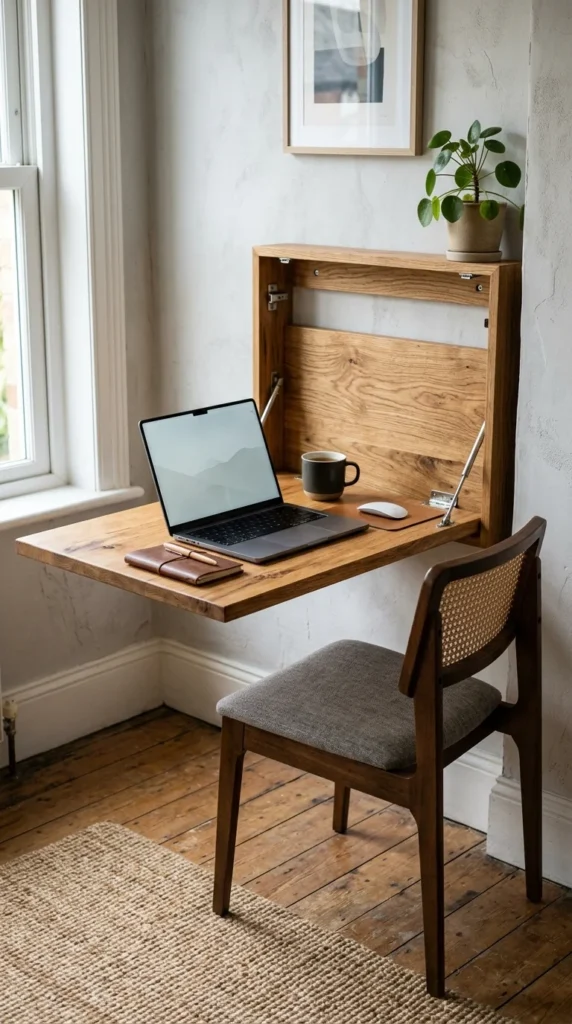
For those who need a home office but don’t have the space, a fold-down or “floating” desk is the perfect solution. These desks can be mounted to the wall and folded flat when not in use. This keeps the walkway clear during the evening while providing a sturdy, functional workspace during the day.
21. Accent Walls
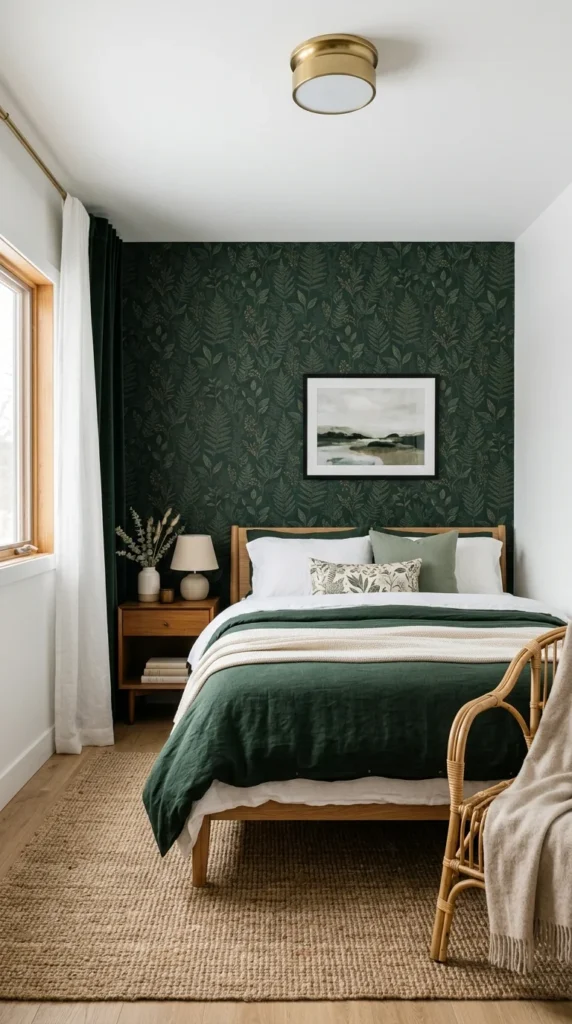
Creating an accent wall can add depth to a small room. A dark color or a textured wallpaper on the wall behind the headboard creates a “receding” effect that can make the room feel longer. It adds personality and character without overwhelming the space, providing a sophisticated backdrop that anchors the entire design.